
Experts Matter. Find Yours.
Connect for media, speaking, professional opportunities & more.

Trailblazing treatment by ChristianaCare physical therapists catches attention of NFL
ChristianaCare physical therapists have developed a trailblazing treatment to prevent muscle strains that has caught the attention of numerous sports teams, including the Los Angeles Rams and Baltimore Ravens. The treatment involves using a screening tool called the “core sling screen” to test the strength of trunk muscles, also known as core muscles, and is combined with a specialized exercise program to strengthen those muscles. Weakness in those muscles can lead to common athletic injuries such as strains in the abdomen, groin, quadriceps and lower back. A study on the treatment’s success was published this spring in the Journal of Sport Rehabilitation. Following that, ChristianaCare physical therapists, Brian Catania, MPT, SCS, ATC, and Travis Ross, PT, DPT, who co-authored the study and spearheaded the treatment, presented it to the NFL’s Professional Football Athletic Trainer Symposium. Athletic trainers with the Los Angeles Rams and the Baltimore Ravens met directly with Catania and Ross to learn how to use it to prevent their players from sustaining muscle injuries. “The research by ChristianaCare Rehabilitation Services regarding core slings is an extremely effective approach that is based off of sound reasoning and practical application,” said Jon Hernandez, PT, DPT, SCS, ATC, CSCS, physical therapist and assistant athletic trainer for the Rams. “The principles of the sling activation series are incorporated into our daily, clinical practice. Whether it be our injury prevention programs, corrective exercises, or rehabilitation practices, the sling activation series is applicable to a myriad of conditions we see in an NFL athletic training room.” Catania and Ross care for patients at ChristianaCare Rehabilitation Services at Glasgow, in Newark, Del. They began working on ways to increase resilience in core muscles nearly nine years ago. Through their research, they developed a screening tool, that they call the “core sling screen,” which detects weakness in those muscles. Strains are among the most common sports injuries, according to the U.S. National Institute of Arthritis and Musculoskeletal and Skin Diseases. “We reasoned that if we could identify ways to improve the strength of the core muscles, common lower extremity injuries would be less likely to occur,” said Catania, who also is the program manager at ChristianaCare’s Rehabilitation Services location in Glasgow. “But it had to be a two-part approach. We needed to develop a reliable screening tool to examine the core muscles and then also come up with a targeted exercise program to strengthen those muscles.” The study was conducted by ChristianaCare’s departments of Rehabilitation Services and Sports Medicine. “At ChristianaCare, we are relentlessly curious and we continuously look for ways to innovate,” said Bradley Sandella, D.O., director of Sports Medicine at ChristianaCare, who also co-authored the study. “We don’t want to just treat injuries – we want to prevent them from ever occurring, even if it means that we have to come up with novel and progressive approaches.” A randomized-control study was performed to test out traditional exercises and compare them to a newly developed exercise program that involved rotational movements of the torso, known as rotary-based exercises. The study found that the rotary-based exercises increased the activation of targeted abdominal muscles and could make adjacent areas of the body, such as the groin, less injury-prone. The study included 31 female and male students from the University of Delaware. Catania and Ross have provided further instruction to both the Rams and Ravens. In May, they visited the Ravens’ facility in Owings Mills, Md., to personally instruct Ravens athletic trainers and physical therapists on how to perform the treatment. The treatment also has been presented at the National Athletic Trainers’ Association and the Eastern Athletic Trainers Association. “It has been meaningful through this research to contribute to the ongoing evolution in the field of physical therapy and sports medicine,” Ross said. “We are always looking for ways to protect our patients, many of whom are athletes, from injury. It makes physical therapy better, it makes patients better, and it makes players better.” To learn more about this treatment and the expertise ChristianaCare is bringing to organizations like the NFL - contact Bradley Sandella, D.O., director of Sports Medicine at ChristianaCare. He's available to speak with media, simply click on his icon now to arrange an interview today.



Covering Breast Cancer Awareness Month? Our experts are ready for your questions and coverage
October is Breast Cancer Awareness Month. Did you know that on average, every 2 minutes a woman is diagnosed with breast cancer in the United States. And according to the National Breast Cancer Foundation: In 2021, an estimated 281,550 new cases of invasive breast cancer will be diagnosed in women in the U.S. as well as 49,290 new cases of non-invasive (in situ) breast cancer. 63% of breast cancer cases are diagnosed at a localized stage (there is no sign that the cancer has spread outside of the breast), for which the 5-year survival rate is 99%. This year, an estimated 43,600 women will die from breast cancer in the U.S. Although rare, men get breast cancer too. In 2021, an estimated 2,650 men will be diagnosed with breast cancer this year in the U.S. and approximately 530 will die. 1 in 8 women in the United States will be diagnosed with breast cancer in her lifetime Breast cancer is the most common cancer in American women, except for skin cancers. It is estimated that in 2021, approximately 30% of all new women cancer diagnoses will be breast cancer. There are over 3.8 million breast cancer survivors in the United States. This year's theme is It's Time to Rise and the National Breast Cancer Foundation has a host of materials to watch and read for anyone looking to test themselves, find support or learn how they can help. If you're a journalist looking to know more about this topic or if you are covering Breast Cancer Awareness month - then let our experts help with your stories. Dr. Alicia Vinyard is a Board-Certified General Surgeon and Fellowship Trained Breast Surgical Oncologist at the Georgia Cancer Center and Medical College of Georgia at Augusta University. Dr. Vinyard is also an expert in breast cancer, cancer surgery and cancer survivorship. She is available to speak to media about Breast Cancer Awareness Month – simply click on her icon to now arrange an interview today.


Social media ‘likes’ found to positively influence healthy food choices – new research
Social media users who view images of healthy foods that have been heavily endorsed with ‘likes’ are more likely to make healthier food choices, a new study has found. The research, by psychologists from Aston University’s College of Health and Life Sciences, found that study participants who viewed highly liked mock Instagram posts of fruit and vegetables ate a significantly higher proportion of grapes than cookies, with consumption of grapes increasing by 14 per cent more calories, compared to those who viewed highly liked high calorie foods. The study, which is published in the scientific journal Appetite, investigated the acute effect of socially endorsed social media posts on participants’ eating behaviour. The 169 participants, who had an average age of 21 years old (but total ages across the group ranged from 18 to 48), were asked to look at mock Instagram posts of different types of food, that either had a few or a lot of ‘likes’, and later given access to grapes and cookies to consume. As well as viewing images of fruit and vegetables, participants also looked at less nutritious foods such as cakes and biscuits, and non-food images such as stylish interior designs. However, the researchers found that the participants went on to consume a larger proportion of grapes after viewing highly liked images of fruit and vegetables, compared to the other images. Aston University psychology PhD student Lily Hawkins, who led the study alongside supervisor Dr Jason Thomas, said: “The findings of the study suggest that not only exposure to healthy food images on social media, but those that are also heavily endorsed with ‘likes’, may nudge people to choose to eat more healthy foods, in place of less nutritious foods.” “What we see others approve of eating and post about eating on social media can affect our actual eating behaviour and could result in a greater consumption of healthier meals and snacks.” “One reason for this may be because thinking that others ‘like’ and eat fruit and vegetables nudges participants to alter their behaviour in order to fit in with what they perceive to be the norm.” The most recent figures from the NHS’s Health Survey for England showed that in 2018 only 28 per cent of adults were eating the recommended five portions of fruit and vegetables per day. In Wales, this was 24 per cent, in Scotland 22 per cent and in Northern Ireland around 20 per cent. Children and young people across the UK had even lower levels of fruit and vegetable consumption. The study findings suggest that social media could be used in future as a way to encourage healthier eating - by encouraging users to follow more social media accounts which have highly liked nutritionally balanced posts, also containing healthier foods. The researchers said the next stage of their work will trial an intervention using real Instagram accounts, to test whether asking people to actively follow more social media accounts posting images of highly liked nutritionally rich foods, can encourage people to consume more fruit and vegetables over a sustained period of time. Professor Claire Farrow, Director of Aston University’s Applied Health Research Group, whose work has contributed to the national Child Feeding Guide resource, added: “We know that social interactions can strongly shape what, when and how much we eat. These findings highlight the important role that social media has in shaping those influences online.” “The findings suggest that people do not simply passively view information about what other people are eating online, but that this digital information can shape our food preferences and choices, particularly when we think lots of other people like certain foods. It is promising that exposure to healthy foods, and likes of those foods, was related to greater intake of healthy foods.” “Further research is needed to explore whether and how these findings can be translated into digital interventions to help support individuals who want to make healthier food choices, and to understand how social media platforms can be used as a tool to support healthy eating behaviour.”

Experts in the Media – UConn’s Dr. David Banach is the go-to voice on COVID boosters
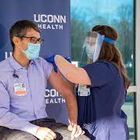
As COVID continues to wreak havoc across the globe, health systems in America are overwhelmed. And as the debate about a third shot continues, the FDA is prepared to allow Pfizer vaccine boosters as early as this week to those over 65 and to people at a higher health risk if exposed to the virus. UConn epidemiologist Dr. David Banach offered his expert perspective and insight on the need and effectiveness for those looking to learn more about booster shots and COVID vaccines: Booster shots of Pfizer’s COVID-19 vaccine may be administered as early as Friday, but who will get one is still up for discussion. “What the FDA review showed was in the general population, at this date and time, there wasn’t sufficient data to support booster doses,” said Dr. David Banach, hospital epidemiologist at UConn Health. Last week, the FDA’s advisory committee voted overwhelmingly not to recommend a third shot for people 16 and up. However, they did vote to authorize a booster dose at least six months after full vaccination for people who are 65 and older as well as individuals who are at high risk for severe COVID. “In older populations, there seems to be some potential benefit to giving a third dose within the Pfizer group,” said Dr. Banach. Dr. Banach said more information is expected in the days to come as this matter heads to the CDC’s independent advisory panel this week. “It’s going to provide more granular recommendations on how to proceed with that 65 and older group and potentially other groups as well,” said Dr. Banach. He added one of the groups up for discussion is healthcare workers. There continues to be an enormous amount of coverage and questions about vaccines and COVID-19, and if you are a journalist looking to know more and include an expert in your story, then let us help. Dr. David Banach is one of the lead experts on COVID-19 in America. He is available to speak with media regarding vaccination and what the future holds with COVID-19. To book an interview, simply click on his icon today.


Media, gender and celebrity culture expert on Britney Spears news developments
Claire Sisco King, associate professor of communication studies, is available for commentary on the recent resurgence in media interest in Britney Spears's personal life, including the #FreeBritney movement and the pop star's recent engagement. Sisco King teaches about Spears in a celebrity culture class, as part of a discussion on gender and trauma as they relate to fame. She can discuss: Spears and the public’s emotional investments in the lives of celebrities The misogyny that often typifies celebrity culture Our culture’s general fascination with trauma


Offshore A’s – UMW’s David Rettinger is the go-to expert for the Varsity Blues trial
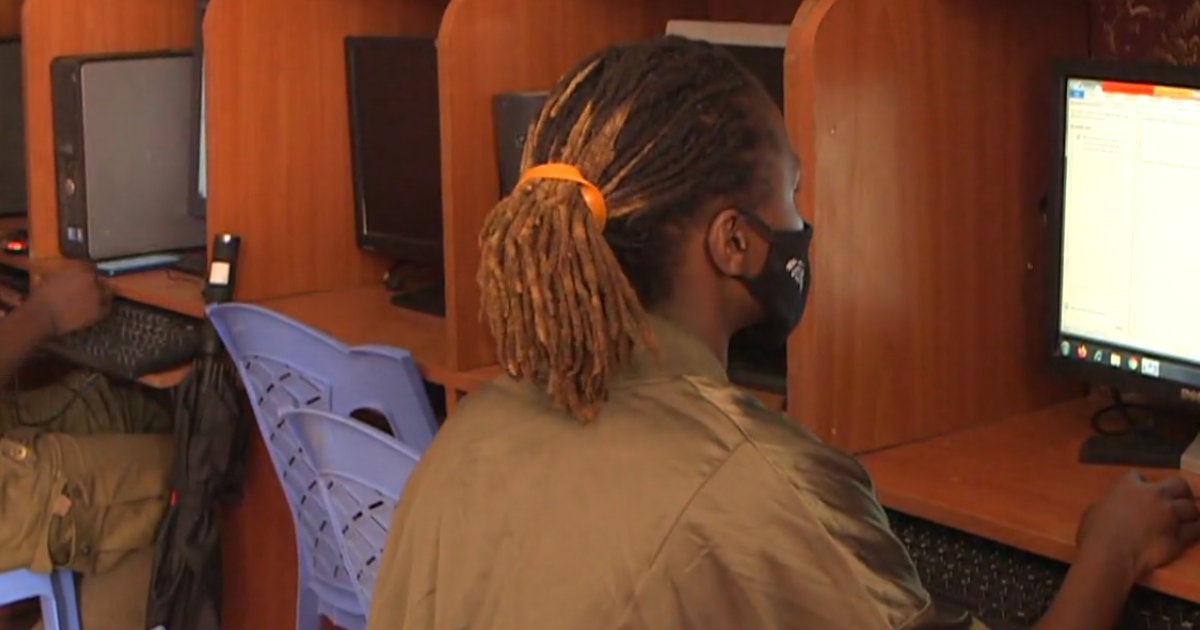
The Varsity Blues case captured headlines over two years ago, when news broke that wealthy parents paid upwards of $25 million in bribes to help their children cheat on test scores and secure college admission. As the trial gets underway this week, Professor of Psychological Science David Rettinger, who oversees Academic Integrity Programs at the University of Mary Washington, can provide unique insight into the scandal and the rise of contract cheating at colleges and universities across the country. He was recently interviewed by CBS News about the billion dollar cheating industry that has emerged in Kenya, where Americans are paying African students to do homework, write essays and in some cases, even complete degrees for them. "I think the state of cheating at colleges and universities is serious and getting more serious," David Rettinger ... told CBS News. He said that cheating is problematic because it means people can graduate from degree programs without actually being qualified in their fields. "We trust our doctors have been to medical school," Rettinger said. "Cheating leads us to overall social corruption because it leads us to having a cadre of professionals who can't actually do the work that they claim they can do." You can see the full interview and story here: Dr. David Rettinger is available to speak with media regarding this issue of cheating and academic integrity. Simply click on his icon now to arrange an interview today.


Experts in the Media – UMW entomologist is the go-to expert on the Spotted Lanternfly
Move over cicadas. Spotted Lanternflies are now in the spotlight, hitchhiking across America. The invasive species, which came via cargo from Asia, are now wreaking havoc through the East Coast. Just this week, University of Mary Washington Assistant Professor of Biology Josephine Antwi, whose research focuses on the effects that pests have on crops of economic importance, was interviewed by The Washington Post about the potential devastation these bugs can have on trees and agricultural crops like apples, grapes, stone fruits and hop plants. The New York Times and USA Today have also published stories about the insects. Despite having wings, the adults don’t fly far. The bugs are often spread by vehicles. Residents in quarantined counties are urged to inspect vehicles and goods for transport to ensure that the insects and their egg masses are not hitching a ride. “If females lay eggs on a substrate that eventually moves (e.g., automobiles or goods), then they quickly spread that way,” Josephine Antwi ... wrote in an email. If you're writing about the Spotted Lanternfly, Dr. Antwi is available to speak with media; simply click on her icon to arrange an interview today.
UCI scholars discuss how 9/11 changed America
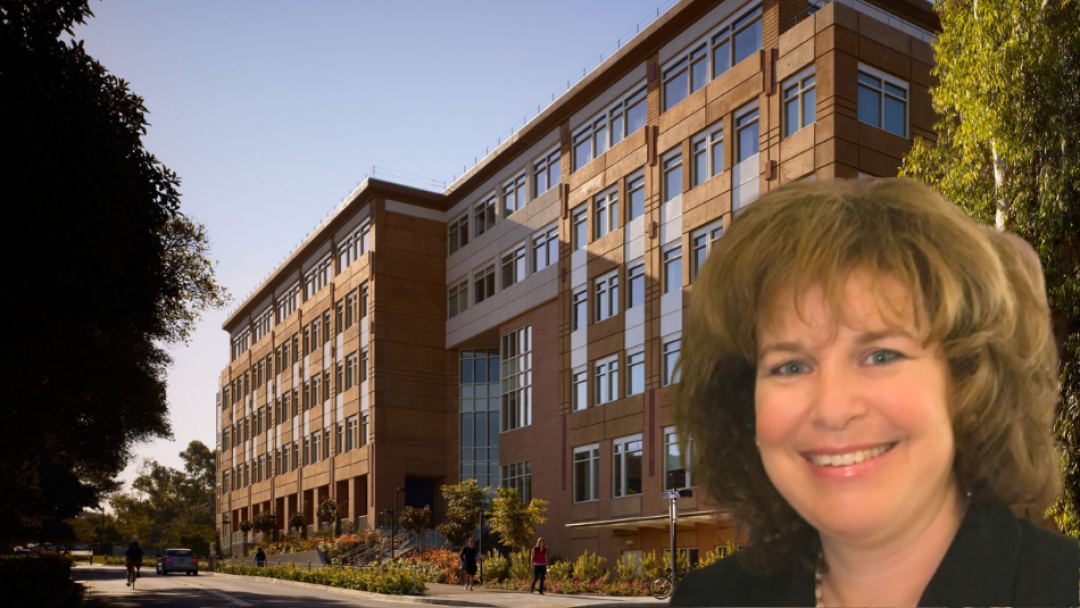
In recognition of the 20th anniversary of the Sept. 11, 2001, terrorist attacks in the U.S., we asked UCI scholars a single question: How did 9/11 change America? They responded according to their expertise – which ranges from collective trauma, media, air travel, foreign relations, false narratives, political divisiveness, and the war on terror. Contact Tom Vasich at 949-285-6455, tmvasich@uci.edu, to arrange interviews. Roxane Cohen Silver, Distinguished Professor of psychological science, public health and medicine E. Alison Holman, professor of nursing Topic: Media and collective trauma Quote: “The Sept. 11 terrorist attacks – which hijacked our television screens that Tuesday morning as people who sought to do us harm hijacked four airplanes – captured people’s attention throughout the days and weeks that followed. It also ushered in 24/7 media attention to what has become known as a “collective trauma,” transmitting the horrible events of that day throughout the country and, indeed, throughout the world in a matter of seconds. …The 9/11 attacks were tragic for American residents, but they also taught us that the media can broadcast distress alongside the news it’s covering.” Jan K. Brueckner, Distinguished Professor of economics Topic: Air travel Quote: “In response to the revenue shock of 9/11 and to new competition from low-cost carriers, the major airlines behaved conservatively in adding back capacity as traffic returned, so that the carriers eventually offered fewer seats to an ultimately larger number of passengers, leading to fuller flights and today’s less comfortable flying experience. Even though 9/11 is long past, the airline industry continues to operate in a climate of fear of terrorism from the air.” Erin Lockwood, assistant professor of political science Topic: U.S. foreign policy Quote: “The attacks – and the U.S. response – set in motion decades of war, anti-Arab and anti-Islamic bias and violence, and a willingness to sacrifice military and civilian lives and civil liberties for the perception of security. As we mark the withdrawal of U.S. forces from Afghanistan this month, it’s all too apparent that many of those trends continue to reverberate today.” David Kaye, clinical professor of law Topic: National security Quote: “Despite my hopes for something better that might emerge, the attacks reinforced a cult of national security that the United States transformed into the torture of terrorism suspects, drone warfare, the invasion of Iraq, Guantanamo Bay’s indefinite detentions, anti-Muslim discrimination at home and the emergence of the contemporary surveillance state. … The predominance of national security as an ideology and apologia remains among the most significant legacies of that day, a feature of American political life that continues to constrain creativity and a return to normalcy in American law and policy.” Matthew Beckmann, associate professor of political science Topic: War on terror Quote: “To understand the legacy of 9/11 is to define the legacy of George W. Bush. For after the deadliest terrorist attacks on U.S. soil in our nation’s history, American citizens and lawmakers gave President Bush broad support and broader authority to wage the “war on terror” as he saw fit. … Twenty years after the attacks, having seen those lofty aspirations dashed in Afghanistan and Iraq, disregarded in Guantanamo Bay and black site prisons, and discounted even by our staunchest allies, the biggest legacy of Sept. 11 for the United States is that the “shining city on a hill” has less luster and a shorter reach.” David Theo Goldberg, professor of comparative literature Topic: Rise of false narratives Quote: “The events of 9/11 lent themselves to make-believe. The smoke hadn’t yet cleared when conspiracies began to abound, from “weapons of mass destruction” to “the deep state.” That the Trump administration adopted this as its own playbook while insisting on “draining the swamp” required cooking the rules. … Fabrication had become the rule book of the game. Invention and inventedness, disruption and innovation fueled the movement. The “truth” was, well, oh so yesterday.”

Bye-bye Bonnie and Clyde – Brazil is taking bank robbing to a whole new level
The media coverage reads like a scene out of a Michael Bay movie. Bank robbers using drones, strategically planting bombs across the city and taking hostages and placing them atop getaway cars. It’s surreal … but in Brazil, over the top bank heists are becoming the new normal. And the media are looking for experts to try and explain just what it is going on. That’s why the Daily Beast recently contacted Georgia Southern’s expert on Latin America, José de Arimatéia da Cruz, Ph.D. In the predawn darkness last Monday, a group of about 20 heavily armed commandos seized control of the downtown financial block in Araçatuba, a mid-sized Brazilian city in the eastern state of São Paulo. They then proceeded to rob three banks, while the surveillance drones they had deployed kept watch over head. When the heist was complete they accosted several bystanders, shot a man who had been filming them on his phone, and then bound the hostages they’d taken to the tops of their getaway vehicles so as to dissuade police from interfering with their escape…. Since 2015 these kinds of attacks have become so common that Brazilians even have a name for them: Novo Cangaço, which roughly translates into English as “New Struggle.” The name refers to a “social banditry” movement that flourished in Brazil’s hardscrabble northeast in the late 19th and early 20th centuries. The original Cangaço sought to battle back against widespread poverty and inequality. It involved Robin-Hood like figures who plagued wealthy landowners, donated to the poor, and pushed the government to jumpstart economic reforms. “The New Cangaço’s modus operandi is similar” to that of their predecessors, José de Arimatéia da Cruz , Ph.D., told The Daily Beast. The tactics might be alike, but the strategy between the old and new incarnations are quite different, according to da Cruz, who is originally from Brazil but now teaches international relations at Georgia Southern University. “The difference today is that the traditional cangaceiros [peasant bandits] were fighting against politicians. The Novo Cangaço today are attacking banks and are most basically interested in money for different purposes.” This is a sensational chain of events – and if you are a reporter covering these escalating crimes in Brazil – then let us help with your stories. José de Arimatéia da Cruz is available to speak with media regarding this topic — simply reach out to Georgia Southern Director of Communications Jennifer Wise at jwise@georgiasouthern.edu to arrange an interview today.


MEDIA RELEASE: Watch for higher traffic volume in school zones as students go back to class
After months of distance learning, many students will be excited to see their friends and classmates again as they return to the classroom. With higher traffic periods anticipated before and after school, CAA South Central Ontario (CAA SCO) is urging all pedestrians and motorists to stay alert and take extra caution while travelling through school zones. “Pedestrian safety begins with drivers,” said Raymond Chan, manager of government relations at CAA SCO. “When you’re behind the wheel, you have the responsibility to look out for everyone else around you, including parents, guardians and children.” While the pandemic reduced congestion around schools, a recent school zone survey conducted on behalf of CAA SCO found many of those previous bad behaviours persist. More than 20 per cent of parents say they witnessed speeding, illegal parking and U-turns or three-point turns. Of those surveyed, 41 per cent of parents and guardians say that motorists being in a hurry is the primary cause for unsafe driving behaviours within school zones. Pedestrian behaviours also play a role when it comes to road safety. According to the survey, parents are concerned about pedestrians crossing at undesignated areas; and failing to look both ways when crossing the street. “CAA is reminding pedestrians, cyclists and motorists to be fully aware of their surroundings by slowing down and putting away all distractions,” said Chan. “Whether you are a parent or guardian driving, or a child walking or wheeling to school, everyone plays a role in keeping school zones safe.” CAA is encouraging motorists to remember these top five school zone safety tips: Make eye contact with passing pedestrians and cyclists: With the excitement of going back to school, anticipate that children may not easily see or hear your moving vehicle. Use eye contact to ensure pedestrians are aware of you driving your vehicle. Help reduce traffic with active school travel: Encourage your kids to walk or ride to school to ease traffic congestion. If your school is a further distance, CAA encourages parents and guardians to park a block away and walk to school, if possible, to reduce traffic and make school zones safer. Slow down: Know the speed limit in your neighbourhood’s school zones and respect them. Ensure to give yourself plenty of time to drop off your kids at school to avoid rushing. Follow the rules of the road near school buses: Always stop for school buses with its lights flashing and/or stop arm activated, and wait for children to get safely on or off. Stay alert and watch for children or parents/guardians crossing the road when the bus moves on. Choose a safe spot to drop off and pick up your children from school: Follow your school’s rules and avoid double parking or stopping on crosswalks, dropping off or picking up your kids on the opposite side of the street, and stopping in moving traffic as kids rush out. Instead, use the designated drop off areas or consider a spot a bit farther away from school that is easily accessible and safe. CAA supports safety in school zones through the CAA School Safety Patrol® program. The program was developed to protect and educate elementary school children on safe road-crossing practices. CAA’s Ontario Road Safety Resource is a toolkit with valuable lesson plans for teachers to help educate students about road safety. The study, commissioned by CAA SCO and conducted by Dig Insights between April 16th to 23rd, 2021, surveyed 1,405 Ontario parents/guardians between the ages of 18 and 74 with children attending school from Kindergarten to Grade 8. A probabilistic sample of a similar size would have a margin of error plus or minus 2.6% at the 95% confidence level.

