
Experts Matter. Find Yours.
Connect for media, speaking, professional opportunities & more.

It's October ... and that means one thing in America: Major League Baseball playoffs are set to begin. It means wall to wall broadcasts of games, massive advertising buys and gate receipts that means a serious stream of revenue for all of the teams, players and owners who made it through a long season and survived to be one of the dozen teams left to play for the Commissioner's Trophy. It's going to be a wild few weeks for baseball fans and the reporters covering the games. And if you're a journalist looking to know how important the marketing and business sides are to the the playoffs - then let us help with your stories. Kirk Wakefield, Ph.D., is The Edwin W. Streetman Professor of Retail Marketing at Baylor University, where he is the Executive Director of the Curb Center for Sales Strategy in Sports and Entertainment (S3E) program in the Hankamer School of Business. Kirk is available to speak with media - simply click on his icon ow to arrange an interview today.


The Must-Watch Scary Movies for Every Fear Factor
Spooky season has arrived, and there's no better way to get into the spirit than by enjoying some classic horror films. Whether you thrive on the thrill of a good scare or you’re more of a “hide your eyes” type, James Kendrick, Ph.D., a film historian and professor of film and digital media at Baylor University, has got you covered. From spine-tingling classics to not-so-scary flicks, Kendrick is here to help you navigate the perfect lineup of Halloween movies – no matter your fear tolerance. What makes horror movies scary? According to Kendrick, great horror films resonate with audiences by reflecting societal fears. "We are the monster," Kendrick said. Whether it's current social anxieties, cultural challenges or deep psychological fears, horror films have evolved to capture the essence of what we fear most, he said. The genre's core remains rooted in three essential elements: character and story, atmosphere and the monster. Without these, Kendrick said, the fear factor simply doesn’t work. Top 10 Horror Films Everyone Should See For those seeking true horror classics, Kendrick has developed a list of 10 must-watch films that exemplify the genre at its best. From early black-and-white masterpieces to modern independent hits, here are his recommendations: 1. Nosferatu (1922) 2. The Bride of Frankenstein (1935) 3. Cat People (1942) 4. Psycho (1960) 5. Night of the Living Dead (1968) 6. The Exorcist (1973) 7. Suspiria (1977) 8. Halloween (1978) 9. The Shining (1980) 10. The Babadook (2014) These films not only shaped the horror genre but also continue to be influential today, delving into psychological terror, societal anxieties and primal fears, Kendrick said. For the Faint of Heart: Scary Movies Without the Gore For those who want to enjoy the Halloween season without being overwhelmed by gore and violence, Kendrick offers his top 10 list of "terror" films that rely more on atmosphere and suspense than graphic horror. According to Kendrick, these terror films engage the audience emotionally and psychologically, drawing them into the fear without overwhelming them. The Innocents (1961) and A Quiet Place (2018) create tension and fear through the effective use of atmosphere, silence and emotional depth, he said. Kendrick’s top picks for lighter horror films include: 1. Vampyr (1932) 2. The Innocents (1961) 3. Kwaidan (1964) 4. Invasion of the Body Snatchers (1978) 5. The Vanishing (1988) 6. The Blair Witch Project (1999) 7. The Others (2001) 8. Take Shelter (2011) 9. Warm Bodies (2013) 10. A Quiet Place (2018) So, whether you’re a horror aficionado looking for spine-chilling classics, or just want to dip your toes into something a little spooky without the nightmares, Kendrick’s expert recommendations offer a Halloween movie night that’s perfect for everyone, thrill-seekers or scaredy-cats alike. Get your popcorn ready, turn off the lights (if you dare) and settle in for a frightfully good time this spooky season! ABOUT BAYLOR UNIVERSITY Baylor University is a private Christian University and a nationally ranked Research 1 institution. The University provides a vibrant campus community for more than 20,000 students by blending interdisciplinary research with an international reputation for educational excellence and a faculty commitment to teaching and scholarship. Chartered in 1845 by the Republic of Texas through the efforts of Baptist pioneers, Baylor is the oldest continually operating University in Texas. Located in Waco, Baylor welcomes students from all 50 states and more than 100 countries to study a broad range of degrees among its 12 nationally recognized academic divisions. Learn more about Baylor University at www.baylor.edu. ABOUT THE COLLEGE OF ARTS & SCIENCES AT BAYLOR UNIVERSITY The College of Arts & Sciences is Baylor University’s largest academic division, consisting of 25 academic departments in the sciences, humanities, fine arts and social sciences, as well as 11 academic centers and institutes. The more than 5,000 courses taught in the College span topics from art and theatre to religion, philosophy, sociology and the natural sciences. The College’s undergraduate Unified Core Curriculum, which routinely receives top grades in national assessments, emphasizes a liberal education characterized by critical thinking, communication, civic engagement and Christian commitment. Arts & Sciences faculty conduct research around the world, and research on the undergraduate and graduate level is prevalent throughout all disciplines. Visit the College of Arts & Sciences website.


An innovative Baylor University study has shed light on the often-overlooked experiences of women doing “daughtering” in families, particularly during the COVID-19 pandemic, which created immense challenges in their relationships with parents and other family members. “Daughtering” refers to the ways adult daughters contribute to flourishing family relationships, according to Allison M. Alford, Ph.D., clinical associate professor in the Department of Information Systems and Business Analytics in Baylor’s Hankamer School of Business. Alford’s latest research, Daughterwork in Times of Social Upheaval, published in Qualitative Research Reports in Communication, explores how societal changes caused by the pandemic required women to reconfigure their relationships with their parents and emphasizes the critical role adult daughters play in maintaining family connections, particularly in times of crisis. "This study highlights how social upheavals like the COVID-19 pandemic can both challenge and reinforce the essential work that daughters do in their families," Alford said. “Past research has shown that women often bear the brunt of responsibility when crises occur at home, work or in the extended family. Particularly for professional women – those who are balancing changing workplace demands alongside immediate and extended family concerns as well as societal shifts – increased care needs or the perception of such for parents can increase stress and negatively impact well-being, yet women still persist in providing upstream support for a variety of reasons.” Using in-depth, semi-structured interviews of women who identified change to their daughtering, professional and family lives, Alford discovered four themes about how a crisis can provide opportunities for flexible daughtering, meaningful connection and reflection on one’s most important relationships. Daughtering is adaptive action The pandemic forced many daughters to rapidly adjust their caregiving practices with their parents. When normal forms of communication were not an option, many daughters turned to technology to bridge the gap. This included increased use of video calls, social media, and other digital communication tools to maintain contact and promote family connection. Alford’s research found that daughters also took on new, often physically demanding tasks to ensure their parents’ well-being – delivering groceries, managing household repairs and organizing virtual family gatherings. “These actions were not only about adapting to the context of social upheaval but also about intensifying their caring efforts to meet the evolving needs of their parents,” Alford said. Daughtering is adaptive timing The study revealed that daughters had to maintain a heightened state of vigilance, constantly prepared to address unexpected crises, Alford said. Unlike the more predictable daughtering routines of the past, the pandemic introduced a level of uncertainty that required daughters to be in a near-constant state of readiness. One study participant described her experience as being in "constant problem-solving mode," which added significant stress to her daily life. “This ‘adaptive timing’ meant that daughters often found themselves juggling sudden care demands with their own professional and personal obligations,” Alford said. “This theme underscores the mental and emotional toll on daughters who had to manage the unpredictable nature of daughtering during the pandemic.” Daughtering is a priority Despite the challenges, Alford said, many daughters reported that they continued to prioritize their daughtering responsibilities, driven by a deep sense of familial duty and personal values. “For these women, daughtering was not just another task but a core part of their identity, often taking precedence over their professional responsibilities,” Alford said. “This commitment was evident in the time and resources they dedicated to maintaining their relationships with their parents, even when it meant sacrificing their own well-being or career advancement.” One participant noted, “I value family, so I still made it a priority,” reflecting a sentiment shared by many women in the study. This theme, Alford noted, highlights the internal conflict that many daughters faced, balancing their dedication to family with the competing demands of their own lives. Daughtering involves reflecting Challenges prompt many daughters to reflect deeply on their roles and relationships, and the COVID-19 pandemic was no different, Alford said. “This period of social upheaval generated a moment of introspection, leading daughters to reassess their priorities, boundaries and the nature of their relationships with their parents,” she said. “For some, this reflection led to a greater appreciation for the importance of family, while for others, it was a time to set new boundaries and redefine their roles within the family structure.” One participant observed, “COVID was a catalyst for emotional support,” while another reflected on the need to “carve out time mentally” to fulfill her roles as both a daughter and a professional. This theme illustrates how the pandemic not only challenged daughters but also provided an opportunity for personal growth and redefinition of their familial roles, Alford said. Key strategies to recognizing daughters’ “invisible” labor The research underscores the critical need for greater recognition and support for the invisible labor performed by adult daughters, suggesting that both families and society at large have a role to play in alleviating the burden on these women. “It’s crucial that we not only acknowledge the burden placed on these women, “Alford said, “but also seek ways to support them, whether through family empathy, shared responsibilities or societal recognition.” Alford emphasizes the importance of three key strategies: Awareness and acknowledgment Families should recognize the labor involved in daughtering and ensure it is acknowledged and appreciated. This can help prevent the exploitation of this labor and ensure that daughters feel valued for their contributions. Outsourcing and support Where possible, families should consider outsourcing some care tasks or providing additional support to relieve the burden on daughters. This might include hiring help for household chores or seeking external emotional support through counseling. Expressing gratitude Expressing gratitude and acknowledging the efforts of daughters can significantly enhance their sense of well-being and fulfillment. This recognition is vital in helping them feel that their contributions are meaningful and valued. National Daughter’s Day National Daughter’s Day is Sept. 25, and while this holiday has been around since 1932 to honor the daughters in our lives, it can often quietly pass us by. Alford recommends parents using this day to officially acknowledge all the ways in which daughters support their families.


Head trauma and long-term impacts
Last week, NFL great Brett Favre revealed publicly that he has Parkinson's disease. It was an announcement that has also put the devastating affliction back in the media spotlight, and has experts and the public wondering if there's a link between high-impact sports like football and Parkinson's. It's why researchers like Christopher Watts from TCU are getting contacted by national media looking for answers. Head trauma alone is not the sole risk factor for Parkinson’s. Experts say the disease has also been linked to environmental factors, like exposure to certain pesticides or chemicals, and genetic mutations. “If all the ingredients in the recipe come together, you may develop Parkinson’s disease,” said Christopher Watts, Texas Christian University's Dean of the Harris College of Nursing & Health Sciences, who researches the disease. “The reason why we know is because not every boxer develops Parkinson's disease… it has to be other things that are acting along with that exposure to head trauma.” The median age for a Parkinson’s diagnosis is about 65, Watts said. At 54, Favre is on the younger end of that spectrum. Parkinsonism – an umbrella term for brain conditions that cause slow movement, rigidity and tremors – has been well studied in boxers, Watts said. One of history’s most legendary boxers, Muhammad Ali, was diagnosed with the disease. However, the research among football players isn't as robust. A 2023 study published in JAMA found participants with a history of playing organized football had higher odds of Parkinsonism or Parkinson's disease compared with those involved in other organized sports. But other studies have reported mixed findings, Watts said. He said researchers must determine if there is a link. “Football is such a big part of American society,” he said. “We need to know the answers to this.” September 25 - USA Today With the NFL season in full swing - this will be a subject that will be receiving ongoing coverage throughout the season. And if you're a journalist looking to know - then let us help with your stories, questions and coverage. Chris Watts is the Marilyn & Morgan Davies Dean of Harris College of Nursing & Health Sciences at Texas Christian University and is an expert in the areas of neurological disorders. Chris is available to speak with media about this important topic - simply click on his icon now to arrange an interview today.


Constitutional Law Professor James Sample was interviewed by WCBS-TV about the indictment of NYC Mayor Eric Adams indicted following a federal investigation. James is available to speak with media - simply click on his icon now to arrange an interview today.


How Will Rate Cuts Affect the Election?
On September 18, the Federal Reserve established the first interest rate cut since the Covid pandemic in 2020. The Fed lowered the federal funds rate by half a percentage point – a much larger change than the typical quarter percentage point cut. Dr. Jeff Haymond, dean of the Robert W. Plaster School of Business at Cedarville University, shared insight about the motivations behind this rate cut in a recent interview. Here are some key points: The United States' national debt has been described as a "ticking time bomb." What impact will this and future interest rate cuts have on the national debt? In light of this recent move, current presidential candidate Donald Trump has articulated his economic plan to put a cap on credit card interest rates. Would this bring down the cost of living in the United States, or will it lead to less options for the consumer? This slashing of the interest rate comes only a short time before the presidential election, with many claiming that this cut was, in fact, a political move. Will it affect the decisions of voters as the election draws near? If you are covering the recent interest rate cut or potential for future cuts and need to know more, let us help with your questions and stories. Dr. Jeff Haymond is an expert on this subject and is available to speak to media regarding the action of the Federal Reserve and what this means for families in the United States – simply click on his icon or email mweinstein@cedarville.edu to arrange an interview.


AU study shows participation in civil society groups lowers suicide rates
A new study by Lance Hunter, PhD, professor of social science in Augusta University’s Pamplin College of Arts, Humanities, and Social Sciences, reveals a direct link between voluntary involvement in civil social groups and a lower risk of suicide. In the study, published in Cross-Cultural Research, Hunter looked at data gathered from 2000 to 2019 from 156 countries with varying levels of development from Africa, Asia, Australia, Europe, North America and South America and found that participation in civil society groups, both political and non-political, may produce positive social and psychological benefits that are associated with lower suicide rates. September is National Suicide Prevention Month, during which mental health advocates, prevention organizations and other community groups promote suicide prevention awareness. “The greater the voluntary participation in civil society groups within the country, the lower the suicide rates are for that country,” said Hunter. “Voluntary civil society participation is a great way for people to connect with other individuals with similar interests and possibly find meaning and purpose to some degree. That in turn decreases feelings of social isolation, which can decrease the likelihood of suicidality or suicide.” Based on the research, he noted that social isolation is a major factor in suicide ideation and attempted suicide but it’s not the only factor. “It is important to note there are many psychological, biological, social and mental health factors that can contribute to suicide risk. Civil society participation and social isolation are just two factors among many that can affect suicidality,” said Hunter. Meredith Rausch, PhD, associate professor in the College of Education and Human Development’s Department of Research, Counseling and Curriculum, said research shows ideation and deaths by suicide in the United States tend to rise between February and April and again in August and September. “I have found the change in seasons often leads to people feeling overwhelmed when it comes to thinking about enduring another season,” said Rausch. “While the advent of spring or autumn may seem enjoyable or hopeful to some people, others find it to represent an entirely new season and the idea of experiencing that is exhausting.” Rausch also notes it’s important to note how these times of the year also coincide with the academic year, causing an increase in bullying, frustration with academics or other negative experiences for school-aged children. According to a 2023 study by the World Health Organization, more than 700,000 people worldwide die each year by suicide, and suicide is the fourth-leading cause of death among people 15 to 29 years old. Interested in learning more - let us help. Lance Hunter, PhD, is available to speak with media about this important topic - simply click on his icon to arrange an interview today.


Hurricane Helene: Addressing health and safety concerns as communities rebuild
With Hurricane Helene bearing down on the Gulf region, millions of people are deciding whether or not to evacuate from their homes or ride the storm out. How to best protect their families, concerns over feeding their infants and what to do with beloved pets will all factor into their decisions. Understanding the reasons why individuals choose one course of action over the other is a complex issue that researchers in the University of Delaware's Disaster Research Center have been studying for years. The following experts in the DRC, the oldest such center in the United States, can comment on the following topics: Tricia Wachtendorf: Evacuation decision-making, disaster response and coordination, disaster relief (donations) and logistics, volunteer and emergent efforts, social vulnerability. James Kendra: Disaster response, nursing homes and hospitals, volunteers, response coordination. A.R. Siders: Expert on sea level rise and managed retreat – the concept of planned community movement away from coastlines and flood-prone areas. Specifically, Siders can talk about how building more homes and infrastructure in flood-prone areas in Florida makes the consequences of hurricanes like Helene more severe. (How the 'expanding bullseye' is contributing to the rising disaster costs in the U.S.). She authored two papers slated for release on floodplain development (noting the more than 400,000 homes that were built in regulated floodplains 2001-2019). Jennifer Horney: Environmental impacts of disasters and potential public health impacts for chronic and infectious diseases. Sarah DeYoung: Pets in emergencies, infant feeding in disasters and decision-making in evacuation. Specifically, DeYoung can speak to reports that mothers in Florida social media groups are concerned about storage of breastmilk if/when the power goes out. Jennifer Trivedi: Can talk about preparedness steps and recovery, including recovery planning, particularly in non-coastal areas; as well as challenges for people with disabilities during disaster, cultural issues and long-term recovery. Victor Perez: Focuses on environmental racism and health disparities in historically marginalized communities. Shanjia Dong: Research looks at smart and resilient urban systems; infrastructure systems, critical infrastructure protection, effective disaster preparedness and response, and equitable resilience planning and climate change adaptation. Joe Trainor: Post-storm housing decisions and insurance.





Tensions Rise in the Middle East
The tension between Israel and Lebanon has soared to new heights after Hezbollah pagers and other devices exploded in two consecutive attacks on September 17 and 18. The explosions, which the Lebanese government has attributed to Israel, wounded around 3,250 people, and resulted in the death of at least 32. This escalation brings uncertainty as many wonder if it will affect the ongoing war between Israel and Hamas or bring about a war of its own. International relations expert, Dr. Glen Duerr, has been a reliable source on the events occurring in the Middle East. Here are three valuable insights from a recent interview: As the war continues between Israel and Hamas, experts are waiting for signs of escalation. Could the rising conflict between Israel and Lebanon suggest a shift in the war? College campuses in the United States were filled with protests last Spring, with students forming encampments in a pro-Palestinian effort. Thousands of students were arrested in May. Could the return to school and increased conflict in the Middle East mean more unrest in America’s universities? If you are a journalist covering the conflict between Israel and Lebanon, look no further than our experts for valuable insight and expert knowledge. Dr. Duerr is an expert on this subject and is available to speak to media regarding this ongoing conflict in the Middle East and the ongoing the war between Israel and Hamas – simply click on his icon to arrange an interview. Or schedule an interview by contacting Mark Weinstein at mweinstein@cedarville.edu

It's neck and neck and our expert is here to help with your election coverage
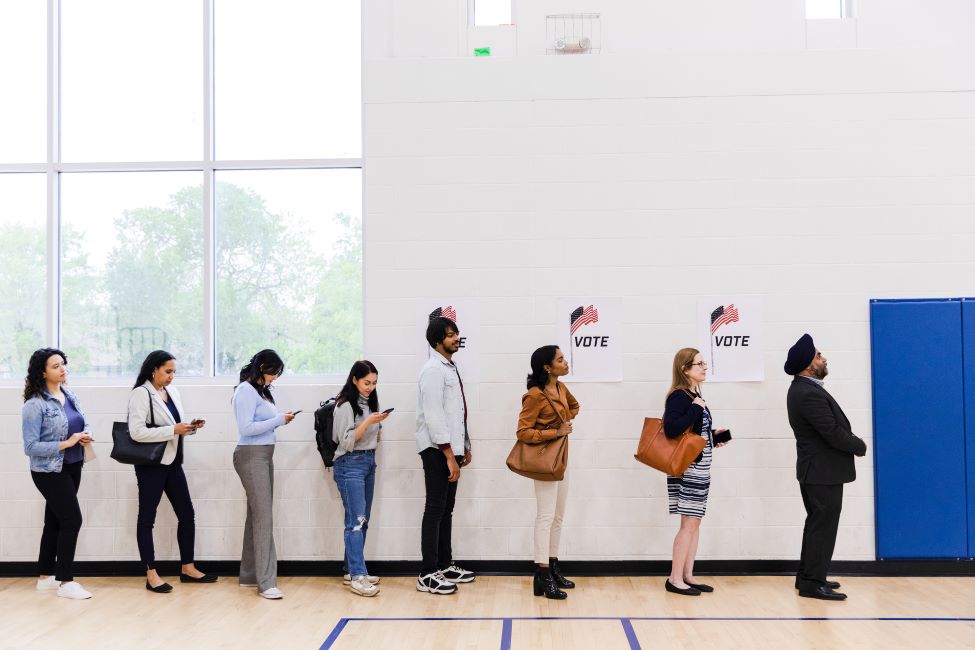
The tight race for the White House is approaching the home stretch as U.S. Vice President Kamila Harris and former U.S. President Donald Trump appeal to voters across the country. With assassination attempts and U.S. President Joe Biden dropping out of the race, this election has already proven to be a unique historical event in American politics. If you’re covering the race, how do you make sense of the twists and turns? How do you know what issues are driving voters in this tight race? What is going on with the “down ticket” races? Can polls help you predict what’s coming? We have an expert who can help. Kevin Wagner, Ph.D., is Florida Atlantic University’s renowned political science expert and co-executive director of Florida Atlantic University Political Communication and Public Opinion Research Lab (PolCom Lab)—the university’s extensive and nationally covered polling operation. View some of Kevin Wagner's recent media here: Newsweek: "Kevin Wagner, a political science professor at Florida Atlantic University, told Newsweek via email on September 2: "Both Harris and Trump have some potential to attract independents or voters from the opposing party, though this cross-party appeal is likely to be limited given the high levels of partisan polarization in recent elections." Forbes: “If they’re going to hit that 60%, the supporters of the amendment are probably going to have to reach a few more Republicans or have a particularly Democratic-leaning electorate, which sees a challenge in a presidential election year,” said Kevin Wagner, a Florida Atlantic University political scientist, according to a report from the South Florida SunSentinal." New York Post: "On the whole, there does appear to be a solid base of support for Harris in the Democratic Party,” said Kevin Wagner co-director of FAU’s PolCom Lab and professor of political science. “But there is still substantial uncertainty. Some Democratic voters are still looking for another candidate. Harris has time to unify the party before the convention, but she needs to move quickly, or this could potentially spin out of control for the Democrats.” Looking to connect? He is here to answer all your questions and is available for interviews. Simply click on his icon now to arrange an interview today.

