
Experts Matter. Find Yours.
Connect for media, speaking, professional opportunities & more.

Comfort Women – UConn expert weighs in as a dark piece of history returns to light
A recent article in an academic journal claiming that Korean comfort women -- imprisoned, raped, and subjected to brutal atrocities during World War II -- were "prostitutes" who had willingly entered indentured contracts set off a firestorm of controversy and a chorus from historians and academics calling for the paper's retraction. It's a topic garnering international attention as survivors continue to seek resolution, compensation, and acknowledgement of the past. UConn's Alexis Dudden is a professor of history specializing in Japan and Korea who has heard stories from survivors first-hand and is among those scholars calling out the erroneous claims: A recent academic journal article by the professor — in which he described as “prostitutes” the Korean and other women forced to serve Japan’s troops — prompted an outcry in South Korea and among scholars in the United States. It also offered a chance, on the Zoom call last week, for the aging survivor of the Japanese Imperial Army’s brothels to tell her story to a group of Harvard students, including her case for why Japan should issue a full apology and face international prosecution. “The recent remarks by the professor at Harvard are something that you should all ignore,” Lee Yong-soo, a 92-year-old in South Korea and one of just a handful of so-called comfort women still living, told the students. But the remarks were a “blessing in disguise” because they created a huge controversy, added Ms. Lee, who was kidnapped by Japanese soldiers during World War II and raped repeatedly. “So this is kind of a wake up call.” The dispute over the academic paper has echoes of the early 1990s, a time when the world was first beginning to hear the voices of survivors of Japan’s wartime sexual slavery in Asia — traumas that the region’s conservative patriarchal cultures had long downplayed. Now, survivors’ testimony drives much of the academic narrative on the topic. Yet many scholars say that conservative forces are once again trying to marginalize the survivors. “This is so startling, 30 years later, to be dragged back, because in the meantime survivors from a wide range of countries found a voice,” Alexis Dudden, a historian of Japan and Korea at the University of Connecticut who has interviewed the women. In dual articles from The New Yorker and The New York Times, Dr. Dudden weighed in on the controversial journal article and offered her findings on the atrocities committed against the women: Alexis Dudden, the historian of Japan and Korea, was one of the scholars invited to publish a reply to Ramseyer in the journal. In her comment, she observes that a reason for studying past atrocities is to try to prevent similar occurrences in the future, “not to abuse history by weaponizing it for present purposes.” She told me of meeting Korean comfort women in Tokyo, in 2000, at the Women’s International War Crimes Tribunal on Japan’s Military Sexual Slavery. “One of them had her tongue cut out,” she said. “Another woman literally lifted up her hanbok to show me where one of her breasts had been lopped off.” Dudden said that the tribunal was “a big watershed in terms of understanding how oral testimony really was necessary, to shift the legal approach but also in terms of doing historical evidence gathering” in the study of crimes against humanity. In some sense, such testimony of atrocities is seemingly irrefutable. But historians such as Dudden continually seek to verify it, producing knowledge of unspeakable horrors, through cycles of historical denial, political conflict, and diplomatic irresolution. If you are a journalist covering this topic, Dr. Dudden is available to speak with media about how history is playing a role in the current controversy. Click on her icon to arrange an interview today.


March is Women’s History Month – Let the expert from Georgia Southern help if you are covering
March is Women’s History Month – a full month dedicated to the efforts, rights and advancement of women in America. Felicity Turner, Ph.D., associate professor of history at Georgia Southern University, specializing in women’s issues and is regularly featured in media speaking to the subject. "This year, the pandemic has clearly demonstrated that, despite the great strides that all women have made toward achieving equality, much remains to be done," said Turner. "In many households, ever more women have taken on the multiple roles of principal caretaker and schoolteacher, while holding down full-time jobs. "Looking to the past helps us understand why the burden of this labor has fallen disproportionately on the shoulders of women. Importantly, however, history also helps us appreciate how women today can continue to work toward equality in the future." If you are a journalist looking to cover this angle, or any other aspect of Women’s History Month – then let us help with your coverage. Felicity Turner is available for interviews — simply reach out to Georgia Southern Director of Communications Jennifer Wise at jwise@georgiasouthern.edu to set and time and date.


With the topic of reparations under discussion and debate, Thomas Craemer -- an expert from the University of Connecticut -- had this to offer in a new essay for The Conversation: The cost of slavery and its legacy of systemic racism to generations of Black Americans has been clear over the past year – seen in both the racial disparities of the pandemic and widespread protests over police brutality. Yet whenever calls for reparations are made – as they are again now – opponents counter that it would be unfair to saddle a debt on those not personally responsible. In the words of then-Senate Majority Leader Mitch McConnell, speaking on Juneteenth – the day Black Americans celebrate as marking emancipation – in 2019, “I don’t think reparations for something that happened 150 years ago for whom none of us currently living are responsible is a good idea.” As a professor of public policy who has studied reparations, I acknowledge that the figures involved are large – I conservatively estimate the losses from unpaid wages and lost inheritances to Black descendants of the enslaved at around US$20 trillion in 2021 dollars. But what often gets forgotten by those who oppose reparations is that payouts for slavery have been made before – numerous times, in fact. And few at the time complained that it was unfair to saddle generations of people with a debt for which they were not personally responsible. There is an important caveat in these cases of reparations though: The payments went to former slave owners and their descendants, not the enslaved or their legal heirs. Dr. Craemer discusses such aspects as the “Haitian Independence Debt,” British ‘reparations,’ and paying for freedom. Dr. Craemer is an expert on slavery reparations, racial bias, and the psychology of racism, and he is available to speak with media – simply click on his icon now to arrange an interview today.


This week’s shocking news of golf legend Tiger Woods rolling his vehicle and sustaining serious injuries to his right leg have sports fans, journalists and most of the world watching and waiting for word of whether he’ll play again. According to ESPN, the injuries are extensive: Tiger Woods is recovering from a lengthy surgery to repair what a doctor said Tuesday night were "significant orthopaedic injuries to his right lower extremity" suffered in a single-car rollover crash hours earlier on a steep roadway in a Los Angeles suburb. As part of a statement on Woods' official Twitter account, Dr. Anish Mahajan of Harbor-UCLA Medical Center updated the famed golfer's condition, saying in part that Woods had multiple "open fractures" to his lower right leg, and he had a rod placed in his tibia and screws and pins inserted in his foot and ankle during an emergency surgery. "Comminuted open fractures affecting both the upper and lower portions of the tibia and fibula bones were stabilized by inserting a rod into the tibia," said Mahajan, the chief medical officer and interim CEO at Harbor-UCLA. "Additional injuries to the bones of the foot and ankle were stabilized with a combination of screws and pins. Trauma to the muscle and soft-tissue of the leg required surgical release of the covering of the muscles to relieve pressure due to swelling." ESPN – February 23 If you’re a journalist looking to know more about this type of injury, what the recovery process usually involves and what the long-term prognosis may be – then let us help. Dr. Monte Hunter serves at Augusta University as the Satcher Distinguished Chair of the Department of Orthopedic Surgery and director of the Sports Medicine Program. Dr. Hunter is an expert in reconstruction and sports injury prevention – and he is available to speak with media about this topic. Simply click on his icon now to arrange an interview today.

How safe is your baby food? A UConn expert explains.
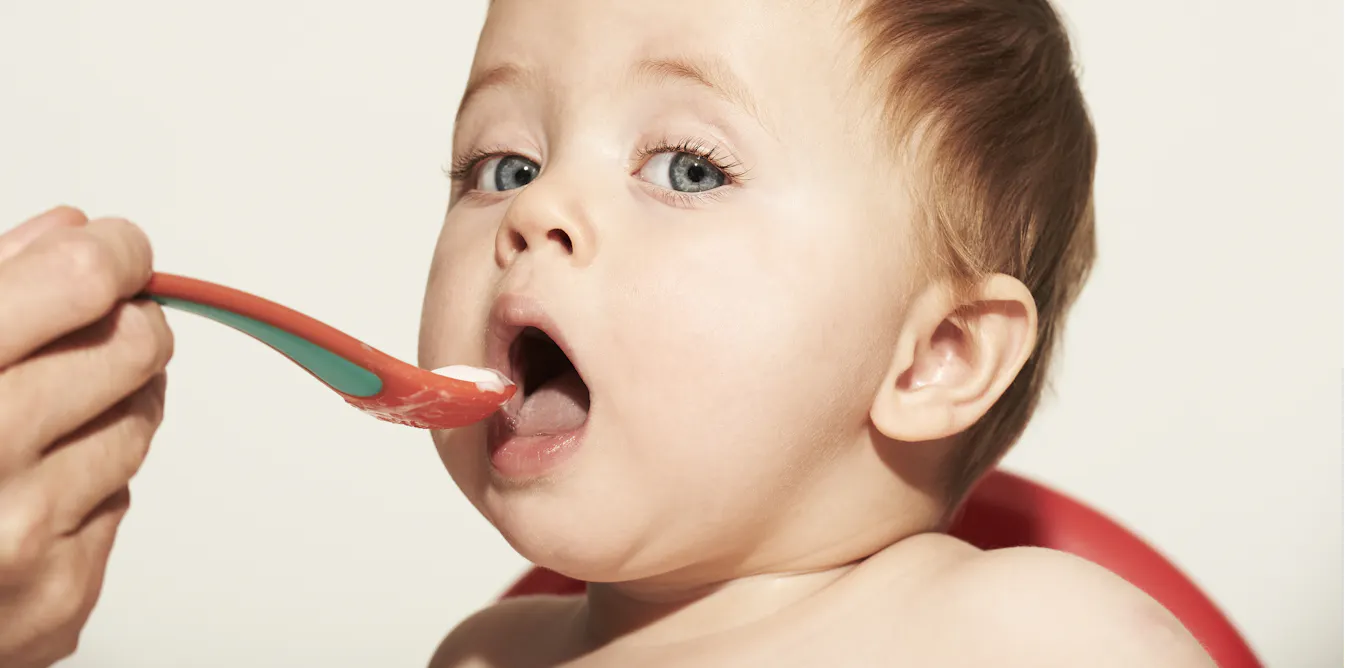
A new congressional report has raised concerns from regulators and outcry from parents about the level of heavy metals - including things like lead, arsenic, and mercury - that are found in commercial baby foods. Dr. C. Michael White, chair of Department of Pharmacy Practice at the University of Connecticut and an expert in the safety of drugs and dietary supplements, has weighed into the baby food debate with a recent piece for The Conversation. In his article, Dr. White examines such topics as: How do heavy metals get into baby food? How much heavy metal is too much? What can parents do to reduce a child’s exposure? Is anyone doing anything about it? Dr. White says that, while there are steps for parents to take now, baby food manufacturers will ultimately have to alter certain practices to reduce the presence of heavy metals in their products. The U.S. has made important inroads in reducing heavy metals in air and water since the 1980s, dramatically lowering exposure. With additional focus, it can further reduce heavy metal exposure in baby food, too. Dr. White is available to speak with media regarding this topic. Simply click on his icon now, to arrange an interview today.


Evaluating the Impact of Facebook's Ban on Vaccine Misinformation
A new Facebook policy has banned misinformation about all vaccines on its platform. Villanova University professor Jie Xu, PhD, who specializes in science and health communication, examined this decision. "On one hand, there clearly is a lot of mis/disinformation on social media regarding vaccines; some of them are simply uninformed and, of course, harmful to public health," said Dr. Xu. "On the other hand, many details relating to the COVID-19 vaccine, in my view, are still open to scientific debate." So, what determines what is labelled misinformation? Dr. Xu believes this is a complicated determination. "Science itself is evolving with falsification and revision to previous claims when new evidence comes in," Dr. Xu noted. "Who is to say that some claims deemed true at this moment won't be overturned in the future? What are the standards to be used in defining what is true information or misinformation? And perhaps more importantly, who are the 'fact-checkers' that are considered trustworthy to the majority of Americans?" However, there are some benefits to Facebook's decision. "On a more positive note, there is some preliminary evidence indicating that labeling misinformation on social media may help to alleviate the negative influence of vaccine misinformation claims," Dr. Xu said. "The challenge is that the people that are most susceptible to misinformation, and those that health professionals really want to reach out to, are the ones that have the least level of trust on this type of intervention. In some corners, this will likely to be viewed as violation to free speech and perhaps backfire." How does Facebook's banning align with free speech? "My understanding of free speech is that it's not that we don't pay a price for it—unless it's inciting violence, most information has been allowed to flow relatively freely—but it's that the alternative could be much worse," said Dr. Xu. "At the end of the day, we need to create an environment in which honest, open and critical conversations are welcomed, and we do need each other to find the truth."


As the pandemic enters its second year, household expenses remain top of mind for consumers, as does the cost of auto insurance. It’s one of the reasons why CAA Insurance has seen a dramatic increase over the past ten months in the number of drivers who have signed up for Canada’s only pay-as-you-go auto insurance payment program, CAA MyPace™. New CAA Insurance data reveals, that the number of new CAA MyPace policies between April and December 2020 increased by almost 300 per cent compared to the same period in 2019. “While the growth is remarkable, it reinforces what consumers are telling us, that a one-size-fits-all solution to auto insurance isn’t working for them, especially during these challenging times where many vehicles are not being used as much,” says Matthew Turack, president of CAA Insurance. “CAA MyPace is a one-of-a-kind payment program that lets customers take control of their car insurance costs by giving them the freedom to pay for the distance they drive.” On average, people who switch to CAA MyPace are saving 50 per cent on their auto insurance costs, compared to a traditional policy. The pay-as-you-go program was launched in 2018, and benefits motorists who drive less than 9,000 kilometres per year. In 2020, CAA Insurance provided over $60 million in relief to support policyholders in managing their expenses during the pandemic. The Financial Services Regulatory Authority of Ontario (FSRA) identified CAA Insurance as the leading insurer, providing the highest percentage of rate relief to its policyholders. Nearly one year ago, CAA Insurance led the insurance industry by providing a 10 per cent rate reduction for a 12-month term to all active CAA Auto and Property Insurance policyholders. CAA Insurance will continue to apply this rate reduction in 2021 for its active policyholders. No action is necessary by policyholders to receive this reduction.



COVID-9 is changing. With variants from places like Britain, Brazil, and South Africa surfacing and presenting in patients around the globe, the virus that scientists are trying to trap seems to be finding ways to wiggle free. The topic has many in the scientific and health care communities concerned, and recently, the New York Times featured leading experts to help explain what is happening and what American’s need to know to stay safe and healthy. Now, Dr. Denison and Sandra Weller, a virologist at the University of Connecticut School of Medicine, are investigating whether this insight could treat people with Covid. Certain antiviral drugs such as remdesivir fight infections by serving as RNA decoys that gum up the viral replication process. But these medications don’t work as well as some had hoped for coronaviruses. One theory is that the nsp14-ExoN enzyme chucks out the errors caused by these drugs, thereby rescuing the virus. Dr. Denison and Dr. Weller, among others, are looking for drugs that would block the activity of nsp14-ExoN, allowing remdesivir and other antivirals to work more effectively. Dr. Weller likens this approach to the cocktail therapies for H.I.V., which combine molecules that act on different aspects of the virus’s replication. “We need combination therapy for coronaviruses,” she said. Dr. Weller notes that nsp14-ExoN is shared across coronaviruses, so a drug that successfully suppresses it could act against more than just SARS-CoV-2. She and Dr. Denison are still at the early stages of drug discovery, testing different molecules in cells. February 05 – New York Times The ongoing COVID-19 pandemic is seeing many different twists in turns as scientists are learning more about the virus and how we can contain its spread – and if you are a journalist looking to speak with an expert on the topic, then let us help. Sandra K. Weller is Professor and Chair in the Department of Molecular Biology and Biophysics at the University of Connecticut and is a world-renowned expert in the spread of viruses. Dr. Weller is available to speak with media – simply click on her icon now to arrange an interview today.


Villanova Professor Discusses the Presidency and Future Use of Social Media
During his presidency, Donald Trump heavily utilized Twitter and other social media platforms as a key communication mechanism. But President Joe Biden’s use of social media will likely look very different according to Villanova University political science professor Matt Kerbel, PhD. “I think we’re going to see a return to something resembling normalcy in the way President Biden communicates with the public and runs his office,” says Dr. Kerbel. “President Trump was singular in his ability to use Twitter as a mouthpiece for his unfiltered thoughts because that was his brand and the basis for his campaign and presidency. Social media was an extension of his personality and a forum to amplify his message.” But President Biden’s campaign did not follow the same strategy. Dr. Kerbel predicts his social media use will vastly differ: “I expect President Biden to use social media to communicate his message of unity and publicize his plans and accomplishments. Expect a return to routine press conferences and planned media events along with social media outreach resembling what we’ve seen from the transition team.” Dr. Kerbel is an expert on political communication, including how politicians or political parties utilize traditional and new media. Due to his experience as a television and radio writer, researcher and author, he is frequently interviewed regarding politics and the media. He also writes political analyses for his blog, Wolves and Sheep.

Examining the Popularity of the Bernie Sanders Meme
The image is a familiar one to millions across the country: Senator Bernie Sanders sitting with his legs crossed and arms across his chest—wearing a face mask, warm coat and knitted mittens—and watching as Joe Biden was sworn in as the 46th president of the United States on January 20, 2021. Two weeks later, however, the photo looks different. That's because very quickly that inauguration snapshot became an internet sensation, with people photoshopping it to create social media memes—placing Senator Sanders in famous paintings or scenes in movies ranging from the Breakfast Club to Star Trek. But what it is that draws people to these scenes and motivates them to create memes? Charles L. Folk, PhD, a professor of psychological and brain sciences at Villanova University, discusses the psychology behind it all. “Scenes and people activate ‘schemas’ in our memory,” says Dr. Folk. “Schemas are organized structures of knowledge, stored in memory, that are built up through experience. For example, we all have a ‘restaurant’ schema that stores information about the things that are typically in restaurants and the kinds of interactions we can expect in a restaurant.” Research suggests that our attention is drawn to objects that are incongruous with the “context” of a scene, Dr. Folk notes. “Thus, if we see a bedroom scene, our bedroom schema is activated, and our attention would be drawn to an object that is incongruent with that schema—like a toaster in a bedroom scene.” Dr. Folk shares that we have schemas for people as well. “Seeing Bernie Sanders activates our Bernie schema,” he says. “Bernie, in particular, has a very unique schema—so just seeing the picture of Bernie with his Vermont mittens is interesting/humorous because it is quite consistent with our schema of him.” “However, activating our Bernie schema in the context of an incongruent scene schema—like Bernie sitting on the bridge of the Starship Enterprise or a well-known movie set/scene—is particularly alluring precisely because of that incongruity,” continues Dr. Folk. Dr. Folk notes that the development of the app that can place the Bernie meme anywhere in Google Maps motivates people further to create their own versions of outrageous incongruity. “This contributes to the viral nature of the meme,” Dr. Folk says.