
Experts Matter. Find Yours.
Connect for media, speaking, professional opportunities & more.

Whats YOUR Audience Engagement Score
Despite the billions of dollars now being spent on content, many schools have a big problem – Invisible experts. Faculty remain one of the most valuable assets for building market visibility and brand reputation. Yet surprisingly, most schools struggle to develop a strategic presence for their expert content beyond blogs and simple text based biographies and boring head shots. In this age of multimedia and social content, it’s a fact that visitors will go elsewhere if you haven’t created an engaging presence for your expert content. The costs of invisible experts Missed Media Inquiries: Print and broadcast media go elsewhere if you haven’t made it easy for journalists to find, evaluate and contact your experts. Less Engaged Visitors: Lack of multimedia content means visitors won’t spend as much time on your website and will feel less compelled to respond to your calls to action. Poor Discoverability in Search Engines: Google is a starting point for most audiences, so not appearing in the first few pages means lost opportunity for engagement and brand recognition. Poor Research Recognition: In academia, the lack of details on faculty research means missed licensing revenues, government grants and less opportunities for research collaborations. Faculty Engagement: Faculty want to see an online presence that professionally recognizes their work and builds their reputation. Lost Talent: Faculty prospects want to see how you represent your best people. Publishing professional, engaging expert content helps you recruit and retain the best talent through proper recognition of their contributions. So How Does YOUR Organization Score? Based on our research working with thousands of experts, Fortune 500 clients and leading higher education and healthcare institutions we looked at all the best practices in working with expert content. Then we created a quick diagnostic tool called Audience Engagement Score (AES) that is a simple way to assess how your organization is performing in 5 key areas. AES gives you a score based on a simple 100 point scale. If you are scoring below 70% there is certainly more you could be doing to create an engaging online presence for your experts. Until now, there hasn’t been an industry benchmark by which an institution can effectively measure how well they are promoting their expertise online. Here are the 5 key areas we assess: Discoverability Can audiences quickly search your website for your faculty experts and their content by topics, keywords and names? Are you missing important leads because your faculty content isn’t ranking high enough in Google search results? Credibility Can visitors quickly review detailed biographies and overviews of your experts related to their areas of research? Can past speaking engagements and featured interviews, articles and publications be easily referenced? Engagement Do you have up-to-date content such as videos, photos, publications and social media feeds available for journalists to review prior to booking media interviews? Are you creating news alerts for breaking or popular topics to make them more interesting to prospective clients and journalists? Responsiveness Have you made it easy for audiences to reach you and your faculty experts within seconds at the moment you have their interest? Or are they going to other schools? Mobility Is your content well designed for a growing base of mobile phone and tablet users? Remember the experts that walk the halls in your organization are your greatest asset. Would you like to know how your organization scores? If you have 30 seconds, click here and we’ll put together a customized, report for you including helpful industry benchmarks. Send us the website address you’d like us to review and we’ll do the rest. Get YOUR Free AES Report



Top 5 Lessons on how Wake Forest Won a Bulldog Award for Best Online Newsroom
“The primary goal of redesigning our online newsroom has been to help journalists covering Wake Forest do their jobs quicker, easier and better.” – Katie Neal, Executive Director, News and Communications In late 2015, the Communications & External Relations group at Wake Forest University embarked on an ambitious goal: “Tell Wake Forest stories and create a positive experience for news media by providing them as much content, access and support as possible.” Being in the midst of a $1 billion capital campaign, Wake Forest realized that the newsroom was a pivotal tool for helping shape the perception of the university to key audiences. Facing the challenge of dealing with an old newsroom, packaged in a way which made it frustrating for journalists to access the information they needed, the news team was tasked with creating a new and improved visually-compelling, mobile responsive and easy-to-navigate online newsroom. The news team was guided by two goals to address their primary audience of journalists: Give journalists what they want. Help them find the information they need to do their jobs easily and quickly. Make it easy for anyone to share Wake Forest news. And, to achieve these goals, they implemented their strategy which focused on four areas of emphasis: Offer a useful combination of newsworthy content, facts and resources. Showcase visual storytelling capabilities with multimedia options and a flexible web design. Establish a best-in-class expert guide. Prominently feature experts on trending topics and breaking news. Provide easy ways to share news stories, expert pitches, photos and videos to increase visibility on social media while reinforcing the brand. Since the launch of the Wake Forest newsroom in the spring of 2016, they have achieved notable success. They have seen a significant increase in media coverage stemming from their expert pitch efforts, they’ve had a positive social impact in their local community, and they’ve noticed an increase in content consumption. Just last month, Wake Forest was recognized for these efforts by winning the bronze Bulldog Award from the Bulldog Reporterfor “Best Online Newsroom of the Year.” The panel of judges was comprised of working and award-winning journalists, including a Pulitzer Prize winner, and represented a number of different media outlets including The Washington Post, USA Today, Forbes and The Oregonian. So what can we learn from Wake Forest? Here are the Top 5 lessons on how they made their newsroom stand out above the rest. 1. They Wrote Stories for Journalists Instead of taking a reactive approach to getting their experts in the media, the team at Wake Forest opted to be more proactive in getting their experts noticed. This meant presenting relevant news items, story ideas and expert pitches in a central and very visible location. They called it “Headlines”. Realizing that some stories needed a longer shelf life, the news team created the Headlines section to help journalists by providing storyline options. Here, journalists have a picklist of potential stories, a recommended angle and relevant Wake Forest experts who can comment. It’s a one-stop-shop for journalists. Even more, with Headlines, Wake Forest is getting the added advantage of telling their stories. How are you helping with getting your stories out there? 2. They Brought their Experts Forward With leading researchers ready to comment on a range of newsworthy topics – including the unprecedented U.S. election cycle – the news team brought their experts to the forefront by putting them on display in multiple locations of the newsroom. Using ExpertFile’s REST API, Wake Forest was able to extend its expert content on multiple pages, while still having the ability to manage that content from one central dashboard location. This has allowed the news team to be more proactive in updating expert content, capture key engagement metrics and respond to potential opportunities in a timely manner. For instance, the team created a special portal in their newsroom to direct journalists to the best experts that could speak on the election. From The New York Times to NPR’s “All Things Considered,” more than three dozen Wake Forest faculty shared their election-related expertise with top-tier news outlets around the world. Wake Forest professors had more than 1,300 media mentions for expert commentary alone, with the potential to reach more than 2 billion people. What is your organization doing to bring your people forward? 3. They Provided a Clear Path of Communication You’d be hard-pressed to find a page that didn’t provide some sort of contact method in the Wake Forest newsroom. Between having the news team’s contact email and phone number available on every page, and multiple contact buttons on the expert profiles, a journalist would have no problem finding the best method of reaching out. It’s important to present a clear path of communication between the journalist and the institution. Safe to say, journalists tend to be very busy and often time constrained. So, if they don’t find what they’re looking for right away, to put it in the words of Jay-Z, on to the next one. How are you making it easier for journalists to reach you and your communications group? 4. They Made it Easy to Find the Best Person Katie Neal once said it best, “We’re not under the delusion that media wake up and think they should go to Wake Forest first when they are looking for experts.” For the Wake Forest team, providing multiple avenues for experts to be discovered was a major objective. And, where do media look first for experts? Google. “We’re not under the delusion that media wake up and think they should go to Wake Forest first when they are looking for experts.” Google likes good content. Enhancing the discoverability of Wake Forest’s expert content on the world’s most commonly used search engine, is one of the best ways to attract media. However, the Wake Forest News and Communications team didn’t stop there. They added easy search functions to their pages. How are you ensuring your experts’ discoverability? 5. They Didn’t Limit Themselves to the Newsroom It’s important to think outside the box. Wake Forest exemplified this by extending their reach beyond the newsroom. Through syndicating expert content on different networks (ExpertFile.com) and promoting with various social platforms (Twitter), Wake Forest was able to access a much wider audience. Remember, distribution can take you from good to great. How are you thinking outside of your website? So, there you have it. By following these lessons learned from Wake Forest University, you too can begin to engage with media more proactively. To summarize, the key questions to ask yourself when creating a newsroom to engage with media are: How am I putting my stories in front of media? How am I currently presenting my media experts on my website? How am I making it easier for media to contact me and my team? How am I enhancing my experts’ discoverability? How am I extending beyond the reach of my website?

Part 2: How Duke University doubled their media hits by showcasing faculty
Last week we shared the first five major rules of Expert Marketing that are currently being used by Duke University to double their media hits (READ PART I). We also developed some strategies and best practices for higher education institutions to better market their experts. In this blog post, we are going to share our team’s final insights into how to better leverage your experts. Rule #6: Create Once, Publish Everywhere At one time we just had to focus on creating a news site. That’s now expanded to a multi- screen environment that requires we thread content into sites that are being accessed from desktops, mobile devices and even digital signage that is often scattered throughout the campus. Sit down with your digital team and map out how to distribute media across multiple channels such as social networks, news-feeds, homepages, faculty sites, as well as faculty profiles in your expert center or speakers bureau. Many schools still don’t have the “responsive” capability to push their news content out to mobile users. Insiders Tip: Duke applies a “create once publish everywhere” model to ensure that time-crunched journalists can easily connect with their expert commentary, whether they access the website’s desktop or mobile versions, or through a wide range of social channels. Rule #7: Get Your Expert Quotes Ready for the Real-Time News Cycle Organizing a system with your faculty to publish pre-approved expert quotes on your website can pay huge dividends, as news outlets have fewer reporters covering more territory. Many of our clients tell us they are seeing less experienced reporters who have much less time to research and interact with media departments. Having pre-approved quotes ready to go makes it much simpler for media, making you much more attractive to them. This pre-planning can minimize the strain on faculty experts during class hours. An added bonus is that it also minimizes misquotes. Insiders Tip: Duke University aims to provide daily quotes on its website by midday as part of its “news tips” section. While these quotes generally take less than one hour to produce, they have proven most effective. Almost all of their news tips have been used by the media since they started producing them in June 2014. Rule #8: Promote Your Core Areas of Expertise First With so much going on throughout the campus there are a lot of opportunities to promote a diverse range of topics to the media. However, it’s really important to identify the core topics where you have expert commentary in demand. The best media relations people have established their school as go-to sources for select topics. You should also stake your claim. What groundbreaking research can you find on the campus that relates to key news events? Think about what reporters need to communicate to their audiences. Do you have faculty who are credible, approachable and engaging on these topics? Invest the time with your team to develop a master topics list and tune this list regularly based on upcoming faculty contributions and news cycle developments. Insiders Tip: Duke University identified a number of key factors that contribute to the media take-up rate such as the degree of media interest in a story; the relative supply of experts available to media and timing considerations. While it’s impossible to control all these variables, They learned, based on trial and error, that concentrating on core topics where they have an academic focus such as politics, law and the environment generated more coverage. Rule #9: Focus your Editorial Calendar on Key Event Anniversaries It is important to get the mix right when looking for media opportunities. While it will always be to your advantage to leverage breaking news if you can mobilize your faculty experts, there is also a predefined editorial flow to the news across a calendar of special and recurring events. It’s crucial that you get some of these major opportunities on the calendar and develop a campaign to enlist faculty experts. For example, Black History Month and the Super Bowl are both annual recurring events happening in February. It’s good to map these along with other special events that are periodically staged or non- recurring such as a G8 Summit or the upcoming papal visit to the US. If you can mobilize your experts to provide value for media who need to start researching these events well in advance you increase your chances of coverage. Insiders Tip: The Duke University media relations team actively monitors upcoming anniversaries and other timely events that reporters are likely to write about. Events that have the potential to generate stories that Duke can leverage with their experts are reviewed by the communications team in twice weekly scrum meetings. Rule #10: Leverage Tools such as Twitter to Grow your Media Contacts Much of the success you will have with faculty experts hinges on your ability to take your message to the market. So it’s important to focus on grooming and growing your media contacts. Besides buying access to media lists from vendors such as Cision, PR Newswire, Marketwired and Meltwater; don’t forget about Twitter. It provides a huge opportunity to build a list of influencers and key opinion leaders. Using a simple topic and hashtag searches on Twitter, you can begin to map various clusters of people who are following specific news beats that may be relevant to your institution. Remember that media outlets tend to follow other media outlets for story angles and media sources. Having a well organized list of people that have interacted with you in the past is a large part of distributing your news faster to a larger audience. It’s important to do Twitter searches to research specific reporters you want to pitch to see where their interests lie. Insiders Tip: Duke University refines its media lists continually using Twitter. It looks at the social graph of reporters who make use its online news tips to identify other journalists to add to their database.

2020 is the goal for launching 5G, a collection of technologies that is expected to increase cellular technology worldwide by 1,000 times the capacity, 100 times more devices and 10 times less delay. “5G is about connecting everything everywhere, anything you can imagine,” says Mojtaba Vaezi, PhD, assistant professor of electrical and computer engineering at Villanova’s College of Engineering, whose area of expertise is wireless communication, signal processing and information and communication technology. Partly because of our changing habits there are applications that will need higher speed, and 5G will increase their capacity. “We’re consuming more and more data these days, so we need higher volume of data. The new generation watches TV online and plays games online. They want to select whatever they like and download it when they want it,” says Dr. Vaezi. “The speed of communication is going to increase about 10 to 20 times, so if it takes one minute to download a movie in your cell phone today, in a few years we’ll be able to download a movie in three to six seconds.” 4G technology has mostly been about connecting cell phones, but 5G will be about connecting all kinds of devices: Cars will be able to connect to other cars, traffic lights and cell phones; customers ordering online will be able to track their package as it travels across the ocean; trucks will connect to each other, sharing information such as if a route needs to be changed. There are many applications, from driverless cars to surgeries on a patient in one country done remotely by a doctor in another country, connecting thousands of miles away in just a fraction of seconds. There are always challenges associated with new technology, however. In particular, 5G researchers worldwide have been working for a decade to increase the capacity and number of connections foreseen for 5G networks. In 4G and previous generations, each cell phone would transmit in distance frequencies, otherwise they’d interfere with each other. In 5G and beyond, cell phones may share their frequencies with other cell phones or devices, or we wouldn’t be able to accommodate the exploding number of new devices. This will introduce inter-device interference which is a challenge. Now, we have two or four antennas packed inside the phone. Soon, mobile towers and cell phones will have tens of antennas, further increasing capacity.


In March of 2018, Transparency Market Research published a report announcing that the worldwide low noise amplifier market is estimated to be worth US$ 7.9B by 2026. The LNA industry is fragmented with the usual group of semiconductor companies. Circuit Seed is a new platform utilising the Complementary Current injection Field Effect Transistor (CiFET) for processing analog signals using 100% digital components. This allows you to build a low noise amplifier using only two CiFETs which can be perfectly tuned to a 50 or 100 ohm antenna by adjusting the i-ratio. The power consumption is a fraction of traditional LNA devices, with a lower noise floor resulting in better range and lower SNR. The small size, less complexity and fewer BOM lowers the cost of the device. Circuit Seed is an ideal solution for low power LNAs. For more information, please contact: Lesley Gent Director Client Relations, InventionShare™ lgent@InventionShare.com (613) 225-7236, Ext 131 Or visit our website at www.CircuitSeed.com


Will Apple shine or is a little too late to be dipping its toe into the streaming game?
It was the big unveil a lot of tech insiders, analysts and Apple followers had been anticipating. With Oprah, Steven Spielberg and other members of the entertainment elite on-hand to lend a hand – Apple TV Plus was finally revealed. The service, coming this fall, will be subscription based and will bring exclusive original shows, movies, and documentaries to rival the likes of Amazon, Netflix and Crave. While it is unlikely Canada will see the inclusion of "Apple TV Channels" in all its US-like glory, it is certain that Apple's arrival to the streaming space would further put the squeeze on traditional TV service providers. With yet another premium content streaming service to choose and a finite budget, consumers will have to start making tougher choices between letting go of something or shaving off cost somewhere – unfortunately, the traditional TV cord may be the first in consideration. Here are the questions some insiders are pondering: Will a loyal customer base and strong partner relationships prove advantageous in luring content creators and viewership alike as Apple TV Plus breaks through the boundaries of Apple hardware? Where does the real opportunity lie for companies like Apple? How will they fare as consumers are challenged to make tougher decisions on who gets a share of their wallet? Will it be traditional TV or OTT Video service that gets the boot? According to Manish Nargas "Currently, consumer intent to continue to subscribe to TV services remains relatively stable year over year in Canada and consumers are happy to complement TV with other OTT video services". IDC's latest survey, Canadian Consumer Survey Indicators, 2019: Wireless, Internet, TV, and OTT Video Services shows that "those who do plan to reduce or stop their TV service, do so in order to save money, not on account of dissatisfaction in quality of service." There are a lot of questions to be answered between now and when Apple TV Plus launches and that’s where our experts can help. Manish Nargas is a research analyst specializing in consumer and mobile research. He is an expert in emerging consumer technologies with a focus on usage trends and adoption. Simply click on Manish’s icon to learn more about this survey or to arrange an interview.

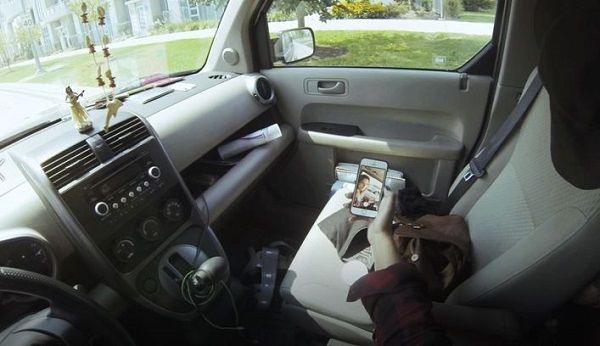
Starting January 2019, the stakes will be even higher when it comes to distracted driving in Ontario. CAA South Central Ontario (CAA SCO) is reminding Ontario drivers that strengthened distracted driving laws will take effect January 1, 2019. New additions include licence suspensions, increased demerit points and an increase to the minimum financial penalty that can be charged to those guilty of distracted driving. "CAA fully supports the increased fines and penalties that will be in place for distracted driving starting tomorrow,” said Elliott Silverstein, manager, government relations, CAA SCO. “Hopefully these new rules will encourage motorists to remain focused on the road and keep devices far from reach when operating their vehicle." Distracted driving continues to be a challenge on Ontario's roads, nearly a decade after the initial legislation banning handheld devices was passed. This new legislation is the first increase since September 2015 when demerit points were added to distracted driving convictions. Recent CAA research shows that one in three Ontario drivers claim to engage in distracted driving as a result of using a mobile device. According to the Ontario Ministry of Transportation, one person is injured in a distracted driving collision every half an hour. “The new fines and penalties are some of the strongest in the country, and they will further aid law enforcement in their continued effort to make road conditions safer for everyone,” continued Silverstein. Starting January 1, 2019, Ontario drivers can expect the following fines and penalties if caught driving distracted: The minimum financial penalty will increase from $490 to $615. A first conviction for distracted driving will now result in a three-day licence suspension, three demerit points and a minimum financial penalty of $615. A second conviction will result in a financial penalty of up to $2000 (previously up to $1000), six demerit points and a seven-day licence suspension. For third (or more) convictions, drivers will face a financial penalty of up to $3000 (previously up to $1000), six demerit points and a 30-day licence suspension. CAA recommends the following tips to reduce distractions behind the wheel: Turn off mobile devices Stow and secure loose objects Avoid eating, drinking or smoking Prepare children with everything they need Pre-set the climate control and radio Pre-program your route on GPS Allow phone calls to go to voicemail Don't text, surf the web or read emails CAA is dedicated to helping change certain rules and regulations for Ontario’s roads that will improve safety for everyone who uses them. Through its road safety efforts, CAA has been helping to educate and bring awareness about distracted driving, Slow Down, Move Over rules and cycling safety laws.


Baylor Researchers Awarded Grant to Develop Diabetes Mobile Health App for Use in India
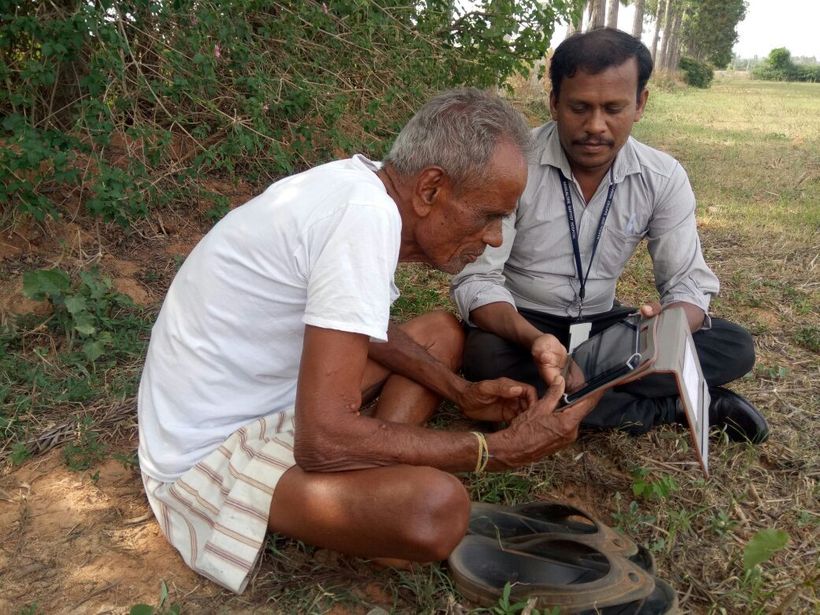
An interdisciplinary team of Baylor University researchers – from nursing and business information systems to art and video game design – and physicians from Bangalore Baptist Hospital in Bengaluru, India, were awarded a 21st Century Knowledge Initiative Grant from the U.S. India Education Foundation (USIEF) to develop a diabetes mobile health app to boost awareness and educate those in India who are most at risk for diabetes. The team is led by Shelby Garner, Ph.D., R.N., assistant professor in Baylor’s Louise Herrington School of Nursing, who has worked in India over the past six years to develop technological health resources. She cited statistics from the World Health Organization that show life expectancy in India is among the lowest in the South East Asian Region and is largely attributed to growing rates of non-communicable diseases, such as diabetes. Contextualized health education is one key to help raise awareness in the country, she said. “There is a need for culturally appropriate health education materials in India,” Garner said. “Our early research showed that technology, such as smartphones and internet accessibility, are widely available in India among health providers, but most technological educational resources were developed in the West and do not effectively translate to the Indian context.” Physicians from Bangalore Baptist Hospital will provide cultural context and help identify important medical content to be included in the app. “Our diabetes app will feature an interactive 3D animated video with gaming features to help educate patients at risk for diabetes,” Garner said. “Answers to questions addressed in the app include: What is diabetes? What happens if I have diabetes? How do I prevent and treat diabetes? What do I do now?” The app also serves as a data collection tool to help researchers determine if the video is improving participants’ knowledge on diabetes. Community health workers employed by Bangalore Baptist Hospital will use the app as they visit with people in rural villages and urban slums during door-to-door health education visits, Garner said. The research team will compare the app’s effectiveness with standard health educational resources previously used. Garner said the USIEF grant was awarded, in large part, due to the success of an earlier project that led to the development of a hypertension app. “Earlier this year, we tested the hypertension app among 346 people in one of the largest slums in Bengaluru, India, and in several rural villages surrounding Bengaluru,” she said. “The app was significantly effective in improving knowledge among participants. We used these results to justify the need to design more resources and applied for funding from the U.S. India Education Foundation.” From previous experience developing and employing the hypertension app, Garner said she knew this new project would require input from a variety of perspectives. “I’ve realized some of the ‘big picture’ challenges in health education, and it will take a team of experts to make this happen,” she said. Team members are: • Shelby Garner, Ph.D., R.N., assistant professor in Baylor’s Louise Herrington School of Nursing • Dr. Carol Elizabeth George, community health physician, Bangalore Baptist Hospital • Dr. Gift Norman, community health physician, Bangalore Baptist Hospital • Dr. Kingsly Victor, internal medicine physician, Bangalore Baptist Hospital • Hope Koch, Ph.D., associate professor of business information systems, Baylor’s Hankamer School of Business • Phil Young, Ph.D., assistant clinical professor of business information systems, Baylor’s Hankamer School of Business • Julia Hitchcock, M.F.A., associate professor of art, Baylor’s College of Arts & Sciences • Matthew Fendt, Ph.D., lecturer in computer science, Baylor’s School of Engineering and Computer Science The grant also will fund exchange teams of researchers and faculty from India to come to the U.S. and for Baylor team members to go to India to collaborate on the research for the next two years. The first team from India is due in late October. “We are really excited about the work we will do together with our Indian partners over the next two years,” Garner said. ABOUT BAYLOR UNIVERSITY Baylor University is a private Christian University and a nationally ranked research institution. The University provides a vibrant campus community for more than 17,000 students by blending interdisciplinary research with an international reputation for educational excellence and a faculty commitment to teaching and scholarship. Chartered in 1845 by the Republic of Texas through the efforts of Baptist pioneers, Baylor is the oldest continually operating University in Texas. Located in Waco, Baylor welcomes students from all 50 states and more than 80 countries to study a broad range of degrees among its 12 nationally recognized academic divisions. ABOUT LOUISE HERRINGTON SCHOOL OF NURSING The Baylor University Louise Herrington School of Nursing (LHSON) located in Dallas was established in 1909 as a diploma program within Baylor Hospital in Dallas, which is now Baylor University Medical Center, and in 1950 became one of the six degree-granting schools of Baylor University. The first Baccalaureate degrees were granted in 1950 establishing the school among the earliest baccalaureate nursing programs in the United States. In 1999, the School was renamed the Baylor University Louise Herrington School of Nursing after Louise Herrington Ornelas, a 1992 Baylor Alumna Honoris Causa, who made an endowment gift to the school. Accredited by the Commission on Collegiate Nursing, LHSON offers Bachelor of Science in Nursing (B.S.N.) degrees through a traditional program and FastBacc (one-year accelerated program). LHSON also offers an online Master of Science in Nursing (M.S.N.) Leadership and Innovation program, as well as Doctor of Nursing Practice (D.N.P.) programs to include Family Nurse Practitioner (F.N.P.), Nurse-Midwife (C.N.M.) and Neonatal Nurse Practitioner (N.N.P.). LHSON was featured in U.S. News & World Reportfor the 2018Best Graduate Schools ranking the D.N.P.program in the top 50 U.S.nursing schools at No. 46. The Baylor M.S.N.program is ranked at No. 56and the Nurse Midwifery Program ranked No. 10. Baylor’s M.S.N. in Nursing Leadership andInnovation Online Program ranked No. 39 in the 2018U.S. News Best Online Graduate Programs. For more information, www.baylor.edu/nursing.


Significance of pricing and product-line strategies
In new research, Ramnath Chellappa, associate professor of information systems & operations management, and coauthor Amit Mehra (U Texas) investigate the business practice of IT “versioning,” whereby a company creates different models of a product in order to charge varying prices for each one. Much research takes into account economies of scale and a company’s marginal costs—the price of making an additional unit of a product. However, Chellappa and Mehra note that companies also need to consider consumer usage costs when they decide to create various versions of the same IT product. But for IT products and services, the “costs” are not monetary. The pair note the “time commitment and physical effort” to use IT products or services. They use the example of mobile devices: “One cannot enjoy these information goods without them consuming resources such as memory and processing power.” They determine that “this consumption-related disutility” is critical to feature bundling and consumer segmentation. The researchers create a model to test the consumer cost impact, using a “digital goods firm with a unique production cost structure and agents—consumers who face resource constraints in consuming these goods.” Given the usage costs, they determine that individuals may not necessarily prefer products with more features to lower-quality items. The pair concludes “marginal cost and consumers’ usage costs have the same impact on versioning strategy.” Source:



Understanding the influence of mobile promotions
Michelle Andrews, assistant professor of marketing, and coauthors Jody Goehring (RetailMeNot), Sam Hui (U Houston), Joseph Pancras (U Conn), and Lance Thornswood (JCPenney) cull together divergent streams of research to provide a framework to better understand how mobile promotions influence the in-store shopping behavior of consumers. Online promotions allow merchants to reach shoppers easier and faster, enabling traditional stores to text out online discounts or highlight specific products. Merchants can also use geolocation on mobile phones to text and target shoppers once inside of their store to feature merchandise or advertise a special offer. The authors identify a number of key areas for additional research to “enable long-term, value enhancing relationships between consumers and marketers.” For instance, they note the need for a better understanding of the role of privacy concerns on personal data collection via mobile devices. Andrews and coauthors also find that a deeper investigation of such things as return on investment, loyalty programs, upselling, proximity to purchase, and global promotions are required to get a true sense of the effectiveness of mobile promotions. Source: