
Experts Matter. Find Yours.
Connect for media, speaking, professional opportunities & more.

“See a gap, fill a gap.” That’s how Jeffrey Klibert, Ph.D., associate director of clinical training in Georgia Southern University’s Doctor of Psychology (PsyD), described the inspiration behind a project designed to extend behavioral health services in rural areas. Filling gaps is something Klibert said has always been a challenge in behavioral health care. This challenge became steeper in the aftermath of the COVID-19 pandemic. “When COVID hit, we saw some really alarming rates of people seeking services, and there just weren’t enough providers to meet that need,” Klibert said. “We saw waitlists that were six months, eight months, sometimes a year long.” Waitlists of this length are a common occurrence in Georgia’s rural areas, where resources are scarce and reported health outcomes are among the worst in the state. Klibert, along with colleagues Lindsey Stone, Ph.D., and Thresha Yancey, Ph.D., and students, is working to improve the situation across 14 rural counties in Georgia, thanks to the renewal of a research and training grant from the Health Resources and Services Administration. Stone and Yancey will supervise the trainees, while Klibert will oversee the entire program. The grant enables quantitative and qualitative research to increase access to behavioral health care in rural areas, while also providing Georgia Southern’s fourth-year PsyD students with hands-on training through local care providers. The ultimate goal is to develop more efficient and effective models for interprofessional, team-based care in areas of the state where it is most needed. “Everybody sees the need. We just need the glue to link everybody together,” Klibert said. “That’s what the program is trying to be. It’s trying to build those bridges to create a more comprehensive system of care.” Students will provide a range of services in collaboration with local care providers, including psychological assessments and therapy for individuals and families. Alex Cudd, a fourth-year PsyD student who joined the program in August, calls the experience “invaluable” and hopes to join the 94% of program alumni who currently provide care in rural settings. “In just a few months, I’ve learned so much about providing well-rounded care,” Cudd said. “I know I’ll carry this training into my career.” CarePartners of Georgia (CPGA), a resiliency- and recovery-based behavioral health agency serving Bulloch, Candler and Emanuel counties, is among the local providers partnering with Georgia Southern. “All the interns we’ve had from Georgia Southern understand the concept of recovery, are trauma-informed and very effective at delivering services,” said CPGA CEO David Crooke. “It’s been mutually beneficial. We are helping them further their education, and they quickly become important members of our team due to the breadth and depth of their knowledge.” Klibert notes that the grant’s initial four-year term brought significant improvements in local healthcare networks and enhanced communication between providers, something he sees as an investment in lasting success. “We’re doing some exciting stuff, but at the end of the day, we are very aware of making sure what we’re doing sticks and that we have the resources to continue care after the grant ends,” Klibert said. Looking to know more about Georgia Southern University's Doctor of Psychology Program or arrange an interview with Jeffrey Klibert — simply contact Georgia Southern's Director of Communications Jennifer Wise at jwise@georgiasouthern.edu to arrange an interview today.

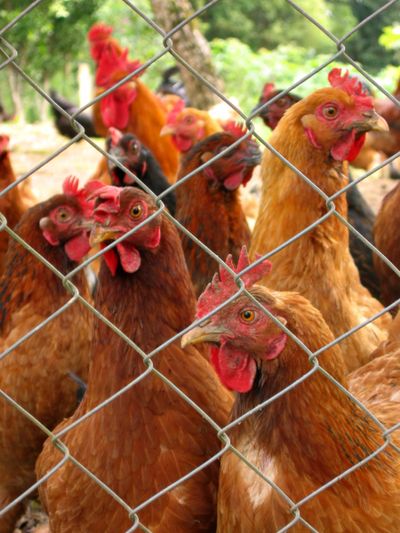
UF expert answers questions about local risk of bird flu
Consumers may have noticed the rising price of eggs and even some shortages at grocery stores lately due to H5N1 avian influenza, but as cases of human and animal infections continue to rise, how concerned should you be about the virus? Benjamin Anderson, Ph.D., an assistant professor in the University of Florida College of Public Health and Health Professions’ Department of Environmental and Global Health and lead for UF’s Emerging Pathogens Institute bird flu response team answers some questions about the risk of infection to humans and animals from bird flu and how to protect yourself. Who is at risk? Currently, the Centers for Disease Control and Prevention says the risk to humans is low. “That is correct on an overall level,” Anderson said. There is no human-to-human transmission right now. Anderson said that while there have been an “alarming” number of human cases, the number of infections is still fewer than 100. Of those, most have resulted in mild illness and were in people who had direct exposure to infected animals. So far, there has been only one death attributed to the current outbreak of H5N1, known more commonly as bird flu – a man in Louisiana who was infected by a backyard flock. “We do have a lot of people who keep chickens,” Anderson said. “Because of the situation in Louisiana, this has, I think, piqued the concern even more so among folks who might have backyard poultry to recognize that is a potential pathway for transmission.” If you see a dead chicken, do not touch it or try to investigate yourself. Instead, report it to the Florida Department of Agriculture and Consumer Services. Report dead wildlife, including migratory birds, to the Florida Fish and Wildlife Commission. Anderson said while the risk to the public is currently low, the future risk, including human-to-human transmission that could result in a pandemic, is still uncertain. Right now, he said, “Unless you’re handling poultry or working with or near dairy cattle, where bird flu outbreaks have been ongoing, your risk is relatively low.” Can I catch the virus from my backyard bird feeder? Gainesville is on a major flyway for migratory birds – a draw for birdwatching enthusiasts, particularly in the winter. This may be how bird flu has made its way into backyard flocks, since infected migratory birds shed the virus in their waste. So far, there is no data that suggests bird feeders could pose a significant transmission risk to people, and no reported human cases of bird flu have been traced to feeders. “However, when I say there’s no data, that means there’s no data. It hasn’t been investigated,” Anderson said. Waterfowl such as ducks and geese are more likely to carry the virus than songbirds. But if backyard birdwatchers are concerned, he said, take precautions such as wearing gloves and disinfecting bird feeders. And whether there’s an elevated risk of bird flu or not, always take care to avoid touching bird feces, which can contain salmonella. “Using some common sense, good hygiene practices, is going to be an effective way of protecting yourself,” he said. Are my outdoor cats in danger? Outdoor cats are susceptible to bird flu through exposure to dairy cattle, wild birds and contaminated raw milk. There is also new evidence of some sources of raw cat food being contaminated with H5N1. H5N1 causes severe infection in cats, with neurological symptoms that could mimic rabies. Infected cats may be disoriented, lethargic or disinterested in food. Florida residents can contact the Florida Health Department if they notice these symptoms in their pet. “If you see something unusual, seeking out professional care for that animal is an important thing to do,” Anderson said. As of now, it’s unclear whether cats can transmit the virus to humans, but as it adapts, transmission to other species could become easier and more widespread. What about eggs and poultry from the farmers market? Florida state statutes require sellers to register as a food supplier and meet certain criteria for food handling safety. But the regulations can be unclear to some small, local egg and poultry producers, and others operate under the radar. “I wouldn’t say that if you go to a farmers market, it’s a guarantee that the products you’re buying are produced under the proper regulations,” Anderson said, but the regulations themselves can be unclear. Some things you can do to keep yourself safe are asking the vendor if they’re registered and permitted with the state’s agriculture agency and checking that the products are labeled. Per the statutes, eggs must be refrigerated at all times between packaging and sale to the consumer. And definitely steer clear of raw milk, which has been tied to several human and animal H5N1 infections and always carries a risk of salmonella. “Don’t drink it, and don’t give it to your animals,” Anderson said. Is there a vaccine? How else can I protect myself? There is a vaccine for bird flu. While it isn’t currently being administered to humans in the U.S., Anderson said some agriculture workers in Europe have received it. “There is a potential justification for starting to release some of the stock of the H5N1-specific vaccine,” but it would come with tradeoffs, he said, such as maintaining stockpiles and keeping the vaccine matched well to an evolving virus. In his opinion, though, it makes sense to start the process now, both to protect workers who are already at higher risk of contracting the virus, and to begin collecting data on how well the vaccine is working. The idea that the U.S. should hold off on releasing a vaccine until bird flu becomes a pandemic is contrary to protecting public health, he said, adding that the tipping point for him was seeing the virus start to show up in backyard poultry. “That’s the rationale that I base my opinion off of,” Anderson said.



Beyond the Repo Headlines: What the Liquidity Signals are Really Saying
In late October and early November 2025, usage of the Federal Reserve's Standing Repo Facility (SRF) reached elevated levels exceeding $50 billion at month-end -- the highest utilization since March 2020. Simultaneously, the Overnight Reverse Repo (ON RRP) facility has collapsed to approximately $24 billion, down from peak levels exceeding $2 trillion in 2023. This combination signals structural stress in U.S. money markets extending beyond seasonal factors. These two facilities serve opposite functions in the Fed's monetary policy framework. The SRF is an emergency lending facility where banks can borrow reserves overnight by pledging Treasury or agency securities as collateral, paying the SRF rate (currently 4.50%). It acts as a ceiling on overnight rates. The ON RRP works in reverse: money market funds and other institutions lend cash to the Fed overnight, earning the ON RRP rate (currently 4.30%). It provides a floor on rates. The depletion of ON RRP removes a critical shock absorber. When the facility held trillions in 2021-2023, it functioned as a deployable liquidity reservoir. During stress events, as repo rates in private markets rose above the ON RRP rate, money market funds would withdraw their cash from the Fed and deploy it into higher-yielding private repo markets. This automatic flow of liquidity would stabilize rates without Fed intervention. With ON RRP now depleted to $24 billion, this reservoir is empty. When liquidity shocks occur, there is no pool of cash to flow into stressed markets. Instead, all pressure falls directly on bank reserves, currently at approximately $2.8 trillion. The elevated SRF usage indicates that despite aggregate reserves appearing adequate, banks are unable to efficiently reallocate liquidity across the system. The core problem is that banks with surplus reserves face prohibitive costs to intermediating due to post-2008 regulations, particularly the Supplementary Leverage Ratio (SLR) and G-SIB capital surcharges. The SLR requires capital against all balance sheet assets, including reserves. For a large bank to lend $1 billion overnight, it expands its balance sheet by that amount, increasing SLR denominators and potentially triggering higher surcharge brackets. The capital costs of holding additional assets on the balance sheet often exceed repo market spreads, rendering arbitrage unviable. Banks with surplus reserves therefore park them at the Fed rather than lending to institutions that need them. Current conditions reveal that while dealer behavior around period-ends follows established patterns, the magnitude of rate effects has grown substantially. Recent Federal Reserve research documents that SOFR rose as much as 25 basis points above the ON RRP rate at recent quarter-ends, far exceeding the 5-10 basis point moves typical in 2017. The Fed's analysis attributes this to "growing tightness in the repo market and a diminishing elasticity of supply and demand" as reserves decline. Critically, the research shows that dealer quarter-end behavior -- reducing triparty borrowing and shifting to central clearing -- has remained "remarkably stable," yet rate impacts have intensified. This indicates the problem is not changing behavior but deteriorating underlying conditions. The pattern mirrors 2018-2019, when similar dynamics preceded the September 2019 crisis. Academic work from that episode documented that foreign banks reached minimum reserve levels while domestic G-SIBs maintained surpluses but declined to intermediate due to balance sheet constraints.¹ November 2025 differs critically from September 2019: the ON RRP buffer is now depleted. In 2021-2023, that buffer absorbed surpluses and prevented repo rate collapse. Its near-zero level means the system lacks this stabilizer precisely when QT has reduced reserves and Treasury issuance remains elevated. Additional liquidity pressure falls directly on reserves, leaving repo markets vulnerable to quarter-end dynamics, tax payments, or Treasury settlement volatility. Chairman Powell announced that QT will slow dramatically, with Treasury runoff ending while mortgage-backed securities continue maturing. However, this addresses only aggregate levels, not the structural issues driving period-end stress. The question remains whether current reserve levels are sufficient given elevated post-pandemic deposits, outstanding credit line commitments, tighter balance sheet constraints, and the expired Bank Term Funding Program. What do these signals indicate? Three interpretations emerge. The most likely is that quarterend and month-end rate effects will continue intensifying as reserves decline further, with the spread between SOFR and ON RRP at period-ends serving as a barometer of underlying tightness. Federal Reserve research suggests that as Treasury issuance continues and reserves decline, "the repo market is likely to tighten further and the effects of quarter- or month-ends on repo rates may grow, providing another potential indicator that reserves are becoming less abundant." This would manifest as larger SRF usage at period-ends and persistent elevated Fed facility usage, though system functioning would remain generally stable between these events. A more adverse interpretation sees a triggering event during an already-stressed period-end causing broader repo market seizure, forcing the Fed to resume asset purchases and confirming that meaningful balance sheet normalization is impossible under current structures. An optimistic interpretation requires regulatory reform -- SLR exemptions for reserves or changes to quarter-end reporting requirements -- to reduce incentives for balance sheet window dressing, though this appears politically unlikely. For banks, the implication is that reserve buffers need to be higher than pre-2019 benchmarks, and the ratio of demandable claims to liquid assets requires closer monitoring. For investors, continued volatility in short-term interest rates should be expected, particularly around periodends. The Fed's weekly H.4.1 release tracking SRF and ON RRP levels provides leading indicators. Money market fund flows have outsized impact as their allocation decisions directly affect system liquidity buffers. The transformation underway represents a fundamental shift from bank-intermediated to partially Fed-intermediated money markets. Post-2008 regulations strengthened individual bank resilience but broke private intermediation chains. The central bank now serves as both lender and borrower of last resort, with private markets unable to efficiently connect flows. September 2019, March 2020, March 2023, and November 2025 episodes demonstrate a pattern: reserves appear adequate until buffers thin, after which modest events trigger outsized disruptions. 1. Bostrom, E., Bowman, D., Rose, A., and Xia, A. (2025), "What Happens on Quarter-Ends in the Repo Market," FEDS Notes, Board of Governors of the Federal Reserve System; Copeland, A., Duffie, D., and Yang, Y. (2021), "Reserves Were Not So Ample After All," Federal Reserve Bank of New York. 2. Du, W. (2022), "Bank Balance Sheet Constraints at the Center of Liquidity Problems," Jackson Hole Economic Symposium.


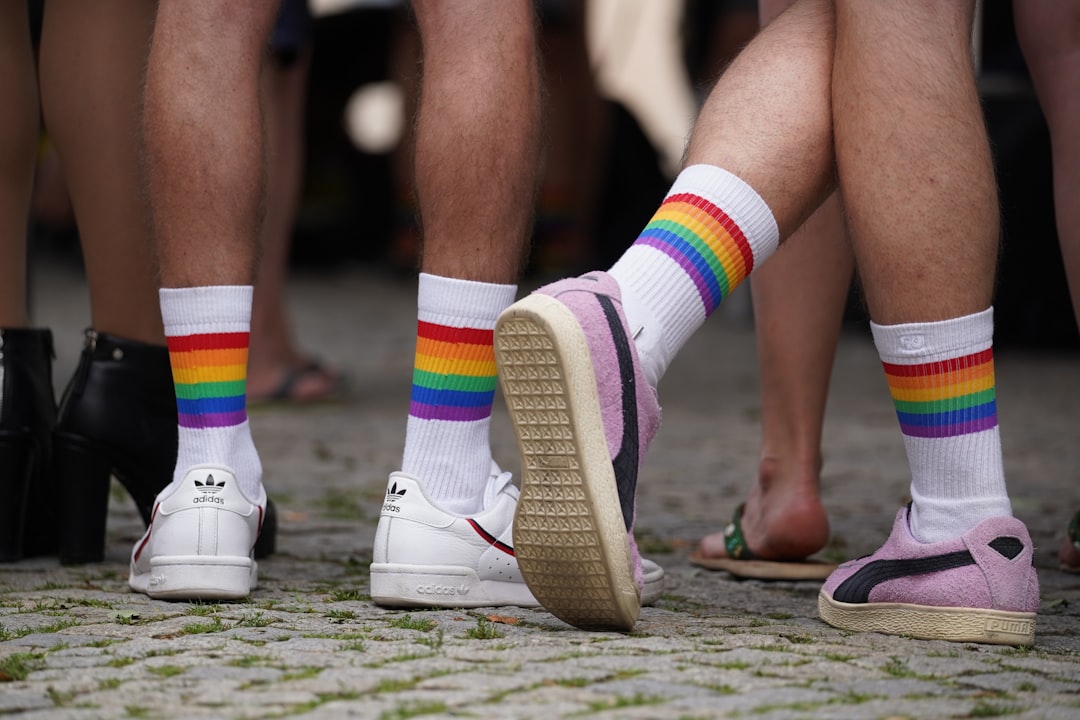
Delaware study reveals higher rates of anxiety, substance use among LGBT+ youth
A new study has found that LGBT+ youth in Delaware are experiencing disproportionately high rates of anxiety, depression and substance use compared to their cisgender heterosexual peers. University of Delaware’s Eric Layland, assistant professor in the College of Education and Human Development, and his coauthors reported that nearly one in four Delaware teens identifies as LGBT+, a dramatic increase from earlier state surveys that put the figure closer to 5%. More than one in 20 identified as transgender or nonbinary, reflecting national trends of increased visibility among Generation Z. The study revealed stark mental health differences. About half of cisgender heterosexual youth reported recent anxiety, compared to 75 to 80% of LGBT+ youth. These rates exceed both their heterosexual peers in Delaware and national averages for LGBT+ youth. Substance use patterns also raised concerns. By 8th grade, LGBT+ students reported higher rates of drinking, smoking, vaping and prescription drug misuse. Researchers noted that their substance use looked more like that of 11th grade heterosexual students than their peers in the same grade, pointing to early onset of risky behaviors. These disparities, established in middle school, largely persisted into high school. While substance use increased among all students over time, LGBT+ youth consistently reported higher rates. Based on state population data, the findings suggest there may be 18,000 to 20,000 LGBT+ youth in Delaware, including up to 5,000 transgender and nonbinary youth. The authors say this underscores the importance of ensuring that schools, healthcare providers and community programs have the resources to meet the needs of this population. This is one of the first Delaware-specific studies on youth health disparities by sexual orientation and gender identity using data collected after the height of the COVID-19 pandemic. The results, researchers say, highlight an urgent need for early intervention and affirming support systems for LGBT+ youth across the state. Layland, who specializes in LGBTQ+ development and affirmative interventions, can speak more about specific interventions. He is available by clicking his profile.



University Communications Needs a Bigger Role in the Research Conversation
While attending the Expert Finder Systems International Forum (EFS), several notable themes emerged for me over the 2-day event. It's clear that many universities are working hard to improve their reputation by demonstrating the real-world impact of their research to the public and to funders, but it's proving to be a challenging task - even for the largest R1 universities. Many of these challenges stem from how institutions have traditionally organized their research functions, management systems, and performance metrics. Engaging faculty researchers in this process remains a significant challenge, despite the need for rapid transformation. While this EFS conference was very well-organized and the speakers delivered a great deal of useful information, I appeared to be one of the few marketing and communications professionals in a room full of research leaders, administrative staff, librarians, and IT professionals. There's a certain irony to this, as I observe the same phenomenon at HigherEd marketing conferences, which often lack representation from research staff. My point is this. We can't build better platforms, policies, and processes that amplify the profile of research without breaking down silos. We need University Communications to be much more involved in this process. As Baruch Fischhoff, a renowned scholar at Carnegie Mellon University, notes: Bridging the gap between scientists and the public “requires an unnatural act: collaboration among experts from different communities” – but when done right, it benefits everyone. But first, let's dive in a little more into RIM's and Expert Finder Systems for context. What are Research Information Systems (RIMs) Research Information Management systems (aka Expert Finder Systems) are the digital backbone that tracks everything researchers do. Publications, grants, collaborations, patents, speaking engagements. Think of them as massive databases that universities use to catalog their intellectual output and demonstrate their research capacity. These systems matter. They inform faculty promotion decisions, support strategic planning and grant applications, and increasingly, they're what institutions point to when asked to justify their existence to funders, accreditors, and the public. But here's the problem: most RIM systems were designed by researchers, for researchers, during an era when academic reputation was the primary currency. The game has fundamentally changed, and our systems haven't caught up. Let's explore this further. Academic Research Impact: The New Pressure Cooker Research departments across the country are under intense pressure to demonstrate impact—fast. State legislators want to see economic benefits from university research. Federal agencies are demanding clearer public engagement metrics. Donors want stories, not statistics. And the general public? They're questioning whether their tax dollars are actually improving their lives. Yet some academics are still asking, “Why should I simplify my research? Doesn’t the public already trust that this is important?” In a word, no – at least, not like they used to. Communicators must navigate a landscape where public trust in science and academia is not a given. The data shows that there's a lot of work to be done. Trust in science has declined and it's also polarized:. According to a Nov. 2024 Pew Research study, 88% of Democrats vs. 66% of Republicans have a great deal or fair amount of confidence in scientists; overall views have not returned to pre-pandemic highs and many Americans are wary of scientists’ role in policymaking. While Public trust in higher education has declined, Americans see universities having a central role in innovation. While overall confidence in higher education has been falling over the past decade, a recent report by Gallup Research shows innovation scores highest as an area where higher education helps generate positive outcomes. Communication is seen as an area of relative weakness for scientists. Overall, 45% of U.S. adults describe research scientists as good communicators, according to a November 2024 Pew Research Study. Another critique many Americans hold is the sense that research scientists feel superior to others; 47% say this phrase describes them well. The traditional media ecosystem has faltered:. While many of these issues are largely due to research being caught in a tide of political polarization fueled by a significant rise in misinformation and disinformation on social media, traditional media have faced serious challenges. Newsrooms have shrunk, and specialized science journalists are a rare breed outside major outlets. Local newspapers – once a reliable venue for highlighting state university breakthroughs or healthcare innovations – have been severely impacted. The U.S. has lost over 3,300 newspapers since 2005, with closures continuing and more than 7,000 newspaper jobs vanished between 2022 and 2023 according to a Northwestern University Medill Report on Local News. Competition for coverage is fierce, and your story really needs to shine to grab a journalist's attention – or you need to find alternative ways to reach audiences directly. The Big Message These Trends are Sending We can’t just assume goodwill – universities have to earn trust through clear, relatable communication. Less money means more competition and more scrutiny on outcomes. That's why communications teams play a pivotal role here: by conveying the impact of research to the public and decision-makers, they help build the case for why cuts to science are harmful. Remember, despite partisan divides, a strong majority – 78% of Americans – still agree government investment in scientific research is worthwhile. We need to keep it that way. But there's still a lot of work to do. The Audience Mismatch Problem The public doesn't care about your Altmetrics score. The policymakers I meet don't get excited about journal impact factors. Donors want to fund solutions to problems they understand, not citations in journals they'll never read. Yet our expert systems are still designed around these traditional academic metrics because that's what the people building them understand. It's not their fault—but it's created a blind spot. "Impact isn't just journal articles anymore," one EFS conference panelist explained. "It's podcasts, blogs, media mentions, datasets, even the community partnerships we build." But walk into most research offices, and those broader impacts are either invisible in the system or buried under layers of academic jargon that external audiences can't penetrate. Expert systems have traditionally been primarily focused on academic audiences. They're brilliant at tracking h-Index scores, citation counts, and journal impact factors. But try to use them to show a state legislator how your agriculture research is helping local farmers, or explain to a donor how your engineering faculty is solving real-world problems? There's still work to do here. As one frustrated speaker put it: "These systems have become compliance-driven, inward-looking tools. They help administrators, but they don't help the public understand why research matters. The Science Translation Crisis Perhaps the most sobering observation came from another EFS Conference speaker who said it very plainly. "If we can't explain our work in plain language, we lose taxpayers. We lose the community. They don't see themselves in what we do." However, this feels more like a communication problem masquerading as a technology issue. We've built systems that speak fluent academic, but the audiences we need to reach speak human. When research descriptions are buried in jargon, when impact metrics are incomprehensible to lay audiences, when success stories require a PhD to understand—we're actively pushing away the very people we need to engage. The AI Disruption Very Few Saw Coming Yes, AI, like everywhere else, is fast making its mark on how research gets discovered. One impassioned speaker representing a university system described this new reality: "We are entering an age where no one needs to click on content. AI systems will summarize and cite without ever sending the traffic back." Think about what this means for a lot of faculty research. If it's not structured for both AI discovery and human interaction, your world-class faculty might as well be invisible. Increasingly, you will see that search traffic isn't coming back to your beautifully designed university pages—instead, it's being "synthesized" and served up in AI-generated summaries. I've provided a more detailed overview of how AI-generated summaries work in a previous post here. Keep in mind, this isn't a technical problem that IT can solve alone. It's a fundamental communications challenge about how we structure, present, and distribute information about our expertise. Faculty Fatigue is Real Meanwhile, many faculty are experiencing serious challenges managing busy schedules and mounting responsibilities. As another EFS panelist commented on the challenges of engaging faculty in reporting and communicating their research, saying, "Many faculty see this work as duplicative. It's another burden on top of what they already have. Without clear incentives, adoption will always lag." Faculty researchers are busy people. They will engage with these internal systems when they see direct benefits. Media inquiries, speaking opportunities, consulting gigs, policy advisory roles—the kind of external visibility that advances careers and amplifies research impact. And they require more support than many institutions can provide. Yet, many universities have just one or two people trying to manage thousands of profiles, with no clear strategy for demonstrating how tasks such as profile updates and helping approve media releases and stories translate into tangible opportunities. In short, we're asking faculty to feed a system that feels like it doesn't feed them back. Breaking Down the Silos Which brings me to my main takeaway: we need more marketing and communications professionals in these conversations. The expert systems community is focused on addressing many of the technical challenges—data integration, workflow optimization, and new metadata standards — as AI transforms how we conduct research. But they're wrestling with fundamental communication challenges about audience, messaging, and impact storytelling. That's the uncomfortable truth. The systems are evolving whether we participate or not. The public pressure for accountability isn't going away. Comms professionals can either help shape these systems to serve critical communications goals or watch our expertise get lost in translation. ⸻ Key Takeaways Get Closer to Your Research: This involves having a deeper understanding of the management systems you use across the campus. How is your content appearing to external audiences? —not just research administrators, but the journalists, policymakers, donors, and community members we're trying to reach. Don't Forget The Importance of Stories: Push for plain-language research descriptions without unnecessarily "dumbing down" the research. Show how the work your faculty is doing can create real-world benefits at a local community level. Also, demonstrate how it has the potential to address global issues, further enhancing your authority. And always be on the lookout for story angles that connect the research to relevant news, adding value for journalists. Structure Expert Content for AI Discoverability: Audit your content to see how it's showing up on key platforms such as Google Gemini, ChatGPT. Show faculty how keeping their information fresh and relevant translates to career opportunities they actually care about. Show Up at These Research Events: Perhaps most importantly, communications pros need to be part of these conversations. Next year's International Forum on Expert Finder Systems needs more communications professionals, marketing strategists, and storytelling experts in the room. The research leaders, administrators and IT professionals you will meet have a lot of challenges on their plate and want to do the right thing. They will appreciate your input. These systems are being rapidly redesigned - Whether you're part of the conversation or not. The question is: do we want to influence how they serve our institutions' communications goals, or do we want to inherit systems that work brilliantly for academic audiences but get a failing grade for helping us serve the public?



Pandemic deepened health gaps for people with disabilities, study finds
A new peer-reviewed study published in the American Journal of Preventive Medicine reveals that U.S. adults with disabilities experienced significant declines in preventive cardiovascular screenings during the COVID-19 pandemic — and continued to face cost-related barriers to care, even after accounting for economic disruptions. Using nationally representative data from more than 150,000 adults between 2019 and 2023, the study highlights how routine care like blood pressure, cholesterol and glucose screenings dropped most sharply for those with cognitive, physical, or multiple disabilities. Adults with disabilities were also more likely to report delaying or missing care due to cost. These findings underscore persistent health inequities and the urgent need for inclusive public health strategies, especially for populations already at greater risk for cardiovascular disease. Why it matters: Cardiovascular disease remains the leading cause of death in the U.S. Adults with disabilities face higher risks and more barriers to care — making consistent preventive screenings essential. This study offers the first detailed, post-pandemic national look at how different disability groups were affected, with implications for future policy and healthcare reform. For more information on the study and to speak to experts, contact mediarelations@udel.edu.

What's the True Story on the State of Tourism in Florida?
Tourism is one of the key economic drivers in Florida. The sector is responsible for approximately 10 percent of the Gross State Product (GSP), employs millions, and contributes billions to the state's economy. But how are things in the sector? It depends on the day, what you're reading or what you're watching: the industry in Florida is either booming or in a vulnerable situation. Here are two examples: Rising tariffs, visa delays, and shifting global travel trends have created a perfect storm, leading to a sharp drop in tourist numbers across Florida and several other U.S. states. The U.S. tourism industry is facing unprecedented challenges as international visitors choose alternative destinations amid political and economic shifts. According to recent data from the U.S. Travel Association, international visits to the U.S. saw a 14% decline in March, reflecting a broader global trend. However, the most significant impact has been felt among Canadian travelers, with a staggering 20.2% decrease in the number of Canadians visiting the U.S. This marks a troubling shift for the U.S., which has long relied on its neighboring country as a key source of international tourism. Florida, which has seen a decrease in tourism since the pandemic, is now facing a compounded crisis. The state, which historically attracted millions of international visitors, is seeing fewer long-term snowbirds, as well as a general decline in international arrivals. The state’s tourism sector, once a booming economic engine, is facing significant challenges. With both fewer foreign visitors and changes in local tourism trends, the state’s economy is under increasing strain. According to the World Travel & Journalism Council, the U.S. is on track to lose more than \$12 billion in international travel spending this year alone due to the decline in visitor numbers. June 06 - Travel and Tour World Whereas government officials are painting a very different picture. Florida welcomed 143 million visitors in 2024, setting a new tourism record for the state. State officials said this is the most visitors in a single year in Florida's history. The trend isn't slowing down, as more than 41 million people visited Florida in just the first three months of this year. May 21 - ABC News So there are questions that need to be answered: What is the current state of tourism in Florida? Have tariffs impacted visits from abroad? Does the high US dollar have anything to do with fewer people coming to the Sunshine State from outside of America? Has domestic travel increased with more Americans choosing Florida as a destination? If the sector is suffering from a decline in visitors, how can it adapt to be more attractive to tourists? If you are a reporter following the tourism industry - we're here to help. Peter Ricci is the Director of the Hospitality and Tourism Management program in Florida Atlantic University’s College of Business. He is a hospitality industry veteran with more than 20 years of managerial experience in segments including food service, lodging, incentive travel and destination marketing. Peter is available to speak with the media about tourism in Florida and the potential for gambling. Simply click on his icon to arrange an interview.



From Saver to Spender: Navigating the Retirement Mindset Shift
Let’s start with a familiar—and slightly ridiculous—scene: a retired couple with $750,000 safely tucked away in investments, quietly nibbling no-name tuna on toast while muttering, “We just can’t afford steak anymore.” Sound absurd? Sadly, it’s not fiction. Despite having ample savings, many retirees live with perpetual financial anxiety, clinging to their nest egg as if it were their last roll of toilet paper during a pandemic. Meanwhile, they try to survive solely on government pensions, making life unnecessarily stressful and, let’s face it, a bit joyless. I've wrestled with this as someone who entered retirement earlier than expected. Years in finance taught me how to budget, invest, and plan, but transitioning from saving to spending required a whole new mindset. I learned quickly that being financially “prepared” doesn’t mean you’re emotionally or psychologically ready to spend. So, what’s going on here? The Hypothesis: Individuals Prefer Spending Income Rather Than Saving Retirees prefer spending income (pensions or annuities) rather than withdrawing from savings or investment accounts. This isn’t just a quirky behavioural trend—it’s a deeply ingrained bias, and neuroscience supports it. Research by Michael S. Finke, a professor at The American College and noted researcher in retirement economics, revealed that retirees tend to spend most of their guaranteed income but only withdraw about half of their savings. In his words: “Retirees spend lifetime income, not savings.” The implication is clear: it’s not about how much money you have but how it feels to use it. This is partly due to what behavioral economists call “mental accounting.” We categorize our money into imaginary buckets: income is for spending, and savings are for safekeeping. Unfortunately, this can lead to financially irrational and highly risk-averse behaviors, such as eating cat food while having six figures in a TFSA. The Neuroscience of Spending Fear Add a little neuroscience, and the story deepens. As we age, changes in the brain, particularly in the prefrontal cortex, can affect how we assess risk and manage uncertainty. This can lead to: • Increased loss aversion: We more acutely feel the pain of spending or loss. • Decision paralysis: We delay or avoid withdrawals, even when reasonable. • Heightened anxiety about the future: We fear running out more than we enjoy spending in the present. This Fear of Running Out (FORO), which I’ve written about in a previous post, keeps many retirees in a defensive crouch, emotionally hoarding their savings rather than using them to enrich the years they worked so hard to reach. It’s no wonder money stress impacts us so deeply—our brains are wired that way. From an evolutionary perspective, our minds are designed to fear scarcity because running out of resources once posed a real danger. When we perceive that threat today, whether it’s a dip in our investments or rising grocery bills, our brain shifts into fight-or-flight mode and begins releasing cortisol—the stress hormone that heightens our anxiety. Then our amygdala, that little alarm system in our brain designed to protect us from danger, can’t differentiate between a financial crisis and a sabre-toothed tiger. So, it reacts similarly, nudging us toward quick, often irrational decisions. Sometimes that means freezing and doing nothing; other times, it leads to panicking and regretful choices. Understanding how our brains function under financial stress allows us to step back, breathe, and make better, calmer decisions—ones that serve us, not scare us. Retirement can be wonderfully freeing—no more commutes, no more meetings—but let’s be honest: it also comes with a significant shift in financial responsibility. Without that steady paycheck, it’s completely normal to feel uneasy about how you'll manage your money, especially when unexpected expenses arise. Sure, there are mindset tools and mental prep strategies that can help ease that existential “What now?” feeling before retirement. But let’s be specific—here are the real, concrete financial stressors that keep many retirees awake at night: • Not Enough Income: One of the biggest fears? Your savings won’t stretch far enough to support the life you want—or handle surprises. • Healthcare Costs: As we age, medical expenses climb. It’s not just the big stuff, either. Even prescriptions and dental bills can blow a hole in your budget. • Market Ups and Downs: A stock market dip can uniquely affect retirees. Observing your investments fluctuate can cause genuine anxiety regarding your income, especially in today’s “trade war” environment. • Inflation: We all feel it. The gradual rise of higher prices erodes your purchasing power, making that carefully saved nest egg feel less secure. • Living Longer Than Planned: It's both a blessing and a challenge. If you're healthy and living well into your 90s (and many do), the big question becomes: will your money last as long as you do? Here’s the good news: when you acknowledge these risks and build a plan around them, you exchange fear for control. And with power comes clarity, confidence, and significantly less stress. That’s when you can truly enjoy retirement—on your terms. How to Flip the Script: Make Savings Feel Like Income So, how can retirees overcome this psychological hurdle? Here are 3 powerful strategies: 1. Create Artificial Income Streams Turn a portion of your savings into predictable, automatic income. This could mean: • Setting up regular monthly withdrawals from an RRIF • Purchasing an annuity • Utilizing a bucket strategy, in which one portion of savings is maintained in a cash-like account to replicate a paycheck When money shows up like a salary, you’re more likely to feel permission to spend it. 2. Use Home Equity as a Back-Up Income Source A secured line of credit (HELOC) or a reverse mortgage can serve as a “Plan B” or income buffer. Knowing that the funds are available can alleviate anxiety, whether you use them or not. 3. Involve Family in Income Planning Sometimes, the best way to reframe a spending decision is through conversation. Adult children or trusted advisors can help develop a spending strategy that feels both secure and reasonable. Families can be invaluable in helping you design: • Emergency funding plans for unexpected expenses like healthcare • Gifting strategies (Want to help the kids or grandkids? Do it while you’re alive to see the joy!) • Income simulations replacing a regular paycheck Open conversations can also help uncover mismatched expectations. For instance, some older adults worry that spending their savings will leave less of an inheritance for their children, which might cause disappointment. But in many cases, their children would much rather see their parents use that money to care for themselves and enjoy their retirement years. The great irony of retirement? The hardest part isn’t building wealth; it’s allowing yourself to enjoy it. So, let’s retire the notion that frugality is forever. Replace the guilt of spending with the confidence of an income strategy. And if you're facing your savings with trepidation, remember: cat food may be a pantry staple for your pet, but it’s no reward for 40 years of hard work. Retirement isn't merely a financial phase—it’s a shift in mindset. That shift begins when we stop hoarding and start living.


The £1.25m study, being led by the University of Derby, is trialling antiviral medications as a treatment for symptoms of long COVID Professor Ian Maidment from Aston Pharmacy School is the lead pharmacist and will provide support for the clinical trials It is estimated that more than 2m people in the UK and more than 144m globally live with long COVID Professor Ian Maidment, at Aston Pharmacy School, is the lead pharmacist on a groundbreaking research project looking to find a treatment for symptoms of long COVID, which is being led by the University of Derby. The £1.25m trial, which is the first of its kind in the UK, is exploring whether antiviral medications can be used as an effective treatment option for patients diagnosed with long COVID. It is estimated that more than 2m people in the UK and more than 144m globally live with long COVID and almost a quarter of sufferers have had their symptoms for more than two years. Symptoms are broad and include extreme fatigue and breathlessness, palpitations, and brain fog. The trial, which began in September 2024, is part of a wider programme of groundbreaking research being led by the University of Derby. Involving 72 patients, the research is trialling the use of an antiviral drug that can be given to those admitted to hospital because of a COVID-19 infection. As most people experience a community infection and are not hospitalised, they do not have a way to access this medication. By taking the drug out of the acute admission setting, the researchers are hoping to see whether it can help those living with long COVID and alleviate some of the symptoms that they are living with. During the trial, patients undergo a series of assessments at the University of Derby’s specialist facilities before attending the hospital to receive the antiviral drug intravenously for five consecutive days, delivered in collaboration with experts from University Hospitals of Derby and Burton NHS Foundation Trust. Researchers from the University of Exeter are also involved, and the study is being managed by the University of Plymouth’s Peninsula Clinical Trials Unit. Professor Maidment will provide support for the clinical trials. Patients recruited in Exeter will undertake detailed body scans, which will be analysed to check if the antiviral medication has reduced inflammation, which may occur in people with long COVID. Mark Faghy, professor in clinical exercise science at the University of Derby and the study lead, said: “The impact long COVID has on the lives of patients is huge. For many, it can be debilitating, interfering with work, family life, and socialising, and millions are suffering across the world. Yet, at present, there are no confirmed treatments for the condition. Five years on from the start of the pandemic, long COVID remains a significant health and societal challenge, which is why this project is so important. “This is an ongoing project with various phases and is still in its infancy, but we are excited to have taken the first steps to hopefully improve the quality of life for those living with long COVID.” Professor David Strain, clinical lead based at the University of Exeter Medical School, said: “There is a clear need for people living with long COVID and we hope from this study we can see a reduction in the symptoms people experience. It will be an ongoing project with various phases, but we are excited to be taking the first steps to improve patients' quality of life.” Professor Ian Maidment, Aston Pharmacy School, said: “We need clinical trials to develop new and effective treatments for long COVID. Pharmacy support is critical for the successful delivery of these studies.” Over the past four years, Professor Faghy and his team at the University of Derby have conducted a series of international studies to explore the impacts of acute and long COVID, looking to understand the causes and contributing factors of long COVID by bringing clinical insight together with the lived experience of patients.


Post-Pandemic Changes in Higher Ed
Provost Emeritus and the Lawrence Herbert Distinguished Professor Herman A. Berliner was featured in The Chronicle of Higher Education‘s Daily Briefing on March 14 about what has changed in higher education since the Covid-19 pandemic five years ago.

