
Experts Matter. Find Yours.
Connect for media, speaking, professional opportunities & more.

Hormone Supplementation in Rhesus Monkeys Points to Potential Autism Treatment
For years, Florida Tech’s Catherine Talbot, assistant professor of psychology, has worked to understand the sociality of male rhesus monkeys and how low-social monkeys can serve as a model for humans with autism. Her most recent findings show that replenishing a deficient hormone, vasopressin, helped the monkeys become more social without increasing their aggression – a discovery that could change autism treatment. Currently, the Centers for Disease Control and Prevention report that one in 36 children in the United States is affected by autism spectrum disorder (ASD). That’s an increase from one in 44 children reported in 2018. Two FDA-approved treatments currently exist, Talbot said, but they only address associated symptoms, not the root of ASD. The boost in both prevalence and awareness of the disorder prompts the following question: What is the cause? Some rhesus monkeys are naturally low-social, meaning they demonstrate poor social cognitive skills, while others are highly social. Their individual variation in sociality is comparable to how human sociality varies, ranging from people we consider social butterflies to those who are not interested in social interactions, similar to some people diagnosed with ASD, Talbot said. Her goal has been to understand how variations in biology and behavior influence social cognition. In the recent research paper published in the journal PNAS, “Nebulized vasopressin penetrates CSF [cerebral spinal fluid] and improves social cognition without inducing aggression in a rhesus monkey model of autism,” Talbot and researchers with Stanford, the University of California, Davis and the California National Primate Research Center explored vasopressin, a hormone that is known to contribute to mammalian social behavior, as a potential therapeutic treatment that may ultimately help people with autism better function in society. Previous work from this research group found that vasopressin levels are lower in their low-social rhesus monkey model, as well as in a select group of people with ASD. Previous studies testing vasopressin in rodents found that increased hormone levels caused more aggression. As a result, researchers warned against administering vasopressin as treatment, Talbot said. However, she argued that in those studies, vasopressin induced aggression in contexts where aggression is the socially appropriate response, such as guarding mates in their home territory, so the hormone may promote species-typical behavior. She also noted that the previous studies tested vasopressin in “neurotypical” rodents, as opposed to animals with low-social tendencies. “It may be that individuals with the lowest levels of vasopressin may benefit the most from it – that is the step forward toward precision medicine that we now need to study,” Talbot said. In her latest paper, Talbot and her co-authors tested how low-social monkeys, with low vasopressin levels and high autistic-like trait burden, responded to vasopressin supplementation to make up for their natural deficiency. They administered the hormone through a nebulizer, which the monkeys could opt into. For a few minutes each week, the monkeys voluntarily held their face up to a nebulizer to receive their dose while sipping white grape juice – a favorite among the monkeys, Talbot said. After administering the hormone and verifying that it increased vasopressin levels in the central nervous system, the researchers wanted to see how the monkeys responded to both affiliative and aggressive stimuli by showing them videos depicting these behaviors. They also compared their ability to recognize and remember new objects and faces, which is another important social skill. They found that normally low-social monkeys do not respond to social communication and were better at recognizing and remembering objects compared to faces, similar to some humans diagnosed with ASD. When the monkeys were given vasopressin, they began reciprocating affiliative, pro-social behaviors, but not aggression. It also improved their facial recognition memory, making it equivalent to their recognition memory of objects. In other words, vasopressin “rescued” low-social monkeys’ ability to respond prosocially to others and to remember new faces. The treatment was successful – vasopressin selectively improved the social cognition of these low-social monkeys. “It was really exciting to see this come to fruition after pouring so much work into this project and overcoming so many challenges,” Talbot said of her findings. One of Talbot’s co-authors has already begun translating this work to cohorts of autism patients. She expects more clinical trials to follow. In the immediate future, Talbot is examining how other, more complex social cognitive abilities like theory of mind – the ability to take the perspective of another – may differ in low-social monkeys compared to more social monkeys and how this relates to their underlying biology. Beyond that, Talbot hopes that they can target young monkeys who are “at-risk” of developing social deficits related to autism for vasopressin treatment to see if early intervention might help change their developmental trajectory and eventually translate this therapy to targeted human trials. Catherine F. Talbot is an Assistant Professor in the School of Psychology at Florida Tech and co-director of the Animal Cognitive Research Center at Brevard Zoo. Dr. Talbot joined Florida Tech from the Neuroscience and Behavior Unit at the California National Primate Research Center at the University of California, Davis, where she worked as a postdoc on a collaborative bio-behavioral project examining naturally occurring low-sociability in rhesus monkeys as a model for the core social deficits seen in people with autism spectrum disorder, specifically targeting the underlying mechanisms of social functioning. If you're interested in connecting with Catherine Talbot - simply contact Adam Lowenstein, Director of Media Communications at Florida Institute of Technology at adam@fit.edu to arrange an interview today.


Springtime swarms: What you need to know about termite alates
As temperatures warm up across Louisiana, so does termite activity. Homeowners may soon begin to notice large swarms of winged insects in and around their homes. These are termite alates, also known as swarming termites. “Swarming is how termites establish new colonies,” said LSU AgCenter entomologist Aaron Ashbrook. “Seeing swarms around your home doesn’t necessarily mean you have an infestation, but it does mean termites are nearby.” Alates are the reproductive members of a future termite colony if they can successfully establish. Each spring, usually following a warm rain, these termites leave their established colonies to find new places to nest. Many alates are produced because a low percentage of them are able to establish a colony. After swarming, they shed their wings and pair off to begin new colonies, which is how they end up in homes. Louisiana’s warm, humid climate makes it an ideal environment for termites, especially the Formosan subterranean termite, one of the most destructive species in the United States. Termites can silently cause thousands of dollars in damage before homeowners know they’re there. Tips for homeowners: Don’t panic, but don’t ignore it. Seeing swarms outside is common, but if they're inside your home, call a licensed pest control professional. Look for signs. Discarded wings, mud tubes, water stains, moisture buildup, and soft or hollow-sounding wood can all indicate a problem. Reduce moisture. Termites thrive in damp environments and require moist wood to attack structures. Fix leaks and ensure proper drainage around your home. Schedule regular inspections. Annual termite inspections are recommended, especially in high-risk areas like Louisiana. “Termites can cause extensive structural damage to your home that may go unnoticed,” said Carol Friedland, director of LaHouse Research and Education Center. “Early detection and prevention can save homeowners a lot of stress and money.” The LSU AgCenter’s Department of Entomology and LaHouse Research and Education Center provide research-based guidance to help Louisiana residents protect their homes from termites and other structural pests. Learn more by searching for “termites” at www.LSUAgCenter.com. Article by Shelly Kleinpeter, originally posted here.



ChristianaCare Hospitals Earn Top Patient Safety Rating From Leapfrog Group
ChristianaCare’s Christiana Hospital, Union Hospital and Wilmington Hospital have each received an ‘A’ grade in the Spring 2025 Leapfrog Hospital Safety Grade, a national distinction that recognizes ChristianaCare’s achievements in protecting patients from harm and providing safe health care. “At ChristianaCare, patient safety is our highest priority and an essential part of our mission of service to the community,” said Kert Anzilotti, M.D., MBA, system chief medical officer and president of the Medical Group of ChristianaCare. “We are incredibly proud of this achievement. “This ‘A’ grade is not just a letter; it’s a testament to the hard work and passion of our caregivers, who strive every day to ensure our patients receive the highest quality care and feel safe throughout their journey with us.” The Leapfrog Group assigns an ‘A,’ ‘B,’ ‘C,’ ‘D’ or ‘F’ grade to hospitals across the country based on over 30 performance measures reflecting the prevention of errors, accidents, injuries and infections. This Leapfrog recognition comes on the heels of multiple other recent quality and safety awards that ChristianaCare has received, including: • ChristianaCare was recognized as one of the best hospitals in the nation by Money in its 2025 hospital rankings, making it the only hospital in Delaware to achieve this distinction. • ChristianaCare is ranked by Newsweek among the World’s Best Hospitals and rated by U.S. News & World Report as the No. 1 hospital in Delaware. • ChristianaCare earned the Beacon Award for Excellence from the American Association of Critical-Care Nurses (AACN) for three of its intensive care units: the Medical Intensive Care Unit (MICU), the Surgical Critical Care Complex (SCCC), and the Transitional Surgical Unit (TSU) at Christiana Hospital in Newark, Delaware. • ChristianaCare is the only four-time Magnet-designated health care organization in Delaware, recognized for continued dedication to excellence and innovation, high-quality patient care and experience, nurse engagement and work culture.



Name: Linxia Gu Title: Professor of biomedical engineering and science, department head Department/college: Department of Biomedical Engineering and Science/College of Engineering and Science Current research funding: $5 million as co-PI of ASCEND General research focus: My research focuses on developing physically based computational models and conducting mechanical testing to investigate how mechanical stimuli influence cell and tissue responses, providing new insights into the interplay between mechanics and biology. Dr. Gu’s research expertise lies in the biomechanics and biomaterials using both computational and experimental methods. The specific application areas include vascular mechanics and indirect traumatic injury to the brain and eye. Her group is particularly interested in developing multi-scale multi-physics models to study and exploit tissue responses and cellular mechanotransduction, and to gain new mechanistic insights into the interplay of mechanics and human body. The multidisciplinary effort has resulted in > 130 journal papers, and $11 million research funding from NIH, NSF, ARO, and NASA. Q: What has you excited about your current research? The opportunity to bridge the gap between mechanics and biology drives my research. By integrating computational models with experimental data, we are uncovering how mechanical forces influence tissue and cellular responses, particularly in the areas of vascular stenting and traumatic injury to the eye and brain. This had the potential to drive breakthroughs in understanding, prevention and treatment. Q: Why is it important to conduct research? Conducting research is vital for addressing pressing societal challenges and advancing our understanding of complex biomedical systems. Linxia Gu is available to speak with media. Contact Adam Lowenstein, Director of Media Communications at Florida Institute of Technology, at adam@fit.edu to arrange an interview today.
With Rise in US Autism Rates, Florida Tech Expert Clarifies What We Know About the Disorder
A new report from the Centers for Disease Control and Prevention (CDC) found that an estimated 1 in 31 U.S. children has autism; that's about a 15% increase from a 2020 report, which estimated 1 in 36. The latest numbers come from the CDC’s Autism and Developmental Disabilities Monitoring (ADDM) Network, which tracked diagnoses in 2022 among 8-year-old children. Autism spectrum disorder (ASD) is a neurological disorder that refers to a broad range of conditions affecting social interaction. People with autism may experience challenges with social skills, repetitive behaviors, speech and nonverbal communication. The news has experts like Florida Tech's Kimberly Sloman, Ph.D, weighing in on the matter. She noted that the definition of autism was expanded to include mild cases, which could explain the increase. “Research shows that increased rates are largely due to increased awareness and changes to diagnostic criteria. Much of the increase reflects individuals who have fewer support needs, women and girls and others who may have been misdiagnosed previously," said Sloman. Her insight follows federal health secretary Robert F. Kennedy Jr.'s recent declaration, vowing to conduct further studies to identify environmental factors that could cause the disorder. In his remarks, he also miscategorized autism as a "preventable disease," prompting scrutiny from experts and media attention. “Autism destroys families,” Kennedy said. “More importantly, it destroys our greatest resource, which is our children. These are children who should not be suffering like this.” Kennedy described autism as a “preventable disease,” although researchers and scientists have identified genetic factors that are associated with it. Autism is not considered a disease, but a complex disorder that affects the brain. Cases range widely in severity, with symptoms that can include delays in language, learning, and social or emotional skills. Some autistic traits can go unnoticed well into adulthood. Those who have spent decades researching autism have found no single cause. Besides genetics, scientists have identified various possible factors, including the age of a child’s father, the mother’s weight, and whether she had diabetes or was exposed to certain chemicals. Kennedy said his wide-ranging plan to determine the cause of autism will look at all of those environmental factors, and others. He had previously set a September deadline for determining what causes autism, but said Wednesday that by then, his department will determine at least “some” of the answers. The effort will involve issuing grants to universities and researchers, Kennedy said. He said the researchers will be encouraged to “follow the science, no matter what it says.” April 17 - Associated Press Sloman emphasized that experts are confident that autism has a strong genetic component, meaning there's an element of the disorder that may not be preventable. However, scientists are still working to understand the full scope of the disorder, and much is still unknown. “We know that there’s a strong genetic component for autism, but environmental factors may interact with genetic susceptibility," Sloman said. "This is still not well understood.” Kimberly Sloman’s research interests include best practices for treating individuals with autism spectrum disorder (ASD). She studies the assessment and treatment of problem behavior with methods such as stereotypy, individualized skill assessments and generalization of treatment effects. Are you covering this story or looking to know more about autism and the research behind the disorder? Let us help. Kimberly is available to speak with media about this subject. Simply click on her icon now to arrange an interview today.


How to help children cope when tragedy and social media collide
When a child feels traumatized by stressful events or a tragedy, exposure to social media can exacerbate the problem. That's in part because social media can be wrought with misinformation and disinformation, and appropriate communication on its platforms is often lacking. “There are no rules on social media, and kids can gang up on each other,” says Jennie Noll, professor of psychology at the University of Rochester and executive director of the university’s Mount Hope Family Center, which provides evidence-based intervention and prevention services to thousands of children and their families in the Rochester area, with a primary focus is supporting children and families affected by stressful or traumatic experiences. What can adults do to help children cope with tragedy and check in on their emotional and social well-being? The best thing that parents, guardians, and other caretakers of children can do is help youngsters understand that there is more to communication, more to friendship, and more to their self-worth than what arises on social media."We need to understand how we treat each other as humans on social media. Social media has exasperated everything that we thought was risky with regard to how teens interact." She recommends parents check in with their children, enforce breaks from social media for them when they're confronting a stressful situation, and help them make alternative plans. Media outlets often turn to Noll for her insights into child psychology, maltreatment prevention, and social media use. She can be reached by clicking on her profile.


A New Heart Disease Prevention Strategy: Combining Ezetimibe & Statins
Statement by Kirk Garratt, M.D., Medical Director of ChristianaCare's Center for Heart & Vascular Health "A new study is challenging the current approach to preventing heart disease by showing that combining ezetimibe (Zetia) with statins could be a highly effective treatment for all high-risk patients, not just those who can’t tolerate higher doses of statins. Ezetimibe works by blocking the absorption of dietary fats before they reach the liver, while statins block the conversion of these fats into bad cholesterol. Clinical studies have already shown that combining moderate doses of statins with ezetimibe works as well as high doses of statins alone. This new research, which used a sophisticated method to combine results from many studies, demonstrates the potential of using this combination more routinely. The impact could be significant—potentially avoiding thousands of heart attacks and saving many lives each year. Ezetimibe has minimal side effects and is available in generic form, offering a treatment option with few barriers to widespread use. However, patients should speak with their doctor to discuss whether this combination is right for them." Learn more:

Racial Disparities in Maternal Mortality Rates Need More Time to Improve
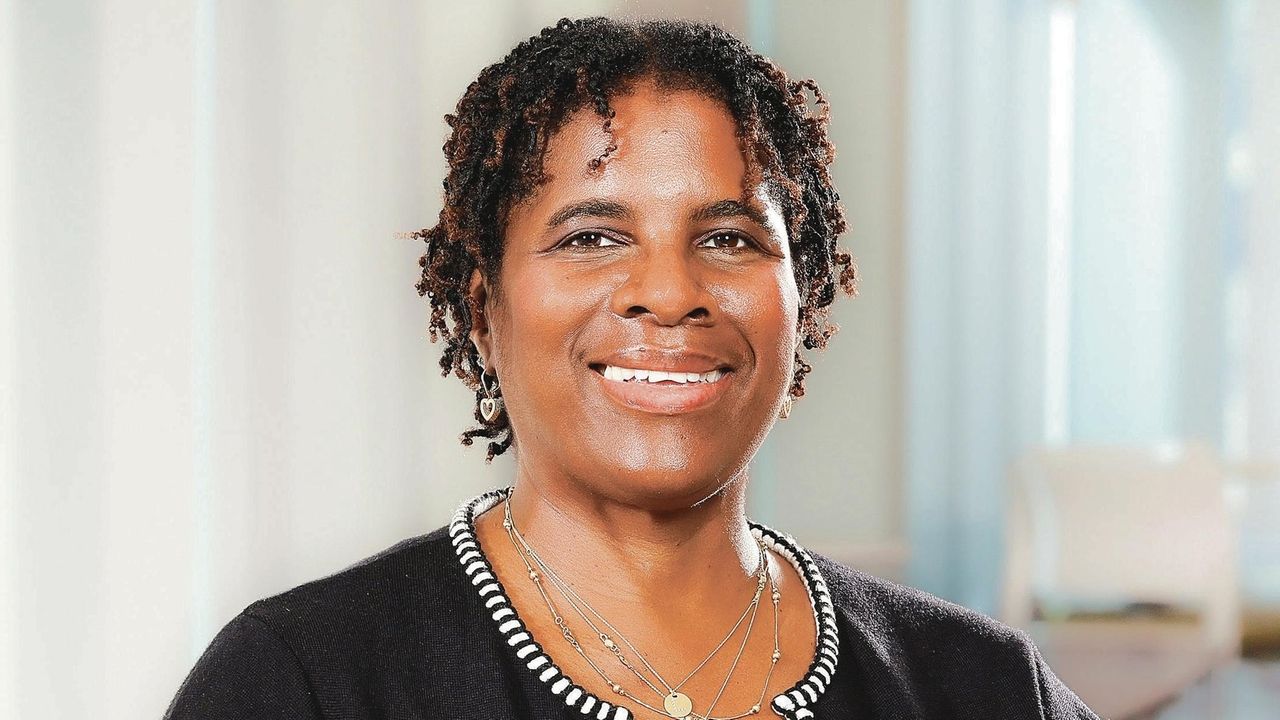
A Newsday story on racial disparities in maternal mortality rates in New York featured an interview with Dr. Martine Hackett, associate professor and chair of Hofstra’s Department of Population Health. While national statistics have improved overall in recent years, experts say it will take more time to close the gap. National statistics released by the Centers for Disease Control and Prevention show overall maternal mortality across the U.S. dropped for the second year in a row. However, while the rate for white women, decreased from 19 deaths per 100,000 live births in 2022 to 14.5 in 2023, it rose from 49.5 to 50.3 for Black women. Dr. Hackett, cofounder of Birth Justice Warriors, called the disparity “shocking” and said, “When you’re looking to address a problem as big and complex as maternal mortality, it is going to take a long time.”


ChristianaCare is enhancing care options in Milford, Delaware, with the addition of two highly skilled physicians to better serve the community's growing health needs. Chinwe Ike-Chinwo, M.D., is a board-certified primary care physician with a special interest in preventive medicine. Thinesh Sivapatham, M.D., is a fellowship-trained neurointerventional surgeon and member of ChristianaCare's Neurointerventional Surgery team, specializing in minimally invasive techniques to treat conditions affecting the blood vessels of the head, neck and spine, including strokes and aneurysms. The practice is located at Halpern Plaza, 701 N. DuPont Blvd. To schedule an appointment, patients can call 302-725-3420. Convenient and Accessible Primary Care At the new ChristianaCare Primary Care at Milford practice, Ike-Chinwo is passionate about building long-term relationships with her patients, helping them achieve optimal health through personalized care. “I am excited to serve the Milford community and help individuals achieve their best health,” she said. “Through prevention, chronic disease management and wellness care, we aim to support our patients in leading healthier, more fulfilling lives.” Ike-Chinwo introduces herself in this video. The primary care practice offers a comprehensive range of services to adult patients, including sick visits, immunizations, physical exams, preventive screenings and treatment for both acute and chronic conditions and women’s health. The practice is open Monday through Friday, from 8 a.m. to 4:30 p.m. In March 2025, the practice will welcome a second provider. In April 2025, the Milford site will also offer ChristianaCare’s My65+ program, which focuses on preventive care and chronic disease management for patients 65 and older. The providers at ChristianaCare’s new Milford location will play a crucial role in addressing the growing health care needs of Sussex County, which is experiencing rapid population growth, particularly among older adults. Sussex County has been designated as a Medically Underserved Area by the federal government, with projections showing that the population will increase from 237,378 in 2022 to over 361,000 by 2050, further intensifying the demand for primary care services. As the demand for primary and specialty care in Sussex County grows, especially among older adults, ChristianaCare is committed to meeting the health care needs of the community with personalized, patient-centered care. “Our mission is to make high-quality, compassionate care accessible to every resident of the communities we serve,” said Priya Dixit-Patel, M.D., physician executive for Core and Advanced Primary Care at ChristianaCare. “As primary care providers remain in short supply in many areas like Milford, we are focused on delivering care that can prevent disease, manage chronic conditions, and improve overall well-being, particularly for older adults.” Specialized Neurointerventional Consults Close to Home Sivapatham is excited to bring neurointerventional care to the Milford community and surrounding areas. “Neurointerventional Surgery is a highly specialized field that is often only found in larger metropolitan areas,” said Sivapatham, who speaks about treatment for stroke in this video. “I look forward to working closely with patients to ensure they receive the same high-quality care right here in Sussex County.” Kim Gannon, M.D., Ph.D., medical director of the Comprehensive Stroke Program and physician executive of the Neuroscience Service Line at ChristianaCare, highlighted the importance of improving access to physician consults for patients in Sussex County. “Providing neurointerventional care closer to home significantly improves access to specialized services for stroke patients who might otherwise need to travel to Newark,” said Gannon. “We want to ensure that patients receive the ongoing care and support essential for their recovery and long-term health at a location close to where they live.”


Avian Flu: Understanding the Threat and Global Response
Avian influenza, commonly known as bird flu, is a highly contagious viral infection that affects birds but has the potential to spread to humans and other animals. With recent outbreaks raising concerns among health officials worldwide, understanding the origins, transmission, and potential risks of avian flu is critical for public health preparedness. The virus poses significant threats to global food supply chains, economic stability in agriculture, and pandemic prevention efforts. As governments and health agencies monitor the situation, the public must stay informed about the latest developments and protective measures. Key story angles include: Origins and Evolution of Avian Flu: How the virus emerges, mutates, and spreads among birds and humans. Public Health Risks and Prevention Measures: Assessing the likelihood of human transmission and the effectiveness of vaccines and treatments. Economic Impact on Poultry and Agriculture: How outbreaks affect food production, trade restrictions, and industry regulations. Global Response and Preparedness Efforts: What governments and health organizations are doing to contain outbreaks and prevent a pandemic. Wildlife and Environmental Factors: The role of migratory birds in spreading avian flu and the impact of climate change on disease patterns. Lessons from Past Outbreaks: Comparing the current situation to previous bird flu strains and what history teaches us about managing the threat. As concerns over avian flu grow, staying ahead of the science and policy responses will be key to safeguarding public health and economic stability worldwide. Connect with an expert about avian flu: To search our full list of experts visit www.expertfile.com
