
Experts Matter. Find Yours.
Connect for media, speaking, professional opportunities & more.

Ask our experts - Self-care a necessity for graduate students; what are programs doing to help?
Life doesn’t stop when you’re in a doctoral program. Erin Ayala, Ph.D., has done extensive research into self-care, stress, and quality of life of students, particularly those in human service doctoral programs (like medical students and those in nurse anesthesiology, psychology, and counseling). She knows the recipe for stress and burnout: • These stressful programs tend to attract high achievers. It’s already in their nature to balance several commitments and responsibilities. • These programs and professions have a high level of responsibility. • Students in these programs are frequently at an age where they are also going through significant developmental milestones (marriage, children, purchasing homes). “When you bring all of that together, it can be really difficult to prioritize time for self-care,” she said. “Prevention and health promotion are really important, and it’s not just about mental health. It’s not just about being reactive and addressing distress or burnout when it hits. The question is what can we do on the front end to help prevent negative consequences down the road.” What is self-care? Often, Dr. Ayala said, media romanticizes and glamorizes self-care with advertisements for fizzy bath bombs and manicures. “What we have found is that it is completely personalized,” Dr. Ayala said. “For women, social support is really important. Ultimately, there needs to be time to disconnect, whether it’s doing nothing, or just taking a break from your dissertation. You’ve got to give yourself permission to do that. “Nutrition, exercise, hydration, spiritual life, different people have a different recipe for what their self-care looks like. It ebbs and flows just like any exercise or meditation or spiritual practice. Some weeks we’re doing great and other times we’re not, and that’s part of the process.” Dr. Ayala’s most recent research involves analyzing qualitative data, coming from over 200 students throughout the U.S. in clinical counseling and school psychology, all high achievers in the middle of doctoral programs. She’s investigating what faculty are doing to model or not model the importance of physical and psychological wellness. “Students might know that self-care is important, but it can be hard to act on it if they're in an environment that doesn’t support it,” she said. “The biggest supportive theme that came up was faculty simply encouraging them to do it, asking their students, ‘What did you do this weekend for self-care?’ They take the time to check in with their students and give them permission to take time for themselves. That takes zero effort.” “What can we do to make sure faculty are also able to model self-care for their students? The behaviors students are picking up now pave the foundation for the rest of their career. If faculty are working themselves to the bone, it sets an expectation for their students that they are supposed to do the same. If faculty model self-care and talk about its importance, students may be more likely to do it themselves.” Dr. Ayala said when her team asked students what programs can do to support self-care, answers ranged from formal programming and talking about it in the classroom, to referrals for therapists, discounts for gym memberships, or places to meditate on campus — ways to make self-care easier to access. When students are asked what the biggest barrier to self-care is, the answer wasn’t surprising. The majority of students responded that time was an issue. “That’s a tough one because there’s only so much programs can do to minimize the amount of work required,” Dr. Ayala said. “Students have to balance all these professional responsibilities and don’t know what to give up.” Are you looking to know more about self-care and other similar topics when it comes to high education? Or, are you a journalist covering this topic and looking to book an interview? That’s where we can help. Dr. Erin Ayala is a licensed psychologist and core faculty member in the counseling psychology doctoral program at Saint Mary’s University of Minnesota. To book an interview with Dr. Ayala – simply click on her icon to arrange a time.


Is your social media ready for when the next crisis strikes? Let our experts help!
At the National Institute for Social Media, response plans are the priority. A response plan is the high-level look, or the umbrella overview, that crisis management falls under. Your response plan details how you respond to positive, negative feedback, and any neutral feedback that comes your way. Take a compliment and make the most out of it: Positive feedback feels like you’re off the hook. If feedback is all positive, you feel like you don’t have to do anything. But that’s your opportunity to nurture and strengthen those who are already your supporters. They then become your brand champions. Avoid the neutral zone traps – react and respond accordingly: Questions or posts that aren’t really positive or negative land in neutral space, and that’s really not crisis communication, responding to those is just good customer service. When crisis strikes: If you have a crisis, most people associate it with an isolated event, and sometimes you can plan for it, sometimes you can’t. A few years ago, when Nordstrom’s discontinued Ivanka Trump’s clothing line, they anticipated a negative backlash by those who would accuse them of being politically motivated. They stated sales was the reason, and 100 percent came out neutral, but they could anticipate that particular feedback. Whereas, in the viral video of a passenger being physically dragged off an airplane, the airline couldn’t have anticipated that event. However, with an online response plan, they would have been prepared to respond to the unexpected event. A quick response is important but an informed response is more important than anything else. If it fits the situation, you may buy yourself time to do a little research by commenting that you’ve passed their question on and will respond soon. If you don’t have a strategic plan to fall back on, and you respond quickly but poorly, you run the risk of doing more harm than good. With an online response plan, people understand how to assess a given situation. Respond: To show transparency, we want everyone to see we are responding to customer; we have a planned response where we acknowledge the customer. Take offline: Give them an offline option for sharing additional information. Resolve: This allows the customer to have their issue resolved and be heard but discourages them from sharing ugly details on that highly visible platform. The plan is for a social media manager to have a path when they don’t know what to do. The viral airplane video is one example because by the time their social media people saw it, it was already going viral. They had every indication they should be panicking. Did they have a person to talk to help them make the decision about how it needs to be addressed? For those crises we can’t anticipate, there needs to be a clear path to a leader who can help with this difficult situation. One of my favorite things to tell people is that you don’t have to be victimized online just because you’re a professional organization. You can set up community guidelines. Some businesses think, what if someone starts using racial slurs or inappropriate comments? You can post community guidelines that state these are our expectations of how our customers can participate respectfully, and we reserve the right to delete your content. You can set the expectation that you want people to engage respectfully. You have to get to the heart of what people are really asking or wanting. In the case of Ivanka Trump’s clothing line, nobody was upset because Nordstrom’s wasn’t carrying the clothing line; what they were really upset about was that a large organization could be taking a political stance against the at-that-time republican candidate. Are you looking to know more about how corporations and institutions need to be prepared and how they need to react when bad news goes viral? That’s where we can help. Amy Jauman is social media expert, consultant, writer, and professor at Saint Mary’s University of Minnesota. Dr. Jauman authored a (National Institute for Social Media) NISM textbook for social media strategists and is available to speak to speak with media – simply click on her icon to arrange an interview.

What's Ahead for California's Gig Workers?
A new law is set to take effect in California on January 1 that could significantly shift the landscape for the "gig economy" and freelancers across the state: Assembly Bill 5 (or AB 5) will require businesses to reclassify workers like ridesharing and food app delivery drivers as employees and not contractors, giving them access to minimum wage and benefits such as overtime, workers' compensation and health insurance. Another group that's targeted in the legislation are freelance journalists. (Vox Media, the parent company of sports site SB Nation, has already taken action and laid off hundreds of freelancers before the law goes into effect.) Villanova University professor Cheryl Carleton, PhD, is an expert on labor economics and the workforce who, in conjunction with Mary Kelly, PhD, recently published research on alternative work arrangements and job satisfaction. "By making them regular employees of the company, workers that firms do hire would gain some benefits, and the government may gain some unemployment insurance payments," Dr. Carleton said about California's AB 5 legislation. "Such a law may be great for them. However, other workers will be worse off because they will be losing just what they wanted—the ability to work when and where they want." "Some of these workers may already have needed benefits through a spouse or significant other or through another job," she continued. "Perhaps they are retired and already have access to those benefits. Still, other workers may not be able to take a regular job with its rigid hours, so they will not be able to work at all." Dr. Carleton also noted that there is a larger issue about how benefits are provided in our economy. "Benefits such as medical insurance, pensions and sick and disability leave are provided through one's place of employment. To the extent that these other working arrangements are growing in popularity, the best approach may be for us to rethink how such benefits are offered," she shared. "It may be that more should be offered by the government to citizens, which then would allow them the ability to choose the job(s) they want that fill the needs they have." To speak with Dr. Carleton or Dr. Kelly, please click on the "View Profile" links featured on this page.


Boris, Brexit and What’s Next for Britain in 2020?
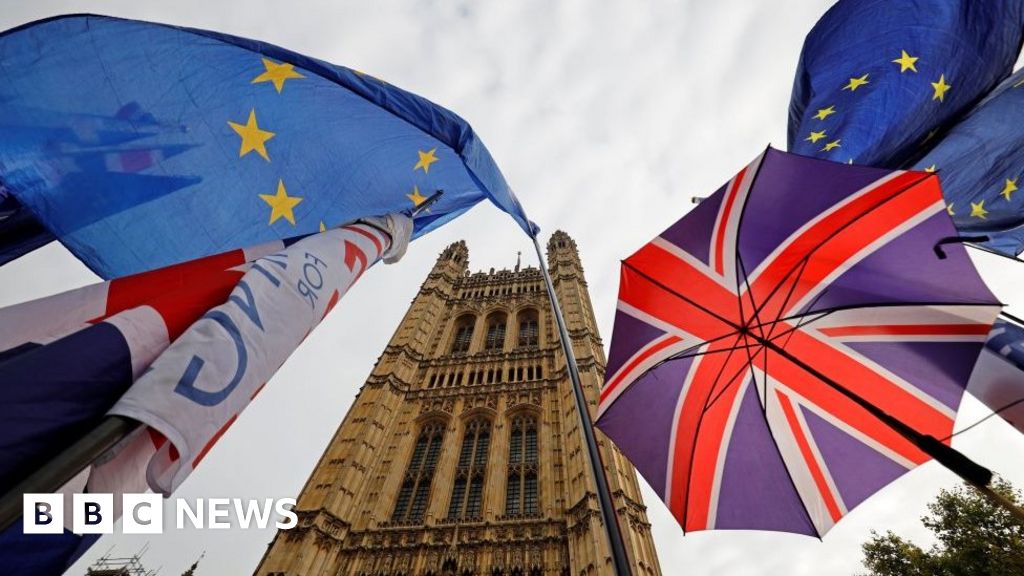
A few short months ago, it looked as if Boris Johnson had accepted a fool’s role in becoming the third Prime Minister in four years. He went all in, campaigned hard and wound up with a solid majority and a mandate to remove Britain from the European Union by the end of January 2020. It’s been an astounding turn of events for a country that was left politically hamstrung and a Tory party seemingly lost at sea. But what’s next for Britain and beyond? What are the actual consequences to leaving the EU? Has Britain just opened the door to other unhappy members who may be contemplating an exit? And did Johnson’s opponents, the media and the public underestimate his political strength – and what lessons can be learned from it? There are a lot of questions out there – and if you are covering, let our experts help with your stories. Dr. Glen Duerr's research interests include comparative politics and international relations theory. Glen is available to speak to media regarding this topic– simply click on his icon to arrange an interview.


It may be the most wonderful time of the year, but for those delivering packages to houses and homes across America this holiday season it’s also the busiest one. In fact, it’s expected that Amazon alone will ship close to 300 million packages for Christmas. Customers want their purchases quicker and cheaper and it’s changing how the landscape works. It's estimated that free shipping will cost Amazon more than a billion dollars this quarter alone. This explains why shippers are looking at some radical new technologies to cut the cost of the last mile – and this is not just limited to the retail shopping industry. “Technology-driven innovations such as delivery drones or driverless vehicles not only facilitate last-mile delivery, they help with the inclusion of new sets of “customers, especially those in remote locations or rural areas with poor infrastructure, says Morvarid Rahmani, assistant professor of Operations Management at Scheller College of Business at Georgia Institute of Technology. For instance, companies like UPS, CVS, and WakeMed are exploring the idea of drugs and other health-related items being delivered by drones. In a first, collaboration between the FAA and UPS partner Matternet made deliveries from a CVS pharmacy in Cary, North Carolina as well a customer’s retirement community in November. Rahmani thinks this type of delivery shows promise. “Using drones to deliver medical packages can give rural communities access to products and medical supplies, which they would not be able to access otherwise. This delivery model is a way of incorporating social concerns and conditions of underserved populations into business practices. Using drones to deliver medial packages is a great example of collaboration between a governmental agency and for-profit companies, which is toward the dual goals of promoting efficiency and inclusion,” she notes. So, while most consumers are coming to terms with drone technology as a means for the Amazons of the world to replace it’s fleet of trucks, many customers are seeing the future of receiving essential, potentially life-saving drugs to their doorstep. “These technologies enable inclusive retailing and distribution for large (excluded) communities all over the world, says Rahmani. “Successful implementation of inclusive business practices requires collaboration of for-profit firms with the public sector, civil society organizations, and communities”.CBS News - December 15, 2019 Morvarid Rahmani is an Assistant Professor of Operations Management at Scheller College of Business at Georgia Tech. She is an expert in the areas of research is on collaboration in work processes such as new product development, management/IT consulting, and education. Dr. Rahmani is available to speak with media regarding this topic – simple click on her icon to arrange an interview. About Scheller College of Business The Georgia Tech Scheller College of Business is located in a state-of-the-art building in Georgia Tech’s vibrant Technology Square, the core of the Atlanta’s high-tech business community. The College offers an internationally recognized business education, including full-time, evening, and executive MBA options as well as undergraduate and Ph.D. degrees, to approximately 2,000 degree-seeking students each year. Scheller College collaborates across Georgia Tech to offer joint MS degrees in quantitative and computational finance and business analytics. Custom and open enrollment programs for executives and professionals are offered through the Huang Executive Education Center, located within the College. Interdisciplinary centers for teaching and research within the College enrich the educational experience, the campus and the community by providing a direct connection with the real world. They fuel collaborative teaching and research in some of the most relevant areas in business today: leadership, innovation, sustainability, the global enterprise, and business ethics. For more information, contact media@scheller.gatech.edu


It's time to face the reality about the future of artificial intelligence
According to research from International Data Corporation, revenues for big data and business analytics solutions are forecasted to reach $260 billion in 2022. An increase in the use of artificial intelligence (AI) will result in $2.9 trillion of business value by 2030, according to a study by Gartner. “Progressive thinking businesses and organizations cannot afford to ignore the growing applications of artificial intelligence (AI) and data analytics,” says Michael Ratajczyk, the program director for B.A. and M.S. Business Intelligence and Data Analytics programs at Saint Mary’s University of Minnesota. “Sometimes machines can do it better than humans. As people say, machines don’t sleep, they don’t take vacation, they don’t get sick, and they don’t go on camping trips. They do what they’re told and a machine can do the work with far more precision — and without 20 years of training.” AI is here to stay, and it will be up to businesses and humans to adapt, adopt, and adjust to the future — especially in the areas of agriculture, transportation, and health care, where there is great potential for growth. “Businesses can’t afford to ignore AI to remain competitive, and students can’t afford to not keep up with AI trends either,” according to Ratajczyk. “Soon AI will be addressed in all business classes. It’s true that sometimes people can be replaced by machines, and that can be good for businesses and bad for employees. There will always be a need for those who can program AI software, and to prepare, analyze, interpret the data and, importantly, there needs to be a balance between technology and the human touch.” There’s a lot to learn about AI and how it will play a role in very near future. So, if you are a reporter covering this topic — then let our experts help. Michael Ratajczyk works with both undergraduate and graduate business intelligence and data analytics students at Saint Mary’s University. He’s an expert in the field and is available to help with any of your coverage or questions. To book an interview with Michael, simply click on his icon to arrange a time.

Villanova Experts Reflect on the 2010s
The iPad. Hurricane Sandy. Affordable Care Act. #MeToo. Brexit. Streaming services. Since 2010, there have been so many memorable and historic events that have shifted culture and society into unfamiliar territory around the world. Two Villanova experts have put together thoughts on a few of the decade's top stories that will continue to be relevant for the next ten years—and beyond. Stephen Strader, assistant professor of geography and the environment Over the last decade we have seen the issue of anthropogenic or human-induced climate change shift from something discussed between select, interested scientists to the front page of the news on a daily basis. This dramatic change in the importance and coverage of climate change makes complete sense given six of the last ten years globally have been in the top ten warmest on record. Actually, it's very likely, if not certain, that the last five years will be the hottest globally on record. The odds of that happening naturally are very close to zero. Nowhere have the effects of a changing climate been realized more so than in the western United States, where wildfires have wreaked havoc year after year in the 2010s. States such as California, Colorado, Kansas, Oklahoma, New Mexico and Washington all experienced record-breaking wildfires over the last decade. Specifically, the Camp Fire in 2018 became the deadliest and most destructive wildfire in California history, destroying 18,000-plus homes and killing 85 people in the town of Paradise. Additionally: Hurricanes Dorian, Irma, Harvey, Maria, etc. damaged entire countries (Puerto Rico and Bahamas) so much that there is question whether they will ever recover from the effects. The deadliest tornado season on record occurred in 2011, including the devastating April 27, 2011, tornado outbreak and the deadliest U.S. tornado in modern history, which struck Joplin, Missouri (158 fatalities). Between 2011 and 2017, drought and water shortages impacted the western U.S., with California seeing its worst drought in history (or worst in 1,200 years). The drought killed 100-plus million trees and resulted in water shortages that affected crops and caused municipalities to limit water use. Record-setting rainfall and floods occurred in locations such as Colorado, New York, Oklahoma, Texas, etc., resulting in hundreds dead and millions of dollars in crop losses. If the last 10 years have taught scientists, climatologists, policy makers and the general public anything, it's that we have our work cut out for us if we are to reverse this trend of increasing disasters around the world. The atmosphere continues to warm, and all model projections point to a progressively warmer future Earth if action is not taken. And this action can't be tomorrow or by 2025, 2050 or some other arbitrary year; it has to happen now if we want to reduce future economic and societal losses. Yes, it's easy to be afraid and fearful of the future when all we see as scientists and citizens are rising temperatures, deadlier disasters and a lack of drastic climate action. However, we can't let this fear result in crippling inaction; we have to let it motivate us to fight, not for just our futures but our children's, grandchildren's and great-grandchildren's futures. Let's give them a chance to see the world the way we used to: beautiful. Jerusha Conner, associate professor of education and counseling The latter half of this decade witnessed a resurgence of student activism, sparked by Black Lives Matter protests and the dramatic events at the University of Missouri in the fall of 2015. Highlighting 2015 as a pivotal year for student activism, the authors of the American Freshman National Norms survey deemed the 2015 freshman class "the most ambitious" group in 49 years of the survey's administration in terms of their expectations for participating in protests, connecting to their communities and influencing the political structure; and the numbers of freshmen who report having participated in demonstrations as high school seniors has ticked up every year since. In my own research with college student activists in 2016, I found three striking trends: Nearly half came to college already seeing themselves as activists; only 10% consider themselves single-issue activists (with more than half identifying seven or more issues their activism addressed); and a significant share were not protesting their own institution's policies or practices, but instead concerning themselves with broader social and political issues. They are what I call "outward-facing activists," who use their campuses to stage and mobilize campaigns, rather than as the targets of their change efforts. In the last couple of years, we have seen activism among high school students take off, as students have staged walkouts and school strikes to protest inaction on climate change and gun violence. Although these movements may appear narrowly focused on a single issue, the students involved have intentionally advanced an intersectional perspective, which draws attention to the racialized, economic and gendered dimensions of the multifaceted problems they are seeking to address. Digital natives, these young people have deployed the affordances of social media not only to mobilize their peers in large-scale collective action, but also to attract and sustain the attention of the media, pressure business leaders and politicians and shape public understanding of the issues. One interesting shift with this generation of student activists is that, rather than turning their backs on the system or seeking to upend it, they are focused on enhancing voter registration and turnout, especially among young people. And their efforts appear to be working. Youth turnout in the 2018 midterms was double that of 2014, and record numbers of youth are continuing to register to vote. As the decade comes to a close and the 2020 campaign season revs up, the engagement of student activists in electoral politics will be important to continue to track.



7 Tips for Executing Expertise Marketing
Now that you understand the value of expertise and have defined who your experts are, you might find yourselves asking, “What’s next?” Our research with hundreds of organizations reveals that there are major gaps in the way organizations present their expertise and how it impacts the effectiveness of their digital content. The challenge for many marketers is that they don’t know how to approach the creation and publication of expert content, but it starts making a lot more sense when you look at the bigger picture. Expertise marketing is about evolving our content marketing initiatives to deliver a more engaging experience to audiences. And because it’s so closely related to content marketing, it borrows several of the core principles we already use for our digital channels – but with an expert spin. At the end of the day, we’re simply collaborating with experts to ramp up the credibility, authenticity and integrity of your digital presence. The Core Principles of Expertise Marketing In the list below, you can see that expertise marketing shares a number of best practices with content marketing. The difference is in how we execute them and the quality of the end product. By following these seven core principles of expertise marketing, you’ll be able to create and deliver the content your audiences are looking for. Discoverable: If you work in the digital space, you know how important search is to your success. Experts produce a wealth of structured information that can be optimized to improve your rank on Google and increase your overall market visibility. Rather than limiting content to an About Us page or corporate intranet, you should make it more discoverable by publishing it across multiple areas of your website. Personal: Expertise marketing takes an inclusive approach to getting expert content mobilized across the organization. But even when we ask our experts to create content, we tend to attribute the outputs to the organization rather than the individual. When showcasing the work of your key employees, it’s important to personally recognize this. It builds trust with your audiences. Remember that people want to deal with people so let your experts be recognized and they will support your growth. Relevant: Organizations often miss opportunities to position their expertise for breaking news and emerging stories. In many cases, you may be an expert in the field, but if your content doesn’t align with current news topics, broadcasters and reporters won’t know to come to you for insights. Your overall readiness to speak to the topics in today’s news cycle greatly impacts customer engagement and your potential for earned media. Credible: Journalists and other audiences looking for expert sources require proof that your employees and their content are trustworthy. It’s not enough to have a headshot and bio on your About Us page. Enhanced profiles should be easy to scan and complete with important fields like education, certifications, research, publications, awards and media/speaking appearances. Visual: If you want interaction, you’ll need to first get your audiences’ attention. Rich media such as video, social media feeds and interactive content are proven to outperform text which can be tedious for audiences to read. It’s now critical to feature multimedia assets in a way that creates a more dynamic presence and maximizes audience engagement. Curated: Audiences are consuming more digital content than ever and it takes a lot of work to feed the content beast. Rather than rushing to market with sub-par content, organizations need to think about how their content serves a range of audiences looking for expertise. Is your content aligned with today’s emerging topics? Is it specialized enough to be relevant? Is it up to date or does it look tired? Audiences are becoming more discerning and even Google is determining search rank based on these factors. Distributed: As specialized third-party search sites grow in popularity, organizations need to ensure that expert content isn’t confined to a single website. This means thinking about social channels, directories, and reputable sites that help get your message out there. By dynamically synchronizing your expert content across internal and third-party sites, you’ll increase your reach, drive more visitor traffic and initiate better digital conversations. Download the Complete Guide to Expertise Marketing For a comprehensive look at how expertise marketing benefits the entire organization and drives measurable return on investment, follow the link below to download a copy of ExpertFile’s Complete Guide to Expertise Marketing: The Next Wave in Digital Strategy or download one of our tailored Guides for Corporate & Professional Services, Higher Education Institutions, Healthcare Institutions or Association & Not-for-Profits.



3 Steps to Earn Local News Coverage
“HOW DO WE GET OUR COMPANY FEATURED POSITIVELY IN THE LOCAL NEWS?” This is the question I get asked the most as a public relations professional, media coach and as a former long-time journalist with the Canadian Broadcasting Corporation (CBC): how do we get in the local news? The question usually comes from a small, independently-owned business owner — a company or organization that doesn’t have anyone doing marketing or communications. They are looking for LOCAL media coverage primarily — but they don’t even know where to start. It’s understandable for them to ask this question. Earned media is the holy grail of building credibility and reputation — having your executives featured in the news media as experts on a subject. Those stories then get shared on social media and it becomes the gift that keeps on giving, living on in perpetuity on the Internet, helping your search engine optimization. I can tell you this — the local media wants your story pitches. That doesn’t guarantee you’ll get covered. However, local media has been cutback so much and is forced to do so much work in such little time now, that they appreciate a good story idea landing on their desk for consideration — especially during a slow news cycle — and especially if it’s not coming from a slick PR agency voice on the other end of the line. They want authenticity. So, how do you get there? Here are 3 simple tips based on my experiences. In no way am I saying this is the only way to do it — but I’ve seen others have success with it and hopefully you will as well: #1 – Do NOT Hire An Agency Yup. I just said that. And, yes, I do realize I am a public relations professional. However, based on experience, I can tell you the majority of small, independent businesses aren’t going to be able to afford PR firms to get local news. I reiterate we are talking about getting local news coverage — not national news. So, if they’re not going to pay for it anyways, why not give them a hand? I believe in karma. With a little bit of guidance on this blog, you’ll be able to do it yourself. In the past, I’ve helped small companies, pro-bono, get in the media (hoping they make it big and hire me later). In the future, I’ll just send them the link for this blog and save me some time. You can do this. Just stick to the basics. #2 – Prepare A Newsworthy Pitch This is important. And, it can be as complicated and detailed as you want — but for the sake of this blog, I recommend keeping it very simple and keeping it authentic. Answer these questions to decide whether the story you want the media to cover is actually newsworthy from the reporter’s perspective — because they are the people who assess the newsworthiness of a pitch. What is the story? You should be able to summarize the story in less than 30 seconds. Just like a good pitch deck for potential investors, a good media pitch typically involves the identification of a problem or a trend and coming up with a solution for it or insightful analysis in the case of a media story. This is simplified but you get the picture. Why should people care about this story? A good reporter wants stories that appeal broadly to their audience, the public. So, be prepared to proactively explain why people will care about this? Is it timely? Does it impact a broad group of people? Does it solve a problem that’s been impacting society? Who is driving this story? Is it you? Is it one of your employees? Who will be the main interview for the reporter and why them? (FOR TV) What are the visuals? If it’s television, what are some strong visuals the news crew will be able to capture on video? What can viewers expect to see in this story? It will help your TV pitch if you can illustrate a visual image for them ahead of time. #3 – Pick Up The Phone Pick one media outlet you want to pitch your story to and make the call. First decide what news media is good for your story? Is it a story with very strong visuals? Perhaps TV is the way to go. Is it a story that requires a more fulsome conversation? Maybe public radio is the best option. Newspaper is the best if you’re a nervous person and worried about being on TV or radio. Newspaper is the least intrusive of the media. Once you’ve decided what outlet, decide which reporter specifically. No emails at first in my opinion. It’s too impersonal for local news and you risk getting lost in the inbox shuffle. Doing it by phone also allows the reporter to ask any clarification questions they may have, right then and there. Now, if you call the general media outlet phone number, you can end up in phone transfer Hell or end up getting an editor or producer who is putting out six fires and juggling 4 balls. So, you are better to call an individual reporter (perhaps your favourite one). Do this in the first part of the morning before they get too busy. If they’re not there, leave a message and be prepared to call back later. Reporters are busy and may forget to call you back. Don’t take it personally. If you reach them, thank them for taking your call and make your pitch. Get to the point. A few minutes tops for the pitch. If they like it, they’ll tell you. If they don’t like it — again — don’t take it personally and don’t burn any bridges. Thank them for their time. When you get off the phone, contact a reporter with a different media outlet and do it again. Shop that story around and you’re likely to get a nibble. Final Thoughts: This isn’t a science. There are no guarantees. This process is just my personal opinion based on experience. Just be yourself. Be genuine. The reporters will like that as opposed to dealing with professional PR people or communications officers. They may find it refreshing to deal with a “real person” who isn’t trying to spin them. Beyond the initial pitch, whether it’s successful or not, offer yourself as a research resource to them on issues related to your industry — even if it means you won’t be in the story. This is how you build a relationship with a reporter and it may bode well for you in the future. Good luck. Let me know how it goes.


With 2018 in full swing there’s no sign that the issue of fake news is going away. In fact, it continues to plague major social platforms such as Facebook as well as the traditional media players. This erosion of trust begs the question – how can we ensure the right experts on important topics are at the center of the conversation? If your organization has experts, there is a silver lining. There has never been a more important time for experts – the real ones – not the “fake it till you make it” collection of posers and promoters that have read a blog on personal branding. We’re talking about the people who have put in their 10,000 hours of researching, building and publishing. Presenting your top people in a more visible, engaging and approachable way presents huge opportunities for you to build trust and deepen relationships with a variety of audiences, including customers and partners – not just the media. However, to really capitalize, you have to look closely at how audiences interact with your expert content. Based on our work with thousands of experts and their organizations, we’ve prepared a list of key trends and predictions you need to watch if you’re a communications and digital media professional. Trend 1: Organizations are measuring their “Internal Bench Strength”. The power behind any organization is its people, but many organizations fall short in taking stock of their roster of experts who are capable of building voice and reputation with key audiences. Communicators are increasingly turning to internal pulse surveys and annual assessments that better identify competencies, professional interests and attitudes across the organization. Smart organizations are using surveys to create an efficient roster of internal experts and match them to the news cycle. Identifying a “core group” of go-to experts who will best benefit from programs such as media training and carefully mapping key topics to experts will ensure the organization is aligned to support communications objectives – both for proactive story development and responding quickly to breaking news opportunities. Trend 2: Organizations are starting to function more like newsrooms. As newsrooms in the print and broadcast world continue to be streamlined and downsized, organizations can play a key role in helping journalists by making relevant content and credible sources more accessible. Incorporating better search features that allow journalists to quickly find experts using simple keyword searches is an important starting point. Showcasing experts in the context of key news events in a content hub with interesting story angles are increasing in popularity Trend 3: Next generation newsroom platforms will change how media find expert sources. Journalists have a challenging role today amidst a backdrop of fake news and increasing cynicism about the credibility and sources of information. They still have the same day deadlines, but with an increased responsibility to get the story right, so reliable sources are critical to their success. So it’s not surprising that journalists, television bookers and producers are gravitating to solutions that make it easier for them to discover, evaluate and connect with expert sources. We recently integrated our ExpertFile global directory into the Associated Press newsroom software which is used by thousands of print, broadcast and digital newsrooms around the world. The AP, as the world’s leading news organization, recognizes the pressures that publishers and broadcasters are under. They are committed to technology advances that help news organizations. Few journalists have the time to rummage around in poorly designed corporate websites and university faculty directories looking for the best expert. And if you think it’s just junior reporters using these online tools think again. We’re seeing seasoned journalists from top media outlets including The New York Times, CNN, Time Magazine, NBC, The Washington Post, the BBC, NPR Radio and the CBC making regular use of the ExpertFile platform. The bottom line: If you aren’t thinking about broader distribution of your expert content beyond your website you are missing out. Trend 4: New search technologies are helping organizations cut through the content clutter. Searching for the right person based on attributes such as key topics, publications, or geography inside an organization remains a challenge – even for those organizations that have invested heavily in content management solutions and intranet platforms. The organic and onsite search user experience has become a top issue for marketing and IT teams. Audiences who have been spoiled by “Google-like simplicity” expect to find relevant information, or they’re gone within seconds. That’s why many organizations are investing in new search technologies powered by machine learning to provide faster discovery and connections with their subject-matter experts. Last year we built Elasticsearch features right into our platform to save our clients the time and money of doing this for themselves. Search remains one of the biggest opportunities to quickly drive more market attention and audience engagement, as well as to improve internal collaboration between experts. Trend 5: Video will continue to outperform all other forms of content. There’s nothing quite like video to drive the value of owned content. But remember that video is becoming essential to boosting earned media. We’re continually impressed by the new research that continues to emerge on the power of video content. Last fall, LinkedIn reported audience engagement numbers for its new video feed feature that showed 20 times more engagement for video vs. all other forms of content on its platform. As more audiences demand video content, so does the demand in television newsrooms for broadcast-ready experts. That’s why we also partnered with Dejero to help broadcasters who use their platform to search for experts suitable for interviews. If you are looking to get more television coverage, then you have to invest some of your budget on video to showcase your experts. We predict that the most successful organizations will adopt a video-centric approach to storytelling, creating snackable multimedia content that connects with a range of audiences. Many marketers are overthinking video as something requiring a massive production with a big annual shoot”. That doesn’t work for audiences such as journalists who are feeding a real-time news cycle. Our simple advice – look carefully at your video strategy and identify opportunities to use video across your digital properties in areas such as your homepage, media room and even landing pages. We’re interested to hear how your organization is capitalizing on these trends to better promote your experts to key audiences. For more information on how ExpertFile can help your organization incorporate the latest software and services innovations into your thought leadership and expert marketing strategies please drop us a line at dtaenzer@expertfile.com.