
Experts Matter. Find Yours.
Connect for media, speaking, professional opportunities & more.

Big shift coming to the EV industry
Already a pioneer in the industry, the University of Delaware has once again played a key role in taking electric vehicles to the next level. Researchers there helped bring about new automotive standards that will drive lower-cost charging and vehicle-to-grid (V2G) integration and standardize Tesla’s connector so that future U.S.-made EVs will have this technology on it. The two newest standards for electric cars, both approved this month by standards committees of SAE International (formerly the Society of Automotive Engineers), should bring EV drivers great joy, according to Willett Kempton, professor at the University of Delaware’s Center for Transportation Electrification on UD’s Science, Technology and Advanced Research (STAR) Campus. Center director Rodney McGee was chairman of the two SAE committees, while postdoctoral researcher Garrett Ejzak, Kempton and administrative assistant Becky Cox played key roles in the engineering, research and policy work undergirding the new EV standards. “These developments mark a big shift for the EV industry,” said Kempton, who is affiliated with research centers in both the College of Earth, Ocean and Environment and the College of Engineering at UD. “Drivers will gain access to more charging stations and lower-cost charging. They will have new options for using their EV to help fight climate change and even make money when plugged in. These changes are likely to spur even greater adoption of EVs for clean, affordable transportation.” The so-called “V2G standard” (SAE J3068) provides the missing link for widespread use of vehicle-to-grid (V2G) technology, which Kempton and his colleagues invented at UD more than two decades ago. “We’ve been doing V2G for 20 years here at the University of Delaware, wondering when the rest of the world would catch on,” Kempton said. “One key missing piece has been a complete standard for controlling and managing V2G, which now exists within SAE J3068.” V2G allows you to plug your EV into an electrical outlet and send power from the car battery back to your local energy utility, making a little income while helping the nation’s power grid. This is becoming increasingly more important as more renewable sources of energy come online. When the sun isn’t shining or the wind isn’t blowing, EV owners can plug in and “perform important energy-balancing services,” according to Kempton. The savings from V2G can add up. “Our V2G demonstrations show an EV can earn between $100 a year and $1,500 a year. The wide variation is due to different markets and to regulations in different utilities. It also depends on the EV’s capabilities,” Kempton explained. Current EVs need a substantial update or retrofit to be able to do V2G, while new EVs equipped with the signaling technology are expected to be available by 2025. This standard also will make it possible to use your EV as backup power for your house. As extreme weather increases with climate change, that’s a good energy reserve to have when the lights go out. It takes one-and-a-half kilowatts to power the average house, Kempton said. Your electric car can produce 80 kilowatts of power, enough to run a whole house and more. “So, your EV can both help fight climate change and keep your house going when extreme storms happen,” Kempton said. With SAE J3400 now approved, the connector system Tesla developed for EV charging will now be standardized and can be included on future EVs of any brand. The first non-Tesla cars with this technology, also known as the North American Standard Connector, are expected to hit the market in 2025. “This will eliminate Tesla’s monopoly on their charging stations, making them available for use by any new EV,” Kempton said. According to Statista, the U.S. had more than 53,000 public EV charging stations and over 138,000 public charging outlets in May 2023. Visit Kempton's profile and click on the contact button to arrange an interview.


Expert Perspective: Augusta University professor gives annual economic outlook for the region
For the 16th year, Augusta University’s Cree-Walker Chair and Professor of Economics in the Hull College of Business Simon Medcalfe, PhD, has given his analysis of the Augusta area economy. The biggest thing on the minds of many remains the possibility of a recession and the overall inflation nationwide. Medcalfe thinks it probably won’t look a lot different in 2024 as it did in 2023. If anything, there may be less of a chance of a recession. “I think the chances of recession have probably slipped a little. I think there’s less chance of a recession,” said Medcalfe. “Inflation is certainly still a concern. It’s running at 3.2%, which sounds kind of low, but because of the amount of inflation, we’ve had prices about 20% higher than two years ago, and it’s still a concern and still eating into people’s wages.” He indicated, looking at Google Trends and what people are searching, inflation is still a pretty high concern. As for the Augusta region, Medcalfe pointed out that Columbia County continues to see a population increase and will likely have the largest population in the area by the end of the decade on current trends. As you would expect, as the population grows, so too does the number of businesses. Looking at the different sectors of employment in the region, he said things haven’t really changed. The only sectors that have seen more than a 2% change in the share of total employment over the last 20 years are education and health services. Medcalfe also pointed out that the manufacturing industry has seen a sizable increase since 2014. He said it was the same time the Starbucks manufacturing facility arrived in South Augusta but didn’t say that was the exact reason for the increase, just a point of reference for the manufacturing industry increased ever since. “Manufacturing has showed a large increase over the last ten years or so, past post-COVID as well. So now manufacturing employment in the local area is at the highest it’s been since I’ve been here,” Medcafe said. Some research that Hull College is undertaking is the intersection of health care and business. He said it’s important to the economy in our region since Richmond, McDuffie and Burke counties all rank towards the bottom of county health rankings in Georgia. “One of the things we are looking at here in the business school and in the new School of Public Health is what are the factors that influence the population’s health but aren’t clinical? There’s a lot of things that impact people’s health. There’s socio-economic status, there’s the environment they live in, there’s education, there’s health behavior and all this kind of stuff. “About 25% of the research out of Hull College is now looking at health maps because it’s important. Not just the health of the population, but it then impacts the economy because we have a labor shortage and how much of that labor shortage is actually because some people can’t work,” said Medcalfe. Looking to know more? We can help. Simon Medcalfe, PhD, is a highly regarded economics expert in the Hull College of Business at Augusta University. Medcalfe is an expert that can talk on the national economy, as well as Georgia. He is available to speak with media – simply click on his icon now to arrange an interview today.


Below is a statement from Eric Kmiec, Ph.D., founder and executive director, ChristinaCare Gene Editing Institute, regarding the expected approval by the Food and Drug Administration of exa-cel (Casgevy), the CRISPR-driven treatment for sickle cell disease and betta thalassemia. If you wish to interview Dr. Kmiec, please contact Mak Sisson, Makenzie.sisson@christinacare.org,302-623-5306 or Anna Chen, achen@burness.com, 215-262-7670. “As scientists, the fact that we have arrived at a potential curative treatment for sickle cell disease in a relatively brief period is a testament to the power of resolute researchers in this field who have never stopped. And the FDA’s expected approval comes with many firsts. For the first time we have what appears to be a safe and curative treatment for one of the most painful diseases that cuts life short. And it is remarkable that finally we are focusing on the Black population first, who are most affected by this disease. This priority is long, long overdue. The challenge, however, is the very people we want to help may not be able to get access to or afford the million-dollar treatment and the length of time it will take to be treated — weeks and weeks in the hospital. The numbers of people who can be treated are limited. We must work with the health care industry and pharmaceutical companies who will market produce and deliver the treatments to make sure that all people can get access. What can they do to make treatments more affordable and more available? What can they do to support continued research to assess the long-term effects this treatment may have? And how can we make this easier to deliver? As important as it is to have developed this new treatment, right now we must do our best to communicate well to the public what new findings like this mean. Take the time to explain it all. It cannot be oversold. We must make the communication about this first CRISPR-driven treatment as important as the science itself.” Eric B. Kmiec, Ph.D., is the founder and executive director of the Gene Editing Institute at ChristianaCare. He is also co-founder and chief scientific officer of CorriXR Therapeutics. Widely recognized for his pioneering work in the fields of molecular medicine and gene editing, Dr. Kmiec has developed CRISPR based genetic therapies for Sickle Cell Disease and Non-Small Cell Lung Cancer. He is Editor-in-Chief of the journal, Gene and Genome Editing.



Reinventing the laser diode: free public lecture by Professor Richard Hogg
Professor Richard Hogg joined Aston University in spring 2023 His inaugural lecture is about laser diodes, the tiny components that are a vital part of everyday life The free event will take place on Tuesday 28 November. The latest inaugural lecture at Aston University will explore the laser diode and what’s in store for it in the future. Professor Richard Hogg will explain how his future research might make laser diodes do some of the things that they currently can’t do. The laser diode turned 61 years old this month and the tiny components are a critical part of everyday life. Professor Hogg said: “They are now at the heart of the continuous transformation of society. “They transmit data to allow instantaneous, ubiquitous communication and data access. “They allow light to be used for cutting and welding, for sensing and imaging, for displays and illumination, and data storage. “And in the guise of a laser pointer they can even be used to entertain your cat!” He will discuss different classes of laser diode and their operation and applications. Professor Hogg joined Aston University in spring 2023 and is based at Aston Institute of Photonic Technologies (AIPT). It is one of the world’s leading photonics research centres and its scientific achievements range from medical lasers and bio-sensing for healthcare, to the high-speed optical communications technology that underpins the internet and the digital economy. The professor is also chief technology officer at III-V Epi, which provides compound semiconductor wafer foundry services. The free event will take place on the University campus at Conference Aston, on Tuesday 28 November from 6pm to 8pm and will be followed by a drinks reception. It can also be viewed online. To sign up for a place in person visit https://www.eventbrite.co.uk/e/717822585677?aff=oddtdtcreator To sign up for a place online visit https://www.eventbrite.co.uk/e/717824260687?aff=oddtdtcreator

Georgia Southern University launches ‘Together We Soar’ Campaign
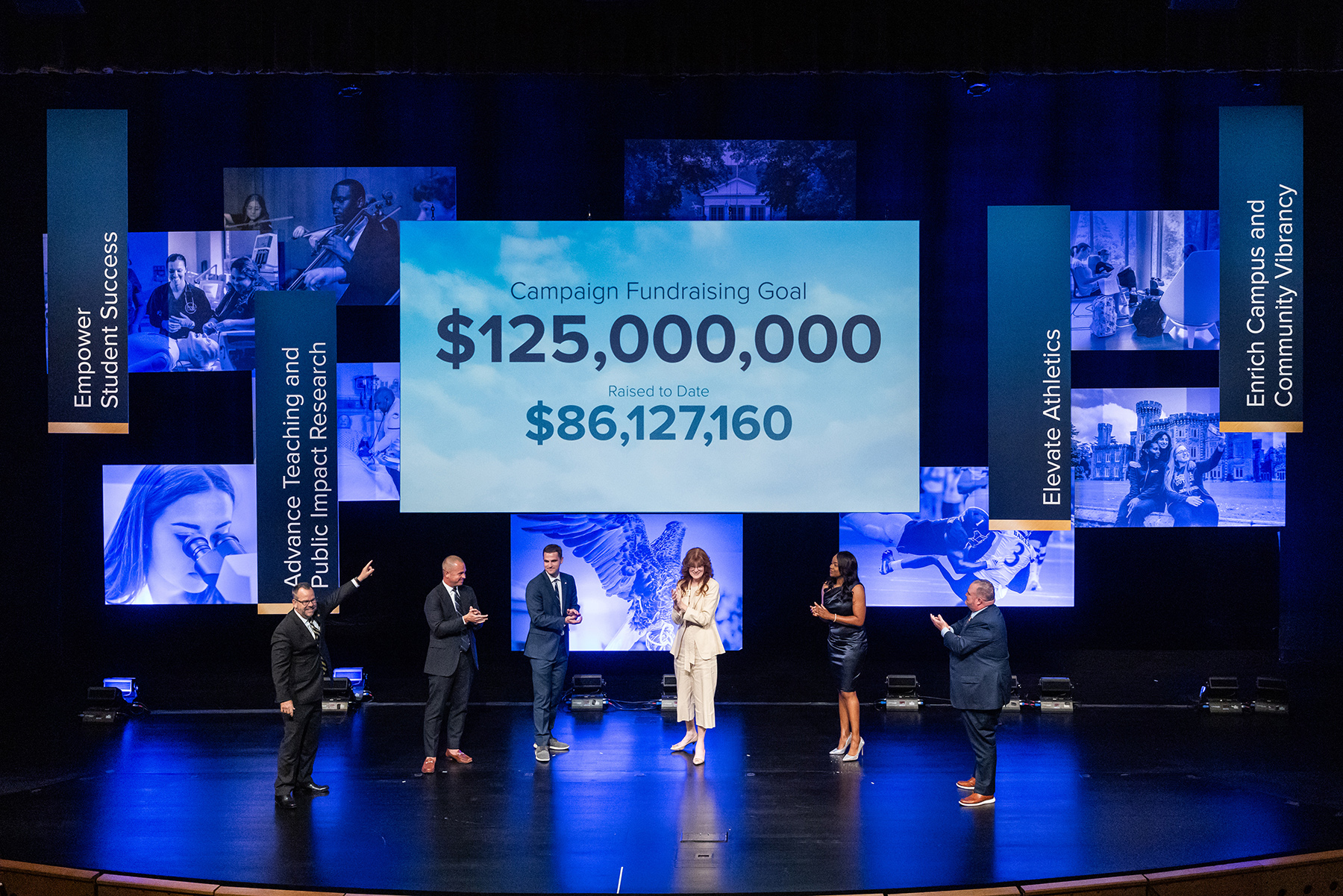
Georgia Southern University proudly announces the launch of its comprehensive campaign, “Together We Soar: The Campaign for Georgia Southern University.” This transformative initiative aims to elevate the University’s impact on students, faculty, research, athletics, and the communities it serves. Georgia Southern, renowned for its majestic campuses adorned with southern live oaks and towering pines, symbolizes not just American freedom but also the promise, achievement and boundless potential of its students. The University’s trajectory is on the rise, reaching for greater heights in education and community impact. Central to this momentum is the unwavering support from alumni, friends and the community. Publicly launched last Friday evening, Together We Soar: The Campaign for Georgia Southern University aims to raise $125 million by 2026. More than $86 million has already been secured. Dr. Kyle Marrero, President of Georgia Southern, expressed his gratitude and vision for the University. “Georgia Southern is on the move, in motion, and soaring to new heights. The ‘Together We Soar’ campaign—fueled by the generous support of our alumni, friends, and partners—will ensure our ability to drive innovation, develop talent, transform lives, and propel the economic development of a growing region.” (L-R) Georgia Southern President Kyle Marrero, Vice President for University Advancement Trip Addison, Deputy Athletics Director of Development Davis Hendrickson, Executive Director of Development Julie Gerbsch, Director of Alumni Relations Ava Edwards, and University Campaign Co-chair Leonard Bevill on stage at the Oct. 20 launch event for Together We Soar: The Campaign for Georgia Southern University. The campaign has identified four primary objectives: Empower Student Success: The campaign aims to stimulate learning by recruiting high-achieving students, increasing student access, and promoting inclusive excellence and career readiness. Advance Teaching and Public Impact Research: The focus is on meeting regional economic needs, increasing faculty expertise, and enhancing research capacity. Elevate Athletics: The campaign seeks to attract and retain elite student-athletes, provide top-notch facilities, and boost the Competitive Excellence Fund. Enrich Campuses and Community Vibrancy: The goal is to improve the communities surrounding the campuses and teach about local wildlife, among other initiatives. Campaign co-chairs Mike Sanders and Leonard Bevill shared their excitement for the campaign and what it will mean for Georgia Southern. “I could not be more excited about Georgia Southern and its possibilities. Opportunities abound for our University and the Together We Soar Campaign is the catalyst. It is time to do ‘more with more.’” - Mike Sanders “‘Together We Soar’ is spot on. From across campus to athletics and throughout our community, we’re perfectly aligned and equipped to launch to historic heights. I’m very blessed and excited to be involved.” Leonard Bevill The campaign also highlights the significant economic impact of Georgia Southern, with a regional economic contribution of $1.1 billion in fiscal year 2022. The University plays a critical role in the economic growth and transformation of Southeast Georgia. Marrero said Georgia Southern invites all its supporters, alumni and the community to join this transformative journey. With collective support, there’s no limit to how high Georgia Southern can soar. For more information or to contribute to the “Together We Soar” campaign, visit GeorgiaSouthern.edu/TogetherWeSoar.

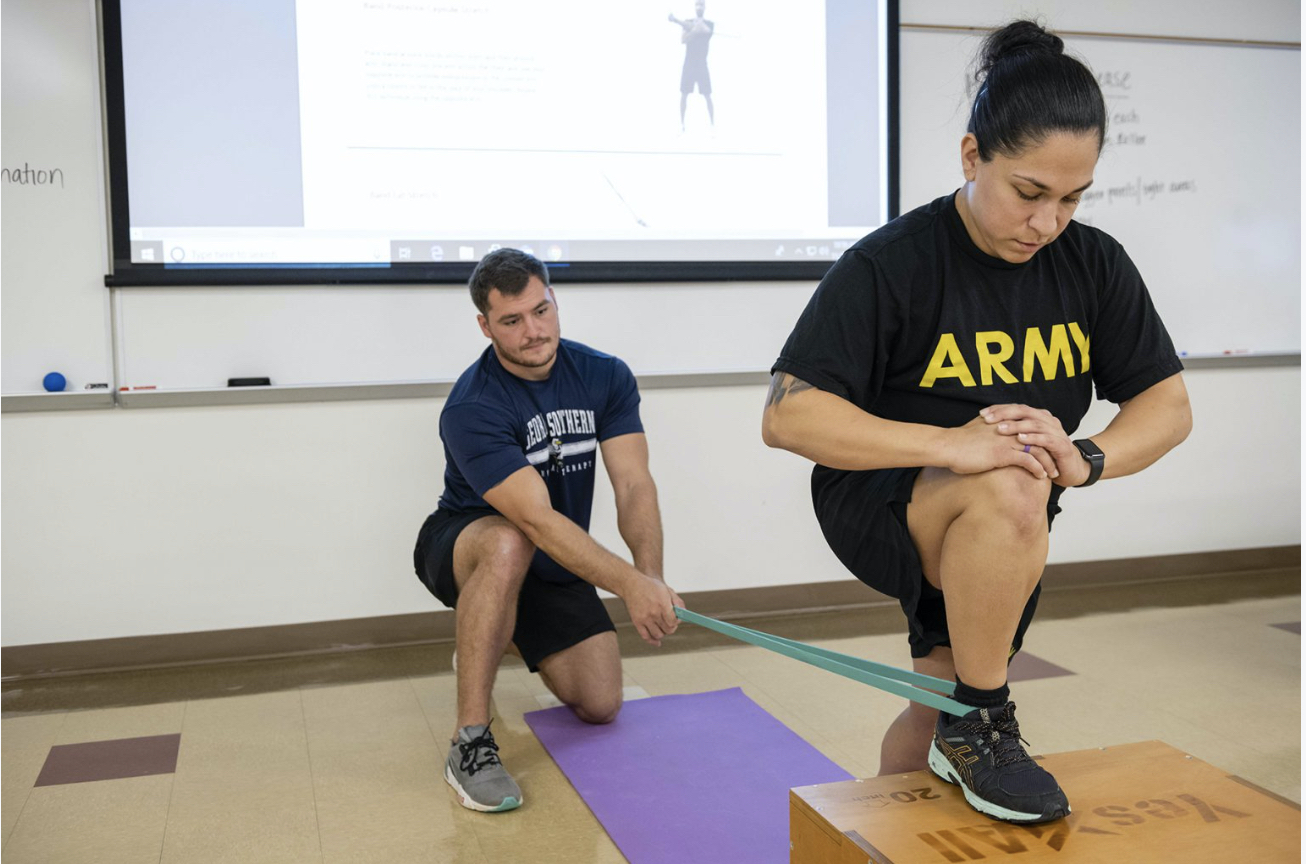
The Georgia Southern University Soldier Performance and Readiness (SPAR) program received a $1.5 million, two-year grant from the Department of Defense’s U.S. Army Medical Research and Development Command (USAMRDC). The grant will expand Georgia’s Southern research and programming capacity in injury prevention techniques that ensure force readiness for the Army. “Through this large-scale research study, Georgia Southern doctoral students have opportunities to be involved in the research process and work directly with soldiers,” said Nancy Henderson, Ph.D., assistant professor in the Doctor of Physical Therapy (DPT) program. “Additionally, the grant will fund graduate assistant positions in the Doctor of Physical Therapy program.” USAMRDC’s mission is to provide solutions to medical problems for American service members at home and abroad, as well as to the public at large. The scope of this effort and the priorities attached to specific projects are influenced by changes in military and civilian medical science and technology, operational requirements, military threat assessments and national defense strategies. Extramural research and development programs play a vital role in the fulfillment of the objectives established by the organization. Research and development funded through this are intended to benefit both military and civilian medical practices. “The grant investigates different physical training programs to identify those practices that best prevent non-combat injuries,” said Henderson. “Faculty on the research team will seek to advance the body of literature by determining the best educational models to educate soldiers on injury-prevention topics.” This is the first time that Georgia Southern will act as lead investigator on a collaborative research project with an Army research institute. However, SPAR has long been involved in multiple branches of research with community impact. “Georgia Southern has several initiatives underway to help improve the health, fitness and performance of military service members, law enforcement personnel and firefighting and rescue personnel,” said Joseph Kardouni, Ph.D., director of the Tactical Performance Group. “The Tactical Athlete Certificate (TAC) program is one of these initiatives that teaches service members exercise fundamentals to help mitigate training-related injuries. The funding coming through Medical Research and Development Command will improve evidence-based teaching methods and inform similar efforts to teach service members within this field. Leaders from health and human performance programs within the Army understand the importance of leveraging partnerships with academic institutions to work toward improving the quality of life, health and occupational performance of soldiers.” Faculty and students in the DPT program have educated soldiers on injury prevention topics since 2016 and this grant further provides students with the opportunity to assess effectiveness while learning how to improve educational methods with military service members. “This research is an important next step in delivering on the promise of the SPAR program and Georgia Southern’s close working relationship with Army research partners,” said Interim Vice President for Research and Economic Development Christopher Curtis, Ph.D. Curtis also noted that funding was made possible by the advocacy of U.S. Rep. Buddy Carter and the strong support of Georgia’s legislative delegation in Washington D.C. Interested in learning more or looking to talk with Nancy Henderson? Simply click on her icon now or Contact Georgia Southern's Director of Communications Jennifer Wise at jwise@georgiasouthern.edu to arrange an interview today.


University of Delaware researcher one of 500 contributors to Fifth National Climate Assessment
A.R. Siders, core faculty with the University of Delaware's Disaster Research Center, is one of 500-plus experts who developed the Fifth National Climate Assessment (NCA5), the preeminent source of authoritative information on the risks, impacts and responses to climate change in the United States. Leaders and practitioners highlighted the findings and raised awareness of climate impacts and solutions at a release event on Nov. 14. White House and climate leaders from across the country elevated the key themes of NCA5 and further highlight the Biden Administration’s whole-of-government approach to mitigating and adapting to climate change. Siders focuses on managed retreat, which is the purposeful movement of people, buildings and other assets from areas vulnerable to hazards. She also specializes in climate change adaptation decision-making and evaluation in general: how and why communities decide when, where, and how to adapt to the effects of climate change and how these decisions affect risk reduction and equity outcomes. Joining Siders on the NCA5 were Jing Gao, Assistant Professor of Geospatial Data Science, and Kimberly Oremus, assistant professor of marine science and policy. Siders is available for interviews. Click on her profile to connect.


How Diverse Crop Mixes Can Help Solve the Water Scarcity Crisis
How exactly can alternative crop mixes come to our rescue in this water scarcity crisis? Different crops have different water needs in order to grow without stress. And it is often the case that the thirstiest crops are grown in places where little water is available. Shifting crop mixes to crops that require less water but still ensure farmer profits is a promising way to reduce the amount of water needed to irrigate crops and to avoid conditions of water scarcity. Kyle Davis, assistant professor in Geography and Spatial Sciences at the University of Delaware, can offer commentary on this. He is an expert in food systems, sustainability, global environmental change and geospatial data science among other things. Diverse crop mixes can save water, maintain economic output, and provide for the needs of aquatic ecosystems. Davis and others recently released a study that looks at issue. "These findings demonstrate strong opportunities for economic, food security and environmental co-benefits in irrigated agriculture and provide both hope and direction to regions struggling with water scarcity around the world," the study notes. Davis has been featured in publications such as Earth.com and Phys.org and was recently awarded an Early Career Award for pioneering global research in sustainable agricultural food systems. He can be contacted by clicking the "View Profile" button.

Georgia Southern’s public health center receives $4 million to assist rural hospitals nationwide
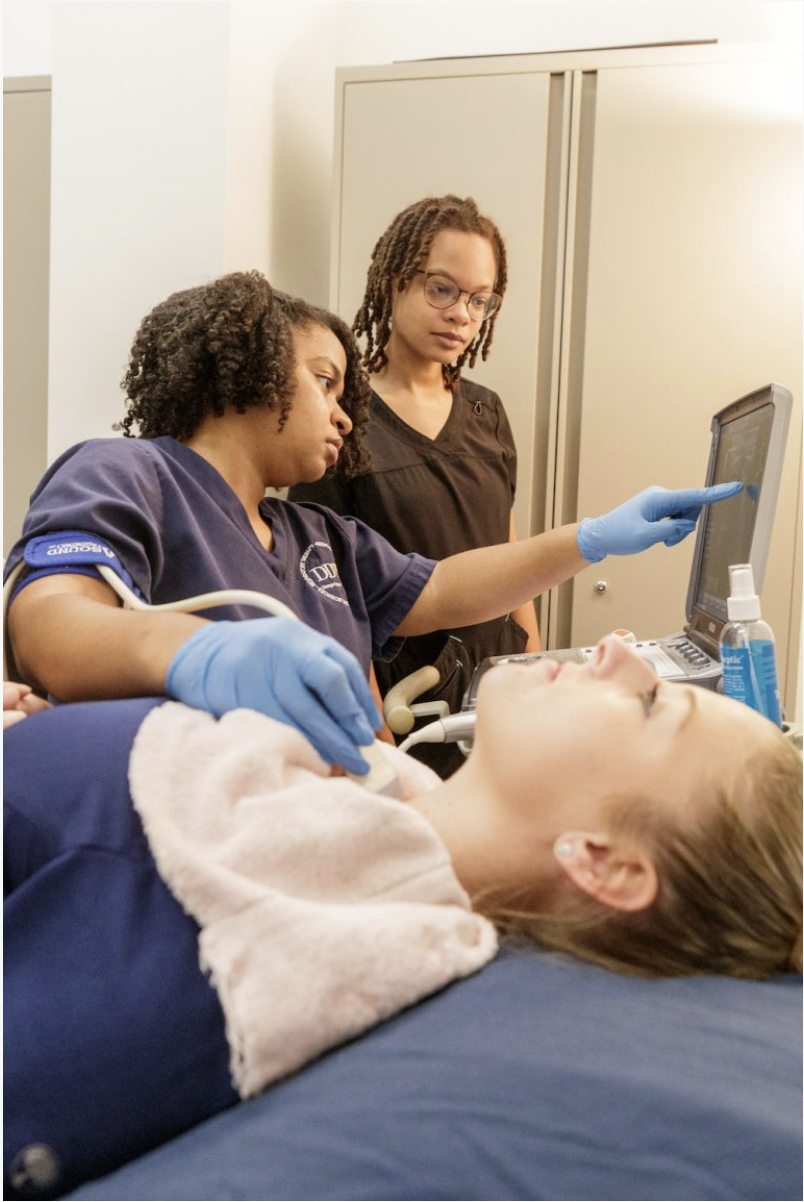
Georgia Southern University’s Center for Public Health Practice and Research at the Jiann-Ping Hsu College of Public Health (JPHCOPH) received a $4 million grant from the Health Resources and Services Administration (HRSA) to provide targeted technical assistance to rural hospitals nationwide. The funding will support the team’s implementation of the Targeted Technical Assistance for Rural Hospitals Program over a five-year period (2023-2028). “Many rural hospitals are struggling financially across the U.S.,” said JPHCOPH Dean Stuart Tedders, Ph.D. “Long-term, the primary program goal of this grant is to ensure that all rural hospitals are financially viable and positioned to serve their communities with the essential health care services that we all need and expect. A viable health care system is essential for assuring that all communities and their residents thrive. I am very proud of the Center for Public Health Practice and Research at the JPHCOPH and the commitment they have made to improving the quality of life of rural and underserved populations across the country.” Bettye Apenteng, Ph.D., and Charles Owens, both professors of health policy and management, serve as the co-principal investigators for the grant. “We are proud to be selected to work cooperatively with rural hospitals across the U.S. to strengthen their viability so they can continue to provide essential health care locally so the residents, the local hospital and the community may thrive,” said Owens. As part of this cooperative agreement, the team will work in partnership with HRSA and rural health stakeholders to provide in-depth and tailored technical assistance to rural hospitals at risk of financial distress nationwide. Technical assistance delivered as part of this program will help rural hospital communities implement a prioritized strategy for maintaining essential services locally through capacity building in evidence-based decision-making, operational and financial improvement, strategic management, community partnership, project implementation and evaluation. “We are excited to extend the work we have done in Georgia with rural hospitals, for close to a decade, to the rest of the nation,” said Apenteng. “We look forward to building strong collaborative relationships with rural hospital communities nationwide.” The grant activities will be executed by a multidisciplinary team that includes additional JPHCOPH faculty Angie Peden; Andrew Hansen, DrPH; Linda Kimsey, Ph.D.; William Mase, DrPH; Tilicia Mayo-Gamble, Ph.D., and Samuel Opoku, Ph.D.; and Parker College of Business’ Kwabena Boakye, Ph.D.; and the College of Arts and Humanities’ Jason Murdock. Interested in learning more or looking to talk with Bettye Apenteng, Ph.D., and Charles Owens about this grant? Simply click on an expert's icon or contact Georgia Southern's Director of Communications Jennifer Wise at jwise@georgiasouthern.edu to arrange an interview today.


Ask Our Expert: Why it’s important to get a flu vaccination
As cold and flu season approaches, it’s time to take proactive steps to ensure the health and well-being of everyone. Getting a flu vaccination is be the best defense in staying healthy this time of year. Klaus Ley, MD, founding co-director of the Immunology Center of Georgia, part of the Medical College of Georgia at Augusta University, emphasizes the significance of getting vaccinated against the flu. “The flu can have serious consequences and by getting vaccinated, you protect yourself and those around you,” Ley said. “It’s a simple yet effective way to prevent the spread of this contagious virus.” Flu vaccination is not only a responsible choice but also a crucial step in maintaining public health. The World Health Organization records about 1 billion cases of influenza each year. Severe cases often result in hospitalizations, contributing to up to 650,000 respiratory-related deaths globally. Worried about potential side effects from the vaccine? Ley said that’s a minor concern compared to the effects of the full-blown flu. According to the Centers for Disease Control and Prevention, life-threatening allergic reactions to flu shots are very rare. While severe reactions are uncommon, it’s important to let your health care provider know if you have a history of allergy or severe reaction to vaccines before getting a flu shot. “Common side effects from a flu shot could include soreness or swelling at the site of the injection, headache, low-grade fever, nausea, muscle aches or fatigue. Those minor side effects are an indication your immune system is responding as it should to the vaccination. You will experience much more severe fever, aches and other symptoms if you catch the flu without being vaccinated against it,” said Ley. Klaus Ley, MD, is the Georgia Research Alliance Bradley Turner Eminent Scholar in Immunology, founding co-director of the Immunology Center of Georgia, and a professor in the Department of Physiology at the Medical College of Georgia at Augusta University. He's available to speak with media regarding flu season and vaccinations - simply click on his icon now to arrange an interview today.
