
Experts Matter. Find Yours.
Connect for media, speaking, professional opportunities & more.

Gun violence expert on Biden gun violence plan
Jonathan Metzl, Frederick B. Rentschler II Professor of Sociology and Medicine, Health, and Society, is available for analysis on President Biden's gun violence plan. A recognized author and expert source in the wake of gun incidents and mass shootings, Metzl can speak from a balanced perspective on the legacy of mass shootings, gun violence, gun legislation and reform and narratives around mental health. Dr. Metzl is the author of the book, Dying of Whiteness, which examines the stereotypes of race and mental illness surrounding gun violence, and recent research, which lays out a five-part agenda for future research into mass shootings and multiple-victim homicides.


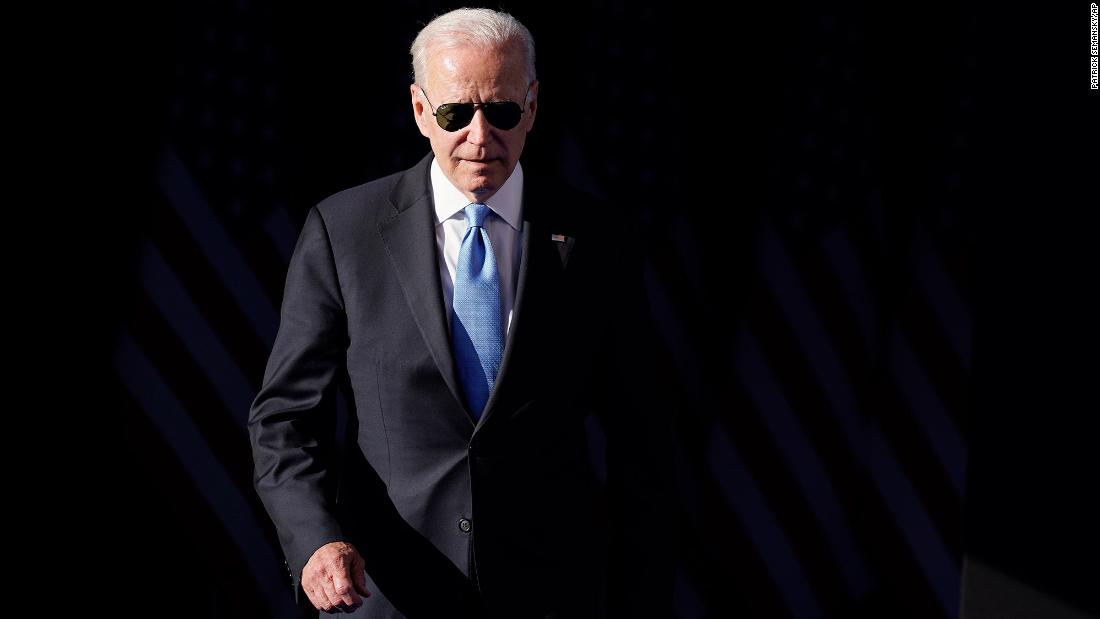
The odd couple – Can Biden and Putin find a way to thaw relations between America and Russia?
It was a meeting of two world powers that came with low expectations but much anticipation. The face-to-face meeting between American President Joe Biden and Russian President Vladimir Putin may not have accomplished much, but it did allow Biden to set a tone on his approach to foreign relations. President Joe Biden's meeting Wednesday with his Russian counterpart came after months of diplomatic wrangling over the details, days of preparation with reams of research and the elaborate construction of two separate lakeside venues for the leaders to appear afterward. But after the summit had concluded, the ornate French style manor home was locked up and the leaders were jetting in opposite directions home, the state of relations between the United States and Russia seemed about the same as before. That is not necessarily a surprise, least of all for Biden, who entered the summit with the vague and modest goal of establishing a "predictable and rational" relationship with Vladimir Putin. Putin's performance afterward was certainly predictable, if not entirely rational. Ultimately, Biden set expectations so low for his first face-to-face encounter with Putin that anything more than someone not showing up at all amounted to breaking even. June 16 - CNN What comes next is up to both leaders – but the world will be watching. Is there a chance to find common ground between the two countries? Will Russia continue to interfere in U.S. elections and hack American agencies - and how will American respond? What happens if Russian opposition leader Alexei Navalny dies in prison? And, did this meeting give Putin the elevated push he needs internationally? If you are a journalist looking to cover this subject – then let us help. Dr. Stephen Farnsworth is a sought-after political commentator on presidential politics. He has been widely featured in national media, including The Washington Post, Reuters, The Chicago Tribune and MSNBC. Dr. Farnsworth is available to speak with media any time. Simply click on his icon to arrange an interview today.



New research published in BMJ Open shows that community pharmacy could play a ‘key clinical role’ in the future role of COVID-19 vaccination programmes, according to a study led by Aston University in Birmingham, UK, in collaboration with UK and international researchers. The team found that community pharmacists, as a ‘skilled clinical workforce’, could positively contribute, supporting the community in which they serve - by playing a critical role in ongoing COVID-19 vaccination campaigns. The researchers working on the PERISCOPE study found that community pharmacy is uniquely placed to support individuals, because it is seen by the public as a credible, trustworthy service, which could be key to any future clinical role it might play, especially where addressing vaccine hesitancy in ‘seldom heard’ communities. They are therefore calling on decision-makers to endorse and provide their support for a public health role for community pharmacy. Across the UK, community pharmacy is a critical part of primary care. According to the Kings Fund, as of the end of March 2019, there were more than 11,500 community pharmacies in England alone. It is viewed as one of the four pillars of the primary care system, along with general practice, optical services and dentistry. It has also, in areas of the UK, helped to deliver COVID-19 vaccinations. The study included partners from the Universities of Sheffield, Oxford, Hull and Bradford in the UK, as well as internationally, the University of British Columbia and University of Tasmania. The group reviewed more than a hundred documents including peer reviewed articles, blogs and websites on the role of community pharmacy during COVID-19 and other previous pandemics. Their findings were discussed with more than 30 health professionals and members of the public, to ensure that the findings made sense in the real world. Health professionals included pharmacists, pharmacy technicians, dispensers, counter assistants, and GPs, together with members of the public from a range of diverse ethnic backgrounds. Several recommendations were made by the researchers from the findings of the study. Most significantly the group found it was imperative that policy and practice should focus on the clinical role of community pharmacy. Dr Ian Maidment, reader in clinical pharmacy at Aston University and former community pharmacist leading PERSICOPE, said: “We need to use community pharmacy to a much greater extent for COVID-19 vaccination, particularly for boosters against new variants such as the Delta (Indian) variant. The current model (for example, the large hubs) may not be sustainable in the longer term, particularly if annual COVID-19 vaccination is required. “Our work found some key ways to make this happen. The easy access and local convenience of high street pharmacies makes them an ideal location for vaccinating at-risk populations.” The study includes guidance for policy makers: • Have a clear role for community pharmacy in response to the public health agenda, with that role championed by decision-makers • Involve frontline community pharmacists in the development of policy and service specification in relation to vaccination • Provide prompt, clear, consistent guidelines with adequate detail and enough flexibility to allow community pharmacies to adapt the guidelines to meet the needs of their local population • Provide adequate funding and reimbursement for the delivery and necessary adaptations of any new services community pharmacies are asked to deliver • Provide pharmacy teams with adequate systems to deliver this new role and then trust them to deliver. Hadar Zaman, head of pharmacy and medical sciences at University of Bradford and a community pharmacist, said: “Our research has highlighted the important role community pharmacy has played in overcoming vaccine hesitancy, particularly in ethnic minority communities who have been disproportionately affected by COVID and subsequent mortality. “What comes out very strongly, especially in areas of high social deprivation, is that community pharmacists have worked very closely with their local communities addressing concerns around vaccine safety. “It is through these strongly rooted relationships in local communities that we will ensure vaccine uptake rates in ethnic minority and the wider population can be further improved. Therefore, community pharmacy needs to be seen as an essential delivery partner if the Government is to achieve its national vaccination coverage in the short and long term”. PERISCOPE searched for the best evidence across the world and the team included international collaborators. The findings therefore have international relevance. Maura MacPhee, professor of nursing, University of British Columbia and member of the research team, said: “Our review findings and recommendations for decision-makers, community pharmacists and pharmacy users are adaptable and relevant internationally, including my country, Canada, where community pharmacy has a major role to play in COVID-19 vaccination programmes.” Juanita Breen, also a member of the PERISCOPE team and associate professor of dementia studies at Wicking Dementia Centre, School of Health and Medicine, University of Tasmania, added: "This study demonstrates how pharmacists can contribute towards this important public health initiative and enhance the uptake of the vaccine. “It provides important learnings for other countries on how best to utilise the skills of our most accessible health professional - the community pharmacist." Professor Claire Anderson, chair of the Royal Pharmaceutical Society’s English Board said: “This research clearly demonstrates the vital role community pharmacy has played during the pandemic, providing essential advice to communities and tackling health inequalities in areas of high social deprivation. “Policy makers and commissioners need to take forward the recommendations of this research and ensure the strengths of the community pharmacy network are maximised for the benefits of patients.” Alastair Buxton, director of NHS Services at the Pharmaceutical Services Negotiating Committee, said: “This research provides a timely examination of the role community pharmacy teams have played in supporting their communities to fight back against COVID-19. “By keeping their doors open throughout, pharmacies have maintained day-to-day activities, and managed increased demand for many services - including advice on the management of minor illness. They have also substantially increased the number of flu vaccinations administered and played a key part in the COVID-19 vaccination programme. “These findings will help guide policy in the later stages of the pandemic and guide practice in any future pandemics.” Tony Kelly, a diabetes ambassador, Diabetes Strategic Patient Partner - NHS Birmingham and Solihull Clinical Commissioning Group and member of PERISCOPE, said: "Community pharmacists are ideally placed at the forefront of the vaccination agenda as they are the nucleus of ethnically diverse communities and are often the first point of contact for most people." PERISCOPE was jointly funded by UK Research and Innovation (UKRI) and the National Institute for Health Research (NIHR).


America in the 1950’s was all about building highways to pump up the post-war economy and make sure everyone could criss-cross a connected America by car. Urban planners didn’t hesitate to bulldoze neighborhoods that were in the way of this progress. However, history shows that most of those communities that were destroyed housed Black and lower income residents. The result left areas with hot pavement, few green spaces and little tree canopy to provide shade. Recently, UMW’s Pamela Grothe joined the host of With Good Reason to talk about how America needs to undo these past mistakes and make better choices. Grothe recently worked with Jeremy Hoffman, chief scientist at the Science Museum of Virginia, who also appears on the episode, and UMW 2021 graduate Allison Grant on research that explores how redlined communities in Richmond, Virginia, designed to keep Black residents in less desirable neighborhoods, show records of being significantly hotter over the last 30 years than white neighborhoods, which has resulted in more heat-related health issues for Black and lower income residents. Aside from jumping in a pool, trees are our best bet to cool summer heat. Pamela Grothe says we have to be intentional about putting trees in the right places. If you’re a journalist looking to learn more about this topic, then our experts are here to help. Dr. Pamela Grothe is an assistant professor in the Department of Earth and Environmental Sciences as the University of Mary Washington, who earned a Ph.D. in the Paleoclimatology Lab at the Earth and Atmospheric Sciences department at Georgia Institute of Technology. She’s an #expert in climate change and is available to speak with media – simply click on her icon to arrange an interview.


EURO 2020: The Business and Science of Football will see academics from across the University’s three colleges speaking on a variety of topics, including economic recoveries, the sustainability of huge sporting events and the psychology of penalties. It is great to use my research experience to provide a different perspective to a general audience with a project like this. Sporting mega events like Euro 2020 are always topical and it's been really interesting to discover the impact they have on the economy
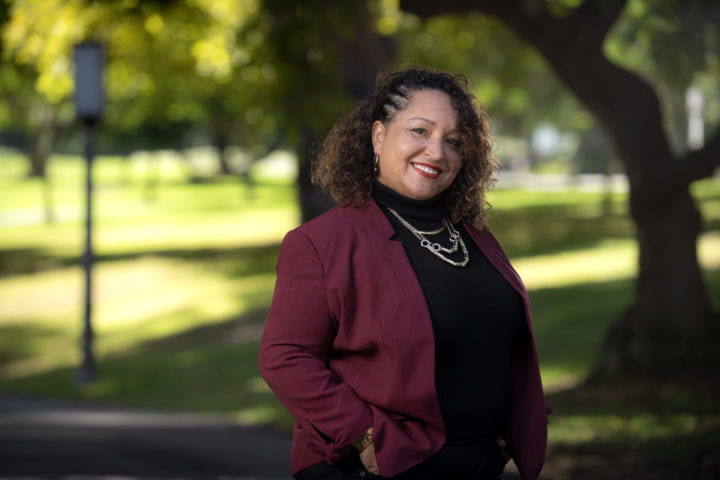
Juneteenth is this Saturday? Our experts can help with your coverage and questions
June 19 — Juneteenth — marks the day in 1865 that the Union Army announced in Texas that the African American slaves were free. Black Americans since then have honored the day, even as it has gone unnoticed by many others. In 2020, Jessica Millward, an associate professor of history at UCI, appeared on the UCI Podcast to discuss the history behind Juneteenth, the decades upon decades of continued struggle, and the hope she feels in this moment. And if you’re a reporter covering this important date in American history – then let our experts help with your stories. Dr. Jessica Millward is an Associate professor in the Department of History at the University of California, Irvine. Her research focuses on comparative slavery and emancipation, African American history, gender and the law. Dr. Millward is available to speak with media about Juneteenth – simply click on her icon now to arrange an interview today.


Tennis Pro Naomi Osaka Elevates the Conversation on Athletes and Mental Health
Though Naomi Osaka's announcement of her dropping out of the French Open and German Open tournaments came as a surprise to many of her followers, there has been plenty of support from fans and corporations for the 23-year-old tennis pro who chose to take time off because of mental health concerns. One company, the Calm App, offered to pay fines for tennis players skipping press briefings. And Formula 1 champion Lewis Hamilton—who, when he was 22 years old, found it difficult to deal with media commitments—offered encouragement to Osaka. "When you’re young and you're thrown into the limelight, it weighs heavily, and most of us are not prepared," Hamilton told The New York Times. Guy Weissinger, PhD, an assistant professor in Villanova's M. Louise Fitzpatrick College of Nursing whose research focuses on mental health, says, "Elite athletes are people. They have mental health struggles—good days and bad days—and it's important that we recognize that mental health is complicated, not just 'doing well' or 'not doing well.' One may be capable of doing one thing (i.e., playing tennis) but not other things (i.e., being peppered by reporters with questions). It saddens me that she needed to withdraw from the tournament rather than the tournament organizers reaching out to find ways to accommodate her mental health needs." He noted that the 23-year-old Osaka is an amazing athlete who rose to global prominence beating Serena Williams in a match that got a lot of negative attention. "While no one was saying that she did not deserve her victory, the conversation was mostly focused on Serena, and Osaka was a teenager caught in a media firestorm. I could see how that would create a high level of baseline anxiety around the Opens and media interactions for her, in addition to the already stressful situation of participating at that elite level of sports. Combine that with the high level of stress that everyone has been experiencing over the last year and a half, with COVID, I'm surprised that she isn't the only person who has said that they would be unable to do media appearances." He says this is a great opportunity for discussion of mental health and how it's a concern for everybody. "Too often, we think of people that are successful as being immune to mental health struggles, but we have to acknowledge that people can be both successful and struggling. Sometimes they will be able to manage (as Naomi has in many circumstances), but sometimes even their best coping mechanisms are not enough." Weissinger hopes that we can find ways for people to 'tap out' of the things that overwhelm their ability to cope. "It's not fair or ethical to only wait until people are not just struggling but completely drowning before trying to support or accommodate them. Like with physical health, prevention before things get bad is better for everyone than trying to fix things when they get really bad."


The sand dunes of Tybee Island have taken a beating in recent hurricane seasons. Georgia Southern University biology graduate student Shannon Matzke is researching ways to combat the destruction of the dunes for her restoration project by collecting data on the effects of various planting techniques to see which technique best increases the longevity of the dunes. As a part of the project, Matzke collects monthly data on the growth and survival of plants, as well as on the sand accumulation associated with different planting densities and groups of species. She also spends time analyzing data, exploring new techniques and tools to use in the field, researching dunes and vegetation, and conducting outreach for the project. “Working on the beach has been such a fun experience,” Matzke said. “It has also been rewarding to learn new techniques and how to use new equipment to answer more questions about the success of the restoration project. Perhaps my favorite part though has been the outreach associated with my project. The overall dune construction and beach nourishment is so important to island locals, and I’ve enjoyed being able to explain how my work fits in with the larger project.” Of the plants surveyed, 95% survived the first growing season. On average, plants doubled in height and canopy cover when compared to their size when initially planted. Matzke is also collecting data in areas of the constructed dune that were left bare to compare against the vegetated sites. Unlike the vegetated dunes, bare sites are experiencing erosion, which further relates the importance of adding native vegetation to any new dune construction. Matzke said she was drawn to Georgia Southern and the biology department because of proximity to the coast. She also appreciated her advisor Lissa Leege, Ph.D., who has worked with native and endangered plant species. “I am so glad that I chose to earn my master’s at Georgia Southern because I have been able to make connections with researchers inside and outside of my department, as well as with industry and government professionals,” she said. “I have also enjoyed being able to work on Tybee and the convenience of having the Armstrong campus close to where I live in Savannah.” Matze, who will graduate in fall 2021, hopes to continue her work with native plant ecology. “After I graduate from Georgia Southern, I’d like to work for a state or local agency continuing in the natural resources management field,” Matzke said. “I am interested in continuing working on invasive species research, endangered plant conservation and habitat restoration using native species. My research at Georgia Southern is the perfect introductory experience to the type of work that I would like to continue doing.” If you're a journalist looking to learn more about this exciting research — simply reach out to Georgia Southern Director of Communications Jennifer Wise at jwise@georgiasouthern.edu.


Augusta University experts looking for clues to predict future cyber attacks
The threat of cyber attacks is a reality for every industry. Cybersecurity is top of mind after recent highly skilled and calculated attacks targeting the Colonial Pipeline in May and shutting down the world’s largest meat supplier earlier this month. With America’s energy and food supply chains making vulnerable targets, everyone from executives, lawmakers, security officials and the media are looking for answers. Augusta University’s Dr. Craig Albert and Dr. Lance Hunter explore the questions surrounding cybersecurity in a recently published study in The Cyber Defense Review. This project examines the political, economic and military factors associated with cyber attacks in an effort to understand which countries or groups are most likely to attack. Here’s an abstract of their piece: Factors that Motivate State-Sponsored Cyberattacks The study of the factors involved in the initiation of violent interstate conflicts has been well documented within international relations. However, scholars have yet to analyze the factors associated with the initiation of international state-sponsored cyberattacks due to the lack of available data. This study is a first attempt to address this limitation. This project examines the political, economic, and military factors associated with the initiation of state-sponsored cyberattacks from 2005–2012, using a unique dataset that incorporates author-collected political, economic, and military data, along with cyber data on known state-sponsored cyberattacks extracted from the Council on Foreign Relations (CFR) Cyber Operations Tracker Dataset. With this unique dataset, we seek to better understand those states most likely to cyberattack other states. The Cyber Defense Review, Spring 2021 The study was also referenced in Voice of America in a piece covering President Biden’s trip to the G-7 Summit in Britain. If you are a journalist looking to cover any aspect of cybersecurity and cyber attacks, Augusta University’s experts are world-renowned on the topic. Dr. Craig Albert is director of the Master of Arts in Intelligence and Security Studies at Augusta University. He is a leading expert on war, terrorism and American politics, and he testified before U.S. Congress regarding the threat from Chechnya following the deadly Boston Marathon bombing. Dr. Lance Hunter is an assistant professor of political science with a background in international relations. His research focuses on how terrorist attacks influence politics in democratic countries and how political decisions within countries affect conflicts worldwide. Both experts are available to speak with media about cyber attacks. Simply click on either expert’s icon to arrange an interview today.


A leading London based architectural metalwork company, specialising in the design, fabrication and installation of bespoke metal products has entered into a Knowledge Transfer Partnership (KTP) with Aston University, with the aim of developing antimicrobial coatings as a way to reduce infection in high risk environments. The Aston University research team will work with John Desmond Limited to develop high end metallic products that can be used where there is a high risk of the spread of bacteria. The antimicrobial coating will be developed for use in communal areas on products such as handrails, balustrades, push plates, door handles and faceplates, – all of which are common in high traffic areas such as hospitals, doctors surgeries, dental practices, schools and transportation hubs. A Knowledge Transfer Partnership (KTP) is a three-way partnership between a business, an academic partner and a graduate, called a KTP Associate. The UK-wide programme helps businesses to improve their competitiveness and productivity through the better use of knowledge, technology and skills. Aston University is the leading KTP provider within the Midlands. Microbiologists from Aston University’s College of Health and Life Sciences and materials scientists from its College of Engineering and Physical Science will establish the effectiveness of the antimicrobial coatings against a panel of bacteria under a range of conditions to further optimise the surface performance. The team will support John Desmond Ltd to establish an in-house microbiology laboratory to enable extensive testing of the developed coatings which will be carried out under lab conditions. Information from the lab tests will provide supporting evidence to prospective clients of the antimicrobial coating’s efficacy, expected lifespan and performance under varying conditions. Ian Desmond, owner of John Desmond Ltd, said: “We are very excited to be working with Aston University on this ground-breaking project to develop industrial coatings capable of reducing the spread of infection within public spaces. “We are confident that with the expert knowledge and experience that the Aston University team brings to this collaboration, we will succeed in formulating a potent cost-effective means to protect all of us from the threat of micro-organisms, and their impact on the environment in which we live and work.” The Aston University academic team consists of Dr Tony Worthington, associate professor in clinical microbiology and infectious disease; Professor Anthony Hilton, and executive dean of the College of Health and Life Sciences, and Dr Richard Martin from the Aston Institute of Materials Research in the College of Engineering and Physical Science. Professor Anthony Hilton said: “I’m delighted to be able to work on this exciting project with John Desmond Ltd, bringing together a multi-disciplinary team of scientists and engineers from across Aston University to work with an industry partner. “Knowledge exchange between academia and industry is a core element of Aston University’s strategy and it is exciting to be part of a team developing a product which has the potential to have real impact in preventing and controlling infection.” Dr Richard Martin, Aston Institute of Materials Research, said: “Over the past year, we have all become aware of just how important it is to limit the spread of microorganisms. This project is an exciting opportunity to develop new antimicrobial coatings that will significantly reduce the transmission of microorganisms from touchpoint surfaces such as door handles and handrails." The research team have found that claims for the effectiveness of the anti-microbial properties of products already on the market are not always backed with scientifically rigorous evidence. As a result of this, these products have not been able to penetrate markets such as healthcare, where generic claims are not sufficient for buyers to change suppliers. This KTP will establish a body of testing and efficacy data which will support the application and use of antimicrobial coatings in a range of settings where control of bacteria on environmental surfaces is critical for infection prevention and control. You can visit our website for more information about The College of Health and Life Sciences and The College of Engineering and Physical Science at Aston University.
