
Experts Matter. Find Yours.
Connect for media, speaking, professional opportunities & more.

Head of School of Optometry named world expert in contact lenses
Professor James Wolffsohn, head of the School of Optometry at Aston University has been named by Expertscape as a world expert in contact lenses research based on his publications. Expertscape's PubMed-based algorithms placed professor Wolffsohn in the top 0.1 per cent of scholars writing about contact lenses over the past 10 years. He is also ranked by the same organisation as a world expert in presbyopia (the loss of eye focus with age affecting near vision), and is one of the top three scholars in the world. Expertscape is designed to help find the most knowledgeable physicians and health professionals in the world. Expertscape objectively ranks people and institutions by their expertise in more than 27,000 biomedical topics. James’ research focuses of the development, enhancement and validation of ophthalmic instrumentation to optimise contact lens comfort and fitting. He is also pioneering the use of contact lenses as a treatment for dry eyes; and developing methods to restore more natural eye focus through intraocular lenses, that are implanted into the eye as part of cataract surgery; as well as pharmaceutical approaches. Professor James Wolffsohn said: “I am delighted that our research in the field of contact lenses and presbyopia has had the desired impact and is widely read and cited. “Working together with colleagues in industry, we are able to accelerate product innovation, development and validation, leading to enhanced quality of life in patients.” James has published over 280 peer reviewed academic papers and given numerous international presentations. His main research areas are the development and evaluation of ophthalmic instrumentation, contact lenses, intraocular lenses and the tear film. A contact lens is a corrective, cosmetic, or therapeutic lens usually placed on the cornea of the eye. Contact lenses usually serve the same corrective purpose as conventional glasses, but are lightweight and virtually invisible. It has been estimated that about 125 million people use contact lenses worldwide. Presbyopia is the loss of eye focus with age which is usually noticed by ~45 years of age when reading glasses or another form of refractive correction is needed. It has a marked emotional effect being one of the first apparent signs of ageing.


Consumer behavior expert and former "Survivor" contestant on holiday deals and scarcity
Kelly Goldsmith, professor of marketing, is available for commentary on holiday deals and anticipated scarcity due to supply chain issues. Kelly is a former Survivor contestant, which influenced her research into consumer behavior in the wake of scarcity. She is an expert in how people think and act when faced with limited availability of what they need and how they perceive competition when it comes to purchasing items that are in limited supply. Topics she can discuss include: How and why the combination of sales and perceived scarcity prompts consumers to behave selfishly (such as buying out entire stock) and other anticipated consumer behaviors and attitudes this holiday season How to plan ahead and find the best deals well in advance and stick to a budget when there are too many good deals to pass up How to keep your cool in the demanding, stressful environment


Flavoured vapes less harmful to young people than smoking, could help teen smokers quit
Flavoured vapes are much less harmful to young people than smoking, and could help teen smokers quit tobacco – according to new research from the University of East Anglia. A new study published today looks at young peoples’ use of vape flavours, reporting the views and experiences of more than 500,000 under 18s. It finds that flavours are an important aspect of vaping that young people enjoy, suggesting that flavoured products may help them switch away from harmful tobacco smoking. But the researchers warn that more needs to be done to make sure that youngsters who have never smoked are not attracted to vaping. Lead researcher, Prof Caitlin Notley, from UEA’s Norwich Medical School, said: “There has been a lot of concern that young people may start vaping because they are attracted to e-liquid flavours, and that it could potentially lead them to start smoking tobacco. “We wanted to find out more about the links between vape flavours, the uptake of vaping among young people, and whether it leads to regular vaping and, potentially, tobacco smoking.” The research team studied all available evidence (58 studies) on young peoples’ use of e-liquid flavours. Prof Notley said: “We found that flavoured e-liquids are an important aspect of vaping that young people enjoy. This suggests that flavoured products may encourage young people to switch away from harmful tobacco smoking towards less harmful vaping. “Flavours may be an important motivator for e-cigarette uptake – but we found no evidence that using flavoured e-liquids attracted young people to go on to take up tobacco smoking. “And we also found no adverse effects or harm caused by using liquid vape flavours. “However, there is also a need to monitor flavour use to ensure that young people who have never smoked are not attracted to taking up vaping. “Ensuring the continued availability of a range of e-liquid flavours is likely to be important in encouraging young people who smoke to switch to vaping as a less harmful alternative,” she added. The team found that the overall quality of the evidence on use of e-cigarette flavours by young people was low. In particular, many studies did not clearly define e-liquid flavours and could not therefore be included within the review. The study was led by UEA in collaboration with researchers at University College London, the University of Bristol and University Hospitals Bristol and Weston NHS Foundation Trust. ‘Youth Use of E-Liquid Flavours – A systematic review exploring patterns of use of e liquid flavours and associations with continued vaping, tobacco smoking uptake, or cessation’ is published in the journal Addiction on November 17, 2021.


When investors are deciding whether to put their capital into a company, they typically take a breadth of different factors into account. Earnings, performance, market share—all of these are critical, for sure. But equally important is belief in the talent and capabilities of the organization, and its most visible human face: its CEO. How a CEO comes across at key touchpoints such as earnings calls can significantly shape investors’ perceptions of his or her abilities. We know from research that even subtle things like tone of voice can increase—or diminish—shareholder confidence. So, too, can subliminal emotional or behavioral cues in speech. But what about something arguably more obvious and easier to quantify? What about accent? Until now, remarkably little attention has been given to how much sway a CEO’s accent has on investors’ impressions or attitudes. We simply don’t know whether chief executives with “foreign” accents fare better or worse with shareholders than native US-English speaking counterparts. And this subject matters. It’s estimated that as many as 9% of all companies in the US and more than 11% of Fortune 500 firms are run today by foreign-born chief executives. How investors perceive these CEOs relative to native speakers could have major implications for hundreds of thousands of organizations. Shedding compelling new light on this is new research by Goizueta PhD candidate Leonardo Barcellos, and Schaefer Chaired Professor of Accounting Kathryn Kadous. Together they have produced a study that suggests that accent does matter – though perhaps not in the way that many of us might think. That study and the entire article is attached – and well worth the read. And if you are a journalist looking to learn more about this topic – then let our experts help. Kathryn Kadous is the Schaefer Chaired Professor of Accounting and Director and Associate Dean of PhD Program at Goizueta Business School. She is available to speak with media – simply click on her icon now to arrange an interview.



Aston University professor named world expert in type 2 diabetes mellitus
Aston University professor emeritus, Cliff Bailey has been named as a world expert in type 2 diabetes mellitus by Expertscape, based on his research publications over the last ten years. Expertscape is designed to help find the most knowledgeable physicians and health professionals in the world. It objectively ranks people and institutions by their expertise in more than 27,000 biomedical topics. The announcement coincides with World Diabetes Day on 14 November – which marks the birthday of Frederick Banting, one of the discoverers of insulin. Cliff Bailey, professor of clinical science, and his colleagues in the College of Health and Life Sciences contributed key information to the development of metformin, now the most prescribed medicine in the world for the treatment of type 2 diabetes which is also on the World Health Organisation’s (WHO) list of essential medicines. More recently Cliff has been involved in the development of a new class of agents called SGLT2 inhibitors which are being used alongside metformin in the treatment of type 2 diabetes. Professor Cliff Bailey said: “I’m really pleased that our work continues to help people with diabetes to control their blood glucose and stay healthy.” Cliff has received several awards including the Banting Memorial Lecture Award – the highest award of Diabetes UK - and the Outstanding Achievement Award of the Lunar Society. Type 2 diabetes is the most common type of diabetes that affects more than 400 million people worldwide, including over four million people in the UK. It usually develops in middle or later life, is characterised by excess glucose in the blood, and usually results from a combination of impaired production and impaired activity of the hormone insulin. Type 2 diabetes has extensive detrimental effects on the heart, blood vessels, kidneys, eyes and nerves, and accounts for about 10% of the NHS budget.

New £2.8 million MRI scanner installed at Aston Institute of Health and Neurodevelopment
Installation of a new £2.8 million MRI scanner is due to start at Aston University in the Institute of Health and Neurodevelopment (IHN) to replace the existing ageing unit in the Day Hospital on campus. The state-of-the-art facility will be installed over a period of four months, including work being undertaken to remove the old machine from the building. This will involve several complex crane lifts outside the Day Hospital to remove the existing scanner. The internal spaces will then be refurbished before the new scanner is lifted into the building in February 2022. The new Siemens MAGNETOM Prisma 3T MRI scanner will enhance the world-class neuroimaging research facilities within the Institute. Currently Aston University researchers use advanced neuroimaging techniques to discover biomarkers of brain health in children with neurological disease. By detecting those biomarkers, researchers are able to determine those who are at risk of longer term poor cognitive, behavioural and health outcomes with the goal/vision of providing early support to those children who need it most. The new scanner will also enable the Institute to provide the most recent innovations in MRI for patients visiting through the clinical service: Aston University Imaging. Patients visiting for MRI scans come through private referrals, as well as from local institutions such as the Birmingham Royal Ballet and Aston Villa football club. Professor Jackie Blissett, co-director, Aston Institute of Health and Neurodevelopment (IHN), said: “The installation of our new MRI scanner is tremendously exciting. This state-of-the-art equipment is core to our child-focused research programme that delivers a new understanding of development and disease and the interventions that will make a difference.”


On Rethink What’s Possible, a podcast by Milwaukee School of Engineering, MSOE students, faculty, staff, alumni and community partners share their inventions, research, industry trends, projects, experiences and how they’re rethinking what's possible. Artificial intelligence. Machine learning. High performance computing. Super computers. These terms have been around for quite a while now, but only in recent years the research has been put into practice and there are no signs of it slowing down. Episode Three, 'Humanizing Machine Learning,' Artificial intelligence (AI) is becoming prominent in more and more industries each day, including health care. Artificial intelligence (AI) is becoming prominent in more and more industries each day, including health care. Join Dr. Sheila Ross and Dr. John Bukowy, AI faculty experts from Milwaukee School of Engineering (MSOE) and student Ethan Hindes as they discuss the advancements of AI in “Humanizing Machine Learning,” part of the MSOE podcast, “Rethink What’s Possible.” They talk about its impact on their research with the Medical College of Wisconsin to identify and assess the severity of damage to blood vessels in kidneys. Hindes also discusses how he found his way to major in computer science. The podcast is available for download and well worth listening to. And, if you are a journalist interested in learning more or arranging an interview with Dr. Ross or Bukowy – simply click on either expert's icon now to arrange an interview today.



On Rethink What’s Possible, a podcast by Milwaukee School of Engineering, MSOE students, faculty, staff, alumni and community partners share their inventions, research, industry trends, projects, experiences and how they’re rethinking what's possible. Episode Two, “Erasing the Stigma of Mental Health,” features industry experts Dr. Carol Sabel, MSOE School of Nursing chairperson, and Sue McKenzie Dicks, vice president of healthy culture at Rogers Behavioral Health. The pair discusses the importance of mental health with recent MSOE graduate Jake Egan, who shares his own personal mental health journey and how he dealt with juggling an intense academic workload and a variety of internships. According to the National Alliance on Mental Illness, trying to tell the difference between what expected behaviors are and what might be the signs of a mental health condition isn’t always easy, but identifying a problem early can help lead to the best outcome. The U.S. has the highest rates of mental health disease (27%) as compared to any other industrialized country. One in five adults suffer from some sort of mental health illness and 3.3 million children ages 6-17 receive treatment or counseling for emotional or behavioral issues. The stigma surrounding mental health care is beginning to subside, and more individuals are seeking care. By 2025, the demand for mental health services is expected to outpace supply by 10,000—and in the U.S. 60% of psychiatrists are 55 or older. Our nation is facing a shortage of mental health care providers. In a move to address the shortage of mental health care providers in the United States, Dr. Carol Sabel and the MSOE School of Nursing partnered with Rogers Behavioral Health to offer a Psychiatric Mental Health Nurse Practitioner Program (PMHNP). This innovative new program, coupled with educating nurses at the bachelor’s and advanced practice levels in the area of mental health, is increasing the pipeline of qualified mental health professionals. The podcast is available for download and well worth listening to. And, if you are a journalist interested in learning more or arranging an interview with Dr. Carol Sabel – simply click on her icon now to arrange an interview today.

On Rethink What’s Possible, a podcast by Milwaukee School of Engineering, MSOE students, faculty, staff, alumni and community partners share their inventions, research, industry trends, projects, experiences and how they’re rethinking what's possible. Episode Four, 'Rooted in STEM,' features Seandra Mitchell, vice president of student affairs and campus inclusion, and Liz Taylor, director of STEM, as they dive into the importance of diversity in STEM and MSOE’s efforts to offer STEM experiences to shape a more equitable future. According to the National Science Foundation, 111,402 bachelor’s degrees in engineering were conferred nationwide in 2018, the most recent data available. Of those degrees, roughly 64% were white, roughly 12% were Hispanic or Latino, roughly 12% were Asian or Pacific Islander, roughly 4% were Black or African American, and the rest listed themselves as something else. In 2021, MSOE celebrated the opening of the We Energies STEM Center at MSOE. The new center is the premier STEM destination in Milwaukee for K-12 students and home to MSOE’s STEM outreach efforts. The purpose is to provide an accessible, dedicated space for students from all walks of life to explore, create and define their future in STEM. The podcast is available for download and well worth listening to. And, if you are a journalist interested in learning more or arranging an interview with MSOE's Director of STEM outreach, Liz Taylor – simply click on her icon now to arrange an interview today.

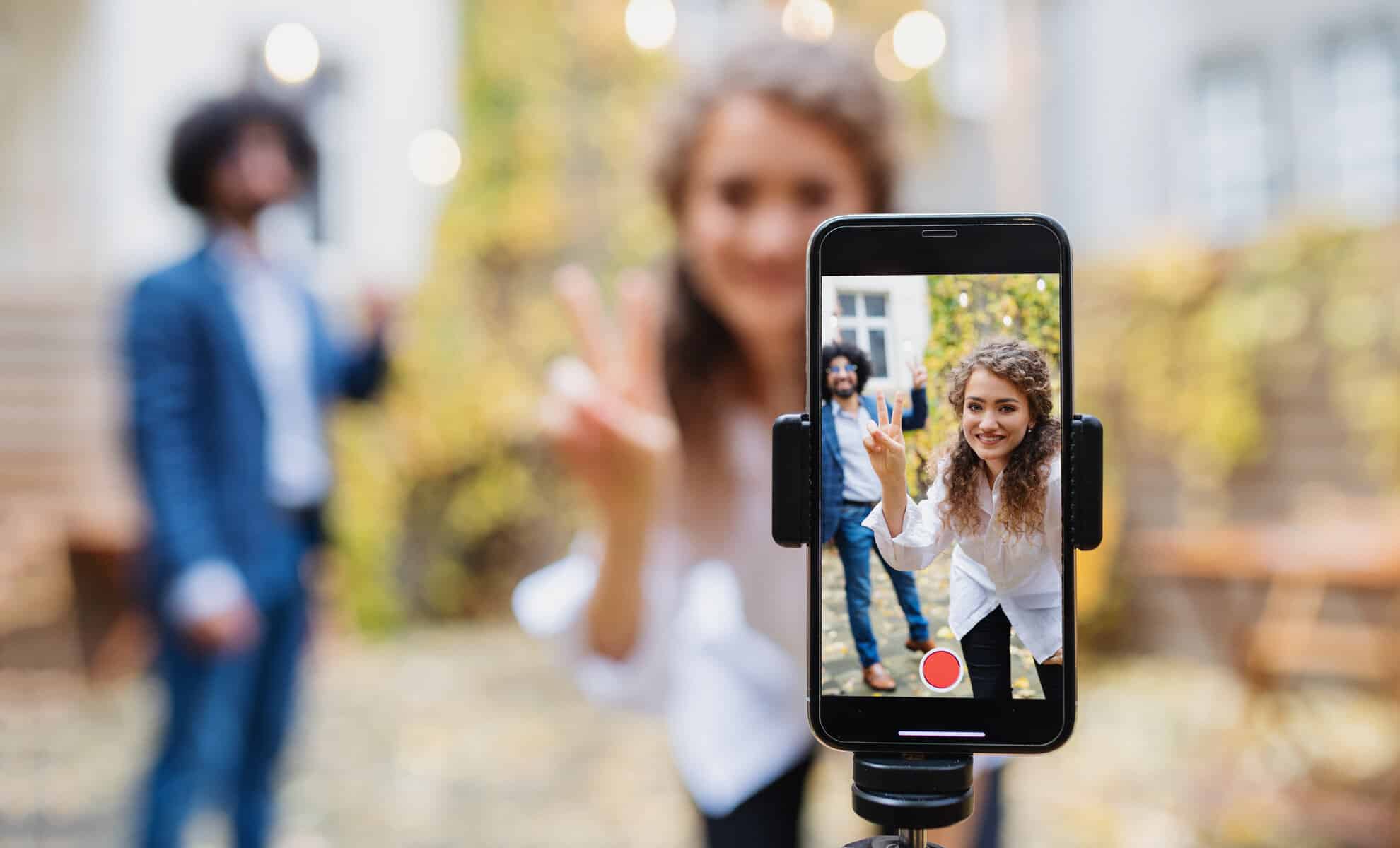
Emory Experts - Why Companies Invest in Local Social Media Influencers
Companies seek local influencers to pitch products. Even though most influencers amass geographically dispersed followings on social media, companies are willing to funnel billions of sponsorship dollars to multiple influencers located in different geographic areas, effectively creating sponsorships that span cities, countries, and in some cases even, the globe. The desire to work with local influencers has spawned advertising agencies that specialize in connecting companies with influencers and may soon redefine the influencer economy. This trend has merit, our research team finds. In a new Journal of Marketing study, we show a positive link between online influence and how geographically close an influencer’s followers are located. The nearer a follower is geographically to someone who posts an online recommendation, the more likely she is to follow that recommendation. To investigate whether geographical distance still matters when word of mouth is disseminated online, our research team examined thousands of actual purchases made on Twitter. We found the likelihood that people who saw a Tweet mentioning someone they follow bought a product would subsequently also buy the product increases the closer they reside to the purchaser. Not only were followers significantly associated with a higher likelihood to heed an influencer’s recommendation the closer they physically resided to the influencer, the more quickly they were to do so, too. We find that this role of geographic proximity in the effectiveness of online influence occurs across several known retailers and for different types of products, including video game consoles, electronics and sports equipment, gift cards, jewelry, and handbags. We show the results hold even when using different ways to statistically measure the effects, including state-of-the-art machine learning and deep learning techniques on millions of Twitter messages. We posit that this role of geographic proximity may be due to an invisible connection between people that is rooted in the commonality of place. This invisible link can lead people to identify more closely with someone who is located nearby, even if they do not personally know that person. The result is that people are more likely to follow someone’s online recommendation when they live closer to them. These online recommendations can take any form, from a movie review to a restaurant rating to a product pitch. What makes these findings surprising is that experts predicted the opposite effect when the internet first became widely adopted. Experts declared the death of distance. In theory, this makes sense: people don’t need to meet in person to share their opinions, reviews, and purchases when they can do so electronically. What the experts who envisioned the end of geography may have overlooked, however, is how people decide whose online opinion to trust. This is where cues that indicate a person’s identity, such as where that person lives in the real world, come into play. We may be more likely to trust the online opinion from someone who lives in the same city as us than from someone who lives farther away, simply because we have location in common. Known as the social identity theory, this process explains how individuals form perceptions of belonging to and relating to a community. Who we identify with can affect the degree to which we are influenced, even when this influence occurs online. Our findings imply that technology and electronic communications do not completely overcome the forces that govern influence in the real world. Geographical proximity still matters, even in the digital space. The findings also suggest that information and cues about an individual’s identity online, such as where he/she lives, may affect his/her influence on others through the extent to which others feel they can relate to him/her. These findings on how spatial proximity may still be a tie that binds even in an online world affirm what some companies have long suspected. Local influencers may have a leg up in the influence game and are worth their weight in location. For these reasons, companies may want to work with influencers who have more proximal connections to increase the persuasiveness of their online advertising, product recommendation, and referral programs. Government officials and not-for-profit organizations may similarly want to partner with local ambassadors to more effectively raise awareness of—and change attitudes and behaviors towards—important social issues. Goizueta faculty members Vilma Todri, assistant professor of Information Systems & Operations Management, Panagiotis (Panos) Adamopoulos, assistant professor of Information Systems & Operations Management, and Michelle Andrews, assistant professor of marketing, shared the following article with the American Marketing Association to highlight their new study published in the Journal of Marketing. To contact any of the experts for an interview regarding this topic, simply click on their icon to arrange a time to talk today.

