Experts Matter. Find Yours.
Connect for media, speaking, professional opportunities & more.

Holiday shopping season set to begin with questions about Black Friday, consumer behavior
Is Black Friday still a thing? Online sales have been outpacing brick-and-mortar sales for years, resulting in shorter lines and less of a frenzy at stores on the day after Thanksgiving. Many stores have also gone online with deals to compliment in-person shopping. University of Delaware experts can comment on this and other topics related to the holiday shopping season and gift-buying behavior. Andong Cheng: Can provide tips on what to prepare for during this unique holiday shopping season. Her research focuses on defining and identifying the picky consumer segment, and explores how pickiness impacts other judgments and decisions. She advises consumers to consider the phenomenon of double mental discounting, where shoppers experience a “mental accounting phenomenon” when offered promotional credit. Jackie Silverman: Research examines several facets of judgment and decision making and consumer psychology. According to Silverman, there are many potential benefits of online shopping for consumers, including some unconventional approaches to gift giving this season. Philip Gable: Can talk about the science behind the art of gift-giving that goes beyond the material exchange — emotional nuances that also can be applied to charitable work and philanthropy. He says that significance contributes to the happiness we experience in gift-giving. Matthew McGranaghan: Studies the economics of consumer attention and the indirect effects of marketing interventions. He explains that there is a difference in how businesses are innovating and utilizing online retail methods to connect with consumers this holiday season. Bintong Chen: Can discuss the systematic nature of supply chain issues. He recommends shoppers use major retailers like Amazon and Walmart, whose companies use their own shipping fleets to minimize disruptions. Caroline Swift: Examines supply chain transparency and the interactions between regulation and business performance.


Dangers of the Metaverse and VR for U.S. Youth Revealed in New Study
The metaverse, a space where the lines between physical and digital realities blur, is rising among younger populations. As of March, 33% of teens own a virtual reality (VR) device and 13% use it weekly. With the metaverse offering richer emotional experiences, youth may be particularly vulnerable to significant harm in these immersive spaces, underscoring the need to explore potential risks. Unfortunately, research of online victimization in the metaverse is sorely lacking. A new study by Florida Atlantic University , in collaboration with the University of Wisconsin-Eau Claire, is one of the first to examine the experiences of harm in the metaverse among youth in the United States. Using a nationally-representative sample of 5,005 13 to 17 year olds in the U.S., researchers focused on their experiences with VR devices, including 12 specific types of harm experienced, protective strategies employed, and differences in experiences between boys and girls. Results of the study, published in the journal New Media & Society, found a significant percentage of youth reported experiencing various forms of harm in these spaces, including hate speech, bullying, harassment, sexual harassment, grooming behaviors (predators building trust with minors), and unwanted exposure to violent or sexual content. The study also revealed notable gender differences in experiences. Among the study findings: 32.6% of youth own a VR headset (41% of boys vs. 25.1% of girls) More than 44% received hate speech/slurs (8.9% many times); 37.6% experienced bullying; and 35% faced harassment Almost 19% experienced sexual harassment; 43.3% dealt with trolling; 31.6% were maliciously obstructed; and 29.5% experienced threats More than 18% were doxed (publicly revealing someone’s personal information without their consent); and 22.8% were catfished (creating a false identity online to deceive someone, typically for romantic purposes) Nearly 21% faced unwanted violent or sexual content; 18.1% experienced grooming or predatory behavior; and 30% were targeted for factors like weight, sexual preference, sexual orientation or political affiliation Boys and girls experienced similar patterns of mistreatment, but girls experienced sexual harassment and grooming/ predatory behavior more frequently than boys. Boys and girls were equally as likely to be targeted because of their voice, avatar, race, religion or disability. “Certain populations of youth are disproportionately susceptible to harm such grooming, especially those who suffer from emotional distress or mental health problems, low self-esteem, poor parental relationships and weak family cohesion,” said Sameer Hinduja, Ph.D., first author, a professor in the School of Criminology and Criminal Justice within FAU’s College of Social Work and Criminal Justice, co-director of the Cyberbullying Research Center, and a faculty associate at the Berkman Klein Center at Harvard University. “Due to the unique characteristics of metaverse environments, young people may need extra attention and support. The immersive nature of these spaces can amplify experiences and emotions, highlighting the importance of tailored resources to ensure their safety and well-being.” Findings also reveal that girls employed in-platform safety measures significantly more so than boys such as “Space Bubble,” “Personal Boundary” and “Safe Zone.” “We found that girls are more likely to select avatars designed to reduce the risk of harassment and to use in-platform tools to maintain a safe distance from others. Additionally, both boys and girls feel comfortable leaving metaverse rooms or channels like switching servers in response to potential or actual victimization, although overall, youth tend to use these safety features infrequently,” said Hinduja. Among the recommendations offered to youth by the researchers include: Using platform-provided safety features to restrict unwanted interactions and infringements upon their personal space. It is also essential that youth understand and take advantage of the safety features available within metaverse experiences, including blocking, muting, and reporting functionalities. Continued research and development in these areas to determine how to meet the needs of users in potential or actual victimization contexts Streamlining platform reporting mechanisms to ensure swift action is taken against perpetrators Age-gating mechanisms for metaverse environments where mature content and interactions proliferate Encouraging parents and guardians to take the time to familiarize themselves with available parental control features on VR devices and metaverse platforms to set boundaries, monitor activities, and restrict certain features as needed. An active mediation approach is ideal, where they engage in open and supportive dialogue with children about their metaverse experiences. The integration of updated, relevant, and accessible digital citizenship and media literacy modules into school curricula to provide youth with the necessary knowledge and skills to navigate VR and other emerging technologies safely and responsibly Consideration by content creators of the ethical implications of their metaverse creations, ensuring that they promote inclusivity, respect, and discourage any form of harassment. They should strive to make their virtual experiences accessible to users from diverse backgrounds, languages, cultures and abilities. “VR concerns of parents and guardians generally reflect and align with their historical anxieties about video games, excessive device use, its sedentary nature, cognitive development, and stranger danger,” said Hinduja. “There remains so much promise with these new technologies, but vigilance is required when it comes to the unique challenges they present as well as the unique vulnerabilities that certain youth users may have. As such, it’s ‘all hands on deck’ to build a safer and more inclusive metaverse as it continues to evolve.” If you're looking to know more - let us help. Sameer Hinduja, Ph.D., is a professor in the School of Criminology and Criminal Justice at Florida Atlantic University and co-director of the Cyberbullying Research Center. He is recognized internationally for his groundbreaking work on the subjects of cyberbullying and safe social media use, concerns that have paralleled the exponential growth in online communication by young people. He has written seven books, and his interdisciplinary research is widely published and has been cited more than 18,000 times. Simply click on Sameer's icon now to set up an interview today.



Researchers race to detect Alzheimer's sooner using $3.9M grant
Too often, people learn they have Alzheimer’s disease when it’s too late. The changes in the brain that lead to the disease manifesting with symptoms have already been occurring for decades. Researchers at the University of Delaware will attempt to detect the disease sooner through a new study that examines changes in the arteries and brain tissue in midlife adults in their 50s and 60s. The findings of this work, funded by a nearly $4 million grant from the National Institute on Aging (NIA), could identify the earliest mechanisms linking vascular aging to the loss of brain tissue integrity, leading to new targets for interventions aimed at preventing age-related cognitive impairment. “People who develop high blood pressure or stiffening of the aorta and carotid arteries in midlife are at a much higher risk for developing cognitive impairment or dementia in late life,” said Christopher Martens, the principal investigator of the study. Martens, an associate professor of kinesiology and applied physiology in UD's College of Health Sciences and director of the Delaware Center for Cognitive Aging (DECCAR), is working closely with Curtis Johnson, an associate professor of biomedical engineering in the College of Engineering and leader of the neuroimaging biomarker core within DECCAR, on research funded by a nearly $4 million grant from the National Institute on Aging (NIA), a division of the National Institutes of Health (NIH). “A lot happens as we age, so we’re aiming to pinpoint the timing and exact mechanisms that cause these changes in midlife adults,” Martens said. This latest grant extends DECCAR’s ongoing Delaware Longitudinal Study for Alzheimer’s Prevention (DeLSAP), which seeks to study how risk and protective factors for dementia are related and change over time. Those eligible for DeLSAP could also meet the criteria for participating in the new study. In his Neurovascular Aging Laboratory, Martens studies mechanisms leading to the stiffening of arteries, while Johnson is specifically interested in measuring the stiffness of the brain. “As a person ages, the brain gets softer and breaks down, and we’re looking to see whether changes in arterial stiffness and patterns of blood flow in the brain cause this decline,” Johnson said. Changes in blood flow to the brain come from controllable factors. Smoking, cardiovascular health, diet and exercise all impact blood flow positively and negatively. “A lot of aging research is done at the end of life,” Johnson said. “We want to look at midlife and try to predict what happens later in life so we can prevent it.” While the brain gets softer with age, arteries get stiffer. “We hypothesize that midlife increases in stiffness in blood vessels cause damaging pulsatile pressure to enter the brain,” Martens said. “We believe this is one of the reasons we start to develop cognitive issues at an older age because the brain is exposed to increased pressure; that pressure is likely inflicting damage on surrounding brain tissue.” In Johnson’s Mechanical Neuroimaging Lab, researchers will use high-resolution magnetic resonance elastography (MRE) to determine where brain damage occurs and what specific brain structures may be affected. “From an MRI perspective, most researchers look at AD and other neurodegenerative diseases like multiple sclerosis with an emphasis on detection in a hospital setting,” Johnson said. “Using highly specialized techniques we’ve developed, we focus on the earlier side and how these changes progress into disease from the neuroscience side, emphasizing prevention.” Together, they’ll seek to learn whether arterial stiffness causes the kind of cognitive impairment seen in AD or whether the decline is associated with a loss in the integrity of brain tissue. “If we can prove arterial stiffness is playing a causal role in cognitive aging, that would provide further support for focusing on blood vessel health as an intervention for delaying AD or other forms of dementia versus solely focusing on the brain,” Martens said.


The election is over, and Republicans have swept the White House and Congress
The race for the White House is over, and the Republicans have been swept into power with historic gains in Congress and control of the executive branch. What will their policy priorities be and how will the new political landscape mold the direction of the new Trump administration? What will the Democrats, now a minority opposition party, do? Can they adapt to a winning strategy in time for the midterms in two years? If you are covering American politics, how do you make sense of all the changes? How do you know what issues are going to drive decisions in Washington, D.C.? What can polling tell us about what happened? Where did the polls fall short? What will pollsters be looking at moving forward? We have an expert who can help. Kevin Wagner, Ph.D., is Florida Atlantic University’s renowned political science expert and co- executive director of Florida Atlantic University Political Communication and Public Opinion Research Lab (PolCom Lab) —the university’s extensive and nationally covered polling operation. View profile View some of Kevin Wagner's recent media here: ABC News Florida Atlantic University professor of political science Kevin Wagner says Florida’s shift started several years ago and it’s due to a variety of factors. "Certainly, there was some pretty good evidence that we had people moving from states like California and New York looking for a more conservative environment, and they brought their politics with them when they came to Florida," Wagner said. "That influx of more conservative voters certainly mattered. It's not the only thing that mattered." WINK Some voters believe the 60% mark is too high to make constitutional changes. For the threshold to change, it has to be put on the ballot for voters to decide and would need at least 60% of the vote. “Getting 60% of the voters to agree on anything is really hard and when it’s something that’s highly contested. It makes it even harder,” Florida Atlantic University Political Science Professor Kevin Wagner said. THE PINNACLE GAZETTE Political analysts point to various factors contributing to Florida’s Republican shift. Kathryn DePalo-Gould, a political scientist from Florida International University, aptly stated, “It’s now so solidly Republican it is crimson.” This sentiment was echoed by Kevin Wagner from Florida Atlantic University, highlighting how previously competitive races have now become predictable Republican wins. Indeed, Trump’s haul of 61 out of 67 counties stands as a testifier to this changing political tide. Looking to connect? He is here to answer all your questions and is available for interviews. Simply click on his icon now to arrange an interview today.


Black Friday Shoppers Seek Deals on Electronics, Early Sales and Convenience in a Competitive Market
This year’s Black Friday shopping will bring a fresh wave of trends for both consumers and retailers. With electronics, online convenience and competitive pricing at the forefront, the landscape of Black Friday is evolving to match the shifting shopping habits of today’s consumers, said Baylor University consumer behavior expert James A. Roberts, Ph.D. Roberts – who serves as The Ben H. Williams Professor of Marketing at Baylor’s Hankamer School of Business – keeps a close watch on Black Friday, including what he sees as the Top 5 trends for holiday shopping in 2024. Top Trends for Black Friday 2024 The Shift in Shopping Habits: The balance between online and in-store sales remains steady, with consumers enjoying a 50/50 split in shopping preference, Robert said. While COVID-19 accelerated a surge in online shopping, this year, both are expected to perform equally as shoppers appreciate the flexibility of both options. Holiday Deals Start Early: As the competitive landscape has grown, Black Friday sales now launch weeks in advance. This early kickoff benefits consumers who are eager to lock in discounts and spreads out the typical holiday rush, providing retailers a longer window to capture consumer interest, Roberts noted. Electronics Dominate Sales: As in previous years, electronics will be the driving force of Black Friday 2024, accounting for nearly half of all sales. Roberts said that shoppers are especially focused on deals for televisions, laptops, smartwatches and gaming consoles – underscoring the lasting demand for high-quality technology at competitive prices. Gen Z and Millennials Drive Online Growth: Digital natives like Gen Z and Millennials continue to shape holiday shopping habits. Roberts said their comfort with online shopping – coupled with their mobile-first approach – makes them a powerful force in the online retail space. Retailers can expect these younger consumers to leverage social media, mobile apps and seamless e-commerce platforms for their holiday purchases. Rising Categories: Beyond electronics, Roberts predicts that other sectors will see strong sales this season, particularly in clothing, cosmetics and home appliances. As consumer preferences expand, brands in these categories should prepare for increased demand. Factors shaping consumer choices For Black Friday in 2024, competitive pricing and convenience remain top priorities, Roberts said. “Retailers who offer the best deals alongside quick and reliable delivery options stand out among consumers,” he said. Additionally, low-cost brands – such as Shein – have set consumer expectations for affordable pricing, even as “Buy Now, Pay Later” options have increased in popularity – though Roberts said retailers and consumers alike should be cautious when using this financing option at the risk of overspending. Future of Black Friday Looking ahead, Roberts said Black Friday’s trajectory appears geared more towards online channels, with each year seeing a slight shift away from brick-and-mortar shopping. Retailers are encouraged to keep an eye on pricing expectations and financing trends, as they’ll play an increasingly influential role in the holiday season. ABOUT JAMES A. ROBERTS, PH.D. James A. Roberts, Ph.D., is The Ben H. Williams Professor of Marketing at Baylor University’s Hankamer School of Business. A noted consumer behavior expert, he is among the "World's Top 2%" most-cited scientists in a database compiled by Stanford University. In addition to journal citations, Roberts has often been called upon by national media outlets for his consumer expertise and latest research. He has appeared on the CBS Early Show, ABC World News Tonight, ABC Good Morning America, NBC’s TODAY Show and NPR’s Morning Edition, as well as in articles in The New York Times, USA TODAY, The Wall Street Journal, TIME and many others. Roberts’ research has focused on how individual consumer attitudes and behavior impact personal and collective well-being. His research has investigated the factors that drive ecologically and socially conscious consumer behavior, the impact of materialism and compulsive buying on well-being and the impact of smartphone and social media use on personal well-being. He is the author of “Shiny Objects: Why We Spend Money We Don’t Have in Search of Happiness We Can’t Buy” and “Too Much of a Good Thing: Are You Addicted to Your Smartphone?”


Consumers Face Elevated Prices Despite Waning Inflation
The years of high inflation appear to be over as inflation is now in line with the Federal Reserve’s target, though prices will likely remain permanently elevated, according to the Monthly Inflation Report produced by Florida Atlantic University’s College of Business. The Personal Consumption Expenditures Price Index (PCEPI), the Federal Reserve’s preferred measure of inflation, grew at a continuously compounding annual rate of 2.1% in September, up from 1.4% the prior month. Overall, PCEPI inflation has averaged 1.8% over the last three months and 2.1% over the last year. “The good news is that the period of high inflation appears to be in the rearview mirror. The bad news is that prices remain permanently elevated,” said William J. Luther, Ph.D., associate professor of economics in FAU’s College of Business. “The PCEPI is about nine percentage points higher today than it would have been had inflation averaged 2% since January 2020. This unexpected burst of inflation transferred wealth from savers and employees to borrowers and employers.” Core inflation, which excludes volatile food and energy prices, remains elevated. Core PCEPI grew at a continuously compounding annual rate of 3% in September. It has averaged 2.3% over the last three months and 2.6% over the last year. High core inflation is partly due to housing services prices, which grew at a continuously compounding annual rate of 3.8% in September. “If the Fed were committed to price stability, it would have helped bring prices back down to a level consistent with pre-pandemic inflation,” Luther said. Fed officials have projected another 25 basis points worth of rate cuts this year, a much smaller change than is required to return the policy rate to neutral. Since the data shows inflation is back on track, Luther says they should move more quickly. “As it stands, Federal Open Market Committee members intend to take some time reducing the policy rate to neutral, with policy likely to return to neutral sometime in 2026,” Luther said. “They might move more quickly if the economy shows signs of contraction or reduce the pace of rate cuts if they become concerned that inflation will pick back up.” William Luther, Ph.D., an assistant professor in FAU’s Economics Department, has expertise in economic growth, monetary policies, business cycles and cryptocurrencies. Luther’s research has obtained media interest across the nation, including recent coverage by The Wall Street Journal, Politico and Florida Trend. If you're looking to know more - let us help. Simply click on William's icon now to set up an interview today.

Moths in the Mojave, with UConn's David Wagner
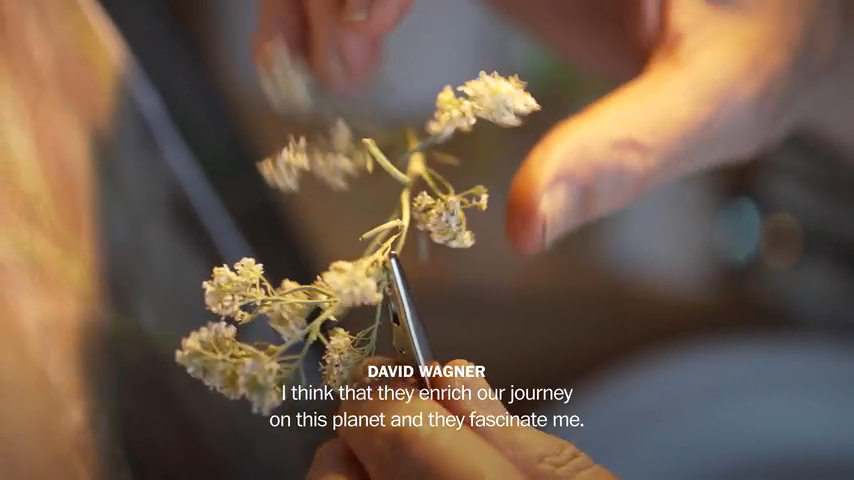
Did you know that there are approximately 180,000 moth and butterfly species living in California’s Mojave Desert? Moths, the winged insects famous for eating sweaters and flocking to lights at night, are a mysterious and captivating species for entomologists like UConn's David Wagner. He was part of a research study that was documented recently in The Washington Post. Each night in the desert, vast clouds of sphinx moths, some spanning the palm of your hand, speed between night-blooming flowers, sipping nectar. Ethmia, tiny black moths with spots shaped like musical notes, emerge from the dark like fairies. Thousands of geometrid moths, no bigger than your fingernail, slip by cloaked in desert hues from rusty reds to pale green. To witness them, I traveled deep into the Mojave Desert this spring with a team from the California Academy of Sciences working to ensure the survival of lepidoptera. For two days, we beat bushes, placed traps and collected thousands of moths to see what lives there — and what can be saved. Moths have inhabited our planet for at least 200 million years. But the conservation status of about 99 percent of moth species remains unknown. Some, like sphinx moths, remain abundant. Many others are probably being pushed to the brink by development, land-use changes, pesticides and pollution, and rising temperatures. “It’s not this unseen force,” says David Wagner, an entomologist at the University of Connecticut. “It’s humans.” Over two nights in the desert, I discovered just how easy it is to fall in love with an unloved insect. And why “mothing” may be the best way to discover the miracle of biodiversity in your own backyard. On the arid western edge of the Mojave, where the desert floor rises to meet the San Bernardino Mountains, sits the 306-acre Burns Piñon Ridge Reserve. We venture out in the morning with beating sticks. Hitting the branches of small oaks and rabbitbrush deposits a treasure trove of insect life into collectors made out of fabric: Crane flies, green lacewings, spiders, walking sticks and caterpillars that will one day grow into moths. Wagner and Chris Grinter, an entomologist and collection manager at the California Academy of Sciences, will catalogue the most interesting ones. The academy houses a collection of 18 million insects, 700,000 of which are butterflies and moth specimens. Many are still waiting for scientists to identify and name them. The plight of moths and caterpillars has fascinated Wagner since childhood. After 20 years, he is no less enthusiastic — or worried. Wagner traveled to Burns Piñon to help finish his magnum opus, the successor to his 500-page guide to eastern North America’s caterpillars. The guide for the west will probably run more than 1,500 pages, a testament to the region’s remarkable biodiversity. As the sun sets, the mood is anticipatory. We head out into the desert to set our traps and see what moths we’ll discover. “The nice thing,” says Grinter, “is moths will come to you.” The article is an amazing read - and the link is above. And if you are interested in knowing more about moths, insects, or the fascinating field of entomology, then let us help. Dr. David Wagner is an expert in caterpillars, butterflies, moths, and insect conservation, and he's commented extensively on the current decline of insects worldwide. Click his icon to arrange an interview today.


SEO: Why Expertise Ranks Higher
When the internet took off in the mid-90s, finding content wasn’t for the faint of heart. There were no directories or search engines and if you didn’t know where you wanted to go, you weren’t going very far. In the wild west of URLs, it became abundantly clear that we needed a better way to search. Yahoo brought us our first directory but in a list of websites, everyone’s content looked equal. That’s when Google stepped up to the plate. Right from the early days of search algorithms, they understood that people valued expert content and we needed a way to rank the credibility and integrity of a webpage. Drawing on his academic background, Larry Page introduced the concept that links could act like citations in a research paper. The original idea operated like a voting system; the more links, the higher the rank. While Google still places tremendous value on expertise, their algorithm for search engine optimization (SEO) has become significantly more complex. We know that it’s combination of on-page and off-page factors but at the end of the day, it boils down to delivering the quality content people are searching for. Source: Search Engine Land Give the People What They Want Today’s audiences want to build more meaningful connections with the institutions and businesses they engage, and that requires information. It’s not enough to put out an unimaginative website or tri-fold brochure. While these tactics may have worked a short time ago, traditional marketing often fails to deliver the level of detail audiences need to make purchasing decisions. From transparency to accountability, they have high expectations for organizations and the content they provide. They want to know how a product or service will uniquely work for them and how your organization aligns with their vision and values. Most of all, they need expert perspectives and proof you can deliver results. If you want to remain competitive, it’s essential to keep up with these rising demands for easy-to-find, high-quality content and secure you a key spot on Google’s SERP. Climbing the Ranks with Expertise Organizations, particularly those in knowledge-based industries (academia, consulting, professional services, medicine etc.), need to pay special attention to how Google is tuning its search algorithm to index information that is attributed to experts. Factors like quality, keyword research and freshness are all on-page tactics that help webpages improve their rank. With this in mind, here are just a few ways your experts and their content are contributing to your rank on Google: Meta-Tagging: Meta tags are snippets of text or rich media that help audiences understand what’s on your webpage from the Google SERP. To ensure they deliver the most relevant search results, both Google and YouTube have been updating their meta tagging and schema options to allow expert content to be indexed more descriptively. This includes everything from author attribution to expert answers the prestigious Rank Zero which highlights the best possible result to users at the very top of the page. Freshness: The freshness of content is correlated with content relevance, and it’s something Google highly values when ranking search. Not only will outdated employee biographies and profiles on your site negatively impact your ranking on search engines, but failing to deliver timely, relevant content on trending topics will also hold you back. By regularly updating your website with expert content, you’re showing that you’re an active contributor to that topic – building trust your audiences and increasing your rank on Google. Keywords: Google collects and indexes searches from users every day, so the richness of your keywords is critical to your search ranking. In many cases, you’ll find that expert content has a holistic way of providing information about high-searched topics in your industry. When an expert creates content, they not only include the targeted keywords, but they naturally incorporate latent semantic indexing as well which accounts for related terms. This all feeds into Google’s desire to surface the most relevant content and who better to do that than your experts. All of these factors are important considerations for improving your organic search rank. As a key driver in inbound traffic, improving your organic rank will not only increase brand awareness, but it also delivers higher-quality leads. And by sharing expert content on your digital channels, you’re showing your audiences and Google exactly what makes you an industry authority and why they should engage your business. Download The Complete Guide to Expertise Marketing For a comprehensive look at how expertise marketing benefits the entire organization and drives measurable return on investment, follow the link below to download a copy of ExpertFile’s Complete Guide to Expertise Marketing for Corporate & Professional Services, Higher Education Institutions, Healthcare Institutions or Association & Not-for-Profits.



Enhancing environmental governance in the Caribbean
The University of Delaware's Island Policy Lab has launched a first-of-its kind initiative to ensure that future development projects in the Caribbean are equipped to adapt to climate risks effectively. When completed, this work will set a new benchmark for sustainable development across the region. The research initiative is led by Professor Kalim Shah, Director of the UD Island Policy Lab, with colleagues at the University of the West Indies. The collaborative effort, which kicked off this month in Barbados, will integrate climate services into Environmental Impact Assessments (EIA) and bring together key stakeholders from public agencies, academic institutions and private organizations. Funded by NOAA and the U.S. Department of State, the project aims to strengthen environmental governance by embedding scientific climate data into regulatory frameworks. The work will cover multiple Caribbean islands chosen for their contrasting regulatory frameworks, with the aim of addressing critical gaps in how climate risks are incorporated into EIA processes, which often lack consistent and actionable climate data. On this first Barbados leg, the project has drawn support from the Barbados Meteorological Services, the Ministry of Environment and National Beautification, the Coastal Zone Management Unit and international financial institutions such as the Caribbean Development Bank and the Inter-American Development Bank. Private sector project developers are working alongside regulatory bodies and academic institutions to ensure the success of the initiative. Minister of Planning and Development William Duguid emphasized the importance of the project during the launch event, held at the Savannah Beach Club in Christ Church. “Our very survival as a nation depends on building climate resilience,” Duguid said, highlighting the vulnerability of Barbados’ key infrastructure — such as airports, seaports, and hospitals — located along the coast. He stressed the significance of using climate data in EIA processes to mitigate risks such as sea-level rise and storm surges, which threaten the island’s long-term sustainability. The initiative follows a phased approach, beginning with assessments of the existing institutional frameworks in Barbados, Dominica, Trinidad and Tobago, with other countries following in the future. The research team will evaluate how well current climate services align with the needs of both public agencies and private developers. In subsequent phases, stakeholders will participate in co-designing tailored climate tools to enhance EIA processes, leading to the development of Climate Services Implementation Plans. These plans will provide a roadmap for integrating climate services sustainably across sectors and jurisdictions. “This project is about more than just collecting data – it’s about turning scientific insights into practical tools for decision-makers,” Shah explained. The co-design process, which involves collaboration with local stakeholders and international partners, aims to reduce conflicts between regulators and developers by embedding climate considerations early in the project approval process. This alignment will ensure that new developments are both environmentally sound and climate-resilient. The research is expected to deliver several key outcomes, including enhanced coordination among regulatory bodies, improved access to climate data, and greater institutional capacity to manage environmental risks. Dr. Sylvia Donhert, Chief of the Inter-American Development Bank’s Compete Caribbean program, endorsed the project saying that it reflects the growing urgency for climate action across the region. “Embedding climate science into development planning is essential not just for policy but for the economic well-being of the region."

LSU expert in social and economic issues: Rural America’s unique struggles affect how it votes
An expert in social and economic issues, Professor Slack explains the unique struggles facing rural communities—like changes in jobs, health concerns, and population shifts. In this Q&A, he clears up common misunderstandings about rural life, discusses the problems rural voters face, and explores how these issues may affect their votes in this important election. What is your area of expertise? I am a professor of sociology at LSU. My research coalesces around the areas of social stratification and social demography with an emphasis on geographic space and the rural-urban continuum as axes of difference. With my colleague Shannon Monnat (Syracuse University), I recently authored the book Rural and Small-Town America: Context, Composition, and Complexities, published by the University of California Press. What are the key socio-economic challenges facing rural voters in this election? Wow. Where to start? There are so many myths and misunderstandings about rural America. One is that “rural” is synonymous with farming. To be sure, agriculture is a vital industry in terms of sustenance and national security. But technological advances and farm consolidation—the shift from many smaller farms to fewer larger farms—means most rural Americans don’t have direct economic ties to agriculture anymore. The two largest sectors of employment in rural America today are services and manufacturing, respectively. A concern regarding the service sector is that it produces jobs that vary greatly in quality depending on people’s educational level; good professional jobs for the more educated and lower quality jobs—low wages, low hours, and few to any fringe benefits—for less educated folks. Those good professional jobs tend to be concentrated in urban areas (the emergence of remote work may reshape this in the future). Manufacturing employment, which has historically been the “good jobs” sector for less educated people, has been in steady decline in terms of its share of jobs for the past 50 years. While people sometimes think of plant and factory work as urban, it has provided a larger share of jobs and earnings in rural America for decades. Deindustrialization is causing real pain in rural America: it is one thing for a plant to shut down in a large and diversified metropolis, but quite another when it is the lone “good jobs” employer in town. Other big issues are the challenges posed by population aging and youth out-migration in rural America, as well as increasing racial and ethnic diversity. Another is the factors underlying the “rural mortality penalty”—that rural America has higher death rates and lower life expectancy than urban America. These are all pressing issues. What role will rural voters play in this close presidential race, and what may sway their vote? Rural voters will play a key role in this election, assuming the margins end up being as close as they have been in the last two presidential cycles. A persuasive working-class message and a sense that rural people and places are seen—that they aren’t just “flyover country”—will help. Given that the two leading candidates hail from New York City and San Francisco, both picked running mates with a rural and small-town backstory as a nod to that constituency. All of that said, the power of the rural vote should not be overstated. The contemporary U.S. is mainly an urban society, so the winning candidate will ultimately pull most of their votes from cities and suburbs. Can you discuss any recent research on how rural voting patterns have evolved over the last few election cycles? The short answer is that the rural vote has been steadily trending Republican for decades. The last presidential election in which voters in metropolitan and nonmetropolitan counties were essentially equal regarding party preferences was in 1976 when Jimmy Carter was elected. Since that time, the percentage of nonmetro votes for the Republican candidate has trended steadily upward. In 2020, roughly two-thirds of the nonmetro vote went to Donald Trump, more than 20 points higher than in metro counties. That said, rural voters are not a monolith. The flip side of the 2020 numbers above is that roughly 1 in 3 voters in nonmetro counties cast their ballot in the other direction. And rural places with majority Black, Latino, and Indigenous populations often vote in the Democratic column. Moreover, you have political legacies particular to certain places that matter—like the left-leaning Farmer-Labor Party in Minnesota (today the Democratic-Farmer-Labor Party or DFL) or the rural state of Vermont electing a socialist to the U.S. Senate (Bernie Sanders). So, there are notable deviations from the aggregate trend. “ The problems and prospects facing rural America in the 21st century matter for this nation. Personally, I would love to see a less ideological and more pragmatic politics emerge that puts that in focus. ” How do political campaigns target rural voters, and how effective do you think these strategies are? This is a bit outside my area of expertise, and I want to stay in my lane. But I will raise two issues. One is what the political scientist Katherine Cramer has called “rural consciousness”: a belief that rural areas are ignored by policymakers, that rural areas do not get their fair share of resources, and that rural folks have distinct values and lifestyles that are misunderstood and disrespected by city folks. The message from some quarters that rural people vote “against their own self-interest” or vote “the wrong way,” essentially that they are rubes, feeds into this. The other issue is that much of rural America is a local “news desert.” That is, there simply are no sources of comprehensive and credible local news. So, people rely on cable TV news or—if they have access to broadband—the internet. The result is that all news becomes national, even when those issues may have little bearing on local life. It used to be said that “all politics is local,” but in today’s media environment, that is increasingly untrue. Is there anything else you want to add? I would just emphasize that common myths and misunderstandings about rural America run deep. Rural America is not a paragon of stability, social and economic change abounds. And rural America is not a monolith, it is socially and regionally diverse. The problems and prospects facing rural America in the 21st century matter for this nation. Personally, I would love to see a less ideological and more pragmatic politics emerge that puts that in focus. Link to original article here.