
Experts Matter. Find Yours.
Connect for media, speaking, professional opportunities & more.

At a gala event for Harmony Healthcare Long Island (HHLI), Martine Hackett, chair and associate professor of the Department of Population Health, School of Health Sciences (SHS), received the Mission Driven Award for her long-standing dedication to improving public health and advocating for underserved communities. The event honored community leaders who have made significant contributions to advancing healthcare access and equity. Hackett has been a tireless advocate for maternal and child health and health equity. Over the years, she has spearheaded numerous initiatives aimed at addressing racial disparities in healthcare, particularly in minority and low-income communities. Hackett’s leadership and passion for public health have left a lasting impact on the communities she serves. Corinne Kyriacou, vice dean for administration, SHS, associate professor of population health, a longtime colleague and member of the HHLI Gala Planning Committee, praised Hackett’s contributions. “Martine has always been driven by a genuine commitment to improving the lives of others. Her work goes beyond the classroom and touches the hearts of the communities she works with. She truly embodies the spirit of service and dedication,” Kyriacou said. Reginald Alston, dean of SHS, echoed these sentiments. “Martine’s impact on the field of public health and the students she mentors is immeasurable. She is a model of what it means to use education and research for the betterment of society. We are incredibly proud to have her as part of our Hofstra family,” Alston said. The gala, which celebrated HHLI’s growth and accomplishments over the past 15 years, highlighted Hackett’s numerous community partnerships and her ongoing work to promote health equity.


AU study shows participation in civil society groups lowers suicide rates
A new study by Lance Hunter, PhD, professor of social science in Augusta University’s Pamplin College of Arts, Humanities, and Social Sciences, reveals a direct link between voluntary involvement in civil social groups and a lower risk of suicide. In the study, published in Cross-Cultural Research, Hunter looked at data gathered from 2000 to 2019 from 156 countries with varying levels of development from Africa, Asia, Australia, Europe, North America and South America and found that participation in civil society groups, both political and non-political, may produce positive social and psychological benefits that are associated with lower suicide rates. September is National Suicide Prevention Month, during which mental health advocates, prevention organizations and other community groups promote suicide prevention awareness. “The greater the voluntary participation in civil society groups within the country, the lower the suicide rates are for that country,” said Hunter. “Voluntary civil society participation is a great way for people to connect with other individuals with similar interests and possibly find meaning and purpose to some degree. That in turn decreases feelings of social isolation, which can decrease the likelihood of suicidality or suicide.” Based on the research, he noted that social isolation is a major factor in suicide ideation and attempted suicide but it’s not the only factor. “It is important to note there are many psychological, biological, social and mental health factors that can contribute to suicide risk. Civil society participation and social isolation are just two factors among many that can affect suicidality,” said Hunter. Meredith Rausch, PhD, associate professor in the College of Education and Human Development’s Department of Research, Counseling and Curriculum, said research shows ideation and deaths by suicide in the United States tend to rise between February and April and again in August and September. “I have found the change in seasons often leads to people feeling overwhelmed when it comes to thinking about enduring another season,” said Rausch. “While the advent of spring or autumn may seem enjoyable or hopeful to some people, others find it to represent an entirely new season and the idea of experiencing that is exhausting.” Rausch also notes it’s important to note how these times of the year also coincide with the academic year, causing an increase in bullying, frustration with academics or other negative experiences for school-aged children. According to a 2023 study by the World Health Organization, more than 700,000 people worldwide die each year by suicide, and suicide is the fourth-leading cause of death among people 15 to 29 years old. Interested in learning more - let us help. Lance Hunter, PhD, is available to speak with media about this important topic - simply click on his icon to arrange an interview today.


Hurricane Helene: Addressing health and safety concerns as communities rebuild
With Hurricane Helene bearing down on the Gulf region, millions of people are deciding whether or not to evacuate from their homes or ride the storm out. How to best protect their families, concerns over feeding their infants and what to do with beloved pets will all factor into their decisions. Understanding the reasons why individuals choose one course of action over the other is a complex issue that researchers in the University of Delaware's Disaster Research Center have been studying for years. The following experts in the DRC, the oldest such center in the United States, can comment on the following topics: Tricia Wachtendorf: Evacuation decision-making, disaster response and coordination, disaster relief (donations) and logistics, volunteer and emergent efforts, social vulnerability. James Kendra: Disaster response, nursing homes and hospitals, volunteers, response coordination. A.R. Siders: Expert on sea level rise and managed retreat – the concept of planned community movement away from coastlines and flood-prone areas. Specifically, Siders can talk about how building more homes and infrastructure in flood-prone areas in Florida makes the consequences of hurricanes like Helene more severe. (How the 'expanding bullseye' is contributing to the rising disaster costs in the U.S.). She authored two papers slated for release on floodplain development (noting the more than 400,000 homes that were built in regulated floodplains 2001-2019). Jennifer Horney: Environmental impacts of disasters and potential public health impacts for chronic and infectious diseases. Sarah DeYoung: Pets in emergencies, infant feeding in disasters and decision-making in evacuation. Specifically, DeYoung can speak to reports that mothers in Florida social media groups are concerned about storage of breastmilk if/when the power goes out. Jennifer Trivedi: Can talk about preparedness steps and recovery, including recovery planning, particularly in non-coastal areas; as well as challenges for people with disabilities during disaster, cultural issues and long-term recovery. Victor Perez: Focuses on environmental racism and health disparities in historically marginalized communities. Shanjia Dong: Research looks at smart and resilient urban systems; infrastructure systems, critical infrastructure protection, effective disaster preparedness and response, and equitable resilience planning and climate change adaptation. Joe Trainor: Post-storm housing decisions and insurance.




It's neck and neck and our expert is here to help with your election coverage
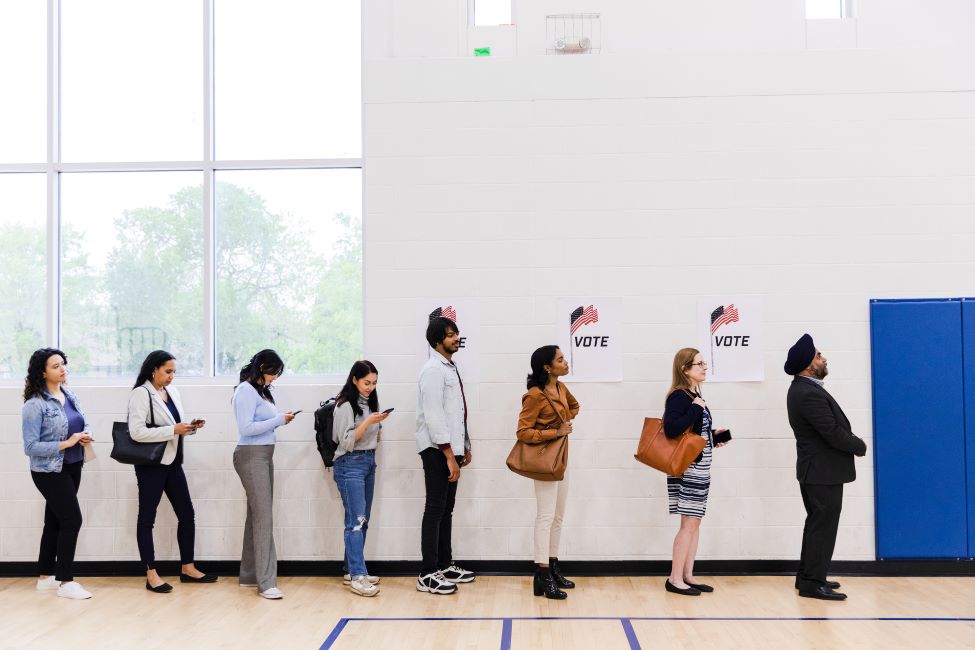
The tight race for the White House is approaching the home stretch as U.S. Vice President Kamila Harris and former U.S. President Donald Trump appeal to voters across the country. With assassination attempts and U.S. President Joe Biden dropping out of the race, this election has already proven to be a unique historical event in American politics. If you’re covering the race, how do you make sense of the twists and turns? How do you know what issues are driving voters in this tight race? What is going on with the “down ticket” races? Can polls help you predict what’s coming? We have an expert who can help. Kevin Wagner, Ph.D., is Florida Atlantic University’s renowned political science expert and co-executive director of Florida Atlantic University Political Communication and Public Opinion Research Lab (PolCom Lab)—the university’s extensive and nationally covered polling operation. View some of Kevin Wagner's recent media here: Newsweek: "Kevin Wagner, a political science professor at Florida Atlantic University, told Newsweek via email on September 2: "Both Harris and Trump have some potential to attract independents or voters from the opposing party, though this cross-party appeal is likely to be limited given the high levels of partisan polarization in recent elections." Forbes: “If they’re going to hit that 60%, the supporters of the amendment are probably going to have to reach a few more Republicans or have a particularly Democratic-leaning electorate, which sees a challenge in a presidential election year,” said Kevin Wagner, a Florida Atlantic University political scientist, according to a report from the South Florida SunSentinal." New York Post: "On the whole, there does appear to be a solid base of support for Harris in the Democratic Party,” said Kevin Wagner co-director of FAU’s PolCom Lab and professor of political science. “But there is still substantial uncertainty. Some Democratic voters are still looking for another candidate. Harris has time to unify the party before the convention, but she needs to move quickly, or this could potentially spin out of control for the Democrats.” Looking to connect? He is here to answer all your questions and is available for interviews. Simply click on his icon now to arrange an interview today.


The role of digital media in children's literacy
From tablets and smartphones to computers and smart TVs, kids have more access to digital content than ever before. But what does this mean for their literacy skills? One University of Delaware professor is embracing the use of digital media to improve children's literacy. Roberta Michnick Golinkoff, chair and professor in the School of Education UD, created Stories with Clever Hedgehog last year to offer books to children, specifically those who have been displaced or impacted by the Russo-Ukrainian War. This website allows families all over the world to engage in shared reading with their children, facilitate early literacy development and promote children’s well-being. Much research in early childhood education has underscored the importance of reading early and often with children, beginning during a child’s infancy and continuing throughout the elementary years. Reading during this critical point in children’s development fosters language acquisition, early literacy skills, socioemotional growth and comprehension of the world around them. Golinkoff's research partners and many others have demonstrated that shared book reading — when a child reads with a caregiver — encourages children to ask questions and draw connections to their own experiences, promotes story comprehension, increases children’s vocabulary and provides opportunities for emotional bonding. She is available to discuss even more benefits of reading, especially in this digital format. To connect, click her profile. She has been featured

#Expert Q and A: Disinformation and Elections
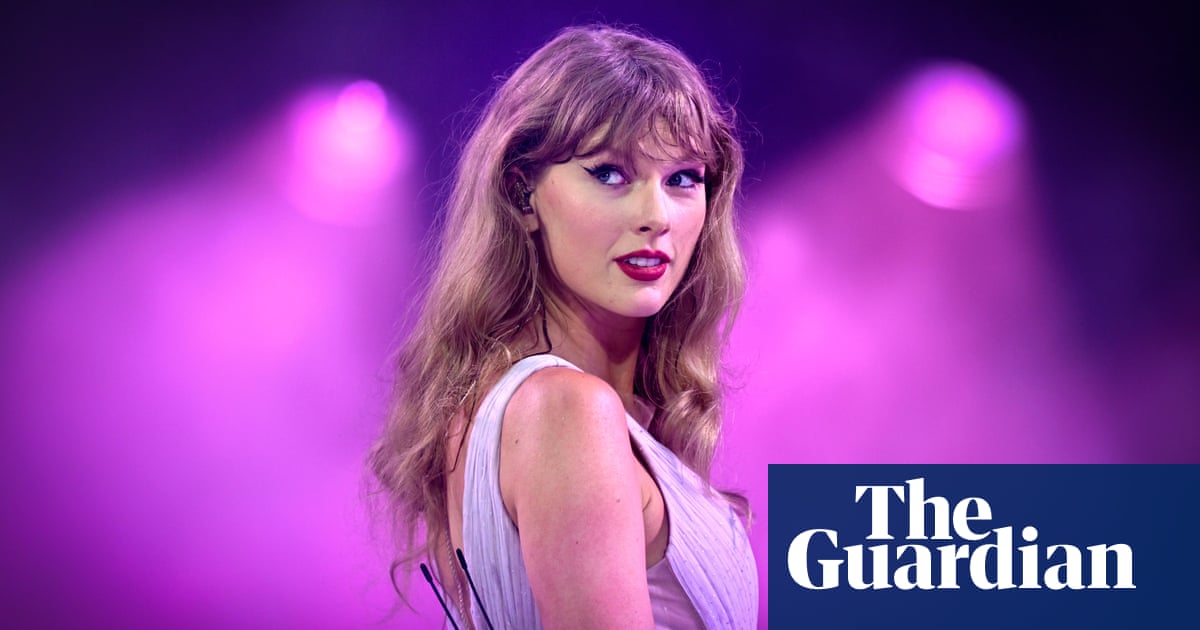
Question: Taylor Swift recently took to her Instagram page to “set the record straight” about an AI version of her that had “endorsed” Former President Donald Trump. What are some of the things people can look for to know if a celebrity has indeed endorsed a candidate? Answer: People can go to the celebrity’s social media page to see their recent social media activity. On the page, people can search for information regarding political endorsements. People should be aware that many fake and parody social media accounts exist for celebrities, so people need to make sure they locate the real social media accounts of the celebrity in question. Also, people can search reputable news sources to see if there is any verifiable information (i.e., the information has been verified by other reputable news sources) regarding celebrity endorsements. Question: In an era where it is too easy for anyone to alter images or video, what are some of the dangers that can be associated with these deep fakes? How can this negatively impact the election, and just life in general with having this kind of misinformation out there? Answer: There can be multiple concerns regarding disinformation and elections. One, if voters make decisions about whether to vote for a candidate based on disinformation/misinformation, this is a concern for elections because in a democracy the hope is that voters can make informed voting decisions based on accurate information. Second, if millions of people are exposed to disinformation/misinformation and only a small percentage of those are not aware that the disinformation/misinformation is false, this could have significant effects for elections. The reason is that in recent presidential elections, and likely in the upcoming election, the margin of victory in some swing states can be less than 1% of the total state vote in some cases. Thus, if only a small percentage of individuals who are exposed to disinformation/misinformation believe the information is true, and the disinformation/misinformation affects their voting decisions, that could have significant effects on the election outcome of a given swing state. Furthermore, we know that the election outcome of each swing state has important implications for the overall presidential election outcome. Question: Do celebrity endorsements still help or hurt candidates? Answer: The empirical evidence linking specific celebrity endorsements to election outcomes is mixed. Based on existing research, we can’t say that a specific celebrity endorsement led to an election victory or loss. However, there has been some interesting research from Harvard (2024) that shows that celebrity endorsements do matter for elections by potentially increasing voter interest, voter engagement and voter registration. One example is in September of 2023 when Taylor Swift made an Instagram post encouraging individuals to vote. Immediately afterward, 35,000 individuals registered to vote on the non-partisan voter registration website Vote.org . So, while we can’t say that a certain celebrity endorsement will directly affect an election outcome, celebrities can move the needle in terms of voter interest, voter registration, and potentially voter turnout, which can influence election outcomes. Interested in learning more - let us help. Lance Hunter, PhD, is a professor of political science with a background in international relations. He is available to speak with media about this important topic - simply click on his icon to arrange an interview today.

Putting a price tag on environmental projects
Unlike a grocery store, the goods and services in the environment — think clean water, tree cover, or flood control — don’t come with a price tag. Researchers in the University of Delaware Department of Applied Economics and Statistics have received a $1.5 million grant to assess the value of what is gained or lost from environmental projects. The three-year grant from the U.S. Army Engineer Research and Development Center, the chief research and development center for the federal environmental engineering agency U.S. Army Corps of Engineers, will pave the way for UD environmental economists to develop a web-based platform to help the Corps. The research team is led by Maik Kecinski, associate professor in the Department of Applied Economics and Statistics and also includes department colleagues Kent Messer and Martin Heintzelman, as well as three graduate researchers. The team will create an online platform to help the Corps estimate the monetary value of the ecosystem impacts through its ongoing and proposed projects across the U.S. Kecinski said many of the Corps’ projects involve natural resources, such as building dams or restoring rivers. Those projects require labor hours and equipment, each with a market value. “But the big piece the Corps doesn’t have is what is the environmental value that’s created or lost through these projects?” Kecinski said. The project came about after ERDC representatives visited UD in 2023. Kent Messer, Professor of Applied Economics, presented research about behavioral aspects around water quality and conservation and learned about ERDC’s research needs. Messer said that the big takeaway from those discussions was that ERDC was interested in having a platform to show the ecosystem services value of its projects. “So that was an exciting opportunity to connect and partner with them on the development of a tool that could help them in this regard,” Messer said. Messer said the opportunity to work with the Corps to assess its projects nationwide is “huge” for the University and for UD’s College of Agriculture and Natural Resources. “It speaks enormously to our college’s prominence in environmental economics issues,” Messer said. Martin Heintzelman, chair of UD's Department of Applied Economics and Statistics, said the project will help raise the profile of the department. “This is really in our wheelhouse in terms of the kind of research we do,” Heintzelman said. “It’s a great opportunity for us to be applying research to policymakers, people who are going to use this work to make better decisions as they’re going about their work constructing, managing, and sometimes de-constructing water and related projects.” The researchers hope the web-based platform will play a role in policy and decision-making, helping the Corps make more informed decisions on environmental projects in the future. “One thing I hope is going to come from this is the choices we make today are going to create a better tomorrow. That’s what it is all about” Kecinski said.


Covering the Fed's Interest Rate Decision? Our Expert can Help
The Federal Open Market Committee has three meetings left in 2024 and markets expect interest rates to be cut. This could have a serious impact on the economy as inflation trends downward and restrictive monetary policies are now ready to be loosened. There will be a lot of media attention and speculation around the September 18 decision and its anticipated effects on the global economy. It's why experts like Florida Atlantic's William Luther are ready to help with any questions or coverage. William J. Luther, Ph.D., is an associate professor of economics at Florida Atlantic University, director of the American Institute for Economic Research’s Sound Money Project, and an adjunct scholar with the Cato Institute’s Center for Monetary and Financial Alternatives. The Social Science Research Network currently ranks him in the top five percent of business authors. *** Recent Media: Fox News: GOBankingRates: Newsweek: William Luther, Ph.D., an assistant professor in FAU’s Economics Department, has expertise in economic growth, monetary policies, business cycles and cryptocurrencies. Luther’s research has obtained media interest across the nation, including recent coverage by The Wall Street Journal, Politico and Florida Trend. If you're looking to know more - let us help. Simply click on William's icon now to set up an interview today.


Five ways going green can improve your bottom line: A guide for West Midlands SMEs
As sustainability becomes a central focus for businesses across the globe, small and medium-sized enterprises (SMEs) in the West Midlands are uniquely positioned to benefit from going green. Whether you're running a corner shop, a hairdressing salon, a manufacturing operation, or any other type of small business, sustainable practices can significantly enhance your bottom line. Here are five key ways that adopting green strategies can lead to financial gains. Reduced operational costs One of the most immediate and tangible benefits of going green is the reduction in operational costs. Energy efficiency, waste reduction, and resource conservation are all areas where small changes can lead to significant savings. For instance, simply switching to energy-efficient lighting can reduce electricity bills by up to 75 per cent—a substantial saving for any business, particularly for small retailers or service providers where margins can be tight. Additionally, the UK government offers incentives to help businesses transition to more energy-efficient operations, making it easier for SMEs to invest in these changes. Join Aston University’s workshop on 18 September and take advantage of a free energy assessment for your business. Learn practical steps to audit your energy use and uncover cost-saving opportunities tailored to your specific industry needs. Access to new markets and opportunities As the UK government and local authorities push for a greener economy, there are growing opportunities for businesses that align with these goals. SMEs that adopt sustainable practices may qualify for grants, tax reliefs, and other incentives designed to support green initiatives. For example, local councils in the West Midlands have programmes such as ‘BEAS and Decarbonisation Net Zero’ aimed at helping small businesses reduce their carbon footprint, which can be especially beneficial for almost all sectors where environmental impact is a growing concern. At the workshop, we’ll delve into the funding options and partnerships available to West Midlands SMEs committed to sustainability, helping you unlock new growth opportunities. Increased marketability Consumers are increasingly favouring businesses that demonstrate a commitment to sustainability. According to a study by Nielsen, 66 per cent of global consumers are willing to pay more for sustainable goods, and this trend is evident in the UK as well. By adopting green practices, SMEs in the West Midlands can enhance their brand reputation. This can translate to increased sales, customer loyalty, and even the ability to charge premium prices for sustainable products or services. In a competitive market, your environmental credentials can be a powerful differentiator. Attend Aston University’s workshop to learn from real-life success stories and see how businesses are already turning sustainability into a competitive advantage. Long-term resilience and competitiveness Sustainability isn’t just about immediate financial gains; it’s also about future-proofing your business. As regulations around carbon emissions and environmental impact become stricter, businesses that have already integrated green practices will find it easier to comply, avoiding potential fines and disruptions. For SMEs in sectors like manufacturing, where regulatory pressures are particularly high, adopting sustainable practices now can help ensure long-term competitiveness and resilience. A prime example of this shift is the NHS, which is actively working towards a Net Zero supply chain by 2045. The NHS is urging its suppliers to adopt sustainable practices, with a strong focus on reducing carbon emissions. Businesses that fail to align with these expectations risk losing contracts and falling behind competitors who are meeting these sustainability criteria. At the workshop, you'll learn more about sustainability strategy that can keep your business competitive and resilient in an ever-changing market. Enhanced employee engagement and productivity Increasingly, employees are seeking to work for companies that align with their personal values, including a commitment to sustainability. While this trend is more pronounced among larger companies, it’s also becoming relevant for small businesses, particularly those in industries where attracting and retaining talent is competitive. According to research, 74 per cent of employees feel more fulfilled when they work for a company that is making a positive impact on the environment. For small businesses, fostering a sustainable workplace can enhance employee morale, attract top talent, and reduce turnover rates. However, the degree to which this resonates can depend on your specific workforce. In sectors like tech, professional services, or among younger employees, sustainability is often a key consideration. On the other hand, in some more traditional industries, other factors like job security and compensation might be more important, though sustainability still adds value. Sign up for our workshop to discover how your small or medium business—regardless of sector—can implement effective sustainability practices and energy efficiency strategies to drive growth. This event is open to all SMEs across the West Midlands! Click here to register now. You'll also have the opportunity to book a free energy assessment on the spot and apply for match funding of up to £100,000 to make your business more energy efficient.


#Expert Opinion: 'Gun laws need an overhaul'
In the aftermath of last week's school shooting in Georgia, Jennifer Necci Dineen and Kerri M. Raissian from UConn’s ARMS Center contributed this compelling piece to The Atlanta Journal-Constitution. The entirety of the article is available here: On Sept. 4, the United States experienced its 45th school shooting of 2024, this time at Apalachee High School in Winder, Georgia. Barrow County Sheriff Jud Smith called the shooting “pure evil” and reported the suspected shooter would be tried as an adult. Since then, the shooter’s father has also been charged. A criminal justice response is vital, but it cannot be our only response. Gun laws need an overhaul. The failure to do so means that we will continue charging shooters and their families and attending the funerals of those senselessly killed. Laws are the role of government. Should elected officials fail to act (again), we think it is also fair to hold them responsible for the firearm violence killing our nation’s children. Georgia lawmakers have passed legislation to protect children in other ways. Georgia requires that children be at least 16 years old and to have held a learner’s permit for a year before they can drive: minors under 16 cannot be employed in dangerous or harmful jobs; and those under 17 cannot marry. These restrictions recognize that children’s prefrontal cortex, the part of their brain responsible for reasoning, impulse control and decision-making, is not yet fully formed. Yet, despite firearms being the leading cause of death for children in the United States, Georgia has minimal regulations governing children’s firearm access. There is no minimum age for purchasing or possessing rifles or shotguns, no permit required for carrying firearms in public (whether open or concealed) and no mandate for secure firearm storage (such as unloading, locking and storing ammunition separately). Details of the shooting in Winder continue to emerge, but let’s start with what we know. Reports indicate that the shooter and his father were questioned by the Jackson County Sheriff’s Office in May 2023 following multiple anonymous tips about online threats, including images of guns. The suspect’s father claimed that his child did not have unfettered access to the guns. The authorities did not have probable cause for an arrest, and so they left and the guns stayed. And, in fact, the father bought his son a new gun — an AR-15 — as a Christmas present. Perhaps more disturbing is that this kind of negligence and indifference is not an anomaly. A similar set of facts surround the Nashville Waffle House shooter and the Michigan Oxford High School Shooter. In both cases, parents ignored warning signs and helped their sons keep or procure firearms that were used in mass shootings. Moreover, almost three-quarters of guns used in gun-related incidents at schools come from the home or someone the shooter knows. It’s fair to ask: Where are the parents? However, we also want to know where are the elected officials charged with keeping us and our children safe when they are at school, the movies, a parade or otherwise living their lives? Laws mandating secure firearm storage, permitting, minimum age requirements and background checks have been proven to lower firearm homicide rates. Emergency risk protection orders, or red-flag laws, which temporarily prevent individuals deemed a danger to themselves or others from possessing or purchasing firearms, have also been effective in reducing firearm homicides. Georgia’s failure to implement such regulations, allowing a child with underdeveloped decision-making skills to access a gun, means the state shares the blame for the gun-related injuries and deaths at Apalachee High School. Georgia Gov. Brian Kemp is right. It’s not the time to “talk about safety and policy.” The time was years ago, but it’s never too late to do the right thing. Kerri Raissian is an associate professor in the School of Public Policy at the University of Connecticut; director of the University of Connecticut's UConn’s Center for Advancing Research, Methods, and Scholarship (ARMS) in Gun Violence Prevention; and co-director of the Institute for Collaboration on Health, Intervention, and Policy (InCHIP) Gun Violence Prevention Research Interest Group. Her research focuses on child and family policy, with an emphasis on understanding how policies affect fertility, family formation, and family violence. She is available to speak to media about this important topic - simply click on her icon now to arrange an interview today.
