
Experts Matter. Find Yours.
Connect for media, speaking, professional opportunities & more.

In Ancient Egypt, One Villanova Professor Sees Modern Lessons
During the Old Kingdom (2700-2200 B.C.E.), Memphis was the epicenter of Egyptian civilization. A key strategic point in the Nile Delta region, it long served as the seat from which the Pharaoh ruled his domain, exerted his influence and marshaled his military might. Bustling with activity, it teemed with craftspeople, clerics and courtiers, and its whitewashed walls reverberated with the sounds of enterprise, exaltation and empire. Four-and-a-half millennia later, sifting through the silent sands near Mit Rahina, Villanova University associate teaching professor Kelly-Anne Diamond, PhD, is working to recover the last traces of this once-thriving metropolis. In collaboration with a team of academics, graduate students and Egyptian artisans, she hopes to shed new light on what life was like in the "lost city" of Memphis—and to explore its long-buried connections to the present day. The Memphis Kôm el-Fakhry Archaeological Project "We call our initiative the 'Memphis Kôm el-Fakhry Archaeological Project,' or 'MKAP' for short, and we're excavating one particular mound in a series that make up the ancient city," said Dr. Diamond, who co-directs the effort. "I was very excited when I was invited to join the project, especially at its inception. There aren't many settlement sites [like this one]. We could probably count them on one hand." With its focus on "settled" land, MKAP is contributing to a growing body of research in Egyptology, or the study of ancient Egyptian history, culture and society, that centers on the experiences of everyday people. It's an area of significant interest for Dr. Diamond, who's previously investigated mourning traditions and sex and gender in the pharaonic era. "Currently, most of our knowledge is about the king, his extended family and the people who worked for him," she said. "This is one of the reasons why I think working at Memphis is so fascinating. When you work at a settlement site, this is where you're going to find information about regular people—about women, about children, about the elderly, about family structure." Already, MKAP has yielded findings that could challenge contemporary understandings of life in ancient Egypt. In particular, the discovery of an Old Kingdom-aged adult skeleton, within the bounds of the excavated mound, has spurred questions. "What we found doesn't necessarily line up with what we currently believe about Old Kingdom burial practices, because other evidence suggests that where people lived and where people buried their dead were two separate locations," shared Dr. Diamond. "Generally, we say that they lived in Kemet—which is the 'black land,' or the land where there's very, very rich soil—and were interred in Deshret, or the 'desert.' "Now, we do know that there was a First Intermediate Period (2181-2055 B.C.E.) cemetery at the site, adjacent to the settlement. We also know that, as the town progressed and people continued to live there, access to the cemetery was cut off. As we were going deeper into the settlement, which means that we were going into earlier levels, this is where we found the adult skeleton. The pottery in the area seems to suggest that we hit Old Kingdom levels, which would take us earlier than the First Intermediate Period cemetery. "Potentially, we need to reevaluate what we know about Egyptian burial customs." From the Past to the Present For some, the significance of a centuries-old corpse might be lost. And, in an age of smartphones, electric cars and highspeed Internet, the world in which the Memphians lived might seem on its face absolutely foreign. But, in unearthing the contents of the MKAP mound and in studying the minutiae of ancient life, Dr. Diamond sees important lessons—lessons that echo throughout time. As she maintains, the remnants of communal meals, religious rituals and day-to-day work, and their existence in the distant past, serve as powerful reminders of our enduring humanity. "One of the things I find, with my students, is that they're surprised that ancient Egypt was such a complex civilization," said Dr. Diamond. "They're surprised when we talk about technologies and social mobility—that these early people, whether improving on weapons and farming tools or seeking promotions, had a sense of progress, efficiency and change. "But, most of all, they're surprised at how similar life in ancient Egypt was to what they experience on a regular basis today. And that's how I often introduce my courses: What you know about life, or life as you know it, started back in the ancient Near East, in Egypt and Mesopotamia. So, we can find the origins of all these things that we know by going back to the ancient Near East. "And history did not start in Greece and Rome. We have to go back earlier." Editor's note: Following the filming of the videos above, Dr. Diamond was promoted from assistant teaching professor to associate teaching professor.

Vanderbilt debate director and rhetoric expert on Harris-Trump debate expectations and tips
John Koch, senior lecturer and director of debate at Vanderbilt University, is available for commentary on the Harris-Trump presidential debate. A recognized scholar on presidential communication and rhetoric, John uses a wide range of methods to understand and explain political and policy debates. His research is guided by the question of how we can improve citizenship practices and debates within our political culture. His most recent co-authored scholarly article explored the history of presidential debates and how we can improve them. He has served as chair of the National Communication Association’s Argumentation and Forensics Division and the Committee on International Discussion and Debate. His research has appeared in Contemporary Argumentation and Debate, the National Forensic Journal, Studies in Debate and Oratory and various book chapters on presidential rhetoric. Currently, he serves as the Director of Debate of Vanderbilt’s internationally renowned and award-winning debate program. Topics he can speak to include: What arguments to expect from the candidates What each candidate needs to do and not do in the debate How to determine who wins a debate What to watch for/what issues might come up in the debate History of presidential debates The usefulness of presidential debates and how we might improve them How adults can discuss politics and debates with their children by watching debates together After debate analysis of who may have won and what issues/moments may be salient to voters The debate styles of the candidates and their histories in debates Differences in debate style we can expect between Trump and Harris Differences in how Trump may approach the debate with Harris vs. how he approached Biden


Aston University develops novel bone cancer therapy which has 99% success rate
Bioactive glasses, doped with gallium developed to create a potential treatment for bone cancer Lab tests have a 99 percent success rate of killing cancerous cells Method could also regenerate diseased bones. Bioactive glasses, a filling material which can bond to tissue and improve the strength of bones and teeth, has been combined with gallium to create a potential treatment for bone cancer. Tests in labs have found that bioactive glasses doped with the metal have a 99 percent success rate of eliminating cancerous cells and can even regenerate diseased bones. The research was conducted by a team of Aston University scientists led by Professor Richard Martin who is based in its College of Engineering and Physical Sciences. In laboratory tests 99% of osteosarcoma (bone cancer) cells were killed off without destroying non-cancerous normal human bone cells. The researchers also incubated the bioactive glasses in a simulated body fluid and after seven days they detected the early stages of bone formation. Gallium is highly toxic, and the researchers found that the ‘greedy’ cancer cells soak it up and self-kill, which prevented the healthy cells from being affected. Their research paper Multifunctional Gallium doped bioactive glasses: a targeted delivery for antineoplastic agents and tissue repair against osteosarcoma has been published in the journal Biomedical Materials. Osteosarcoma is the mostly commonly occurring primary bone cancer and despite the use of chemotherapy and surgery to remove tumours survival rates have not improved much since the 1970s. Survival rates are dramatically reduced for patients who have a recurrence and primary bone cancer patients are more susceptible to bone fractures. Despite extensive research on different types of bioactive glass or ceramics for bone tissue engineering, there is limited research on targeted and controlled release of anti-cancer agents to treat bone cancers. Professor Martin said: “There is an urgent need for improved treatment options and our experiments show significant potential for use in bone cancer applications as part of a multimodal treatment. “We believe that our findings could lead to a treatment that is more effective and localised, reducing side effects, and can even regenerate diseased bones. “When we observed the glasses, we could see the formation of a layer of amorphous calcium phosphate/ hydroxy apatite layer on the surface of the bioactive glass particulates, which indicates bone growth.” The glasses were created in the Aston University labs by rapidly cooling very high temperature molten liquids (1450o C) to form glass. The glasses were then ground and sieved into tiny particles which can then be used for treatment. In previous research the team achieved a 50 percent success rate but although impressive this was not enough to be a potential treatment. The team are now hoping to attract more research funding to conduct trials using gallium. Dr Lucas Souza, research laboratory manager for the Dubrowsky Regenerative Medicine Laboratory at the Royal Orthopaedic Hospital, Birmingham worked on the research with Professor Martin. He added: “The safety and effectiveness of these biomaterials will need to be tested further, but the initial results are really promising. “Treatments for a bone cancer diagnosis remain very limited and there’s still much we don’t understand. Research like this is vital to support in the development of new drugs and new methodologies for treatment options.” Notes to Editors Multifunctional Gallium doped bioactive glasses: a targeted delivery for antineoplastic agents and tissue repair against osteosarcoma Shirin B. Hanaei1, Raghavan C. Murugesan1, Lucas Souza1, Juan I.C. Miranda1, Lee Jeys2,3, Ivan B. Wall3, and Richard A. Martin1 1. College of Engineering and Physical Sciences. Aston University, Aston Triangle, Birmingham, B4 7ET, UK 2. Oncology Department, The Royal Orthopaedic Hospital, Birmingham, B31 2AP, UK 3. College of Health and Life Sciences. Aston University, Aston Triangle, Birmingham, B4 7ET, UK DOI 10.1088/1748-605X/ad76f1 About Aston University For over a century, Aston University’s enduring purpose has been to make our world a better place through education, research and innovation, by enabling our students to succeed in work and life, and by supporting our communities to thrive economically, socially and culturally. Aston University’s history has been intertwined with the history of Birmingham, a remarkable city that once was the heartland of the Industrial Revolution and the manufacturing powerhouse of the world. Born out of the First Industrial Revolution, Aston University has a proud and distinct heritage dating back to our formation as the School of Metallurgy in 1875, the first UK College of Technology in 1951, gaining university status by Royal Charter in 1966, and becoming The Guardian University of the Year in 2020. Building on our outstanding past, we are now defining our place and role in the Fourth Industrial Revolution (and beyond) within a rapidly changing world. For media inquiries in relation to this release, contact Nicola Jones, Press and Communications Manager, on (+44) 7825 342091 or email: n.jones6@aston.ac.uk


Trending News: Women in Politics
Gender and politics - it's a trending topic these days as Kamala Harris' surging in the polls may put her in the position to be America's first female president. And, when media are covering the topic, it's the experts from University of Mary Washington they're contacting. Rosalyn Cooperman is an Associate Professor of Political Science at the University of Mary Washington in Fredericksburg, VA. Cooperman’s research focuses on the relationship between political parties, PACs, and women candidates, as well as elite attitudes regarding women’s political participation. Recently she has been featured in and the Arizona Mirror, the Centre for American Women in Politics. View profile *** Recent Media Arizona Mirror “I don’t know that there’s any real fidelity to any stance on an issue unless it’s perceived to be useful — abortion being one of a very long list,” said Rosalyn Cooperman, who studies Republican candidates and political leaders at the University of Mary Washington. “If you look at what he has said over time, it is what is politically expedient.” Marketplace "They are a political action committee, but they can raise unlimited amounts of money from corporations, unions, individuals, but they can’t coordinate directly with the parties or candidates." CAWP "Progressive PACs are continuing to use abortion-related messages in fundraising appeals while conservative women’s PACs are not" - Rosalyn Cooperman Dr. Cooperman is available to speak to media – simply click on her icon to arrange an interview today.



Curbing toxic metals in baby food
Rice is a staple food for babies and young children. But heavy metals and metalloids such as cadmium and arsenic found in rice could hinder their brain development. University of Delaware researchers grew rice on 18 small fields, exposing the rice paddies to different flooding and wet conditions. Once they harvested the grain, they analyzed how much arsenic and cadmium — two toxic elements — remained in it. They found flooded rice fields tend to have higher amounts of arsenic and lower amounts of cadmium while drier rice fields have lower amounts of arsenic and higher amounts of cadmium. Angelia Seyfferth, a UD soil biogeochemist and professor in the Department of Plant and Soil Sciences, says the findings present a bit of a puzzle. “There’s a challenge,” Seyfferth said. “It basically resides in what is this magic number or magic water status in the soil to try to minimize both of them. There really isn’t one that is universal across all soils.” The findings could help shape policy as the U.S. Food and Drug Administration could release new regulations for arsenic and cadmium in infant food by the end of the year, part of its Closer to Zero Action Plan to reduce infants’ and children’s exposure to contaminants in food. To contact Seyfferth to learn more about this research, visit her ExpertFile profile or click the contact button.


The race for the White House is on - and Georgia Southern experts are here to help
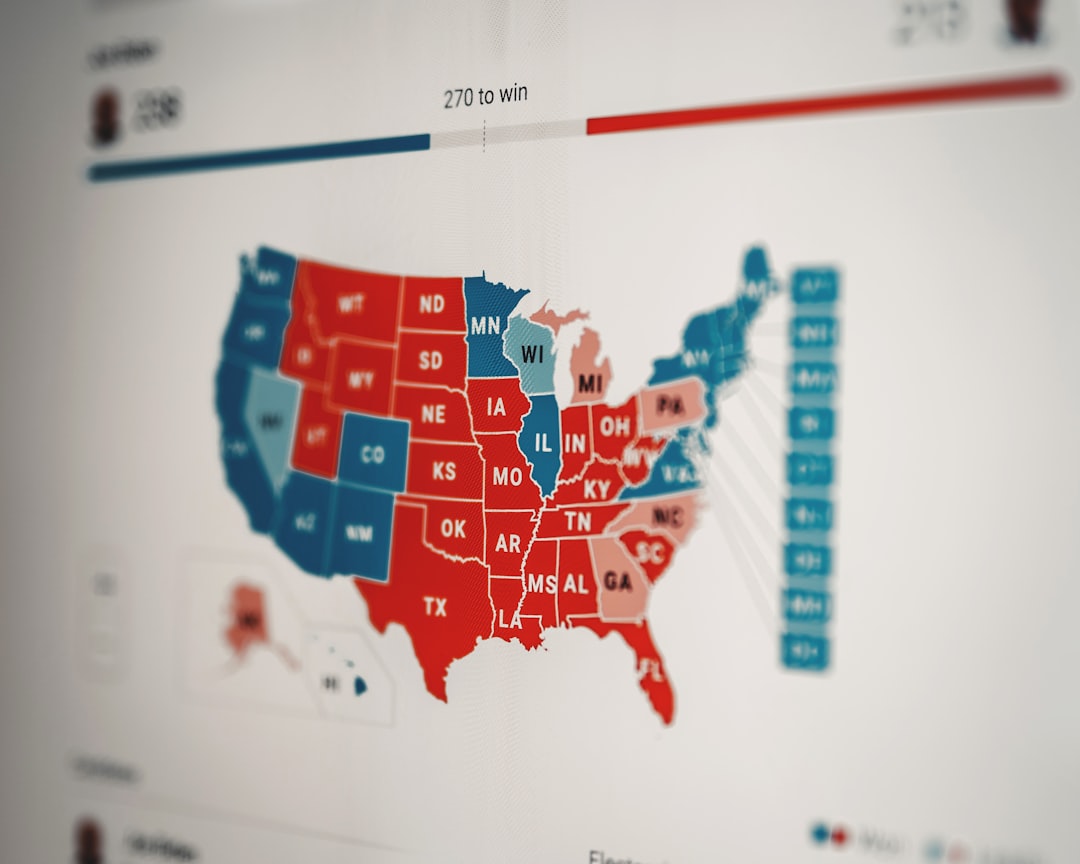
The upcoming election has been dominating headlines for months. With the recent change at the top of the Democratic ticket from Joe Biden to Kamala Harris has reenergized the campaign and put several states like Georgia and North Carolina back 'in-play' for the Democrats. Georgia has been identified as a key battle ground state for any candidate looking to win in November and it's why both Democrats and Republicans are frequent fliers to the Peach State with rallies and visits already. Those visits are also getting a lot of media attention and Georgia Southern University's experts are front and center assisting with the coverage. Joshua Kennedy, Ph.D. Associate Professor Department of Political Science and International Studies Areas of Expertise : Political Institutions, Congress, Presidential Power, Federal Bureaucracy, American Politics, American Presidency, Inter-Branch Relations, State Politics. The principal area of study and teaching for Joshua Kennedy, Ph.D., is in American politics, with a more particular focus on the presidency and the federal bureaucracy. Kennedy has presented his work at numerous conferences, including the Annual Meeting of the American Political Science Association and the Annual Meeting of the Midwest Political Science Association. His research has appeared in such outlets as American Politics Research, Research and Politics and Presidential Studies Quarterly. View profile and connect here Recent media: Joshua Kennedy has recently been interviewed by media such as WTOC 11, ABC News and Fox 28 in Savannah, Georgia, as well as various other local and regional media outlets when covering politics in Georgia. *** Kimberly Martin Tecklenberg, Ph.D. Assistant Professor Department of Political Science and International Studies Areas of Expertise: American Politics, Research Methods, Leadership, Public Policy, Education Policy, State Politics, LGBTQ+ Policy. Kimberly Martin Tecklenberg, Ph.D., teaches courses in American politics, research methods, leadership and public policy. Before pursuing her graduate degree, she worked as the Special Assistant for Secretary of Education Belle Wheelan and former Gov. Mark Warner of Virginia. While at the University of Florida, she worked with former Senator and Gov. Bob Graham to establish the Bob Graham Center for Public Service. After graduation, she moved to Tennessee where she served as Assistant Director of Research at the Tennessee Higher Education Commission. Her past experiences have influenced her current research interests, which focus on education policy, political leadership, state politics and LGBTQ+ policy. View profile and connect here Recent media: Kimberly Martin Tecklenberg has recently been interviewed by media such as NBC, FOX, Al- Jazeera and Courthouse News Service, in addition to various other local, regional and national outlets when covering politics in Georgia. If you're covering the election - our experts are here to help all the way to Nov. 5 and beyond. Visit our Expert Center for a full directory of Georgia Southern experts. Simply click on any expert's icon now to arrange an interview today.


NarrA.I.tive empowers storytellers by merging AI and traditional artistic crafts
Irvine, Calif., Aug. 26, 2024 — Beall Applied Innovation at the University of California, Irvine has announced the launch of NarrA.I.tive, a groundbreaking initiative that blends the university’s academic strengths with the global entertainment industry and the innovative spirit of Orange County to harness artificial intelligence as a force for good across creative industries. “As AI’s influence expands, the opportunity and responsibility to steer it in positive directions is crucial,” said Errol Arkilic, UC Irvine’s chief innovation officer. “Through NarrA.I.tive, we redirect doom-and-gloom scripts to scripts of inspiration, education and enthusiastic support for creators as artificial intelligence increasingly influences the industry.” NarrA.I.tive’s action plan includes establishing UC Irvine and Orange County as global leaders in reshaping the artistic and technological ecosystem surrounding storytelling, attracting partners and collaborators to support the state-of-the-art initiative, creating revenue-generating content and tools, unifying academic excellence with emerging content production methods, and developing a structure for efficient project execution and student involvement. Supporting NarrA.I.tive’s impact, Beall Applied Innovation has established a strategic collaboration with Apples and Oranges Arts, an Orange County-based nonprofit entertainment and education studio co-founded by UC Irvine alumnus Tim Kashani ’86, MBA ’88, and his wife, actress Pamela Winslow Kashani. Started in 2008, Apples and Oranges Arts empowers storytellers to become creative entrepreneurs by combining educational platforms, technological integration, and a thriving community of new and existing voices. “Through NarrA.I.tive, we blend the magic of storytelling with the power of technologies such as artificial intelligence and extended reality, creating narratives that touch hearts and minds in ways previously unimaginable,” Tim Kashani said. “This collaboration marks a new era of creativity and technology alignment that requires ethical stewardship placing the human front and center.” In July, Apples and Oranges Arts and Beall Applied Innovation finalized plans for the NarrA.I.tive Story Studio, to be located at the Cove@UCI in the campus’s Research Park. Apples and Oranges Arts will lead the studio’s charge through training in new technologies that drive the entertainment industry’s future and through collaboration with UC Irvine schools, involving students and faculty in tool development and content production. “We invite storytellers, technologists, philanthropists, investors and the global community to join us in reshaping the future of storytelling,” said Stuart Mathews, director of industry alliances at Beall Applied Innovation. “Together, we will explore the expanding possibilities that AI and technology bring to the narrative arts, redefining how stories inspire, entertain and elevate the human experience.” About the University of California, Irvine: Founded in 1965, UC Irvine is a member of the prestigious Association of American Universities and is ranked among the nation’s top 10 public universities by U.S. News & World Report. The campus has produced five Nobel laureates and is known for its academic achievement, premier research, innovation and anteater mascot. Led by Chancellor Howard Gillman, UC Irvine has more than 36,000 students and offers 224 degree programs. It’s located in one of the world’s safest and most economically vibrant communities and is Orange County’s second-largest employer, contributing $7 billion annually to the local economy and $8 billion statewide. For more on UC Irvine, visit www.uci.edu. Media access: Radio programs/stations may, for a fee, use an on-campus studio with a Comrex IP audio codec to interview UC Irvine faculty and experts, subject to availability and university approval. For more UC Irvine news, visit news.uci.edu. Additional resources for journalists may be found at https://news.uci.edu/media-resources.


If You Hate University Rankings Here’s One You Might Like
If your university cares about fostering research and innovation and you haven’t heard of the PitchBook Startup Index, you might want to pay closer attention to this data. While it doesn't look like the PitchBook folks are aiming to be a big player in the world of academic rankings, their detailed tracking activity of startup investments, which includes deal size, school affiliation, and employees, gives us a window into how each institution is performing on startup activity. Why This Is a University Ranking We Can Trust It's Objective: These rankings are based on detailed startup data that PitchBook dutifully tracks as part of many paid services it provides for clients that include VC's, Private Equity Funds and government agencies. The investors who pay for access to the underlying data expect accuracy and there is a considerable amount of meta information available for tracking as startups raise money and hire employees. It's Simple: The PitchBook rankings are free of the typical complexity found in other rankings such as the US News & World Report. They simply use a few key metrics including the number of startup founders affiliated with new ventures created at each institution and how much investment capital they have raised. It's Revealing: Ranking this data as a Top 100 Index gives us a good comparative view of which Universities are doing a good job of creating an entrepreneurial environment that stimulates learning and research while attracting investment capital and creating high-value jobs. Universities Need to Tell the Story Behind this Data to Build Support for Their Research & Startups This data is followed closely by University Research and Tech Transfer Offices. However, it should also be actively used by other departments, such as University Marketing and Communications, Government Affairs, Enrolment and Fundraising/Development which need to build support with legislators, policymakers, funding agencies, donors, and corporate partners - and yes, new student prospects. The relevance and accuracy of these rankings make this an important opportunity for you to tell your story and engage these audiences. "Promoting stories about your startups provides the perfect opportunity to demonstrate the relevance of your programs and narrow the gap between "town and gown." It's an opportunity to show how your faculty experts and researchers are nurturing innovation through startups to improve the lives of people in your local community and beyond." Did Your University Make the List? If the answer is yes, congrats! We would be remiss if I didn't recognize our clients who made the Top 100. Take a bow University of Florida, Vanderbilt University, University of Massachusetts, Michigan State University, University of California, Irvine and Rensselaer Polytechnic. Now it's time to get to work. As someone who has worked closely with startups and Universities over the past two decades, I see the immense value they create. That's why I'm surprised whenever I see university marketing teams missing valuable opportunities for promoting their faculty and research through the lens of startup activities. The Benefits of Celebrating Startups Research on startups (Shenkoya, 2023) shows that key factors such as access to research funds, dedicated faculty, size of dedicated staff (academic and non-academic), access to practical entrepreneurship courses, and non-regular curriculum startup activities are key factors responsible for success of University startups. However, proper funding for these programs in a challenging environment requires that Universities more effectively communicate the value they are delivering. Here's where you can shine: Media: This is an obvious opportunity, especially with local outlets. It provides the perfect opportunity to demonstrate the relevance of your programs and narrow the gap between "town and gown." Show how these startups are looking to improve the lives of people in the community. Corporate Partners: Startups are a natural focal point for conversations with industry partners, especially when you can speak to key market sectors and breakthrough research that faculty are focused on. Speak to how you are giving them more direct access to a pool of talented graduates. Also, don't forget to speak to programs you may be running in the areas of internships, mentorship programs, sponsored research, and curriculum development. Don't forget that engaging in educational partnerships helps companies improve their CSR profile, which can enhance their public image and brand. Also, explore how partners can financially support needed infrastructure improvements on the campus with funding for new facilities or new equipment. Students: Giving startups an opportunity to tell their stories and celebrate their achievements is one of the best ways to demonstrate how you are aligning your educational and entrepreneurship programs with industry needs. And don't forget to include your corporate partners. As employers, they are in the best position to show how you are preparing students for next-generation jobs. Show students how they will get direct exposure to the industry through programs you may be running, such as co-op terms, internships, and mentorships, and startup events such as boot camps and pitch competitions. Government: The data clearly shows that startups create high-value jobs and contribute to GDP growth. But governments today need constant reassurance that the funds they put into education and research are generating impact. You have to show the relevance of your startups by outlining how they are solving big societal problems that matter to voters. How are your startups leading socio-economic transformation for local communities and competing effectively on a global stage? Tips for Telling Your Startup Stories Focus on People Humanize your story by speaking directly to how founders and their teams are approaching key market and societal challenges. Focus on important "origin story" elements such as their personal challenges or insights that led them to their first discovery. Focus on notable collaborations they formed. How were faculty members or alumni involved in helping with research and market development or industry relationships? Create a story arc. Give your audience an appreciation for how hard startups are and the amount of uncertainty and risk they face in developing new innovations. Startups are not an overnight success. People are even more inspired by non-linear journeys that show the grit and determination that founders need to bring to their startups. Focus on Programs Always be thinking about how founders and their stories can help boost student enrolment by connecting their origin stories to specific experiences they had on the campus. Ask them how specific courses and programs prepared them for their entrepreneurial journey. Also ask them what other experiences such as campus mentorship programs, hackathons or pitch competitions helped them achieve specific breakthroughs and milestones. Focus on Photos & Videos Startups provide a great opportunity to engage your audience visually. Go beyond boring headshots, monolithic campus buildings, and staged stock images. Instead, use imagery that shows people creating new and exciting things together. This is not a time to be shy about asking founders, faculty, and funders to get in the shot and be recognized for their contributions. While you may think photo ops are overly promotional, they often help your partners communicate back to their constituency the importance of supporting your work. Walk the campus to get behind the scenes and show lab facilities, technology prototypes, and in-field work. Partners Profile notable investors, faculty, foundations, government agencies, alumni and corporate partners who may have invested time, money and other resources that help validate the quality of the startups you are helping build. Remember, startups are like a barn-raising, that involves a larger community. Give these partners an opportunity to be visible part of the story and they will celebrate with you and amplify your message to reach a bigger, more engaged audience. Proof Show evidence that the startups you are supporting are making a difference. Use your startups as an opportunity to speak to the bigger picture of why your institution matters. Speak to how they are tackling bigger challenges in areas such as environment, healthcare, social justice, the economy, physical infrastructure, security, election integrity and social innovation. Also make sure to demonstrate measurable impact in key areas such as: Total Addressable Market Job creation Investment activities Industry Awards Partnerships Patents Customer /Revenue Milestones It's Your Time to Shine In an era where impact is increasingly measured by the ability to translate research into real-world applications, universities have a unique opportunity to show the value of their startup ecosystems. But you need to get the stories out beyond the campus. Use your momentum to build a compelling narrative that makes your startups the heroes of your institution's story.


University of Delaware's Center for Political Communication unveils new vision, goals and leadership
The University of Delaware's Center for Political Communication (CPC) is excited to announce a transformative new chapter with the unveiling of its updated vision, goals and leadership for 2024 and beyond. Since its founding in 2010, the CPC has been at the forefront of innovative public opinion research on politics and media, always with an eye towards protecting and improving American democracy. With this new chapter, the CPC is actively integrating political psychology (the study of how and why people make political judgments and form political beliefs) into the study of public opinion and media effects. “Our vision is responsible democracy-centered journalism informed by our rigorous research on Americans’ thoughts, feelings, knowledge and behaviors,” says Dr. Dannagal Young, incoming Director of the Center for Political Communication. “In a few weeks, will be releasing new data on Americans’ knowledge and beliefs about abortion – an issue on which there are widespread misperceptions. Later this fall we are also launching an interdisciplinary initiative to understand the relationship between Americans’ personal wellbeing and their support for democratic institutions and norms.” By producing high-quality research at the intersection of media, politics and psychology, the CPC strives to elevate public conversations and inform news coverage to improve democratic health. Additionally, the Center seeks to serve as a vital resource for journalists, offering expert commentary and empirical data to encourage democratically responsible journalism. With this new direction comes new leadership, bringing together a team of esteemed scholars from Political Science, Communication and Journalism: Director Dr. Dannagal Young, Professor in the Departments of Communication and Political Science and International Relations, TED speaker, and author of Wrong: How Media, Politics, and Identity Drive our Appetite for Misinformation (Johns Hopkins, 2023) and Irony and Outrage: The Polarized Landscape of Rage, Fear, and Laugher in the U.S. (Oxford, 2020). Areas of Expertise: Misinformation, Political Satire, American Politics, the Psychology of Media Effects. Associate Director Dr. Erin Cassese, Professor in the Departments of Political Science and International Relations, Communication, and Women and Gender Studies, co-author of Abortion Attitudes and Polarization in the American Electorate (Cambridge, 2024). Areas of Expertise: Gender, Abortion, Public Opinion, Campaigns and Elections. Director of Research Dr. Phil Jones, Associate Professor in the Department of Political Science and International Relations, current Editor-in-Chief at Public Opinion Quarterly. Areas of Expertise: Electoral Politics and Public Opinion. Director of Engagement Dr. Lindsay Hoffman, Associate Professor in the Departments of Communication and Political Science and International Relations, and research leader for the American Council of Trustees and Alumni two-year Braver Angels project funded by the John Templeton Foundation. Areas of Expertise: Communication across Difference, Media Technologies, and Political Participation. Delaware Politics Director Dr. Paul Brewer, Professor in the Departments of Communication and Political Science and International Relations, co-author of Science in the Media: Popular Images and Public Perceptions (Routledge, 2021), former editor of the International Journal of Public Opinion Research. Areas of Expertise: Delaware Politics, Media effects, Political and Science Communication, Public Opinion, and Perceptions of Science. Delaware Debate Director: Nancy Karibjanian, Director of the University of Delaware’s Journalism program, faculty member in the Department of Communication, and former Director of the CPC with 30 years of broadcast experience. Areas of Expertise: Broadcast Journalism, and Delaware Debates. The CPC’s goals reflect its commitment to a vibrant and collaborative research environment that engages scholars and students at all levels. The CPC will continue to spearhead interdisciplinary research across the domains of communication, political psychology, public opinion, media effects, and public policy. The Center offers applied research opportunities for both graduate and undergraduate students in communication and political science, as well as an undergraduate minor in political communication, thus mentoring the next generation of scholars and practitioners. The CPC is proud to put its academic research to work in service of American democratic health.


Low Turnout Expected for Updated COVID Vaccine
Dr. Martine Hackett, associate professor and chair of Hofstra’s Department of Population Health, told Newsday that she believes many people will not get the recently updated vaccine for COVID-19. Less than a quarter of adults and less than 15 percent of children received last year’s vaccine. “I would predict that there would be much less of an uptake, in part because folks have gotten COVID in big numbers over the last few months; there was a summer surge. So some people might feel like they don’t need the vaccine because they feel protected from their recent infection,” she said. “But just in general, there’s just a lack of urgency around the need to get the most recent version of the vaccine.” Dr. Hackett's research focuses on public health and health inequities, particularly in the American suburbs and minority communities. She's available to speak with media - simply click on her icon now to arrange an interview today.

