
Experts Matter. Find Yours.
Connect for media, speaking, professional opportunities & more.

Discussing the Boundaries of Presidential Power
Dr. Meena Bose was a guest on “The Civic Brief” podcast to discuss Constitution Day and presidential power. She and host Dr. Isaiah “Ike” Wilson III discuss how the framers of the Constitution envisioned the presidency, Alexander Hamilton’s idea of “energy in the executive,” and the guardrails of checks and balances that are supposed to limit executive overreach. The podcast is also available to watch on YouTube. Dr. Bose is a Hofstra University professor of political science, executive dean of the Public Policy and Public Service program, and director of the Kalikow Center for the Study of the American Presidency.


Aging in context: Why culture matters in discussions on menopause
How do we age? Why do we age? And why are experiences of menopause and midlife so different across cultures? These are the driving questions behind the work of Melissa Melby, a medical anthropologist and professor at the University of Delaware. For more than 25 years, Melby has been exploring how biology and culture intersect to shape the way people experience aging and menopause. Her new book, Reframing Aging: Insights from Biology and Culture of Midlife Japanese, introduces a biocultural framework that goes beyond the “what” of aging to ask both how (the immediate mechanisms) and why (the deeper evolutionary reasons) we age and experience menopause the way we do. By weaving together insights from evolutionary biology, anthropology, medicine and lived experience, Melby challenges what many consider to be the “normal” path of midlife. Her research highlights how cultural expectations, medical practices, social structures and lifestyle habits can profoundly influence not just how symptoms are treated – but how they are perceived in the first place. What may be pathologized in one society could be understood as a natural stage of life in another. As conversations around women’s health, longevity and healthy aging gain overdue attention, Melby’s cross-disciplinary expertise offers journalists a fresh lens for exploring some of the most universal – and misunderstood – aspects of human life. For stories that bridge science, culture and health, Melby provides a rare perspective: one that reframes aging and menopause not as fixed biological destinies, but as experiences shaped by the complex interplay of our bodies, histories, and communities. Reporters interested in speaking to Melby can email mediarelations@udel.edu.

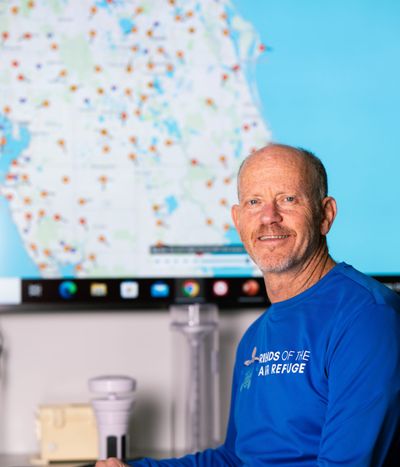
By Steven Lazarus Like many coastal regions, Florida’s Space Coast faces significant climate resilience challenges and risks. According to the National Oceanic and Atmospheric Administration (NOAA), Florida has over 8,000 miles of shoreline, more than any other state in the contiguous U.S. In addition, the 2020 census indicates that that there are 21 million Florida residents, 75-80% of which live in coastal counties. This makes our state particularly vulnerable to rising sea levels, which are directly responsible for a host of coastal impacts, such as saltwater intrusion, sunny-day (high-tide) flooding, worsening surge, etc. There is growing evidence that storms are becoming wetter as the atmosphere warms— increasing the threat associated with compound flooding, which involves the combined effects of storm surge, rainfall, tides and river flow. Inland flooding events are also increasing due to overdevelopment, heavy precipitation and aging and/or inadequate infrastructure. The economic ramifications of these problems are quite evident, as area residents are confronted with the rising costs of their homeowners and flood insurance policies. As the principal investigator on a recently funded Department of Energy grant, Space Coast ReSCUE (Resilience Solutions for Climate, Urbanization, and Environment), I am working with Argonne National Laboratory, Florida Tech colleagues, community organizations and local government to improve our climate resilience in East Central Florida. It is remarkable that, despite its importance for risk management, urban planning and evaluating the environmental impacts of runoff, official data regarding local flooding is virtually nonexistent! Working alongside a local nonprofit, we have installed 10 automated weather stations and manual rain gauges in what was previously a “data desert” east of the Florida Tech campus: one at Stone Magnet Middle School and others at local homes. “We think that a ‘best methods’ approach is proactive, informed and cost-effective. The foundation of good decision-making, assessment and planning is built on data (model and observations), which are critical to adequately addressing the impact of climate on our communities.” – steven lazarus, meteorology professor, ocean engineering and marine sciences Data from these stations are available, in real-time, from two national networks: CoCoRaHS and Weather Underground. The citizen science initiative involving the rain gauge measurements is designed to document flooding in a neighborhood with limited resources. In addition to helping residents make informed choices, these data will also provide a means by which we can evaluate our flood models that will be used to create highly detailed flood maps of the neighborhood. We are working with two historic extreme-precipitation events: Hurricane Irma (2017) and Tropical Storm Fay (2008)—both of which produced excessive flooding in the area. What might the local flooding look like, in the future, as storms become wetter? To find out, we plan to simulate these two storms in both present-day and future climate conditions. What will heat stress, a combination of temperature and humidity, feel like in the future? What impact will this have on energy consumption? The station data will also be used develop and test building energy-efficiency tools designed to help the community identify affordable ways to reduce energy consumption, as well as to produce high-precision urban heat island (heat stress) maps that account for the impact of individual buildings. The heat island and building energy modeling will be complemented by a drone equipped with an infrared camera, which will provide an observation baseline. We think that a “best methods” approach is proactive, informed and cost-effective. The foundation of good decision-making, assessment and planning is built on data (model and observations), which are critical to adequately addressing the impact of climate on our communities.


Expert Research: The Fourth Industrial Revolution, Artificial Intelligence and Domestic Conflict
Artificial Intelligence is often framed as a driver of innovation. But it also has the power to disrupt the very foundations of our societies. In a recent study, experts Craig Albert, PhD, and Lance Hunter, PhD, from Augusta University explored how AI, as part of the Fourth Industrial Revolution, could reshape economies, politics and security within states. Here are three key takeaways from the research: AI brings breakthroughs in health care, logistics and engineering, but also disrupts jobs and economies. Unmanaged disruption can fuel instability, widening inequality and increasing risks of unrest or domestic conflict. Governments must act now with retraining, adaptive policies and strong governance to harness AI’s benefits while reducing risks. Lance Hunter, PhD, is an assistant professor of political science with a background in international relations. His research focuses on how terrorist attacks influence politics in democratic countries and how political decisions within countries affect conflicts worldwide. Hunter teaches courses in international relations, security studies and research methods. He received his PhD in Political Science from Texas Tech University in 2011. View his profile here. Craig Albert, PhD, is a professor of Political Science and the graduate director of the PhD in Intelligence, Defense, and Cybersecurity Policy and the Master of Arts in Intelligence and Security Studies at Augusta University. His areas of concentration include international security studies, cybersecurity policy, information warfare/influence operations/propaganda, ethnic conflict, cyberterrorism and cyberwar, and political philosophy. View his profile here. The question we face is not whether AI will transform society (it already is!) but how we will manage that transformation to strengthen rather than destabilize. What steps do you think policymakers should prioritize to prepare for this future? Here's the abstract from the paper in Research Gate: An emerging field of scholarship in Artificial Intelligence (AI) and computing posits that AI has the potential to significantly alter political and economic landscapes within states by reconfiguring labor markets, economies and political alliances, leading to possible societal disruptions. Thus, this study examines the potential destabilizing economic and political effects AI technology can have on societies and the resulting implications for domestic conflict based on research within the fields of political science, sociology, economics and artificial intelligence. In addition, we conduct interviews with 10 international AI experts from think tanks, academia, multinational technology companies, the military and cyber to assess the possible disruptive effects of AI and how they can affect domestic conflict. Lastly, the study offers steps governments can take to mitigate the potentially destabilizing effects of AI technology to reduce the likelihood of civil conflict and domestic terrorism within states. Read the full report here: Looking to know more? Let us help. Both Albert and Hunter are available to speak with media. Simply click on either experts icon now to arrange an interview today.


America's literacy emergency continues; experts available with solutions
September is more than back-to-school season. It is also National Literacy Month. This return to the classroom and yearly recognition remind us of the urgent need to ensure every child has the literacy skills to thrive in school and beyond. One such example of this is Delaware. Despite recent gains in statewide test scores, Delaware leaders have warned: a literacy emergency persists. Too many children – especially those from marginalized communities – are still being left behind in reading proficiency. The University of Delaware’s College of Education and Human Development is helping to change that. CEHD’s literacy experts are advancing research, building partnerships, and equipping educators with evidence-based strategies that make an impact. Annastasia Purinton and Steve Amendum work with the WTG Foundation to strengthen school-community partnerships that bring literacy support directly to students who need it most. Stephanie Del Tufo, whose recent essay in The Conversation spotlighted the science of reading, studies how early learning and memory processes shape literacy development. Adrian Pasquarella focuses on multilingual learners, helping educators bridge language learning and literacy growth – an area of growing importance in Delaware’s diverse classrooms. Rebecca Joella and colleagues at the Delaware Institute for Excellence in Early Childhood are leading professional development efforts that equip early educators to foster strong literacy skills from the start. These experts bring research to life – translating what works in the classroom into scalable practices and policies. Their work underscores a powerful truth: literacy is not just an academic milestone, it is the foundation for opportunity, equity and lifelong success. As Delaware and the nation confront the literacy crisis, CEHD stands at the forefront with the evidence, expertise and partnerships to make a lasting difference. To speak to any of these experts, please email mediarelations@udel.edu.
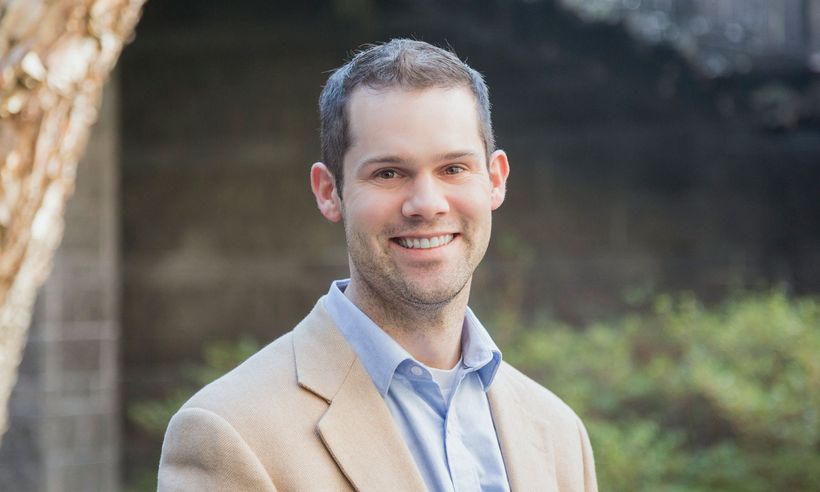
Michael McClure, Ph.D., associate professor from the Department of Biomedical Engineering and affiliate faculty in the Department of Orthopaedic Surgery and in the Institute for Engineering and Medicine, has been named chair of the Orthopaedic Research Society’s (ORS) newly launched Skeletal Muscle Section. The section began in August 2025, building on research interest groups and symposia to create a dedicated home for skeletal muscle studies within ORS. Its mission is to advance collaboration, innovation, education and translation in this field. Skeletal muscle disorders cause disability, chronic pain and high health care costs. Severe injuries and degenerative diseases, such as muscular dystrophies, remain difficult to treat. The section will strengthen research in muscle development, aging, trauma, disuse and disease. This work will expand the basic understanding of and identify therapeutic targets to restore function. In its first year, the section will measure success through increased skeletal muscle abstracts at the 2027 ORS Annual Meeting, growth in ORS membership and active participation in section programs. “We are thrilled to launch the Skeletal Muscle Section,” McClure said. “This home for translational muscle research will build on ORS progress over the past 10 years, help recruit new members and foster an environment that connects multiple areas of orthopaedic science.” McClure’s commitment to this work is shaped by his family’s experience with neuromuscular diseases, witnessing the impact of war-related injuries on patients’ quality of life from the Richmond Veterans Affairs Medical Center, and the momentum of translational discovery. Learn more about the ORS Skeletal Muscle Section.


As the Gaza City ground offensive has begun - FAU has a leading expert on the region
Israel has launched a massive ground incursion into Gaza City. Aiming to destroy what the Israeli government has said is one of the last remaining Hamas strongholds. The offensive will escalate further fighting as the Israeli military indicated this current attempt to remove Hamas strongholds could take months. The attack on Gaza City has drawn criticism from allies of Israel who are seeking to see a stop the fighting and see peace in a region. Media are also watching - and looking looking for experts like Florida Atlantic's Robert Rabil who has been commenting and contributing on this topic since the conflict began almost two years ago. Florida Atlantic University's political science professor, Robert Rabil Ph. D. is a star expert in political Islam, terrorism, U.S. foreign policy, and U.S.-Arab relations. His expertise has appeared in major newspapers and academic journals, including the Wall Street Journal, Chicago-Sun Times, Daily Star (Beirut), History News Network, National Interest, CNN, Middle East Journal, Middle East Policy, the Journal of International Security Affairs, Middle East Quarterly, and Middle East Review of International Affairs. He has also contributed several book chapters on political Islam and Middle Eastern politics. Rabil is available to speak with media. Simply click on Rabil’s icon now to arrange an interview today.


Swimming in the deep: MSU research reveals sea lamprey travel patterns in Great Lakes waterways
Why this matters: Invasive sea lampreys prey on most species of large Great Lakes fish such as lake trout, brown trout, lake sturgeon, lake whitefish, ciscoes, burbot, walleye and catfish. These species are crucial to Great Lakes ecosystems and to the region’s fishing industry. Understanding how sea lampreys migrate can inform management and conservation strategies, such as developing methods to catch the invasive fish that don’t involve dams, which reduce river connectivity, or lampricide, a pesticide that some communities and groups prefer not to use. The Great Lakes fishing industry is worth $7 billion and provides 75,000 jobs to the region. Reducing the amount of sea lamprey in waters is crucial for the industry’s well-being and the economic vitality of the Great Lakes. How do you catch an invasive fish that’s solitary, nocturnal and doesn't feed on bait? Researchers in the Michigan State University College of Agriculture and Natural Resources are one step closer to figuring it out. In a study published in the Journal of Experimental Biology and funded by the Great Lakes Fishery Commission, Kandace Griffin, a fisheries and wildlife doctoral student, and Michael Wagner, professor in the MSU Department of Fisheries and Wildlife, found that sea lampreys — a parasitic fish considered an invasive species in the Great Lakes region of the U.S. — follow a clear pattern of staying in the deepest parts of a river. These findings are important for informing sea lamprey management strategies, conservation of fish species native to the Great Lakes and protecting the region’s $7 billion fishing industry and the 75,000 jobs it provides. “We wanted to know how sea lampreys are making their movement decisions when migrating,” Griffin said. “Are they guided by certain environmental cues? Are they moving through areas that are safer? How can we potentially exploit those decisions or maybe manipulate them into going somewhere that they don’t want to go, like pushing them into a trap.” The primary methods used to control sea lamprey are dams that block them from entering waterways and lampricide, a species-specific pesticide that targets lamprey larvae. “Dams create a lot of challenges for conserving river ecosystems: They block all the other fish that are moving up and down in the system. Even though lampricide is proven to be safe and effective, there are communities that are uncomfortable with its use going into the future,” Wagner said. “Figuring out the right way to fish sea lamprey would decrease its population, lower reproduction rates and provide managers with the opportunity to match their control tactics to the community’s needs.” To track lamprey movements, Griffin and Wagner used a method called acoustic telemetry, which involved using sound emitted from a surgically implanted tag to track the movement of 56 sea lampreys in the White River near Whitehall, Michigan. Griffin likened acoustic telemetry to GPS. “There’s a tag that emits sound and has a unique transmission with a unique identification code, so I know exactly which fish is going where,” she said. “The receivers are listening for that sound and then calculating the time it reaches each receiver. We used this information to triangulate the position of the sea lamprey and analyzed it to find out how they’re using the river’s environmental traits to make decisions on where to swim.” Of the 56 lampreys studied, 26 of them (46%), consistently chose the deepest quarter of the river. “For nearly 20 years we have been discovering how sea lampreys migrate along coasts and through rivers. Now, thanks to Kandace’s work, we know where their movement paths come together near a riverbank — the perfect place to install a trap or other fishing device,” Wagner said. “That knowledge can be used to find similar sites across the Great Lakes basin.” Right now, a fishing device designed to catch bottom-swimming, solitary, nonfeeding, nocturnal sea lamprey doesn’t exist. However, Wagner notes there are places around the world — including Indigenous communities in the U.S. — where people have fished migratory lampreys of various species for hundreds of years and could help inform the creation of such a mechanism. “We have recently had a proposal funded to scour the Earth in search of knowledge, both scientific and traditional, about how to capture migrating lampreys and similar fishes,” Wagner said. “We want to talk with the communities of people who have histories fishing these animals and use this information, along with other data we’ve gathered, to conceive a device that could be used to fish sea lampreys.” Griffin views the new intel on lamprey migration patterns as a way to inform fishing practices to complement some of the existing control methods. “Hopefully, we can use this as a supplemental control method to the use of the barriers or dams,” she said. “We have societal pressure to remove barriers to enhance river connectivity, and some barriers are failing. Open water trapping is another way that we could try to still combat the invasive sea lamprey problem here but also promote river connectivity and other conservation goals for other species.” Wagner shares the same perspective. “When a community, or the Great Lakes Fishery Commission, or the governments of Canada and the U.S. come in and say, ‘We’d really rather be able to control this river with something other than lampricide,’ we want to be able to be able to provide 360-degree solutions that specify where to fish, when to fish and how to fish using fully prototyped and tested equipment,” he said. “We want our science to help solve real-world problems.”

Professor Roslyn Bill selected for the inaugural cohort of the Big if True Science accelerator
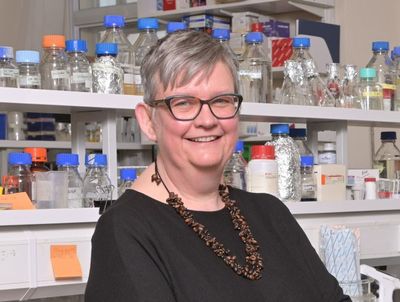
Professor Roslyn Bill is the director of Aston Institute for Membrane Excellence (AIME) The Big if True Science (BiTS) accelerator aims to bridge the gap between cutting-edge lab science and multi-million-dollar collaborative projects Professor Bill’s research is focused on the brain’s plumbing system and developing drugs against traumatic brain injury and cognitive decline. Professor Roslyn Bill, director of Aston Institute for Membrane Excellence (AIME), has been selected as an inaugural fellow of the new Big if True Science (BiTS) accelerator. BiTS was set up by a non-profit organisation, Renaissance Philanthropy, to support its scientist and innovator fellows in developing groundbreaking research initiatives and equip them with the tools, skills, and networks needed to design high-impact, collaborative research programmes and technical projects with multi-million-dollar budgets beyond their own laboratories. The first cohort of 12 fellows was selected after a highly competitive process. The cohort represents diverse fields including neuroscience, environmental engineering, biomedical research, and materials science. Over a 15-week period, they will transform their breakthrough concepts into fundable eight-figure R&D programmes, before pitching their ideas to funders on 10 December 2025. Professor Bill’s research focuses on the glymphatic system, the brain’s ‘plumbing’ system, which facilitates the movement of fluid and clears waste products. Water moves in and out of brain cells through tiny protein channels in the cell membrane called aquaporins. Uncontrolled water entry, for example, after a head injury, can cause catastrophic swelling and severe brain injuries of the type suffered by racing driver Michael Schumacher after a skiing accident. When the flow is impeded, for example, as we age, waste products can build up, leading to diseases like Alzheimer’s. In 2020, Professor Bill was lead author on a paper published in the prestigious journal Cell on how the flow of water through aquaporin-4 is controlled. She is now researching drugs to affect this process, which could have a huge impact on the treatment of traumatic brain injury and cognitive decline. Professor Bill said: “Every year, tens of millions of people are affected by injuries to their brains. Every three seconds, someone in the world develops dementia. There are no medicines that can fix these terrible conditions. Being an inaugural member of BiTS is a great honour, and I am delighted to be in the company of truly inspiring people. This exciting programme offers hope to patients for whom no medicines are available!”


First scientific paper on 3I/ATLAS interstellar object
When the news started to spread on July 1, 2025, about a new object that was spotted from outside our solar system, only the third of its kind ever known, astronomers at Michigan State University — along with a team of international researchers — turned their telescopes to capture data on the new celestial sighting. The team rushed to write a scientific paper on what they know so far about the object, now called 3I/ATLAS, after NASA’s Asteroid Terrestrial-impact Last Alert System, or ATLAS. ATLAS consists of four telescopes — two in Hawaii, one in Chile and one in South Africa — which automatically scans the whole sky several times every night looking for moving objects. MSU’s Darryl Seligman, a member of the scientific team and an assistant professor in the College of Natural Science, took the lead on writing the paper. “I heard something about the object before I went to bed, but we didn’t have a lot of information yet,” Seligman said. “By the time I woke up around 1 a.m., my colleagues, Marco Micheli from the European Space Agency and Davide Farnocchia from NASA’s Jet Propulsion Laboratory, were emailing me that this was likely for real. I started sending messages telling everyone to turn their telescopes to look at this object and started writing the paper to document what we know to date. We have data coming in from across the globe about this object.” The discovery Larry Denneau, a member of the ATLAS team reviewed and submitted the observations from the European Southern Observatory's Very Large Telescope in Chile shortly after it was observed on the night of July 1. Denneau said that he was cautiously excited. “We have had false alarms in the past about interesting objects, so we know not to get too excited on the first day. But the incoming observations were all consistent, and late that night it looked like we had the real thing. “It is especially gratifying that we found it in the Milky Way in the direction of the galactic center, which is a very challenging place to survey for asteroids because of all the stars in the background,” Denneau said. “Most other surveys don't look there.” John Tonry, another member of ATLAS and professor at the University of Hawaii, was instrumental in design and construction of ATLAS, the survey that discovered 3I. Tonry said, “It's really gratifying every time our hard work surveying the sky discovers something new, and this comet that has been traveling for millions of years from another star system is particularly interesting.” Once 3I/ATLAS was confirmed, Seligman and Karen Meech, faculty chair for the Institute for Astronomy at the University of Hawaii, both managed the communications flow and worked on getting the data pulled together for submitting the paper. “Once 3I/ATLAS was identified as likely interstellar, we mobilized rapidly,” Meech said. “We activated observing time on major facilities like the Southern Astrophysical Research Telescope and the Gemini Observatory to capture early, high-quality data and build a foundation for detailed follow-up studies.” After confirmation of the interstellar object, institutions from around the world began sharing information about 3I/ATLAS with Seligman. What scientists know about 3I/ATLAS so far Though data is pouring in about the discovery, it’s still so far away from Earth, which leaves many unanswered questions. Here’s what the scientific team knows at this point: It is only the third interstellar (meaning from outside our solar system) object to be detected passing through our solar system. It’s potentially giving off gas like other comets do, but that needs to be confirmed. It’s moving really fast at 60 kilometers per second, or 134,000 miles per hour, relative to the sun. It’s on an orbital path that is shaped like a boomerang or hyperbola. It’s very bright. It’s on a path that will leave our solar system and not return, but scientists will be able to study it for several months before it leaves. The James Webb Space Telescope and the Hubble Space Telescope are expected to reveal more information about its size, composition, spin and how it reacts to being heated over the next few months. “We have these images of 3I/ATLAS where it’s not entirely clear and it looks fuzzier than the other stars in the same image,” said James Wray, a professor at Georgia Tech. “But the object is pretty far away and, so, we just don’t know.” Seligman and his team are specifically interested in 3I/ATLAS’s brightness because it informs us about the evolution of the coma, a cloud of dust and gas. They’ve been tracking it to see if it has been changing over time as the object moves and turns in space. They also want to monitor for sudden outburst events in which the object gets much brighter. “3I/ATLAS likely contains ices, especially below the surface, and those ices may start to activate as it nears the sun,” Seligman said. “But until we detect specific gas emissions, like H₂O, CO or CO₂, we can’t say for sure what kinds of ice or how much are there.” The discovery of 3I/ATLAS is just the beginning. For Tessa Frincke, who came to MSU in late June to begin her career as a doctoral student with Seligman, having the opportunity to analyze data from 3I/ATLAS to predict its future path could lead to her publishing a scientific paper of her own. “I’ve had to learn a lot quickly, and I was shocked at how many people were involved,” said Frincke. “Discoveries like this have a domino effect that inspires novel engineering and mission planning.” For Atsuhiro Yaginuma, a fourth-year undergraduate student on Seligman’s team, this discovery has inspired him to apply his current research to see if it is possible to launch a spacecraft from Earth to get it within hundreds of miles or kilometers to 3I/ATLAS to capture some images and learn more about the object. “The closest approach to Earth will be in December,” said Yaginuma. “It would require a lot of fuel and a lot of rapid mobilization from people here on Earth. But getting close to an interstellar object could be a once-in-a-lifetime opportunity.” “We can’t continue to do this research and experiment with new ideas from Frincke and Yaginuma without federal funding,” said Seligman, who also is a postdoctoral fellow of the National Science Foundation. Seligman and Aster Taylor, who is a former student of Seligman’s and now a doctoral candidate in astronomy and astrophysics and a 2023 Fannie and John Hertz Foundation Fellow, wrote the following: “At a critical moment, given the current congressional discussions on science funding, 3I/ATLAS also reminds us of the broader impact of astronomical research. An example like 3I is particularly important to astronomy — as a science, we are supported almost entirely by government and philanthropic funding. The fact that this science is not funded by commercial enterprise indicates that our field does not provide a financial return on investment, but instead responds to the public’s curiosity about the deep questions of the universe: Where did we come from? Are we alone? What else is out there? The curiosity of the public, as expressed by the will of the U.S. Congress and made manifest in the federal budget, is the reason that astronomy exists.” In addition to MSU, contributors to this research and paper include European Space Agency Near-Earth Objects Coordination Centre (Italy), NASA Jet Propulsion Laboratory/Caltech (USA), University of Hawaii (USA), Auburn University (USA), Universidad de Alicante (Spain), Universitat de Barcelona (Spain), European Southern Observatory (Germany), Villanova University (USA), Lowell Observatory (USA), University of Maryland (USA), Las Cumbres Observatory (USA), University of Belgrade (Serbia), Politecnico di Milano (Italy), University of Michigan (USA), University of Western Ontario (Canada), Georgia Institute of Technology (USA), Universidad Diego Portales, Santiago (Chile) and Boston University (USA).