
Experts Matter. Find Yours.
Connect for media, speaking, professional opportunities & more.

Researchers seek to apply nanoparticle drug delivery to coral wound healing
Coral reefs are the foundation of many aquatic ecosystems and are among the ocean’s most vulnerable inhabitants. While natural processes, like animal predation and storms, frequently damage coral, man-made causes, like ship collisions and global warming, destabilize these environments beyond their ability to recover. Researchers like Nastassja Lewinski, Ph.D., associate professor of chemical and life science engineering, are working to understand how corals heal in order to aid the restoration of these fragile ecosystems. They also seek partnerships with stakeholders that can support coral preservation by applying this research to industry practices and providing funding for continued research. “Coral ecosystems are vital to human life,” Lewinski said, “When there’s a high-intensity storm, reefs can absorb the impact and reduce the damage we see on land. They’re also important to the aquatic food web and serve as the foundation to many foods we eat.” Discovering the limits of coral healing is part of Lewinski’s work. Ideal water temperature for coral is 25 degrees Celsius, so research is conducted at the ideal temperature and elevated temperatures of 28 to 31 degrees Celsius, the projected water temperatures influenced by global warming. Successive imaging of wound closure in these conditions builds an understanding of the rate of closure during healing. “We’re looking to understand the mechanics of healing,” Lewinski said, “Some of what we’ve found suggests a process similar to human healing. We want to understand the actors in this process at a cellular level and what their role is in repairing tissue.” These observations inform the mathematical, cell-based wound healing model developed by Lewinski’s collaborators, Angela Reynolds, Ph.D. and Rebecca Segal, Ph.D., both professors in the Department of Mathematics and Applied Mathematics in VCU’s College of Humanities and Sciences. Similar to humans, corals have been documented as following the same four stages of the healing process. These stages include: 1) coagulation to close the site of injury, 2) infiltration with immune cells to ward off infection, 3) cell migration and proliferation and 4) scar remodeling. “With our observations and a mathematical model, the next step is to collect data on the cellular dynamics of the healing process,” Lewinski said, “We want to observe what kinds of cells enter the wound area and what functions they perform during healing.” Fluorescent tagging is used to mark specific cells so they may be observed entering the wound area when healing occurs. Because corals are naturally fluorescent, the selection of the fluorescent tags must take this into account. Phagocytic properties allow immune cells to engulf and absorb bacteria and other small cells, in this case the fluorescent particles being used to tag immune cells. Nutritional variables are also being considered within the experiment. Corals derive energy from consuming small organisms and their symbiotic relationship with algae colonies. Modifying nutritional balance in the lab emulates the coral’s participation in the food web, where accessibility to vital nutrients could impact healing. Developing a nanoparticle drug-delivery system designed to deliver molecules to speed wound healing is the culmination of this research. Lewinski hypothesizes the delivery system would promote an energy-burning state within the corals that could result in increased healing. This is among a few examples of harnessing nanotechnology for safeguarding coral reefs, which are discussed in a recently published comment in Nature Nanotechnology. “The research we’re doing on wound healing in corals is the start of something bigger,” Lewinski said. “Our goal is to create a center dedicated to engineering new technologies for corals. We want to find partners who can translate our research findings to practice, helping preserve coral reefs and the vital resources they provide.” Through this consortium, newly-developed science can be disseminated more effectively within each partner’s respective industry. The result: a renewed commitment to aquatic sustainability and the protection of vital coral ecosystems.


Florida Tech Scientist to Study Deep-Space Agriculture After Planetary Society Grant Award
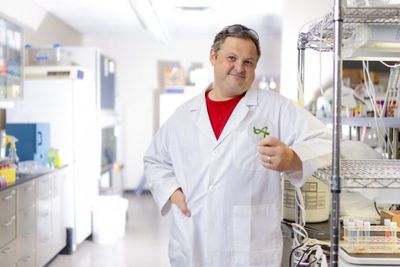
No matter where humans travel, sustenance remains a necessity. Finding a bite to eat during a visit to New York, for example, is no problem. When the destination is a bit farther away, such as Mars, the options are not as plentiful there or on the long journey to get there. That’s where Florida Tech’s Andrew Palmer comes in. He and other scientists are exploring ways to feed our explorers, and a new competitive grant from the Planetary Society will fund work that examines the two most likely ways to produce food during travel to these far-flung spots: in soil or something like soil, or in water. Palmer and his team were awarded a $50,000 Science and Technology Empowered by the Public (STEP) grant, the Planetary Society recently announced. Their project: “Evaluation of food production systems for lunar and Martian agriculture.” For the next year, they will grow radish microgreens, lettuce and tomatoes in identical environmental conditions with one major exception: one batch will be grown hydroponically, and another will be grown in regolith – like lunar or Martian soil. The aim of the experiment is to characterize and compare the two methods, both of which have merits and shortcomings. “It may be that a combination of these approaches, tailored to the diverse needs of different crops, is the best way to provide sustainable and productive agriculture,” Palmer said. “Until now, there have been no direct comparison studies between hydroponic and regolith-based systems for any crop targeted for space applications. We are excited to address this knowledge gap.” The team, which includes experts in plant physiology and biochemistry as well as space agriculture and systems efficiency analysis, will test their hypothesis that faster growing crops like microgreens will be better suited for hydroponic systems even in the long term, while slower-growing crops like tomatoes may favor a regolith-based production system. Palmer and his co-investigator, Rafael Loureiro from Winston-Salem University, are joined by collaborators J. Travis Hunsucker and Thiara Bento from Florida Tech, Laura E. Fackrell at the Jet Propulsion Laboratory and Jéssica Carneiro Oliveira at Universidade Federal do Estado do Rio de Janeiro, Brazil. Care to delve a little deeper? Palmer and a second STEP grant recipient, Dartmouth College professor Jacob Buffo, spoke to the Planetary Society senior communications advisor Mat Kaplan about their respective projects. The segment with Palmer begins at the 23:57 mark and the piece is linked above. Looking to know more about what it will take to feed our deep-space explorers? Then let us help with your questions and coverage. Dr. Andrew Palmer is an associate professor of biological sciences at Florida Tech and a go-to expert in the field of Martian farming. He is available to speak with media regarding this and related topics. Simply click on his icon now to arrange an interview.


Georgia Southern adding two engineering doctorates this fall
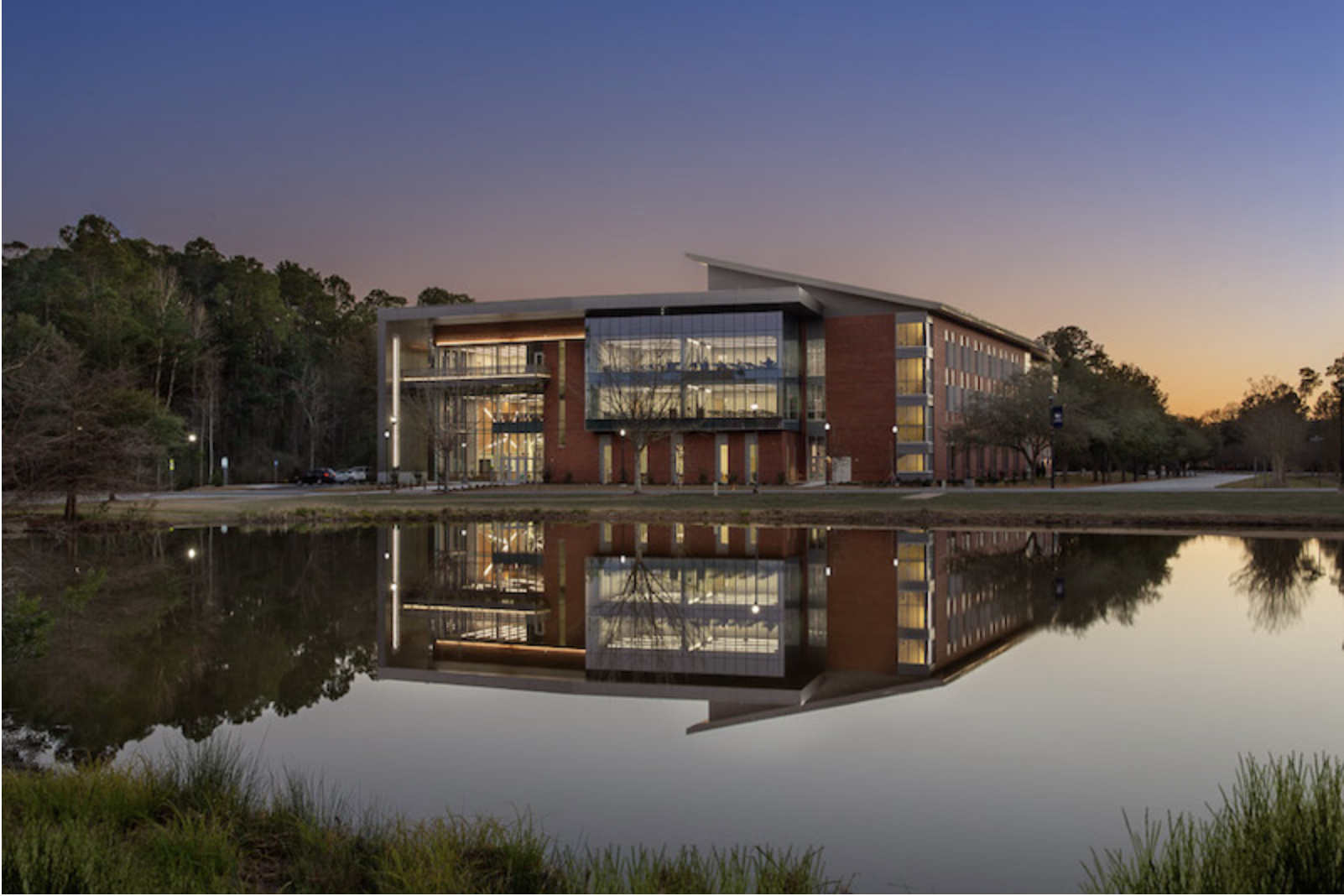
Georgia Southern University is launching two new engineering doctorates – a Ph.D. in applied computing degree and a Ph.D. in engineering – after approval of the programs this week from the University System of Georgia’s Board of Regents. With almost 4,000 students in its programs, Georgia Southern’s Allen E. Paulson College of Engineering and Computing identified the need for the new graduate degrees to sustain growth in the discipline, continue to aid workforce development in the region, add substantially to the university’s research capabilities, and provide additional teacher-scholars for Georgia. “In line with Georgia Southern’s Strategic pillars, the new Ph.D. programs will greatly enhance the University’s research capabilities and further advance key partnerships in the region,” said Carl Reiber, Ph.D., Georgia Southern’s provost and vice president for academic affairs. “A strong Ph.D. program improves faculty recruiting and is a prerequisite for applying for research grants from sources such as the National Science Foundation, the National Institutes of Health, the Department of Energy and the Department of Defense.” The proposed engineering Ph.D. program will have concentrations in civil, electrical, advanced manufacturing and mechanical engineering, and will fuel future multidisciplinary research synergies with other departments and centers within Georgia Southern in fields such as natural sciences, environmental sustainability, public health and education. Greater scholarly collaborations with sister institutions within the university system and beyond are also envisioned. The Ph.D. in engineering program will have a positive impact on the economic and technological development of Southeast Georgia, contributing significantly to the growth of the I-16 technology corridor. The Ph.D. in applied computing degree program will be offered jointly by the Department of Computer Science and the Department of Information Technology within the Allen E. Paulson College of Engineering and Computing at Georgia Southern Universit. The program will provide students with the requisite foundation to conduct basic and applied research to solve advanced technical problems in computing foundations, cybersecurity and machine learning. The program aims to promote the education of individuals who will become exceptional researchers, high-quality post-secondary educators, and innovative leaders and entrepreneurs in the field of applied computing. It will advance research and the generation of new knowledge in applied computing and support the growing knowledge-based economy in Southeast Georgia. The mission of the Ph.D. in applied computing degree program is to ensure student, graduate and faculty success by preparing graduates with the skills and depth of knowledge to advance the computing disciplines through application and scholarship. It will mentor students who will support faculty in their scholarly pursuits as they prepare to assume professional computing and computing-related positions that utilize their applied technical skills, problem-solving aptitude and scholarly abilities upon graduation. “The addition of these two new degree programs is part of Georgia Southern University’s commitment to be a world-class institution that provides a population of advanced graduates who can contribute to regional economic development and public-impact research,” Reiber said. “The programs will enhance the vitality and growth of the bachelor’s and master’s computer science and information technology degree programs by expanding the academic and research missions of the Allen E. Paulson College of Engineering and Computing." For more information about these new engineering doctorates coming to Georgia Southern this fall research or to speak with Carl Reiber, Ph.D., Georgia Southern’s provost and vice president for academic affairs — simply reach out to Georgia Southern's Director of Communications Jennifer Wise at jwise@georgiasouthern.edu to arrange an interview today.


Why does Alabama have more gun deaths than New York? UConn expert explains.
Only five million people live in Alabama, but the state has the fourth highest firearms death rate in the country. In 2021, the state had 26.4 firearm deaths per 100,000 people, according to the Centers for Disease Control and Prevention. Compared to New York -- a state with about 20 million people and a rate of 5.4 gun deaths per 100,000 in 2021 -- the question becomes: Why does such a small state rank so high for gun violence? UConn expert Kerri Raissian offered perspective and insight on the causes and reasons why these tragic incidents occur in specific regions and states more often across America in an interview with the Alabama Reflector: A 2019 brief published by the Rockefeller Institute of Government, a nonprofit research center for the State University of New York (SUNY) system, said universal background checks, concealed carry permits and laws prohibiting people who have committed violent misdemeanors reduce gun homicides. “One policy that has come up against legal challenges recently has been not allowing people under the age of 21 years old to have certain guns or types of weapons,” Raissian said. “It is helpful. That age group has the highest risk of perpetuating homicides of any age group in the U.S.” Social policies can also deter gun violence. “It is laws, it is access to guns, it is also poverty,” Raissian said. “We have a lot of evidence that laws that you wouldn’t think have anything to do with gun violence, like Medicaid access, summer school for kids, employment opportunities for kids, are really good at reducing gun violence.” Raissian cited a randomized controlled trial of a youth summer employment program that was established in Chicago that had reduced incidents of gun violence compared to a control group. “It is not just about keeping them busy because these differences persist,” Raissian said. “It is also learning conflict resolution. It is also learning communication skills — all those things that come from employment and positive interactions tend to reduce violence of any form.” But Raissian and Grant Reeher, a professor of political science at Syracuse University, both said no single law will solve the issues of gun violence. The full article is attached above, and well worth the read. Kerri Raissian is an associate professor in the School of Public Policy at the University of Connecticut, director of the University of Connecticut's UConn’s Center for Advancing Research, Methods, and Scholarship (ARMS) in Gun Violence Prevention, and co-director of the Institute for Collaboration on Health, Intervention, and Policy (InCHIP) Gun Violence Prevention Research Interest Group. She is available to speak to media about this important topic - simply click on her icon now to arrange an interview today.


Amanda Hewes, MS, education program manager at ChristianaCare’s Gene Editing Institute, has been named one of the 2023 Outstanding Delaware Women in STEM by Million Women Mentors, an international movement dedicated to encouraging girls and women to pursue careers in science, technology, engineering and math (STEM). Hewes’ selection spotlights her dedication to engaging young people in the science of gene editing by introducing the Gene Editing Institute’s CRISPR in a BoxTM educational toolkit into classrooms across Delaware and her commitment to bridging disparities in STEM education. “I’m overjoyed to be honored among so many amazing women in this state,” Hewes said. “It’s humbling to be considered and to stand alongside them. All of these women foster and lead dynamic communities of young women that inspire me every day. I hope that I can do the same by making young women in this state feel empowered through the work that I do.” Hewes joined ChristianaCare’s Gene Editing Institute in 2017 with a focus on expanding its CRISPR gene editing system in a cell-free environment. She was first author in a publication in Nature that established the highly innovative “gene editing on a chip” protocol that allowed CRISPR to edit DNA outside of the cell for the first time. This methodology enables researchers to take fragments of DNA extracted from human cells, place them in a test tube and precisely engineer multiple changes to the genetic code. This gene editing system eventually led to the creation of the CRISPR in a Box™ toolkit. This innovative educational resource provides a way for students to learn about this exciting frontier of science through a hands-on exercise in which they use CRISPR gene editing to disrupt a synthetic gene within a plasmid. The simplicity of this experiment allowed for the reaction to be developed into a remarkable teaching tool that can be brought into most school laboratories containing basic laboratory equipment. Once CRISPR in a Box™ was developed, Hewes recognized the potential it could have for high school and college students. She took on a new role as education program manager and expanded the Gene Editing 360™ platform, which is the Gene Editing Institute’s suite of educational tools for engaging students and the public. “Amanda has set us on a tremendous path toward providing more educational opportunities for Delaware students,” said Eric Kmiec, Ph.D., director of ChristianaCare’s Gene Editing Institute. “She’s inspired young women in multiple states and has created so much of this program with her own ingenuity and passion.” Hewes was honored alongside 10 other women by Gov. John Carney, Lt. Gov. Bethany Hall-Long and others at the Delaware State House with the signing of a proclamation to declare March 24, 2023, as “Delaware Women and Girls in STEM Day.”


New research sheds light on how human vision perceives scale
Researchers from Aston University and the University of York have discovered new insights into how the human brain makes perceptual judgements of the external world. The study, published on 8 May in the journal PLOS One, explored the computational mechanisms used by the human brain to perceive the size of objects in the world around us. The research, led by Professor Tim Meese, in the School of Optometry at Aston University and Dr Daniel Baker in the Department of Psychology at University of York, tells us more about how our visual system can exploit ‘defocus blur’ to infer perceptual scale, but that it does so crudely. It is well known that to derive object size from retinal image size, our visual system needs to estimate the distance to the object. The retinal image contains many pictorial cues, such as linear perspective, which help the system derive the relative size of objects. However, to derive absolute size, the system needs to know about spatial scale. By taking account of defocus blur, like the blurry parts of an image outside the depth of focus of a camera, the visual system can achieve this. The maths behind this has been well worked out by others, but the study asked the question: does human vision exploit this maths? The research team presented participants with photographic pairs of full-scale railway scenes subject to various artificial blur treatments and small-scale models of railway scenes taken with a long exposure and small aperture to diminish defocus blur. The task was to detect which photograph in each pair was the real full-scale scene. When the artificial blur was appropriately oriented with the ground plane (the horizontal plane representing the ground on which the viewer is standing) in the full-scale scenes, participants were fooled and believed the small models to be the full-scale scenes. Remarkably, this did not require the application of realistic gradients of blur. Simple uniform bands of blur at the top and bottom of the photographs achieved almost equivalent miniaturisation effects. Tim Meese, professor of vision science at Aston University, said: "Our results indicate that human vision can exploit defocus blur to infer perceptual scale but that it does this crudely – more a heuristic than a metrical analysis. Overall, our findings provide new insights into the computational mechanisms used by the human brain in perceptual judgments about the relation between ourselves and the external world." Daniel Baker, senior lecturer in psychology at the University of York, said: "These findings demonstrate that our perception of size is not perfect and can be influenced by other properties of a scene. It also highlights the remarkable adaptability of the visual system. This might have relevance for understanding the computational principles underlying our perception of the world. For example, when judging the size and distance of hazards when driving.”


A new book, A Student’s Guide to Open Science: Using the Replication Crisis to Reform Psychology, has been published, providing students and researchers with a comprehensive guide to open science practices and how their implementation can enhance research transparency and rigour. In the book, Dr Charlotte Pennington who is a lecturer in psychology at Aston University, explores the "replication crisis" in psychology, which refers to the difficulties in reproducing research results to test the robustness of findings. Through the book, students will gain an understanding of the origins and drivers of the crisis and learn how open science practices can transform research practice, enhance research transparency, and improve replication and reproducibility. The book contains various features, including an overview of landmark events that will mark the history of the replication crisis in the years to come, case studies of classic psychological studies undergoing replication, ‘test yourself’ activities to reinforce learning of key concepts, and top tips for adopting open science practices. It also includes useful illustrations to aid understanding and facilitate revision. Dr Pennington said: "The replication crisis has highlighted significant issues in the field of psychology and beyond and has led to a lack of trust in some research findings. However, it also provides a platform for reform – to improve research practices and the wider culture, with the discipline of psychology paving the way. I am proud that there is now a textbox that provides students and researchers with a handy guide on how to improve transparency and rigor in research through open science practices. “It is essential for all students to have a fundamental understanding of the challenges posed by the replication crisis and how open science can address them." The book has received high praise from experts in the field. Professor Chris Chambers from Cardiff University said: "This book should be on the reading list for all university science degrees and on all library bookshelves. It is concise, accessible, and remarkably interactive, with brilliant use of examples and learning activities.” Dr Madeleine Pownall from the University of Leeds said: "It is essential reading for anyone who wants to make sense of open science, by covering complex content in an accessible and hands-on way. My hope is that every psychology student will finish their degree with a heavily annotated, well-thumbed copy of this important and timely book.” Professor Brian Nosek, executive director of the Centre for Open Science at the University of Virginia said: “The last 10 years have been a whirlwind in psychology: identification of faulty research practices, frequent failures to replicate findings, research on how the field could improve, and adoption of new solutions to make research more transparent and credible. It is a lot to take in and it is hard to know where to start. “I am frequently asked to recommend a reading that provides an overview of what has been learned during the last 10 years and a gateway for getting started with open science. With this book, now I have an answer.” A Student’s Guide to Open Science: Using the Replication Crisis to Reform Psychology is now available in print and online formats.
Aston University predicted as one of the UK’s leading centres for lab-made meat
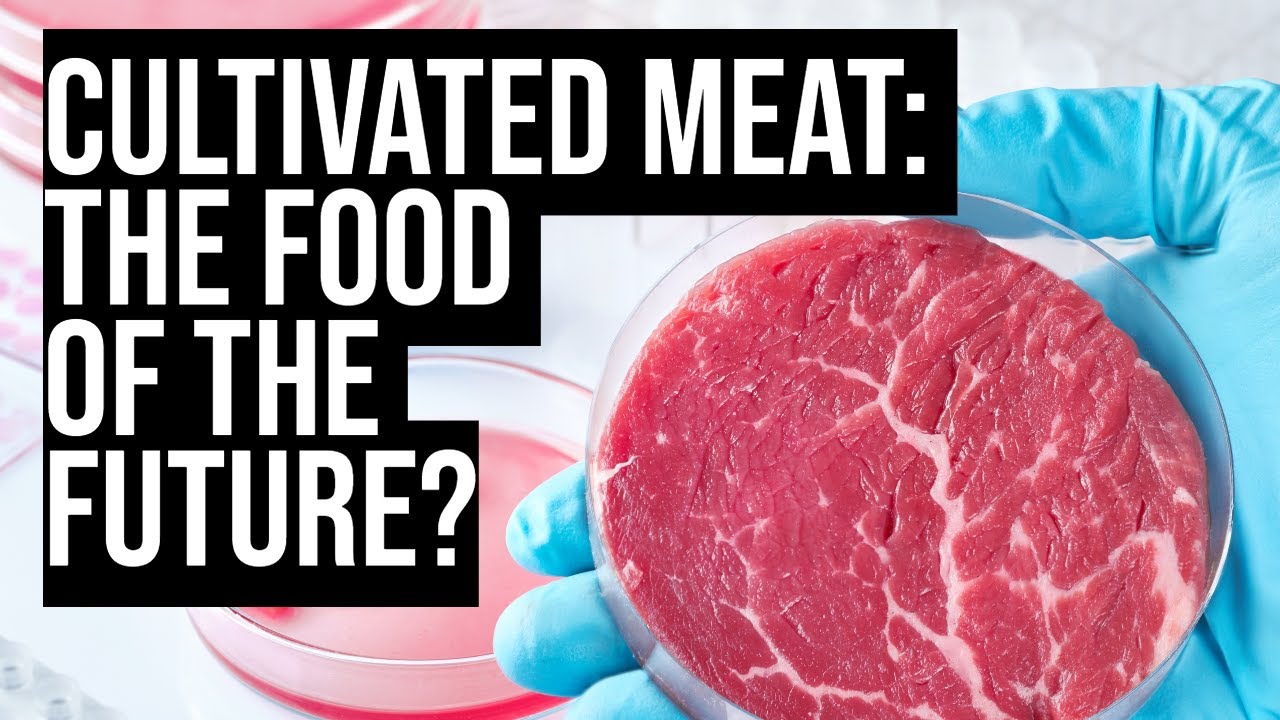
• Aston University named as one of the UK’s leaders in the potential future of food • Highlighted for research, teaching, public outreach, industry links and location • Process uses cells taken from animals via biopsy, so doesn’t involve slaughter. Aston University has been named as one of the UK’s leading lights in what is predicted to be the future of food - lab-made meat. The University is one of 17 higher education institutions that are expected to play a major role in the development of cultivated meat. Cultivated or lab-grown meat is made from cells taken from animals via biopsy. The cells are used to create meat which doesn’t involve the slaughter of animals. The process promises fewer greenhouse gases and a decrease in land required for its production compared to traditional livestock. The list of universities has been compiled by Cellular Agriculture UK, a non-profit organisation which promotes the UK’s so-called ‘cell-ag’ sector. Aston University is one of five institutions they chose to highlight in their report Mapping the potential for UK universities to become research and teaching hubs for cellular agriculture. Aston University is described in the report as having potential to be an anchor institution for cellular agriculture, and was highlighted for its research and teaching, public outreach work, links with emerging industry and its central location. Dr Eirini Theodosiou, senior lecturer in the School of lnfrastructure and Sustainable Engineering, focuses on ways to produce enough cell mass to create the meat. She said: “This is still a relatively new food technology. Unlike many others we work on biomaterials for microcarriers/scaffolds for cultivated meat, which puts us in a very strong position, in the UK at least.” Meanwhile Dr Jason Thomas’ work explores the psychology behind supporting people to accept lab-made food. Although many people are willing to try it, there are still many who are reluctant to do so. A recent study of the US and UK found that 35% of meat eaters and 55% of vegetarians claimed they were too disgusted by the idea of cultured meat to even try it. A key goal of his research is how to support people to not just try it but to integrate it into their diet. Dr Thomas said: “We are interested in finding out what factors can influence consumer purchase of and consumption of lab-made meat.” “The engineering/psychology link is one of our USPs and is something Aston University can capitalise on; learning what the consumer wants from cultivated meat, and what would encourage them to consume it, using psychological science, and then incorporating this directly into the production process via engineering. “It is a relatively new food technology, and much work still needs to be done to make it affordable, acceptable and on a massive scale, but it could easily end up being one of the most transformative new foods of the 21st century.”

Why shoppers are paying more for a fake Amazon discount
By Halle Burton According to new research by Jinhong Xie, a Warrington College of Business professor at the University of Florida, more than a quarter of Amazon vacuum cleaners sold have increased their prices while pretending to offer discounts. Xie’s pricing phenomenon research is joined with Sungsik Park at the University of South Carolina and Man Xie at Arizona State University, publishing their analysis in the Marketing Science journal. A product’s price increase is paired with a previously unadvertised listing price, which encourages Amazon shoppers to receive a deceitful false discount. This faux discount drove higher sales despite the price increase, and shoppers end up paying 23% more on average. “When you see this list-price comparison, you naturally assume you are getting a discount. It’s not just that you didn’t get a discount. You actually paid a higher price than before the seller displayed the discount claim,” said Xie. Regulations currently prohibit deceptive pricing by requiring truthful price comparisons from the sellers, but a list price can still be misleading under these circumstances. Shoppers are misled by the timing of price comparisons where retailers advertise a price discount that actually only gives the impression of a deal. “Current regulations are all about the value of the list price, and they don’t say anything about misleading consumers by manipulating the timing of the list price’s introduction,” Xie said. Xie and her colleagues followed more than 1,700 vacuums on Amazon from 2016 to 2017 gathering observational data on their prices. “We found that by increasing the price by 23% on average, the seller achieves a 15% advantage in their sales rank among all products in the home and kitchen category,” Xie said. Xie encourages consumers to be aware, not make assumptions about discount claims and utilize multiple websites to compare prices. “We think that consumer organizations and regulators should evaluate this new marketing practice to determine whether and how to manage it.”


Aston University wins grant to make research more sustainable and environmentally friendly
University awarded grant to develop more sustainable separation method through AstraZeneca’s Open Innovation CoSolve Challenge at ELRIG Dr Vesna Najdanovic will explore use of the solvent ethyl lactate It is a biorenewable and environmentally friendly alternative. An Aston University scientist has won a $25000 grant in the AstraZeneca Open Innovation CoSolve sustainability challenge to help to make research more sustainable and environmentally friendly. Dr Vesna Najdanovic, senior lecturer in chemical engineering at the University’s Energy and Bioproducts Research Institute (EBRI), successfully pitched her idea to explore a new method using ethyl lactate as a solvent. Ethyl lactate is a biorenewable and environmentally friendly alternative solvent produced from lactic acid and ethanol, both obtained by fermentation of biomass. Currently hazardous organic solvents such as acetonitrile are widely used instead. Dr Najdanovic won the AstraZeneca’s Open Innovation CoSolve Sustainability Challenge at the European laboratory research & innovation group (ELRIG) Research and Innovation meeting. She said: “Throughout my research career, I have been working with various green solvents, such as supercritical fluids, ionic liquids and biosolvents, to improve chemical and separation processes. “I am delighted to be selected by the expert judging panel and the highly engaged audience to apply my knowledge to develop greener analytical methods using ethyl lactate as a solvent for liquid chromatography. “I hope this project will pave the pathway to use this environmentally friendly alternative solvent while reducing carbon footprint and pollution”. The pharmaceutical industry generates the highest amount of waste per mass of products compared to other chemical industry sectors, such as the petroleum industry, bulk and fine chemicals. Dr Kelly Gray, CoSolve sustainability programme lead at AstraZeneca, said “In order to protect people, society and planet we have to identify and develop solutions to deliver sustainable science. The goal of the CoSolve sustainability programme was to do just that and identify innovative ideas to practical challenges faced by researchers across scientific disciplines in R&D.” Sanj Kumar, CEO of ELRIG, said “Ensuring that drug discovery processes become sustainable is a priority issue to the ELRIG community, so partnering with AstraZeneca on the CoSolve initiative, by hosting the pitching and final award ceremony, is not only an honour, but raises the awareness of sustainability to our community. Dr Najdanovic and her innovation are a worthy winner and ELRIG is proud that we are able to share her success story.” As much as 80% of this waste presents hazardous organic solvents obtained from petrochemical sources. For example, the pharmaceutical industry consumes 50% of globally produced acetonitrile, of which 20% is a solvent for liquid chromatography, a widely used analytical tool in research and development laboratories. After its use, most acetonitrile is discarded as chemical waste and subsequently incinerated, generating greenhouse gases and other pollutants such as nitrogen oxides and highly toxic hydrogen cyanide. The CoSolve sustainability challenge award builds on Dr Najdanovic’s previous work employing ethyl lactate as a solvent for various separation processes. Her new project supports EBRI’s wider objectives of using bioproducts to deliver low-carbon and environmentally sustainable solutions.