
Experts Matter. Find Yours.
Connect for media, speaking, professional opportunities & more.

Associate Professor of Voice Emily Grundstad-Hall, DMA, left, plays the piano while members of the Savannah Song Birds sing. If you asked Alyson Brinkley what her favorite day of the week was, her answer of “Monday” might surprise you. But Monday mornings are her favorite because Brinkley, a graduate student in the Communication Sciences and Disorders (CSDS) program at Georgia Southern University, teams up with fellow students and faculty to sing and harmonize while simultaneously helping Parkinson’s disease (PD) patients with therapy. Through a unique and collaborative singing group called the Savannah Songbirds, the RiteCare Center for Communications Disorders uses this group to raise awareness of PD while providing therapeutic support through the power of music. “It is the best part of my week and the best way to start my Monday morning,” Brinkley said. “It has enhanced my experience as a student by providing a unique experience I would not have received at any other school. The Savannah Songbirds is the only choir for people with Parkinson’s in the nearby area.” Founded in 2023 by Tory Candea, clinic coordinator for the RiteCare Center, the Savannah Songbirds gather weekly for rehearsals. Inspired by The Parkinson Voice Project, the group’s formation reflects Candea’s dedication to functional communication, community engagement and enriching the lives of those battling neurological diseases. The therapeutic benefits of music and vocal exercises for PD patients are profound,” Candea said. “PD often impairs communication by affecting the muscles involved in speech production. Through singing and vocal exercises, individuals engage these muscles in a demanding yet enriching manner, enhancing communication abilities and overall quality of life.” Candea partnered with Associate Professor of Voice Emily Grundstad-Hall, DMA, from the Gretsch School of Music to enhance the Savannah Songbirds choir. Grundstad-Hall directs the choir, facilitates the rehearsals, selects music and helps organize an end-of-semester concert. “This is a great collaboration between the two departments,” said Grunstad-Hall. “There has always been a positive outlook on departments and schools working together ‘across the curriculum.’ Singing is housed in the arts and speech is housed in health professions, but singing and speaking use the same instrument/anatomy to achieve a goal. It makes sense that we would work well together.” During their sessions, the Savannah Songbirds learn a repertoire of songs, including classics like “Moon River,” “Danny Boy,” “That Old Black Magic,” “Dona Nobis Pacem” and “Give Me Your Tired.” “I have enjoyed the collaboration with my colleagues and students in the CSDS department,” Grundstad-Hall said. “The singers that participate in the choir are amazing and I benefit from the community that being in a choir can bring. We are all working toward a common goal and we get to do it by singing songs. What could be better than that?!” Participants describe the experience as both enjoyable and rewarding, highlighting the therapeutic value of music in their journey with PD, Candea said. Students like Moriah Pearce, also a graduate student in the CSDS program, see the benefits of participating. “This experience working with these individuals has cemented my passion for working with individuals with Parkinson’s disease,” said Pearce, whose interest in working with PD patients developed in her undergraduate coursework at Texas Woman’s University. “It has provided me with experience outside of a therapy room in a different environment. It is rewarding to see these individuals who are motivated and happy to be part of this wonderful group.” Like Brinkely, Pearce describes the Monday meetings as her favorite way to start the week. “The most rewarding part of being in this choir is being part of a program that provides a sense of community and camaraderie for these individuals,” Pearce said. “Our weekly meetings provide these individuals an opportunity to spend time with people who may have the same or similar experiences with PD and who have a passion for music.” Seeing the motivation of participants has also been rewarding for Brinkley. “The most rewarding part of the choir is to see the members sing when they thought that their singing voices would be diminished due to Parkinson’s,” Brinkley said. “Although Parkinson’s is a progressive neurological condition, our members show up every Monday to rehearse. Some travel from South Carolina to be a part of the choir. It is so rewarding to see such strong motivation and to create a safe space for members to sing with their new voices and recognize what they are capable of.” For the clinicians and faculty involved, the collaboration represents a unique opportunity to provide evidence-based therapy creatively and engagingly. By integrating music into therapy sessions, they aim to enhance outcomes and promote community service-minded efforts. “Overall, working with the Savannah Songbirds has been immensely educational and rewarding, and one of the most enjoyable experiences of my professional career,” Candea said. “Being afforded the opportunity to provide evidence-based speech therapy services in a less traditional way has been engaging. Learning to enhance outcomes and the enjoyment of treatment through the addition of creative arts has been eye-opening. Promoting the importance of community service-minded efforts has been gratifying.” The Savannah Songbirds will host their next performance in the Fine Arts Auditorium on the Armstrong Campus on April 29 at 11 a.m. The event is free and open to the public. The partnership between the CSDS program, music department, and RiteCare Center offers a multitude of benefits for both PD patients and the broader community. Beyond therapeutic support, the collaboration fosters awareness and education about PD while showcasing the diverse programs offered by the RiteCare Center. For those seeking assistance, the RiteCare Center for Communication Disorders, located in the Armstrong Center, offers comprehensive evaluation and treatment services for individuals of all ages impacted by speech, language, cognitive, or swallowing disorders. Interested in learning more about the RiteCare Center? Contact Georgia Southern's Director of Communications Jennifer Wise at jwise@georgiasouthern.edu to arrange an interview today.


New Images from Euclid Telescope Offer Powerful Complement to Hubble, JWST
Five new images from the European Space Agency’s (ESA) Euclid space telescope mission continue to further our exploration of the “Dark Universe,” according to Florida Tech observational astrophysicist Eric Perlman. With help from NASA’s Jet Propulsion Laboratory, Euclid’s mission is to grow our understanding of “dark matter” so scientists can precisely chart its presence in the universe. Photo Credit: ESA/Euclid/Euclid Consortium/NASA Euclid returned its first five images in November 2023 after launching from Cape Canaveral, Florida – just minutes from the Florida Tech campus – that summer. Now astronomers and scientists are examining a new batch released in late May. The five new images feature a star-forming region in the Milky Way galaxy, clusters of hundreds of galaxies and more stunning sights. “These are magnificent images which showcase the power of the Euclid telescope,” said Perlman, who is a professor at Florida Tech’s Department of Aerospace, Physics and Space Sciences. “The view they show of these objects is strikingly different from what other observatories, in particular Hubble and JWST, show.” NASA predicts that by 2030, Euclid will create a cosmic map that covers almost a third of the sky, thanks to the field of view that is wider than both the Hubble Telescope and the James Webb Space Telescope (JWST). Photo Credit: ESA/Euclid/Euclid Consortium/NASA Dr. Perlman is available to discuss the new images, how and why they differ from previous images, and what this means for our understanding of dark matter.


Aston Institute of Membrane Excellence’s Dr Matt Derry was joined by Dr Alan Goddard and France-based research partner Dr Mona Semsarilar They discussed the BIOMEM project, which received £3m from the European Innovation Council (EIC) Pathfinder programme BIOMEM will develop a bioinspired membrane to selectively extract compounds from water (like finding a favourite chocolate in a box) In the latest Aston Institute for Membrane Excellence (AIME) podcast, three researchers discuss the international BIOmimetic selective extraction MEMbranes (BIOMEM) project and how it will feed into AIME’s work. BIOMEM will develop a bioinspired membrane technology to selectively extract compounds from water, using 50-75% less energy than current state-of-the-art nanofiltration technologies. The membranes will work at low pressures and at low concentration of the target molecule. Podcast host Dr Matt Derry was joined by fellow AIME researcher Dr Alan Goddard and Dr Mona Semsarilar from the French National Centre for Scientific Research (Centre national de la recherche scientifique (CNRS)). The BIOMEM project, which involves collaborators from across Europe, is being led by Dr Torsten Bak from Danish company Aquaporin, with Dr Goddard the research lead at Aston University. Dr Goddard explained: “You might want to work on a biotechnology process where you've made a high value chemical that you want to extract from a complex mix, and at the moment you might have to concentrate your solution up, and you might have to do six or seven filtration steps. We want a filter that does it in a single step using a biological transporter. “And if you can do that in a single step in a platform technology, you'll make all these brilliant biotech processes more commercialisable, reduce your reliance on petrochemicals, and to maybe oversell what we can do, save the planet.” Dr Derry likened it to a quick way to find your favourite chocolate in a box at Christmas. Rather than scrabbling through, taking out one type at a time until you find your favourite, the process can immediately separate it out with minimal effort. Aquaporin has developed a membrane that can selectively transport only water molecules to quickly purify water, which is already in use across the world, and even out of this world, for space missions. Dr Bak and the team will bring their membrane expertise to the project. The team at CNRS, led by polymer scientist Dr Semsarilar, is working on a number of projects for BIOMEM, including developing a type of crystalline material called trianglamine, which they can modify through chemical processes to be hydrophobic or hydrophilic to make things like water channels or adsorption sites, which can be embedded in polymer network for purification processes. Other researchers at AIME, including Dr Derry and Professor Paul Topham, will work on the ‘glue’ to stick the biological elements of the membranes to the non-biological polymer matrix. BIOMEM will also benefit from the input of partners across Europe including dsm-firmenich, University of Copenhagen and Tampere University. The podcast was recorded just after the project kick-off meeting with all the project partners, which was held at Aston University in May 2024. Listen to the full podcast on the Aston Originals YouTube page.




STORY: CAA Clubs Across Canada join forces on National Slow Down Move Over Day
Every year, CAA clubs across Canada mark the second Tuesday of May as National Slow Down Move Over Day. This year, National Slow Down Move Over Day is on May 14, 2024. To help keep tow operators safe, CAA South Central Ontario is highlighting the importance of National Slow Down Move Over Day. Everyone deserves a safe place to work including tow truck drivers who are working in unsafe conditions. According to a recent CAA survey of 1,516 Ontario drivers, while almost all drivers comply with Ontario’s slow down move over law, nearly half admit to not slowing down and moving over for tow trucks because they were not aware they had to. As we approach the summer driving season, it is important for drivers to slow down and move over when approaching a roadside emergency rescue. By doing so, we can help protect the lives of those who work on our roads and highways and make our roads safer for everyone. In Ontario, the SDMO law requires drivers to slow down, and if there is space and it's safe, move over one lane when approaching a stopped emergency vehicle, including tow trucks, with flashing lights. Fines could range from $400 to $2,000 and three demerit points if convicted and possible suspension of driver's licence for up to two years. As a longtime advocate of road safety, CAA has been pushing for safer roads for everyone. Learn more about CAA SDMO efforts here: https://www.caasco.com/advocacy/road-safety/slow-down-move-over


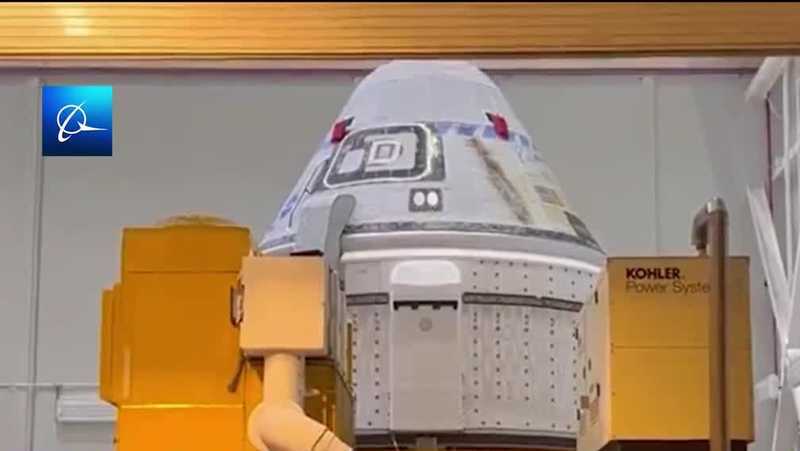
Ready for takeoff! The Starliner is set for its first mission to the ISS
Since 2011, any American astronaut looking to get to or from the International Space Station (ISS) had to lift off from the Baikonur Cosmodrome, a spaceport operated by Russia within Kazakhstan. It was the only way to get up into space - for now. It's why almost a decade ago private sector companies Boeing and SpaceX were engaged by NASA to develop a new way to get to the ISS from American soil. All of that is about to change, and all eyes have been on Boeing's Starliner as it readies to take flight with a crew for the first time. Florida's Tech's Don Platt , the Director of the Spaceport Education Center, has also been busy as the media coverage has been intense. “In this case, NASA is truly buying a service and it’s up to the company to get it all right. With just some oversight," said Don Platt, of Florida Tech. Starliner rolled out to Launch Complex 41 in the early morning on Tuesday. It will be positioned atop a ULA Atlas 5 rocket for the planned liftoff on May 6 from the Cape Canaveral Space Force Station. As Platt explained, Starliner is a critical second option for NASA. “With all the success of SpaceX has had recently, we can’t simply rely on SpaceX to provide all services to the American space program," Platt said. This is the first flight of Starliner with a crew onboard so it’ll be the first time for it to fly in this configuration. During these test missions, there are always lessons to be learned. “We are all aware of some of the issues the Boeing company has experienced in the last couple of years. And to have a successful test flight here with astronauts onboard is a definite plus from PR aspect,” Platt said. Two seasoned NASA astronauts will be the first to take a ride in Starliner up to the ISS; Suni Williams and Barry “Butch” Wilmore. They’ll be up there for eight days on this test mission and if all goes well, the first Starliner mission on NASA crew rotation up to the ISS will come next spring. -- April 16 - NBC News Getting to the ISS, Moon and even Mars are getting a lot of attention lately. If you're a journalist look to cover the topic, let us help. Dr. Don Platt's work has involved developing, testing and flying different types of avionics, communications, rocket propulsion systems as well as astrobiology/biotechnology systems and human deep space exploration tools. Don is available to speak with media anytime. Simply click on the icon below to arrange an interview today.


Healthy Environment, Healthy People: The Intersection Between Climate and Health
How is climate change influencing our health? Why does climate change have a greater impact on vulnerable populations and low-income people? How does the U.S. health care system affect the climate? How can health care systems improve their impact on the climate and the environment? ChristianaCare’s inaugural Climate and Health Conference addressed these topics and raised possible solutions at the John H. Ammon Medical Education Center on the Newark, Delaware, campus on April 12. At the conference, the common denominator was this: An unhealthy environment can lead to illnesses and deaths from air pollution, high heat, contaminated water and extreme weather events. Health systems, government entities, community organizations and individuals all have a role to play in decreasing these effects. “Climate, the environment and health care systems are intertwined,” said Greg O’Neill, MSN, APRN, AGCNS-BC. “We need to pay close attention to this relationship so we can improve health for everyone.” O’Neill is director of Patient & Family Health Education and co-chair of the Environmental Sustainability Caregiver Committee at ChristianaCare. Climate change and intensifying health conditions Negative health effects are so closely tied to the environments where people live, work and play that The Lancet called climate change “the greatest global health threat facing the world in the 21st century [and] the greatest opportunity to redefine the social and environmental determinants of health.” At the conference, speakers addressed specific areas of concern. Asthma. Air pollutants, while largely invisible, are associated with asthma. What’s more, people who live in urban areas with little green space are more likely to have uncontrolled asthma, said speaker Robert Ries, M.D., an emergency medicine resident at ChristianaCare. And there’s the rub, he said: When people with asthma spend time in green spaces, it may improve their health. “In Canada,” he said, “some doctors prescribe nature – two hours a week for better overall health outcomes. Could we do that here?” Heat-related illness. Temperatures worldwide have been rising, increasing the likelihood of heat-related health incidents. Heat waves may be harmful to children and older adults, particularly those who don’t have access to air conditioning, swimming pools or transportation to the beach, said speaker Alan Greenglass, M.D., a retired primary care physician. Children visit the emergency room 20% more frequently during heat waves. Weather-related illness. Climate change is causing more floods, which may result in respiratory problems due to mold growth; and droughts, which may threaten water safety and contribute to global food insecurity, said speaker Anat Feingold, M.D., MPH, an infectious disease specialist at Cooper Health. Stress and anxiety. Climate change can affect mental health, even leading to “solastalgia,” which is distress about environmental change and its effect on one’s home, said speaker Zachary Radcliff, Ph.D., an adolescent psychologist at Nemours. He encouraged clinicians in the audience to keep this mental health concern in mind when seeing patients as it may become more prevalent. Cardiovascular disease risk. Frequent consumption of red meat increases the risk of cardiovascular disease, the top cause of death in the U.S. It’s also unhealthy for the environment, said speaker Shirley Kalwaney, M.D., an internal medicine specialist at Inova. Livestock uses 80% of available farmland to produce only 17% of calories consumed, creating a high level of greenhouse gas emissions. By comparison, plant-based whole foods decrease the risk of cardiovascular disease and diabetes. They use only 16% of available farmland, producing 82% of calories consumed. This makes reducing red meat in our diets one of the most powerful ways to lower the impact on our environment. Health equity and the environment People in low-income communities are more likely to live in urban areas that experience the greatest impacts of climate change, including exposure to air pollutants and little access to green space, said speaker Abby Nerlinger, M.D., a pediatrician for Nemours. A Harvard study in 2020 demonstrated that air pollution was linked with higher death rates from COVID-19 — likely one of the many reasons the pandemic has disproportionally harmed Black and Latino communities. Similarly, access to safe, affordable housing is essential to a healthy environment, said Sarah Stowens, Ed.D., manager of State Policy and Advocacy for ChristianaCare, who advocated for legislation including the Climate Solutions Act, another bill that increased oversight regarding testing and reporting of lead poisoning and a policy to reduce waste from topical medications. Opportunities for change in health care Reduce emissions from pharmaceuticals and chemicals. These emissions are responsible for 18% of a health system’s greenhouse gas emissions. One way to reduce this number is for clinicians to prescribe a dry-powder inhaler (DPI) instead of a metered-dose inhaler (MDI) when applicable and safe for the patient and to give patients any inhalers that were used in the hospital at discharge if they are going home on the same prescription. Hospitals have opportunities to reduce greenhouse gases while caring for patients, said Deanna Benner, MSN, APRN, WHNP, women’s health nurse practitioner and co-chair of ChristianaCare’s Environmental Sustainability Caregiver Committee. The health care sector is responsible for 8.5% of U.S. greenhouse gas emissions, the highest per person in the world. U.S. greenhouse gas emissions account for 27% of the global health care footprint. One way to significantly reduce the carbon footprint is to use fewer anesthetic gases associated with greater greenhouse gas emissions, Benner said. Limit single-use medical devices. Did you know that one surgical procedure may produce more waste than a family of four produces in a week? Elizabeth Cerceo, M.D., director of climate health at Cooper Health, posed this question during her talk. Sterilizing and reusing medical devices, instead of using single-use medical devices, she said, may meaningfully reduce hospital waste. ChristianaCare’s commitment to healthy environments and healthy people As one of the nation’s leading health systems, ChristianaCare is taking a bold, comprehensive approach to environmental stewardship. ChristianaCare reduced its carbon footprint by 37% in 2023 by purchasing emission-free electricity. ChristianaCare joined the White House Climate Pledge to use 100% renewable energy by 2025, reduce greenhouse gas emissions by 50% by 2030 and achieve zero net emissions by 2050. ChristianaCare has created an Environmental, Social and Governance structure to help advance a five-year strategic plan that delivers health equity and environmental stewardship. Nearly 150 staff members have become Eco-Champions, an opportunity to be environmental change-leaders in the workplace. In 2023, ChristianaCare’s successful environmental stewardship included: Reducing our carbon footprint by 37% by purchasing emission-free electricity. Recycling 96,663 pounds of paper, which preserved 11,485 trees. Reducing air pollution by releasing an estimated 33,000 fewer pounds of nitrogen oxides and sulfur oxides through the use of a cogeneration energy plant on the Newark campus. Donating 34,095 pounds of unused food to the Sunday Breakfast Mission in Wilmington, Delaware. Donating 1,575 pounds of unused medical equipment to Project C.U.R.E., ChristianaCare’s Virtual Education and Simulation Training Center and Delaware Technical Community College. “In quality improvement, they say you improve the things that you measure,” O’Neill said in expressing goals for continued success. In looking ahead, said Benner, “I really hope that this conference is the catalyst for positive change with more people understanding how climate is connected to health, so that we can protect health from environmental harms and promote a healthy environment for all people to thrive.”



NASA selects University of Delaware’s CubeSat spacecraft for upcoming mission
It’s safe to say that not many students expect to lead a NASA-supported mission during their undergraduate studies. But at least a dozen from the University of Delaware will have done that by the time they collect their diplomas in the next few years. All are part of a team creating Delaware’s first orbital spacecraft, which was selected by NASA for launch in 2026 as part of its CubeSat Launch Initiative. The NASA program, which started in 2011, aims to give students an opportunity to be part of real missions and gain extraordinary experience in what it takes to do space research. CubeSats are small, modular, inexpensive satellites that carry experiments for science investigations and/or technology demonstrations. About 160 CubeSats have been launched in the NASA program over the years, many deployed from the International Space Station (ISS). Delaware’s mission — the Delaware Atmospheric Plasma Probe Experiment (DAPPEr) — will launch its CubeSat spacecraft from the ISS and orbit independently through Earth’s upper atmosphere. The CubeSat will be about the size of a loaf of bread, according to the team’s faculty mentor, Bennett Maruca, associate professor of physics and astronomy. It will gather data about the density and temperature of electrons in Earth’s upper atmosphere, recording changes observed at different latitudes and times of day. This data will inform future research on how the sun affects conditions there. Understanding the sun’s interaction with the Earth’s atmosphere is critical to development of satellite communications networks, global positioning systems (GPS) and national security. But the real objective is educational, Maruca said. The students are the “deliverables.” They’ll emerge from this work with an insider’s view of what it’s like to develop and work on a NASA mission. To arrange an interview with Maruca, contact UD's media relations team at mediarelations@udel.edu.


The ChristianaCare Hospital Care at Home program, a national leader in providing acute care in a place most familiar to patients – their own homes – has reached a new milestone with more than 1,000 admissions since opening in December 2021. ChristianaCare’s innovative program enables patients with common chronic conditions, such as congestive heart failure and diabetes complications, as well as infections like pneumonia, to receive hospital-level care at home through virtual and in-person care provided by a team of physicians, nurse practitioners, paramedics and others. Technology kits deployed to patient homes ensure round-the-clock access to a health care professional, along with twice daily visits from caregivers, medication deliveries and mobile laboratory services. “This program is a wonderful example of how ChristianaCare is building a better health care system and meeting people’s health care needs through innovation, collaboration and an unwavering commitment to providing the very best care for the people we serve,” said Janice E. Nevin, M.D., president and CEO of ChristianaCare. “We are proud to be at the forefront of hospital care at home nationally, through the collaboration with leaders like Sen. Tom Carper of Delaware, who has championed this new model of care at the federal level; Medically Home, which partnered with ChristianaCare to help us design a program that best meets the needs of the communities we serve; and our own health professionals – we call them caregivers – whose expert care and coordination make this all possible. Together, we are creating health so that people can flourish.” ‘Just amazing’ for patients Patients are evaluated for the hospital care at home program when they come to Wilmington or Christiana hospital emergency departments. Those who can be treated at home receive a technology kit that connects them to the command center, powered by the ChristianaCare Center for Virtual Health. With a touch of a button, they can access an expert team of ChristianaCare doctors and nurses. But hospital care at home isn’t just virtual care—the technology supports an entire care team that works inside the patient’s home and remotely to provide optimal support at all times—just like in a hospital. Patients connect with their health care team with just the touch of a button. Carol Bieber, whose 98-year-old father, Bill, has been a hospital care at home patient, sees the difference it makes for him to wake up in his own bed, sit in his own living room and still get the care he needs to get better. "The whole hospital care at home experience is really calm and easy and familiar to him," said Bieber, who lives in Newark. “My dad is a people person, so to be able to connect with everybody who comes in to see him or talk to him on the screen is just amazing.” Innovative solutions for in-home care ChristianaCare’s Hospital Care at Home program was developed in 2021 after the Centers for Medicaid & Medicare Services (CMS) began the Acute Hospital Care at Home waiver program to allow Medicare beneficiaries to receive acute-level health care services in their home. U.S. Sen. Tom Carper, who represents Delaware, worked to pass the bipartisan Hospital Inpatient Services Modernization Act in 2023 that extended this program. Last month. Sen. Carper introduced the bipartisan At Home Observation and Medical Evaluation (HOME) Services Act that would expand this lifesaving and cost-saving program. “Hospital at Home – which grew out of the COVID pandemic – was an opportunity for us to meet seniors where they are,” Sen. Carper said. “It has delivered positive outcomes, higher patient satisfaction, and saves money. That is why when this program was about to go away with the end of the COVID public health emergency, I joined my colleagues across the aisle to extend the program for two more years. Today, especially as we celebrate the success of the program in Delaware with ChristianaCare, I’m encouraged that we can further extend that program!” Sarah E. Schenck, M.D., FACP, executive director of the ChristianaCare Center for Virtual Health, said the hospital care at home program has yielded lower readmission rates than brick-and-mortar hospitals. In addition, patient experience scores are about three times higher than the national average for a traditional hospital experience. Options like Hospital Care at Home give patients the care they need in the space they want, said Dr. Sarah Schenck, executive director of ChristianaCare's Center for Virtual Health. “We’ve been conditioned to believe that care only happens within the four walls of a hospital. For our patients who have loved ones at home or their pets, a favorite chair or favorite food, they’re now able to have all of that as they heal,” Schenck said. “Once our patients have experienced this, what we hear from them is that they are truly grateful.” Promoting healing – at home Helping patients recover in their homes also has been transformational for caregivers who get to see a different side of their patients and better understand what they need to successfully recover. “I can’t express how much I enjoy the patients and their families,” said Heather Orkis, a paramedic with the hospital care at home program. Patients aren't the only ones who enjoy the experience of Hospital Care at Home - so do the health care professionals who care for them. “To be able to enjoy the family and see these people get better in their own homes, with their families, their grandkids, their dogs, their cats – it’s just a completely different kind of medicine.” For Bill Bieber’s family, hospital care at home is more than health care. “It’s just the best thing ever,” Carol Bieber said. Families appreciate the frequent interactions with members of the Hospital Care at Home team.

Municipalities around the world have invested significant resources to develop connected smart cities that use the Internet of Things (IoT) to improve sustainability, safety and efficiency. With this increased demand for IoT experience, the VCU College of Engineering formed the OpenCyberCity testbed in 2022. The 1:12 scale model city provides a realistic, small-scale cityscape where students and researchers can experiment with new and existing smart city technology. Sherif Abdelwahed, Ph.D., electrical and computer engineering professor, is director of OpenCyberCity. He recently answered some questions about new developments within the testbed. The OpenCyberCity is a smart city testbed, but are there any real-life cities that one could call a smart city? Several real-life locales are considered smart cities due to their extensive use of technology and data-driven initiatives to optimize infrastructure and services. Dubai is one of the most notable. They have implemented smart transportation systems, buildings and artificial intelligence to transform the city’s operations and make them more efficient. Other reputable smart cities include Singapore and Seoul, which utilize smart energy management, smart transportation and comprehensive data analytics for improved urban planning and services. Seoul, in particular, has an initiative with smart grids and connected street lights, which VCU Engineering’s own OpenCyberCity test bed is working to implement. How does the OpenCyberCity address privacy? With so much technology related to monitoring, how are individual citizens protected from these technologies? Privacy is a major concern for smart cities and it is one of the main research directions for VCU Engineering’s OpenCyberCity. We are developing several techniques to prevent unwanted surveillance of personal information. Sensitive data is protected by solid protocols and access restrictions that only allow authorized users to view the data. Our aim is to find a reasonable middle ground between technological progress and privacy rights, staying within legal and ethical bounds. Some techniques to address privacy concerns include: Data Anonymization: This makes it difficult to trace back information to individual identities. Within the testbed, we will evaluate how to protect individual privacy while maintaining data utility and assess the impact on data quality. Secure Data Storage and Transmission: Encrypt data to protect it from unauthorized access. In the smart city testbed, these access control mechanisms will be implemented within the testbed’s infrastructure. We will also test different data handling processes and access control models to determine their ability to safeguard sensitive data. Privacy Impact Assessments: Regularly evaluate potential privacy risks of new smart city projects in order to mitigate them and ensure the ethical handling of data by those with access. Policy and Regulation Development: Data and insights generated from OpenCyberCity experiments can inform the development of cybersecurity policies and regulations for smart cities. How is the College of Engineering’s OpenCyberCity test bed different from similar programs at other institutions? While other universities have similar smart-city-style programs, each has their own specialty. The VCU College of Engineering’s OpenCyberCity test bed focuses on real-world contexts, creating a physical space where new technologies, infrastructure, energy-efficient transportation and other smart city services can be tested in a controlled environment. Our lab monitors real-time data and develops smart buildings, smart hospitals and smart manufacturing buildings to enhance the city’s technologies. Recent additions to the OpenCyberCity allow for expanded research opportunities like: Advanced Manufacturing: Students can apply advanced manufacturing techniques in a controlled environment. They can also test new materials, processes and automation technologies to improve efficiency and product quality. Energy Efficiency Testing: Environmental engineers and sustainability experts can evaluate energy consumption patterns within the smart manufacturing unit to implement energy-saving measures and assess their impact on sustainability. Production Optimization: Manufacturers can use real-time data from the smart manufacturing unit to optimize production schedules, minimize downtime and reduce waste. Predictive maintenance algorithms also help prevent equipment breakdowns. Education and Training: Hands-on experience with state-of-the-art manufacturing technologies helps train the workforce of the future. Integration with Smart City Services: Data generated by the manufacturing unit can be integrated with smart city services. For example, production data can inform supply chain management and energy consumption data can contribute to overall city energy efficiency initiatives. How has the OpenCyberCity changed in the last year? Is the main focus still data security? What started with research examining, analyzing and evaluating the security of next-generation (NextG) applications, smart city operations and medical devices has expanded. Data security is now only one aspect of OpenCyberCity. Its scope has grown to encompass more expansive facets of cybersecurity like automation and data analytics in the domain of smart manufacturing systems. The implementation of a smart manufacturing system in 2023 is something students really enjoy. Thanks to the vendor we used, undergraduate students had the option to develop functionality for various features of the manufacturing plant. Graduate students were also able to research communications protocols and cybersecurity within the smart manufacturing system. What does the smart manufacturing system entail and what kind of work is occurring within that system? An automated system is there for students to work with. Robot arms, microcontrollers, conveyor belts, ramps, cameras and blocks to represent cargo form an environment that emulates a real manufacturing setting. We’re currently brainstorming an expansion of the smart manufacturing system in collaboration with the Commonwealth Cyber Initiative (CCI). We plan to set up two building models, one for manufacturing and one for distribution, linked by a sky bridge conveyor system that moves items between the locations. Students work to leverage convolutional neural networks that use images to facilitate machine learning. When paired with the advanced cameras, it forms a computer vision system that can accurately place blocks in a variety of lighting conditions, which can be a challenge for other systems. By having to optimize the communication protocols that command the smart manufacturing system’s robotic arms, students also get a sense for real-world constraints . The Raspberry Pi that functions as the controller for the system is limited in power, so finding efficiencies that also enable stability and precision with the arms is key. Is there an aspect of cybersecurity for these automated systems? Yes. Devices, sensors and communication networks integral to the IoT found in smart manufacturing systems and smart cities generate and share vast amounts of data. This makes them vulnerable to cybersecurity threats. Some of the issues we look to address include: Data Privacy: Smart systems collect and process vast amounts of data, including personal and sensitive information. Protecting this data from unauthorized access and breaches is a top priority. Device Vulnerabilities: Many IoT devices used in smart systems have limited computational resources and may not receive regular security updates, making them vulnerable to exploitation. Interconnectedness: The interconnected nature of smart city components increases the attack surface. A breach in one system can potentially compromise the entire network. Malware and Ransomware: Smart systems are susceptible to malware and ransomware attacks, which can disrupt services and extort organizations for financial gain. Insider Threats: Employees with malicious intent or negligence can pose significant risks to cybersecurity. Potential solutions to these problems include data encryption, frequent software updates, network segmentation with strict access controls, real-time intrusion detection (with automated responses to detected threats), strong user authentication methods, security training for users and the development of well-designed incident response plans.


Baylor Expert: Don't Lose Focus on Spiritual and Mental Well-being
Baylor Social Work professor shares tips and resources during stressful half-way mark of semester Holly Oxhandler, Ph.D., LMSW., associate dean for research and faculty development and associate professor in the Diana R. Garland School of Social Work. October marks the halfway point to the fall semester and can carry all the excitement, stress and anxiety of another academic term winding to a close. The month also typically marks one of the busiest times of the year for university counseling centers across the nation. With unique challenges in 2020 related to COVID-19, the University has acknowledged those hardships for all in the Baylor Family by taking the initiative to focus on mental health throughout October. Baylor University’s Holly Oxhandler, Ph.D., LMSW, associate dean for research and faculty development and associate professor in the Diana R. Garland School of Social Work, is an expert on mental health, primarily anxiety and depression, as well as religion and spirituality in clinical practice. In this Q&A, she shares tips and resources to students, faculty and staff who are facing all of the typical challenges of another mid-term while also navigating a global health crisis. Q: The 2020 fall semester provided challenges and obstacles never seen before in higher education. Why has COVID-19 been a uniquely stressful influence on the mental and spiritual well-being of students, faculty and staff? There are a number of reasons COVID-19 has been a uniquely stressful influence on the mental and spiritual well-being of those in higher education. First, there are the unanticipated layers and learning curves of new considerations and adjustments to course delivery, safety protocols, dining, campus activities and communication, to name a few, on top of the typical adjustments and emotions we all navigate at the beginning of each fall semester. Second, those in higher education entered fall 2020 without the “typical” summer that’s needed to reset, make adjustments and plan for the upcoming year’s activities. For example, many administrators, faculty and staff spent the summer not only planning for the usual upcoming academic year but also reconfiguring classes to be hybrid or online or simultaneously include both in-person and online students, in addition to modifying student activities and faculty research project timelines and plans. For degree programs that include internships, like social work, there have also been additional layers of consideration in order to comply with our professional accreditation standards. Third, we recognize that many students, their family members, as well as Baylor faculty and staff members’ loved ones, have been affected by the economic impact of COVID-19, adding a layer of financial stress. Fourth, many within the Baylor community – staff, faculty and students – have needed to juggle childcare and homeschooling their children as they continue to engage in their own work and/or educational expectations. Finally, the fear of contracting COVID-19, especially among the most vulnerable and high-risk populations, has been constantly present. Not only are we adjusting to this academic year with new ways of being and new protocols that keep us and one another safe, we’re also facing unexpected waves of fear and layers of grief for the missed events, opportunities and connections we had hoped to experience. As resilient as our community is, I think it’s important to remember we cannot “operate as usual” because things aren’t usual. Instead, we must allow ourselves and one another the time, margin, flexibility and grace needed to sit with and move through the rising emotions, grief, stress, loneliness, fear and uncertainty as they come. We cannot skip or bypass these emotions, but instead, must move through them, often with the support of loved ones and/or a trained mental health care provider. Q: Mental and spiritual health are challenging during even a typical semester experience. What are some of the effects and reactions you’ve witnessed to these circumstances among students, faculty and staff compared to a non-COVID-19 semester? As human beings navigating a global pandemic to the best of our ability, our mental and spiritual health have all been impacted to some degree this semester as we have individually and collectively faced a number of unexpected difficulties. I have also seen a beautiful response to the reality of this collective struggle in my interactions with Baylor faculty, staff and students that includes deep empathy for one another and an increase in valuing authenticity as we engage in the high-quality, meaningful work we each do. It has been a gift to witness Baylor community members holding space for colleagues’ and students’ vulnerability as we admit this is hard for various reasons and recognize that we cannot just push our way through this season. When we admit this isn’t easy and that we are all juggling so much to the best of our ability through thick layers of uncertainty, it gives those around us permission to admit their experiences, too. In fact, I think when we create space for that shared vulnerability and empathy in our interactions with others, we can better assess the current situation, remain present to one another and discern what steps are needed to move forward together, particularly because we’re not carrying an additional layer of effort pretending that everything is fine. That said, the Garland School of Social Work conducted a couple of well-being surveys since this summer to internally check in on how our faculty and staff are coping with this season and identify the biggest stressors they’re facing and sources of support. Our faculty and staff have also been continually checking in on our students through this season. Not only do we see many noting the same stressors that we’re all facing these days, normalizing how difficult this is for each of us, but the act of nonjudgmentally holding that space for ourselves and one another has been a tangible step of offering the care we know is uniquely woven into the Baylor experience. Q: How can individuals within the campus community tend to their spiritual health to close out the semester? I would invite readers to take a moment to pause and identify a few spiritual practices that uniquely support them well, even if that means thinking back to less stressful seasons. The key to note here is that these are practices which require regular engagement, similar to if we were to practice a new instrument or sport. Spiritual practices can vary based on our faith tradition and may include praying; meditating; centering prayer; reading our religious text; walking a labyrinth; journaling; practicing gratitude; listening to a sermon or faith-based podcast; praying over and contemplating scripture; engaging in creativity; practicing daily examen; or listening to spiritual music. Some practices may involve other individuals that can be done safely, including seeking spiritual direction, participating in a Bible or faith-based book study with others or engaging in worship (even virtually!). These practices can offer a sense of groundedness and a reminder that God is with us, including through this season. As we continue to navigate this season of uncertainty, it is critical that we intentionally weave in spiritual practices that offer rhythms, routines and a grounded faith that can support us well through the waves of difficulty. Especially on campus, I would encourage Baylor community members to follow along with Spiritual Life’s resources and events, or check out Better Together BU, a partnership supported by both Spiritual Life and Multicultural Affairs. Q: How can individuals within the campus community tend to their mental health to close out the semester? Tending to our mental health in this last stretch of the semester will be so important as we move into the stress of finals, the complex emotions tied to the holidays, grief with upcoming celebrations looking different this year (including how we celebrate holidays, who we celebrate with and the reality of many having lost loved ones to COVID-19) and the reality of seasonal affective disorder on the horizon. In fact, in a typical year, about 5% of U.S. adults have seasonal affective disorder (SAD), with another 10-20% having mild forms of it. In light of all of the added transition, uncertainty, complexity of caregiving and homeschooling while working/studying at home, layers of loneliness and grief, I do hope our Baylor students, staff and faculty will actively prioritize taking good care of their mental health and supporting others’ mental health care, too. One way I highlight this with my social work students is by recommending creating a self-care plan that pays attention to our physical health, mental health, social support and spiritual health. If we can identify some strategies to holistically care for ourselves well and be mindful of potential barriers to navigate, we may have more resilience and practices to draw from to cope with challenges and stressors that arise. Finally, although NAMI highlights that 1 in 5 of us are currently facing a mental health struggle, some studies have shown that over 80% of us will meet criteria for a mental illness by young adulthood or middle-age. Therefore, I highly recommend that anyone who is noticing any changes in their mood, diet, sleep habits, behaviors or overall well-being immediately reach out for help. Students are encouraged to reach out to Baylor’s Counseling Center, CARE team or the BARC. Faculty and staff also have resources available through Baylor’s employee assistance program. Other resources for finding a mental health provider include HelpPRO, Psychology Today, Low Cost Help or these additional resources. For those who are deeply struggling, please reach out to the Suicide Prevention Lifeline at 1-800-273-8255 or text ‘HOME’ to 741-741 for the Crisis Text Line. As part of my faith and my social work values, I believe that each of us are worth caring for ourselves, including caring for our mental health alongside our spiritual and physical health. Q: What successes or bright spots have you seen within your campus experience that offer encouragement to how the Baylor Family has handled the crisis throughout the semester? I am regularly amazed by the Baylor students, faculty and staff, the ways we have navigated the crisis together this semester, and I am especially grateful for President Livingstone’s and Provost Brickhouse’s leadership since March. This semester, some bright spots have included Dr. Deborah Birx’s reflections on Baylor’s efforts to keep everyone safe from COVID-19, the Fall Faculty meeting and Dr. Peter Hotez’s appreciation of how Baylor leaders have kept the Baylor and Waco community safe and following along when Baylor students take over Baylor’s Instagram account (like Brandon Nottingham’s takeover on World Mental Health Day!). As the Garland School of Social Work’s associate dean for research and faculty development, I have also loved learning about the ways so many Baylor faculty are offering their unique research expertise and wisdom to serve others through this difficult time, such as Dr. Emily Smith’s “Friendly Neighbor Epidemiologist” Facebook page to explain COVID-19 information. I’ve also been reminded of what a gift it is to be a part of the Garland School of Social Work (GSSW) and this community of faculty, staff and students. The resilience, creativity, love for serving others, dedication to the social work profession and care for our students is so apparent within the GSSW. I have especially seen how my faculty and staff colleagues have adapted courses and assignments, creatively considered students’ needs and juggled their research responsibilities while extending grace to themselves and one another as we navigate this season together as a school to the best of our ability. Similarly, seeing our students’ resilience, flexibility, support of one another, commitment to the profession and heart for the clients and communities they serve is truly inspiring. Finally, Dean Jon Singletary’s servant-leader heart for the GSSW and the ways he has supported our school through so much transition over the last five years has been a gift. One example of this includes the two hours of weekly well-being time he extends for all GSSW staff and faculty to use in support of our spiritual and mental health care. Q: What gives you hope for the spring semester and beyond as students continue through their academic endeavors? Truthfully, our students’ presence and their enthusiasm over the fields of study they are dedicating their lives to gives me hope. As a professor, there is nothing like watching a student become fully alive in the work they are passionate about and feel as though they were made to do. Our students’ willingness to fully participate in the transformational education that Baylor offers, especially in this difficult season of COVID-19, is an honor to witness as a professor and certainly gives me hope. Further, seeing the ways our students are empathically caring for their neighbor by following Baylor’s safety guidelines, growing in their faith, checking in on one another, understanding faculty and staff are doing their very best and continuing to demonstrate their determination to learn and grow is an inspiration. My hope and prayer for our students as well as our staff and faculty colleagues as we move through the remainder of the fall semester and into the spring is that they rest as they need to and prioritize taking good care of their mental and spiritual health. I also pray that we recognize as a community that by caring for our spiritual and mental health, by taking this season one day at a time, by trusting we are doing our best and by reaching out for help when needed, we give others permission to do the same.

