
Experts Matter. Find Yours.
Connect for media, speaking, professional opportunities & more.

New findings from CAA South Central Ontario (CAA SCO) show that parents believe that school zone congestion is increasing. Eight in 10 Ontario parents report traffic buildup during both drop-off (81 per cent) and pick-up (84 per cent) times. These numbers are up from 77 per cent and 79 per cent in 2024, respectively. “Every parent wants to see their child get to school safely, and an increase in vehicle traffic in these areas can pose a serious safety risk to young road users,” says Lauren Fisher, manager, government relations for CAA SCO. “Our survey reveals that parents are choosing to drive their kids to school because of the distance between home and school, convenience and traffic safety concerns.” Parents Support Stricter School Zone Safety Measures A majority of parents (83 per cent) have reported seeing unsafe driving behaviours in their child’s school zone – up three per cent from 2024. As a result, most parents (63 per cent) consider their child’s school zone very unsafe, a number that has climbed since 2023 (55 per cent). “Speeding, stopping in undesignated areas and double parking are all commonly reported unsafe driving behaviours parents see in their child’s school zones,” says Fisher. “To help deal with that, most parents are in favour of increasing safety precautions in school zones, including improved enforcement and penalties.” Most parents are in favour of reducing the speed limit in school zones, with nearly half considering 30km/h as the most appropriate speed in these areas. Many parents also believe that automated speed enforcement (ASE) effectively deters speeding in school zones. With the new school year just days away, CAA SCO encourages motorists to make responsible driving choices to protect children as they travel to, from and around school. CAA SCO has the following tips when travelling in school zones: Help reduce traffic with active school travel: Encourage your kids to walk or wheel to school to ease traffic congestion. If your school is a further distance, CAA SCO encourages parents and guardians to park a block away and walk to school to reduce the volume of vehicles and improve sightlines. Put away distractions: It’s essential to put away distractions such as phones and be extra attentive in school zones, for both motorists and pedestrians. Slow down: Know and respect the speed limit in your neighbourhood’s school zones. Give yourself plenty of time to drop off your kids at school to avoid rushing. Choose a safe spot to drop off and pick up your children from school: Follow your school’s rules and avoid double parking or stopping on crosswalks, dropping off or picking up your kids on the opposite side of the street, and stopping in moving traffic as kids rush out. Instead, use the designated drop-off areas or consider a spot a bit farther away from school that is easily accessible and safe. Make eye contact with pedestrians: With the excitement of going back to school, anticipate that children may not easily see or hear your moving vehicle, so ensure to make eye contact with pedestrians crossing the road. Stop for school buses: Never pass a stopped school bus with an activated stop arm and flashing red lights as children get on and off the bus. Passing a school bus as it loads and unloads children – not only is this dangerous, but it’s also illegal. Watch for CAA School Safety Patrollers: When travelling through school zones, watch for CAA School Safety Patrollers in their lime green safety vests, as they play an important role in ensuring the roadway is safe before kids cross on their own. Visit caaschoolsafetypatrol.com for more information. For more school zone safety tips, visit caasco.com/schoolzone. CAA supports safety in school zones through the CAA School Safety Patrol® program, developed to protect and educate elementary school children on safe road-crossing practices. CAA’s Ontario Road Safety Resource is a toolkit with valuable lesson plans for teachers to help educate students about road safety. To learn more, please visit www.caasco.com/schoolzone. The online survey was conducted by DIG Insights in May 2025, with 1,511 Ontario parents/guardians with children attending school from kindergarten to grade 8. Based on the sample size of n=1,511 and with a confidence level of 95 per cent, the margin of error for this research is +/- 2%.)



Unexpected A-Level results? Here’s advice from a psychologist
On 14 August young people across England, Northern Ireland and Wales will receive their A Level results. Many will receive the grades they hoped for however those who receive results that aren’t as expected, either worse or better, there is the option of entering Clearing, the period when universities advertise remaining places on undergraduate courses Aston University is offering guidance to help secure a place on a degree course and those who already have their results can enter Clearing from 5 August. There is more information about the process on the Aston University website at https://www.aston.ac.uk/clearing/guide Going through the process of waiting for and receiving A Level results can be overwhelming Dr Natalia Stanulewicz-Buckley is a social health psychologist and is a lecturer in the School of Psychology and Aston Medical School at Aston University. She has the following advice for anyone who doesn’t get the grades for which they hoped: “What if your A-level results are not what you hoped for? Breathe. Feel. Regroup. The path ahead still holds endless possibilities. “As people get older and gain more life experience, they often realise that what once seemed like a humongous failure or disappointment, with time, bears a lighter load. So, what advice would I share with young people facing A-level results that may not have aligned with their expectations and hopes, and who might be facing Clearing or having to consider other options? “First of all, take a few long inhales and even longer exhales (for 3-4 minutes). This kind of breathing exercise can help you feel calmer when facing a stressful situation. “Next, acknowledge your feelings. It’s okay to feel disappointed, disheartened, or even angry when life doesn’t go according to plan. These emotions show that this outcome matters deeply to you. But they don’t mean that all is lost. “Take time to sit with your emotions and try to share your concerns with people who might be going through a similar experience, or with those you trust to support you - friends, siblings, family members, or teachers. There is truth in the saying, ‘A problem shared is a problem halved.’ “Once you've made space for your emotions and worked through them - remember, emotions are like waves; they arise, reach a peak, and then subside - you might feel more ready to consider your options. Believe me, there will be many, Clearing, taking a year out to travel or volunteer, doing an internship, and more. “Ask yourself, 'What path is most aligned with my plans and ambitions for the future?' Follow that answer. And who knows - perhaps in time, you’ll look back on this stressful moment and the decisions you made in response to it and realise that having to re-adjust your university plans was the best thing that could have happened. “As the saying goes, ‘When one door closes, another one opens.’ But most importantly, please be kind to yourself. Treat yourself as you would a close friend—with understanding, support, and compassion. It may be reassuring to remember that you did the best you could in the situation you were in, with the resources you had. That is all anyone could ever ask of you.” To interview Dr Stanulewicz-Buckley or for other media enquiries contact Nicola Jones, Press and Communications Manager, on (+44) 7825 342091 or email: n.jones6@aston.ac.uk To find out more about Dr Stanulewicz-Buckley’s work visit https://research.aston.ac.uk/en/persons/natalia-stanulewicz-buckley Courses available through clearing at Aston University can be viewed at https://www.aston.ac.uk/clearing/vacancies and anyone who is waiting for their results can register for Priority Clearing at https://www.aston.ac.uk/clearing#register to receive vacancy alerts, advice and tips. From 8am Thursday 14 August there will be three easy ways to apply for courses at Aston University through Clearing, either call 0800 917 5923 to speak with an adviser, submit a Clearing application form at https://www.aston.ac.uk/clearing/guide or use the online live chat service. Finally, students can message on Instagram at https://www.instagram.com/AstonUniversity/


Breaking: Justin Timberlake Reveals He Has Lyme Disease
When a major celebrity opens up about a personal health struggle, public attention often follows. That’s certainly the case after Justin Timberlake recently revealed that he is battling Lyme disease—a condition that affects nearly half a million Americans each year but remains widely misunderstood. Timberlake’s announcement is bringing renewed focus to the causes, risks, and complexities of Lyme disease, including how it spreads, where it’s most prevalent, and what individuals can do to protect themselves. With tick season still active in many regions, this moment offers an opportunity to better inform the public—and we’ve identified a group of leading experts who can help do just that. From microbiologists and epidemiologists to entomologists and disease ecologists, the following researchers bring a wide range of expertise on Lyme disease, tick biology, and environmental risk factors. Whether you're a journalist looking for credible sources, a public health communicator, or simply someone trying to make sense of this rising threat, these experts are available to provide clarity and context in the wake of this headline-making health disclosure. Featured Experts A highly media‑quoted microbiologist specializing in Lyme and other tick‑borne diseases. He runs TickReport, a service that tests ticks and interprets exposure risks. Insights on... How celebrities like Timberlake amplifying Lyme awareness may shift public perception and testing demand. The relevance of tick season timing and geographic risk zones. How tick testing works and what patients should know post‑exposure. Over two decades studying Borrelia burgdorferi and blacklegged ticks, with strong expertise in disease ecology and conservation medicine. Insights on... The biology of transmission and the tick’s life cycle—what leads to infection risk. How habitat and ecological shifts may affect Lyme exposure risks. Wildlife‑human disease interface in increasingly peri‑urban settings. Focuses on landscape ecology and patterns of vector‑borne disease emergence including Lyme disease. Insights on... How environmental changes (e.g. urban sprawl, climate trends) are altering Lyme disease risk maps. Predictive models: where Lyme is emerging next. Implications for public health messaging given high-profile cases like Timberlake’s. Specializes in tick taxonomy and vector species genetics—ideal for deeper background on tick diversity and distribution. Insights on... Which tick species carry Lyme and how misidentification can confuse diagnosis. Emerging tick species or genetic strains and what they mean for prevention. Geographic spread and species shift over time. His research examines geographic patterns of Lyme disease, including why incidence varies regionally in the U.S. Insights on... Why Lyme is more prevalent in certain states—even those outside Timberlake’s or his fans’ travel zones. Human behavioral and habitat factors (e.g. suburban greenspace vs. deep woods). What seasonal changes in tick behavior tell us about infection risk. Story Angles to Explore Celebrity spotlight on Lyme disease: How high‑profile cases can impact media attention, funding, public awareness, and testing demand. Diagnosis and prevention: From exposure to testing (e.g., TickReport), early symptoms, treatment windows, and what experts recommend post‑bite. Ecology and environment: Why Lyme is expanding geographically, and how climate and land‑use change influence risk. Tick evolution and identification: Educating the public on which ticks transmit Lyme, emerging strains, and challenges in correct tick identification. Regional variation in risk: Breakdowns of why some states or regions are Lyme hotspots and how that aligns with the celebrity’s likely exposure zones or fan geography. Looking for more Experts? Visit www.expertfile.com or download ExpertFile for your phone.

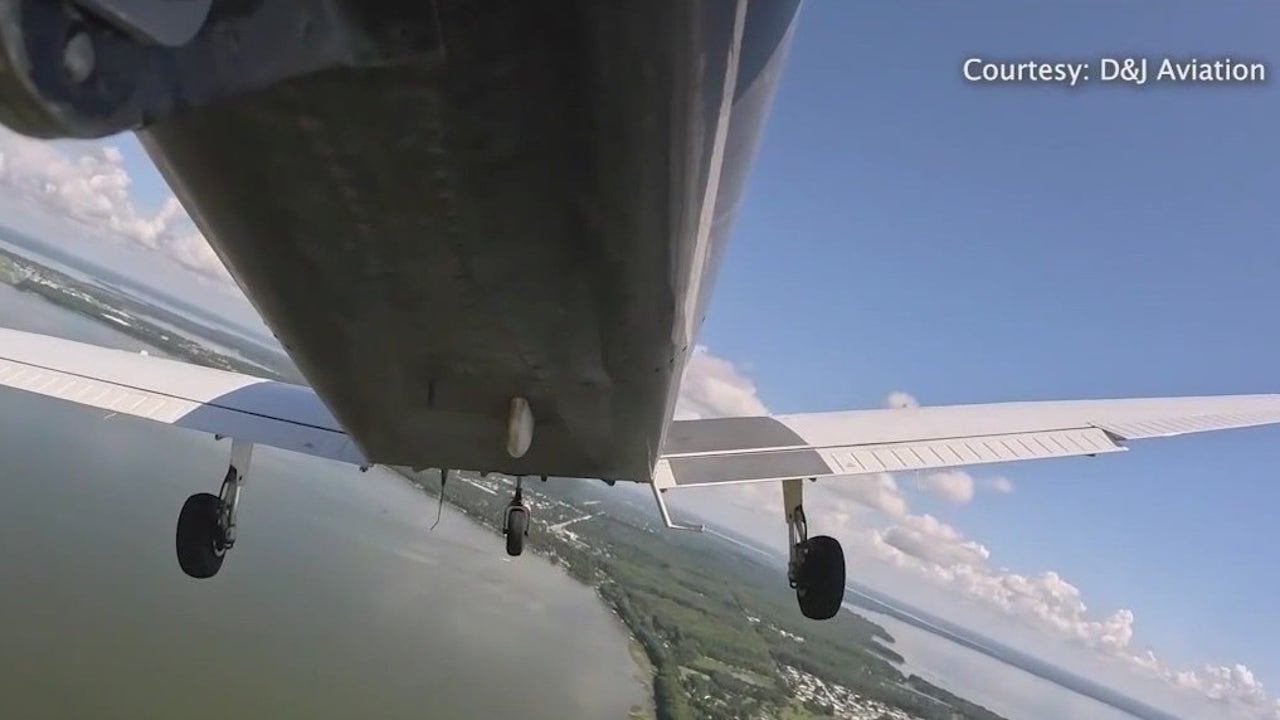
Record-breaking heatwaves are plaguing the U.S. this summer, making it difficult to stay cool. However, the scorching temperatures aren't just affecting us at the ground level — they're disrupting air travel, too, with increasing flight delays and aircraft weight restrictions. Visiting assistant professor of aeronautics Shem Malmquist, a recognized expert in aviation safety and operations, spoke with FOX 35 Orlando about how extreme temperatures can directly impact aircraft performance, particularly at high-traffic airports during the summer. "Temperatures are probably not something people think about," said Shem Malmquist, a graduate lecturer in aviation at Florida Tech. "But the delays just compound on each other. If you start getting delayed because people need more time to take breaks to stay cool, now that flight’s late, and that has a snowball effect." These limitations can affect passenger loads, cargo capacity and overall flight scheduling. As temperatures continue to climb, Malmquist warned that these disruptions could become the new normal — not just a seasonal inconvenience, but a growing challenge for the aviation industry in the face of climate change. A seasoned Boeing 777 captain and accident investigator, Malmquist has spent decades researching aircraft operations and emergency scenarios. He’s also contributed to global conversations on aviation safety policy and climate-related infrastructure resilience. If you’re covering this topic or looking to speak with an expert on the intersection of climate and air travel, Malmquist is available for interviews. Click the icon below to connect with him.


ChristianaCare and Children’s Hospital of Philadelphia (CHOP) today announce a new strategic affiliation to expand access to world-class pediatric care in Delaware and surrounding communities. The collaboration, which is expected to begin in spring 2026, will enhance access to specialized pediatric care by bringing CHOP’s renowned expertise closer to home for families in the communities ChristianaCare serves in Delaware, Maryland, Pennsylvania and New Jersey. By integrating CHOP’s services with ChristianaCare’s established network, the collaboration will improve care delivery, making advanced pediatric treatments more accessible and reducing the need for families to travel long distances for care. A Bold Step Forward in Pediatric Care “This collaboration brings together two amazing organizations that are already nationally recognized for clinical excellence—and we’re going to be even better together,” said Janice E. Nevin, M.D., MPH, president and CEO of ChristianaCare. “Our affiliation with CHOP marks a bold step forward in our mission to provide the highest quality care to children and families across the communities we serve. These are uncertain times for many parents with young children in need of routine or complex medical care. ChristianaCare and CHOP are joining forces to provide world-class care, close to home, at a time when it’s needed most.” “Bringing seamless, family-centered care to our patients is a priority at Children’s Hospital of Philadelphia,” said Madeline Bell, CEO at Children’s Hospital of Philadelphia. “As one of the region’s most dynamic health systems, ChristianaCare has earned a national reputation for its bold approaches to both clinical care and innovation. Our new affiliation is driven by a shared vision: redefining what is possible in health care and ensuring that every patient — at every stage of life — receives the highest standards of care, from infancy through adulthood.” “Our team at ChristianaCare is excited to work closely with Children’s Hospital of Philadelphia to bring even more specialized care to our community,” said Megan Mickley, M.D., chair of Pediatrics at ChristianaCare. “CHOP’s leadership in pediatric medicine will complement the outstanding care already provided at ChristianaCare, ensuring that our youngest patients receive the most advanced treatments in a compassionate and supportive environment.” Initial Focus and Future Growth This affiliation between ChristianaCare and CHOP represents a significant increase in access to world-class pediatric care for communities in Delaware, Maryland, southeast Pennsylvania and southern New Jersey. CHOP, a global leader in pediatric care and research for over 165 years, is consistently ranked among the top children’s hospitals in the country, known for pioneering breakthroughs across a breadth of pediatric care areas. The affiliation will include all ChristianaCare hospitals and locations where pediatric emergency and inpatients are cared for. The collaboration will initially focus on pediatric and neonatal services. Patients at ChristianaCare will have access to CHOP’s expertise in rare and complex diseases and a wide range of newborn and pediatric services, including surgery, cardiology, neurology, radiology, ophthalmology and genetics, as well as educational and research opportunities. As the collaboration grows, it will explore further opportunities to expand pediatric care and improve health care delivery in the region.



Are China's New Policies Opening Up China?
For centuries China has been known as a closed country. When the Ming Dynasty (1368-1644) started enforcing immense cultural and political influence, it acted as a catalyst for China's closed country status. Then the Qing dynasty (1644-1912) made the closed country status official by expanding China's political, cultural and administrative structures. Now after over 600 years, China is announcing they may become more open than they have in past centuries. China is not fully becoming open, but there are two ways China is hoping to re-establish its reputation among other countries. In 2024 China announced they are enabling a temporary visa-free policy, that permits visitors from 43 countries to visit China without visas for short trips lasting only a few days. China installed this policy with hopes of promoting global goodwill and to encourage tourism and business travel. Now in 2025, China says they will implement policies that will promote stable foreign trade growth and improve services for enterprises. While this new policy is just beginning, the visa-free policy will end at the end of 2025. So, while China says they are becoming more open, they mean they are welcoming foreign businesses and investors. They are currently not becoming open religiously, politically, socially or economically. Citizens, even visitors, still remain under strict censorship, surveillance and political control. These policies also don't mean that foreign companies will no longer experience restrictions, forced partnerships with Chinese firms, data rules, and unexpected regulatory pressure. These things will still continue to occur. China is being selective on what these policies entail and how long they will last. Since the COVID lockdowns and now with the real estate crashes and youth unemployment, China has felt its economy slowing. It's their hope that these new policies will help boost China's economy. Economic Perspective: Dr. Jared Pincin is an expert on economics and is available to speak to media regarding China's economy – simply click on his icon or email mweinstein@cedarville.edu to arrange an interview. International Relations Perspective: Dr. Glen Duerr, professor of international studies at Cedarville University and a citizen of the United Kingdom, Canada, and the United States, is a nationally known expert on this subject and is available to speak to on China's new policies. To schedule an interview, email Mark D. Weinstein, executive director of public relations at Cedarville University at mweinstein@cedarville.edu or click on his icon.


School will soon be out for the summer, and many young families are opting to explore the beauty of their own country, travelling to top destinations like Toronto, Vancouver, and Halifax rather than heading south. While many travellers prioritize insurance for international trips, a recent CAA survey found that many people overlook the necessity of travel insurance for domestic travel, often assuming provincial healthcare will have them covered. "Exploring Canada’s breathtaking landscapes is an adventure worth taking, but unexpected travel hiccups don’t stop at the border,” says Susan Postma, regional manager, CAA Manitoba. “Whether it’s a sudden medical emergency or trip disruptions, having the right travel insurance ensures you can focus on making memories." A new national travel survey conducted for CAA reveals that nearly four in ten Canadians (39 per cent) travelled outside their home province without any form of travel insurance during their last trip. Some believed it was unnecessary (45 per cent), others worried about the cost (22 per cent), and 19 per cent took their chances, hoping nothing would go wrong. The reality? Provincial health insurance programs typically cover only basic emergency medical services when travelling in another province. “Many Canadians assume they’re fully protected when travelling within the country, but that’s simply not the case,” says Postma “A minor mishap can become a major expense, whether a broken ankle on a hike or a last-minute interruption.” Here are two unexpected ways travel insurance can help: You break your ankle while hiking on one of Canada’s beautiful nature trails and now need an ambulance or an airlift, crutches, and medication. You’re on vacation but must return unexpectedly because someone at home gets seriously ill. In stressful situations, like when a family member falls ill, it helps to have support when you need it. Trip Cancellation Insurance would cover the flight change fee and help get you back home. According to Orion Travel Insurance, part of the CAA family, the average medical claim cost has risen by 15 per cent annually since 2019, with everything from ear infections to air ambulance services becoming significantly more expensive. Here are ten additional tips to help your trip go smoothly, no matter where you travel. Know the cancellation policies and check limits or restrictions for everything you booked. Make sure you understand any key dates related to cancellations or changes. This includes accommodation, flights, car rentals, tours, and cruises. Check limits or restrictions on credit cards, employee benefits, and pensions to determine if you need additional travel insurance coverage. Make sure all your documentation is in order before you book. It is recommended that passport renewals be completed six months before your planned trip. Your passport should still be valid six months after your travel date, as this is required in several countries. There are varying documentation requirements, so make sure you fully understand what information you need to have ready and in what format. Read up on Government of Canada travel advisories for your destination. Understand the risk level associated with travel to a particular destination by checking the Government of Canada Travel Advice and Advisories website. Individual travel advisories remain on a country-by-country basis. It is important that Ontarians/Manitobans understand the ongoing uncertainty associated with international travel. Speak with your physician to discuss your travel plans. It is important that you speak to your physician to ensure you are up to date with needed travel vaccines and have them prescribe enough medication for the length of your trip. Ensure all the medication you take is packed in your carry-on and in its original bottles with labels intact. Consider purchasing travel insurance at the time of booking your trip. To lock in the best protection, book your travel insurance at the same time you book your trip. Booking Trip Cancellation or Interruption insurance will give you peace of mind that you and your investment are protected. Insurance must be in place before things go wrong for you to benefit from coverage. Get to the airport early. The old standby of being at the airport one hour before takeoff for domestic flights and two hours before international flights no longer apply. CAA recommends arriving at the airport at least two hours before domestic flight departures and at least three for international flights. Stay connected. It is important to have access to trusted, up-to-date information while travelling so you can monitor changing conditions and requirements and adapt accordingly. Bookmark the Global Affairs Canada website before departure and check it regularly while abroad. It is also a good idea to sign up for Registration of Canadians Abroad and stay in touch with a family or friend who knows your travel plans. Find these and more information at caamanitoba.com/travelwise Note emergency contact numbers. Provide your travel agent with contact details while travelling abroad and keep all important phone numbers handy; this includes how to call for help and your travel insurance assistance phone number. It is also a good idea to keep a physical copy of all their reservation information and leave those details with a friend or family member. Protect your ID. Ensure you have a digital and paper version of your Travel insurance wallet card, tickets to various events and attractions, and even your passport. You may also want to leave a copy of the necessary paperwork with family members or friends. Pack your carry-on wisely. Include the most important items, such as your passport/ID, boarding pass, travel itinerary, wallet, phone, charger, medications, toiletries, glasses/contacts, noise-canceling headphones, book/e-reader, snacks, empty water bottle, travel pillow, change of clothes, sweater, socks, pen, and reusable bags, in your carry-on bag. For more information on travel insurance and how to stay protected, visit caamanitoba.com/travelwise Based on the sample size of n=2,005 and with a confidence level of 95%, the margin of error for this research is +/- 2%.)


School will soon be out for the summer, and many young families are opting to explore the beauty of their own country travelling to top destinations like Vancouver, Calgary and Halifax rather than heading south. While many travellers prioritize insurance for international trips, a recent CAA survey found that many people overlook the necessity of travel insurance for domestic travel, often assuming provincial healthcare will have them covered. "Exploring Canada’s breathtaking landscapes is an adventure worth taking, but unexpected travel hiccups don’t stop at the border,” says Kaitlynn Furse, Director Corporate Communications, CAA SCO. “Whether it’s a sudden medical emergency or trip disruptions, having the right travel insurance ensures you can focus on making memories." The national travel survey conducted for CAA reveals that four in ten Ontarians (41 per cent) travelled outside their home province without travel insurance during their last trip. Some believed it was unnecessary (43 per cent), others worried about the cost (24 per cent), and 20 per cent took their chances, hoping nothing would go wrong. “Many Canadians assume they’re fully protected when travelling within the country, but that’s simply not the case,” adds Furse. A minor mishap can become a major expense, whether a broken ankle on a hike or a last-minute interruption.” Here are two unexpected ways travel insurance can help: You break your ankle while hiking on one of Canada’s beautiful nature trails and now need an ambulance or an airlift, crutches, and medication. You’re on vacation but must return unexpectedly because someone at home gets seriously ill. In stressful situations, like when a family member falls ill, it helps to have support when you need it. Trip Cancellation Insurance would cover the flight change fee and help get you back home. According to Orion Travel Insurance, part of the CAA family, the average medical claim cost has risen by 15 per cent annually since 2019, with everything from ear infections to air ambulance services becoming significantly more expensive. Here are ten additional tips to help your trip go smoothly, no matter where you travel. Know the cancellation policies and check limits or restrictions for everything you booked. Make sure you understand any key dates related to cancellations or changes. This includes accommodation, flights, car rentals, tours, and cruises. Check limits or restrictions on credit cards, employee benefits, and pensions to determine if you need additional travel insurance coverage. Make sure all your documentation is in order before you book. It is recommended that passport renewals be completed six months before your planned trip. Your passport should still be valid six months after your travel date, as this is required in several countries. There are varying documentation requirements, so make sure you fully understand what information you need to have ready and in what format. Read up on Government of Canada travel advisories for your destination. Understand the risk level associated with travel to a particular destination by checking the Government of Canada Travel Advice and Advisories website. Individual travel advisories remain on a country-by-country basis. It is important that Ontarians/Manitobans understand the ongoing uncertainty associated with international travel. Speak with your physician to discuss your travel plans. It is important that you speak to your physician to ensure you are up to date with needed travel vaccines and have them prescribe enough medication for the length of your trip. Ensure all the medication you take is packed in your carry-on and in its original bottles with labels intact. Consider purchasing travel insurance at the time of booking your trip. To lock in the best protection, book your travel insurance at the same time you book your trip. Booking Trip Cancellation or Interruption insurance will give you peace of mind that you and your investment are protected. Insurance must be in place before things go wrong for you to benefit from coverage. Get to the airport early. The old standby of being at the airport one hour before takeoff for domestic flights and two hours before international flights no longer apply. CAA recommends arriving at the airport at least two hours before domestic flight departures and at least three for international flights. Stay connected. It is important to have access to trusted, up-to-date information while travelling so you can monitor changing conditions and requirements and adapt accordingly. Bookmark the Global Affairs Canada website prior to departure and check it regularly while abroad. It is also a good idea to sign up for Registration of Canadians Abroad and stay in touch with a family or friend who has knowledge of your travel plans. Find these and more information at caasco.com/travelwise Note emergency contact numbers. Provide your travel agent with contact details while travelling abroad and keep all important phone numbers handy; this includes how to call for help and your travel insurance assistance phone number. It is also a good idea to keep a physical copy of all their reservation information and leave those details with a friend or family. Protect your ID. Ensure you have a digital and paper version of your Travel insurance wallet card, tickets to various events and attractions, and even your passport. You may also want to leave a copy of important paperwork with family members or friends. Pack your carry-on wisely. Place the most important items like passport/ID, boarding pass, travel itinerary, wallet, phone, charger, medications, toiletries, glasses/contacts, noise-canceling headphones, book/e-reader, snacks, empty water bottle, travel pillow, change of clothes, sweater, socks, pen, and reusable bags in your carry-on bag. For more information on travel insurance and how to stay protected, visit caasco.com/travelwise Based on the sample size of n=2,005 and with a confidence level of 95%, the margin of error for this research is +/- 2%.)


What's the True Story on the State of Tourism in Florida?
Tourism is one of the key economic drivers in Florida. The sector is responsible for approximately 10 percent of the Gross State Product (GSP), employs millions, and contributes billions to the state's economy. But how are things in the sector? It depends on the day, what you're reading or what you're watching: the industry in Florida is either booming or in a vulnerable situation. Here are two examples: Rising tariffs, visa delays, and shifting global travel trends have created a perfect storm, leading to a sharp drop in tourist numbers across Florida and several other U.S. states. The U.S. tourism industry is facing unprecedented challenges as international visitors choose alternative destinations amid political and economic shifts. According to recent data from the U.S. Travel Association, international visits to the U.S. saw a 14% decline in March, reflecting a broader global trend. However, the most significant impact has been felt among Canadian travelers, with a staggering 20.2% decrease in the number of Canadians visiting the U.S. This marks a troubling shift for the U.S., which has long relied on its neighboring country as a key source of international tourism. Florida, which has seen a decrease in tourism since the pandemic, is now facing a compounded crisis. The state, which historically attracted millions of international visitors, is seeing fewer long-term snowbirds, as well as a general decline in international arrivals. The state’s tourism sector, once a booming economic engine, is facing significant challenges. With both fewer foreign visitors and changes in local tourism trends, the state’s economy is under increasing strain. According to the World Travel & Journalism Council, the U.S. is on track to lose more than \$12 billion in international travel spending this year alone due to the decline in visitor numbers. June 06 - Travel and Tour World Whereas government officials are painting a very different picture. Florida welcomed 143 million visitors in 2024, setting a new tourism record for the state. State officials said this is the most visitors in a single year in Florida's history. The trend isn't slowing down, as more than 41 million people visited Florida in just the first three months of this year. May 21 - ABC News So there are questions that need to be answered: What is the current state of tourism in Florida? Have tariffs impacted visits from abroad? Does the high US dollar have anything to do with fewer people coming to the Sunshine State from outside of America? Has domestic travel increased with more Americans choosing Florida as a destination? If the sector is suffering from a decline in visitors, how can it adapt to be more attractive to tourists? If you are a reporter following the tourism industry - we're here to help. Peter Ricci is the Director of the Hospitality and Tourism Management program in Florida Atlantic University’s College of Business. He is a hospitality industry veteran with more than 20 years of managerial experience in segments including food service, lodging, incentive travel and destination marketing. Peter is available to speak with the media about tourism in Florida and the potential for gambling. Simply click on his icon to arrange an interview.



Trump's deployment of National Guard troops in L.A. sparks legal questions
Professor of Law James Sample discussed the new travel ban enacted by the Trump Administration and its legality, and the use of National Guard troops in Los Angeles with MSNBC.

