
Experts Matter. Find Yours.
Connect for media, speaking, professional opportunities & more.
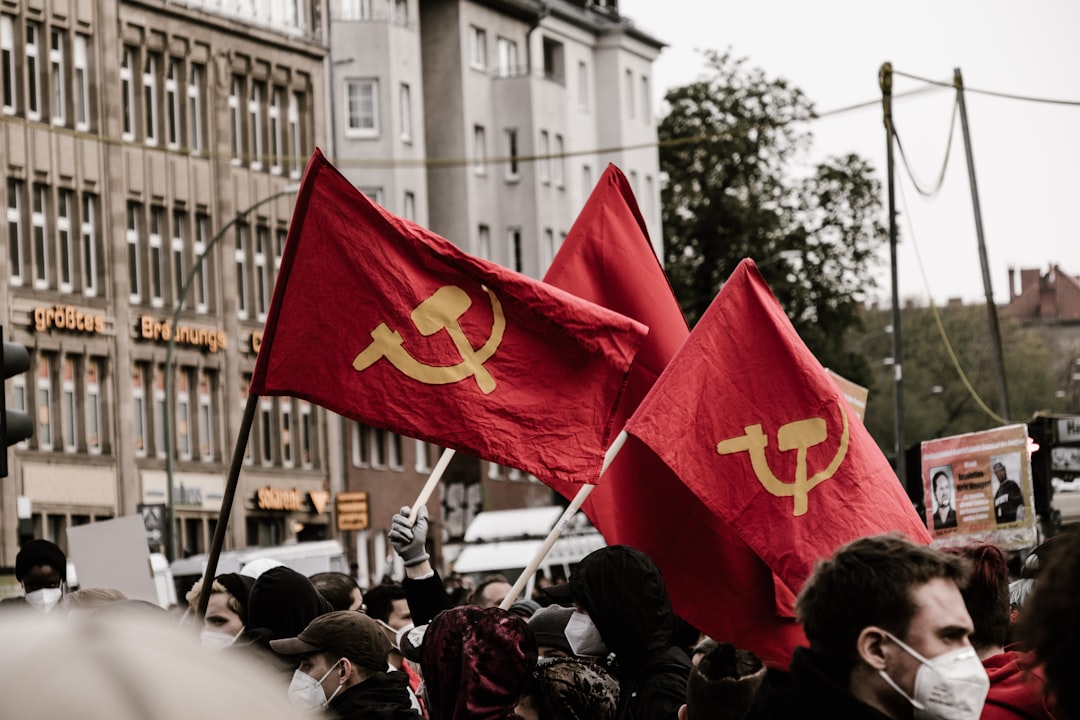
ExpertSpotlight: From Revolution to Ritual: The Enduring Power of May Day Parades in Russia
Each year on May 1, images of grand parades, waving flags, and tightly choreographed displays evoke a powerful legacy rooted in ideology, identity, and statecraft. In Russia, May Day—known as International Workers’ Day—has evolved from a revolutionary rallying point into a symbolic expression of national unity, political messaging, and historical continuity. Origins in Revolution and Worker Solidarity May Day celebrations in Russia trace their roots to the late 19th century, inspired by international labour movements advocating for workers’ rights—particularly the push for the eight-hour workday. Following the Russian Revolution, the holiday was institutionalized by the Bolsheviks as a cornerstone of socialist identity. Under leaders like Vladimir Lenin, May 1 became more than a labour holiday—it was a stage for demonstrating the strength and unity of the working class under communist rule. Early celebrations blended grassroots enthusiasm with emerging state control, reinforcing the ideological foundations of the new Soviet state. The Soviet Spectacle: Power on Display During the era of the Soviet Union, May Day parades transformed into highly orchestrated spectacles. Held prominently in Red Square, these events showcased military hardware, industrial achievements, and mass participation from workers, students, and state organizations. Under Joseph Stalin, the parades took on an increasingly propagandistic tone, emphasizing Soviet strength both domestically and to the outside world. Precision choreography, symbolic imagery, and sheer scale reinforced narratives of unity, productivity, and ideological superiority during the Cold War. Post-Soviet Transition: From Ideology to Identity Following the collapse of the Soviet Union in 1991, the meaning of May Day in Russia shifted significantly. While it remains a public holiday, its overt ideological messaging has softened. Today, events often blend labour advocacy, political expression, and seasonal celebration. Modern observances frequently include rallies organized by trade unions such as the Federation of Independent Trade Unions of Russia, alongside state-supported demonstrations that emphasize national unity and economic stability under leaders like Vladimir Putin. Why May Day Still Matters May Day parades in Russia continue to serve as a barometer of the country’s political and social climate. While the overt revolutionary fervor of the early 20th century has faded, the event remains deeply symbolic: Historical Continuity: A living link to the Soviet past and its defining narratives Political Messaging: A platform for governments to project stability and cohesion Labour Identity: An enduring reminder of workers’ rights and collective action Cultural Tradition: A widely recognized public celebration marking the arrival of spring Expert Insight What makes May Day in Russia particularly compelling is its adaptability. Across more than a century, it has shifted from protest to propaganda to public ritual, each iteration reflecting the priorities of the state and the sentiments of its people. Connect with more experts here: www.expertfile.com

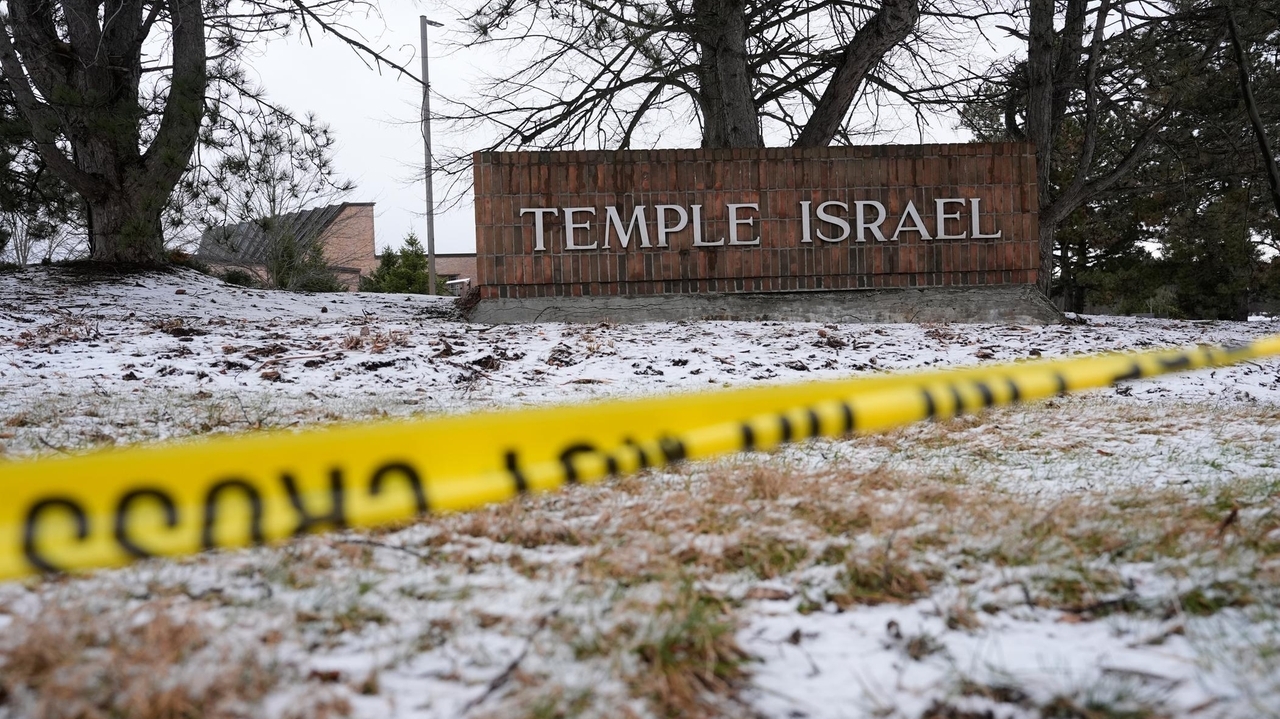
“With Global Antisemitism Rising, ‘Never Again’ Rings Hollow”
Hofstra Professor of Political Science and Director of the European Studies Program Carolyn Dudek wrote a guest essay for Newsday: “With global antisemitism rising, ‘Never Again’ rings hollow.” Dr. Dudek was awarded the 2024 Jean Monnet Chair to expand research, teaching, and course development on the European Union, with a specific focus on EU anti-discrimination policies that address marginalized groups, such as Jews, Muslims, Roma, women, communities of color and the LGBTQ+ community.


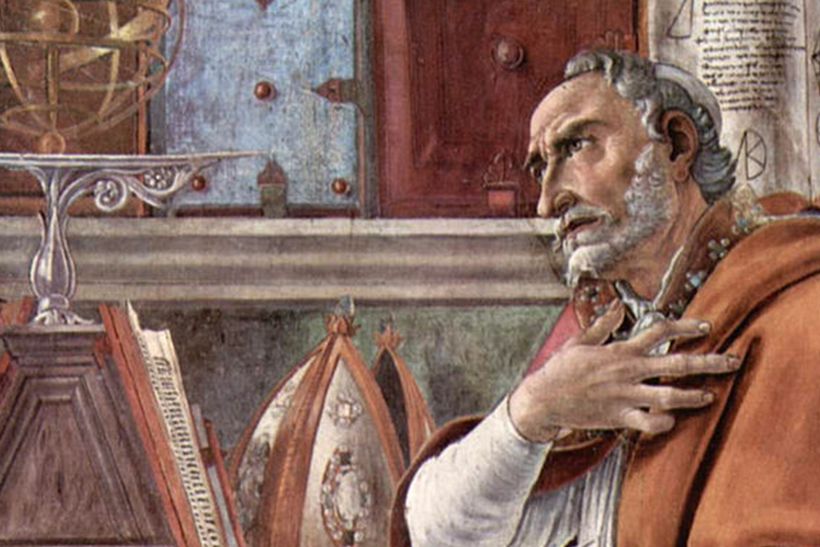
During his historic trip to Africa in April 2026, Pope Leo XIV toured the archaeological ruins of Annaba, Algeria, capping what he referred to as a “special” journey to the country. Annaba, where the ancient city of Hippo Regius once stood, is not far from where St. Augustine—patron of the Augustinian order to which the Pope belongs—was ordained, made bishop and crafted his most influential theological works. Walking in his footsteps, Pope Leo—who referred to himself as a “Son of Augustine” upon his election to the papacy—toured the ruins with other members of the Order and his traveling party. It was a personal and symbolic moment, but for those paying close attention to his early pontificate, it represented only the most recent of many tributes he has paid to Augustine and his teachings. “In reading through Pope Leo’s addresses and his homilies, his messages and his video recordings, there is barely one that goes by without him referencing Augustine in some way,” said Paul A. Camacho, PhD, associate director of The Augustinian Institute at Villanova University, and scholar of Augustine’s teachings. When the Pontiff accepted the St. Augustine Medal from the Augustinian Province of St. Thomas of Villanova in August 2025, he made it clear why. “As Augustinians, we strive every day to live up to the spiritual example of our spiritual father, St. Augustine,” he said to the Province. “To be recognized as an Augustinian, it’s an honor held dearly. So much of who I am, I owe to the spirit and teachings of St. Augustine and I am grateful to all of you for all the many ways your lives exhibit a deep commitment to the values of Veritas, Unitas and Caritas.” Veritas Examples abound related to all three values and how Pope Leo has invoked Augustine in speaking about them. Dr. Camacho cites a handful he found particularly noteworthy. For example, Veritas first appeared in an especially prominent way during an early address for the June Solemnity of the Holy Trinity and Jubilee of Sport. Then, Pope Leo said, “This combination of Trinity and Sport is somewhat unusual, yet the juxtaposition is not inappropriate. Every good worthwhile human activity is in some way a reflection of God’s infinite beauty, and sport is certainly one of these.” “For St. Augustine, the Trinity and wisdom are intimately connected,” Dr. Camacho said, also mentioning that Augustine authored an entire book on the subject titled “On the Trinity.” “Divine wisdom is revealed in the Most Holy Trinity and wisdom always leads us to Veritas—the truth," he said. “What Pope Leo goes on to do is say that the life of God, the Trinity, is a life of play…It’s a dance, and dance is a sport, and our own way of participating in that kind of activity is a participation in life of God.” When Pope Leo later spoke to the International Foundation of Catholic Universities—an occasion for which the motto was “Choreographers of Knowledge”—he referenced that dance again. “Pope Leo invites us to think of our relationship to Veritas not as something to master,” Dr. Camacho said. “But rather as a light that draws us out of ourselves towards it, in a dance of relationship with it and one another.” Unitas During a September Mass for the General Chapter of the Order of St. Augustine, Pope Leo prayed that those in attendance be given “the gift to listen, the gift to be humble and the gift to promote unity within the Augustinian Order, and throughout the Order, throughout the Church and the world.” Earlier in the summer, he touched on unity during the Jubilee of Families, Children, Grandparents and the Elderly, commenting on the Gospel of John, in which “Christ prays that we may all be one.” “This being one is the greatest good we can desire, for this universal union brings about among his creatures the eternal communion of love that is God himself: the Father who gives life, the Son who received it and the Spirit who shares it… the Lord does not want us in this unity to be a nameless and faceless crowd,” Pope Leo said. “What Pope Leo expresses here is that unity is not conformity, but rather community—the kind of community in which each one of us becomes more of who it is that we are the more we love and work for what is good in common,” explained Dr. Camacho. “This is a deeply Augustinian insight.” In one general audience with members of various religious groups, Pope Leo relayed “Unity has always been a constant concern of mine, as witnessed by the motto I chose for my episcopal ministry.” He was referencing, Dr. Camacho says, the Latin phrase In illo uno unum, displayed on his coat of arms. “That phrase—‘in the one [Christ] we are one’—comes from St. Augustine’s commentary on the Psalms. Pope Leo comes back again to this idea that when we love and follow the truth that is Christ, we simultaneously become more uniquely individual, and our unity becomes genuine community, and not mass conformity.” Caritas In his Opening Homily for the Beginning of the Pontificate, Pope Leo followed his salutations with these words: “I greet you all with a heart full of gratitude at the beginning of the ministry that has been entrusted to me. St. Augustine wrote: ‘Lord, you have made us for yourself, and our heart is restless until it rests in you.” According to Dr. Camacho, Augustine taught that the solution to the restless heart is Caritas, or rightly ordered love that finds its rest in God. Augustine’s thinking about love is developed in a social dimension when he distinguishes between two different kinds of political communities, which he calls the “Earthly City” (in which pride and self-love dominate), and the “City of God” (in which love of God and neighbor form the community). Augustine’s enduring and influential work “De Civitas Dei,” or “City of God,” articulates this distinction between false and true loves. At the 16th Annual Meeting of the International Catholic Legislators Network, Pope Leo suggested that we look to Augustine, citing his own witness of social upheavals in his time, and that we consider Augustine’s reminder that we must attend to these “two orientations of the human heart.” “Ordo amoris—order of love,” explained Dr. Camacho. “This is Augustine’s notion that following Christ is not a matter of private devotion, but rather demands a dilation of our hearts: our loves must move out to embrace the poor, the marginalized, the downtrodden, the forgotten. In Catholic Social Thought, this is the principle of solidarity: while the things that we love begin with what is most intimate to us, we are called to expand our love outward. One of the things Pope Leo is trying to say is that Augustine’s thought remains a living inspiration for how we might organize our societies.” Speaking to the International Interparliamentary Union in late June, Pope Leo intimated that St. Augustine speaks of “your responsibility to promote and protect, independent of any special interest, the good of the community, the common good, particularly by defending the vulnerable and the marginalized.” “Augustine’s idea was that what makes a community is what its members love in common,” Dr. Camacho said. “In other words, Caritas—love—is fundamental to how we think about how we relate to one another. Not just on a one-to-one, personal level or in terms of a private relationship to my own good, but rather how we relate to our communities, and what we build together for the common good.” “Bringing Augustine Back to the World” One of the great gifts of the Augustinian Order, says Dr. Camacho, is that “because of its charism of community, it draws individuals to become religious from all walks of life, and not just those who have extensively read or studied the work of Augustine.” It is especially noteworthy, he says, just how entrenched Pope Leo’s words and actions are in his long-time study of Augustine. “It is quite clear that Pope Leo loves Augustine, not just as an exemplar, as a patron saint of the Order, or as a doctor of the Church—though he is all of these. Leo loves Augustine as a companion: a man whose life reminds us that discipleship is about fidelity and not about perfection; a thinker who is rich in philosophical and theological insight; and a priest and bishop who cared deeply for his community. “In his pontificate, it is already clear that Pope Leo, this great “Son of Augustine,” is bringing Augustine back to the Church and to the world as a vital source of wisdom and inspiration.”



Union Hospital Earns Healthgrades 2026 Patient Safety Excellence Award for Second Consecutive Year
Union Hospital has once again been ranked among the top 10% of hospitals nationwide, earning the 2026 Healthgrades Patient Safety Excellence Award™ for the second year in a row. In a landscape where many hospitals struggle to maintain consistency, Union Hospital is delivering a sustained streak of high reliability, driven by disciplined safety practices and a culture that puts patient protection first. Campus president Joan Pirrung captures it well: “Our caregivers are relentless about safety. Achieving this honor two years in a row shows the unwavering commitment they bring to every patient, every day.” At the heart of this repeat achievement is a team of caregivers who’ve built a culture where safety isn’t a program—it’s a daily practice. If you’re interested in the story behind these results, I can connect you with campus president Joan Pirrung for additional insight or interviews.



The AI In Action Symposium, hosted by the LSU E. J. Ourso College of Business, brings together expert voices at the heart of the AI revolution to explore how they have successfully navigated this evolving landscape. The 2026 symposium focuses on the practical implications of AI in business, including hiring AI-ready talent, ensuring responsible and ethical use, and exploring the challenges of implementing AI across both large enterprises and small startups. Speakers Attendees will hear from Louisiana leaders and national AI experts, including… Secretary Bruce Greenstein of the Louisiana Department of Health April Wiley, Senior Vice President at Community Coffee Robert Veit and Julian Tandler from Scale Team Six, a San Francisco-based business accelerator Dr. Tonya Jagneaux, who leads medical analytics at the Franciscan Missionaries of Our Lady Health System (FMOLHS) Hunter Thevis, president and co-founder of Lafayette-based S1 Technology …and many more! Details March 20, 2026, 8:00 a.m. – 1:00 p.m. Registration deadline is March 15. Held on the LSU A&M Campus, in the LSU Student Union Register at lsu.edu/business/ai-symposium Discount available for LSU System employees



As tensions escalate over the possibility of the United States seeking control of Greenland — including threats of annexation that have drawn international backlash — seasoned international relations expert Glen Duerr, Ph.D. offers critical context for journalists reporting on the diplomatic, legal, and geopolitical dimensions of this unfolding crisis. What's Happening In early 2026, high-level rhetoric from U.S. political figures has revived debates about Greenland’s status as a strategic territory. What began as discussions of acquisition has evolved into broad international concern over sovereignty, alliance cohesion, and Arctic security. Denmark and Greenland have reaffirmed their commitment to autonomy, while NATO allies and the European Union warn that any forceful move by the U.S. could undermine alliance unity and violate international norms — raising profound questions about territorial integrity, international law, and the politics of national interest. Dr. Glen Deurr's teaching and research interests include nationalism and secession, comparative politics, international relations theory, sports and politics, and Christianity and politics. View his profile here How Dr. Glen Duerr Can Help Journalists Cover This Story 1. Understanding Strategic National Interests Dr. Duerr’s expertise in international relations provides journalists with a framework to explain why Greenland has become such a focal point for U.S., European, and Arctic security policy — from its strategic location to its role in broader defense calculations. 2. Explaining Nationalism, Sovereignty & Self-Determination His research on nationalism and secession is especially relevant as Greenlanders and Danish authorities assert self-determination and reject external control, a central narrative in the current debate. 3. Contextualizing International Norms & Legal Constraints As commentators and policymakers discuss potential annexation, treaty obligations, and alliance commitments, Dr. Duerr can unpack how international law, treaties (such as NATO agreements), and norms against territorial conquest shape policy choices and diplomatic responses. 4. Making Sense of Geopolitical Fallout With European leaders labeling aggressive claims as a form of “new colonialism” and threatening economic countermeasures, Dr. Duerr can help journalists interpret how Greenland could become a flashpoint affecting transatlantic relations, alliance politics, and global perceptions of U.S. foreign policy. About Glen Duerr, Ph.D. Dr. Glen Duerr is a Professor of International Studies at Cedarville University with deep expertise in international relations theory, nationalism, secession, and comparative politics. He holds a Ph.D. in Political Science and Government and is widely available to speak with media on geopolitics, sovereignty disputes, and the intersection of national interest and international order. Why This Matters The evolving crisis over Greenland is not merely a diplomatic dispute — it touches on fundamental questions of sovereignty, global strategic balance, alliance credibility, and international legal norms. Dr. Duerr is positioned to help journalists go beyond headlines, offering analysis that clarifies motivations, stakes, and implications for audiences tracking one of the most talked-about international issues of 2026.


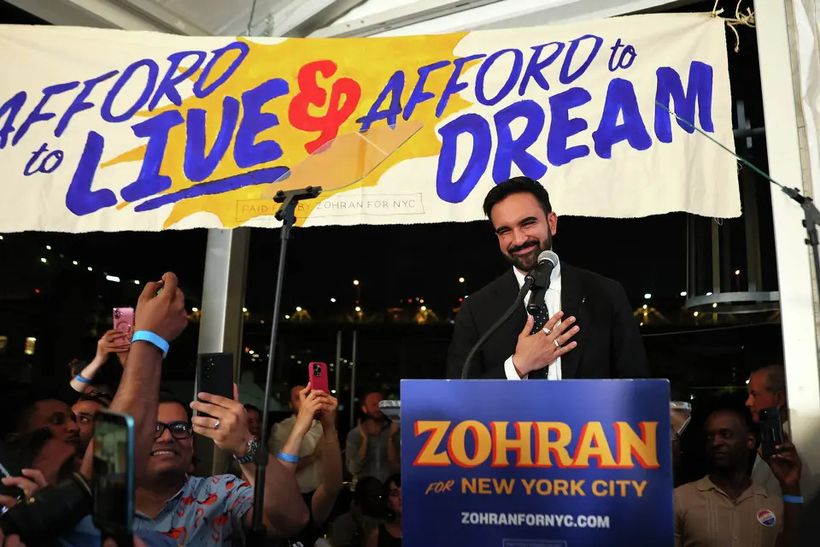
Republicans Rethinking Mamdani Scare Tactics
Lawrence Levy, associate vice president and executive dean of the National Center for Suburban Studies, wrote an opinion piece for the Albany Times Union: With Mamdani, Republicans should be careful what they wish for.


Lighting the Fires of Memory: The History, Meaning and Modern Significance of Memorial Observances
In the United States, United Kingdom and Canada, special annual days of remembrance bring into focus a simple yet profound truth: societies mark the sacrifice of those who died in military service so that past and future generations will not forget. These observances are layered with history, symbolism and evolving practice. Origins & Historical Development United States – Memorial Day Memorial Day began in the aftermath of the American Civil War. One of the earliest national observances took place on May 30, 1868, when John A. Logan, Commander-in-Chief of the Grand Army of the Republic, proclaimed “Decoration Day” to honour the Union dead by decorating their graves. The date was chosen because spring flowers would be in bloom across much of the country. Over time, as the United States engaged in further conflicts, Decoration Day evolved into a broader day of honouring all U.S. military personnel who died in service. In 1971, Congress made Memorial Day a federal holiday observed on the last Monday of May. United Kingdom and the Commonwealth – Remembrance Day Remembrance Day, also known as Armistice Day, originated from the end of the First World War and is observed on November 11. It commemorates the armistice signed at the 11th hour of the 11th day of the 11th month in 1918. In Britain and the Commonwealth, the red poppy became the enduring symbol of remembrance, inspired by the poppies of Flanders fields and popularized in the years following the war. Canada – Remembrance Day Canada also observes Remembrance Day on November 11. The observance dates back to post-WWI traditions and was officially adopted by Parliament in 1931. It honours the more than 118,000 Canadians who have made the ultimate sacrifice among the 2.3 million who have served in uniform. Meaning and Symbolism At their core, Memorial Day and Remembrance Day are about memory, sacrifice, duty, and gratitude. They serve as communal rituals: visiting cemeteries and memorials, placing flowers or wreaths, holding moments of silence, and wearing symbols like the poppy. In the United States, the act of decorating graves carried not only personal remembrance but also civic pride—honouring those who laid down their lives for their country. In the United Kingdom and Canada, the poppy remains a powerful visual reminder of both the human cost of war and the enduring hope for peace. Modern Significance These observances offer societies a chance to pause, reflect, and connect past sacrifice with present freedoms and responsibilities. In the United States, Memorial Day has also come to mark the unofficial start of summer. Still, national initiatives such as the National Moment of Remembrance invite Americans to refocus on solemn reflection. In Canada and the United Kingdom, Remembrance Day remains deeply ceremonial, marked by two-minute silences, wreath-layings, and public education about the sacrifices of war. For all three nations, these days foster inter-generational understanding—educating younger people about service, sacrifice, and the peace that followed—while reminding governments and citizens alike of ongoing obligations to veterans. Why It Matters to U.S., British, and Canadian Peoples For Americans, Memorial Day symbolizes how unity, freedom, and democracy have been defended and preserved at great cost. For Britons and Canadians, Remembrance Day binds their shared histories of service in global conflicts, linking national identity with sacrifice and resilience. In Canada especially, the day has evolved into a moment not just of military remembrance, but of reflection on what it means to serve a country and commit to peace. Across all three nations, these observances allow public acknowledgment of loss and courage, while anchoring civic values of duty, freedom, and gratitude. Key Themes and Story Angles Continuity and Change: From Decoration Day to Memorial Day, from Armistice Day to Remembrance Day—how the meaning endures through time. Symbols and Rituals: Poppies, wreaths, silences, and ceremonies as expressions of collective memory. Commercialization vs. Solemnity: Balancing commemoration with modern traditions such as travel and leisure. Generational Awareness: Passing remembrance to younger audiences through schools, media, and veterans’ stories. Veterans and Contemporary Service: Linking remembrance with ongoing commitments to those who serve. Community Connection: How towns and cities mark remembrance through local parades, services, and shared stories. Memorial Day and Remembrance Day are more than calendar observances—they are living rituals of collective gratitude. They invite reflection on what has been given and what must be preserved. For the United States, the United Kingdom, and Canada, these days stand as enduring reminders of courage, unity, and the price of peace. Connect with our experts about the history, meaning and modern significance of memorial observances: Check out our experts here : www.expertfile.com
ExpertSpotlight: The History of Labor Day
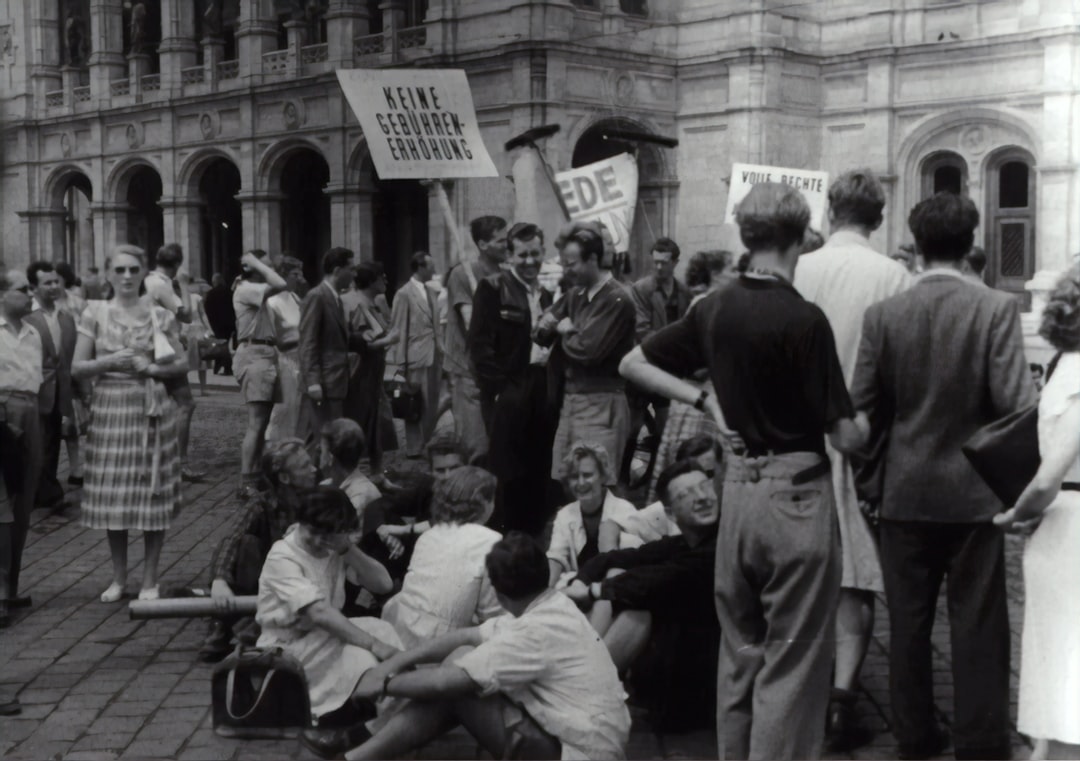
What began as a modest parade in New York City has grown into a national holiday that honors the contributions of American workers and continues to spark conversations about labor rights today. Observed on the first Monday of September, Labor Day is both a tribute to the workforce and a cultural milestone marking the close of summer. From Parade to Holiday The first Labor Day celebration took place on September 5, 1882, when roughly 10,000 workers marched through New York City in a demonstration organized by the Central Labor Union. The parade, followed by a picnic and speeches, was designed to showcase the unity and strength of trade and labor organizations. The origins of the idea remain contested. Some credit Peter J. McGuire, co-founder of the United Brotherhood of Carpenters, while others point to Matthew Maguire, a machinist and secretary of the Central Labor Union. Regardless of its champion, the concept spread quickly. By the late 1880s, states began adopting Labor Day as an official holiday. In 1894, following a wave of labor unrest that included the Pullman Strike, President Grover Cleveland signed legislation declaring the first Monday in September a federal holiday. Labor Day vs. May Day Unlike May Day (May 1)—which became closely associated with international labor movements and the more radical legacy of the Haymarket Affair of 1886—Labor Day was intended as a uniquely American holiday. Its September placement emphasized unity and recognition without the confrontational overtones of May Day. Over time, this distinction gave Labor Day a broader cultural resonance in the United States. A Living Tradition While barbecues, parades, and retail sales now dominate many Labor Day weekends, the holiday’s deeper meaning endures. It is a reminder of the hard-won gains of the labor movement, from the eight-hour workday to workplace safety protections, as well as the continuing debates over wages, unionization, and economic fairness. Even traditions like the etiquette rule of not wearing white after Labor Day reflect how the holiday shaped cultural norms at the turn of the 20th century. Today, beyond its role as summer’s unofficial finale, Labor Day continues to honor the dignity and achievements of working people across the country. Connect with our experts about the History of Labor Day. Check out our experts here : www.expertfile.com
Don’t Write Off Hochul Just Yet
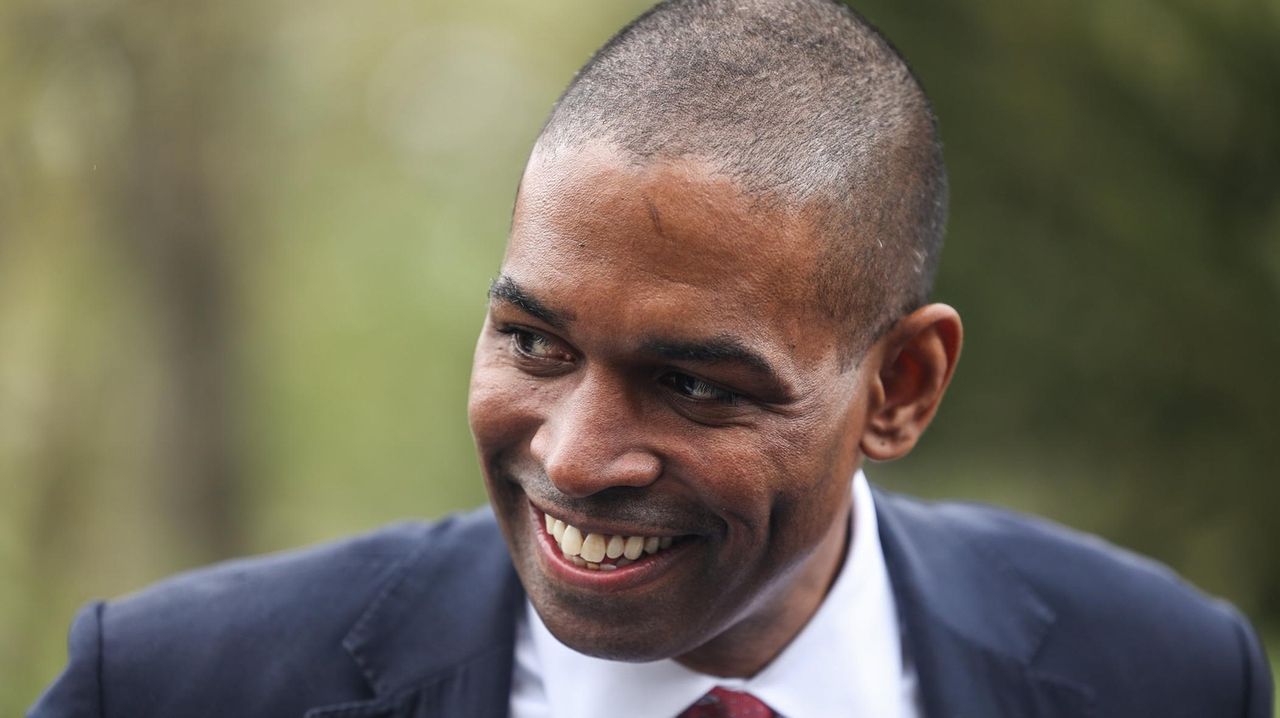
Lawrence Levy, associate vice president and executive dean of the National Center for Suburban Studies, wrote an opinion piece for the Times Union: “Commentary: Don’t write off Hochul just yet.” He was also interviewed by Newsday about Lt. Gov. Antonio Delgado jumping into the governor’s race. Levy said Delgado has to be viewed as a “deep underdog.” His name recognition is low and Hochul already has $16 million in campaign funds, to Delgado’s $969,000. “Delgado has spent a lot of time traveling the state as lieutenant governor but I’m not sure what kind of network he built up,” Levy said.