
Experts Matter. Find Yours.
Connect for media, speaking, professional opportunities & more.
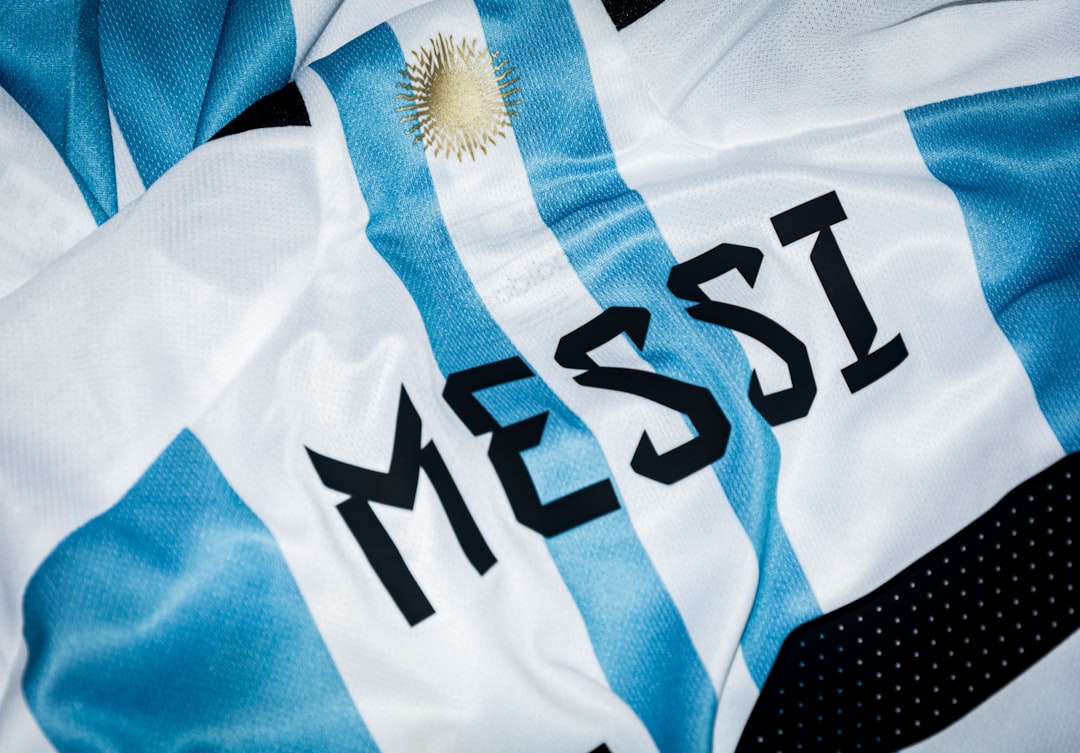
Built to Last: What It Takes to Compete Across Generations of World Cups
The 2026 FIFA World Cup is giving fans an unusual view of football history: several of the game’s biggest names are still competing long after most elite careers have ended. Cristiano Ronaldo and Lionel Messi are appearing in their sixth World Cups. Ronaldo has scored twice in this tournament and 10 times overall, while Messi has added six goals in 2026 to reach 19 for his World Cup career. Luka Modrić is playing in his fifth tournament. Neymar and Kevin De Bruyne are each appearing in their fourth. Those numbers say something important about talent. They say even more about durability. Reaching one World Cup is difficult. Returning four, five or six times means surviving nearly two decades of club schedules, injuries, travel, tactical changes and competition from younger players. It also means finding new ways to contribute when the body no longer responds exactly as it once did. That opens up several timely questions for journalists covering this final stage of their careers. Below, experts in sports science, biomechanics, psychology and sports business offer perspective on what it takes to compete across multiple World Cups—and what allows some players to remain influential long after their physical peak. What does it take physically to last this long? The World Cup lasts only a few weeks, but the careers behind it are built over thousands of training sessions and matches. For older players, the challenge is not simply staying fit. It is managing fatigue, recovering faster and avoiding the injury that could end the run. Hofstra exercise physiologist Katie Sell can speak to the less visible work behind these careers: sleep, hydration, nutrition, endurance and the tighter recovery window athletes face as they age. At the University of Delaware, Tom Kaminski brings expertise in soccer injuries, concussions and player safety. He can help explain how accumulated wear, repeated head impacts and return-to-play decisions influence whether a player can continue at the highest level. Texas Christian University’s Peter Weyand, an expert in sprint mechanics and running performance, can discuss what happens to speed and acceleration over time—and which physical qualities can still be protected through training. How do great players change their game? Longevity rarely comes from playing the same way forever. Ronaldo moved from the wing into a more central scoring role. Messi became more selective with his movement. Modrić continued to control matches through timing, positioning and awareness rather than physical dominance. These are not signs that aging players have stopped influencing games. They are signs that influence has changed. Carnegie Mellon biomechanics researcher Eni Halilaj can speak to how athletes adjust their movement patterns, conserve energy and reduce physical strain as they get older, while her colleague Eric Yttri, who studies motor control and decision-making, can explain how anticipation and experience allow veteran players to act earlier and more efficiently. Texas Christian University’s Peter Weyand can also add context on why older players often change positions, reduce repeated sprinting or become more selective about when they make high-intensity runs. Why keep coming back? By the time a player reaches a fourth or fifth World Cup, money and recognition are unlikely to be the main reasons for continuing. The harder question is what keeps an athlete committed after years of success, injuries and public scrutiny—especially when their role may be smaller than it once was. TCU sport psychology expert Robyn Trocchio can speak to motivation, focus and how accomplished athletes continue setting meaningful goals late in their careers. Hofstra’s Genevieve Weber can address performance anxiety, media pressure and the emotional weight of entering what may be a final international tournament. Georgia Southern sport psychologist Brandonn Harris can discuss resilience, confidence and the mental discipline required to recover from injury, disappointment and changing expectations. How should an aging superstar be judged? Goals are easy to count. Leadership, timing and influence are not. A veteran player may no longer dominate every match, but may still shape how teammates prepare, how opponents defend and how supporters respond. For coaches, that creates a difficult balance between reputation, current performance and what an experienced player brings in moments of pressure. At Emory University’s Goizueta Business School, Michael Lewis can discuss the value of global stars beyond the score sheet, including fan interest, brand strength and the attention they bring to a national team. Carnegie Mellon University’s Eric Yttri can speak to the on-field contributions that statistics often miss, including positioning, anticipation and decision-making. Texas Christian University’s Robyn Trocchio can address the leadership side of the story, including the difficult transition from automatic starter to mentor, substitute or situational player. A generation nearing the end The 2026 World Cup may be remembered not only for the players who emerged, but for the ones who were leaving. Ronaldo, Messi, Modrić, Neymar and De Bruyne have played through different tactical eras and alongside multiple generations of teammates. Their longevity was not built on talent alone. It required adaptation, recovery, discipline and a willingness to accept that staying great sometimes means becoming a different kind of player. For reporters, their careers offer a timely way to examine how elite athletes age—and why some remain relevant long after the normal limits of the game suggest they should.


From clay on the ground to construction on the moon
Building material samples from the University of Delaware spent six months mounted outside of the International Space Station, where the harsh conditions of low Earth orbit tested their limits. Some returned with higher measured strength than identical samples stored on Earth. The findings are a promising sign for the long-term goal of building infrastructure on the moon. There are no lunar supply yards, and transporting building materials from Earth would be prohibitively expensive. The solution may lie underfoot, in the form of lunar dust known as regolith. “Regolith is essentially a clay-like silicate material,” said Norman Wagner, Unidel Robert L. Pigford Chair in Chemical Engineering. “It is one of the most abundant materials on both Earth and the moon, which makes it interesting for construction.” Wagner's laboratory develops geopolymers, a cement alternative that binds clays into a strong solid through chemical reactions rather than high-temperature manufacturing. Their goal is to use regolith with minimal additives to produce construction materials without energy-intensive processing. The approach could contribute to more sustainable Earth-based construction, too. To evaluate how geopolymers hold up in space, the UD team sent thin plates made from commercially available simulated lunar and Martian regolith to the International Space Station as part of NASA's MISSE-20 mission. The findings, published in Advances in Space Research, showed the geopolymers did not deteriorate, and in some cases were stronger after their time in orbit. Lunar construction materials must not only survive space conditions, they also must be reliably manufactured on-site. In a separate study in Acta Astronautica, Wagner's team used artificial intelligence to tackle a practical challenge: not all lunar clays are the same. The researchers developed a machine learning model that can predict how strong a geopolymer will be based on the characteristics of the starting regolith and how it is processed. Complementary work from the Wagner lab offers insight into how geopolymers behave while being mixed, pumped and shaped before they harden. The researchers identified a key transition point, known as the critical gel point, at which the material shifts from a workable slurry into a solidifying structure. Mixing or shearing before that point did not affect how long the material took to harden or its final strength. This suggests that engineers may have flexibility in how they handle and process lunar construction materials, without compromising quality. That work appears in a special issue of the Journal of Rheology focused on materials behavior beyond Earth. To speak with Wagner about his space expertise, reach out to mediarelations@udel.edu.


Heart Disease's Hidden Immune Players Come Into Focus
Heart disease has long been linked to familiar risk factors such as high cholesterol, high blood pressure and lifestyle choices. But according to a recent Augusta University Jagwire article highlighting research published in Nature Reviews Cardiology, the immune system might also play a critical role in determining how cardiovascular disease develops and progresses. The review, led by Ishita Tandon, PhD, Hossam Abdelsamed, PhD, and Alaa M. Khalifa, PhD, examines the emerging role of CD8+ T cells, specialized immune cells best known for fighting infections, in atherosclerosis, the chronic inflammatory disease responsible for most heart attacks and strokes. By synthesizing the latest evidence, the researchers show how different populations of these immune cells can either fuel inflammation or help regulate it, revealing new opportunities to better understand, diagnose and eventually treat cardiovascular disease. The review also identifies important gaps in current knowledge and outlines promising directions for future research. As scientists continue to better understand how these immune cells behave within arterial plaques, their discoveries could lead to more precise diagnostic tools and a new generation of immune-targeted therapies for cardiovascular disease. Together, the researchers' work offers journalists valuable insight into one of the fastest-evolving areas of cardiovascular research, where immunology and heart health are converging to reshape how cardiovascular disease is understood and treated. "This study highlights the major role of CD8+ T cells in atherosclerosis and their potential impact on cardiovascular diseases." Hossam Abdelsamed, PhD To learn more about this amazing research and connect with Ishita Tandon, Hossam Abdelsamed or Alaa M. Khalifa, contact AU's External Communications Team mediarelations@augusta.edu to arrange an interview today.

Can One Gene Change the Future of Heart Disease?
Heart disease remains the world's leading cause of death, but researchers are continuing to uncover the genetic mechanisms that drive it. According to a recent Augusta University Jagwire article highlighting new research, scientists are investigating how a little-studied gene might influence the development of cardiovascular disease and whether it could become a future target for treatment. At the center of the research is Kunzhe Dong, PhD, an investigator at Augusta University's Immunology Center of Georgia, who is examining the role of the SH3BGRL2 gene in cardiovascular cells. While the gene has previously been associated with cancer biology, early findings suggest it might also play an important role in regulating how blood vessels respond to stress and injury. Understanding that relationship could reveal new biological pathways involved in heart disease and identify novel opportunities for precision medicine. The research aims to determine how changes in gene expression affect the function of cardiovascular cells and contribute to disease progression. By better understanding these molecular mechanisms, scientists hope to identify new therapeutic targets and improve the ability to prevent or treat cardiovascular disease before irreversible damage occurs. The work also reflects a broader shift toward precision medicine, where treatments are tailored to the underlying biology of each patient rather than relying solely on traditional risk factors. "This gene is well known in one field, but now we're seeing it's also important in cardiovascular cells." Kunzhe Dong, PhD To learn more about this research and connect with Kunzhe Dong, contact AU's External Communications Team mediarelations@augusta.edu to arrange an interview today.

U.S.-Iran Agreement May Be Easier to Sign Than Sustain, Says TCU Political Scientist
As reports emerge of a potential memorandum of understanding (MOU) between the United States and Iran, questions remain about whether any agreement can overcome decades of mistrust, competing national interests, and domestic political pressures. Ralph Carter is the Piper Professor of Political Science at Texas Christian University (TCU). focuses on Middle East conflicts, U.S. foreign trade and defense policy, with an emphasis on the roles played by Congress. View his profile According to Texas Christian University political scientist Ralph Carter, the details of the agreement and whether both sides ultimately accept those terms, will determine whether negotiations can move forward. "We have to know what's in the MOU itself and whether both sides agree on that. If it's acceptable to both sides, then domestic politics on both sides enters the picture." For the United States, Carter notes that President Trump is eager to secure a diplomatic victory while also maintaining his long-standing position on Iran's nuclear ambitions. Carter says the administration faces competing pressures: demonstrating progress on national security, ensuring stability in global energy markets, and responding to economic concerns that matter most to American voters. At the same time, Iran is unlikely to compromise on what it views as fundamental issues of sovereignty and national independence. "Any Iranian regime, including this one, will insist on two things: Its territory is inviolate. It will not give it up. Its sovereignty is not negotiable." While Tehran may be willing to accept inspections or limits on highly enriched uranium, Carter says Iran is unlikely to abandon its nuclear program entirely simply to satisfy U.S. demands. Economic sanctions and their impact on Iran's economy will also remain central to any negotiations. The timeline may present another obstacle. "A 60-day window after the MOU is signed probably isn't enough time to reconcile these differences." As negotiations continue, Carter can provide expert analysis on U.S.-Iran relations, nuclear diplomacy, sanctions policy, Middle East security, international negotiations, and the domestic political considerations influencing both governments. Ralph Carter is available to discuss U.S.-Iran relations, nuclear negotiations, international diplomacy, sanctions policy, and Middle East politics.


Ahead of America250, Villanova Historian Reveals How Independence Hall Almost Didn't Survive
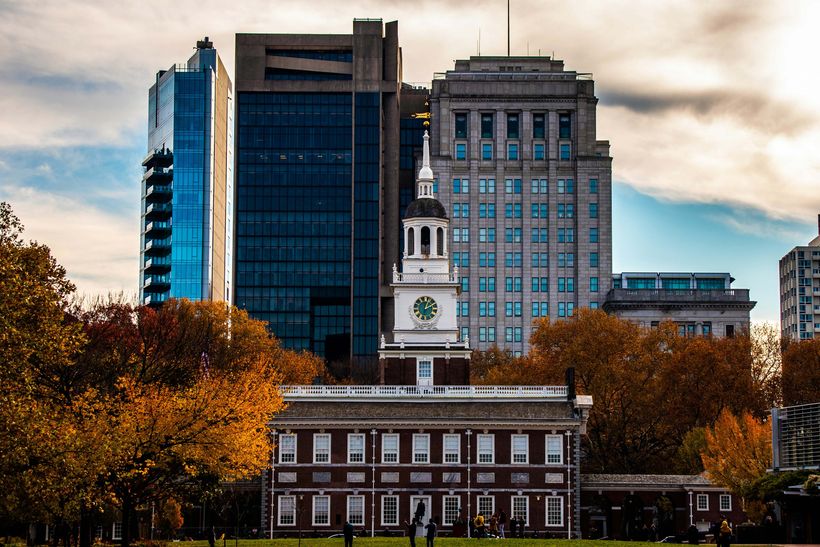
Philadelphia’s Independence Hall has long occupied an outsized place in the American imagination. The space where the Continental Army was established, the Declaration of Independence adopted and the United States Constitution ratified, the site was once described by President Abraham Lincoln as the source “where were collected together the wisdom, the patriotism, the devotion to principle, from which sprang the institutions under which we live.” In July, these hallowed grounds will yet again take center stage, as the country observes its semiquincentennial, or America250, celebration. In due course, House lawmakers will gather at the landmark for a special commemorative event, mayors from across the U.S. will march to the gates in a show of civic pride and solidarity, and thousands of visitors will flock to the site daily in appreciation for its significance to the cause of “Life, Liberty and the pursuit of Happiness.” However, while Independence Hall’s role in the national saga will go widely remarked and recognized, the building itself has a story that remains largely unknown. According to Whitney Martinko, PhD, associate professor of History and director of the Albert Lepage Center for History in the Public Interest at Villanova University, the “cradle of American democracy” almost never survived the country’s infancy. “Early on, the challenge was about two things,” says Dr. Martinko, who specializes in public history, historic preservation and the early U.S. “One was about ownership of what was called the ‘Old State House,’ because it was the former statehouse in the colony of Pennsylvania. And the second was about the development of the city around it.” As Dr. Martinko explains, in the early 19th century, Independence Hall—then the Old State House—was under the control of the Commonwealth of Pennsylvania, which had shifted its governmental seat from Philadelphia to Harrisburg by 1812. To fund the construction of a new capitol building in the wake of the move, Pennsylvania legislators seriously contemplated selling the site to private enterprise, with the surrounding area undergoing a development boom. “Today’s Independence Mall was built up entirely,” says Dr. Martinko. “In the 18th century, it was full of buildings, shops and houses, and by the 19th century, it had become a huge furniture district and a heart of commerce in many ways.” As plans were drawn up to deliver the hall to the highest bidder, local resistance quickly emerged. Opposed to the landmark’s loss, citizens of Philadelphia and municipal leaders rushed to the defense of the building and its lawn, arguing that their preservation entailed a necessary public good. “Everyone looked to this site as the heart of the new nation. It’s a historic site. It’s an important building. People thought of it as one of the great pieces of Georgian architecture at the time,” says Dr. Martinko. “It was also seen as a civic space, as people gathered there on Election Day. And its lawn was highly valued, with green, open space considered important even then, for air circulation. So, it was really seen as a political space, a civic space and a green space that was important for the well-being of Philadelphians and the health of Philadelphia.” Deliberations over the fate of Independence Hall would continue for a period of five years, up until 1818. After a spirited public campaign, a settlement was finally reached when the City of Philadelphia purchased the plot from the Commonwealth of Pennsylvania for $70,000 (roughly $1.85 million in today’s currency). In essence, the deal would forevermore secure Independence Hall’s place within the pantheon of great American shrines, parks and monuments. However, in a terrific irony, it would also eventually lead to the loss of a different piece of history: Between 1950 and 1967, the 19th-century development projects that once threatened Independence Hall became a casualty of the city’s efforts to make the “birthplace of America” an urban focal point, with the creation of Independence Mall. “Those buildings were all torn down in the mid-20th century, when Ed Bacon and the City Planning Commission decided to make Independence Hall a major attraction,” says Dr. Martinko. “There were debates surrounding this issue as well. The Jayne Building was one of the 19th-century buildings that was demolished and that is most well-known. So, there’s this sense of preserving 18th-century history through the demolition of 19th-century architecture.” As the nation approaches its 250th anniversary, the near loss of Independence Hall and the removal of its 19th-century neighbors stand as striking examples of the ways in which what we value, and how much we value it, evolves over time. What’s more, the historic threats to Philadelphia’s most famous site serve as a poignant reminder of the delicate nature of public memory and preservation—and the fact that the places we treasure today may not always be with us tomorrow. “Even though it seems absurd to us now, we’re still seeing debates over the line between redevelopment and connection with the past,” concludes Dr. Martinko. “It’s not that no one saw the value of Independence Hall, or that they didn’t see it as historic. It was just this debate that a lot of very reasonable people continue to have today: Is this what really needs to be preserved? And how should it be preserved?”



New Harvard Report Highlights the Need for Ethical Leaders and Responsible Citizens
A new report from Harvard University's Making Caring Common Project and the National Association for College Admission Counseling is calling for a renewed focus on character, purpose, civic engagement, and ethical leadership in the college admissions process. The report, Turning the Tide in 2026: Preparing Students for Lives of Caring and Purpose, argues that colleges can play a critical role in helping develop the moral and civic capacities needed to strengthen communities and democracy. Among the higher education leaders featured in the report is Heath Einstein, Vice Provost for Enrollment Management at Texas Christian University, whose comments reinforce TCU's longstanding commitment to preparing students for lives of purpose and service. "In near perfect alignment with this report's principles, TCU's raison d'être is to produce ethical leaders and responsible citizens in the global community. At a time when our society—perhaps intentionally fragmented—cannot even agree on facts, it is essential to teach young people how to think critically about the world around them, communicate across difference, and collaborate to solve humanity's most pressing issues." The report warns that increasing political polarization, declining trust, rising mental health challenges, and excessive achievement pressure are affecting young people across the United States. Its authors argue that colleges, schools, and families should place greater emphasis on helping students develop empathy, curiosity, humility, civic responsibility, and a sense of purpose. Einstein notes that these qualities are central to the student experience TCU seeks to cultivate. "In order to achieve this outcome, we seek to create a class of students who possess empathy and humility so that they can critique ideas without critiquing the people presenting the ideas." The report's recommendations include encouraging meaningful engagement over résumé-building, helping students identify what they value and find purposeful, and creating admissions processes that recognize ethical character alongside academic achievement. Looking to know more? We can help. Heath Einstein, Vice Provost for Enrollment Management at Texas Christian University, is available to discuss college admissions, student success, ethical leadership, civic engagement, student purpose, and the evolving role of higher education in preparing future leaders.

Can a Mother's ZIP Code Shape a Baby's Future?
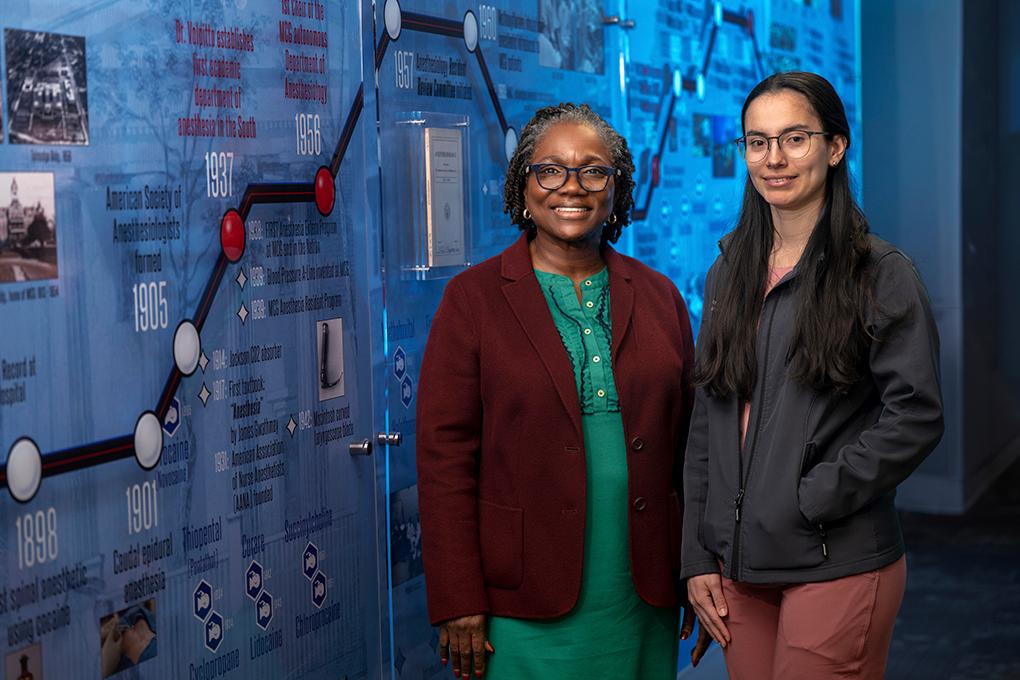
Where an expectant mother lives might reveal important clues about her baby's health before birth. According to a recent Augusta University Jagwire article, researchers at the Medical College of Georgia have found that mapping birth outcomes by ZIP code can help identify communities where mothers and newborns face greater health risks, providing valuable information for healthcare providers and public health officials. The two-part study out of the Department of Anesthesiology and Perioperative Medicine at the Medical College of Georgia at Augusta University, led by Mary Arthur, MD, explored the relationship between neighborhood characteristics and neonatal outcomes. By combining geographic mapping with maternal and infant health data, the researchers identified areas with higher rates of adverse birth outcomes and examined how factors such as access to prenatal care and other social determinants of health might contribute to those disparities. The findings suggest that geographic data can become a valuable tool for improving maternal and infant health. By identifying communities at greater risk, healthcare systems and policymakers can better target prenatal education, outreach programs and healthcare resources to support expectant mothers before complications arise. For journalists covering maternal health, healthcare disparities and public policy, Arthur offers valuable insight into how community-level data can help guide interventions that improve pregnancy outcomes and give more babies a healthier start in life. "The maps make it very easy to visualize those ZIP codes that link to poor neonatal outcomes. They're also helpful for planning strategic interventions to help the people who live in those particular areas in terms of making sure there are outreach programs for mothers in those areas to have access to prenatal care." Mary Arthur, MD To learn more about this important research and connect with Mary Arthur, contact AU's External Communications Team mediarelations@augusta.edu to arrange an interview today.

The Business of Sports Is Booming
A recent Forbes article highlights the rapid growth of sponsorship revenue across North America's major professional sports leagues, which generated a record $7.66 billion in sponsorship revenue last season. According to research from SponsorUnited, Major League Baseball led the way with nearly $300 million in new sponsorship business in 2024, reaching $1.84 billion league-wide. One of the biggest drivers was the arrival of Japanese superstar Shohei Ohtani in Los Angeles. SponsorUnited estimates the Dodgers added 12 Japanese-based partners and $70 million in incremental sponsorship revenue during Ohtani's first season with the club. The impact extended beyond the Dodgers, with Japanese brands purchasing advertising and signage opportunities at ballparks across the league whenever Ohtani played on the road. The article also points to broader industry trends fueling sponsorship growth, including jersey patch advertising, digital signage, premium fan experiences, international expansion, and increasingly sophisticated audience targeting. Tim Derdenger is an Associate Professor of Marketing and Strategy at Carnegie Mellon’s Tepper School of Business. An expert in sports markets, his research is centered around celebrity endorsements and how to optimize their impact on product sales. View his profile According to Carnegie Mellon University marketing expert Tim Derdenger, technology will play a critical role in the future of sports sponsorship. "Using technology to reach customers and personalize those messages for them is going to be a key player in the growth of sponsorship across the leagues." As teams seek new revenue opportunities and brands look for more effective ways to engage fans, sponsorship has become one of the fastest-growing segments in professional sports. The trend reflects how leagues are increasingly leveraging data, technology, and innovative marketing strategies to create value for partners while connecting with audiences in new ways. Connect with Tim Derdenger from Carnegie Mellon University's Tepper School of Business, who is available to discuss: • The economics of sports sponsorship • How technology is transforming sports marketing • The business impact of global athletes and superstar brands • Fan engagement and personalized advertising • Emerging trends in professional sports business



America at 250: CMU Experts Explore the Ideas, People and Events That Shaped a Nation
Throughout 2026, the United States will commemorate the 250th anniversary of its founding, a milestone that is prompting reflection on the nation's history, its defining moments, and the people and ideas that continue to shape its future. From the founding principles of democracy and constitutional rights to social movements, innovation, and overlooked stories from America's past, Carnegie Mellon University scholars and experts offer timely insight into the issues and events driving the national conversation. Whether reporting on anniversary celebrations, historical milestones, or the enduring impact of America's past on today's challenges, CMU experts are available to provide informed analysis and historical context. What CMU Experts Can Help You Cover From founding documents to untold histories, CMU experts can speak to the full range of topics for America at 250. The Document in the Archive One of only five known copies of the 1792 Bill of Rights is held at Carnegie Mellon University. As America marks its 250th anniversary, this rare artifact is on public display -- and the story behind it connects directly to debates about rights, citizenship, and constitutional interpretation that are as live today as they were in the founding era. The Constitution on Trial For 250 years, the Supreme Court has been the ultimate interpreter of America's founding documents. But how justices write those decisions -- the rhetoric, the emotion, the moral grandstanding -- shapes how law is understood and applied for generations. What does the language of fundamental rights decisions tell us about American democracy? The History That Was Left Out Official celebrations tend to center on the founders. But historians have spent decades recovering the stories of enslaved people, women, immigrants, and communities whose contributions shaped the nation and whose experiences complicate the triumphant narrative. Dr. Edda Fields-Black's 2025 Pulitzer Prize-winning book on Harriet Tubman and the Combahee River Raid is a reminder of just how much of that history is still being uncovered. What does a fuller American history look like at 250? Suffrage, Memory, and the Myth We Tell The story of how American women won the right to vote is one of the most retold in the country's history -- and one of the most mythologized. As the nation reflects on 250 years of democracy, what does the suffrage movement really tell us about how America progresses, and how it remembers its own progress? Covering America at 250? Carnegie Mellon University's historians, legal scholars, archivists, and subject matter experts are available for interviews, background briefings, and commentary on the people, events, and ideas that have shaped the United States over the past 250 years - and what that history means today.