Experts Matter. Find Yours.
Connect for media, speaking, professional opportunities & more.

Super Bowl is over. Is it time to kick-off a healthier lifestyle?
The big game is over and football players have hung up their cleats for another season. Odds are just about everyone had their fill of food. And with that, perhaps it is time to put away the snacks and call time out on the junk food as well? In America, heart disease remains the leading cause of death for all adults in the United States. Most of these deaths could be prevented by simple changes to diet, lifestyle and increased physical activity. But it’s not as simple as it sounds. What to eat, when to eat and how to eat are all factors in changing habits and leading a healthier, longer life. Natalie Allen is a clinical instructor in biomedical sciences at Missouri State University. She is also the lead dietitian for all MSU athletes. She is an expert in this area and is available to speak to media. Click on Allen's icon to arrange an interview. Source:


Is President Trump tearing down the wall that separates church and state in America?
Yesterday, President Trump promised to “totally destroy” a 60-year-old law banning tax-exempt churches from supporting political candidates. The Johnson Amendment prohibits tax-exempt nonprofits — including churches and other houses of worship — from “directly or indirectly” participating in a political candidate’s campaign. Overturning this requires an act of Congress. President Trump's comments were likely a reminder to all that this was a commitment he made during the election in an effort to cater to the religious right. But what will repealing the Johnson Amendment really mean? Is this meant to foster free speech or merely to access the vast cash-reserves that churches can provide? Will this see churches return to the times of serious political power and how could this be a game-changer for politicians, candidates and campaigns moving forward? Dr. Kevin Pybas is an associate professor of political science at Missouri State University. He is an expert in the fields of law, religion and politics, and is an opinion leader on this topic. Click on his icon to arrange an interview. Source:

How to keep your heart healthy throughout life
As we age, heart health becomes a greater issue. Whether it’s due to a lax approach to dieting or a more sedentary lifestyle, the heart begins to work harder to continue basic functions. “One of the major concerns I see for women in mid-life and beyond is concern related to the heart,” said Dr. Barbara Bushman, professor of kinesiology at Missouri State University. “Heart disease is the number one killer of women, and unfortunately, 44 percent of women do not realize this.” During American Heart Month, Bushman hopes to give women tips for staying active, healthy and agile throughout the life cycle. Bushman is an expert in the area of women’s health – especially older women – and is the editor and contributing author of the American College of Sports Medicine’s “Complete Guide to Fitness and Health” (the second edition will be available in late February 2017). Source:

Since Jan. 20, 2017, America has seen a new style of leadership and authority under President Donald Trump. Trade agreements that were already in place are now under renegotiation, and even agreements like the Trans Pacific Partnership that were expected to be scrutinized by Congress have all but been abandoned. On the international stage, even long held reservations and hesitations to comment on sensitive topics like Taiwan and the ‘One China’ policy seem to be off the table when brought up in public conversation. So, what will this mean for the short- and long- term relationships between the world’s two most powerful countries? Can we expect conflict, military posturing, trade wars and currency battles? Or will the two sides have to simply ‘re-learn’ how to negotiate and cooperate in the new Trump era? But a new person in charge isn’t just an American issue. China too may see a change in leadership at its highest levels this fall. That is a factor that has many watching and wondering about that country’s future direction. For America’s economy, and the global economy – there is much at stake and many world leaders are watching. A recent discussion at the Brookings Institution explored the expectations for China’s leadership change and the prospects for U.S.-China relations in the interim. Dr. Dennis Hickey is a global studies expert specializing in Asian politics and American foreign policy at Missouri State University. His extensive experience and perspective have made him one of the leading opinions on this topic. Simply click of Dr. Hickey’s icon to arrange an interview. Source:

More than half of Americans do not have $500 in savings
Nearly six in 10 Americans do not have enough savings to cover a $500 or $1,000 unplanned expense, according to a new report from Bankrate. Only 41 percent of adults reported having enough in their savings account to cover a surprise bill of this magnitude. A little more than 20 percent said they would put it on a credit card, the report said, while 20 percent would cut their spending and 11 percent would turn to friends and family for financial assistance. So, is there cause to worry? Just how leveraged is the average American and what does this mean when looking at the long-term forecast of the country’s economy? America seems to finally be back from the financial meltdown it faced in 2008. Is the bubble about to burst again? Dr. David Mitchell is a professor of economics and a director of both the Bureau of Economic Research and Center for Economic Education at Missouri State University. He is a respected expert in economic forecasting and is ready to speak to this important topic. Click on his icon to arrange an interview. Source:
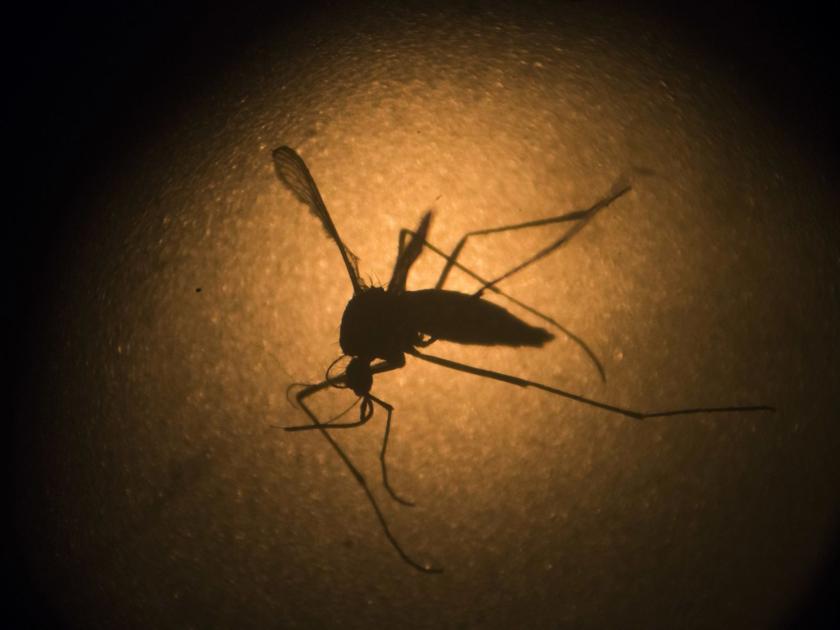
Is there a threat of contracting Zika from mosquitoes in Missouri?
Since it was discovered that the Zika virus has been transmitted by local mosquitoes in Miami, Florida, many people across the country have become increasingly concerned about getting bitten by a mosquito. But Missourians need not worry for now as probability of contracting Zika from mosquitoes in the state are low, according to Dr. David Claborn, Missouri State University associate professor of public health. As part of a contract from the Missouri Department of Health and Senior Services (DHSS), Claborn and his team of researchers have traveled across the southern part of the state since June, trapping mosquitoes at parks and wrecking yards, and studying them to see if any are Aedes aegypti (also known as the Yellow Fever mosquito), which is the primary vector of Zika. The collection of larvae and adult mosquitoes from different parts of the state are completed for this year and so far no specimens of Aedes aegypti have been found. Source:

"There's a lot of potential implications here. On the one hand, you know, it's somewhat troubling because we know that social connections tend to promote mental and physical health. So to the extent that wealthier people are spending less time attending to those relationships, this could have negative implications for physical and mental well-being," says Emory's Emily Bianchi. Source:



Erika James, Dean of the Goizueta Business School, studied at the University of Michigan and is a renowned researcher and speaker on the topic of Crisis Leadership -- What went wrong in Flint? Source:

Eastern University Experts Available to Discuss Pope's Proposed Reforms to Catholic Youth Ministries
Eastern University's Duffy Robbins is available to comment on Pope Francis' recent calls to reform Salesian youth ministries. Source:



Experts Available to Provide Commentary on Discovery of Breast Cancer "Trigger"
Experts from Cancer Care Ontario are available to provide commentary on the discovery of the influence that immune cells called macrophages have upon the spread of cancerous cells. Source: