
Experts Matter. Find Yours.
Connect for media, speaking, professional opportunities & more.

GP guidance: Diet and weight loss to achieve type 2 diabetes remission
• Research finds diet and weight loss key to remission of type 2 diabetes • Experts conducted a critical narrative review of over 90 research papers including international clinical trials • Researchers advise on reducing blood sugar levels to manage negative effects of type 2 diabetes and reduce risk of complications Achieving ‘remission’ for people with type 2 diabetes through dietary approaches and weight loss should be the primary treatment goal of GPs and healthcare practitioners, concludes a large-scale review of clinical evidence led by researchers at UCL and Aston University. Type 2 diabetes (T2DM) is a serious condition caused when the body resists the insulin produced in the pancreas, and not enough insulin is made. This leads to high levels of sugar (glucose) in the blood and is associated with multiple health problems including increased risk of heart disease, blindness, and amputation. In the UK T2DM affects around 3.9 million people and 179 million globally. Care and treatment of T2DM costs the NHS around £10 billion a year. Corresponding author, Dr Duane Mellor, Aston University said: “Accounting for all the evidence, our review suggests remission should be discussed as a primary treatment goal with people living with type 2 diabetes. There are multiple dietary approaches that have been shown to bring about T2DM remission though at present meal replacements offer the best quality evidence. Low carbohydrate diets have been shown to be highly effective and should also be considered as a dietary approach for remission.” Lead author, Dr Adrian Brown, UCL Division of Medicine said: “Traditionally T2DM has focussed on managing a person’s blood glucose with medication, however the approach doesn’t address the underlying causes of T2DM. There is now a growing body of research that shows losing significant weight, 10-15kg, either through weight loss surgery or dietary approaches, can bring about type 2 diabetes remission (non-diabetic blood sugar levels).” For the study, published in the Journal of Human Nutrition & Dietetics, specialist dietitians and obesity experts conducted a critical narrative review of over 90 research papers covering international clinical trials and clinical practice data of dietary methods used to treat T2DM. The study found that meal-replacement diets helped around one in three (36%) people successfully achieve remission, while low carbohydrate diets were able to help around one in five (17.6 %) people achieve and maintain remission for at least two years. People who lost the most weight and kept the weight off using both of these dietary approaches were able to stay in remission. Calorie restricted and Mediterranean diets were also able to help people achieve remission – but at much lower rates. Only around 5% of people on calorie restricted diets stayed in remission after one year, while only 15% of people on a Mediterranean diet stayed in remission after a year. In reaching their findings, the research team had to account for the fact there is no single definition of remission; it is typically defined as a return to non-diabetic blood sugar levels (glycated haemoglobin less than 48mmol/mol), without the use of diabetes drugs. Other definitions however say weight (especially fat around the midsection) must be lost to achieve remission, and others that medications can continue to be used. In addition, some reports suggest low-carbohydrate diets can normalise blood sugar levels even without weight loss. This happens as when carbohydrates are eaten, they are broken down into sugars which cause our blood sugar levels to rise. A low-carbohydrate diet means less blood sugar appears in the bloodstream, leading to improved blood sugar control. However, if weight loss is not achieved but individuals are able to achieve non-diabetic blood glucose, the authors are suggesting this should instead be called mitigation, as the underlying mechanisms of T2DM are not being addressed. Dr Brown said: “The evidence is clear that the main driver of remission remains the degree of weight loss a person achieved. Therefore, for those not achieving weight loss but achieving a non-diabetic blood glucose we are suggesting this isn’t remission per se, but rather “mitigation” of their diabetes.” The research concludes that while weight loss appears to be the best predictor of remission success, it assumes fat loss from the pancreas and liver. They note, that it will be important for future studies to compare how these diets work for different ethnic groups, as T2DM can happen at lower body weights in different ethnic groups, who may have less weight to lose. Dr Mellor added: “Not everyone will be able to achieve remission, but people who are younger (less than 50), male, have had type 2 diabetes for less than six years and lose more weight are more likely to be successful. “This could be because these people are able to address the causes of their diabetes, therefore recovering more of the pancreas’s ability to make insulin and the liver’s ability to use it. But this doesn’t mean others won’t be successful if they improve their diet and lifestyle and lose weight. “Whether or not a person achieves remission, reducing blood sugar levels is important in managing the negative effects of type 2 diabetes and reducing risk of complications. But when it comes to choosing a diet, the most important thing is to pick one that suits you – one that you’re likely to stick to long term.” The initial meeting which led to the writing of this paper was supported by the British Dietetic Association and Diabetes UK.


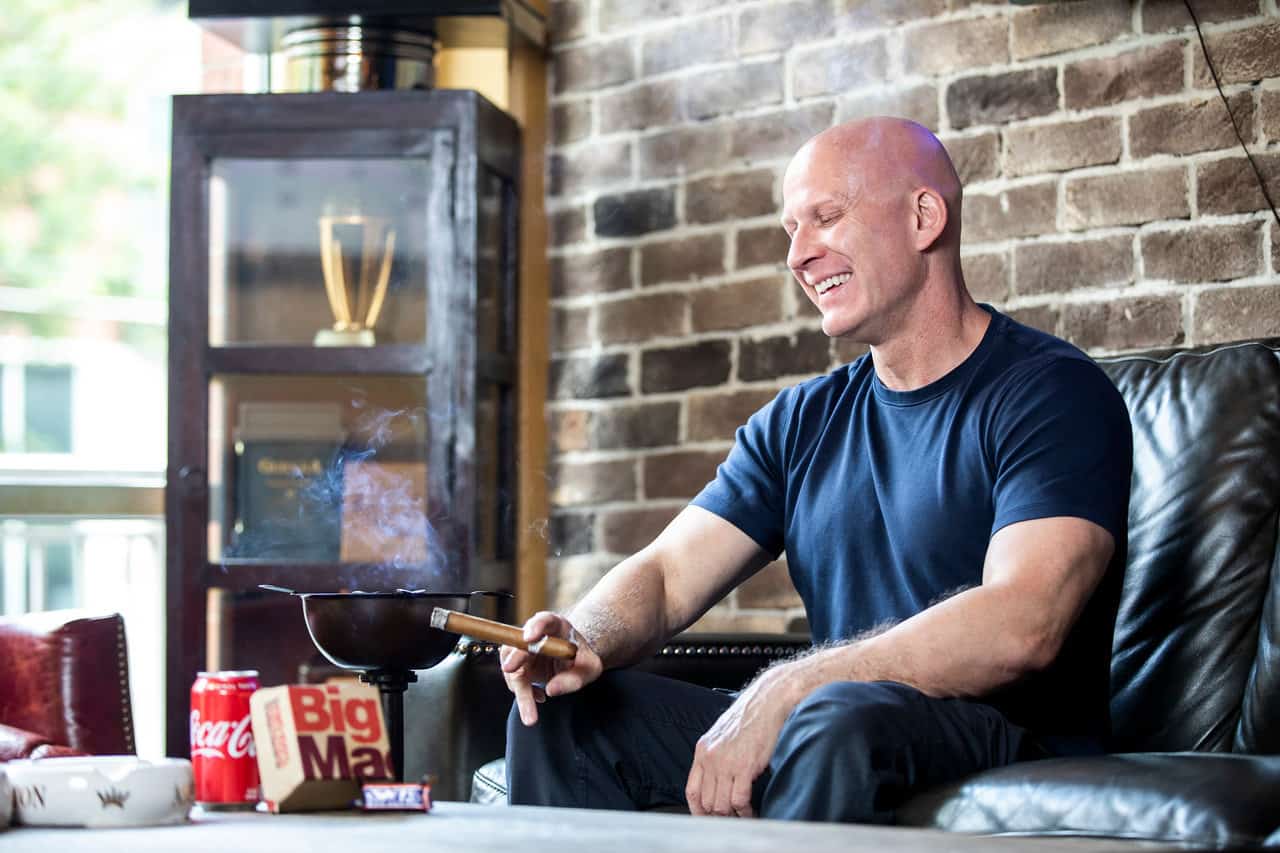
When it comes to marketing, the endgame is almost always to increase brand awareness, strengthen relationships between companies and consumers, and boost market share. But counter-marketing efforts are often employed to reduce consumption of “vice” goods such as cigarettes, sugary sodas, and fast food. Earlier this year, Michael “Mike” Lewis, professor of marketing, faculty director, Emory Marketing Analytics Center, published “Investigating the Effects of Excise Taxes, Public Usage Restrictions, and Anti-Smoking Ads across Cigarette Brands.” in the Journal of Marketing. Mike, along with co-authors, Yanwen Wang PhD14, associate professor of marketing and Canada research chair in Marketing Analytics at the University British Columbia, and Vishal Singh, professor of marketing, Leonard N. Stern School of Business, New York University, took a closer look at the role counter-marketing plays in the consumption of “vice” goods. Given that many “vice” categories are dominated by high-equity brands such as Marlboro, McDonald’s, and The Coca-Cola Company, the authors wanted to explore whether or not strong brands “might also affect the efforts of advocacy groups and regulators to disrupt these relationships and reduce consumption,” they note in their paper. The research focused specifically on the interplay between branding and counter-marketing with respect to cigarette consumption. By focusing on brand manufacturers rather than on regulators and consumers, the authors believe they’ve closed a gap. “The literature on smoking cessation has largely ignored the impact of branding on efforts to reduce cigarette consumption,” they write. “This is an oversight given that marketing researchers have found that brand-consumers’ relationships have significant effects on consumer decision-making.” A full article on the research is attached and is well worth the read. In that piece, readers will learn more about how the researchers expected that strong brands would take advantage of their increased customer loyalty and diminished price sensitivity to protect them from counter-marketing tactics. And while it might be counter-intuitive, the author’s research suggests that market leading cigarette brands would be better off pushing for excise taxes on cigarettes (versus smoking restrictions), as such tax increases would be attractive to government agencies (by increasing government revenue), and big brand cigarette companies would capture more market share. In other words, when it comes to combating counter-marketing efforts, “brand managers may devise strategies or lobbying efforts based on their category position,” suggest the researchers. “This isn’t a clear-cut battle of good versus evil. It’s more a matter of a brand’s people advocating for one position,” said Lewis. “A position that’s going to make them more resilient to some of these tactics.” In addition to big brand cigarette companies, the paper’s findings have implications for brands that anchor other vice categories, such as McDonald’s and The Coca-Cola Company, entities that have been the target of counter-marketing campaigns by various anti-obesity groups. According to Lewis, Wang, and Singh’s research, much of the response by these brands to the counter-marketing attempts has been centered around public relations, but the authors see opportunities to employ “different tactics” that are “appropriate for different brands,” they write. "Relationships between consumers and relatively weak brands may be disrupted using taxes, while for strong brands, the appropriate tactic seems to be usage restriction that limit public consumption. Our results suggest that brand building is the correct response to taxes, whereas usage restrictions would call for other responses, such as lobbying.” If you are a reporter looking to know more about this subject or if you have questions, then let our experts help. Professor Michael Lewis is an Associate Professor of Marketing at Emory University’s Goizueta Business School. In addition to exploring trends in the overall marketing landscape, Lewis is an expert in sports analytics and marketing. He is available for interview - simply click on his icon to arrange a discussion today.



Early-stage entrepreneurial activity in 2020 had fallen sharply from its pre-pandemic high in the UK as the economy was essentially shut down for long periods due to COVID-19 This decline was due to fewer nascent entrepreneurs than normal – that is, individuals in the first three months of starting their new business venture Nevertheless, around two-thirds of working-age adults looking to set up a business within three years said the pandemic had influenced their decision to re-assess their future engagement with the labour market As in previous economic downturns it is the small business community that drives the recovery across all sectors of the economy. UK entrepreneurs once again stand ready to rise to the challenges and opportunities created by the Coronavirus pandemic and the economic fallout from Brexit, a new report says. The latest Global Entrepreneurship Team (GEM) UK report found that although around of half budding entrepreneurs said that the UK government had so far dealt effectively with the economic consequences of the pandemic, there must be improved programmes, financial support and advice to start-ups and scale-ups through different stages of the business life cycle. GEM is the world’s largest survey of entrepreneurship and is the only global research source that collects data on entrepreneurship directly from individual entrepreneurs. It measures various rates of entrepreneurship in 43 countries in 2020. GEM’s UK team – which is led by Professor Mark Hart of Aston University – compared attitudes, activity and aspirations in the UK, Germany and the United States as well as the four home nations of the UK. Access to finance remained one of the major obstacles to entrepreneurial activity in the UK. Enhanced tax benefits for entrepreneurs, such as tax breaks for start-ups and businesses in difficulty to reduce early exits and better tax incentives for recruitment, investment in managerial and digital practices and skills were also highlighted1. The report also called for more entrepreneurial education, especially at school age as well as improved technical education and improved links between the educational system and industry to boost growth post-COVID and post-Brexit. It found that the UK still lags behind many comparable economies in this respect. Mark Hart, professor of small business and entrepreneurship at Aston Business School and deputy director of the UK’s Enterprise Research Centre, said: “The GEM survey undertaken in the last few months of 2020 showed a sharp fall in the number of individuals in the early stages of setting up a new business compared to the pre-pandemic high in 2019. “This is hardly surprising, but the analysis has also shown that the entrepreneurial foundations of the economy and society are still strong and these will be crucial for the recovery after the pandemic and in dealing with the ongoing economic fallout from Brexit. “Those ethnic-minority communities that have borne the brunt of the pandemic in terms of infection, hospitalisation and sadly deaths demonstrated their resilience by maintaining their previous levels of early-stage entrepreneurial activity (TEA rate) which were significantly higher than for the non-ethnic minority population. “Clearly, the pandemic has had no damaging impact on the level of entrepreneurial activity by immigrants and ethnic-minorities although it has depressed it for life-long residents and the non-ethnic population. “There is undoubtedly an appetite for people to start their own businesses in the next three years and many report new opportunities because of the pandemic but they are delaying the actual decision to get the business operational.” The full GEM UK impact report, sponsored by NatWest, is available for download here.

Aston University researchers based in the College of Health and Life Sciences have been awarded a Knowledge Transfer Partnership (KTP) project by Innovate UK, to bring its academic and scientific expertise to assist Catalent in the development of its Zydis® technology, the leading orally disintegrating tablet (ODT). The Zydis ODT fast-dissolve formulation is a unique, freeze-dried oral solid dosage form that disperses almost instantly in the mouth with no water required. It helps delivering treatments to patients and consumers who have difficulty swallowing conventional pills, or where rapid onset of action is desirable. The aim of the KTP partnership is to develop and prove an accurate predictive decision-making tool to pre-determine accurate levels of absorption enhancer for each Zydis product, potentially facilitating faster pharmaceutical development, improving efficiency, and reducing time to market. A Knowledge Transfer Partnership (KTP) is a three-way collaboration between a business, an academic partner and a KTP Associate. The UK-wide programme helps businesses to improve their competitiveness and productivity through the better use of knowledge, technology and skills. Aston University is the leading KTP provider within the Midlands. Academic lead on the project is Professor Afzal Mohammed, who is also chair in Pharmacy in the College of Health & Life Sciences (HLS) and a member of the Aston Pharmaceutics Group (APG) at Aston University. Afzal said: “This is a great opportunity for us to share and translate our academic experience in cell based models, excipient and formulation characterisation to develop an evidence based predictive tool that has the potential to expedite product development at Catalent.” Ralph Gosden, head of Zydis product development at Catalan, added: "We are excited to be working with Aston University on this project. Their expertise in drug transportation, cell biology, data analysis and model cell line design, coupled with its world-class facilities means that together, we will be able to achieve significant improvements in efficiency, and accelerate new product development.” Professor Mohammed will be supported by other colleagues from the Aston Pharmaceutics Group, including, Dr Dan Kirby, who has experience in drug delivery and improving patient acceptability of dosage forms gained through original research; Dr Affiong Iyire who has research expertise in the formulation of drugs for pre-gastric absorption and innovative cell models; and Dr Raj Badhan, who is a pharmacokinetics expert with vast knowledge of in silico methods. The outcomes of the project will be integrated into Aston University’s curriculum through teaching case studies, thereby developing well equipped graduates.


As Pfizer gets full FDA approval – Georgia Southern’s experts are in the media and getting coverage
With a fourth wave of COVID sweeping America and beyond – the Pfizer vaccine receiving full FDA approval couldn’t come at a better time according to most health experts. And as news swept across the country, Georgia Southern University’s Isaac Chun-Hai Fung, Ph.D., associate professor of epidemiology, was front and center for media and reporters, helping to explain the importance and significance of this landmark announcement. The green light from the U.S. Food and Drug Administration to move Pfizer’s vaccine from emergency use to full approval Monday is a milestone in the national pandemic response, and one that comes as Georgia and much of the country battles another surge in infections and hospitalizations due to the delta variant. More than 60% of Americans have received at least one dose of the vaccine, and experts have long pointed to data that shows the shots are safe and effective. Still, the official thumbs-up is a significant piece of evidence to bolster that fact, said Isaac Chun-Hai Fung, Ph.D., associate professor of epidemiology at the Jiann-Ping Hsu College of Public Health at Georgia Southern University. “With this new formal approval from the FDA, the public should have the same confidence as they do with existing vaccines that we have used for years against other diseases,” Fung said. August 24, Georgia Recorder As the COVID story progresses and advances, there will be a lot of questions that need answers and stories for journalists to tell. And if you are covering – then let us help. Fung is available to speak with media regarding this topic — simply reach out to Georgia Southern Director of Communications Jennifer Wise at jwise@georgiasouthern.edu to arrange an interview today.


A severe frost in Brazil has damaged coffee crops, prompting an increase in global coffee prices. According to Reuters, arabica coffee prices have surged to the highest level in almost seven years. "But coffee is grown all over the world, and smart coffee buyers will be able to adapt by finding new sources to replace the lost supply in Brazil," says Daniel Reichman, an associate professor anthropology at the University of Rochester. "Brazil’s losses will benefit coffee growers in places like Colombia and Central America." Reichman explains that the coffee market is segmented between large scale buyers that have sophisticated hedging strategies to deal with risk, and small scale roasters that might have a relationship with single farms. Reichman, who has researched the coffee-growing economies in both Central America and South America, wrote about "big coffee" in Brazil for The Journal of Latin American and Caribbean Anthropology. His upcoming book is titled Progress in the Balance: Mythologies of Development in Santos, Brazil. It's a study of political and economic transformations in the city of Santos, which has been the hub of the world coffee trade for more than a century.



The use of swear words declines by more than a quarter in the UK since the 1990s – new research
Aston University’s Dr Robbie Love compared the use of 16 of the most common swear words between 1994 and 2014 He found the amount of swearing has fallen by 27.6 per cent during the 13-year period The study also found that the f-word has overtaken 'bloody' as UK's most popular curse word Researchers from Aston University have found that the use of swear words in Britain has declined by more than a quarter since the 1990s. Dr Robbie Love, based in the College of Business and Social Sciences, looked at how swearing changed in casual British English conversation between 1994 and 2014. As part of the study, which is published in Text & Talk: An Interdisciplinary Journal of Language, Discourse & Communication Studies, Dr Love used two large bodies of transcriptions to analyse the use of language, including: The Spoken British National Corpus gathered in 1994 and the same corpus from 2014. Both texts include over 15 million words, although it was found that swear words accounted for less than one per cent. In total, the amount of swearing was found to have fallen by 27.6 per cent, from 1,822 words per million in 1994 to 1,320 words per million in 2014.The research findings also suggest that the f-word has overtaken 'bloody' as the most popular curse word in the UK. In the study, Dr Love compared the use of 16 of the nation's most common swear words, including p***, c*** and s**g, from the 1990s to the 2010s. He also found that trends in the type of swear words used have changed over the last few decades , with 'bloody' being the most common curse word in the 1990s and the f-word taking precedent in the 2010s. The analysis suggests that this is largely down to a big decline in the use of 'bloody',while the f-word has remained relatively steady over the years. It was also found to be the second most commonly used swear word in 1994, followed by s**t, p***, b****r and c**p. Other key findings of the study included: Over a twenty year period b****r had fallen from the fifth most common curse to the ninth, while b*****d dropped from seventh to 10th. The big climbers include s**t, from third to second, a**e, from eighth to sixth and d***, from tenth to seventh. T**t also rose from the 16th most common swear word in the 1990s to 13th by the 2010s. Dr Love then analysed demographics and discovered that, although swearing is more common in men than women, the difference between the genders has decreased notably from 2.33 times more frequent in men in 1994 to 1.68 times in 2014. Another change concerned how much people swear as they age. In both data sets, swearing is most common among people in their 20s, and then declines with age. However, the decline was less steep in the 2010s, suggesting that people continue swearing later in life more than they did in the 1990s. Dr Robbie Love, lecturer in English at Aston University, said: “This research reinforces the view that swearing plays a part in our conversational repertoire, performs useful functions in everyday life and is an everyday part of conversation for many people. “Despite this, it is relatively under-researched precisely because it is considered to be taboo. “Swearing performs many social functions including conveying abuse and humour, expressing emotion, creating social bonds, and constructing identity. “The strong social conditioning around swear words makes them more psychologically arousing and more memorable than other words, and something different happens in the brain when saying them compared to euphemistic equivalents, such as saying "f***" compared to ‘the f-word’.” You can read the full study, Text & Talk: An Interdisciplinary Journal of Language, Discourse & Communication Studies, HERE If you want to explore how the written and spoken word works in society, Aston University's innovative English language and literature degrees are for you. We emphasise practical applications, linking your studies to the real world through professionally relevant modules in areas such as Language and Literature in Education, The Language of the Law, Psychology of Language and Communication or Language at Work.

Clinical trials to combat short sightedness in children underway at Aston University
Clinical trials to treat myopia - or short sightedness - in children are now underway. They are being conducted by researchers from Aston University in partnership with industry and in collaboration with the Universities of Queens, Ulster, Glasgow Caledonian, Anglia Ruskin, Waterloo and TU Dublin, with one of the trials funded by the National Institute for Health Research (NIHR). The myopia research team in the College of Health and Life Sciences at Aston University is recruiting children between the ages of six to 15 years old, to take part in the clinical studies, which involve a range of different interventions that aim to slow the progression of myopia in children. The interventions under trial include low dose atropine eye drops, contact lenses and spectacle lenses. Myopia is an eye condition where distant objects appear blurry. It typically occurs in childhood and progresses through the teenage years. It can lead to eye disease in later life, as the eye grows longer with myopia, it causes stretching in parts of the eye. Myopia is becoming increasingly prevalent throughout the world and it has been predicted to affect approximately 50 per cent of the world's population by 2050, based on trending myopia prevalence figures. Myopia is an overlooked but leading cause of blindness, particularly among the working age population. At present, different designs of soft contact lenses, orthokeratology contact lenses (lenses worn overnight to correct the myopia), novel spectacle lenses and eye drops are all being used to slow eye growth and myopia progression in children. The aim in this trial is to manage myopia with an intervention at a young age in order to maximise the impact on slowing down the progression of myopia. Lead researcher professor, Nicola Logan, said: “Myopia is often considered benign because the blurred vision is easily corrected with glasses, contact lenses or refractive surgery. Higher levels of myopia are associated with increased risk of pathological complications, but it is important to note that there is no safe level of myopia. Even low levels of myopia increase the risk of sight-threatening eye conditions. “We are at an exciting time whereby we now have interventions based on research evidence that can be used in clinical practice that will help to slow down the rate of progression of myopia. “In these trials we want to find out the impact of different interventions on myopia progression in UK children, as well as look at why myopia develops and how it progresses in children, to see if we can enhance the current interventions. New information may be used to make the myopia control interventions more effective.” The researchers are aiming to recruit around 200 children aged between six and 15 years old across the three trials by 2021. If you are a parent or guardian of children who have myopia and feel this may be suitable for your children, then you can contact the research team at myopia@aston.ac.uk or (+44)121 204 4100 for further information.

UCI experts can discuss unfolding crisis in Afghanistan
UCI faculty members Dr. Heidi Hardt, associate professor of political science, and Dr. Mark LeVine, professor of modern middle eastern history, are available to speak about the crisis in Afghanistan. Dr. Heidi Hardt Dr. Hardt can talk about NATO's contribution to Afghanistan, implications for NATO's legitimacy, security concerns for Afghan women and provide broader context on military interventions and operations. She can address more specific questions related to the two decades long allied operation. About Dr. Hardt: Dr. Hardt has expertise in transatlantic security, national security and European security and defense, including NATO, the EU and OSCE. Issue areas include transatlantic security cooperation, collective defense, crisis management, military operations (e.g. Afghanistan), coalition warfare, strategy, learning, adaptation, organizational change, gender and diplomacy. She's the author of two books: NATO's Lessons in Crisis: Institutional Memory in International Organizations (Oxford UP, 2018) and Time to React: The Efficiency of International Organizations in Crisis Response (Oxford UP, 2014). She's the recipient of a 2021-2022 Council on Foreign Relations International Affairs Fellowship and will soon be working as a foreign policy fellow for the Office of Congresswoman Katie Porter. Contact: hhardt@uci.edu Dr. Mark LeVine Dr. Levine was in Kabul in 2019. His point of view on Afghanistan includes: • “Why did the US abandon the embassy when the agreement with the Taliban specifically allowed to diplomatic staff to remain in Afghanistan and there was no imminent threat by the Taliban to the embassy and in fact the US was coordinating with them. They could have certainly kept the lights on and not looked like cowards running, which set the tone for everything else.” • “It seems pretty clear that there was an internal military coup. The Taliban did not just waltz into Kabul without coordination with senior military people who are already handing over parts of the country to them in the days before. Some kind of deal had been worked out behind the scenes and without the knowledge of the president, which is why he felt he had no choice but to flee.” About Dr. LeVine: Dr. LeVine completed his Ph.D at NYU’s Dept. of Middle Eastern Studies in 1999, after which he held postdoctoral positions at Cornell University's Society for the Humanities and the European University Institute's Robert Schuman Centre for Advanced Studies, in Florence, Italy before coming to UCI. His research and teaching focus on the following issues: histories, theologies and political and cultural economies of the Middle East and Islam in the modern and contemporary periods; Palestine/Israel; cultural production, revolution and resistance in the Middle East and Africa; modern and contemporary Iraq, Egypt, Tunisia and Morocco; art and conflict in West Africa (especially Ghana and Nigeria, but also Senegal, Mali and Kenya); comparative studies of imperialism and colonialism, urban planning and architecture (history and theory); critical theory and globalization studies with a comparative focus on popular cultures and religion in Europe and the Muslim world; peace and conflict studies; and comparative nationalisms. Contact: mlevine@uci.edu


There’s billions of dollars flowing into Georgia – and with that economic development, comes good paying jobs. It’s getting a lot of attention and that means news coverage on local, state and national levels. Recently, media have been looking for expert perspective and opinion on the economic boom – and to help with their questions, Georgia Southern University’s Michael Toma is the go-to expert for reporters looking to break down the investments, the opportunities and the jobs that are coming with them. The SK Battery America plant is, appropriately, located in the city of Commerce, Georgia. The $1.6 billion project – expected to employ 2,000 – was finalized in early January 2019, but without investment from the state and local government, it might not have been built in Georgia. "They were looking at several other states, especially in the southeastern U.S.," said John Scott, director of economic development for Jackson County. "When we were working with them the final two sites were between here and somewhere in Tennessee." … According to Michael Toma, Ph.D., Fuller E. Callaway Professor of Economics at Georgia Southern University, a new project creating 1,000 jobs can have a huge impact, while 500 jobs is a significant project for medium-sized cities. How good the jobs are is a matter of debate, although state and local officials emphasize that they look for jobs that pay well. July 27 – USA Today/Savannah Morning News If you’re a reporter looking to know more about why business is booming in Georgia – then let us help. Michael Toma, Ph.D., is Georgia Southern University's Fuller E. Callaway professor of economics and is available to speak with media about this topic – simply click on his icon to arrange an interview today.