Experts Matter. Find Yours.
Connect for media, speaking, professional opportunities & more.

Looking Back on the January 6th Insurrection
Dr. Meena Bose appeared on Canada’s Global News on January 6 to discuss the fourth anniversary of the Capitol Hill attack in Washington, where supporters of Donald Trump stormed the historic building in an attempt to overturn Joe Biden’s election win. Dr. Bose is a Hofstra University professor of political science, executive dean of the Public Policy and Public Service program, and director of the Kalikow Center for the Study of the American Presidency.


Secretary Buttigeg makes one of his final DOT stops at CMU's Safety 21
U.S. Secretary of Transportation Pete Buttigieg visited Carnegie Mellon University in one of his final stops as Transportation Secretary. Raj Rajkumar, director of Safety21 and George Westinghouse Professor in the Department of Electrical and Computer Engineering, with Ph.D. candidates Nishad Sahu and Gregory Su, demonstrated research on the safe navigation of autonomous driving systems in designated work zones, leveraging high-definition mapping, computer perception and vehicle connectivity. “The sophistication of the safety work that’s going on goes well beyond any commercially available automated or advanced driver assistance system is really inspiring,” Buttigieg said. “We’ve got to make sure it develops the right way, we’ve got to be cautious about how it’s deployed, but you can tell a lot of thought and, of course, a lot of incredibly sophisticated research is going into that.”


Two recent incidents highlight concerns about AI misuse - a man used ChatGPT to plan an attack in Las Vegas, and AI video tools were exploited to create harmful content. These events sparked debate about regulating AI and holding developers accountable for potential harm caused by their technology. Carnegie Mellon University professor Vincent Conitzer explained that “our understanding of generative AI is still limited" and that we can't fully explain its success, predict its outputs, or ensure its safety with current methods.


More than half of U.S. states allow the sale of raw milk directly from farms to consumers, a number that would likely increase if Robert F. Kennedy Jr. – a raw milk advocate – is confirmed to lead the Department of Health and Human Services (DHHS). Kali Kniel, a professor of microbial food safety at the University of Delaware, can discuss the dangers and potential benefits of drinking raw milk. Some have celebrated the legalization of raw milk around the country, claiming it tastes better and has some nutritional benefits. Meanwhile, the U.S. Food and Drug Administration, one of the DHHS agencies Kennedy would lead, cautions against drinking raw milk, which comes directly from cows, sheep or goats and has been banned from being sold across state lines since the 1980s. Concerns regarding raw milk have been elevated as a deadly strain of bird flu is infecting dairy farms around the country. In the following Q&A, Kniel talks about the pathogens that may be present in raw milk, ways to communicate food safety to the public and other topics. Milk and other dairy products that sit on shelves at the grocery store are pasteurized. What does this process involve and why is it important for dairy products? Pasteurization of milk is a process of heating milk and passing it between heated stainless steel plates until it reaches 161 degrees Fahrenheit. It is held at that temperature for around 15 seconds before it is quickly cooled to 39 degrees Fahrenheit. This process is intended to kill the pathogenic bacteria that could make a person sick. How does this process affect milk’s quality and nutritional value? Scientific studies have shown that pasteurization does not significantly change the nutritional value of milk. Unpasteurized milk may have more vitamin C, which does not survive the pasteurization process, but milk is not considered a good source of vitamin C, as it contains less than 10% of the Recommended Dietary Allowance (RDA), the average amount of nutrients it takes to meet a healthy person’s needs. There are no beneficial bacteria in raw milk. Milk (pasteurized or raw) is not a good source of probiotic or potentially beneficial bacteria, so for that consumers should choose yogurt and other fermented dairy products as well as other fermented products. Scientific studies using animal models have shown no difference in how calcium in raw milk and pasteurized milk is absorbed by the human body. Popularity in drinking raw milk is increasing, despite the U.S. Food and Drug Administration advising that it’s not safe to drink. What are the health risks that come with drinking raw milk? Raw milk may contain pathogenic bacteria, including Campylobacter, Salmonella, pathogenic types of E. coli, Listeria and Brucella, as well as the protozoan parasite Cryptosporidium. These are all zoonotic microbes, which means they can be transmitted from animals to humans. Often the animal does not appear ill, so it is not possible to determine if an ill animal is shedding these pathogens in its feces that can contaminate milk. Microbial testing of the finished product and environmental monitoring programs may be helpful, but do not guarantee that the raw milk is absent of these pathogens. Milk can be contaminated with these pathogens from direct contamination with feces or from environmental conditions. Cross-contamination from dairy workers can also happen, even when people are trying their best to reduce the risk of cross-contamination. The likelihood of a disease outbreak occurring associated with a person consuming raw milk is relatively high given that others may also be exposed. Unpasteurized milk will have a relatively short shelf life and may not be available for testing. Following good hygiene practices on the farm and during milking such as biosecurity around the farm, appropriately sanitizing equipment and monitoring the health of animals can reduce the chance of milk contamination, but not eliminate it. There have been numerous outbreaks of illness associated with raw milk as well as cheese made from raw milk. Persons most at risk of illness associated with drinking raw milk include children, in particular 5 years of age and under, individuals aged 65 and over, pregnant women and immunocompromised individuals. It should be noted that all outbreaks of illness associated with raw milk have included individuals under 19 years of age. Children may be most vulnerable, as they cannot voice an opinion on consumption and risk of raw milk if it is in their household. The Center for Disease Control and Prevention (CDC) collects data on foodborne disease outbreaks voluntarily reported by state, local or territorial health departments. According to the CDC from 2013 to 2018 there were 75 outbreaks of illness linked to raw milk consumption. These outbreaks include 675 illnesses and 98 hospitalizations. Most of these illnesses were caused by Campylobacter, shiga-toxigenic E. coli, or Salmonella. An increase in outbreaks has been correlated with changes in the availability of raw milk. For example, between 2009 and 2023, there were 25 documented outbreaks in the state of Utah, which has 16 raw milk retailers licensed by the Utah Department of Agriculture and Food. In all of these outbreaks, the raw milk was contaminated with the bacteria Campylobacter, which typically causes gastroenteritis symptoms like diarrhea and nausea, but may also cause chronic illness, including Guillain-Barré syndrome which can cause paralysis. How likely are these illnesses to happen from drinking raw milk? It is difficult to say. Foodborne illness is often underreported, depending on how severe people’s symptoms are. According to one study, only about 3.2% of the U.S. population drinks raw milk, while about 1.6% eats cheese made from raw milk. But compared with consumers of pasteurized dairy products, they are 840 times more likely to experience an illness and 45 times more likely to be hospitalized. The authors of this work used the CDC’s national reporting system to analyze data from 2009 to 2014. Despite health risks, why do some people still drink raw milk? Some people feel a nostalgic connection to raw milk, and others may feel that foods that are not treated with heat retain certain nutrients and enzymatic activity. I am not aware of any peer-reviewed rigorous scientific studies that indicate the nutritional benefits of consuming raw milk over time, given the risks of potential for illness, combined with a well balanced diet full of healthful food choices. It remains that raw milk is particularly risky for children to consume, as children can get sick from consuming fewer bacterial cells compared to adults. More than 900 cases of highly pathogenic avian influenza — the disease commonly known as bird flu — have been detected in dairy cattle across 16 states, and at least 40 people have been infected with the disease from close contact with dairy cows. Raw milk is being tested for the virus. With raw milk gaining interest among consumers, what are the possible consequences? Does it elevate the risk of bird flu spreading further to people? There remain clear risks of transmission of pathogenic bacteria through consumption of raw milk, and now with the potential for contamination of raw milk with avian influenza, it is even more important that consumers protect themselves by drinking pasteurized milk. The people most at risk right now are those involved with the milking process and in the handling of dairy cattle. So it is important that those individuals be aware of the risks and take appropriate precautions, including hand washing and wearing appropriate personal protective equipment like protective clothing, gloves, face shields and eye protection. As of December, the U.S. Department of Agriculture is requiring 13 states to share raw milk samples so the agency can test for bird flu viruses. How could this testing better help us understand the virus? I think it is very smart that USDA is leading the National Milk Testing Strategy, which will help us understand the extent of infected herds. Surveillance of microorganisms is an important way to assess risk so we can develop appropriate strategies to reduce and control these risks.


Expert comment available - the Government's announcement for the AI Opportunities Action Plan
Expert comment is available on the the Government's announcement for the AI Opportunities Action Plan in which it is aims to roll out AI across the UK. In a speech setting out the government's plans to use AI across the UK to boost growth and deliver services more efficiently, the Prime Minister said the government had a responsibility to make AI "work for working people". The government claims that the AI Opportunities Action Plan is backed by leading tech firms, some of which have committed £14bn towards various projects, creating 13,250 jobs. It includes plans for growth zones where development will be focused, and the technology will be used to help tackle issues such as potholes. Expert comment: "The plan is a necessary step in the right direction with appropriate investment. It should be coupled with a major training programme at business and public levels to bridge the skill gap and develop essential capabilities. "It is important to specify the role that the higher education sector will play in the delivery of such a plan particularly with regards to innovation and knowledge transfer partnerships. "The government used stated that the technology will be used to help tackle issues such as potholes, however AI should be used not only in the detection of potholes, but also in their prediction. Using predictive analytics would significantly reduce the number of cameras that must be deployed to monitor road surface conditions up and down the country." Professor Abdul Hamid Sadka, Professor of Visual Media Technologies, Director, The Sir Peter Rigby Digital Futures Institute, Aston University For further details contact Nicola Jones, Head of Press & Communications (interim) on (+44) 7825 342091 or email: n.jones6@aston.ac.uk


Image Credit: Petrovich9/Getty Images Plus Although time is a set duration of hours, minutes and seconds, the perception of time can vary dramatically based on the individual and especially during times of high stress and uncertainty such as disasters, recessions and most recently the COVID-19 lockdown. For example, ask anyone when a specific event occurred during the pandemic and they are likely to respond with, “That happened three months ago. Or did that happen three years ago?” While there have been studies on the feeling that there is not enough time or experiencing time as moving too slowly, Baylor University sociologists Matthew Andersson, Ph.D., and Paul Froese, Ph.D., investigated this sense of multifaceted time perceptions during the pandemic and their effects on mental well-being. Their findings – using national Gallup data collected in spring 2021 in the middle of the pandemic – were published in the journal Time & Society. “We know from existing research that people often experience time in altered ways whenever disasters strike, and we wanted to see if that was true during the pandemic as well,” Andersson said. The Baylor researchers found that Americans during the pandemic generally reported some degree of feeling rushed while also perceiving multiple types of time distortion involving slowness, quickness and days and weeks blending together. This disorientation also was frequently reported alongside other pandemic-related stressors, including economic strain, working from home, homeschooling a child and severe household conflict. Together, they complicated how people perceive time by disrupting routines and creating experiences of trauma, adding to the decline in mental well-being and an increase in feelings of loneliness. Time disorientation and mental well-being The top three findings of the study all demonstrate the connection between altered time perception and the mental states of an individual. “If time does not seem to be moving ‘normally,’ it is generally related to lower levels of mental well-being, such as increased depressive, anxiety symptoms or a lessened sense of control,” Andersson said. “We think this is because people tend to feel grounded or calm when they feel like time is moving as it should.” Secondly, the researchers found that individuals can often experience these time disorientations in multiple and contradictory ways, which can be related to even lower well-being. “Feeling rushed and feeling that time is slow are kind of opposites, but they are both related to having this sense of multifaceted blending of time,” Froese said. “We can show very clearly how these new stresses that were brought on by the pandemic created heightened senses of disorientation in terms of time.” More importantly, they found these time disorientations were affected by social, familial, physical and work situations, which created lower levels of mental well-being. “Specific forms of stress we were seeing during the pandemic, such as financial hardship, homeschooling, working from home and severe household conflict, all had relationships to experiencing different kinds of time distortions,” said Andersson. This was more evident in younger people “because it [lockdown] probably upended their daily routines in a much more dramatic way than it would have in somebody who's retired,” said Froese. Experience of time The rushed pace of industrialized society existed before the COVID-19 pandemic, but the stressors associated with the pandemic added to the feelings of time being out of control. “Our approach to capturing experiences of time rests on the assumption that individuals relate to time in complex ways,” Froese said. “We found original evidence to suggest that experiences of quickness, being rushed, slowness and indistinct boundaries of days all coincide, and that these multiple disorientations each relate to diminished mental wellbeing, to objective work and family demands, and to widespread exposures to pandemic-related stressors.” The survey was conducted as part of the Baylor Religion Survey, one of the most extensive national surveys of American religious beliefs, values and behaviors that produces unique data concerning religion, health and community in America today. The 2021 data collection by Gallup contained a section devoted to how the pandemic affected Americans’ activities, including how the pandemic changed the emotional lives of Americans. Looking to know more? We can help. Dr. Paul Froese is a professor of sociology and a research fellow for the Institute for Studies of Religion. He has been teaching and researching at Baylor since 2002. Dr. Matthew Andersson’s research focuses on health inequality as it unfolds across the life course. Specifically, he researches educational and socioeconomic inequalities in mental and physical well-being as they relate to childhood, adolescent and adulthood factors. Both experts are available to speak with media about this important topic - simply click on either expert's icon to arrange an interview time today.


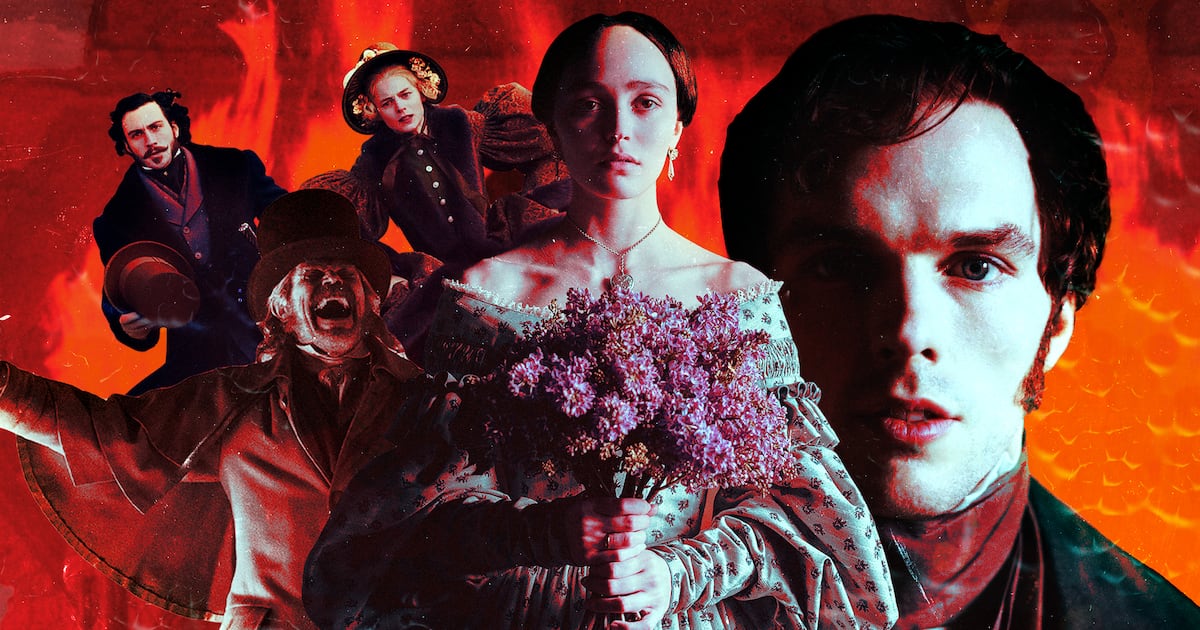
Nosferatu - Why Do Audiences Keep Coming Back for an Updated Classic?
It's the latest take on an old classic. Nosferatu took the Christmas box office by storm and might be the first time a vampire movie dominated the traditional holiday cinema season that's usually family friendly and purposely 'PG'. Even the critics agree that this new take on an old classic was worth the 'bite'. An adaptation of F.W. Murnau’s 1922 silent nightmare (which itself was based on Bram Stoker’s novel Dracula and remade once before, in 1979, by Werner Herzog), Nosferatu recounts the tale of a most devious Count: Orlok (Bill Skarsgård), who strives to reach Europe’s shores by purchasing an aged manor house by way of a deal solidified with real estate agent Thomas Hutter (Nicholas Hoult). Yet Orlok isn’t interested in seeing Germany’s tourist sights—his true goal is reuniting with Ellen Hutter (Lily-Rose Depp), Thomas’ bride, who called out to him as a girl and, in doing so, created a wicked bond that strengthens by the day. As imagined by Eggers and Skarsgård, the vampiric fiend is a towering figure of corruption and carnality who both resembles his predecessors and is a unique monster in his own right, and his reign of terror plays out via a series of lush, hypnotic set pieces that resound with unnerving malice and profane perversity. January - The Daily Beast Horror movies have always had a certain allure for audiences, but there a re a few questions to ask: What does this story have that makes it possible to be remade over and over and still stay entertaining? What is it about vampires in particular that are linked to romance? As well, why do we pay money to be scared and why is this genre so popular and lasting? If you're covering this particular film or movies in general - then let us help with your questions and stories. James Kendrick is a professor and undergraduate program director in the Department of Film & Digital Media at Baylor University, where he teaches about film theory/aesthetics, the history of motion pictures, media and society, the films of Steven Spielberg, violence in the media, and horror film. James Kendrick is available to speak with media. In fact, Nosferatu is James' favorite movie, so simply click on his icon now to arrange an interview time today.


Expert: Meta ditches fact checking, a major loss for the American people
Meta moving away from fact-checking towards a "community notes" model is the equivalent of crowd-sourcing truth, says the University of Delaware's Dannagal Young. This shift in policy is a victory for intuition, common sense and lived experience over data, expertise and evidence. It also stands as another example of media institutions acting preemptively to avoid political and economic fallout under the incoming administration. Young, director of UD's Center for Political Communication and professor of communication, can talk about epistemology (how people understand the world) and how it relates to populism and populist leaders like incoming President Donald Trump. Young can also discuss the following: • The contents of Meta CEO Mark Zuckerberg's announcement video, in which he explains that recent elections mark a "cultural tipping point" in the direction of "free speech." "He's acknowledging that this policy change isn't a principled stance Meta is now taking, as much as a response to what he thinks the public is calling for (a dubious conclusion to draw from a narrow electoral victory)," Young said. • Zuckerberg's new stance, and how it will allow him to curry favor with the incoming administration because it allows Meta to avoid having to moderate Trump-friendly content. • Why content moderation and fact checking are expensive, and how moving away from that model is a "WIN-WIN-WIN for Meta: politically, culturally, and economically. And a LOSE LOSE LOSE for the American people: socially, culturally, and democratically," Young said.

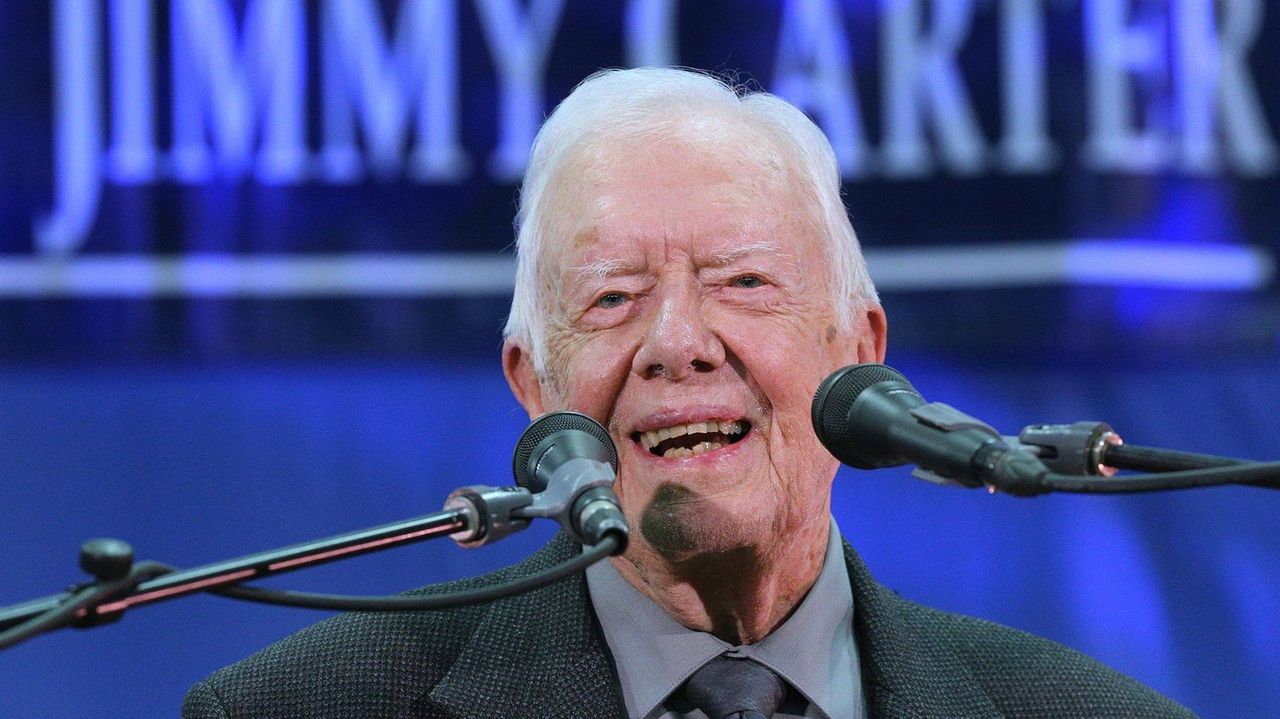
Legacy of Former President Jimmy Carter
Following the death of Jimmy Carter, the 39th president of the United States, Dr. Meena Bose was featured in a Newsday article about his legacy. Dr. Bose is a Hofstra University professor of political science, executive dean of the Public Policy and Public Service program, and director of the Kalikow Center for the Study of the American Presidency. She noted that Carter served under difficult economic and political times. “But then, of course, he went on to have a highly successful post-presidency winning the Nobel Peace Prize, being highly active in public housing policy, voting rights … and really was quite active on the public scene until just a few years ago,” she said. The article also referenced the Hofstra Cultural Center’s 1990 three-day presidential conference on the Carter administration, which President Carter and First Lady Rosalynn Carter attended.

Los Angeles wildfires: Experts address health concerns and evacuation strategies
Major wildfires are once again raging in California, this time in Los Angeles County. According to news reports, they have so far been responsible for two deaths, 1,000 damaged structures and the evacuation of more than 30,000 residents. Experts from the University of Delaware's Disaster Research Center can comment on health impacts, evacuation strategies and how to manage pets and animals during disasters. Below are three of the Disaster Research Center core faculty and the topics they can discuss related to the current wildfires: Jennifer Horney, founding director of UD’s epidemiology program: Health impacts of disasters (mental and physical) as well as evacuation. Additionally, exposure to wildfire smoke which increases risk of respiratory infections; the scale of these fires during a very high period for these infectious diseases (flu, RSV, COVID) may also put pressure on public health and health care systems. Tricia Wachtendorf, co-director of the Disaster Research Center and professor of sociology and criminal justice: Disaster donations, social vulnerability and evacuation. Sarah DeYoung, associate professor of sociology and criminal justice: Pets and animals during evacuations.