
Experts Matter. Find Yours.
Connect for media, speaking, professional opportunities & more.
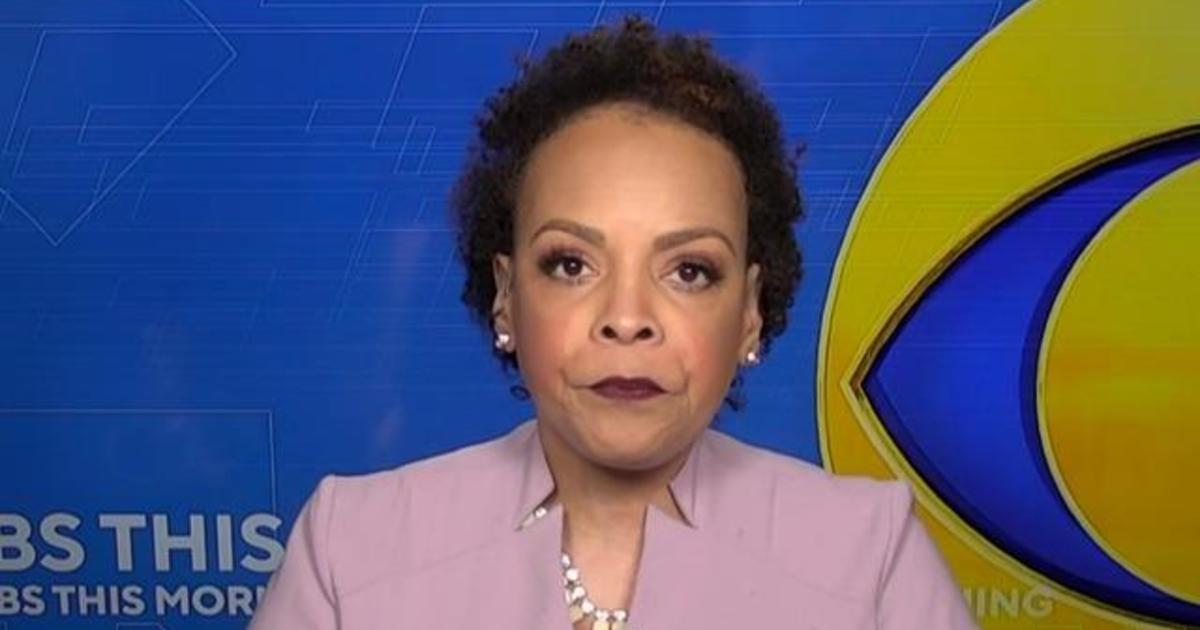
UConn Expert Dr. Wizdom Powell on the mental health impact of Chauvin trial
For weeks, Americans closely watched the trial of the police officer charged in the death of George Floyd last May, and as the jury's guilty verdict brings those proceedings to a close, the impact on communities across the country may be lasting. Dr. Wizdom Powell, director of UConn's Health Disparities Institute Director, joined CBS This Morning to discuss the impact of the Chauvin trial on mental health, particularly among members of the Black community. "The thing about racism, in general, is that it is a bio-social stressor. And incidents, like being in a courtroom and repeating the exposure to those eight minutes and forty-six seconds – and, now we know, nine minutes – of George Floyd’s demise can be triggering for everyone who is exposed to it. And so, there is a consequence of having that be replayed in an open court." **** "I think that we all have had our breaths collectively stolen by the incidents of racial violence that we’re all baring witness to virtually and directly, for those who were actually on scene during the tragic event. So, I would say that, what you can do now, if you’re really wanting to rise up and meet Black, Indigenous, and People of Color in this moment, is to act in true allyship. Listen with a third ear. Accept the reality and truths of what people are experiencing, without requiring them to explain away or to offer additional context for what they are feeling. Believe people when they tell you they’re hurting the first time. That kind of response – legitimating the wounds that we are experiencing in this moment – can go a long way in promoting racial healing, unity, and restorative justice." If you are a journalist looking to discuss this issue or cover this very important topic – then let us help. An associate professor of psychiatry at UConn Health, Dr. Powell is an expert on the role of racism and gender norms in African American male health and healthcare inequities. Dr. Powell is available to speak with media about this topic – simply click on her icon now to arrange an interview today.


News of the newly proposed European Super League has left a storm of concern, criticism, threats and even political intervention in its wake. The announcement of a mid-week league consisting of a dozen of the top-tiered clubs from across Britain and Europe would rival the popular UEFA Champions League. No doubt, more football to watch is good for fans, and for club owners – but the backlash has been harsh from other stakeholders and teams left on the sidelines. The media coverage has been intense. Meanwhile, UK Prime Minister Boris Johnson met with the Football Association, Premier League officials and fans' representatives on Tuesday, after which the government said it will take "whatever action necessary", including legislative options, to ensure the proposals were stopped. Downing Street added: "No action is off the table." In other developments: Uefa president Aleksander Ceferin called on the English clubs to "come to your senses" Everton criticised the "preposterous arrogance" of the clubs involved Real Madrid president Florentino Perez said that the new league was needed to "save football" The proposed tournament would see teams play one another in midweek games in an attempt to have more matches between the big-name clubs. The other clubs involved are AC Milan, Atletico Madrid, Barcelona, Inter Milan, Juventus and Real Madrid. The plans have been heavily criticised by fans, pundits, football's governing bodies and members of the UK government. "It is our task to protect the European sport model. If some elect to go their own way, they must live with the consequences of their choices," said Infantino, the president of world football's governing body. "They are responsible for their choice completely. This means you are either in or you are out. You cannot be half in and half out." April 20 – BBC If you are a journalist covering this emerging story – then let us help with your questions by providing expert opinion, perspective, and analysis. Peter Dawson from the University of East Anglia is a Professor of Economics and an expert in sports economics. Peter is available to speak with media about this topic – simply click on his icon now to arrange an interview today.

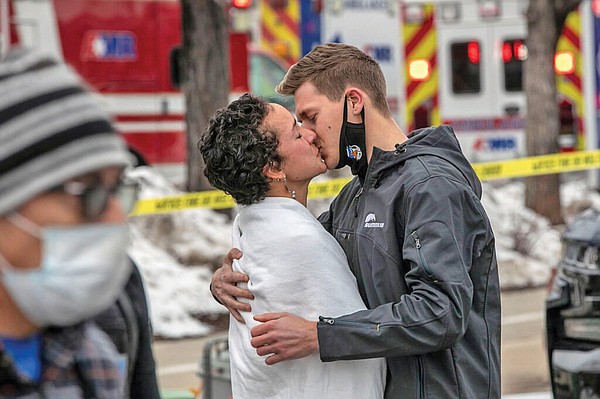
UMW's psychological trauma expert Laura Wilson weighs in on survivors of recent mass shootings
Media have been covering what has been a deadly year in America, with nearly a dozen mass shootings to date. UMW's psychological trauma expert Laura Wilson has been the go-to person to help journalists understand the impact these horrific events have on survivors. Recently, Dr. Wilson was interviewed about the recovery process American Olympic hopeful Maggie Montoya is facing after witnessing first-hand the shooting in Boulder, Colorado, as she prepares to represent America this summer in Tokyo. Laura C. Wilson, associate professor of psychology at the University of Mary Washington in Fredericksburg, Va., has focused on post-trauma functioning from mass trauma. She says most people's exposure and understanding of mass shootings consists of the immediate aftermath. "They see the news coverage of the crime scene and watch the investigators' news briefing," Wilson said. "Within a few days the news trucks leave and people's attention turns to the next major news event. This is when the grief and recovery work starts for the survivors." Wilson said every person will process the events differently. Some will have intense, acute reactions that subside in a few days or weeks. Effects could be chronic for others, and some experience delayed reactions. "Each person is different, and their recovery will look different," she said. Wilson didn't speak specifically about Montoya's running community but said community overall is a powerful strength for survivors in the aftermath of a mass shooting. "It creates a sense of belonging, which can promote psychological recovery," Wilson said. "Having supportive family and friends to validate the feelings and help you process your thoughts is certainly a protective factor." April 18 - The Northwest Arkansas Democrat-Gazette If you are a reporter looking to cover the issues survivors of mass-shooting events will experience, then let us help. Dr. Laura Wilson is a clinical psychologist whose expertise focuses on post-trauma functioning, particularly in survivors of sexual violence or mass trauma (e.g., terrorism, mass shootings, combat). Her research interests extend to predictors of violence and aggression, including psychophysiological and personality factors, as well as indicators of PTSD following mass trauma, long-term functioning among first responders, outcomes among survivors of sexual violence and the influence of media on mental illness stigma. Dr. Wilson is available to speak with media, simply click on her icon to arrange an interview today.


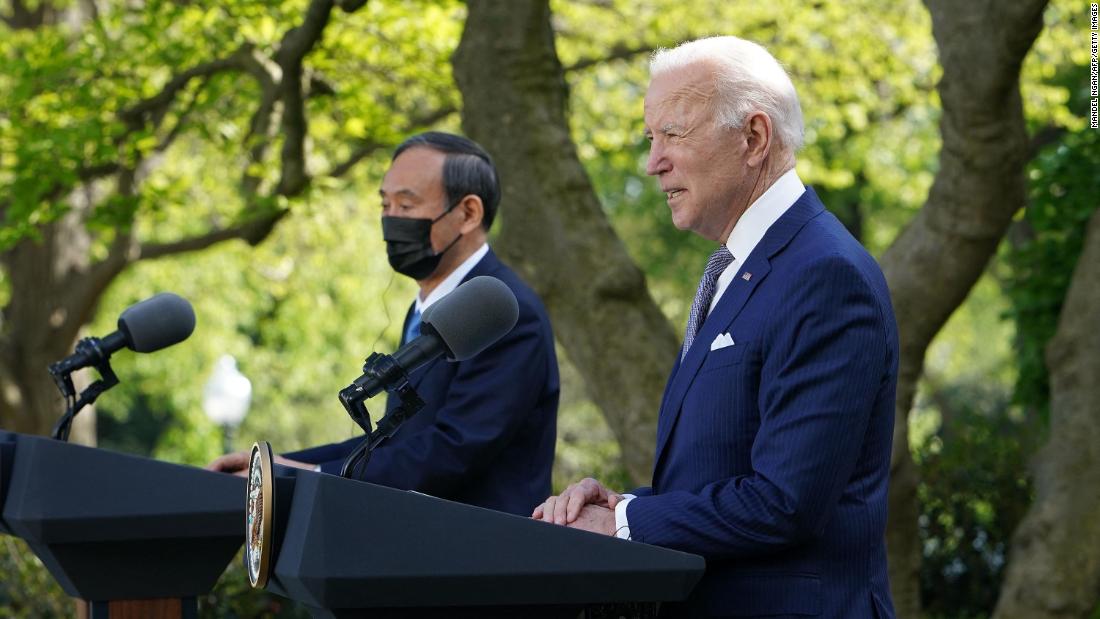
Are America and Japan forming a strong western front when it comes to China?
Friday saw President Joe Biden host a foreign leader for the first time since being elected, with Japan’s Prime Minister Yoshihide Suga coming to the White House to discuss Asian policies, primarily, concerns about China. Biden and Suga said they both aimed to tighten the relationship between the two countries during the daylong visit, and China was one of the biggest focuses of the day's meetings. "We committed to working together to take on the challenges from China and on issues like the East China Sea, the South China Sea, as well as North Korea, to ensure the future of a free and open Indo-Pacific," Biden said during remarks in the Rose Garden of the White House on Friday. Suga said he and Biden had "serious talks on China's influence over the peace and prosperity of the Indo-Pacific, and the world at large." "We agreed to oppose any attempts to change the status quo by force or coercion in the East and South China Seas and intimidation of others in the region," Suga said. "At the same time, we agreed on the necessity for each of us to engage in frank dialogue with China, and in so doing, to pursue stability of international relations, while upholding universal values." China sent 25 warplanes into Taiwan's air defense identification zone on Monday, which was the largest breach of that space since the island began regularly reporting such activity in September, Taiwan's Defense Ministry said. The fact that Suga was the first foreign leader to pay a visit to the White House showed the importance of the relationship between the two countries in promoting democracy in the region, Biden said earlier in the day. April 16 – CNN As China continues to flex its military and economic muscle in the region, the world is watching, and every move may have a global impact. If you are a journalist covering Asia and the political issues that are brewing in the region, then let us help with your coverage. Dr. Elizabeth Larus is an expert in the politics of China. She is available to speak to media, simply click on her icon to arrange an interview today.


Spring 2021 begins a season of resiliency. After a long and particularly snowy winter in New York, I look forward to welcoming my favorite cherry blossoms. It’s been a year now since the COVID shutdowns took hold and the pandemic pause has required enormous energy from all of us at Japan Society, from remote work with constant online meetings, to safeguarding our 50-year-old building, to pivoting to online programming and finding new ways to bring in revenue. It’s not really been a “pause” in the traditional sense, it’s been a race for organizational transformation, adaptation to new ways of communicating with our colleagues and our members, and now — a reopening! This spring, we are delighted to celebrate our reopening with When Practice Becomes Form: Carpentry Tools from Japan, a special exhibition that explores the extraordinary, centuries-long tradition of Japanese architecture and woodworking artistry, and features a range of hand tools and models that reflect techniques used for hundreds of years to build and restore Japan’s wooden architectural masterpieces — temples, shrines, and bridges. Philosophy of Japanese woodworking The philosophy that undergirds Japanese woodworking is deeply engrained in Japan Society’s own history. As master woodworker George Nakashima wrote in his book, The Soul of a Tree, “We can walk in step with a tree to release the joy in her grains, to join with her to realize her potentials, to enhance the environments of man.” Fifty years ago, Junzo Yoshimura, the architect of Japan Society’s now-landmarked building, asked that Japanese hinoki cedar be used for the coffered ceilings in the Society’s lobby and selected with his own hands stones to be shipped from Japan for the foyer garden. He also specified furniture to be crafted by Nakashima in his New Hope, Pennsylvania workshop, furniture that has stood the test of time and is still in use today. Precision is a hallmark of the Japanese experience. One of the many ways to view this is through the concept of kodawari — a unique Japanese notion that is difficult to translate — referring to the uncompromising, relentless devotion to one’s art, pursuit, profession, or activity. In a world turned upside down by a pandemic, there has never been a more welcome time to explore this relentless pursuit of precision and quality in one’s work at all levels of kodawari — in the form of Japanese woodworking. Tools of leadership, alliance & innovation The resilient spirit of Japanese craftsmanship resonates, especially in these unusual times. The presence of tools in our galleries and an exploration of their longstanding heritage for a broad audience highlights the persistent strength of U.S.-Japan relations and human ingenuity. As a leader, I take my own inspiration from Nakashima, using the strength of the oak tree in the West and flexibility of bamboo in the East to bring out the strength, resiliency, and innovation of the U.S.-Japan alliance through my own set of tools. These are the tools of leadership, which require the knowledge and precision of a master carpenter, building for the present while planning for the future. As Nakashima writes, “Each cut requires judgments and decisions on what the log should become.” In kigumi — traditional Japanese wooden joinery — each part plays a crucial role since the joints are fitted together without any nails or fasteners. To have structural integrity, the work — whether furniture or architecture — needs to be weight bearing, and with its direct connections, the whole will ultimately be stronger than its separate elements. In an ongoing cycle of repair and renewal, old joints are replaced by new ones, allowing traditional Japanese buildings to stand for hundreds of years. I find a parallel in the U.S.-Japan alliance, where our direct connection is the strength of our relationship — a collective strength where each nation can accomplish more together. Fifty years ago, as Japan Society’s new building was preparing to open to the public, Deputy Executive Director Daniel J. Meloy wrote to George Nakashima: “Your first shipment to us arrived safely today with all pieces in good shape. We have unwrapped them, dusted them, carried them to their respective rooms, and we love them.” This spring, I invite you to visit When Practice Becomes Form, and help us celebrate our reopening. Let’s work together, using the tools of tradition and innovation, to build the next 50 years of our alliance. Given the challenges the world has faced this past year, the U.S.-Japan alliance has never been more necessary — as acknowledged by the fact that the first world leader to visit President Biden’s White House will be Japanese Prime Minister Yoshihide Suga. The personification of the importance of this relationship through this visit, along with the elevation of the “Quad” meeting between the leaders of Australia, India, Japan, and the United States, indicates a new emphasis in American foreign policy. In addition to the geopolitical challenges confronting our nations, Americans have been struggling domestically with the rise in anti-Asian hate crimes and harassment — a powerful reminder of critical battles still to be fought at home. The Japanese American experience, including forced relocation to internment camps during World War II and the 1980s discrimination triggered by economic tensions with Japan, are only two examples of the long history of anti-Asian racism we continue to confront as a country and community. Now, more than ever, we must bring our collective strength to bear to fight hate and bigotry — and build a stronger and more resilient society. Joshua Walker (@drjwalk) is president and CEO of Japan Society. Follow @japansociety. The views expressed in this article are the writer’s own.


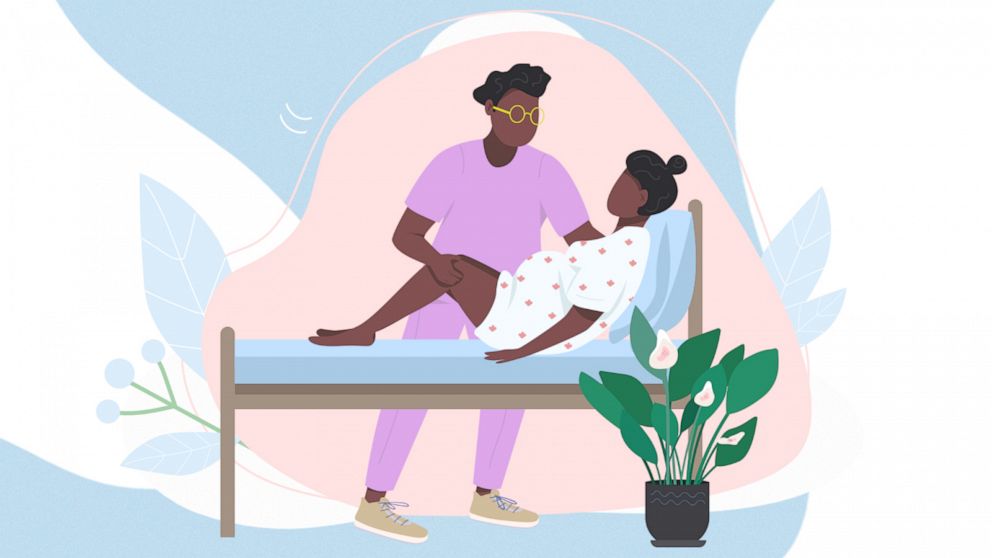
Earlier this week, President Joe Biden proclaimed that April 11 thru 17 would be Black Maternal Health Week in America. In Georgia, the state has consistently been ranked as one of the most dangerous places in this country to be a new mother. Approximately 26 Georgia women die from pregnancy complications for every 100,000 live births, compared to the national average of about 17 women. But even more devastating is the fact that about 60% of the state’s maternal deaths between 2012 and 2016 were found to be preventable, according to the Georgia Department of Public Health. And the mortality rates are much more tragic for Black women in Georgia. African American women are almost three times more likely to die from a pregnancy-related cause than white women in Georgia. Black mothers in rural areas of Georgia are at an even higher risk. “Maternal and infant mortality are really significant indicators of the quality of health in any area, so my colleagues around Georgia really felt challenged to do something that we hadn’t done in a long time in our state, which was to get the data,” says Dr. Chad Ray. “Because you can’t really fix something unless you know who and why. And then you assemble the stakeholders to formulate a plan to make a dent and to move the needle on something that is just so important.” This is an important topic that impacts mothers in Georgia and across the entire United States. And if you are a journalist looking to cover this topic – then let us help. Dr. Chad Ray is the Interim Section Chief of the Department of Obstetrics and Gynecology at the Augusta University Medical Center. He is an expert in the areas of maternal mortality & global women's health initiatives. Dr. Ray is available to speak with media about Black Maternal Health Week - simply click on his icon now to arrange an interview today.


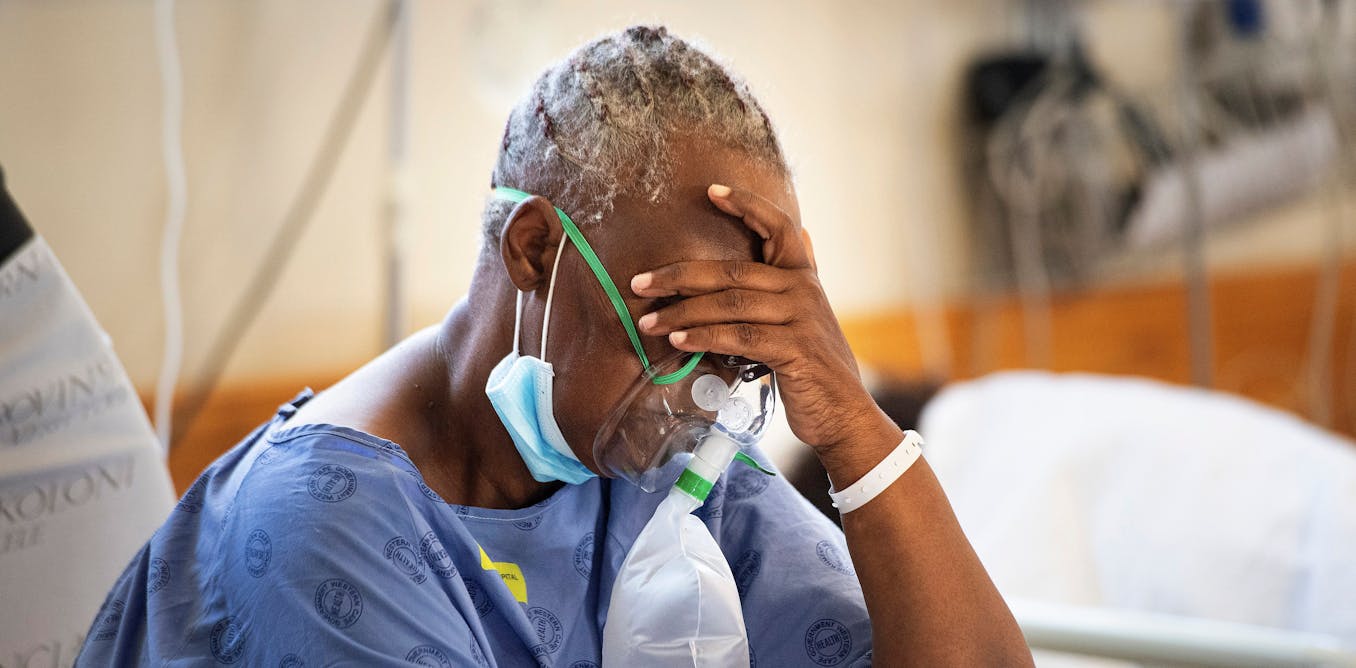
How worried should you be about coronavirus variants? A virologist explains his concerns
Paulo Verardi, Associate Professor of Virology and Vaccinology at UConn, was asked to lend his expertise and opinion to The Conversation about coronavirus variants and just how concerned Americans should be about the emergence of variants and the speed at which they are spreading across the country and the globe. Spring has sprung, and there is a sense of relief in the air. After one year of lockdowns and social distancing, more than 171 million COVID-19 vaccine doses have been administered in the U.S. and about 19.4% of the population is fully vaccinated. But there is something else in the air: ominous SARS-CoV-2 variants. I am a virologist and vaccinologist, which means that I spend my days studying viruses and designing and testing vaccine strategies against viral diseases. In the case of SARS-CoV-2, this work has taken on greater urgency. We humans are in a race to become immune against this cagey virus, whose ability to mutate and adapt seems to be a step ahead of our capacity to gain herd immunity. Because of the variants that are emerging, it could be a race to the wire. April 08 - The Conversation Dr. Verardi discusses the the five SARS-CoV-2 variants we all need to be watching, the rates of transmission and the severity of symptoms, and why we all need to remain on guard and get vaccinated. It is a great article, and if you are a journalist looking to cover this topic, then let us help with your stories. Dr. Paulo Verardi is a virologist who specializes in vaccine research and development and is a member of the Center of Excellence for Vaccine Research. Dr. Verardi is available to speak with media regarding variants and COVID-19 – simply click on his icon now to arrange an interview today.

Public health education soars in wake of pandemic
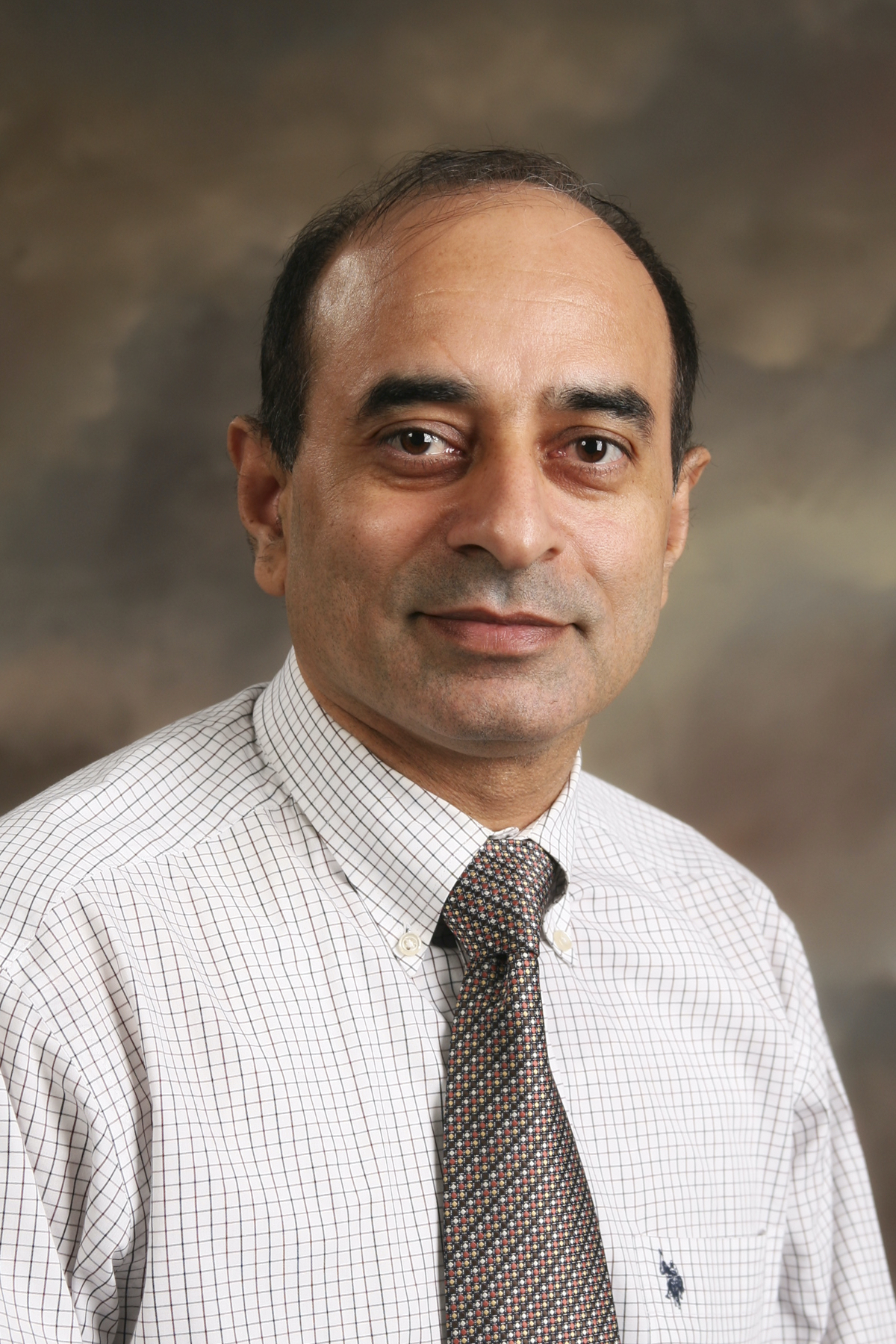
Maybe a silver lining can be found from the COVID-19 pandemic, as interest in public health education is soaring at U.S. colleges and universities, says a nationally prominent public health professor. Public health education has become a logical choice for students when looking at changing public health practice trends and their implications for public health education, explained Gulzar Shah, Ph.D., who authored an invited editorial in the March issue of the American Journal of Public Health (AJPH). Shah is department chair and professor of health policy and community health in Georgia Southern University’s Jiann-Ping Hsu College of Public Health. His editorial is titled “Public Health Education and Changing Public Health Realities in the Public Health 3.0 Era.” “For many of the 19 million college students enrolling annually in public and private colleges in the United States, public health is becoming a logical choice,” he said. “Because of COVID-19, interest in public health careers is soaring, evident from the 20% increase nationwide in Master of Public Health applicants.” The editorial also drew insights from the Association of Schools and Programs of Public Health’s national-level data from schools and programs of public health about the first employment destinations of public health graduates. “The emphasis on aligning public health practice and policy with the Public Health 3.0 framework, in which leaders partner across various sectors to address social, environmental and economic factors that affect population health and health inequity, has attracted the spotlight on generalist, behavioral education and health policy degrees,” Shah noted. “The Public Health 3.0 framework has also underscored the desirability of adopting the Health in All Policies approach and encouraging public health leaders to act as chief health strategists in influencing policies in other sectors affecting population health. Increasing focus on Health in All Policies and higher salary positions in health care may further explain the popularity of health policy and management and health law programs.” If you are a journalist looking to know more about Dr. Shah’s work, and the importance public health education in America of the programs Georgia Southern is offering – then let us help. Dr. Gulzar H. Shah is a Professor and Department Chair, Health Policy and Community Health at the Jiann-Ping Hsu College of Public Health (JPHCOPH), Georgia Southern University. He is available to speak with media regarding this important topic - simply click on his icon now to arrange an interview today.


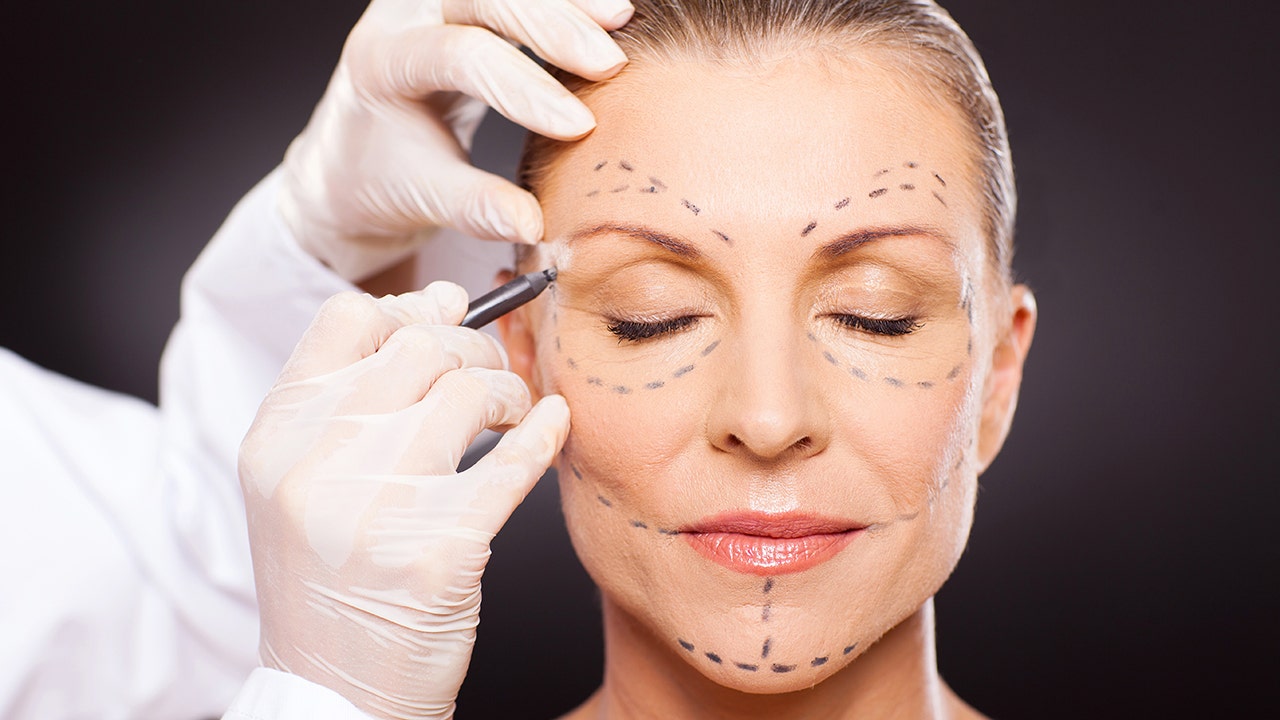
The Zoom Boom? More and more Americans are getting plastic surgery – let our expert explain why
After almost a year where most American offices went unused, experts are noticing an unexpected side effect from all those online meetings. It appears that prolonged exposure to seeing yourself in that tiny box during video calls is inspiring a sudden uptick in plastic surgery. The plastic surgery industry is booming during the coronavirus pandemic, largely due to the increase in the number of virtual meetings offered through Zoom and other video web services. Call it the “Zoom boom.” The interest in cosmetic surgery is boosting appointments for Botox, lip fillers and other plastic surgery procedures that help people feel more attractive on computer screens, according to Dr. Maria Helena Lima, an assistant professor of Surgery for the Section of Plastic and Reconstructive Surgery in the Medical College of Georgia at Augusta University. “In the last few months, there has been a jump in the number of patients wanting plastic surgery procedures,” said Lima. “We have discovered that when people are in Zoom meetings, they should be listening to the content and paying attention to what’s going on, but they’re not.” Lima says participants are oftentimes looking at themselves on the screen and wondering what could be done to alter their image. It is a trend that offers up some interesting questions: • Along with the Zoom boom, are there other reasons people are opting to go under the knife for an elective procedure? • Are there long-term consequences to these decisions? • What do patients need to know first to avoid any safety or health issues? There’s a lot to know about this topic, and if you are a journalist looking to learn more, then let us help with your coverage. Dr. Maria Helena Lima is one of the nation’s leading plastic surgeons with 12 years of experience specializing in aesthetic plastic surgery, facial reconstruction and craniofacial pediatric plastic surgery. She is available to speak with media about this emerging trend. Simply click on her name now to arrange an interview today.
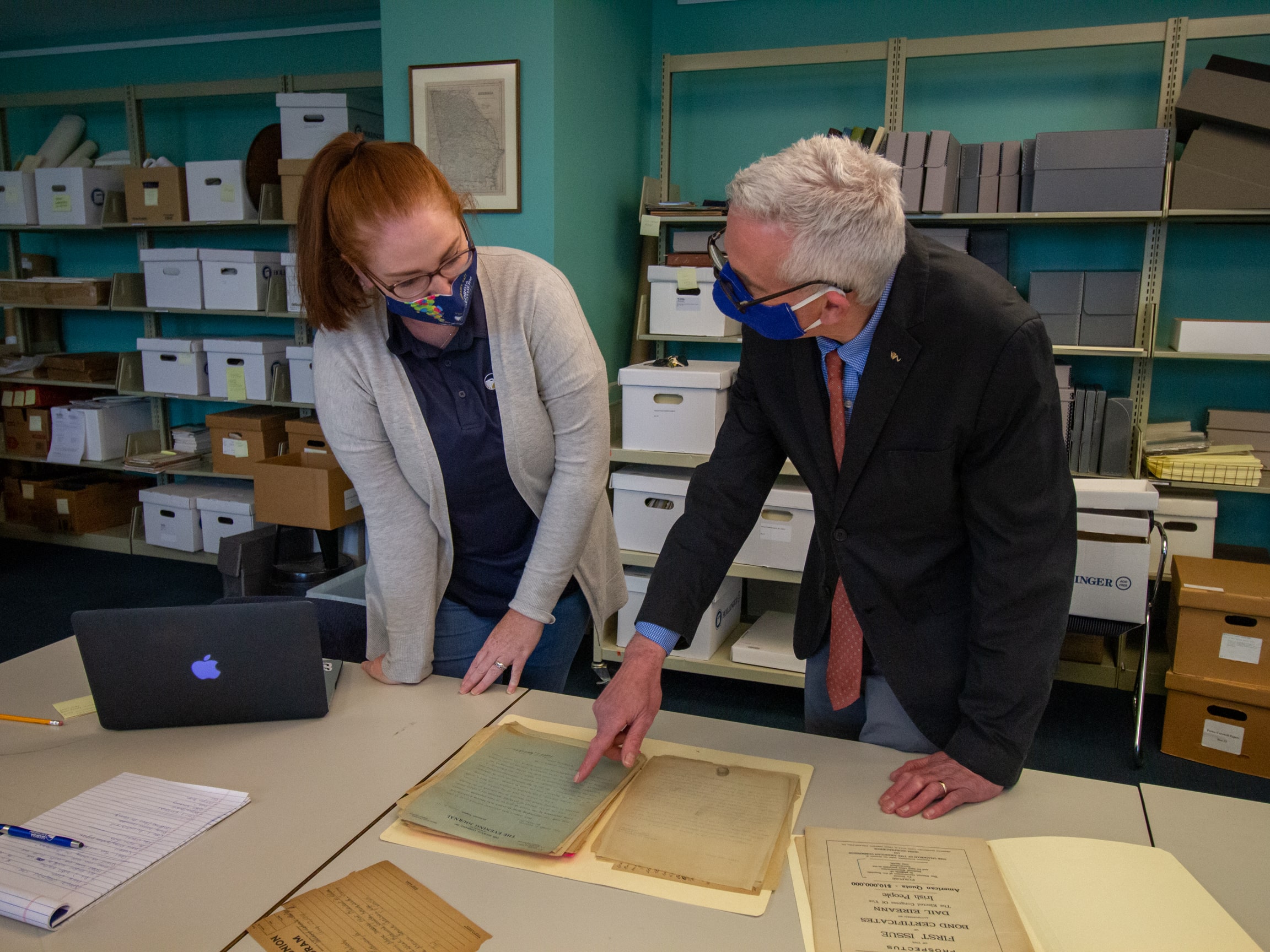
This year marks 100 years since the signing of the Anglo-Irish Treaty, which eventually would establish Ireland as a republic, and Georgia Southern University undergraduate student Caitlyn Hudson is getting a first-hand look at some historical documents that chronicle U.S. efforts to help establish Ireland’s freedom from British rule. Hudson is researching a collection of documents called the Lawless papers, which follow Virginia-native and Irish descendant Joseph Thomas Lawless’ involvement in the southern leg of an extensive U.S. tour by Éamon de Valera, a prominent political leader in Ireland’s history. “My favorite part of working on the project has to be the physical work with the documents,” Hudson said. “It is fascinating to see primary documents in hand rather than online. It provides a unique form of analysis.” The collection, which was gifted in Fall 2020 to the Center for Irish Research and Teaching (CIRT) at Georgia Southern, includes letters, advertisements and more that document an important narrative in modern Irish-American history, according to Howard Keeley, Ph.D., director of CIRT. “These documents shed significant new light on how Ireland perceived Savannah and our region at a critical time in Irish history: that nation’s War of Independence from 1919 to 1921,” Keeley said. “The collection helps us understand the network that Éamonn de Valera and other future leaders of an independent Ireland sought to build in the American South, using as one anchor the sizable and active Irish-American community in Savannah.” All of the Lawless papers were either written or received by Lawless, the son of immigrants from County Galway, Ireland. Lawless was involved in arranging southern stops on de Valera’s tour, which included a stop at the Chatham Artillery Armory in April 1920, in an effort to raise funds for the self-proclaimed Republic of Ireland. Lawless, who would go on to become a lawyer and prominent political figure in Virginia, was also very devoted to Ireland and involved in several prominent Irish-American organizations, including the Friends of Irish Freedom (FOIF), which advocated for political independence for Ireland. “De Valera’s fundraising tour of the U.S. is among the most important episodes in modern Irish-American history,” said Keeley. “The collection sheds significant light on how FOIF used the tour to advance a southern strategy. Clearly, Judge Lawless was key to those efforts.” Keeley also pointed out that in time, de Valera would become prime minister, and then president, of an independent Ireland, dominating the country’s politics for decades. The collection was gifted to CIRT by direct descendants of Lawless and is now housed in the special collections section of the Zach S. Henderson Library. “We are honored to be granted stewardship of these documents,” said Autumn Johnson, special collections librarian at Zach S. Henderson Library. “Having increased opportunities for Georgia Southern students to examine rare, one-of-a-kind collections, such as the Lawless papers, enriches the learning experience, particularly for our undergraduates.” Hudson said her work on the project has allowed her to fully understand the various aspects of potential careers she can pursue, as well as narrow down specific goals for her graduate school journey and beyond. “This type of work is generally done by graduate students, and it is amazing to know that I am able to gain experience in a field while an undergraduate,” said Hudson. “It has allowed me to learn career-relevant material earlier on and in turn has allowed me to better prepare for graduate school and my overall future goals.” Keeley added a collection like the Lawless papers allows students and faculty to conduct research on high-value primary source documents. The collection will also help further CIRT’s ongoing mission to increase research productivity, particularly with respect to the history of the Irish in Savannah and the state of Georgia. “The Irish experience in the south is open to much more study than has thus far been attempted,” Keeley said. “The generous gift of the Lawless papers to the Center for Irish Research and Teaching significantly enhances our drive to conduct meaningful research. For undergraduate students, such as Caitlyn, the opportunity to uncover knowledge by analyzing primary-source documents brings new levels of rigor and satisfaction to the college experience. And for our program, this collaboration with the Special Collections unit of University Libraries is a powerful way to honor our donors’ trust in us and, in addition, celebrate Irish heritage, especially around St. Patrick’s Day.” If you're a journalist looking to learn more about his project of the historical significance the Irish had on Georgia - then let us help. Dr. Howard Keeley is available for interviews — simply reach out to Georgia Southern Director of Communications Jennifer Wise at jwise@georgiasouthern.edu to set and time and date.