
Experts Matter. Find Yours.
Connect for media, speaking, professional opportunities & more.
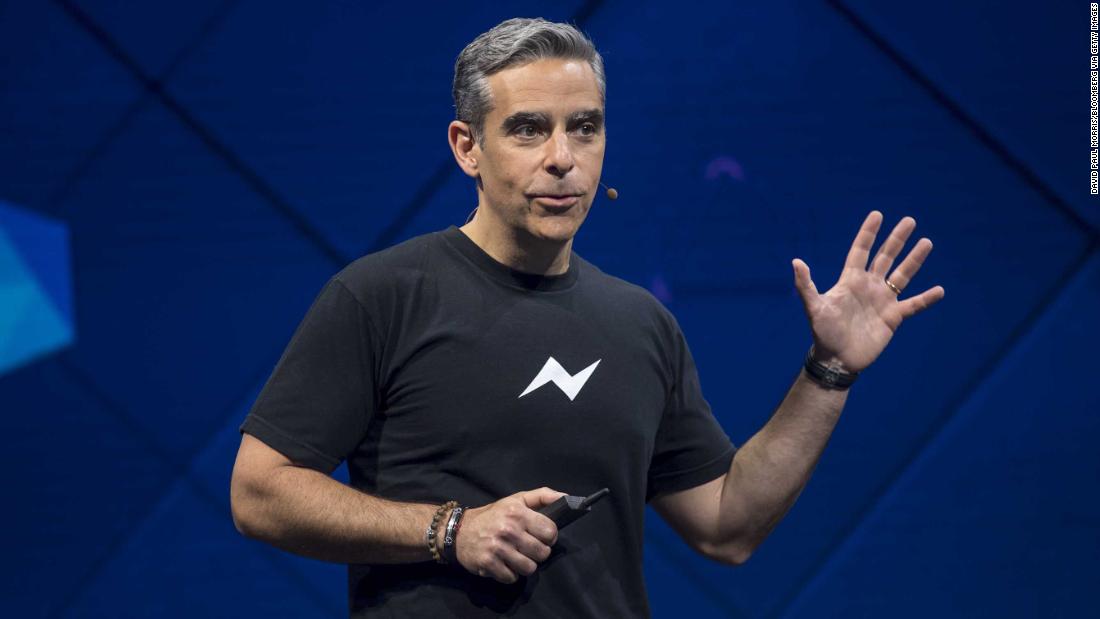
It’s not the first time Facebook has faced Congress. This time, the social media giant came to Washington to discuss its new Libra cryptocurrency. As their new venture into the Fintech industry. Libra, claims Facebook, will keep a customer’s money safe by using the blockchain process. However, the talks didn’t seem to generate a lot of ‘likes’ by members of either party on the Hill. Many lawmakers questioned Facebook (FB) executive David Marcus about why people should trust the company to manage their money and why they should trust Facebook to lead the way on a major new fintech regulation that could fundamentally change global financial systems. "Facebook's motto is move fast and break things," Sherrod Brown, the Committee's senior member, said. "They've moved fast and are helping to undermine our democracy. Now they're expecting us to trust them with our paychecks." July 16 – CNN There are concerns about the currency undermining the federal reserve, about control, regulation and responsibility. But should lawmakers be that worried? What are the potential consequences to Libra launching? What are the benefits? And why is Facebook even going down this path? There are a lot of questions to be asked – and if you are a reporter covering this topic, our experts can help. Eric Overby's research focuses on the transition from physical to electronic modes of interaction and its effect on market efficiency. Eric is available to speak to media regarding blockchain or any other technology related topics – simply click on his icon to arrange an interview.

Social issues and boosting a brand – More companies taking a stand
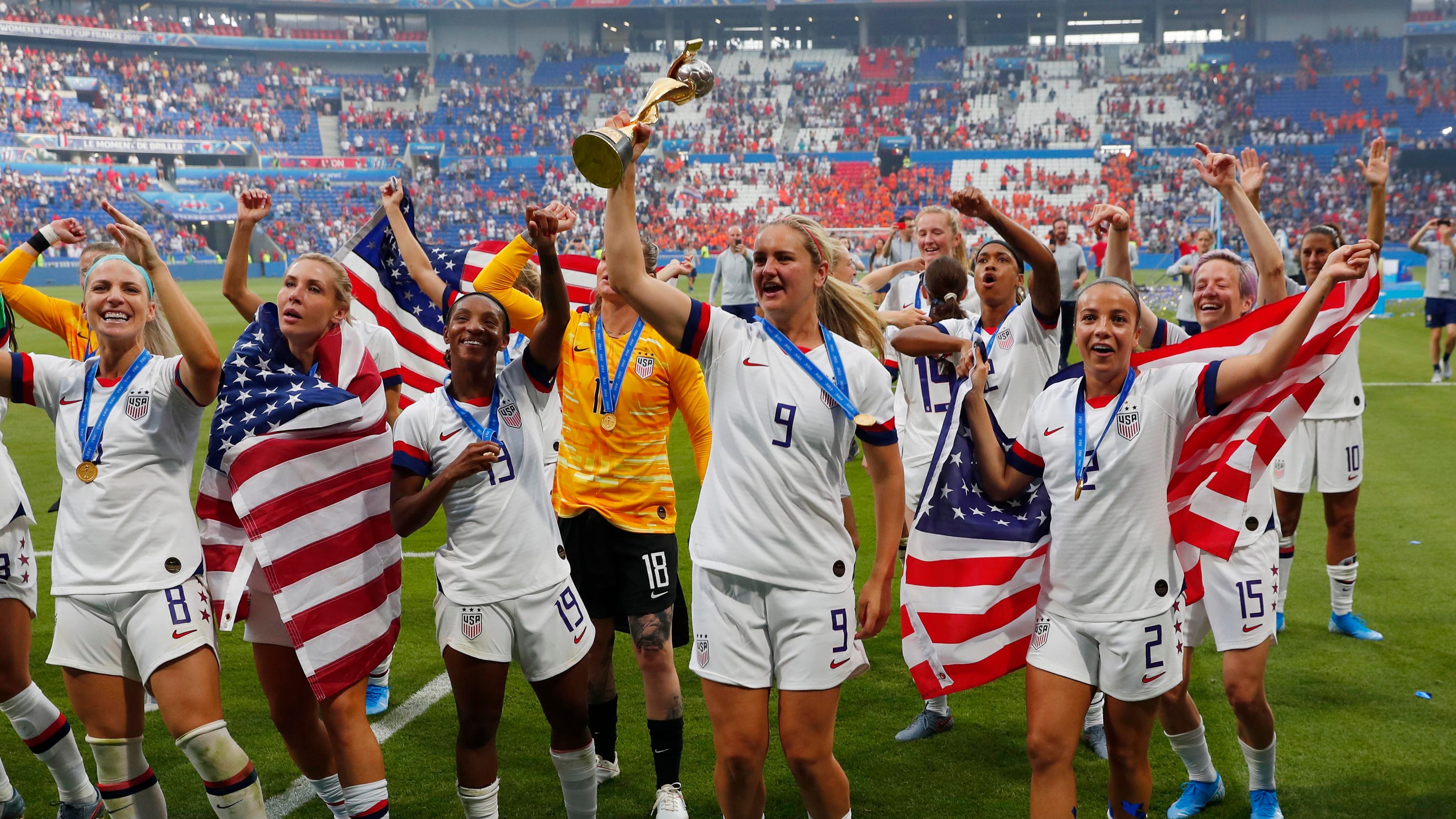
Procter & Gamble this weekend put out a full-page ad in the New York Times supporting equal pay – In fact, the company urged the US Soccer Federation to “be on the right side of history.” P & G also gave $529,000 (which equates to $23,000 for each of the 23 players on the United States Women’s National Soccer Team) to the Players Association to help close the gender pay gap. Indiana University Kelley School of Business clinical professor of marketing Kim Saxton says this is an excellent move for Secret and P & G. “This is brilliant. The Secret brand is all about being strong but 'made for a woman.' It makes sense for the brand to stand up for the very women it serves,” said Saxton. “I was a bit surprised at one level, because P & G is not typically a risk-taking brand. But as long as they stay consistent to the brand, know their target audience and what is important to that audience – which this clearly does -- It’s a brilliant move.” “We now have brands who are willing to take a stand on social issues,” Saxton continued. “In the past, brands may have steered clear of jumping into the conversation if it could offend someone. Now, brands are realizing that coming down on one side of a cause or another has worked well for Nike. Nike has taken flack for taking a stand on a number of issues, but they’ve stood strong and decided that’s what their brand’s about. If you help your target audience accomplish their goals, they will support you back, and that’s what’s happening here." Pay equity is just one issue that has come to the forefront as of late. Nike has also seen its brand benefit substantially when it decided to express its support for former NFL quarterback- turned-activist Colin Kaepernick. In fact, being on the ‘right’ side of that issue has some analysts pointing out it boosted the company’s value by close to 3 billion dollars. Social issues and marketing are emerging as a new trend. There are rewards, but there are also serious consequences as well. If you are a reporter covering this topic -- let our experts help explain. Kim Saxton is a marketing strategy professor who believes marketers should make data-driven decisions to improve their effectiveness. Kim is available to speak with media regarding this topic – simply click in her icon to arrange an interview.


Tuesday November 03, 2020 – it’s 17 months away. For most of us – that is two World Series and at least a one new iPhone released before the date even hits the calendar. But if you are a political junkie or a journalist – that date is the finish line for what is an expected election of historic proportions that is already underway. On the left, there are at least two dozen candidates vying to lead the Democrats. Some are brand name Washington players; some are rising stars and some are long shots – but each is trying to separate themselves from the peloton of politicians hoping to make that big splash in Iowa during the first week of February in 2020. And if Iowa doesn’t provide results – there’s always New Hampshire and then the Carolinas. On the other side, President Donald Trump has already declared his candidacy. He’ll rely on the economy and odds are...hoping his teflon that ensure nothing ever seems to sticks sustains through the next year and a half. Through it all there will be controversy, scandals, rhetoric, policies and promises. And if you are a journalist, you’ll need an expert to help you navigate through it all. That’s where we can help. Mark Caleb Smith is the Director of the Center for Political Studies at Cedarville University. Mark is available to speak with media regarding the long journey to lead the DNC in 2020 and the election. Simply click on his icon to arrange an interview.


Experts in the media - Will Facebook, Google take over blockchain?
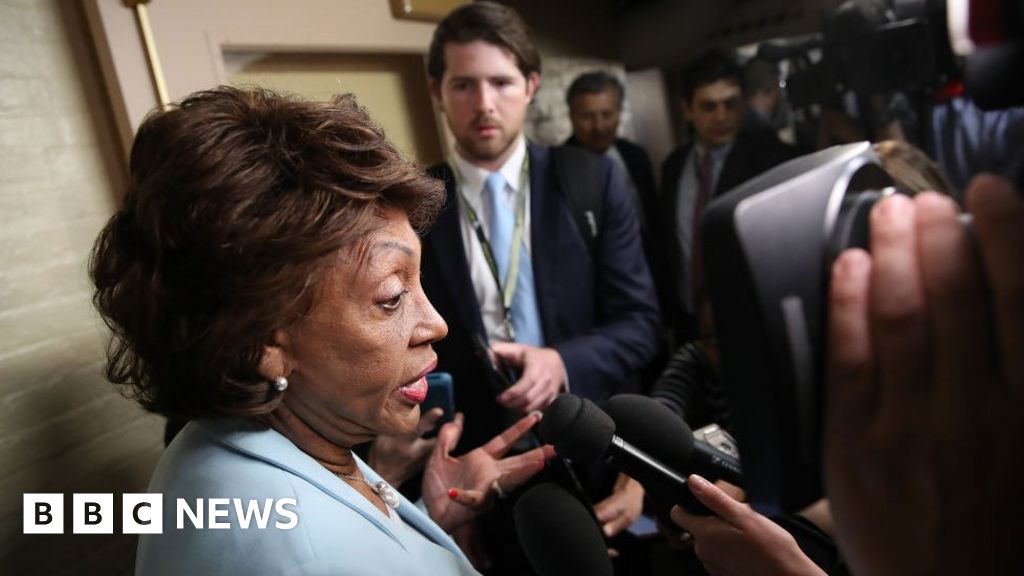
Banking and big tech are going ‘all-in’ on blockchain initiatives – and it is getting a lot of attention from investors, regulators and the industry. In an announcement this week, Facebook stated it was moving full speed ahead with its cryptocurrency ‘Libra”. With this announcement, Facebook isn’t just moving into the cryptocurrency space—it’s also setting itself up as a financial services company. Unlike many other cryptocurrencies, Libra will be specifically designed for use as a payment medium, rather than a speculative asset. Bitcoin, Ethereum, and other digital currencies are generally difficult to transfer back and forth for everyday payments, partly because the price of the tokens is based primarily on market demand. The value thus fluctuates dramatically. If it works, Libra should be much less volatile since it will be pegged to traditional financial assets, including a raft of government-issued currencies. Slate, June 18, 2019 Recently, Dr. Eric Overby, associate professor of information technology at Georgia Tech's Scheller College of Business was interviewed by Blockchain Tech News to get his perspective on what to expect now that Google and Facebook are adopting blockchain as part of their platforms. The interview is attached below. Eric Overby's research focuses on the transition from physical to electronic modes of interaction and its effect on market efficiency. Eric is available to speak to media regarding blockchain or any other technology related topics – simply click on his icon to arrange an interview.

The Increasing Tension Between the U.S. and Iran
Two oil tankers were attacked in the Gulf of Oman and an unmanned drone was shot down in the last two weeks, escalating tensions between the United States and Iran. After a last-minute bailout of a retaliatory airstrike, President Donald Trump announced additional sanctions against Iran on June 24. Lowell Gustafson, PhD, a political science professor, taught American foreign policy and a course titled "Theories of War and Peace" for several years. He says, with the talk of airstrikes and President Trump claiming there will be "obliteration like you've never seen before," Congress needs to step in. "Congress should immediately hold hearings and vote on exactly what conditions would need to be met before such an order was given. Before Congress makes an initial authorization to use force against Iran, the military should not follow any order to do so by the President. Our founders gave Congress the power to declare war since a single executive, whether monarch or president, should not have the authority to make such a weighty decision unilaterally." Dr. Gustafson noted that so far, sanctions have proven counterproductive and a "unilateral presidential decision to use force undermines American constitutional democracy." He said the president's failure to think systematically about this issue leaves us moving from tactic to tactic.


Otterbein’s engineering program focuses on adding diversity to the profession
In April, Otterbein granted degrees to its first class of engineering graduates. While it’s a historic moment for the school, the class is important for another reason: it exceeds the national graduation rate for women in engineering. Otterbein is working in an intentional way to recruit a diverse class of engineers in a field that is increasingly looking for well-trained professionals who bring diverse opinions and ideas to the table. According to the American Society of Engineering Education, the national average for females earning bachelor’s degrees in engineering is 19.9%. The average for minority students graduating with engineering degrees is just 7%. Amongst the 21 students graduating from Otterbein, 29% are female and 29% are minority students. The inaugural class was also the first class to study in The Point at Otterbein University, an experiential learning facility focused on collaboration with businesses, community makers and academics. At The Point, students have opportunities to pursue industry projects and on-campus internships with resident professionals from some of the country’s largest and most respected businesses, like JPMorgan Chase and Nestle, and locally based companies, like Worthington Industries, Nikola Labs and edgeThingZ. Of the 21 graduating students, several are pursuing graduate studies at The Ohio State University and Santa Clara University, while others have already accepted full-time jobs at companies like Honda and Williams-Sonoma. “The students in this class helped us develop a strong program and accomplished a lot during their four years,” said Mike Hudoba, assistant professor of engineering. “Looking back on what they started with, it’s such a neat legacy they get to leave behind. They’re all hardworking students who entered into this new program with us.” Are you covering or would you like to learn more about Otterbein University and its engineering program? Let our experts help. Michael Hudoba is an assistant professor of engineering at Otterbein University and he is available to speak to media regarding this historic time at the school. Simply click on his icon to arrange an interview. To learn more, click on the link below: https://www.otterbein.edu/news/first-engineering-class-a-highlight-of-otterbein-universitys-commencement-weekend/

Not this time, but expect interest rates to get cut soon – our expert can explain why
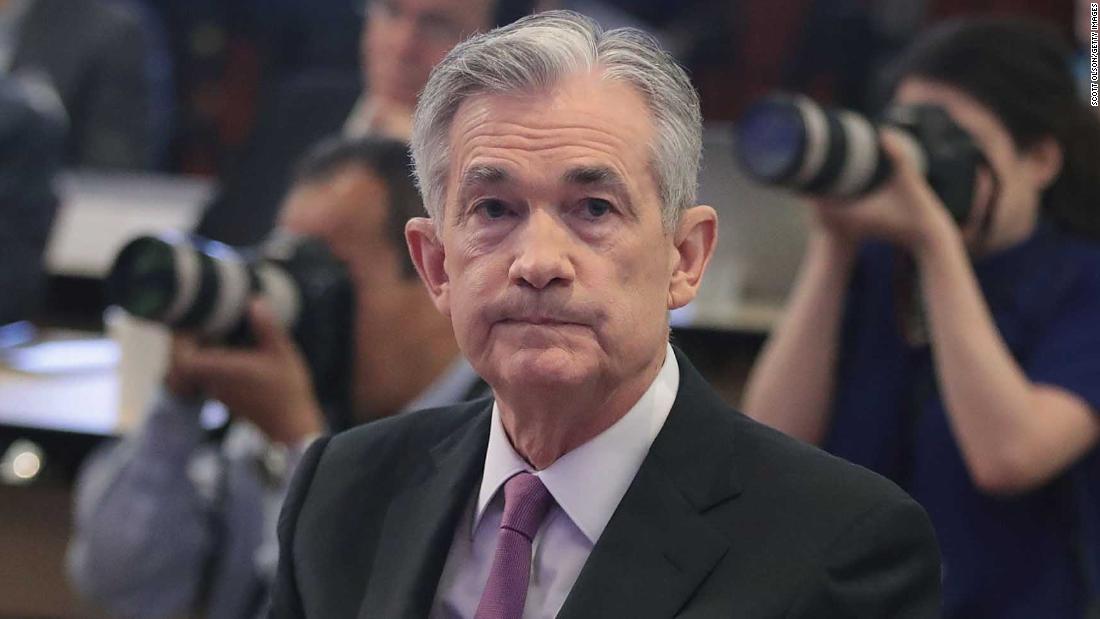
It was all eyes on the Fed this week, but when it came to decide, Federal Reserve Chairman Jerome Powell held U.S. Interest rates steady and unchanged. The pressure was on to lower the rates amid serious concerns that the current trade wars and tariff action could start impacting America’s economy and slow it down. Narayana Kocherlakota, the Lionel W. McKenzie Professor of Economics at the University of Rochester wasn’t surprised by the June decision to remain steady. And with serving six years as president of the Federal Reserve Bank of Minneapolis, his expertise and perspective indicates lower rates will come at the next meeting. “I am not expecting a change in policy, which means the interest rates should remain the same. What I am expecting is a lot of discussion, which takes place in secret, about cutting interest rates by a quarter percentage point at their next meeting in July. Why would they do that? The Federal Reserve is tasked with trying to keep inflation at 2 percent and keep unemployment low. Right now unemployment is about as low as it’s been in the past half-century, which is very good. Inflation remains lower than the Federal Reserve would like—it’s been below 2 percent for most of the last seven years. I think they’re mainly worried about risks. There are signs of risk around the world partly due to big variations in trade policy emerging from the White House. So, the Fed is thinking about cutting rates now in order to keep the economy as healthy as possible, if there’s any danger of a recession.” University of Rochester Newscenter. Will lower rates really keep America’s economy humming? Won’t lower rates impact the strong US dollar? And if we are headed toward recession, what else can de done to turn the economy around? There are a lot of questions – and that’s where our experts can help. Dr. Narayana Kocherlakota was the President and CEO of the Federal Reserve Bank of Minneapolis from 2009-2015. As part of his responsibilities in that position, he served on the Federal Open Market Committee (FOMC), the monetary policymaking arm of the Federal Reserve System. He is currently a Lionel W. McKenzie Professor of Economics and is an expert in financial economics, interest rates and monetary policy. Narayana is available to speak with media regarding the economic effects of the shutdown – simply click on his icon to arrange an interview.



Keratoconus – ever heard of it? It’s an eye condition where genetics and environmental factors like ultraviolet light and vigorous eye rubbing conspire to make the usual curvature of the cornea more pointy, leaving us with double vision and nearsighted. National Basketball Association and Golden State Warriors star Stephen Curry helped make keratoconus, which affects an estimated 1 in 2,000, a more visible eye condition this April. A $2.1 million grant from the National Eye Institute is now helping Dr. Yutao Liu, vision scientist and human geneticist, learn more about keratoconus’ causes and identify points to better diagnose, treat and possibly prevent the progressive disease that typically starts in our teens. “We want to help patients better understand what is happening to their vision by better understanding how keratoconus happens, and give physicians better points to intervene,” says the scientist in the Department of Cellular Biology and Anatomy at the Medical College of Georgia and James and Jean Culver Vision Discovery Institute at Augusta University. For Curry, his solution was simple – treatment with corrective contact lenses. But keratoconus does progress and some who suffer may eventually require a corneal transplant surgery or corneal collagen cross-linking as treatment. Keratoconus is a fascinating disease and the research by experts at Augusta University will be groundbreaking. Do you need to know more? That’s where we can help. Dr. Yutao Liu is an associate professor of Cellular Biology and Anatomy with the Center for Biotechnology and Genomic Medicine at Augusta University. Dr. Liu and is available to speak with media regarding this rare disease - simply click on his icon to arrange an interview.

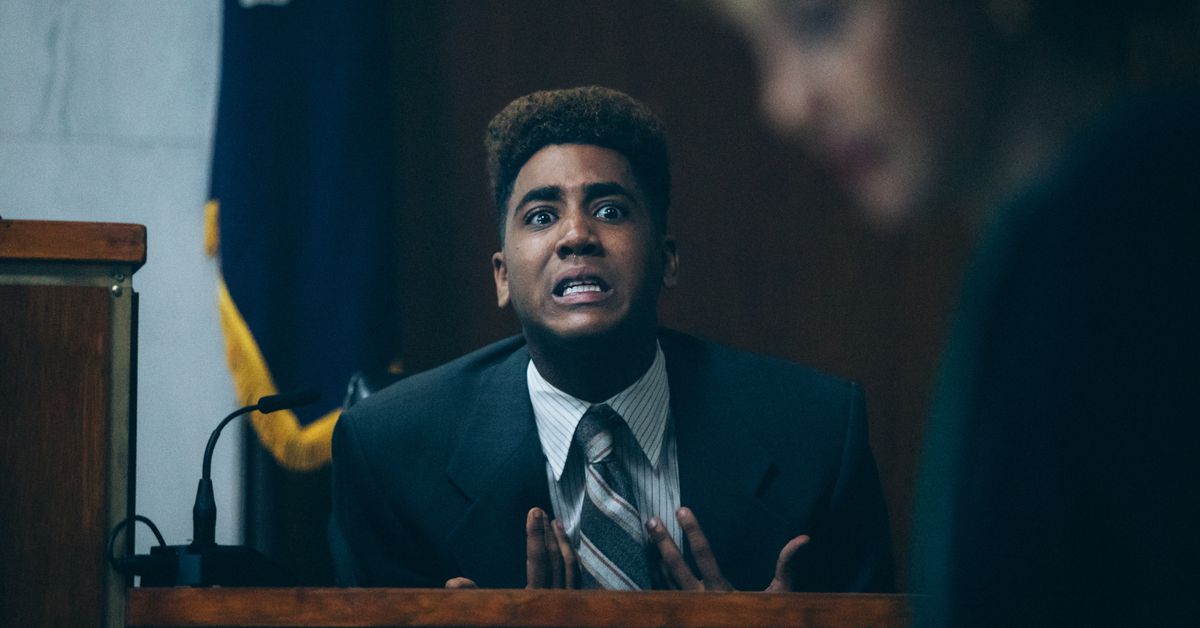
The recent release of the Netflix series “When They See Us” about the Central Park Five raises questions about the power of the media in the public’s perception of news stories. The narrative is different with this production than it was in the media when the trials were going on, and still today, the media has the power to shape – or sensationalize – a news story. In this version, the four-part series attempts to portray what happened and just how this tragic event impacted so many lives for so long. “Over the course of the series, the audience watches the boys, who are all between 14 and 16, get coerced into confessing to a crime they didn’t commit. … While other dramas of this kind often focus on victims and investigators, the focus here is on the accused. It’s a haunting story that shares a space with the innumerable podcasts, films and limited-run docuseries that try to rationalize and memorialize true crime incidents of years past.” – VICE.com Films – and the way they are made – are changing, and some are attempting to change the public’s perception of how actual historic events in America happened. This comes with benefits and no doubt, risks. What challenges do writers and directors take on when trying to tell a true story from our past? How has this been done correctly – and what happens if it fails? And is it up to the entertainment industry to educate audiences about the truth in our collective past? There are a lot of questions, and that’s where the experts from Augusta University can help. Dr. Matthew Buzzell is an award-winning, Emmy-nominated filmmaker whose films have screened at festivals the world over and been broadcast nationally on PBS, Turner Classic Movies and Netflix. Matthew is available to speak with media at any time – simply click on his icon to arrange an interview.


They are incidents that are now more common than a lot of people want to admit – and research is showing that mass shootings are taking a serious psychological toll on our country’s population. UMW’s Laura Wilson’s research was recently cited in media throughout the country for her work analyzing PTSD and its affects on witnesses to these events. “PTSD estimates 28 percent of people who have witnessed a mass shooting develop post-traumatic stress disorder (PTSD) and about a third develop acute stress disorder. Laura Wilson, an assistant professor of psychology at the University of Mary Washington in Virginia conducted a meta-analysis — an examination of data from 11 studies of PTSD symptoms among more than 8,000 participants who ranged from those who'd witnessed shootings to those who just lived in the communities in a 20-year period. She found the greater the exposure — someone who was at the scene or who lost a friend or family — the greater risk of developing PTSD. But, in her work, Wilson has found other factors, too, including previous psychological symptoms and a lack of social support, also played a role in increasing the likelihood. "Mass shootings are a different type of trauma," Wilson says. "People are confronted with the idea that bad things can happen to good people. ... Most people have a hard time reconciling the idea that a young, innocent person made the good decision to go to school, was sitting there, learning and was murdered. That does not make sense to us. ... It just rattles us to our core." And yet, some people don't fully appreciate the lasting psychological wounds of those who escaped physical harm.” June 02, Associated Press Are you covering this topic, or would you like to know more? That’s where UMW can help. Laura C. Wilson is a clinical psychologist whose expertise focuses on post-trauma functioning, particularly in survivors of sexual violence or mass trauma (e.g., terrorism, mass shootings, combat). Dr. Wilson is available to discuss this topic with media – simply click on her icon to arrange an interview.

