
Experts Matter. Find Yours.
Connect for media, speaking, professional opportunities & more.
With lasers, smoke and a wind tunnel, UF helps federal agency investigate deadly Hurricane Maria
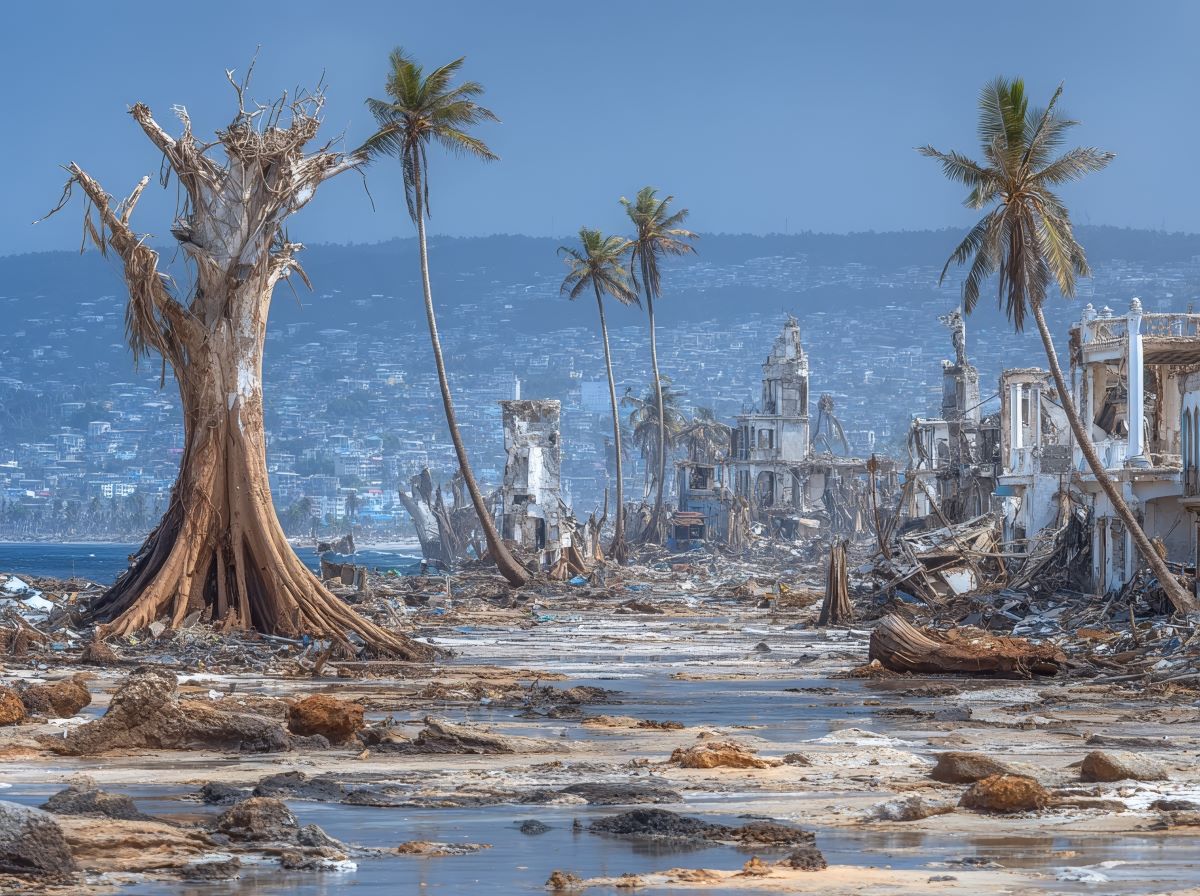
As Floridians brace for hurricanes amid the wild weather of 2025, some University of Florida researchers have their eyes on 2017’s Hurricane Maria, the deadly Category 4 storm that pummeled Puerto Rico. Engineering professor and natural hazards researcher Brian Phillips, Ph.D., is leading UF’s efforts in a Hurricane Maria investigation conducted by the National Institute of Standards and Technology, known as NIST. The goal is increased safety and resilience amid deadly conditions. Maria killed nearly 3,000 people and caused more than $90 billion in damage. Most of the island’s wind sensors and weather stations failed as the storm raged, leaving responders and investigators with few reliable weather measurements. What went wrong? Phillips and UF storm researchers are helping answer that question — and provide safety and structural recommendations — as part of NIST’s Hurricane Maria investigation. The full report will be released in 2026, but NIST recently published preliminary findings; some of the hazard and structural load data was derived from wind tunnel tests at UF's NHERI Experimental Facility in the Powell Family Structure and Materials Laboratory on UF’s East Campus in Gainesville. “Our wind tunnel has a strong reputation in the wind-engineering community for its unique flow control and measurement capabilities We worked with NIST to develop a test campaign to study the wind conditions Puerto Rico’s mountainous terrain and the resulting loads of critical infrastructure,” said Phillips, a civil and coastal engineering professor with UF’s Engineering School of Sustainable Infrastructure & Environment. “UF,” he added, “has one of the premier research wind tunnels in the country and it enables us to pursue impactful research like this.” As part of the NIST investigation, Phillips and his team created 1-to-3100 scale topographic models of regions in Puerto Rico — about 12 kilometers shrunk down to four meters, Phillips said. They set up those models in the wind tunnel and replicated wind flow over the topography. “These initial tests were designed to understand the influence of the complex topography had on the wind,” Phillips said. Flow was measured using velocity probes and particle image velocimetry (PIV). These topographic model tests were followed by 1-to-100 scale tests on models of two hospitals in Puerto Rico. In addition to surface pressure measurements, the team conducted qualitative flow visualization tests using smoke, lasers, and high-speed cameras. “The capabilities of the UF wind tunnel enabled us to investigate the hurricane winds at two different scales,” said NIST’s lead Hurricane Maria investigator, Joseph Main, “so we could measure how the winds were accelerated by Puerto Rico’s mountainous topography and then how those winds translated into loads on critical buildings.” Maria’s flooding blocked roads to hospitals and shelters. The hospitals themselves were heavily damaged by the storm, NIST reported. Reduced access to healthcare was a major factor in the death toll. “It's good to take a step back,” Phillips said about the overall investigation. “Researchers are approaching the disaster from multiple angles, including the better understanding of the hazard, the performance of critical infrastructure, public response and recovery. “This holistic approach is needed to capture the complete picture and maximize what we can learn from the event. UF's primary contribution was understanding the hurricane wind field and the resulting structural loads, which is a critical piece of that puzzle.” In finding infrastructure vulnerabilities, researchers contend the goal is integrating their findings into design standards for Puerto Rico’s unique topography and building codes. The findings also could be valuable to other storm-prone regions with complex topography. NIST launched the investigation in 2018, noting Hurricane Maria “set off a cascade of building and infrastructure failures across Puerto Rico that had lasting impacts on society, including health care, business and education.” “Our goal is to learn from that event to recommend improvements to building codes, standards and practices that will make communities more resilient to hurricanes and other hazards, not just in Puerto Rico but across the United States,” Main said. The complete report is scheduled to be released in 2026, and NIST noted some findings may change before its release. But in July, NIST released some preliminary findings. They include: Peak wind speeds over flat terrain reached 140 mph. They accelerated to over 200 mph in some areas due to the steep hills and mountains. The mountains also intensified the rainfall, which reached 30 inches in some areas. Only three out of 22 weather stations were fully functional during the hurricane. 95.3% of schools on the island lost power for an average of over 100 days. “One important preliminary finding from the study is that emergency preparations work,” NIST reported. “Businesses, schools and hospitals that took specific measures to prepare before Hurricane Maria were able to resume operations more quickly” said Maria Dillard, NIST’s associate lead Hurricane Maria investigator. Preparations included pre-established emergency plans, designated risk mitigation funds and backup power sources.



Beyond the field: New research highlights how NIL is reshaping college athlete identity
In an era of name, image and likeness, or NIL, many college athletes are thinking differently about who they are — seeing themselves not just as competitors or students, but also as influencers with distinct voices and causes, according to a new study from the University of Florida. Molly Harry, Ph.D., an assistant professor in the Department of Sport Management at the UF College of Health and Human Performance, surveyed 200 athletes from 21 Power Four universities to better understand how NIL, which refers to the rights of college athletes to earn money through endorsements, sponsorships, social media promotions and other commercial opportunities, has impacted the way athletes perceive their roles and identities. “Historically, we’ve viewed them (college athletes) through the lens of athletics or academics, but they’re daughters, brothers, role models, and increasingly, they’re now cultivating public personas and marketing skills.” —Molly Harry, Ph.D., an assistant professor in the Department of Sport Management The findings, published Friday in the Sociology of Sport Journal, reveal a growing recognition among athletes that they are more than the two-dimensional “student-athlete” model that is traditionally used in research and policy. “With the shift in NIL policies, athletes are starting to develop roles and identities related to that of the influencer,” Harry said. “Historically, we’ve viewed them through the lens of athletics or academics, but they’re daughters, brothers, role models, and increasingly, they’re now cultivating public personas and marketing skills.” Through survey responses across seven major sports — football, baseball, men’s and women’s basketball, gymnastics, volleyball and softball — Harry and UF doctoral student Hannah Kloetzer examined athletes' engagement with NIL opportunities, as well as the personal sacrifices they made to pursue them. They found that many athletes now view NIL as a platform to promote causes they care about, build connections with their communities and explore career pathways after college. One softball player described the value of NIL in a way that highlights the broader impact: “It’s been great to feel seen and have your hard work in a sport help in other parts of life. It’s really nice to use NIL on a resume as marketing experience.” Athletes surveyed said they found deals not just with big-name brands, but more often with local businesses like restaurants, boutiques and community partners. This entrepreneurial approach often required initiative and personal outreach, something many athletes had to learn on their own. “Some athletes told us they felt lost when trying to navigate NIL,” Harry said. “Others shared how they reached out to local businesses or organized their own camps.” One particularly striking finding, Harry said, was that some athletes were making athletic sacrifices — like spending less time training — to pursue NIL work, a shift that underscores the importance of these opportunities. Harry stressed that while no one reported skipping practices, athletes did acknowledge shifting their priorities to make room for NIL-related endeavors. “If you’re willing to give up something in your athletic routine, that speaks volumes about how central NIL — and influencer identities — could become for some athletes,” she said. Another key insight: football players of color from low socioeconomic backgrounds were most likely to self-identify as influencers. This emerging pattern stands in contrast to perceived broader trends in the social media world. “That was one of the most fascinating takeaways,” Harry said. “We have this unique subset of influencers — college football athletes — that are starting to enter this space.” Harry’s research builds on a growing conversation in the academic community about the evolving identity of college athletes. A few conceptual pieces have previously proposed the idea of a “student-athlete-influencer,” but Harry’s team is one of the first to gather empirical data to back it up. This new perspective has broad implications for how universities and organizations like the NCAA support college athletes, both during their playing years and as they prepare for life after sport. “As fans, we often see athletes as commodities on the field,” Harry said. “But they’re humans first, and they’re starting to recognize their own value and tap into their potential beyond the playing field.” In addition to academic and athletic support, Harry believes universities should invest in more targeted resources tailored to influencer pressures, like mentorship opportunities and training that goes beyond basic social media etiquette. “Athletes who take on influencer roles may deal with unique stressors, whether it’s comparing engagement numbers or coping with public scrutiny,” she said. “It would be valuable to provide opportunities where athlete-influencers can support each other, share strategies and protect their mental health.” A football player who participated in the study summed up the broader potential of NIL: “I’m very appreciative of NIL opportunities and the ability to continue to grow my camp and greater brand outside of my football program.” Looking ahead, Harry plans to explore this evolving identity through more qualitative research, with a focus on what it truly means to be an “influencer” in the context of college athletics. “Athletes are more than football players. They are more than swimmers,” she said. “They are people who we walk with on our college campuses, and they are people who bring value to our society in a host of ways.”


“See a gap, fill a gap.” That’s how Jeffrey Klibert, Ph.D., associate director of clinical training in Georgia Southern University’s Doctor of Psychology (PsyD), described the inspiration behind a project designed to extend behavioral health services in rural areas. Filling gaps is something Klibert said has always been a challenge in behavioral health care. This challenge became steeper in the aftermath of the COVID-19 pandemic. “When COVID hit, we saw some really alarming rates of people seeking services, and there just weren’t enough providers to meet that need,” Klibert said. “We saw waitlists that were six months, eight months, sometimes a year long.” Waitlists of this length are a common occurrence in Georgia’s rural areas, where resources are scarce and reported health outcomes are among the worst in the state. Klibert, along with colleagues Lindsey Stone, Ph.D., and Thresha Yancey, Ph.D., and students, is working to improve the situation across 14 rural counties in Georgia, thanks to the renewal of a research and training grant from the Health Resources and Services Administration. Stone and Yancey will supervise the trainees, while Klibert will oversee the entire program. The grant enables quantitative and qualitative research to increase access to behavioral health care in rural areas, while also providing Georgia Southern’s fourth-year PsyD students with hands-on training through local care providers. The ultimate goal is to develop more efficient and effective models for interprofessional, team-based care in areas of the state where it is most needed. “Everybody sees the need. We just need the glue to link everybody together,” Klibert said. “That’s what the program is trying to be. It’s trying to build those bridges to create a more comprehensive system of care.” Students will provide a range of services in collaboration with local care providers, including psychological assessments and therapy for individuals and families. Alex Cudd, a fourth-year PsyD student who joined the program in August, calls the experience “invaluable” and hopes to join the 94% of program alumni who currently provide care in rural settings. “In just a few months, I’ve learned so much about providing well-rounded care,” Cudd said. “I know I’ll carry this training into my career.” CarePartners of Georgia (CPGA), a resiliency- and recovery-based behavioral health agency serving Bulloch, Candler and Emanuel counties, is among the local providers partnering with Georgia Southern. “All the interns we’ve had from Georgia Southern understand the concept of recovery, are trauma-informed and very effective at delivering services,” said CPGA CEO David Crooke. “It’s been mutually beneficial. We are helping them further their education, and they quickly become important members of our team due to the breadth and depth of their knowledge.” Klibert notes that the grant’s initial four-year term brought significant improvements in local healthcare networks and enhanced communication between providers, something he sees as an investment in lasting success. “We’re doing some exciting stuff, but at the end of the day, we are very aware of making sure what we’re doing sticks and that we have the resources to continue care after the grant ends,” Klibert said. Looking to know more about Georgia Southern University's Doctor of Psychology Program or arrange an interview with Jeffrey Klibert — simply contact Georgia Southern's Director of Communications Jennifer Wise at jwise@georgiasouthern.edu to arrange an interview today.

UF builds community resilience in Jacksonville’s Historic Eastside neighborhood
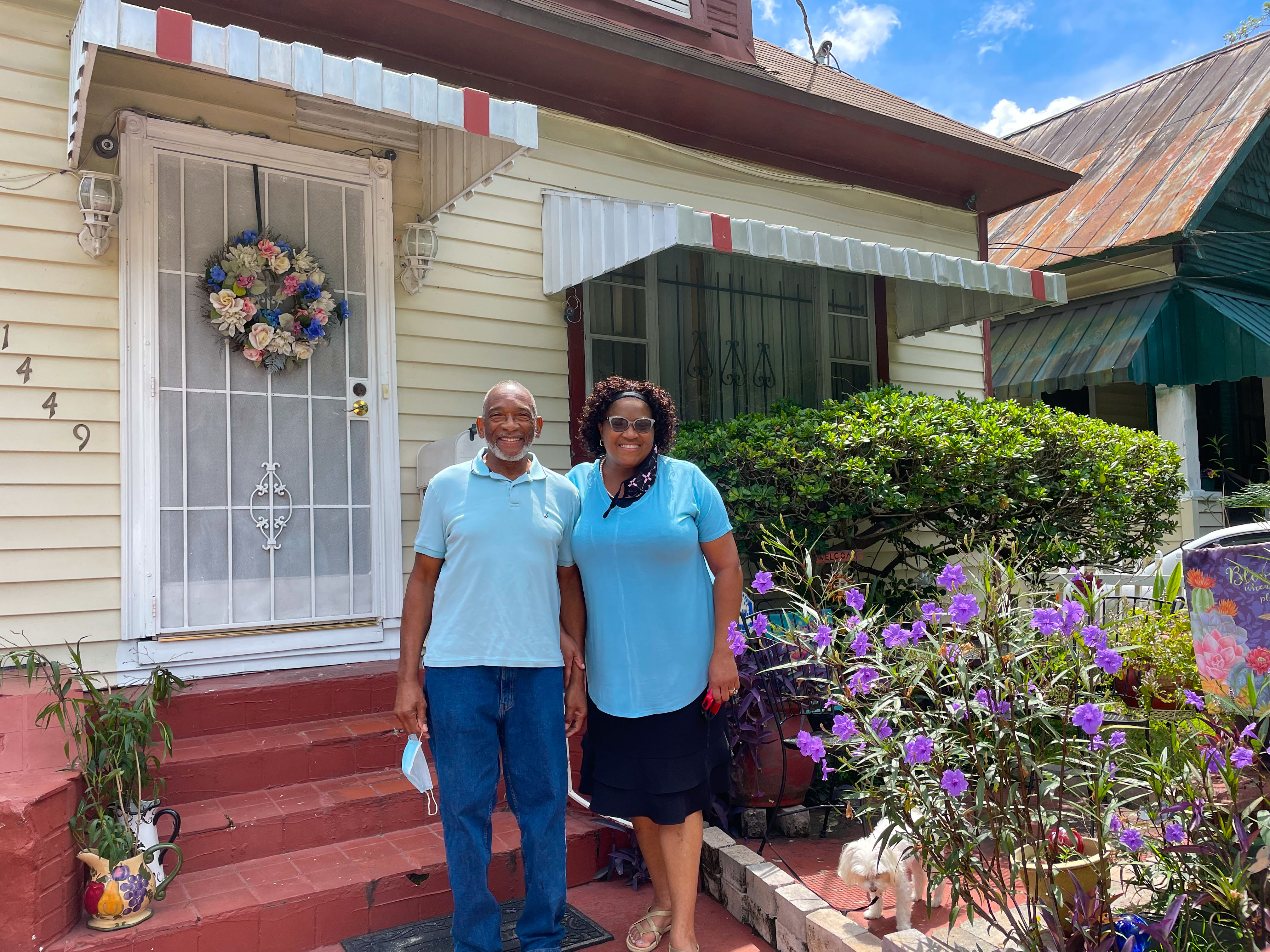
As the University of Florida continues to expand its presence in Jacksonville, Gators are undertaking sustainability projects to improve the city’s neighborhoods. Faculty and students in the College of Design, Construction and Planning’s Florida Institute for Built Environment Resilience (FIBER) have spent the past four years focusing on the role of housing design in community health resilience in Jacksonville’s Historic Eastside neighborhood, interviewing resident stakeholders and collaborating with citywide organizations that are helping to restore older homes. Findings from the UF research will be instrumental in informing future community planning and housing design decisions, potentially leading to more health-centered, sustainable neighborhoods. “Our research in Jacksonville focuses on how we can inform the development of community infrastructure that holistically supports human well-being across mental, emotional, and physical dimensions,” said Lisa Sundahl Platt, Ph.D., a FIBER research faculty member and an assistant professor of interior design at UF, who added that this holistic, health-centered approach is known as salutogenic design. “We are also actively collaborating with community organizations in Jacksonville and researchers from UF to explore improved strategies for designing and constructing community infrastructure that effectively responds to potential hazards.” A community-wide collaboration UF has conducted a pilot study over the past year on the Jacksonville-based Restore, Repair, and Resilience (R3) initiative that is underway in Historic Eastside – surveying residents about how the design quality of their housing and surrounding environments affects their overall well-being. This interdisciplinary project has brought together FIBER and members of the R3 Group – a coalition of organizations that includes the JEA utility company, LIFT JAX (committed to eradicating generational poverty), the Historic Eastside Community Development Corporation, the United Way of Northeast Florida, and Local Initiatives Support Corporation Jacksonville. FIBER-led research has received ongoing support from the Florida Resilient Cities grant, which is funded by the Jessie Ball duPont Fund. The scope of the R3 project is being scaled up through a U.S. Department of Energy grant awarded through JEA, which will allow for an expansion of home revitalization efforts in Eastside Jacksonville. FIBER’s ongoing housing and health community action research on these efforts will be supported through a grant from the LS3P Foundation. “Many residences we evaluated need help with improvements to housing energy efficiency, building ventilation, building shell structural integrity, and materiality,” Platt said. “For example, underperforming flooring material can create potential trip hazards for older adults. Deterioration in interior materials, caused by degrading components of the building envelope, can also lead to mold and mildew growth in interior environments, which can contribute to poor interior environmental quality issues and acute and chronic health conditions.” Respiratory health issues are often caused by material and ventilation design failures, which can affect people of all ages, especially vulnerable populations such as children and older adults. Oftentimes, interior designers see that the environmental risks that compromise human well-being are coming from both the outside and inside of the buildings. “As we continue to address priorities, our focus extends beyond energy and building efficiency to encompass comprehensive factors of built environment resilience that impact overall community health and well-being,” Platt said. “There's still significant progress to be made in the design of sustainable housing that supports community salutogenic health." Keeping residents safe and healthy UF research has continued to prove that interior resilience for living environments plays a vital role in people’s mental and physical health. “People spend roughly 90% of their time indoors, so it is important to understand the types of design conditions and materials that we’re putting into spaces and how they can affect the occupants of those living in said spaces,” said UF student Milena Rodriguez Mendez, who is one of Platt’s graduate research assistants. Students like Mendez are using qualitative and quantitative research methods to engage in collaborative community-led research that includes academics, for-profit organizations, nonprofits, citizen scientists, and neighborhood stakeholders. “I aim to center my work on social justice and equity, and I believe this initiative represents a meaningful step in that direction,” Mendez said. “Our focus is on the residents of this vibrant yet at-risk community.” FIBER researcher Jason von Meding added, “We want to know how future housing policies can address some future health concerns. We have a lot of youth in the community that are participating, which I think is important.” The FIBER housing and health team is actively pursuing additional funding to expand this research, in collaboration with UF Health Jacksonville’s Department of Community Engagement. “Our goal is to develop an open-source online platform that disseminates lessons learned and proof-of-concept findings on the impact of regenerative housing design on human and ecological health,” Platt said. “This resource will be valuable for other cities and neighborhoods facing similar challenges in housing quality, affordability, and accessibility.” Looking to know more about this project or connect with Lisa Platt? Simply click on her icon now to arrange an interview today.

Astrobiologist Manasvi Lingam, assistant professor of aerospace, physics and space sciences at Florida Tech, authored a new astrobiology textbook to serve as a resource for the rapidly growing multidisciplinary field. “From Stars to Life: A Quantitative Approach to Astrobiology,” published by Cambridge University Press, is primarily geared toward upper-level undergraduate and graduate students studying astrobiology, Lingam says. Co-authored by astrophysicist Amedeo Balbi (University of Rome), the book’s 15 chapters cover topics from the Big Bang theory to planetary habitability to the future of humankind. The book also includes practice problems that involve modern developments like GenerativeAI (e.g., ChatGPT). Lingam explained how he came up with the new textbook and why it can help shape astrobiology programs like Florida Tech’s. What inspired this textbook? Manasvi Lingam: [Florida Tech] was the first university in the whole world to start an undergraduate astrobiology major. We have a strong connection to the field. But it turns out, every time I teach the subject, I don’t have a textbook to use. I have my first book, which is “Life in the Cosmos,” but it’s 1,100 pages. It’s for graduate students. It’s not going to work for them. Every time I was trying to cobble together resources from different places. My co-author has the same problem except that he’s been teaching [astrobiology] for even longer, for 20 years. He doesn’t have a textbook either. There’s this old saying in English: if you want something done right, do it yourself. We decided, well, might as well just try to write it ourselves. That’s how it came to be. How does this textbook bridge the gap between introductory readings and graduate-level material? ML: Right now, there’s pretty much only one class of textbooks for astrobiology, and those are written for freshman- or sophomore-level undergraduates. There’s this emphasis on a broad overview but at an extremely qualitative level and sometimes offering somewhat weak explanations for various specific phenomena, such as, “Why did Mars lose its atmosphere? It just got eroded over time.” These kinds of limitations. Graduate literature is very specialized, oriented towards whatever subfield one is studying in astrobiology. You can have a whole book on the origin of life. You can have a whole book on just Mars. You can have a whole book on Titan and so on. The aforementioned introductory textbooks that exist are very broad, but they don’t really offer a tool to actually get started doing research in the more specialized field. There was this vital need to bridge the gap. That’s what this book is meant to do. How did you decide what content to include and what not to include? ML: This field begins almost with the Big Bang – the start of the universe – which is when the first elements were formed, including elements that are widespread in life like hydrogen. This tale begins almost with the beginning of the universe. It is a tale that is still ongoing and is going to unfold for trillions of years into the future. But, there was so much material to include in principle. We had to be quite selective about what topics to include. There are a number of courses that are taught around the world on this topic. We looked at dozens of them to find the common core within all of them, and then expanded on that core. That’s what constitutes our table of contents. While writing the textbook, how did you grow as a researcher and an educator? ML: There’s this implicit understanding in academia that if you can write something down clearly, and if you can articulate something clearly, that’s when you can really say you understand it. Often you can’t articulate what you need to say coherently and succinctly if it’s something very big. That’s what, of course, astrobiology is. In the process of writing the book as an educator, I think I was really able to see how various domains linked to each other. For instance, modulations of, say, the Earth’s climate that were driven not just by changes on Earth (including life itself!), but also by changes in the sun, by changes in the orbits of other solar system planets, but also phenomena that were taking place hundreds of light years away in the galaxy. You really see that everything is connected – there are hidden links to each other. I think that helped me discover the magic of the universe, so to speak, even more. From a research standpoint, there were some areas that I have not worked in a lot, but by writing this book, I’ve gotten a better understanding of those areas, like, say, Mars, and also certain microbiological and astrophysical aspects as well. I think that has provided new ideas that I hope to explore in the future. What do you want readers to learn throughout the book, and what should they walk away with? ML: What we want to do is build a holistic integrated understanding of different phenomena pertaining to life in the universe, but at a quantitative level, and still retain breadth without sacrificing depth in the process. It won’t necessarily make students ready for research because it’s still primarily an undergrad textbook, but it will give them a comprehensive understanding of how various processes are intertwined with each other. We want people to see the big picture without missing out on the detail, and to appreciate the beauty of life, Earth, the solar system, the Milky Way and the universe. Lingam plans to start teaching from this textbook in Spring 2025. The textbook is available for purchase on Amazon. Looking to know more about Astrobiology and the work Manasvi Lingam is doing at Florida Tech? Then let us help. Astrobiologist Manasvi Lingam, assistant professor of aerospace, physics and space sciences at Florida Tech and author is available to speak with media regarding this and related topics. Simply click on his icon now to arrange an interview.


An innovative Baylor University study has shed light on the often-overlooked experiences of women doing “daughtering” in families, particularly during the COVID-19 pandemic, which created immense challenges in their relationships with parents and other family members. “Daughtering” refers to the ways adult daughters contribute to flourishing family relationships, according to Allison M. Alford, Ph.D., clinical associate professor in the Department of Information Systems and Business Analytics in Baylor’s Hankamer School of Business. Alford’s latest research, Daughterwork in Times of Social Upheaval, published in Qualitative Research Reports in Communication, explores how societal changes caused by the pandemic required women to reconfigure their relationships with their parents and emphasizes the critical role adult daughters play in maintaining family connections, particularly in times of crisis. "This study highlights how social upheavals like the COVID-19 pandemic can both challenge and reinforce the essential work that daughters do in their families," Alford said. “Past research has shown that women often bear the brunt of responsibility when crises occur at home, work or in the extended family. Particularly for professional women – those who are balancing changing workplace demands alongside immediate and extended family concerns as well as societal shifts – increased care needs or the perception of such for parents can increase stress and negatively impact well-being, yet women still persist in providing upstream support for a variety of reasons.” Using in-depth, semi-structured interviews of women who identified change to their daughtering, professional and family lives, Alford discovered four themes about how a crisis can provide opportunities for flexible daughtering, meaningful connection and reflection on one’s most important relationships. Daughtering is adaptive action The pandemic forced many daughters to rapidly adjust their caregiving practices with their parents. When normal forms of communication were not an option, many daughters turned to technology to bridge the gap. This included increased use of video calls, social media, and other digital communication tools to maintain contact and promote family connection. Alford’s research found that daughters also took on new, often physically demanding tasks to ensure their parents’ well-being – delivering groceries, managing household repairs and organizing virtual family gatherings. “These actions were not only about adapting to the context of social upheaval but also about intensifying their caring efforts to meet the evolving needs of their parents,” Alford said. Daughtering is adaptive timing The study revealed that daughters had to maintain a heightened state of vigilance, constantly prepared to address unexpected crises, Alford said. Unlike the more predictable daughtering routines of the past, the pandemic introduced a level of uncertainty that required daughters to be in a near-constant state of readiness. One study participant described her experience as being in "constant problem-solving mode," which added significant stress to her daily life. “This ‘adaptive timing’ meant that daughters often found themselves juggling sudden care demands with their own professional and personal obligations,” Alford said. “This theme underscores the mental and emotional toll on daughters who had to manage the unpredictable nature of daughtering during the pandemic.” Daughtering is a priority Despite the challenges, Alford said, many daughters reported that they continued to prioritize their daughtering responsibilities, driven by a deep sense of familial duty and personal values. “For these women, daughtering was not just another task but a core part of their identity, often taking precedence over their professional responsibilities,” Alford said. “This commitment was evident in the time and resources they dedicated to maintaining their relationships with their parents, even when it meant sacrificing their own well-being or career advancement.” One participant noted, “I value family, so I still made it a priority,” reflecting a sentiment shared by many women in the study. This theme, Alford noted, highlights the internal conflict that many daughters faced, balancing their dedication to family with the competing demands of their own lives. Daughtering involves reflecting Challenges prompt many daughters to reflect deeply on their roles and relationships, and the COVID-19 pandemic was no different, Alford said. “This period of social upheaval generated a moment of introspection, leading daughters to reassess their priorities, boundaries and the nature of their relationships with their parents,” she said. “For some, this reflection led to a greater appreciation for the importance of family, while for others, it was a time to set new boundaries and redefine their roles within the family structure.” One participant observed, “COVID was a catalyst for emotional support,” while another reflected on the need to “carve out time mentally” to fulfill her roles as both a daughter and a professional. This theme illustrates how the pandemic not only challenged daughters but also provided an opportunity for personal growth and redefinition of their familial roles, Alford said. Key strategies to recognizing daughters’ “invisible” labor The research underscores the critical need for greater recognition and support for the invisible labor performed by adult daughters, suggesting that both families and society at large have a role to play in alleviating the burden on these women. “It’s crucial that we not only acknowledge the burden placed on these women, “Alford said, “but also seek ways to support them, whether through family empathy, shared responsibilities or societal recognition.” Alford emphasizes the importance of three key strategies: Awareness and acknowledgment Families should recognize the labor involved in daughtering and ensure it is acknowledged and appreciated. This can help prevent the exploitation of this labor and ensure that daughters feel valued for their contributions. Outsourcing and support Where possible, families should consider outsourcing some care tasks or providing additional support to relieve the burden on daughters. This might include hiring help for household chores or seeking external emotional support through counseling. Expressing gratitude Expressing gratitude and acknowledging the efforts of daughters can significantly enhance their sense of well-being and fulfillment. This recognition is vital in helping them feel that their contributions are meaningful and valued. National Daughter’s Day National Daughter’s Day is Sept. 25, and while this holiday has been around since 1932 to honor the daughters in our lives, it can often quietly pass us by. Alford recommends parents using this day to officially acknowledge all the ways in which daughters support their families.


Clary Collicutt and Professor Rachel Shaw join the latest episode of Aston Originals Health Matters series Clary’s PhD research investigates the mental health benefits of urban walking The theme of Mental Health Awareness Week 2024, from 13 to 19 May, is ‘moving more for our mental health’. Two researchers from Aston University’s School of Psychology discuss the mental health benefits of urban walking in the latest Aston Originals Health Matters podcast, recorded for Mental Health Awareness Week 2024. Clary Collicutt is a PhD researcher, with her project specifically looking at urban walking. While there is much in the literature about the benefits of walking in nature and the countryside, very little exists about urban walking. Professor Rachel Shaw is director of the Applied Health Research Group and wellbeing lead for the College of Health and Life Sciences at Aston University, and Clary’s PhD supervisor. The theme of Mental Health Awareness Week 2024 is ‘moving more for our mental health’. Movement, whether that’s going for a walk, dancing in the kitchen or playing a sport, has been shown to increase energy levels, reduce stress and anxiety, and boost self-esteem, and the Mental Health Foundation is seeking to encourage more people to find ‘moments for movement’. One of the easiest ways to get moving is simply to go for a walk, and with many more people living in towns and cities, this is most likely to be around urban streets and roads. Clary’s PhD research is an extension of her MSc studies and is a qualitative look at how urban walking can help mental health. While a quantitative study would look at numbers and statistics, the qualitative research will allow Clary to connect with people’s stories and personal experiences. As part of her research, Clary is interviewing people about walking and what they feel it does for them. One interviewee told Clary that she views her urban walking like a “prescription”, something she needs to do every day, while another plays Pokémon Go, which he finds an incentive to walk further. Meanwhile, Professor Shaw has been researching wellbeing in paediatric critical care (PCC) staff, who face hugely stressful working conditions. One fact that has come out time and again is how important walking is, even if only a wander round the block in a break. Clary said: “Talking about urban walking, one of the main advantages is the complete accessibility of it, I think. “I personally find walking a magic tonic. You can feel really stressed and then you can have a walk and I feel that really helps me. Or I can feel really good and have a walk and it will still help me. So, wherever the mood spectrum is, I think walking can benefit.” The full podcast can be accessed on YouTube.


The effects of social media on domestic terrorism - Our experts have the answers
There is no question social media has an impact on today’s society. Worldwide there isn’t much research available with empirical evidence showing its effect. Lance Hunter, PhD, associate professor in Pamplin College of Arts, Humanities, and Social Sciences and the Masters of Arts in Intelligence and Security Studies program at Augusta University recently was part of two studies that show evidence linking social media to political violence including domestic terrorism and civil conflict. The studies included over 150 countries and covered the time frame 2000 to 2019. “One of the things we found very interesting is the amount of time that people spend on social media on average within each country per year. It really does matter in affecting the amount of domestic terrorism within countries,” said Hunter. While many are focused on what happens domestically, Hunter found that some countries have more social media usage as compared to the United States and have varying amounts of political violence within their countries. “When social media is dangerous is when it increases polarization. When it’s used to spread disinformation that disinformation can have a polarizing effect on citizens around the world, and that polarization is associated with political violence.” Even socio-economic factors can play a role in social media and its effect on people in a country. “Looking at our research and data and looking across democracies and non-democracies, different income levels of countries most developed, less developed, we see there is a noticeable effect that social media can really influence political violence, especially if it’s used for disinformation purposes.” He went on to add since their data ended in 2019, and there have been instances of violence in the U.S. since then, researchers may continue to speculate on the relationship between social media posts and the acts of domestic terrorism. Here's an excerpt from the journal's abstract in Behavioral Sciences of Terrorism and Political Aggression: Much qualitative research has drawn an association between social media and domestic terrorism, with the studies reaching different conclusions. However, few empirical studies have evaluated whether the surge in social media participation affects domestic terrorist events. Controlling for common explanations in the literature, we conduct a cross-national, time-series analysis of up to 151 countries from 2000 to 2019 to assess the impact of social media penetration on domestic terrorism. We find that greater social media penetration increases the likelihood of domestic terrorism in countries as it supports extremists’ ability to recruit, mobilize, and train terrorists. Using mediation analysis, we also find that greater social media penetration amplifies online and political polarization, increasing the likelihood of domestic terrorism events. Our work indicates the possible mechanisms linking social media and domestic terrorism and the need to develop and apply appropriate counterterrorism strategies to mitigate terrorist operations. “There is a noticeable effect that social media can really influence political violence, especially if it’s used for disinformation purposes. I think maybe it’s just something to think about going forward for governments and citizens regarding how we should approach social media because I think with any type of technology, it can be used for good or for evil.” While there are countries that try to limit certain social media platforms depending on what information is being transmitted, there will likely be ways around any restrictions put in place. “When you’re thinking overall regarding social media, and we’re thinking about communication over social media, is that individuals at times do have certain technologies that they can circumvent those controls at times. So it can be a cat and mouse game between the government and the citizens.” Dr. Lance Hunter is an assistant professor of political science with a background in international relations. His research focuses on how terrorist attacks influence politics in democratic countries and how political decisions within countries affect conflicts worldwide. Hunter is available to speak with media about this important topic - simply click on his icon to arrange an interview today.


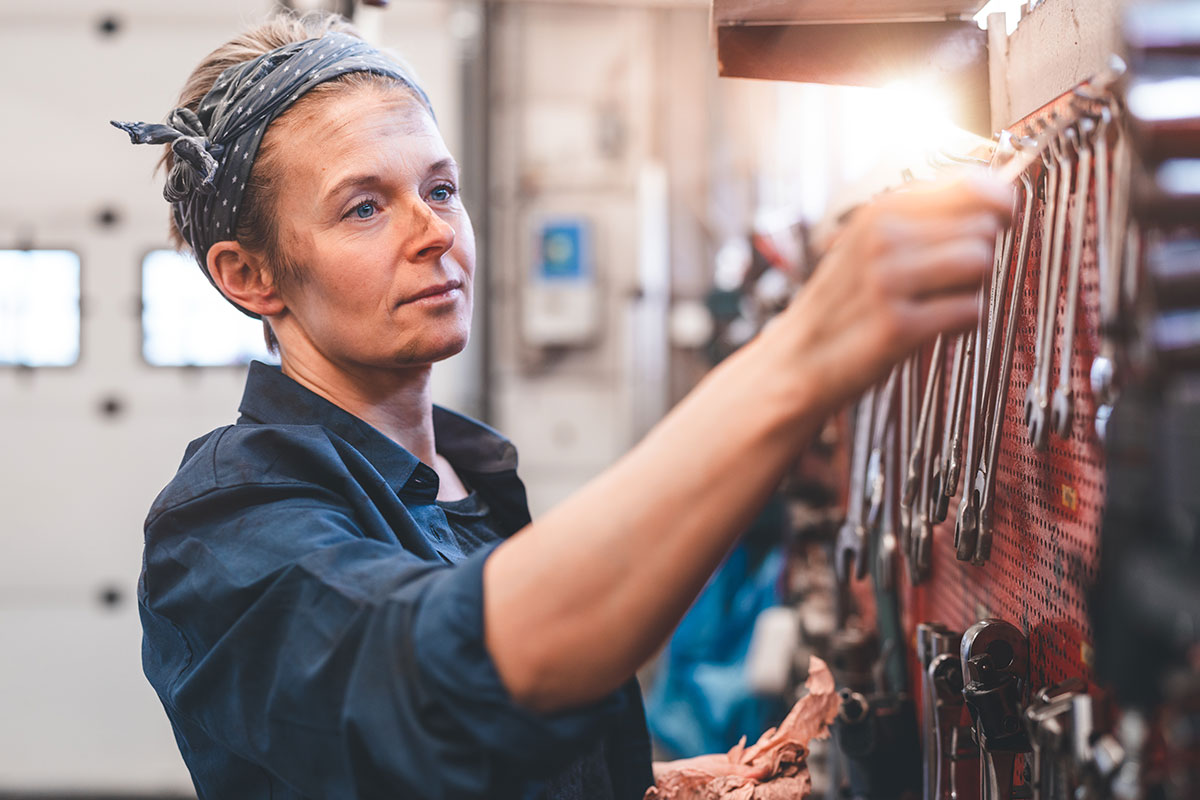
Social class has a significant role to play in career success in the United States. A growing body of research is shedding disquieting light on the extent to which working class Americans face discrimination in recruitment, pay and promotion – despite having a college degree. This demographic is up to four times less likely to get hired, 34% less likely to accede to leadership roles, and earns around 17% less on average than counterparts from middle or upper-class backgrounds. But while research is starting to document how class can impede or accelerate professional success, it remains unclear why these discrepancies exist. What are the mechanisms or dynamics at play that make it so much tougher for working class people to succeed than others? Goizueta Business School Assistant Professor of Organization & Management Andrea Dittmann has an interesting hypothesis. She believes that employees from different backgrounds can bring inherently different strengths and weaknesses to the workplace; advantages and disadvantages that speak to certain norms governing how we think about work and leadership. And it boils down, she says, to the way we work with others. “People from working-class backgrounds—those with blue-collar parents, who might be the first in their family to get a college degree—typically relate a certain way to other people. They are better connected to others, more team-like in their approach, than their middle-class counterparts who see themselves as more independent or unique,” says Dittmann. This team spirit could be working against lower-class employees, she says, in the sense that they see themselves or are perceived by bosses as being less adept at working autonomously or as individuals within organizations; and are therefore viewed by others as less poised to advance into roles of greater responsibility. On the flip side, this very capacity to work well with other people could actually give working class employees an advantage in team-based activities or cultures; an advantage that might translate into concrete benefits for organizations. To put this to the test, Dittmann conducted a series of studies aimed at unpacking how individuals perceive themselves within the context of work, and at the interactions that occur between employees and the workplace. Among these studies were qualitative interviews with MBA students from different social class backgrounds about their experiences navigating white-collar workplaces after graduating from college. She also ran a number of experiments to assess how well working-class people performed in teams and individually, and how environments that prioritize collaborative dynamics or interdependence might produce better experiences and outcomes for employees than environments geared to working individually or independently. A full article detailing Dittmann’s work is attached here and offers very compelling research showing how social class plays out in the workplace. It covers important aspects such as: The Catch-22 of Working Well with Others “It’s a kind of catch-22. Working class kids don’t make it into the gateway settings of school or college as much as middle-class kids in the U.S. They are significantly underrepresented in leading business schools like Goizueta, at roughly 15% of the student population,” she notes. “So, the higher-educational context—the talent pool for corporate America—is very much geared to a different social demographic and dynamic; one that inherently favors independent work ethics and approaches and sees them as the norm. Other ways of working, collaborating, and contributing risk are being undervalued as much as they are underrepresented.” When Considering Diversity, Companies Stand to Benefit “We know that companies that are more diverse perform better than others, and diversity needs to extend to social class. What my research and others are showing is that people from a working-class background tend towards behaviors that are more relational, that they are better at working together. If they fail to make it into the workforce in a more representative fashion, companies are basically missing out on opportunities to form better teams.” Faculty research like Dittmann’s is a critical element in Goizueta Business School’s drive to develop principled leaders who are better prepared to engage in the business of tomorrow. If you are interested in learning more, then let us help. Andrea G. Dittmann is an Assistant Professor of Organization & Management at the Goizueta Business School. She is an expert in the areas of diversity and inequality, particularly employees' social class backgrounds, aiming to promote equity and inclusion at work. Dr. Dittmann is available to speak with media about this research – simply click on her icon now to arrange an interview today.


COVID-19 Pandemic Increasing Substance Use Among Veterans with PTSD
Nine months into the pandemic, everyone has been affected by COVID-19 in some way. However, one group that needs special attention and support is U.S. veterans who were already struggling with symptoms of posttraumatic stress disorder (PTSD). A recently conducted survey by Jordan Davis, assistant professor at the USC Suzanne Dworak-Peck School of Social Work, and Eric Pedersen, associate professor at Keck School of Medicine of USC, found evidence that veterans with PTSD prior to the pandemic were now managing their symptoms with more frequent alcohol and cannabis use. “The pandemic has not been easy on folks, especially for those that have PTSD or an alcohol use disorder (AUD),” said Davis, who also is associate director of the USC Center for Artificial Intelligence in Society (CAIS). “Some of the stories I’ve heard [from study participants] have been heart-wrenching.” An extraordinary resource of veterans not affiliated with VA services Davis and Pedersen lead several efforts examining substance use among veterans. They have assembled a survey group of about 1,200 military veterans, a percentage of whom struggle with PTSD symptoms but have not yet sought professional help via the Department of Veterans Affairs (VA) to improve their wellbeing. “We’ve decided to focus on the population of veterans who, for one reason or another, say they don’t need mental health care,” Davis said. Attitudes about care, transportation barriers or perceived stigma from others may deter them from seeking care for PTSD symptoms, and some self-medicate with alcohol, cannabis, cigarettes, or more rarely, methamphetamine or cocaine. Davis cited larger studies 1,2 that found only about half of the veterans who need some sort of mental health care receive it. Many studies of veterans recruit subjects from the VA who are likely already receiving care. The unique sample group that Davis and Pedersen have created may offer fresh insights into how to motivate these veterans outside the VA system to seek care and how best to deliver it. Tracking pandemic effects on mental health It all began with a one-time survey of young adult veterans to measure drinking habits and willingness to seek help. Pedersen and others had developed a brief intervention that had yielded some success reducing drinking in the short-term, but he knew that sustaining those reductions would be difficult unless the veterans agreed to more formal care. The one-off survey, conducted in February 2020, would set a baseline that could be used to inform the brief intervention content. Then COVID-19 cases began multiplying. Affected cities and states began to impose restrictions on public gatherings and more. Pedersen and Davis soon obtained additional funding from the Keck School of Medicine of USC COVID-19 Funding Program and the National Institute of Alcohol and Abuse to follow up with their sample group and see how these veterans were coping with the unprecedented health crisis. “The result is that we can follow up with these veterans from a pre-COVID-19 time period for the next several years, tracking their depression, anxiety and PTSD symptoms and substance use,” Pedersen said. The researchers aim to understand how the veterans are sleeping, what their stress levels are like, and how things have changed as the pandemic wears on. They hope to gain new insights about what motivates some to seek care and how that can be replicated. So far, the results point to some unfortunate, but not unexpected, news. “We’re finding that those veterans who were struggling with PTSD prior to the pandemic are actually doing worse in terms of their substance use behaviors, drinking and cannabis use, as well as their stressful reactions to the pandemic,” Pedersen said. Pedersen and Davis will continue to follow up with these veterans through at least February 2022, surveying them every three months to see how they are progressing. In addition to the survey, they also conduct in-depth qualitative interviews with a subset of the group to enrich their understanding of what their lives are like now and how things have changed for them. The interviews last about an hour, sometimes more. “We talk about the positive and negative things that have happened and what their expectations are for the future,” Davis said. The details are confidential, of course, but it is clear that the pandemic has upended people’s lives and livelihoods across the United States. The toll on those who were already experiencing mental health issues and addiction has been heavy, but Davis and Pedersen are hopeful that their insights and findings will lead to better treatment and outreach in the future. Reducing barriers to care One bright spot over the past nine months has been the quick embrace of telehealth. The VA was already leading the way to telehealth as a way to improve access to its services, and following the stay-at-home orders of the pandemic, telehealth has grown in acceptance and use. Now, online counseling sessions, Alcoholics Anonymous meetings, and medical visits are commonplace. Pedersen and Davis don’t see that changing even when face-to-face gatherings become the norm once again. It has been a promising start to the research, and Pedersen and Davis are even more excited about what the future may hold. They plan on submitting for more grants to continue to track the mental health and substance use of this group of hundreds of veterans with the goal of understanding what factors lead individuals to seek care. Down the road, they hope to use this longitudinal data to help identify profiles of people more or less likely to seek care. “Then we can tailor interventions to increase their willingness to seek care for a problem like a substance use disorder or PTSD,” Davis said. Recognizing patterns in substance use and when to seek care is very important in helping that part of the veteran population that is trying to deal with symptoms of depression, anxiety, PTSD, or substance abuse on their own. “We know that things are bad now and we can expect that there will be lingering effects for years to come,” said Pedersen. “What we hope is that these findings and our future work will help the VA and others create more effective programs and outreach to address the unique needs of veterans.” 1 Veterans Health Administration Office of Patient Care Services, Analysis of VA Health Care Utilization Among Operation Enduring Freedom, Operation Iraqi Freedom, and Operation New Dawn Veterans. Washington, DC: U.S. Department of Veterans Affairs, 2017. www.publichealth.va.gov/epidemiology/reports/oefoifond/health-care-utilization/. 2 Tanielian, Terri and Lisa H. Jaycox, eds., Invisible Wounds of War: Psychological and Cognitive Injuries, Their Consequences, and Services to Assist Recovery. Santa Monica, CA: RAND Corporation, 2008. www.rand.org/pubs/monographs/MG720.html.
