
Experts Matter. Find Yours.
Connect for media, speaking, professional opportunities & more.
Expanding Comprehensive Cancer Services to Middletown, Delaware
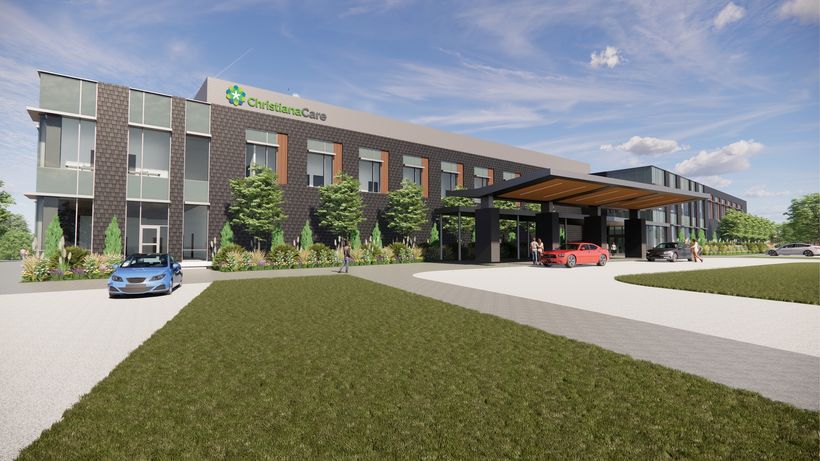
ChristianaCare’s Helen F. Graham Cancer Center & Research Institute is expanding access to high-quality, comprehensive cancer care for residents in Middletown and nearby communities. These services will be offered at the new Middletown Health Center, now under construction and expected to open in May 2027. “Our vision is to expand and grow our services throughout the region so that more patients can access high-quality cancer care close to home,” said Thomas Schwaab, M.D., Ph.D., Bank of America Endowed Medical Director of the Helen F. Graham Cancer Center & Research Institute. “By bringing our full cancer-care team and advanced technology to Middletown, we can provide highly precise, coordinated treatment while maintaining the same high standard of care our patients expect.” The cancer care services offered at the Middletown Health Center will reflect the same high-quality, comprehensive care provided at ChristianaCare’s Helen F. Graham Cancer Center & Research Institute in Newark. Patients will have access to specialists across all major cancer types, supported by the Graham Cancer Center’s participation in the National Cancer Institute Community Oncology Research Program (NCORP), which brings advanced treatments and clinical trials directly to the community. In Middletown, this means coordinated multidisciplinary treatment planning, advanced radiation therapy, infusion services, consultations with oncologists and surgeons, nurse navigation, supportive care, clinical trial participation and both in-person and virtual visit options. Advanced Technology Enhances Precision and Comfort When services open in Middletown, patients will have access to advanced radiation therapy using the Varian TrueBeam linear accelerator, one of the most sophisticated radiation therapy systems available. TrueBeam delivers highly precise, image-guided treatments for a wide range of cancers, allowing physicians to target tumors more accurately while minimizing radiation to healthy tissue. “The TrueBeam system represents a major step forward in how we deliver radiation therapy,” said Adam Raben, M.D., chair of Radiation Oncology at ChristianaCare. “Treatments that once took 30 minutes can now be completed in just a few minutes, with real-time imaging ensuring precision. This means better tumor control, fewer side effects and a more comfortable experience for patients.” A Growing Community with Expanding Health Care Needs Middletown is one of Delaware’s fastest-growing communities, with its population projected to rise 8% by 2029, nearly twice the statewide rate, according to the US Census Bureau. Since 1990, the town’s population has grown more than 550%, and the number of residents age 65 and older has increased 24% since 2020, driving demand for accessible, high-quality health care. With continued growth and an aging population, cancer service demand in Middletown is expected to increase by 11% over the next decade, according to health care forecasts from Sg2, a Vizient company, underscoring the need for expanded local care options. Expanding Access to Meet Future Cancer Care Demand By expanding services in Middletown, ChristianaCare is responding to both the region’s population growth and the increasing need for cancer care. The new site will help patients receive timely diagnosis and treatment while reducing travel time and improving coordination with the full Graham Cancer Center team. “As our community grows, so too does the need for locally accessible, state-of-the-art cancer services,” said Schwaab. “This expansion represents a pivotal investment in the health of the Middletown—Odessa—Townsend corridor and beyond.” $92 Million Investment in Middletown’s Health The $92.3 million Middletown Health Center reflects a deep investment in the health and vitality of the state. It is part of ChristianaCare’s larger plan, announced in July 2025, to invest more than $865 million in Delaware over the next three years. In addition to cancer care, the Middletown Health Center will offer a full range of services, including primary and specialty care, women’s health, behavioral health, cardiovascular care, pediatrics, neurology, imaging, diagnostics and lab testing. The center’s healing environment will also include walking trails and abundant natural light, making high-quality, convenient and coordinated care more accessible and welcoming for patients and families. The 87,000-square-foot Health Center will be located at 621 Middletown Odessa Road, next to ChristianaCare’s existing freestanding emergency department.

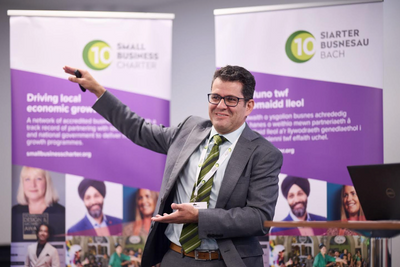
Aston University’s approach to a global challenge Across industries, companies face mounting pressure to cut carbon, improve resource efficiency, and contribute to the UN Sustainable Development Goals (SDGs). Yet many firms still struggle to move from vision statements to measurable action. At Aston Business School, Dr Breno Nunes, reader in sustainable operations management, is developing practical frameworks that help organisations embed sustainability at their core. His concept of 'sustainability fitness' captures how firms can build the capabilities they need to adapt, compete, and thrive in the transition to a net zero economy. “Many organisations want to be sustainable but struggle to operationalise what that means. My work is about bridging that gap — helping businesses translate strategies into practice.” — Dr Breno Nunes The sustainability fitness concept involves both meeting human needs and respecting environmental limits. While it can also be applied at the societal and individual level, Dr Nunes focuses on organisations, where capability building delivers the fastest, measurable change. Corporate sustainability fitness examines how a firm is able to survive and meet its own needs, while aligning itself to wider essential needs of society and operating within limits imposed by its surrounding natural environment. From research to real-world action Dr Nunes’ research examines how organisations design, implement, and monitor sustainability strategies across operations, supply chains, facilities, and product development. He is the main author of the book Sustainable Operations Management: Key practices and cases, which applies the issues of sustainability to all strategic decisions of operations. His work is already making a tangible difference, including international partnerships in Brazil, Canada, and the US, bringing cross-cultural insights into organisational transformation, as well as for various companies and organisations. In an Innovate UK Knowledge Transfer Partnership (KTP) with automotive supplier Metal Assemblies, Dr Nunes and Professor Alexeis Garcia Perez, professor of digital business and society at Aston University, are working to calculate and report the carbon cost of metal components used in car production, tackling one of the industry’s biggest sustainability challenges. The digitalisation of processes will allow Metal Assemblies to meet customers' requirements and position itself as a trusted and transparent supplier of low-carbon components. In another KTP with Brockhouse Group, a forging manufacturer in the West Midlands, Dr Nunes worked with Aston colleague Dr Muhammad Imran, reader in mechanical, biomedical and design engineering. Together they developed a sustainable manufacturing strategy centred on carbon reduction and process improvement. The work involved the development of an energy dashboard, allowing analysis of data on gas and electricity consumption. The project also included analysis of alternatives for energy recovery systems, and development of routines and procedures to improve the manufacturing process. As a result, Brockhouse group is more competitive to supply in non-captive markets. Dr Nunes has also been involved with a collaboration with Birmingham Botanical Gardens to integrate sustainability into policy and practice, expanding the use of business sustainability theories to nonprofit sectors. Sustainability can be embedded across different areas of organisations while seeking financial stability. As an environmental education charity, it is important to for Birmingham Botanical Gardens to 'practise what it preaches'. It was recently awarded almost £20m from various grants (including Heritage Lottery) in a capital project, thanks to having sustainability at the core of renovation plans. These projects highlight Aston University’s role in bridging academia, industry, and policy — ensuring research findings reach the boardroom as well as the factory floor. Key insights from the research Dr Nunes’ studies highlight several critical factors for turning sustainability from intention into measurable results: • Organisational capabilities are central to embedding sustainability. These include empowering sustainability “champions” (institutional entrepreneurs), supportive structures, superior technologies, and the ability to learn and balance economic, environmental, and social performance. • The tensions in implementing sustainability vary not just by function (supply chains, governance, innovation) but also by an organisation’s maturity level. • Start with the low-hanging fruit: tools like self-assessments, capability diagnostics, and learning games allow firms to act at lower cost before committing to full environmental impact assessments or formal reporting. • Collaboration between academia, industry, and policymakers accelerates real-world impact. Why this matters The stakes are high. Businesses worldwide are expected to reduce carbon emissions, demonstrate social responsibility, and remain competitive in a rapidly changing global economy. Aston University’s research shows that strengthening sustainability capabilities not only improves environmental outcomes but also boosts resilience and cost savings. In pilot projects, teams working with Dr Nunes have achieved up to 30% reductions in both cost and carbon emissions — proof that sustainability can drive operational performance as well as compliance. Looking ahead: expanding the Sustainable Growth Hub The next phase of Dr Nunes’ work centres on Aston’s Sustainable Growth Hub, which is being developed as a reference point for SMEs seeking sustainability solutions. In 2025, the Hub will: • Launch its first industry club cohort and expand its team. • Roll out new self-assessment tools to size sustainability needs and decarbonisation goals. • Introduce new learning formats and follow-up courses to Aston’s Green Advantage programme, alongside sessions to play a new corporate sustainability game. • Host events to bring together businesses, policymakers, and the wider sustainability management community. • Attract new research grants and publish results to share knowledge across both academic and practitioner circles. These initiatives aim to equip organisations not only to meet today’s challenges, but to anticipate tomorrow’s. Get involved Follow Dr Nunes via his profile below, and soon through the Sustainability Fitness website. Businesses can also attend Aston Business School events to explore workshops, tools, and courses first-hand. About Dr Breno Nunes Dr Breno Nunes is reader in sustainable operations management at Aston Business School and president of the International Association for Management of Technology (IAMOT). He serves as associate editor of the IEEE Engineering Management Review and has published widely on sustainability strategy execution and innovation. Aston University’s work in sustainable operations — shaped by researchers like Dr Nunes — is helping organisations worldwide move from ambition to action, building the 'sustainability fitness' needed for a net zero future.


Batty pathogens: Why do bats spread so many diseases?
Let’s face it — bats get a bad rap. Their links to disease outbreaks and their spooky association with vampires influence their notoriety. In reality, bats are truly remarkable. Bats support our agricultural industries as vital members of food webs. And, contrary to their portrayal in popular Halloween blockbusters, they are gentle and tidy creatures that groom themselves like cats. So why is it that when we hear of disease outbreaks, it always seems to be bats? According to University of Florida Emerging Pathogens Institute member Jim Wellehan, D.V.M., what sets bats apart isn’t black magic at all. But rather, it’s their long history of co-existing with viruses, the unique tradeoffs of flight and, perhaps most of all, a history of adapting to new pathogens. “(Infectious disease) has been the biggest factor in all of evolution,” said Wellehan, who is also a professor at the UF College of Veterinary Medicine. “People are always looking for an excuse (as to) why bats are magic, and the truth is bats have just been exposed to a lot of stuff and selected for those genes accordingly.” While humans are the most populous mammals on Earth, bats are a massive group of animals. Behind rodents, they represent the second-largest group of mammalian biodiversity, accounting for a whopping 20% of all mammal species. With over 1,400 species, it’s no surprise that pathogen diversity in bats is just as extensive and complex. Jim Wellehan's research focuses on comparative infectious disease, pathogen evolution, molecular diagnostics and pathogen discovery. View his profile here Bats, as we know them, have been on Earth for over 50 million years. This extensive period has given pathogens plenty of time to evolve alongside the winged mammals. Bats carry viruses like Ebola, Hendra virus, Nipah virus and SARS-CoV-2, which causes COVID-19. One factor that is important in this viral diversity is flight. Flight provides bats with many evolutionary advantages, such as predator evasion, access to new food sources and the ability to exploit diverse habitats. Flight also dramatically increases the chance of rapid pathogen transmission, as they can travel long distances and past many geographic barriers. Many species are highly social, which increases transmission rates as they live in close proximity and groom one another. “When I first learned about Darwin and evolution, ‘survival of the fittest,’ I assumed, meant ‘smartest and fastest and strongest,’ but if you look at our genomes, turns out that's wrong,” said Wellehan. “The genes that are selected for are mostly immune-related. The most important thing is to have enough genetic diversity in your population so that someone has immunity genes that are effective against the next pathogen that doesn't even exist yet. With their increased mixing and contact rates, bats have done this more often than most animals.” Generally, pathogens are most likely to cause disease when they first infect a new host species, as the susceptible animals have not yet developed the necessary defenses. Pathogens, along with their hosts, have no choice but to evolve to survive. With such a wide variety of species, it is not surprising that bats also carry a large proportion of mammal-associated viruses. This is not to say that bats are immune to all pathogens. As the most rapidly evolving factor in life, infectious disease is an incredibly dynamic part of medicine. Bats can get sick from lyssaviruses, including rabies. Additionally, white nose disease, a fungal infection that targets hibernating bats, has been a growing concern in the United States for the past decade. Though bat pathogens are a significant concern, habitat disturbance plays a larger role in bat population pathogen emergence, ultimately affecting humans as the dominoes fall. “Pathogen transmission to humans and conservation efforts go hand in hand,” Wellehan said. “When populations get under stress, that's when ecological balances get shifted, and zoonotic jumps occur. ... It turns out that if we think of ourselves as something separate from nature, it doesn't work so well.” So, while bats may embody the spirit of Halloween, their “magic” lies in evolution and resilience, shaped by millions of years of flying in the face of viruses, not spooky legends. Looking to know more? We can help. Jim Wellehan is available to speak with reporters about bats - simply click on his icon now to arrange an interview today.


ChristianaCare Breaks Ground on New Middletown Health Center
ChristianaCare today broke ground on its new Health Center at Middletown, marking a major milestone in bringing expanded, affordable and exceptional care to families in southern New Castle County and northern Kent County. The center is expected to open in spring 2027. The $92.3 million project reflects a deep investment in the health and vitality of the region and is part of ChristianaCare’s larger plan, announced in July, to invest more than $865 million in Delaware over the next three years. The 87,000-square-foot Health Center will rise at 621 Middletown Odessa Road, next to ChristianaCare’s existing freestanding emergency department. Designed as a modern, multidisciplinary hub, the facility will expand access to comprehensive services and create more than 70 new full-time jobs, boosting both community health and the local economy. “Today we take an exciting step forward for Delaware, as part of ChristianaCare’s $865 million investment to expand access and strengthen health across our state,” said Janice E. Nevin, M.D., MPH, President and CEO of ChristianaCare. “This new health center is a promise to Delawareans: that they will have access to exceptional care close to home, delivered with love and excellence. More than a building, it represents our vision for healthier communities, our deep commitment to those we serve, and a future where every neighbor can thrive.” A Holistic, Patient-Centered Experience The ChristianaCare Health Center at Middletown will bring together a wide range of services in one convenient location, including: Primary and specialty care. Women’s health, behavioral health, oncology, cardiovascular care, pediatrics, neurology, imaging, diagnostics and lab testing. Hybrid exam rooms with interactive digital tools that allow family members to join virtually. Calming waiting areas with sensory-sensitive design features, plus friendly floor ambassadors to help patients navigate the building. Healing environments that include walking trails and abundant natural light. “We are designing care around people, not around appointments or buildings,” said Pauline Corso, president of Ambulatory Network Continuity and Growth at ChristianaCare. “From easy parking to advanced care coordination, every detail of this new center is aimed at making health care more welcoming, more connected and more human.” A Community Partnership ChristianaCare has been part of the Middletown community since 2009, when it first acquired the land that is now home to the freestanding emergency department. Last year, that facility provided care for more than 32,000 patient visits. “This groundbreaking is a proud moment for our town,” said Ken Branner, mayor of Middletown. “ChristianaCare has been a trusted partner for many years, and this new facility shows a lasting commitment to our residents. It will bring top-quality care closer to home and create good jobs right here in our community.”

Behind the image of a horse brain cell infected with Eastern Equine Encephalitis (EEE) lies a sobering truth: this mosquito-borne virus is far more lethal than commonly understood, and pathologists, virologists, and researchers at LSU Diagnostics are working to better understand and fight it. EEE is found in the eastern, Gulf Coast and north-central regions of the United States, as well as parts of Central and South America and the Caribbean. Horses in areas with dense mosquito populations—such as swamps, coastal marshes, and coves—are at greater risk of contracting the virus. The sedentary “black tail mosquito” (Culiseta melanura) primarily transmits the virus to birds. However, other very active common mosquito species, referred to as "bridge vectors," can transmit the virus from birds to mammals such as humans and horses. "As the summer goes on, we typically have more positive cases as the temperature goes up," says Alma Roy, Ph.D. (LSU 2000), interim director of LSU Diagnostics. Louisiana is no stranger to West Nile virus, but Roy says LSU Diagnostics is seeing an unusual uptick in EEE this year. Though most common in horses, the disease can also strike humans, leading to deadly brain inflammation. In horses, it may cause inflammation of both the brain and the heart. "Necropsy and serological testing at LSU Diagnostics have confirmed at least fourteen positive cases in horses thus far. It's early in the year to see this many. We're seeing some West Nile, but more EEE than West Nile," Roy said. Horses are especially vulnerable to EEE, with mortality rates ranging from 75% to 90%. Survivors frequently suffer lasting neurological damage. Humans fare somewhat better, but the disease remains serious—about 30% of people who develop severe EEE die from the infection. "Many survive a West Nile virus infection, but EEE can be unforgiving. Be careful," warns Dr. Fabio Del Piero, pathologist at LSU Diagnostics and professor at LSU Vet Med. Since treatment is limited and mostly supportive, prevention is critical. Every day, LSU Diagnostics works to make that prevention possible. Roy reminds the public that vaccination and mosquito bite prevention are key: "Horses can be vaccinated. We encourage animals to be vaccinated for EEE and West Nile virus. And for humans, of course, it's the prevention of mosquito bites.” EEE is one of several life-threatening diseases diagnosed by LSU Diagnostics. Our team provides rapid, accurate disease detection through tissue and fluid testing as well as post-mortem diagnostics. LSU Diagnostics also supports statewide mosquito-virus surveillance to protect both animals and people. Together, LSU Diagnostics and LSU Vet Med play a critical role in diagnosing and responding to threats like EEE and West Nile virus — for the health of horses, livestock, wildlife, and the people who care for them. Original article posted here.



ChristianaCare Hospital, West Grove to Open Mid-August 2025
ChristianaCare is opening its first neighborhood hospital in the company’s 188 year history — ChristianaCare Hospital, West Grove. Set to open in mid-August, this facility offers a new model of emergency and acute care right in the heart of southern Chester County. The exact opening date will be confirmed following final inspection by the Pennsylvania Department of Health, which is scheduled to occur in the first week of August. A Modern Hospital, Right in the Neighborhood Located at 1015 West Baltimore Pike, the 20,000-square-foot hospital will operate 24/7, offering around-the-clock care in a modern, easy-to-access setting. Developed in partnership with Emerus Holdings, Inc., the nation’s leading developer of neighborhood hospitals, this facility brings high-quality acute and emergency care directly into the community. It will be staffed with board-certified emergency physicians, skilled nurses and clinical specialists, all dedicated to delivering patient-first, efficient and compassionate care. “It’s an honor and privilege to expand access to high-quality care for our neighbors in southern Chester County,” said Janice Nevin, M.D., MPH, president and CEO of ChristianaCare. “We will be opening our doors for the families in this community with a steadfast commitment to being their trusted health care partner. We’re grateful for the opportunity to bring love and excellence to those we will serve.” Convenient, Comprehensive Services ChristianaCare Hospital, West Grove is designed to meet a wide range of everyday medical needs. Key features include: A full-service emergency department with 10 treatment rooms. A 10-bed inpatient unit for overnight stays, observation and diagnostics. Advanced imaging and lab services, including ultrasound, CT scan and X-ray. Virtual access to specialists in such areas as cardiology, critical care and infectious disease. The emergency department is equipped to treat conditions such as falls, injuries, heart attacks and strokes. Patients requiring surgery or more complex care will be stabilized and seamlessly transferred to a hospital with more expanded service offerings based on the clinical needs of the patient. “This neighborhood hospital brings the right mix of services to support the health and well-being of our neighbors,” said Pauline Corso, president of ambulatory network continuity and growth at ChristianaCare. “We’re excited to bring care close to home to meet the needs of the community. We’re here to stay and grow alongside this community.” The project has received strong local support and was made possible in part by generous grants from the Commonwealth of Pennsylvania and the Chester County Board of Commissioners — Josh Maxwell, Marian Moskowitz, and Eric Roe — whose leadership helped bring this vision to life. Health Center Expands Access to Primary and Specialty Care As part of its long-term investment in the West Grove Campus, ChristianaCare has also purchased the building at 900 W. Baltimore Pike, across the street from the hospital. This facility currently houses a ChristianaCare primary care practice and imaging services, offering walk-in X-rays and scheduled mammography and ultrasound appointments. This health center will continue to evolve to meet the growing needs of the community. Meeting Regional Needs with a Broader Vision ChristianaCare is expanding its neighborhood hospital model to address care gaps across southeastern Pennsylvania. New hospitals are being planned for Aston and Springfield Townships in Delaware County, with the Aston location already under construction and expected to open in late 2026. In addition, ChristianaCare was the successful bidder for Crozer Health outpatient centers in Glen Mills, Havertown, Broomall and Media, further strengthening its regional footprint and ability to deliver timely, high-quality care. A Legacy of Care in Southeastern Pennsylvania ChristianaCare’s presence in the region is long-standing. The organization currently provides primary care at three Chester County locations — Kennett Square, Jennersville and West Grove — and recently opened a cardiology practice in West Grove. In neighboring Delaware County, the Concord Health Center in Chadds Ford offers a wide range of services, including primary care, women’s health, sports medicine, and behavioral health. Together, these sites serve as the medical home for more than 25,000 residents, underscoring ChristianaCare’s deep commitment to delivering accessible, high-quality care where it’s needed most.

When Luis Quiroga-Nuñez, Ph.D was appointed director of Florida Tech’s Ortega Observatory and its primary tenant – a non-functioning, 32-inch telescope – in 2023, he decided it was time to provide astronomy students and others a window to space. The observatory is already a base for research across a spectrum of cosmic exploration through disciplines such as astronomy and astrophysics, heliophysics, planetary science and astrobiology. However, current students have yet to see the stars up close, as the aging telescope, commissioned in 2008, has sat dormant for the last several years. With restoration, the telescope could be a powerful tool to train students to use professional telescopes and make observations – critical skills that will help prepare them for their future careers. It soon became apparent, however, that this was no simple task. The restoration would necessitate reverse engineering on a large scale to even understand how to fix and upgrade the telescope, much less actually repair it. It would also, as Quiroga-Nuñez wisely recognized, be its own powerful educational opportunity, providing unique hands-on learning opportunities for students in the College of Engineering and Science. “We are an institute of technology. We have perfectly capable people, like these young students, ready to join hands-on projects, get crazy and start to be creative.” Luis Quiroga-Nuñez With various issues to tackle and eager to support home-grown expertise, Quiroga-Nuñez and Lee Caraway, Ph.D, an instructor in the department of electrical engineering and computer science, recruited students with varied backgrounds, from astronomy to electrical engineering and computer science. Students could apply what they learned in class and grow their portfolios with a real-world project, the sort of experiential learning that is a hallmark of a Florida Tech education. Some improvements have been made, but the project remains an exciting puzzle for students and faculty alike. Here’s how they are doing it. An Interdisciplinary Project In January 2023, Quiroga-Nuñez partnered with Caraway to rebuild the telescope from the inside out. They say the conversation started over lunch, sketching ideas on a napkin. With various issues to tackle and eager to support home-grown expertise, Caraway and Quiroga-Nuñez recruited students with varied backgrounds, from astronomy to engineering to computer science. “This is about as real-world as you can get without leaving school. We have this giant piece of technology that is not working. Figure out why,” said recent graduate Adrianna Agustin ’24, who helped update the telescope’s communication system. “All of those problem-solving skills will directly translate to wherever we go in the future.” The project’s multidisciplinary nature also boosts collaboration between both sides of the college. “We keep integrating different parts of the university and involving students in a project that we were blinded by,” Quiroga-Nuñez says. “We sit between the scientists and the engineers.” And there’s no shortage of tasks. In addition to the refurbishment, Quiroga-Nuñez and Caraway are also completing routine telescope maintenance, with students taking on adjacent projects around the observatory. With the telescope repair, each student is given their own task, such as redesigning a small clip that supports the dome’s electric current, reviewing the conditions of the finder’s lens or understanding how analog devices control the telescope’s focus. This allocation allows each student to claim their own individual contribution to the greater telescope puzzle. Opening a Time Capsule The telescope’s biggest issues were mechanical and electrical, all exacerbated by age. Its motors were decades old and naturally failing, Caraway said. These motors controlled the telescope’s right ascension and declination – essentially, its ability to move. The chaotic interior also involved multiple individual systems with dozens of wires. And the circuits controlling the motors, which dated back to the 1980s, were also failing due to age. As Caraway noted, his students are sweeping off “dust older than them.” “The technology back then simply did not exist to control the motors, run the diagnostics and make it all happen,” Caraway explained. “They’re not designed to run 30 years.” Additionally, the computer program that controlled the motors was outdated and did not meet to the university’s security requirements. Given all this, the team needed to develop a new communication system for the telescope, starting with the computer software. They decided instead of purchasing an upgraded computer system, they could build and program their own in-house from scratch. Next, once the new computer was up and running, it needed motors to command. Marisa Guerra ’24 worked on a senior design project involving a robotic arm whose motor structure was the same as the telescope’s. She crafted a blueprint for the telescope’s new motors using what she learned for her capstone project. At the same time, Agustin worked on developing a cleaner communication system between the computer to the motors. Her senior design research focused on electric vehicles and their internal circuit systems, and she could replicate something similar within the telescope – but not without digging through the decaying electronics first. “We had to reverse engineer and actually redraw the circuits, which was good practice because a lot of the time, for senior design at least, you don’t really have to design a new circuit. You are just kind of puzzle-piecing it together,” Agustin said. “But with this circuit, all of them were bad.” Using Guerra’s and Agustin’s senior design research, the team reprogrammed the telescope’s circuits. What once took 20 wires to operate now only takes two. They also reduced the weight of the telescope’s motors from 40 pounds to just 2 pounds. Once the communication system was finished, the team was just waiting for mobility. And on a day in Spring 2024, thanks to the refurbished system, they were able to create movement within the telescope for the first time in years. “I didn’t even know if that device could move internally,” Quiroga-Nuñez says. The moment was celebrated, but the team knew this success triggered a new challenge. It was time to tackle high astrometric precision – a crucial element of properly tracking movement in space. “We are pointing to tiny points in the sky. If we do not track that properly, we are going to be lost in the universe,” Quiroga-Nuñez says. The Value of Time Perfecting precise movement is expected to take some time, but that’s not a bad thing, Quiroga-Nuñez says. He believes that a lengthy timeline will offer more value in the long run because it will give even more students a chance to get involved. Besides, its primary purpose will be to teach students how to use a telescope and allow them to make observations and prepare for their future careers. Ultimately, Quiroga-Nuñez predicts that the telescope could pick up its first image from space in about a year if everything stays on track. However, the team still has a lot of ground within the telescope to uncover, with an unpredictable number of potential troubleshooting challenges. For example, while rebuilding the motor, they discovered that the internal mirror that illuminates the telescope’s visuals was in poor condition – it needed cleaning and new aluminum to reflect enough light to see the telescope’s imagery, Agustin explains. So, the team had to remove the mirror and ship it to New York for refurbishment – a process that took several months. Once the mirror is reinstalled, they can return to their quest for better precision. The mirror is just one example of unpredictability in reverse-engineering. Ultimately, dedicating more time to understanding and solving the unforeseen challenges allows more students to participate in the telescope’s journey, Quiroga-Nuñez says. “This is like a big Lego for them,” he says. “They are learning the process, and the students, I think, will have found a very valuable life experience.” If you're interested in connecting with Luis Quiroga-Nuñez, director of Florida Tech’s Ortega Observatory - simply contact Adam Lowenstein, Director of Media Communications at Florida Institute of Technology at adam@fit.edu to arrange an interview today.


A final disbursement of $8.8 million completes the $17.8 million grant awarded by the Department of Defense (DoD) to Virginia Commonwealth University’s (VCU) Convergence Lab Initiative (CLI). The funding allows CLI to continue advancing research in the areas of quantum and photonic devices, microelectronics, artificial intelligence, neuromorphic computing, arts and biomedical science. “The Convergence Lab Initiative represents a unique opportunity to drive innovation at the intersection of advanced technologies, preparing our students to tackle the critical challenges of tomorrow,” said Nibir Dhar, Ph.D., electrical and computer engineering professor and CLI director. “By combining cutting-edge research in electro-optics, infrared, radio frequency and edge computing, we are equipping the next generation of engineers with the skills to shape the future of both defense and commercial industries.” Working with Industry Partnership is at the heart of CLI and what makes the initiative unique. CivilianCyber, Sivananthan Laboratories and the University of Connecticut are among several collaborators focusing on cutting-edge, multidisciplinary research and workforce development. The lightweight, low-power components CLI helps develop are capable of transforming military operations and also have commercial applications. The Convergence Lab Initiative has 25 collaborative projects in this area focused on: Electro-optic and Infrared Technologies: Enhancing thermal imaging for medical diagnostics, search-and-rescue operations and environmental monitoring. This improves military intelligence, surveillance and reconnaissance capabilities. Radio Frequency and Beyond 5G Communication: Developing ultra-fast, low-latency communication systems for autonomous vehicles, smart cities and telemedicine. Accelerating advancements in this area also address electronic warfare challenges and security vulnerabilities. Optical Communication in the Infrared Wavelength: Increasing data transmission rates to create more efficient networks that support cloud computing, data centers, AI research and covert military communications. Edge Technologies: Creating low size, weight and low power-consuming (SWaP) computing solutions for deployment in constrained environments, such as wearables, medical devices, internet of things devices and autonomous systems. These technologies enhance real-time decision-making capabilities for agriculture, healthcare, industrial automation and defense. Benefits for Students College of Engineering students at VCU have an opportunity to engage with cutting-edge research as part of the DoD grant. Specialized workforce development programs, like the Undergraduate CLI Scholars Program, provide hands-on experience in advanced technologies. The STEM training also includes students from a diverse range of educational backgrounds to encourage a cross-disciplinary environment. Students can also receive industry-specific training through CLI’s Skill-Bridge Program, which facilitates direct connections between business needs and academic education. Unlike the DoD program for transitioning military personnel, the CLI Skill-Bridge is open to students from VCU and other local universities, creating direct connections between industry needs and academic training. This two-way relationship between academia and industry is unlike traditional academic research centers. With the College of Engineering’s focus on public-private partnerships, VCU becomes a registered partner with the participating businesses, collaborating to design individualized training programs focused on the CLI’s core research areas. This approach ensures students receive relevant, up-to-date training while companies gain access to a pipeline of skilled talent familiar with the latest industry trends and innovations. “The significance of this grant extends beyond immediate research outcomes. It addresses critical capability gaps for both the DoD and commercial sectors,” says Dhar. “This dual-use approach maximizes DoD investment impacts and accelerates innovation in areas that affect everyday life — from healthcare and environmental monitoring to communication networks and smart infrastructure. Breakthroughs emerging from these collaborations will strengthen national security while creating commercial spinoffs that drive economic growth and improve quality of life for communities both locally and globally. Advances in infrared technology, in particular, will position the VCU College of Engineering as a center for defense technologies and new ideas.”


New light technique could revolutionise non-invasive medical diagnostics Orbital Angular Momentum could be harnessed to improve imaging and data transmission through biological tissues Could eventually have potential to make procedures such as surgery or biopsies unnecessary. An Aston University researcher has developed a new technique using light which could revolutionise non-invasive medical diagnostics and optical communication. The research showcases how a type of light called the Orbital Angular Momentum (OAM) can be harnessed to improve imaging and data transmission through skin and other biological tissues. A team led by Professor Igor Meglinski found that OAM light has unmatched sensitivity and accuracy that could result in making procedures such as surgery or biopsies unnecessary. In addition it could enable doctors to track the progression of diseases and plan appropriate treatment options. OAM is defined as a type of structured light beams, which are light fields which have a tailored spatial structure. Often referred to as vortex beams, they have previously been applied to a number of developments in different applications including astronomy, microscopy, imaging, metrology, sensing, and optical communications. Professor Meglinski in collaboration with researchers from the University of Oulu, Finland conducted the research which is detailed in the paper “Phase preservation of orbital angular momentum of light in multiple scattering environment” which is published in the Nature journal Light Science & Application. The paper has since been named as one of the year’s most exciting pieces of research by international optics and photonics membership organisation, Optica. The study reveals that OAM retains its phase characteristics even when passing through highly scattering media, unlike regular light signals. This means it can detect extremely small changes with an accuracy of up to 0.000001 on the refractive index, far surpassing the capabilities of many current diagnostic technologies. Professor Meglinski who is based at Aston Institute of Photonic Technologies said: “By showing that OAM light can travel through turbid or cloudy and scattering media, the study opens up new possibilities for advanced biomedical applications. “For example, this technology could lead to more accurate and non-invasive ways to monitor blood glucose levels, providing an easier and less painful method for people with diabetes.” The research team conducted a series of controlled experiments, transmitting OAM beams through media with varying levels of turbidity and refractive indices. They used advanced detection techniques, including interferometry and digital holography, to capture and analyse the light's behaviour. They found that the consistency between experimental results and theoretical models highlighted the ability of the OAM-based approach. The researchers believe that their study’s findings pave the way for a range of transformative applications. By adjusting the initial phase of OAM light, they believe that revolutionary advancements in fields such as secure optical communication systems and advanced biomedical imaging will be possible in the future. Professor Meglinski added: "The potential for precise, non-invasive transcutaneous glucose monitoring represents a significant leap forward in medical diagnostics. “My team’s methodological framework and experimental validations provide a comprehensive understanding of how OAM light interacts with complex scattering environments, reinforcing its potential as a versatile technology for future optical sensing and imaging challenges.” ENDS https://www.nature.com/articles/s41377-024-01562-7 Light: Science & Applications volume 13, Article number: 214 (2024) August 2024 https://doi.org/10.1038/s41377-024-01562-7 Authors: Igor Meglinski, Ivan Lopushenko, Anton Sdobnov & Alexander Bykov About Aston University For over a century, Aston University’s enduring purpose has been to make our world a better place through education, research and innovation, by enabling our students to succeed in work and life, and by supporting our communities to thrive economically, socially and culturally. Aston University’s history has been intertwined with the history of Birmingham, a remarkable city that once was the heartland of the Industrial Revolution and the manufacturing powerhouse of the world. Born out of the First Industrial Revolution, Aston University has a proud and distinct heritage dating back to our formation as the School of Metallurgy in 1875, the first UK College of Technology in 1951, gaining university status by Royal Charter in 1966, and becoming The Guardian University of the Year in 2020. Building on our outstanding past, we are now defining our place and role in the Fourth Industrial Revolution (and beyond) within a rapidly changing world. For media inquiries in relation to this release, contact Nicola Jones, Press and Communications Manager, on (+44) 7825 342091 or email: n.jones6@aston.ac.uk

New Aston University spin-out company will develop novel ways to treat non-healing wounds
EVolution Therapeutics (EVo) has been founded on the work of Professor Andrew Devitt into the causes of inflammatory disease A failure to control inflammation in the body, usually a natural defence mechanism, can cause chronic inflammation, such as non-healing wounds Non-healing wounds cost the NHS £5.6bn annually, so there is a vital need for new treatments. Aston University’s Professor Andrew Devitt, Dr Ivana Milic and Dr James Gavin have launched a new spin-out company to develop revolutionary treatments to treat chronic inflammation in patients. One of the most common inflammatory conditions is non-healing wounds, such as diabetic foot ulcers, which cost the NHS £5.6bn annually, the same cost as managing obesity. Such wounds are generally just dressed, but clinicians say there is a vital need for active wound treatments, rather than passive management. The spin-out, Evolution Therapeutics (EVo), will aim to create these vital active treatments. Inflammation in the human body helps to fight infection and repair damage following injury and occurs when the immune system floods the area with immune cells. Normally, this inflammation subsides as the damage heals, with the immune system signalling to the immune cells to leave. However, in some cases, the usual healing mechanism is not triggered and the inflammatory response is not turned off, leading to chronic inflammation and so-called inflammatory diseases. EVo is based on Professor Devitt’s work on dying cells in the body, known as apoptotic cells, and how they contribute to health. Dying cells release small, membrane-enclosed fragments called extracellular vesicles (EVs), which alert the immune system to the death of cells, and then trigger the body’s natural repair mechanism and remove the dead cells. It is estimated that 1m cells die every second. Professor Devitt and his team have identified the molecules within the EVs which control the healing process and are engineering new EVs loaded with novel healing enzymes, to drive the body’s repair responses to actively heal wounds. Much of the research has been funded by the Biotechnology and Biological Sciences Research Council (BBSRC) with additional support from the Dunhill Medical Trust. Professor Devitt, Dr Milic and Dr Gavin received Innovation-to-Commercialisation of University Research (ICURe) follow-on funding of £284,000 to develop the vesicle-based therapy with EVo. Most recently, in December 2023, Professor Devitt and Dr Milic were awarded £585,000 from the BBSRC Super Follow-on-Fund to develop engineered cells as a source of membrane vesicles carrying inflammation controlling cargo. The team, together with Professor Paul Topham, also received funding from the National Engineering Biology Programme (£237,000) to support polymer delivery systems for vesicles. EVo is one of the 12 projects being supported by SPARK The Midlands, a network which aims to bridge the gap between medical research discoveries of novel therapeutics, medical devices and diagnostics, and real-world clinical use. SPARK The Midlands is hosted at Aston University, supported by the West Midlands Health Tech Innovation Accelerator (WMHTIA), and was launched at an event on 31 January 2024. Professor Devitt, EVo chief technical officer, said: “Inflammation is the major driver of almost all disease with a huge contribution to those unwelcome consequences of ageing. We are now at a most exciting time in our science where we can harness all the learning from our research to develop targeted and active therapies for these chronic inflammatory conditions.” Dr Gavin, EVo CEO, said: “The chronic inflammation that results in non-healing wounds are a huge health burden to individuals affecting quality of life as we age but also to the economy. Our approach at EVo is to target the burden of non-healing wounds directly to provide completely novel approaches to wound care treatment. By developing a therapy which actively accelerates wound healing, we hope to drastically improve quality of life for patients, whilst reducing the high cost attached to long term treatment for healthcare systems worldwide.”
