Experts Matter. Find Yours.
Connect for media, speaking, professional opportunities & more.

Aston University hosts epilepsy experts from across the Midlands
The annual Midlands Epilepsy Research Priority Showcase brought together researchers from across the region The event included academics from Aston University, University of Birmingham, University of Nottingham, Nottingham Trent University and Warwick University Experts discussed latest priorities for epilepsy research. Researchers from Aston University’s Institute of Health and Neurodevelopment (IHN) have hosted colleagues from across the region as part of the Midlands Epilepsy Research Priority Showcase (23 March). The event was organised by researchers in IHN as a response to the UK Epilepsy Priority Setting Partnership’s (PSP) recent launch of their top ten priorities for research, with inputs from patient groups, people affected by epilepsy and healthcare professionals. Following on from the launch, IHN members Dr Sukhvir Wright and Dr Felix Chan co-organised the Midlands Epilepsy Research Priority Showcase to bring together researchers and clinicians from across the Midlands to highlight ongoing epilepsy research across universities, hospitals, and institutions that addresses the top ten priorities. The one-day meeting brought together 63 participants from across the region to discuss a range of topics including the top research priorities in epilepsy and novel biomarkers of epilepsy, as well as sleep and quality of life issues for patients. Speakers attended from across various institutions including Aston University, University of Birmingham, University of Nottingham, Nottingham Trent University and Warwick University. Dr Felix Chan, lecturer in Neuroscience said: “We were delighted to welcome colleagues from across the Midlands to discuss our ongoing and emerging research in epilepsy. The diversity of the research showcased at the event really highlighted the strength that we have as a region in the UK to address the top ten research priorities of epilepsy patients.” The meeting helped to foster collaboration and bolster networking opportunities in order to drive forward research that could have a meaningful and positive impact on the lives of people affected by epilepsy - as well as the research and clinical stakeholders across the region. Three awards were given out to outstanding poster presentations from research trainees from across the region. Winners included, Dr Aditi Kibe and Jess Szeto (Warwick University co-first place winner), Jack O’Brien-Cairney (Aston University) and Dr Isabella Marinelli (University of Birmingham). Following on from the success of the event, the organisers are now looking to hold the Midlands Epilepsy Research Priority Showcase as a regular event and hope to incorporate other pre-existing research networks in the area, such as the Birmingham Epilepsy Research Network (BERN).


Aston University teams up with eye care provider to reduce NHS patient backlog
Aston University and Eye Docs Ltd enter Knowledge Transfer Partnership to establish new shared-care regimes for eye care patients The new model will help patients access Eye Docs surgeons It will help reduce NHS waiting lists, outpatient clinic backlogs, improve patient care and deliver profits of over £8.8 million Aston University has teamed up with private ophthalmic services clinic, Eye Docs, to undertake a 32-month Knowledge Transfer Partnership (KTP), to help clear NHS surgery waiting-lists and outpatient backlogs. In the West Midlands, average NHS waiting times have increased to over 12 months due to the impact of the Covid-19 pandemic, with waiting list contracts ranging from 100 to 1,500 patients. A cross-disciplinary team from Aston University’s School of Optometry and Aston Business School will work with West Midlands-based company Eye Docs to create a ‘shared-care’ model as part of the KTP. A KTP is a three-way collaboration between a business, an academic partner and a highly qualified researcher, known as a KTP associate. The working model will encompass clinical optometry and management science expertise to identify which patient appointments could be undertaken in community practices and which need to be seen by Eye Docs surgeons. It is hoped this way of working will also help reduce pressure on the NHS - creating a more efficient and cost-effective model that will benefit all stakeholders from patients to clinicians. The Aston University team will be led by Professor Shehzad Naroo, professor of optometry, who brings expertise in leading multidisciplinary groups and managing projects that improve eye care service delivery. Professor Naroo has a long history of working with private clinics to improve delivery of eye care, increasing efficiency and widening the role of private clinics to support the NHS. He will be supported by Professor Prasanta Dey, professor in operations and information management, whose research interests are in project management, service operations management, supply chain management and applications of multi-criteria decision making in industry. Completing the team will be Dr Yang Zhao, senior lecturer in operations and information management, whose research interests are in business model design, digital business models, platform business models, digital innovation, digital healthcare and digitalisation in aging societies. Professor Shehzad Naroo, professor of optometry at Aston University, said: “It is a privilege to be involved in this KTP, which will enable Eye Docs to increase patient numbers to fully utilise theatre capacity by receiving more surgical referrals from local optometrists. “We’re thrilled to be able to help Eye Docs to offer community-based services to patients and help to reduce the burden on the NHS.” Professor Shah, consultant ophthalmic surgeon and co-owner of Eye Docs, said: “This partnership will allow us to adopt the latest research and expertise from a world-leading academic institute to develop new patient pathways and shared-care regimes, enabling us to grow our business and profitability, develop new services and improve patient care. “Working with a multidisciplinary team of clinical and business experts from Aston University will help us to achieve the aims of this project.”


Researchers fight cybercrime with new digital forensic tools and techniques
Irfan Ahmed, Ph.D., associate professor of computer science, provides digital forensic tools — and the knowledge to use them — to the good guys fighting the never-ending cyber-security war. Ahmed is director of the Security and Forensics Engineering (SAFE) Lab within the Department of Computer Science and VCU Engineering. He leads a pair of interrelated projects funded by the U.S. Department of Homeland Security (DHS) aimed at keeping important industrial systems safe from the bad guys — and shows the same tools crafted for investigating cyber attacks can be used to probe other crimes. The goal of cyber attacks on physical infrastructure may be to cause chaos by disrupting systems and/or to hold systems for ransom. The SAFE lab focuses on protecting industrial control systems used in the operation of nuclear plants, dams, electricity delivery systems and a wide range of other elements of critical infrastructure in the U.S. The problem isn’t new: In 2010, the Stuxnet computer worm targeted centrifuges at Iranian nuclear facilities before getting loose and infecting “innocent” computers around the world. Cyber attacks often target a portion of the software architecture known as the control logic. Control logic is vulnerable in that one of its functions is to receive instructions from the user and hand them off to be executed by a programmable logic controller. For instance, the control logic monitoring a natural gas pipeline might be programmed to open a valve if the system detects pressure getting too high. Programmers can modify the control logic — but so can attackers. One of Ahmed’s DHS-supported projects, called “Digital Forensic Tools and Techniques for Investigating Control Logic Attacks in Industrial Control Systems,” allows him to craft devices and techniques that cyber detectives can use in their investigations of attacks on sensitive critical infrastructure. Their investigation capabilities, he explains, is an under-researched area, as most of the emphasis to date has been on the prevention and detection of their cyber attacks. “The best scenario is to prevent the attacks on industrial systems,” Ahmed said. “But if an attack does happen, then what? This is where we try to fill the gap at VCU. And the knowledge that we gain in a cyber attack investigation can further help us to detect or even prevent similar attacks.” In the cat-and-mouse world of cyber security, the way cybercriminals work is in constant evolution, and Ahmed’s SAFE lab pays close attention to the latest developments by malefactors. For instance, an attacker may go for a more subtle approach than modifying the original control logic. An attack method called return-oriented programming sees the malefactor using the existing control logic code, but artfully switching the execution sequence of the code. Other attackers might insert their malware into another area of the controller, programmed to run undetected until it can replace the function of the original control logic. Attackers are always coming up with new methods, but each attack leaves evidence behind. The SAFE lab examines possible attack scenarios through simulations. Scale models of physical systems, including an elevator and a belt conveyor system, are housed at the SAFE lab to help facilitate this. The elevator is a four-floor model with inside and outside buttons feeding into a programmable logic controller. The conveyor belt is more advanced, equipped with inductive, capacitive and photoelectric sensors and able to sort objects. The tools and methods applied in cybercrime can be useful in tracking down other malefactors. That’s where Ahmed’s second DHS-funded project comes in. It’s called “Data Science-integrated Experiential Digital Forensics Training based-on Real-world Case Studies of Cybercrime Artifacts.” Ahmed is the principal investigator, working with co-PI Kostadin Damevski, Ph.D., associate professor of computer science. The goal is to keep law enforcement personnel abreast of the latest trends in the field of cybercrime investigation and to equip them with the latest tools and techniques, including those developed in the SAFE lab. “For example, investigators often have to go through thousands of images, or emails or chats, looking for something very specific,” Ahmed said. “We believe the right data science tools can help them to narrow down that search.” The FBI and other law enforcement agencies already have dedicated cybersleuthing units; the Virginia State Police have a computer evidence recovery section in Richmond. Ahmed and Damevski are arranging sessions showing investigators how techniques from data science and machine learning can make investigations more efficient by sorting through the mounds of digital evidence that increasingly is a feature of modern crime.


Society matters LIVE: Lab made meat on the menu?
• Research at Aston University focuses on both creating lab-based meat and its psychological acceptance • Dr Eirini Theodosiou and Dr Jason Thomas will be speaking at April’s Society matters LIVE event • Lab made meat on the menu? will take place at Cafe Artum in Hockley Social Club on Thursday 27 April. Lab made meat will be the topic of the latest Society matters LIVE event from Aston University at Café Artum at Birmingham’s Hockley Social Club on Thursday 27 April. Dr Eirini Theodosiou and Dr Jason Thomas at Aston University are conducting research into lab-made or cultivated meat, both exploring the creation of the meat and the psychological impact of the product. Dr Eirini Theodosiou, senior lecturer in the School of lnfrastructure and Sustainable Engineering, focuses on ways to produce enough cell mass to create the meat. Meanwhile Dr Jason Thomas’ work explores the psychology behind supporting people to accept lab-made food. The research comes as current trends indicate that demand for animal-based foods will increase by 70% in 2050 to feed the predicted 9.8 billion people. Dr Theodosiou said: “Cultivated or lab grown meat offers a safer, more sustainable and animal cruelty-free alternative for consumers. It is a very young industry trying to replace traditional meat production methods however, with 800 million people worldwide suffering from hunger and malnutrition, it is a viable option.” “In addition, the livestock industry is responsible for 12-18% of the total greenhouse gas emissions and is a cause of deforestation. Increased meat production and factory farming are the topmost likely causes of the next pandemic due to the extensive use of antibiotics and increasing emergence of zoonotic diseases.” Dr Thomas said: “It is a relatively new food technology, and much work still needs to be done to make it affordable and on a massive scale. We are interested in finding out what factors can influence consumer purchase of and consumption of lab-made meat.” The event is organised by Aston University and Café Artum at Hockley Social Club as part of the Society matters LIVE series. Free tickets are available at https://www.eventbrite.co.uk/e/lab-made-meat-on-the-menu-tickets-464161147487?aff=ebdsoporgprofile

Discovery may lead to more precise treatments for advanced colorectal cancer Researchers at ChristianaCare’s Cawley Center for Translational Cancer Research at the Helen F. Graham Cancer Center & Research Institute have demonstrated for the first time that microRNA (miRNA) expression leads to a diversity of cancer stem cells within a colorectal cancer tumor. This diversity of cancer cells may explain why advanced colorectal cancer is difficult to treat. Study results have been in the Journal of Stem Cell Research and Therapy. The findings broaden the understanding of how miRNA expression adds to cancer stem cell diversity and may lead to more precise anti-cancer treatments for patients with advanced colorectal cancer. The research builds on prior discoveries by scientists at the Graham Cancer Center about how cancer stem cell activity contributes to the development and spread of colorectal cancer. “Our research shows — at least in the laboratory — that there are different subpopulations of cancer stem cells in a tumor, and they may be driving the growth of the cancer,” said Principal Investigator Bruce Boman, M.D., Ph.D., MSPH, FACP, medical director of Cancer Genetics and Stem Cell Biology at the Graham Cancer Center. “In one subpopulation of cancer stem cells, its miRNA will shut down the stem cell genes that are expressed in another subpopulation, and vice versa, within the same tumor.” From left: ChristianaCare researchers Lynn Opdenaker, Ph.D., Brian Osmond, Bruce Boman, M.D., Ph.D., Chi Zhang, Victoria Hunsu, Caroline Facey, Ph.D. Not pictured Victoria Stark, MS. The study focused on the composition of cancer stem cells within a colorectal cancer cell line (HT29) in the laboratory setting. Researchers evaluated the different cancer stem cell subpopulations that were identified by examining patterns of miRNA expression in each subpopulation and looking for differences. The researchers found that each of the four diverse subpopulations that were studied (ALDH, LRIG1, CD166 and LGR5) had a different miRNA expression or gene signature. The researchers found that miRNA expression could inhibit the expression of messenger RNA (mRNA), which carries instructions from the DNA to encode specific proteins within cells. Therefore, miRNA, by controlling gene expression, dictate which proteins are contained in the stem cells. The researchers discovered the miRNA that are upregulated in certain cancer stem cell subpopulations are downregulated in other cancer stem cell subpopulations. In this way, differential miRNA expression leads to cancer stem cell heterogeneity within colorectal tumor tissue. “It’s an early research finding and needs to be followed up with other experiments, but it has clear relevance to the clinic,” Boman said. “The question is: Can you target the miRNA to make cancer more sensitive to certain treatments? Because we know what the current anti-cancer treatments are targeting, we may be able to modulate or manipulate the cancer, so it becomes more sensitive to the treatment.” Identification of a network of genes regulated by microRNAs in a cancer stem cell subpopulation. For more than a decade, ChristianaCare’s researchers have contributed to the understanding of the role that cancer stem cells and miRNA expression play in the development and spread of colorectal cancer. This latest finding builds on earlier discoveries that examined a link between two cellular signaling pathways: retinoic acid (RA) signaling and wingless-related integration site (WNT) signaling, which are dysregulated by different gene mutations in colorectal tumors. The RA signaling pathway induces growth arrest and differentiation of cancer stem cells. Notably, retinoic acid is effective against other types of cancer such as leukemia. The role of the WNT signaling pathway has an opposite effect on tumor growth. The WNT signaling pathway is activated by a mutation in the APC (adenomatous polyposis coli) gene in about 90% of cases of colorectal cancer. In APC mutant tissue, dysregulated miRNA expression may underlie an imbalance between the RA and WNT signaling, which then leads to intratumoral cancer stem cell heterogeneity. Still, this mechanism that may enable the cancer to proliferate could also provide clues on how to more effectively treat cancer. “If you’ve got an imbalance between these two signaling pathways, then you’ve likely got a growth driver,” Boman said. “The question is: Can you suppress the WNT signaling and enhance the retinoic acid signaling?” It may be possible to increase the sensitivity of colorectal cancer to retinoic acid-type drugs, and therapeutically shift the balance between different cancer stem cell subpopulations, thereby suppressing cancer growth. More research is needed to determine how targeted cancer therapies containing retinoic acid-type drugs may be made more effective against advanced cancer. This research will be presented at the annual meeting of the American Association for Cancer Research in Orlando, Florida, April 14-19. This research project was supported by a grant from the Lisa Dean Moseley Foundation.


UC Irvine NATO expert available to discuss Finland membership
Heidi Hardt, associate professor of political science at UC Irvine, is a scholar whose expertise is in transatlantic security, US foreign policy, national security and European security and defense, including NATO, the EU and OSCE. She is the author of the book, NATO's Lessons in Crisis: Institutional Memory in International Organizations (Oxford UP, 2018). She recently completed a 2021-2022 Council on Foreign Relations International Affairs Fellowship for Tenured International Relations Scholars (IAF-TIRS). During the year, she worked for the US State Department (NATO Desk). Professor Hardt can be reached via email at hhardt@uci.edu.

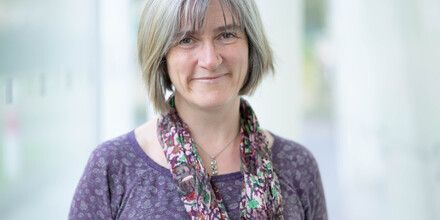
• Professor Patricia Thornley welcomes latest UK energy security plans • But calls for more exploration of bioenergy with carbon capture and storage • She believes plans shouldn’t concentrate solely on energy such as wind and solar power. A leading biomass scientist at Aston University has welcomed the government’s announcement to ensure UK energy is more secure. However, Professor Patricia Thornley, director of Aston University’s Energy and Bioproducts Research Institute (EBRI), believes the government shouldn’t just concentrate on energy such as wind and solar power. She is calling for the government to explore the use of power bioenergy with carbon capture and storage (or power BECCS). On 30 March the Department for Energy Security and Net Zero published the Powering Up Britain: Net Zero Growth Plan, and the Powering Up Britain: Energy Security Plan to set out steps to make the UK more energy independent, secure and resilient. Professor Thornley believes that the UK’s carbon reduction targets could be tackled by delivering negative emission BECCS projects. The process uses sustainable biomass and waste materials to generate electricity in combination with carbon capture and permanent storage. Through this physical removal of greenhouse gases from the atmosphere, power BECCS is able to deliver negative emissions. Professor Thornley said: “It is wonderful to see the government moving forward with its carbon reduction plans, whilst recognising the scale of the challenge faced. “Bioenergy is delivering carbon reductions around the UK today - 62% of our renewable energy and around 13% of our electricity comes from biomass - and developing sustainable biomass conversion with carbon capture and storage (CCS) would be a natural progression for the UK. “So it is good to see commitment to CCS, but to fully leverage the UK’s negative emission potential we need BECCS technology to be rapidly deployed.” EBRI and the Supergen Bioenergy hub, which is led by Aston University, are working on applied research to progress this ambition. Professor Thornley added: “Our research at Aston University has demonstrated the potential for sustainable BECCS facilities to deliver a substantial proportion of UK required negative emissions but that the exact amount of negative emissions achieved can vary hugely with plant design and operational choices. So we hope to use our knowledge and research outputs to support UK deployment of sustainable bioenergy moving forward.“ As well as her research at Aston University, Professor Thornley has been contributing her expertise to a government working group exploring the sustainable use of biomass for two years. ENDS


Ask an Expert: Is the "AI Moratorium" too far reaching?
Recent responses to chatGPT have featured eminent technologists calling for a six-month moratorium on the development of “AI systems more powerful than GPT-4.” Dr. Jeremy Kedziora, PieperPower Endowed Chair in Artificial Intelligence at Milwaukee School of Engineering, supports a middle ground approach between unregulated development and a pause. He says, "I do not agree with a moratorium, but I would call for government action to develop regulatory guidelines for AI use, particularly for endowing AIs with actions." Dr. Kedziora is available as a subject matter expert on the recent "AI moratorium" that was issued by tech leaders. According to Dr. Kedziora: There are good reasons to call for additional oversight of AI creation: Large deep or reinforcement learning systems encode complicated relationships that are difficult for users to predict and understand. Integrating them into daily use by billions of people implies some sort of complex adaptive system in which it is even more difficult for planners to anticipate, predict, and plan. This is likely fertile ground for unintended – and bad – outcomes. Rather than outright replacement, a very real possibility is that AI-enabled workers will have sufficiently high productivity that we’ll need less workers to accomplish tasks. The implication is that there won’t be enough jobs for those who want them. This means that governments will need to seriously consider proposals for UBI and work to limit economic displacement, work which will require time and political bargaining. I do not think it is controversial that we would not want a research group at MIT or CalTech, or anywhere developing an unregulated nuclear weapon. Given the difficulty in predicting its impact, AI may well be in the same category of powerful, suggesting that its creation should be subject to the democratic process. At the same time, there are some important things to keep in mind regarding chatGPT-like AI systems that suggest there are inherent limits to their impact: Though chatGPT may appear–at times–to pass the famous Turing test, this does not imply these systems ’think,’ or are ’self-aware,’ or are ’alive.’ The Turing test aims to avoid answering these questions altogether by simply asking if a machine can be distinguished from a human by another human. At the end of the day, chatGPT is nothing more than a bunch of weights! Contemporary AIs–chatGPT included–have very limited levers to pull. They simply can’t take many actions. Indeed, chatGPT’s only action is to create text in response to a prompt. It cannot do anything independently. Its effects, for now, are limited to passing through the hands of humans and to the social changes it could thereby create. The call for a moratorium emphasizes ‘control’ over AI. It is worth asking just what this control means. Take chatGPT as an example–can its makers control responses to prompts? Probably only in a limited fashion at best, with less and less ability as more people use it. There simply aren’t resources to police its responses. Can chatGPT’s makers ‘flip the off switch?’ Absolutely – restricting access to the API would effectively turn chatGPT off. In that sense, it is certainly under the same kind of control humans subjected to government are. Keep in mind that there are coordination problems – just because there is an AI moratorium in the US does not mean that other countries–particularly US adversaries– will stop development. And as others have said: “as long as AI systems have objectives set by humans, most ethics concerns related to artificial intelligence come from the ethics of the countries wielding them.” There are definitional problems with this sort of moratorium – who would be subject to it? Industry actors? Academics? The criterion those who call for the moratorium use is “AI systems more powerful than GPT-4.” What does “powerful” mean? Enforcement requires drawing boundaries around which AI development is subject to a moratorium – without those boundaries how would such a policy be enforced? It might already be too late – some already claim that they’ve recreated chatGPT. There are two major groups to think about when looking for develop regulatory solutions for AI: academia and industry. There may already be good vehicles for regulating academic research, for example oversight of grant funding. Oversight of AI development in industry is an area that requires attention and application of expertise. If you're a journalist covering Artificial Intelligence, then let us help. Dr. Kedziora is a respected expert in Data Science, Machine Learning, Statistical Modeling, Bayesian Inference, Game Theory and things AI. He's available to speak with the media - simply click on the icon now to arrange an interview today.



Aston University and asbestos consultancy to use AI to improve social housing maintenance
• Aston University and Thames Laboratories enter 30-month Knowledge Transfer Partnership • Will use machine-learning and AI to create a maintenance prioritisation system • Collaboration will reduce costs, emissions, enhance productivity and improve residents' satisfaction. Aston University is teaming up with asbestos consultancy, Thames Laboratories (TL) to improve efficiency of social housing repairs. There are over 1,600 registered social housing providers in England, managing in excess of 4.4 million homes. Each of these properties requires statutory inspections to check gas, asbestos and water hygiene, in addition to general upkeep. However, there is not currently a scheduling system available that offers integration between key maintenance and safety contractors, resulting in additional site visits and increased travel costs and re-work. Aston University computer scientists will use machine-learning and AI to create a maintenance prioritisation system that will centralise job requests and automatically allocate them to the relevant contractors. The collaboration is through a Knowledge Transfer Partnership (KTP) - a collaboration between a business, an academic partner and a highly-qualified researcher, known as a KTP associate. This partnership builds on the outcomes of TL’s first collaboration with Aston University, by expanding the system developed for the company’s in-house use - which directs its field staff to jobs. The project team will improve the system developed during the current KTP to enable it to interact with client and contractor systems, by combining an input data processing unit, enhanced optimisation algorithms, customer enhancements and third-party add-ons into a single dynamic system. The Aston University team will be led by Aniko Ekart, professor of artificial intelligence. She said: “It is a privilege to be involved in the creation of this system, which will select the best contractor for each job based on their skill set, availability and location and be reactive to changing priorities of jobs." TL, based in Fenstanton, just outside Cambridge, provides asbestos consultancy, project management and training to businesses, local authorities, social housing and education facilities, using a fleet of mobile engineers across the UK. John Richards, managing director at Thames Laboratories, said: “This partnership will allow us to adopt the latest research and expertise from a world-leading academic institute to develop an original solution to improving the efficiency of social housing repairs, maintenance and improvements to better meet the needs of social housing residents.” Professor Ekart will be joined by Dr Alina Patelli as academic supervisor. Dr Patelli brings experience of software development in the commercial sector as well as expertise in applying optimisation techniques with focus on urban systems. She said: “This is a great opportunity to enhance state-of-the-art optimisation and machine learning in order to fit the needs of the commercial sector and deliver meaningful impact to Thames Laboratories.”

• Leading scientist wins €2.2 million ERC Advanced Grant • The five-year project will explore early dementia interventions through understanding how an aquaporin water channel regulates glymphatic clearance • ERC Advanced Grant funding is amongst the most prestigious and competitive of the EU funding schemes. A world leading scientist in the College of Health and Life Sciences at Aston University has been awarded a €2.2 million ERC Advanced Grant to understand how the movement of a protein known as aquaporin-4 in the brain can help slow cognitive decline. The FORTIFY project, which will run for five years, is led by Professor Roslyn Bill in the School of Biosciences. She will apply her discovery of the movement of aquaporin-4 to understand how the cleaning mechanism in the brain works during sleep. The research will focus on how aquaporin-4 controls the glymphatic system, which is the mechanism that allows us to clear waste products from our brains while we sleep. Her hypothesis is that the movement of aquaporin-4 in the brain changes the effectiveness of this cleansing mechanism - which lessens as people age. A greater understanding of this process could lead to an early intervention treatment that could slow the onset of dementia, such as Alzheimer’s and Parkinson’s Diseases. ERC Advanced Grant funding is amongst the most prestigious and competitive of the EU funding schemes, providing researchers with the opportunity to pursue ambitious, curiosity-driven projects that could lead to major scientific breakthroughs. Professor Bill said: “Every three seconds someone in the world develops dementia and there is no cure. I want to stop that from happening. By understanding the molecular mechanisms of brain waste clearance, we have an opportunity to develop medicines that can slow the onset of dementia, very much in the same way that statins are prescribed to control heart disease”. Roslyn Bill discovered that the water channel protein aquaporin-4 increases the permeability of brain cells to water after a brain or spinal cord injury. Around 60 million people a year suffer such injuries following falls or accidents. For example, after a skiing accident in the French Alps in 2013, Michael Schumacher suffered a severe head injury. He was placed in a medically induced coma and underwent several surgeries to treat his injuries. Until now doctors have only been able to manage the symptoms of brain injury (swelling on the brain) through interventions that may require surgery. Professor Bill and her team are due to start clinical trials in summer 2023, to test a method to stop the swelling from happening in its tracks, building on her discoveries. Roslyn’s new ERC-funded project, FORTIFY, will focus on how aquaporin-4 controls fluid flow in the healthy, uninjured brain. In this round of Advanced Grants, the European Research Council (ERC) is awarding €544 million to 218 outstanding research leaders across Europe, as part of the Horizon Europe programme. The grants will support cutting edge research in a wide range of fields, from medicine and physics to social sciences and humanities. The grant is awarded to established, leading researchers with a proven track-record of significant research achievements over the past decade. The funding will enable the researchers to explore their most innovative and ambitious ideas. Mariya Gabriel, European Commissioner for Innovation, Research, Culture, Education and Youth, said: “ERC grants are a top recognition and a significant commitment from our best researchers. The €544 million funding puts our 218 research leaders, together with their teams of postdoctoral fellows, PhD students and research staff, in pole position to push back the boundaries of our knowledge, break new ground and build foundations for future growth and prosperity in Europe” Maria Leptin, ERC President, added: "These new ERC Advanced Grantees are a testament to the outstanding quality of research carried out across Europe. I am especially pleased to see such a high number of female researchers in this competition and that they are increasingly successful in securing funding. “We look forward to seeing the results of the new projects in the years to come, with many likely to lead to breakthroughs and new advances.”