
Experts Matter. Find Yours.
Connect for media, speaking, professional opportunities & more.
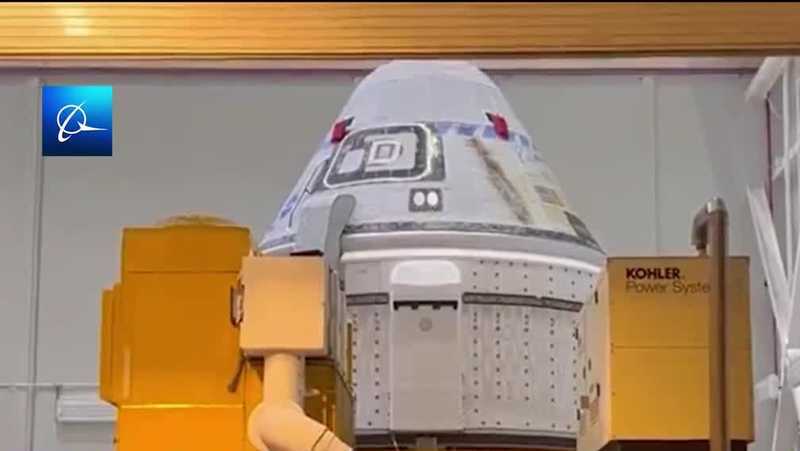
Ready for takeoff! The Starliner is set for its first mission to the ISS
Since 2011, any American astronaut looking to get to or from the International Space Station (ISS) had to lift off from the Baikonur Cosmodrome, a spaceport operated by Russia within Kazakhstan. It was the only way to get up into space - for now. It's why almost a decade ago private sector companies Boeing and SpaceX were engaged by NASA to develop a new way to get to the ISS from American soil. All of that is about to change, and all eyes have been on Boeing's Starliner as it readies to take flight with a crew for the first time. Florida's Tech's Don Platt , the Director of the Spaceport Education Center, has also been busy as the media coverage has been intense. “In this case, NASA is truly buying a service and it’s up to the company to get it all right. With just some oversight," said Don Platt, of Florida Tech. Starliner rolled out to Launch Complex 41 in the early morning on Tuesday. It will be positioned atop a ULA Atlas 5 rocket for the planned liftoff on May 6 from the Cape Canaveral Space Force Station. As Platt explained, Starliner is a critical second option for NASA. “With all the success of SpaceX has had recently, we can’t simply rely on SpaceX to provide all services to the American space program," Platt said. This is the first flight of Starliner with a crew onboard so it’ll be the first time for it to fly in this configuration. During these test missions, there are always lessons to be learned. “We are all aware of some of the issues the Boeing company has experienced in the last couple of years. And to have a successful test flight here with astronauts onboard is a definite plus from PR aspect,” Platt said. Two seasoned NASA astronauts will be the first to take a ride in Starliner up to the ISS; Suni Williams and Barry “Butch” Wilmore. They’ll be up there for eight days on this test mission and if all goes well, the first Starliner mission on NASA crew rotation up to the ISS will come next spring. -- April 16 - NBC News Getting to the ISS, Moon and even Mars are getting a lot of attention lately. If you're a journalist look to cover the topic, let us help. Dr. Don Platt's work has involved developing, testing and flying different types of avionics, communications, rocket propulsion systems as well as astrobiology/biotechnology systems and human deep space exploration tools. Don is available to speak with media anytime. Simply click on the icon below to arrange an interview today.


Professor Roslyn Bill discusses her research into brain cell membranes with Dr Matt Derry Serious brain injuries and dementia are affected by the flow of water through a protein called aquaporin-4 in brain cell membranes Aquaporins are responsible for clearing the build-up of waste products in brain cells in a process Professor Bill likens to a ‘dishwasher for your brain’. Professor Roslyn Bill, co-founder of Aston Institute for Membrane Excellence (AIME), joins Dr Matt Derry to discuss her research into brain cell membranes in the latest Aston Originals podcast. Water moves in and out of brain cells through tiny protein channels in the cell membrane called aquaporins. One in particular, aquaporin-4, is the focus of Professor Bill’s research. In 2020, she was lead author on a paper published in prestigious journal Cell on how the channels open and close and how this can be controlled. Uncontrolled water entry into brain cells can occur after head trauma, causing swelling which leads to severe brain injuries of the type suffered by racing driver Michael Schumacher after a skiing accident. Finding drugs to control this water movement could lead to treatments to prevent brain swelling in the first place. This research into brain swelling and the contribution of aquaporins led Professor Bill to research into Alzheimer’s, a common form of dementia, which is also related to the action of aquaporins. Alzheimer’s is caused by a build-up of waste products in brain cells. In a process Professor Bill likened to a ‘dishwasher for your brain’, aquaporins are responsible for clearing this waste as we sleep. Professor Bill was selected for an Advanced Grant by the European Research Council (ERC) in 2023, which is being funded by UK Research and Innovation (UKRI). The funded project will further investigate the process, and whether it might be possible to develop a drug to boost the ‘brain dishwasher’, which could be taken to slow or even prevent cognitive decline due to ageing. Bringing together this biological research with the polymer research of AIME, chemists like Dr Derry will help in the drug development and could also lead to totally different applications. Professor Bill said in the podcast to Dr Derry: “We can take the knowledge that we have of how these proteins work in cells and try and apply them to interesting applications in biotechnology. And this is where the sort of work that you (Dr Derry) do comes in, where you can develop plastic membranes, polymer membranes, and then take learning from the biology and try and make really, really good ways of purifying water, for example.” For more information about AIME, visit the webpage. The website also includes links to the previous AIME podcast and details about open positions.



Aston University pharmaceutical spin-out company shortlisted in life sciences industry awards
MESOX is a spin-out from the pharmaceutics group at Aston Pharmacy School The company partners with pharmaceutical and biotechnology companies to bring challenging therapeutics to market It has been shortlisted in the Medilink Midlands Awards 2024. A spin-out company from Aston University’s pharmaceutics research group has been shortlisted for a life sciences industry award. The Medilink Midlands Awards aim to showcase the very best collaborations between industry, academia and the NHS across the Midlands. The company, MESOX, founded by Dr Ali Al-Khattawi, a lecturer in pharmaceutics at Aston Pharmacy School, is competing in the Start-Up category for newly established companies that show a promising future. With in-depth expertise in particle engineering for drug delivery and pharmaceutical spray drying, MESOX uses IP-protected carriers to improve the bioavailability and efficacy of pharmaceuticals, partnering with pharmaceutical and biotechnology companies to bring challenging therapeutics to market. Medilink Midlands provides specialist business support to boost the region’s economic output from the life sciences industry. Working alongside the Midlands Engine and other strategic alliances, it helps stimulate additional and value-added growth of the Midlands as a prosperous community for life sciences. The awards winners will be announced at a ceremony taking place on Thursday 9 May at the Athena in Leicester. To celebrate Medilink Midlands’ 20th year anniversary of delivering business support, one finalist will be announced as the 2024 ‘Winner of all Winners’ and presented with a £5,000 prize for innovation development. Dr Ali Al-Khattawi, founder and CEO of MESOX, said: “We are excited to be nominated as a finalist for this award, which is a testament to the innovative research at Aston University that has led to MESOX and a great way to recognise the efforts of our team. “MESOX is expediting the development of life-saving therapeutics through cutting-edge carrier technologies. Our vision is to be a leading research-based pharmaceutical company in the Midlands one day and we hope this opportunity brings us a step closer to this goal.” Luke Southan, technology transfer manager at Aston University, said: “Aston University’s School of Pharmacy has always been a hotbed of innovation and entrepreneurship. This is most often seen through our many students who end up running their own independent pharmacy stores, but it is also the school that has created the most Aston spinouts. “MESOX is the latest example of this, and it is a company that is on track to be generating significant revenue and region impact over the next five years. This award nomination evidences the potential the company has to offer.”


Aston University and medicine manufacturer Catalent formed a Knowledge Transfer Partnership to identify more effective formulation additives The new selection matrix makes choosing the right additive quicker and the medicine development process shorter The project has been rated as ‘outstanding’ by Innovate UK A partnership between Aston University and contract medicine manufacturer Catalent has led to a faster process to identify the best ingredients for optimal medicine formulations, and has been rated as outstanding by Innovate UK. Catalent is a global leader in enabling pharma, biotechnology and consumer health partners to optimise product development, launch and full life-cycle supply for patients around the world. Its proprietary Zydis orally dissolving tablet (ODT) technology enables the absorption of drugs or active pharmaceutical ingredients (APIs) through the mouth tissues, which is much faster than absorption through the gut. However, many APIs have poor pre-gastric absorption and need to be combined with suitable excipients, or additives, to bind the active ingredients and speed up the process of dissolving and absorbing via the pre-gastric route. Identifying suitable excipients for the formulation is difficult, and so the Knowledge Transfer Partnership (KTP) between Aston University and Catalent was set up to develop a faster, more efficient approach. A KTP is a three-way collaboration between a business, an academic partner and a highly qualified researcher, known as a KTP associate. The UK-wide programme helps businesses to improve their competitiveness and productivity through the better use of knowledge, technology and skills. Aston University is a sector leading KTP provider, with 80% of its completed projects being graded as very good or outstanding by Innovate UK, the national body. The project was led by Aston University’s Afzal Mohammed, professor of pharmaceutics in the School of Pharmacy and associate dean (impact and knowledge exchange) for the College of Health and Life Sciences, who has expertise in the design and optimisation of orally dissolving tablet formulation. He was supported by other colleagues from Aston Pharmacy School including Dr Daniel Kirby, whose main area of research is the formulation of age-appropriate medicines for the extremes of life, Dr Affiong Iyire, who has research expertise in mucosal drug delivery, and Dr Raj Badhan, who is a pharmacokinetics expert with research interests in analytical approaches to predict oral drug absorption. Dr Ruba Bnyan, who has a master’s degree and a PhD in pharmaceutical drug formulation, as well as experience in cell-based models, was the KTP associate for the project. The KTP partners developed a selection matrix, whereby, based on the API properties, Catalent formulation scientists can quickly identify excipients that will improve the absorption of the drug through the mouth. Adopting this novel tool allows for quicker and more efficient drug development and has the potential to increase the number of Zydis ODT candidates in the pipeline for future development. Desmond Wong, product development supervisor at Catalent, said: “This project has exceeded our initial expectations and has the potential to accelerate product development for our clients. Our strong relationship with the Aston University team on this KTP project highlights the transformative potential of collaborative research and its impact on pharmaceutical innovation.” Professor Mohammed said: “This has been a very successful project, which has been rated as ‘outstanding’ by Innovate UK. We plan to put it forward for a KTP award and are looking forward to continuing working with Catalent on our next KTP project.” For more information on the KTP visit the webpage.


Aston University to train the UK’s next generation of decarbonisation experts
Consortium led by the University is to receive almost £11 million to open doctoral training centre Will focus on use of biomass to replace fossil fuels and removal of CO2 “…part of the UK’s biggest-ever investment in engineering and physical sciences doctoral skills”. Aston University is to train the next generation of scientists tasked to remove greenhouse gases from the environment. A consortium led by the University is to receive almost £11 million to open a doctoral training centre which will focus on leading the UK towards net zero. The centre, based at Aston University, will bring together world-leading research expertise and facilities from the University of Nottingham, Queens University Belfast and the University of Warwick and more than 25 industrial partners. The funding has been announced by the UK science, innovation and technology secretary Michelle Donelan. The centre is to receive almost £8 million of government money while the remainder will be made up through match funding and support from industry and the four universities. The government has described it as part of the UK’s biggest-ever investment in engineering and physical sciences doctoral skills, totalling more than £1 billion. The Aston University centre will focus on the use of biomass to replace fossil fuels and removal (or capture) of CO2 from the atmosphere, with the potential to create new sources of fuels and chemicals. Integration of these two areas will lead to significant cost and energy savings. Called NET2Zero, the centre will train PhD students across the full range of engineered greenhouse gas removal techniques including direct air capture, CO2 utilisation (including chemical and material synthesis), biomass to energy with carbon capture and storage, and biochar. The students will work in the centre’s laboratories exploring the conversion of feedstock into alternative energy, improving conversion processes and measuring how the new technologies will impact the economy. Supported by a range of relevant industrial, academic and policy partners the centre will equip students to develop the broad range of skills essential for future leaders in decarbonisation. NET2Zero will be led by Professor Patricia Thornley, director of Aston University’s Energy and Bioproducts Research Institute (EBRI). She said: “I am delighted that this centre for doctoral training has been funded. The climate emergency is so stark that we can no longer rely on demand reduction and renewables to meet our decarbonisation targets. “If we are to have greenhouse gas removal options ready in time to be usefully deployed, we need to start now to expand our knowledge and explore the reality of how these can be deployed. This partnership of four leading UK universities with key industrial and policy partners will significantly augment the UK’s ability to deliver on its climate ambitions.” “We are absolutely delighted to be working with our partners to deliver this unique and exciting programme to train the technology leaders of the future. Our students will deliver research outcomes that are urgently needed and only made possible by combining the expertise and resources of all the centre’s academic and industry partners.” Science and technology secretary, Michelle Donelan, said: “As innovators across the world break new ground faster than ever, it is vital that government, business and academia invests in ambitious UK talent, giving them the tools to pioneer new discoveries that benefit all our lives while creating new jobs and growing the economy. “By targeting critical technologies including artificial intelligence and future telecoms, we are supporting world class universities across the UK to build the skills base we need to unleash the potential of future tech and maintain our country’s reputation as a hub of cutting-edge research and development.” Centres for doctoral training have a significant reputation in training future UK academics, industrialists and innovators who have gone on to develop the latest technologies. The University of Nottingham’s Dr Eleanor Binner said: “We are absolutely delighted to be working with our partners to deliver this unique and exciting programme to train the technology leaders of the future. Our students will deliver research outcomes that are urgently needed and only made possible by combining the expertise and resources of all the Centre’s academic and industry partners.” Her colleague Professor Hao Liu added: “We look forward to providing our best support to the NET2Zero CDT, including using our past and existing successful experience in leading other centres, to make this an exemplar.” Overall, there will be 65 new Engineering and Physical Sciences Research Council (EPSRC) centres for doctoral training which will support leading research in areas of national importance including the critical technologies AI, quantum technologies, semiconductors, telecoms and engineering biology. The funding is from a combination of £500 million from UK Research and Innovation and the Ministry of Defence, plus a further £590 million from universities and business partners. Notes to Editors EPSRC and BBSRC Centre for Doctoral Training in Negative Emission Technologies for Net Zero (NET2ZERO) Led by: Professor Patricia Thornley, Aston University The Engineering and Physical Sciences Research Council (EPSRC) is the main funding body for engineering and physical sciences research in the UK. Our portfolio covers a vast range of fields from digital technologies to clean energy, manufacturing to mathematics, advanced materials to chemistry. EPSRC invests in world-leading research and skills, advancing knowledge and delivering a sustainable, resilient and prosperous UK. We support new ideas and transformative technologies which are the foundations of innovation, improving our economy, environment and society. Working in partnership and co-investing with industry, we deliver against national and global priorities. The Biotechnology and Biological Sciences Research Council (BBSRC) invests in world-class bioscience research and training on behalf of the UK public. Our aim is to further scientific knowledge, to promote economic growth, wealth and job creation and to improve quality of life in the UK and beyond. Funded by government, BBSRC invested £451 million in world-class bioscience in 2019-20. We support research and training in universities and strategically funded institutes. BBSRC research and the people we fund are helping society to meet major challenges, including food security, green energy and healthier, longer lives. Our investments underpin important UK economic sectors, such as farming, food, industrial biotechnology and pharmaceuticals. About Centres for Doctoral Training A CDT trains doctoral students with each centre focused on a specific theme or topic. Most CDTs will support five cohorts (a new cohort starting each academic year) with a cohort supporting an average of thirteen students. Fourteen of the centres will have four cohorts rather than five. EPSRC supports doctoral students through three training routes (Doctoral Training Partnerships, ICASE awards and CDTs), and in the last 30 years has supported over 50,000 doctoral students. About Aston University For over a century, Aston University’s enduring purpose has been to make our world a better place through education, research and innovation, by enabling our students to succeed in work and life, and by supporting our communities to thrive economically, socially and culturally. Aston University’s history has been intertwined with the history of Birmingham, a remarkable city that once was the heartland of the Industrial Revolution and the manufacturing powerhouse of the world. Born out of the First Industrial Revolution, Aston University has a proud and distinct heritage dating back to our formation as the School of Metallurgy in 1875, the first UK College of Technology in 1951, gaining university status by Royal Charter in 1966, and becoming The Guardian University of the Year in 2020. Building on our outstanding past, we are now defining our place and role in the Fourth Industrial Revolution (and beyond) within a rapidly changing world. For media inquiries in relation to this release, contact Nicola Jones, Press and Communications Manager, on (+44) 7825 342091 or email: n.jones6@aston.ac.uk


New Aston University spin-out company will develop novel ways to treat non-healing wounds
EVolution Therapeutics (EVo) has been founded on the work of Professor Andrew Devitt into the causes of inflammatory disease A failure to control inflammation in the body, usually a natural defence mechanism, can cause chronic inflammation, such as non-healing wounds Non-healing wounds cost the NHS £5.6bn annually, so there is a vital need for new treatments. Aston University’s Professor Andrew Devitt, Dr Ivana Milic and Dr James Gavin have launched a new spin-out company to develop revolutionary treatments to treat chronic inflammation in patients. One of the most common inflammatory conditions is non-healing wounds, such as diabetic foot ulcers, which cost the NHS £5.6bn annually, the same cost as managing obesity. Such wounds are generally just dressed, but clinicians say there is a vital need for active wound treatments, rather than passive management. The spin-out, Evolution Therapeutics (EVo), will aim to create these vital active treatments. Inflammation in the human body helps to fight infection and repair damage following injury and occurs when the immune system floods the area with immune cells. Normally, this inflammation subsides as the damage heals, with the immune system signalling to the immune cells to leave. However, in some cases, the usual healing mechanism is not triggered and the inflammatory response is not turned off, leading to chronic inflammation and so-called inflammatory diseases. EVo is based on Professor Devitt’s work on dying cells in the body, known as apoptotic cells, and how they contribute to health. Dying cells release small, membrane-enclosed fragments called extracellular vesicles (EVs), which alert the immune system to the death of cells, and then trigger the body’s natural repair mechanism and remove the dead cells. It is estimated that 1m cells die every second. Professor Devitt and his team have identified the molecules within the EVs which control the healing process and are engineering new EVs loaded with novel healing enzymes, to drive the body’s repair responses to actively heal wounds. Much of the research has been funded by the Biotechnology and Biological Sciences Research Council (BBSRC) with additional support from the Dunhill Medical Trust. Professor Devitt, Dr Milic and Dr Gavin received Innovation-to-Commercialisation of University Research (ICURe) follow-on funding of £284,000 to develop the vesicle-based therapy with EVo. Most recently, in December 2023, Professor Devitt and Dr Milic were awarded £585,000 from the BBSRC Super Follow-on-Fund to develop engineered cells as a source of membrane vesicles carrying inflammation controlling cargo. The team, together with Professor Paul Topham, also received funding from the National Engineering Biology Programme (£237,000) to support polymer delivery systems for vesicles. EVo is one of the 12 projects being supported by SPARK The Midlands, a network which aims to bridge the gap between medical research discoveries of novel therapeutics, medical devices and diagnostics, and real-world clinical use. SPARK The Midlands is hosted at Aston University, supported by the West Midlands Health Tech Innovation Accelerator (WMHTIA), and was launched at an event on 31 January 2024. Professor Devitt, EVo chief technical officer, said: “Inflammation is the major driver of almost all disease with a huge contribution to those unwelcome consequences of ageing. We are now at a most exciting time in our science where we can harness all the learning from our research to develop targeted and active therapies for these chronic inflammatory conditions.” Dr Gavin, EVo CEO, said: “The chronic inflammation that results in non-healing wounds are a huge health burden to individuals affecting quality of life as we age but also to the economy. Our approach at EVo is to target the burden of non-healing wounds directly to provide completely novel approaches to wound care treatment. By developing a therapy which actively accelerates wound healing, we hope to drastically improve quality of life for patients, whilst reducing the high cost attached to long term treatment for healthcare systems worldwide.”


Research: Add space salad to the risks astronauts face
University of Delaware researchers grew lettuce under conditions that imitated the weightless environment aboard the International Space Station and found those plants were actually more prone to infections from Salmonella. It’s been more than three years since the National Aeronautics and Space Administration made space-grown lettuce an item on the menu for astronauts aboard the International Space Station. Alongside their space diet staples of flour tortillas and powdered coffee, astronauts can munch on a salad, grown from control chambers aboard the ISS that account for the ideal temperature, amount of water and light that plants need to mature. But as the UD researchers discovered, there is a problem. The International Space Station has a lot of pathogenic bacteria and fungi. Many of these disease-causing microbes at the ISS are very aggressive and can easily colonize the tissue of lettuce and other plants. Once people eat lettuce that’s been overrun by E. coli or Salmonella, they can get sick. With billions of dollars poured into space exploration each year by NASA and private companies like SpaceX, some researchers are concerned that a foodborne illness outbreak aboard the International Space Station could derail a mission. In the new study by UD's team, published in Scientific Reports and in npj Microgravity, researchers grew lettuce in a weightless environment similar to that found at the International Space Station. Plants are masters of sensing gravity, and they use roots to find it. The plants grown at UD were exposed to simulated microgravity by rotation. The researchers found those plants under the manufactured microgravity were actually more prone to infections from Salmonella, a human pathogen. Stomata, the tiny pores in leaves and stems that plants use to breathe, normally close to defend a plant when it senses a stressor, like bacteria, nearby, said Noah Totsline, an alumnus of UD’s Department of Plant and Soil Sciences who finished his graduate program in December. When the researchers added bacteria to lettuce under their microgravity simulation, they found the leafy greens opened their stomata wide instead of closing them. “The fact that they were remaining open when we were presenting them with what would appear to be a stress was really unexpected,” Totsline said. Totsline, the lead author of both papers, worked with plant biology professor Harsh Bais as well as microbial food safety professor Kali Kniel and Chandran Sabanayagam of the Delaware Biotechnology Institute. The research team used a device called a clinostat to rotate plants at the speed of a rotisserie chicken on a spinner. “In effect, the plant would not know which way was up or down,” Totsline said. “We were kind of confusing their response to gravity.” Additionally, Bais and other UD researchers have shown the usage of a helper bacteria called B. subtilis UD1022 in promoting plant growth and fitness against pathogens or other stressors such as drought. They added the UD1022 to the microgravity simulation that on Earth can protect plants against Salmonella, thinking it might help the plants fend off Salmonella in microgravity. Instead, they found the bacterium actually failed to protect plants in space-like conditions, which could stem from the bacteria’s inability to trigger a biochemical response that would force a plant to close its stomata. “The failure of UD1022 to close stomata under simulated microgravity is both surprising and interesting and opens another can of worms,” Bais said. “I suspect the ability of UD1022 to negate the stomata closure under microgravity simulation may overwhelm the plant and make the plant and UD1022 unable to communicate with each other, helping Salmonella invade a plant.” To contact researchers from the team, visit the profiles for Bais or Kniel and click on the contact button.


Image shows how tiny water channels control how water enters and exits cells through their membranes The Aston Institute for Membrane Excellence (AIME) will be set up with a £10m grant from Research England AIME will be led by Professor Roslyn Bill from Biosciences and Professor Paul Topham from Chemical Engineering and Applied Chemistry The globally unique institute will use biomimetic polymer membranes for applications such as water purification and drug development Aston University will establish the Aston Institute for Membrane Excellence (AIME), a globally unique, cross-disciplinary institute to develop novel biomimetic membranes, after receiving a major grant of £10m from Research England. AIME will be led by Professor Roslyn Bill, from the School of Biosciences, with co-lead Professor Paul Topham from the department of Chemical Engineering and Applied Chemistry (CEAC). Membranes, both biological and synthetic, are hugely important in many sectors. For example, the world’s top ten selling human medicines all target proteins in biological membranes, while synthetic polymer membranes are used in the US$100bn/year water purification industry. The team behind AIME believes that the full potential of membranes will only be realised by an interdisciplinary group spanning biology, physics and chemistry that can investigate membranes holistically. Professor Bill, a European Research Council (ERC) Advanced grantee leads Aston Membrane Proteins and Lipids (AMPL) research centre of excellence that studies the structure and function of membrane proteins and associated lipids. Professor Topham leads Aston Polymer Research Group (APRG), which investigates the nanoscale behaviour of block copolymers (a type of polymer with a structure made of more than one type of polymer molecule) and polymer technologies for membranes. AMPL and APRG have already begun collaborative research and AIME will bring together the complementary expertise of both research clusters into one institute. AIME will initially comprise the eight researchers from AMPL and APRG. Alongside the co-leads Professor Bill and Professor Topham, will be Dr Alan Goddard, Professor Andrew Devitt, Professor Corinne Spickett, Dr Alice Rothnie, Dr Matt Derry and Dr Alfred Fernandez. It plans to recruit three further academics, six tenure-track research fellows, three postdoctoral research assistants (PDRAs), six PhD students, a research technician and a business development manager. Importantly, AIME will work with many existing Aston University colleagues to build a comprehensive research community focused on all aspects of membrane science. The new AIME team will focus on the development of bioinspired, highly selective polymer structures for applications in water purification and waste remediation, nanoparticles loaded with therapeutic molecules to treat disorders ranging from chronic wounds to neurological injuries, and the purification of individual membrane proteins with polymers to study them as drug targets. The vision is for AIME to become a ‘one-stop shop’ for interdisciplinary, translational membrane research through its facilities access and expertise, ideally located in the heart of the country. Professor Bill said: “The creation of AIME is ground-breaking. Together with Aston’s investment, E3 funding will deliver a step-change in scale and the rate at which we can grow capacity. We will address intractable scientific challenges in health, disease, and biotechnology, combining our world-class expertise in polymer chemistry and membrane biology to study membranes holistically. The excellence of our science, alongside recent growth in collaborative successes means we have a unique opportunity to deliver AIME’s ambitious and inclusive vision.” Professor Topham said: “We are really excited by this fantastic opportunity to work more closely with our expert colleagues in Biosciences to create advanced technology to address real world problems. From our side, we are interested in molecular engineering, where we control the molecular structure of new materials to manipulate their properties to do the things that we want! Moreover, we are passionate about a fully sustainable future for our planet, and this investment will enable us to develop technological solutions in a sustainable or ‘green’ way.” Professor Aleks Subic, Vice-Chancellor and Chief Executive of Aston University, says: “Our new Aston Institute for Membrane Excellence (AIME) will be a regional, national, and international research leader in membrane science, driving game-changing research and innovation that will produce a pipeline of high-quality research outcomes leading to socioeconomic impact, develop future global research leaders, create advanced tech spinout companies and high value-added jobs for Birmingham and the West Midlands region. Its establishment aligns perfectly with our 2030 strategy that positions Aston University as a leading university of science, technology and enterprise.” Steven Heales, Policy Manager (Innovation) at the West Midlands Combined Authority, said: “WMCA is delighted to see Research England back the Aston Institute for Membrane Excellence. This will enable Aston University’s excellent academics and research community to work closely with businesses to make advances in membrane technology and applications. “In 2023 the West Midlands Combined Authority agreed a Deeper Devolution Trailblazer Deal with Government, which included a new strategic innovation partnership with Government. Projects like AIME are exactly the kind of impact we expect this new partnership to generate, so watch this space.” Lisa Smith, chief executive of Midlands Mindforge, the patient capital investment company formed by eight Midlands research-intensive universities including Aston University, said: “This grant is an important vote of confidence in the Midlands scientific R&D ecosystem. AIME will play an important role in the future research of pioneering breakthroughs in membrane science and enable the world-leading research team at Aston University to develop solutions to real world problems. We look forward to closely working with the Institute and nurturing best-in-field research being undertaken at Aston out of the lab and into the wider society so it can make a positive impact”. Rob Valentine, regional director of Bruntwood SciTech, the UK’s leading developer of city-wide innovation ecosystems and specialist environments and a strategic partner in Birmingham Innovation Quarter, said: "As a proud supporter of the Aston Institute for Membrane Excellence (AIME), I am thrilled at the launch of this groundbreaking initiative. AIME exemplifies Aston University's commitment to advancing cutting-edge interdisciplinary research and further raises the profile of the region’s exemplary research capabilities and sector specialisms. AIME's vision of becoming a 'one-stop shop' for translational membrane research, strategically located at the heart of the country, aligns perfectly with our strategy at Bruntwood SciTech. We are committed to working with partners, including Aston University, to develop a globally significant innovation district at the heart of the UK where the brightest minds and most inspiring spaces will foster tomorrow’s innovation.” Membrane research at Aston University has also recently received two other grants. In November 2023, Professor Bill received £196,648 from the Biotechnology and Biological Sciences Research Council’s Pioneer Awards Scheme to understand how tiny membrane water channels in brain cells keep brains healthy. In December 2023, a team led by AIME team-member Dr Derry received £165,999 from the Engineering and Physical Sciences Research Council to develop biomimetic membranes for water purification. For more information about AIME, visit the webpage.


• Rice straw could be a fuel of the future in rural Philippines • Across Asia 300 million tonnes of rice straw go up in smoke every year • New proposals includes scaling up harvesting system with straw removal, biogas-powered rice drying and storage and efficient milling. An Aston University bioenergy researcher has been explaining how rice straw could be a fuel of the future in rural Philippines. Dr Mirjam Roeder who is based at the University’s Energy & Bioproducts Research Institute (EBRI) is collaborating with the UK company Straw Innovations Ltd, Southeast Asian Regional Center for Graduate Study and Research in Agriculture (SEARCA) and Koolmill Systems Ltd to showcase their research. The Food and Agriculture Organisation (FAO) states that rice is the number one food crop globally and 91% of it is produced and consumed in Asia. As a crop it is responsible for 48% of global crop emissions and for every kilogram of rice, a kilo of straw is produced. Across Asia 300 million tonnes of rice straw go up in smoke every year when burnt after harvest, releasing emissions and air pollutants that triple risks of increased respiratory diseases and accelerate climate change. To raise awareness of sustainable uses for rice straw Dr Roeder has travelled to the sixth International Rice Congress in Manila, Philippines to explain the potential of the emerging technology. Rice straw is an underdeveloped feedstock and can be collected and digested to produce biogas, unlocking sustainable straw management options and renewable energy for farmers using anaerobic digestion (AD) from rice straw. Dr Roeder has been working with Straw Innovations on their UK Innovate project demonstration facility in the Philippines, the Rice Straw Biogas Hub, which is scaling up a complete harvesting system with straw removal, biogas-powered rice drying and storage, together with efficient milling. Craig Jamieson, Straw Innovations said: “The International Rice Congress is only held every four years and is a key event for coordinating and tracking progress in rice research. “Our partnership with Aston University and SEARCA adds independent, scientific rigour to the work we do and amplifies our message to government policy makers. We are grateful to Innovate UK for their ongoing support through the Energy Catalyst Programme, which is accelerating our development.” At the conference Dr Roeder has been explaining how independent environmental and social research can increase farmer incomes, equality of opportunity, food security and decarbonisation benefits. She said: “Engaging with stakeholders and working in partnership across organisations is vital to the successful adoption of new technologies. I am delighted to have had the opportunity to host an event with our project partners at this prestigious conference, bringing the cutting-edge research of using rice straw for clean energy to the forefront of the rice research community and supporting the pathway to net zero.” Dr Glenn B Gregorio, Center Director of SEARCA, added: "We are gaining insights into the environmental impact of rice straw utilisation and implementing policies to unleash its potential to empower us to make informed decisions that are instrumental to climate change mitigation and decarbonisation," Professor Rex Demafelis, University of the Philippines, is also working with SEARCA and is leading the project on life cycle analyses and measurements of rice straw greenhouse gas emissions. He said: “Rice straw is a valuable resource, and we are grateful to be part of this team which seeks to harness its full potential and promote circularity, which would ultimately contribute to our goal of reducing our greenhouse gas emissions.” ENDS The Supergen Bioenergy Hub works with academia, industry, government and societal stakeholders to develop sustainable bioenergy systems that support the UK’s transition to an affordable, resilient, low-carbon energy future. The Hub is funded jointly by the Engineering and Physical Sciences Research Council (EPSRC) and the Biotechnology and Biological Sciences Research Council (BBSRC) and is part of the wider Supergen Programme. For further information contact Rebecca Fothergill and Catriona Heaton supergen-bioenergy@aston.ac.uk Follow us on Twitter @SuperBioHub Visit our website at supergen-bioenergy.net Visit our YouTube Channel to watch the video on Carbon Balance FAO: RICE PRODUCTION IN THE ASIA-PACIFIC REGION: ISSUES AND PERSPECTIVES - M.K. Papademetriou* (fao.org) https://www.fao.org/3/x6905e/x6905e04.htm About Aston University For over a century, Aston University’s enduring purpose has been to make our world a better place through education, research and innovation, by enabling our students to succeed in work and life, and by supporting our communities to thrive economically, socially and culturally. Aston University’s history has been intertwined with the history of Birmingham, a remarkable city that once was the heartland of the Industrial Revolution and the manufacturing powerhouse of the world. Born out of the First Industrial Revolution, Aston University has a proud and distinct heritage dating back to our formation as the School of Metallurgy in 1875, the first UK College of Technology in 1951, gaining university status by Royal Charter in 1966, and becoming The Guardian University of the Year in 2020. Building on our outstanding past, we are now defining our place and role in the Fourth Industrial Revolution (and beyond) within a rapidly changing world. For media inquiries in relation to this release, contact Nicola Jones, Press and Communications Manager, on (+44) 7825 342091 or email: n.jones6@aston.ac.uk


Gene Editing Institute Opens a Unique Learning Lab for High School and College Students
Free program uses CRISPR in a Box™ toolkit to teach the power of gene editing To inspire the next generation of students to pursue careers in STEM (science, technology, engineering and math) and learn about the power of genomic science, ChristianaCare’s Gene Editing Institute has launched a new Learning Lab on its premises that offers educational programming about revolutionary CRISPR gene editing technology. Located next to the Gene Editing Institute’s lab on the University of Delaware’s STAR Campus, the Learning Lab is a physical space that provides an immersive field trip experience for upper-level high school students and college undergraduates who may not have access at their schools to a laboratory to conduct gene editing experiments. There is no cost for schools to use the lab or for the materials to conduct the experiment. The Gene Editing Institute wants to ensure that all schools have equal opportunity to participate in educational programming at the lab. Students using the lab can perform a gene editing experiment in a single day using the Gene Editing Institute’s innovative CRISPR in a Box™ educational toolkit. All materials in the kit are safe, synthetic materials, and allow students to perform CRISPR gene editing with non-infectious E. coli bacteria. They will be able to see an appearance change indicating gene editing has occurred at the end of their experiment. “Students around the country, no matter where they go to school, have the potential to be scientists, researchers and laboratory technicians,” said Eric Kmiec, Ph.D., executive director and chief scientific officer of ChristianaCare’s Gene Editing Institute. “Our hope is that by creating access and space for students to explore, we can inspire the next generation of students to pursue STEM careers. The Learning Lab allows us to help cultivate the next generation of genetic scientists and strengthen Delaware and our region as a leader in biotechnology.” Education Program Manager Amanda Hewes, MS, developed the Learning Lab after noticing a problem that was undercutting the opportunities of teachers to bring gene editing experiments into the classroom — a lack of space and equipment. Amanda Hewes, education program coordinator, assists students from Wilmington Charter School with their samples of DNA during a Learning Lab experiment. “We don’t want anything to hinder the way students learn about CRISPR gene editing,” Hewes said. “If a student feels like there are too many steps, or a teacher doesn’t have an essential piece of equipment, then we’ve lost an opportunity to bring the next generation of scientists into the lab. We’re striving to break down as many barriers as possible for students.” Learning real-world applications of gene editing The Learning Lab also allows students to speak directly with experts in the field about careers in biotechnology and gene editing as they learn the difference between such things as phenotypic and genotypic readouts in their gene editing experiments. This gives students the chance to ask about the real-world application of genome experiments in a research lab. It also lets them think about their place in a lab setting. “I’ve never been in an actual lab setting before,” said Shiloh Lee, a junior at the Charter School of Wilmington, at a recent class. “I think it is very, very cool to be able to experience it.” “I’ve learned a lot of new skills with the micropipetting,” said Pauline Zhuang, a senior at The Charter School of Wilmington. “We don’t have the same resources at our school. The CRISPR in a Box is such a great resource. My classmates and I have been able to experience, firsthand, what it is like to actually do gene editing.” Through the program, the Gene Editing Institute hopes to educate 1,000 students by spring 2024. Currently, the lab is on track to engage more than 200 students by the end of the spring 2023 semester. CRISPR stands for Clustered Regularly Interspaced Short Palindromic Repeats, which are the hallmark of a bacterial defense system that forms the basis for CRISPR-Cas 9 genome editing technology. The CRISPR technology enables researchers to modify genes in living cells and organisms and may make it possible to correct mutations at precise locations in the human genome in order to treat genetic causes of disease. For more information about the Learning Lab and the educational program, email geneeditinginstitute@christianacare.org.

