
Experts Matter. Find Yours.
Connect for media, speaking, professional opportunities & more.

• Researchers in the School of Biosciences partner with preclinical-stage biotechnology start-up company to develop drugs for fibrotic diseases • Professor Martin Griffin and team develop TG2 inhibitors to help treat a serious chronic lung disease called idiopathic pulmonary fibrosis. • Isterian Biotech is part of Cambrian BioPharma who have been working with Aston University since 2019. Aston University scientists are working with start-up company, Isterian Biotech, part of Cambrian BioPharma, to develop novel drugs to treat fibrotic diseases such as lung disease. The focus of preclinical-stage biotechnology company Isterian Biotech is on developing novel drugs to stop or reverse the pathological accumulation of crosslinked proteins commonly observed in all major organs with age. As we age a chronic increase of crosslinked proteins occurs in the extracellular matrix (ECM), that surround, support, and give structure to the cells and tissues in the body. These crosslinked proteins are difficult for the body to degrade and over time can make organs stiff and dysfunctional, ultimately resulting in fibrosis. Reversing the accumulation of these pathological crosslinks will greatly contribute to reducing fibrosis. The start-up is working to develop small molecule inhibitors of transglutaminase 2 also known as TG2, which is one of the major crosslinking enzymes in the human body, that becomes more active during ageing - thus resulting in fibrotic diseases such as a type of lung disease known as idiopathic pulmonary fibrosis (IPF). Isterian President and Chairman of the Board, Georg C Terstappen, PhD said: "Isterian's strategy of combining rational drug design with efficient multiparametric profiling of synthesized small molecules has been both impressive and highly productive. Notably, for one of our highly potent and selective TG2 inhibitors, we have recently demonstrated efficacy in a mouse model of lung fibrosis for the first time. "Using this state-of-the-art approach to drug discovery combined with an impressive team gives us great confidence in the future of this novel company." IPF is a progressive, irreversible disease that is characterized by pathological crosslinking of extracellular matrix (ECM) proteins (a large network of proteins and other molecules that surround, support, and give structure to the cells and tissues in the body) leading to excessive deposition of collagen. This means that in IPF scar tissue or fibrosis builds up around the air sacs (alveoli) in the lungs and reduces the ability to transfer oxygen that is breathed into the blood, resulting in severe restriction of lung capacity and function. IPF is the most common form of pulmonary fibrosis. The disease affects between 200,000 and 300,000 people globally. Statistics from the charity Action for Pulmonary Fibrosis suggest there are about 30,000 people living with IPF in the UK with an estimated 6,000 new cases of the condition each year. The disease usually develops in people aged 70 and older and is more common in men. But it can occur in younger individuals, particularly if there is a family history of idiopathic pulmonary fibrosis. The company was founded by capitalizing on over 35 years of scientific research from the laboratory of Professor Martin Griffin and his team Dr Dan Rathbone and Dr Vivian Wang at Aston University. Their work with small molecule inhibitors selective for TG2 has demonstrated reduction of fibrosis in multiple organs in a number of animal models. In 2019, Aston University partnered with Cambrian to form Isterian Biotech with a mission to develop safe and effective TG2 inhibitors to treat Idiopathic pulmonary fibrosis (IPF), a devastating fibrotic disease of the lung. Professor Martin Griffin, Biosciences Research Group, Aston University said: “We are delighted to continue our work with Isterian researching how we can further develop TG2 inhibitors to help tackle this awful disease.” CEO of Cambrian BioPharma, James Peyer, commented: "As Cambrian continues on its mission to build medicines that will redefine healthcare in the 21st century, we are very thankful to find brilliant scientists such as Martin and his team that are willing to break the mold. Isterian and its work to reduce fibrosis are a perfect fit alongside the other pipeline companies our team has announced in 2022." The company's current pipeline includes an advanced preclinical-stage TG2 inhibitor for inhaled administration and several structurally unrelated back-up compounds for the treatment of IPF. For more information about the School of Biosciences at Aston University, please visit our website.


Professor Corinne Spickett will explain how oxygen can cause damage to cells and lead to diseases Her inaugural lecture will take place on Thursday 26 January 2023 at 6.30 pm Members of the public may attend in person or online. A leading biochemist at Aston University is to give an inaugural lecture on the concept of oxidative stress and how failure to control it leads to diseases on Thursday 26 January 2023. During her public lecture, ‘Oxygen: can’t live without it, but stressful to live with it’, Professor Corinne Spickett will explain how oxygen can cause damage to cells, how damaged molecules such as “sticky lipids” can be measured using advanced technology, and what their biological effects are. Corinne moved to Aston University in 2011 from the University of Strathclyde. Her first degree was in biochemistry at Oxford University and she went on to gain a DPhil from Oxford on the application of NMR to study yeast bioenergetics in vivo. After postdoctoral work using NMR to investigate stress responses in plants and glutathione metabolism in pre-eclamptic toxaemia, she became a Glaxo-Jack research lecturer in the Department of Immunology at the University of Strathclyde and subsequently a senior lecturer in the Department of Biosciences. Since then, she has been working on the analysis of phospholipid oxidation by mass spectrometry and the biological effects of oxidized lipids, especially as relating to atherosclerosis and inflammation, and has published extensively in this field. She has also applied her expertise in analysis of phospholipids to lipidomic studies of LDL in chronic kidney disease and the study of changes in yeast membranes in biotechnology applications. More recently, she expanded her research to include analysis of protein oxidation and formation of lipoxidation products during inflammation. She is an internationally recognized researcher in the field of redox biology with extensive involvement in international research. Professor Spickett said: “We tend to take oxygen for granted as something essential for life, but actually it is highly reactive and its role in biochemistry poses a challenge for organisms from yeast to man. “Through a synopsis of my career, I will explain how oxygen can cause damage to cells and, in parallel, I will illustrate how academic research careers are often non-linear and often depend on serendipity.” The lecture will take place at Aston University at 6.00 pm for 6.30 pm on Thursday 26 January 2023. It will be followed by a wine reception from 7.30 pm to 8.00 pm. It is open to the public and free to attend, but places must be booked in advance via Eventbrite.

#Expert Research: New National Science Foundation and NASA-Funded Research Investigates Martian Soil
Studies have shown crops can grow in simulated Martian regolith. But that faux material, which is similar to soil, lacks the toxic perchlorates that makes plant growth in real Red Planet regolith virtually impossible. New research involving Florida Tech is examining how to make the soil on Mars useful for farming. Andrew Palmer, co-investigator and ocean engineering and marine sciences associate professor, along with Anca Delgado, principal investigator and faculty member at Arizona State University’s Biodesign Swette Center for Environmental Biotechnology, and researchers from the University of Arizona and Arizona State University, are participating in the study, “EFRI ELiS: Bioweathering Dynamics and Ecophysiology of Microbially Catalyzed Soil Genesis of Martian Regolith.” This National Science Foundation and NASA-funded project will use microorganisms from bacteria to remove perchlorates from Martian soil simulants and produce soil organic matter containing organic carbon and inorganic nutrients. Martian regolith contains high concentrations of toxic perchlorate salts that will impede plant cultivation in soil, jeopardizing food security and potentially causing health problems for humans, including cancer. Researchers will look at different bacterial populations and how well they are able to process and break down the perchlorates, as well as what kind of materials they produce when they do. They’ll also look at different temperatures and moisture conditions, as well as in the presence or absence of oxygen. Students in the Palmer Lab will receive the simulants after this process, try to replicate it, and then test how well the perchlorate-free regolith is able to grow plants. A challenge the researchers face is how they remove the toxic salts, as well as if they can remove all of them. Palmer cautioned that the possibility that removing the perchlorates does not necessarily mean the regolith is ready for farming. “You can’t make the cure worse than the disease, so we have to be ending up with regolith on the other side that’s better than when we started,” Palmer said. “We can’t trade perchlorates for some other toxic accumulating compound. Just because we’re removing the perchlorates doesn’t necessarily mean that we’re going to make the regolith better for plants. We might just make it not toxic anymore. How much does it improve is really what we’re trying to figure out.” Even without perchlorates, there are significant challenges to growing crops in Martian soil. While researchers have grown plants in simulated regolith, the regolith is not good for plant growth, as in addition to a lot of salts, it has a high pH and is very fine, which means it can ‘cement’ when wet, suffocating plant roots. Being able to grow in the soil instead of using hydroponics could also provide a more efficient, cost-effective solution. “There is always the option of hydroponic growth of food crops, but with a significant distance to Mars and the lack of readily available water, we need a different kind of plan,” said ASU’s Delgado. “If there is a possibility to grow plants directly in the soil, there are benefits in terms of water utilization and resources to get supplies to Mars.” Some of the microbial solutions the team is proposing could also help with studies of soils on Earth. “The best soils for agriculture on earth, they were taken up decades ago, and so now we’re trying to farm on new land that’s not really meant for agriculture, if you think about it,” Palmer said. “So, as we think about ways to convert it into better soil, I think this research helps teach us how to do that, but it also inspires.” The research will also allow Florida Tech students to get hands-on space agriculture experience. “We’re going to be training the grad students and the undergraduates who are going to be the researchers who take on those new challenges, so I think one of our most important products are going to be the students we train,” Palmer said. “We’ll deliver Mars soil, but we also deliver, I think, a future group of researchers.” If you're a reporter looking to know more about this topic - then let us help with your coverage. Dr. Andrew Palmer is an associate professor of biological sciences at Florida Tech and a go-to expert in the field of Martian farming. Andrew is available to speak with media regarding this and related topics. Simply click on his icon now to arrange an interview today.


Gene Editing Institute Travels to Salem for ‘Innovation Days’ Workshop
Education sessions bring CRISPR gene editing to high school students from diverse backgrounds Scientist-educators from ChristianaCare’s Gene Editing Institute held a workshop using CRISPR in a BoxTM at Salem Academy during Innovation Days in October at the school, located in Winston-Salem, North Carolina. These sessions followed a previous gene editing education workshop with Salem Academy students in January 2022. CRISPR in a BoxTM is a revolutionary toolkit that allows students to carry out a hands-on gene editing experiment while learning and analyzing the steps involved in a typical gene editing reaction. Scientists from the Gene Editing Institute also taught a condensed lesson about CRISPR gene editing’s utility in medicine and fielded questions from students about jobs in biotechnology, bioethics and sustainability in the lab. “It’s a really special opportunity that I know I wouldn’t get anywhere else,” said Mathilda Willenborg, a sophomore boarding student from Germany. “And I do feel like I’m learning a lot about gene editing that I definitely didn’t know before. The team makes it really easy and walks us through all the steps.” Last winter, Salem Academy became the first school in North Carolina to offer CRISPR in a Box as it pivoted its academic focus to STEAM (Science, Technology, Engineering, Art and Math). That first innovative workshop originated as a result of an idea from a ChristianaCare board member who attended Salem Academy. Gene Editing Institute Founder and Lead Scientist Eric Kmiec, Ph.D., made a virtual appearance as part of the latest sessions to encourage the students to pursue careers and pathways in biotechnology. “We’re so appreciative of our partnership with Salem Academy,” said Kmiec. “We want to take every chance we get to encourage more women to pursue careers in STEM. Women around the nation, and around the world, should have access to this groundbreaking technology, which will ultimately drastically change the way we treat and cure diseases. If we don’t have young women in that discussion, we’re missing out on valuable experiences and perspectives.” Salem Academy is the only all-female boarding and day high school on a college campus in the U.S. with a STEM focus. Women are achieving significant progress in STEM fields, representing 45% of students majoring in STEM, according to the Integrated Postsecondary Education Data System. However, women only represent 27% of STEM workers, with wide disparities in income in post-graduation employment. As of 2019, less than 30% of the world’s researchers were women, according to the UNESCO Institute for Statistics. The Gene Editing Institute commits to a mission of diversity and equity in its approach. This workshop reached 10 women, two of whom are international students. “Our ongoing partnership with the ChristianaCare Gene Editing Institute will help position our aspiring women scientists for future careers in biotechnology, science and medicine,” said Summer McGee, Ph.D., president of Salem Academy and College. “This is the type of experience that sets Salem Academy apart as a national leader in building the next generation of women leaders in STEAM.” The Gene Editing Institute itself is a national leader in female researchers. Women make up over 80% of scientists within the Institute and fill 75% of the principal investigator roles. The Institute pushes to address the gender gap and promote inclusivity through local outreach and state-spanning programs, like CRISPR in a Box. “We’re not here to do lip service,” said Brett Sansbury, Ph.D., principal investigator of the Discovery Branch of the Gene Editing Institute. “Too many companies make a plan or promise without any actionable steps. We’re taking those steps and bringing in opportunities for students who otherwise wouldn’t have had them.” To learn more about how to bring CRISPR in a Box to your school, visit https://geneeditinginstitute.com/products/education. About CRISPR in a BoxTM CRISPR in a BoxTM is the leading educational toolkit to teach gene editing. The exercise features a hands-on gene editing experiment, including a live readout within non-infectious E. coli bacteria. These experiments follow a gene editing reaction from beginning to end while teaching students the techniques scientists use to perform these reactions in real laboratory environments. CRISPR in a Box is distributed by Carolina Biological. To learn more, visit https://geneeditinginstitute.com/products/education.



ChristianaCare Spins Out CorriXR Therapeutics, New Gene Editing Start-Up
Commercial biotechnology venture will harness the power of gene editing to revolutionize patient care with faster, more accurate diagnoses ChristianaCare today announced it has spun out its first commercial biotechnology private start-up company, named CorriXR Therapeutics. CorriXR Therapeutics (pronounced Cor-ix-er; from Galician meaning to correct or edit) will use CRISPR gene editing technology to develop new, clinically relevant oncologic therapeutics in areas of unmet medical need, starting with squamous cell carcinoma of the lung. Its close relationship with ChristianaCare and the ChristianaCare Gene Editing Institute uniquely positions it to research and develop innovative, patient-centered therapies. The new start-up company has been boosted with $5 million in seed financing from ChristianaCare and Brookhaven Bio. “We are excited to spin out CorriXR Therapeutics, which has an enormous opportunity to use the incredible power of gene editing to revolutionize patient care by delivering faster and more accurate diagnoses, targeting treatments and preventing genetic disorders,” said Janice Nevin, M.D., MPH, ChristianaCare president and CEO. The company has developed unique CRISPR/Cas biomolecular tools that disable the genome of a tumor cell but not the genome of a healthy cell, which enables target selectivity. CorriXR Therapeutics will license technology from the Gene Editing Institute and work closely with its scientific researchers and clinical oncologists at the Helen F. Graham Cancer Center & Research Institute. The Gene Editing Institute’s integrated bench-to-bedside approach connects leading-edge science to patient care. “CorriXR Therapeutics is the next phase of the Gene Editing Institute’s evolution and impact as an incubator for groundbreaking technology in a patient-first approach to research,” said Eric Kmiec, Ph.D., chief executive officer of CorriXR Therapeutics. “The novel way we are using CRISPR-directed gene editing technology in solid tumors, beginning with a hard-to-treat form of lung cancer, has enormous promise as a treatment option to improve the lives of people with life-threatening disease.” The CorriXR Therapeutics team includes experienced biotechnology executives and world-renowned scientists and clinicians. The executive team is led by Eric Kmiec, Ph.D., chief executive officer, and Brian Longstreet, chief operating officer. Kmiec is also the executive director and chief scientific officer of ChristianaCare’s Gene Editing Institute. He is widely recognized for his pioneering work in the fields of molecular medicine and gene editing, having discovered many of the molecular activities that regulate the efficiency of human gene editing. Longstreet, a graduate of the University of Pennsylvania’s Wharton School of Business, is a seasoned pharma and biotechnology industry veteran with over 30 years’ experience, beginning at Schering-Plough and then Merck & Co. Recently, he has helped to build start-up biotechnology companies. Earlier this year, ChristianaCare restructured its Gene Editing Institute into a wholly owned subsidiary, which positions it to advance research to develop therapies using CRISPR gene editing technology and to fast-track discoveries for commercial application. The new structure also enables it to expand its educational outreach using its CRISPR in a Box™ educational toolkit and to develop its analytic software program, DECODR™. The Gene Editing Institute originated in ChristianaCare’s Helen F. Graham Cancer Center & Research Institute in 2015.

Professor of biotechnology appointed as new executive editor of prestigious journal
A biotechnology professor in the College of Health and Life Sciences at Aston University has been appointed as the new executive editor of the journal, BBA Biomembranes. Professor Roslyn Bill is sharing the role with Professor Burkhard Bechinger of the University of Strasbourg and will be jointly responsible for the editorial direction of the journal, including overseeing the peer review process of submissions. Roslyn's own area of research focuses on membrane protein structure, function and regulation. She is particularly interested in the regulation of aquaporin water channels in the brain and their development as drug targets to prevent life-threatening brain swelling. BBA Biomembranes is part of a family of 10 Biochimica et Biophysica Acta (BBA) journals, which are celebrating their 75th year of continuous publication in 2022. They were the first international journals to cover the joint fields of biochemistry and biophysics. Commenting on her appointment, Roslyn said: “I am delighted and honoured to join BBA Biomembranes as Executive Editor in BBA’s 75th anniversary year. “The journal has an international reputation for publishing high-quality articles in all aspects of membrane biology and biophysics. I look forward to working with the BBAMEM team to drive the journal’s continuing success.” Areas of research covered by BBA Biomembranes include: membrane structure, function and biomolecular organization, membrane proteins, receptors, channels and anchors, fluidity and composition, model membranes and liposomes, membrane surface studies and ligand interactions, transport studies and membrane dynamics. For more information on Professor Bill’s research, visit the research pages. For more information about studying in the School of Biosciences at Aston University, please visit our website.


UCI experts available to discuss Roe v. Wade ruling
With the Supreme Court set to rule on Roe v. Wade, UCI would like to provide experts you can reach out to for comment: • Michele Goodwin, Chancellor of Law at UCI’s School of Law, focuses on constitutional law, torts, health law, and feminist jurisprudence. An internationally renowned pioneer and pathbreaker, She has spoken often to media about reproductive rights issues and the Roe vs. Wade issue. Goodwin has helped to establish the field of health law and subspecialties in law and medicine, including biotechnology and biosciences and the law, as well as race and bioethics. Her scholarship has been cited by courts, congress, civil society organizations, and news media worldwide. If you are interested in speaking with Michele, you can reach her directly at (773) 543- 6160 or mgoodwin@law.uci.edu. • Aziza Ahmed, UCI professor of law, examines the intersection of law, politics, and science in the fields of constitutional law, criminal law, health law, and family law. Her work advances multiple scholarly conversations including those related to law and social movements, race and the law, and feminist legal theory. You can reach Aziza on her mobile at (510) 778-3031 or coordinate with our team for an interview. • Charles Anthony “Tony” Smith, UCI professor of political science and law, received his PhD from the University of California-San Diego and his JD from the University of Florida. His research is grounded in the American judiciary but encompasses work in both comparative and international frameworks using a variety of methodologies. The unifying theme of his research is how institutions, and the strategic interactions of political actors relate to the contestation over rights, law & courts, and democracy. He has published seven books and more than 30 articles on the history and politics of the Supreme Court. You can reach Tony via email casmith@uci.edu. • David Meyer, professor of sociology, political science, and planning, policy & design, can discuss the effect of the decision on political mobilization, especially the anti-abortion and abortion rights movements. He can also talk about those movements and the courts more generally. You can reach David via emaildmeyer@uci.edu.

Aston University wins share of £118m funding to accelerate its research impact
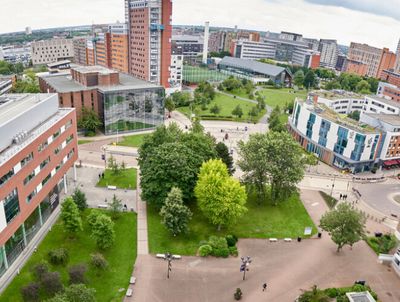
The Impact Acceleration Account (IAA) investment over three years focuses on maximising impact, knowledge exchange, translation and commercialisation potential within research organisations Funding allows researchers to unlock the value of their work, including early-stage commercialisation of new technologies The University will receive over £580,000 ‘to accelerate UK bright ideas into global opportunities'. Aston University has won a share of £118m in UK Research and Innovation (UKRI) funding. The Impact Acceleration Account (IAA) investment over three years focuses on maximising impact, knowledge exchange, translation and commercialisation potential within research organisations. Funding allows researchers to unlock the value of their work, including early-stage commercialisation of new technologies and advancing changes to public policy and services such as NHS clinical practice. UKRI, a government body responsible for delivering £8bn research and innovation funding each year, is investing £118 million in the latest round of IAAs to translate research across 64 universities and research organisations. Aston University was successful in gaining both Engineering and Physical Sciences Research Council (EPSRC) and Biotechnology and Biological Sciences Research Council (BBSRC) IAA funding – the latter one of only 15 IAA full awards nationally. Luke Southan, technology transfer manager at Aston University, said: “This funding will be transformational for Aston University’s capacity to get the best good from the research it carries out. “We have a pipeline of world-changing inventions, medical treatments, net-zero initiatives and spinout companies that we can give the greatest chance of success through these highly prestigious pots of funding.” UKRI director of commercialisation, Tony Soteriou, said: “The UK is home to some of the brightest, most innovative and creative research teams in the world. They have the ideas and they have the entrepreneurial energy to create businesses and services that could turn sectors on their head. “What they need, what every great commercial idea needs, is support in the critical early stages. The Impact Acceleration Account is the catalyst that allows projects to grow to the next level, attracting investment, forging partnerships and creating jobs. “The breadth of UKRI allows us to work right across the UK’s world-class research and innovation system to ensure it builds a green future, secures better health, ageing and wellbeing, tackles infections, and builds a secure and resilient world.”

Aston University has teamed up with biotechnology company Biocleave Ltd in a new knowledge transfer partnership (KTP) to develop the company’s capacity to produce membrane-associated proteins on a competitive commercial scale. The partnership will see Aston University’s world-leading expertise provide next-level solutions to a complex problem and provide exciting breakthroughs from both commercial and scientific standpoints. A knowledge transfer partnership (KTP) is a three-way collaboration between a business, an academic partner and a highly qualified graduate, known as a KTP associate. The UK-wide programme helps businesses to improve their competitiveness and productivity through the better use of knowledge, technology and skills. Aston University is the leading KTP provider within the Midlands. Biocleave Ltd produces ‘Research Use Only’ (RUO) proteins. These are used widely in industry and academia to study and develop diagnostics and disease treatments. The process of manufacturing these proteins is known as ‘expression’, requiring host cells to produce them. The company is the first to engineer the non-pathogenic microbe Clostridia as a recombinant protein expression host, enabling them to overcome the typical expression challenges of production host toxicity and costly development cycles. Initial trials have demonstrated advantages to making membrane-associated proteins in Clostridia compared with established production systems. However, these proteins are associated with the fatty membrane that surrounds a cell and are not soluble in water. While Biocleave has well-established proprietary technology for manipulating the microbes, they want to extend their expertise for purifying these challenging membrane proteins, essential to commercialising their production. The Aston University team will be led by Dr Alan Goddard, senior lecturer in biochemistry in the School of Biosciences and founding member of Aston Membrane Proteins and Lipids (AMPL). Dr Goddard’s research focuses on the application of membrane biology to industrially relevant problems. He has nearly 20 years' experience working with membranes and their integral proteins. Dr Goddard will be joined by Professor Roslyn Bill, associate dean (research) for the College of Health and Life Sciences and director of AMPL. Professor Bill’s research focuses on the purification and characterisation of membrane proteins and she has published extensively on yeast as a recombinant expression host. Commenting on the project, Dr Goddard said: “This is a really exciting opportunity to leverage the decades of research experience Professor Bill and I have with expressing and purifying membrane proteins. It will allow Biocleave to enter new markets, many of which are important for drug development and healthcare. Hopefully, the products we make will have positive benefits not only for Biocleave’s customers but also wider society.” Dr Liz Jenkinson, chief executive of Biocleave Ltd, said: “We’ve made great progress in establishing the technology to work with Clostridia, a promising host, and although we’re constantly learning, so much is still unknown about the clostridial membrane. Through this KTP partnership with Aston University, we’re excited to develop the skills of our staff and expand our commercial offering to extend our range of RUO protein targets.” Because the Clostridial membrane adds a new level of complexity, successfully developing the required tools internally to resolve these issues, without input from experts, would take considerable time.

Most in-demand jobs in Ontario for newcomers
Ontario is one of the most popular provinces among newcomers. Its cultural diversity, economic prosperity, and ever-growing job market are just some of the reasons newcomers from across the world choose to settle in Ontario. The government of Ontario periodically invites newcomers with the skills and experience to meet the province’s growing labour requirements to work and settle in Ontario as Permanent Residents (PR) through the Ontario Immigrant Nominee Program. This article provides information on Ontario’s job market. This includes the top industries that contribute to its economy, the most in-demand occupations for newcomers in the region, NOC codes, and median wage estimates, so you can arrive prepared to kick-start your career in Canada. What are the top industries in Ontario? Services industry: The services sector is the largest contributor to the province’s economy and employs nearly 79 per cent of the people living in Ontario. Some of the key service industries include banking and financial services, professional, scientific and technical services, and arts and culture. Manufacturing industry: Ontario’s manufacturing industry is one of the biggest in North America. Some of the most prominent manufacturing industries are automotive, information and communication technologies, biotechnology, pharmaceuticals, and medical devices. Agriculture: Ontario’s farming sector contributes nearly 25 per cent of Canada’s farm revenue. Mining industry: In addition to being one of the world’s top 10 producers of nickel and platinum, Ontario is also rich in gold, silver, copper, zinc, cobalt, and non-metallic minerals. Southern Ontario also has a sizeable oil and gas industry. Forestry industry: The forestry industry in the province creates nearly 200,000 direct and indirect jobs. Which cities have the most job opportunities in Ontario? Toronto and the Greater Toronto Area (GTA): This is the most populous region in the province, and Toronto is the financial hub of Canada. Other large industries in Toronto and the GTA include technology, real estate, trade, and manufacturing. Ottawa: As the capital of Canada, Ottawa offers significant job opportunities in administration. It is also a major centre for the high technology and finance industries. Brantford: This city is a manufacturing hub and offers job opportunities in food and beverage manufacturing, advanced manufacturing, rubber and plastic production, and warehousing and distribution. In addition, Brantford also has a growing media and entertainment sector. Hamilton: Another manufacturing centre, Hamilton has a large job market in the food processing and agribusiness industry, as well as in advanced manufacturing. Waterloo: The Toronto-Waterloo region is often referred to as the ‘Silicon Valley of the North’ and presents significant opportunities in the technology sector. Which jobs are in demand in Ontario? Health care jobs in Ontario Managers in health care (NOC 0311): Managerial positions in health care typically require a degree in management and pay around $48.21 CAD per hour. • Registered nurses and psychiatric nurses (NOC 3012): You’ll need a nursing degree and a provincial nursing licence to qualify. The median hourly pay for registered nurses in Ontario is $36 CAD. • Medical laboratory technologists (NOC 3211): As a lab technologist in Ontario, you can earn a median income of $38 CAD per hour. • Opticians (NOC 3231): Opticians make between $27 CAD and $34 CAD in Ontario. • Licensed practical nurses (NOC 3233): Licensed nurses make a median hourly wage of $27 CAD. • Nurse aides, orderlies, home support workers, and patient service associates (NOC 3413, 4412): For these occupations, the hourly wage ranges between $17.50 CAD and $20 CAD. Service sector jobs in Ontario To qualify for service sector jobs, you’ll usually require at least an undergraduate or graduate degree from a university. Administrative services managers (NOC 0114): Managerial positions in administration typically pay a median salary of $41 CAD per hour. Banking, credit and other investment managers (NOC 0122): Managers in the finance sector earn a median income of $50 CAD per hour. You’ll usually need a degree in management or finance to qualify. Advertising, marketing, and public relations managers (NOC 0124): These roles require a degree in marketing or management and pay a median income of $40 CAD per hour. Business services managers (NOC 0125): These roles pay an average hourly salary of $43 CAD. Corporate sales managers (NOC 0601): Sales manager roles in Ontario can be fairly high paying, with a median hourly wage of $52 CAD per hour. Restaurant and food services managers (0631): Compared to other managerial positions, restaurant and food services managers have the lowest median wage at $19.23 CAD per hour. Construction managers and managers in transportation (NOC 0711, 0731): Employees in these roles earn a median hourly wage between $38 CAD and $40 CAD. Human resources professionals (NOC 1121): HR professionals make an average income of $35 CAD per hour. Professional occupations in business management consulting (NOC 1122): In Ontario, business consultants make a median hourly salary of $41 CAD. Mathematicians, statisticians, and actuaries (NOC 2161): As a mathematician, you can earn an average of $45 CAD per hour. However, you’ll need an advanced degree in mathematics, statistics, or a related subject. Technology sector jobs in Ontario To work as an engineer in Ontario, newcomers require a licence from the province in addition to an engineering degree. Engineering managers, computer and information systems managers (NOC 0211, 0213): Managerial level in-demand jobs in Ontario pay a median hourly wage between $52 CAD and $53 CAD. To qualify, you may require a degree in engineering, management, or both. Computer engineers (NOC 2147): As a computer engineer, you can earn a median income of $44 CAD per hour. Database analysts, software engineers and designers, computer programmers and interactive media developers (NOC 2172, 2173, 2174): These technology sector roles pay between $40 CAD and $46 CAD per hour in Ontario. While many such positions require an engineering degree, some roles may also be open to applicants with a degree in computer science. Web designers and developers (NOC 2175): Web designers in Ontario can earn a median hourly wage of $31 CAD. Manufacturing jobs in Ontario Manufacturing managers (NOC 0911): Managers in manufacturing make a median income of $43 CAD per hour in Ontario. Machine operators in the mining and processing, chemicals, plastics, woodworking, and food and beverage industries (NOC 9411, 9416, 9417, 9418, 9421, 9422, 9437, 9446, 9461): Machine operators and process control workers typically earn a median hourly wage between $15 CAD and $23 CAD, depending on the industry they are in. Assemblers, fabricators, inspectors, and testers in the electronics and mechanical industries (NOC 9523, 9526, 9536, 9537): The median hourly wage for these jobs is between $16 CAD and $22 CAD. Agriculture jobs in Ontario The median hourly wage for in-demand agriculture jobs is between $14.35 CAD and $20 CAD. General farm workers (NOC 8431) Nursery and greenhouse workers (NOC 8432) Harvesting labourers (NOC 8611) Industrial butchers, meat cutters, poultry workers (NOC 9462) What is the minimum wage in Ontario? The general minimum wage in Ontario as of October 1, 2021, is $14.35 CAD per hour. For student workers, the minimum wage is $13.50 per hour. What is the unemployment rate in Ontario? The unemployment rate in Ontario in September 2021 was 7.3 per cent. However, the province’s economy is still recovering from the impact of the COVID-19 pandemic and, with each quarter, the unemployment rate is inching back towards the pre-pandemic level of under six per cent. How can I move to Ontario? In addition to the federal Express Entry program, the province also invites permanent residents through the Ontario Immigrant Nominee Program. If you’re planning to work in Ontario temporarily, you may be able to qualify for a work permit if your skills align with the province’s in-demand occupations. Ontario also boasts of some of the best universities in Canada and, each year, thousands of students come to Canada on study permits, with the aim of receiving a world-class education and settling permanently in Canada. Original article located here, published by Arrive. About Arrive Arrive is powered by RBC Ventures Inc, a subsidiary of Royal Bank of Canada. In collaboration with RBC, Arrive is dedicated to helping newcomers achieve their life, career, and financial goals in Canada. An important part of establishing your financial life in Canada is finding the right partner to invest in your financial success. RBC is the largest bank in Canada* and here to be your partner in all of your financial needs. RBC supports Arrive, and with a 150-year commitment to newcomer success in Canada, RBC goes the extra mile in support and funding to ensure that the Arrive newcomer platform is FREE to all. Working with RBC, Arrive can help you get your financial life in Canada started – right now.
