
Experts Matter. Find Yours.
Connect for media, speaking, professional opportunities & more.

Meet Your Newest Job Recruiter, the Algorithm – let our experts explain
Equal employment opportunities may not be part of a computer’s calculations, but one engineer from is trying to change that. When you apply for a job, chances are your resume has been through numerous automated screening processes powered by hiring algorithms before it lands in a recruiter’s hands. These algorithms look at things like work history, job title progression and education to weed out resumes. There are pros and cons to this – employers are eager to harness the artificial intelligence (AI) and big data captured by the algorithms to speed up the hiring process. But depending on the data used, automated hiring decisions can be very biased. “Algorithms learn based on data sets, but the data is generated by humans who often exhibit implicit bias,” explains Swati Gupta, an industrial engineering researcher at Georgia Tech who’s work focuses on algorithmic fairness. “Our hope is that we can use machine learning with rigorous mathematical analysis to fix the bias in areas like hiring, lending and school admissions.” But as algorithms harness speed and efficiency – how can they be adjusted to include and consider race, gender and other human factors? It’s an area Dr. Gupta has been researching and refining. If you are a reporter or journalist looking to cover this topic – that’s where our experts can help. Dr. Swati Gupta is an Assistant Professor in the H. Milton Stewart School of Industrial and Systems Engineering at Georgia Tech. Dr. Gupta is an expert in the areas of optimization, machine learning, and bias and fairness within the AI sphere. She is available to speak with media regarding this topic - simply click on her icon to arrange an interview.



Key Environmental Quality Research Questions Identified for North America by Multidisciplinary Team
As density in cities increase along with other global megatrends, researchers are working to address environment and health challenges in collaborative ways. Using a recently pioneered process, a multidisciplinary team of North American researchers, government agencies and businesses leaders identified priority research questions for the United States, Canada and Mexico in an effort to tackle pressing environmental quality issues. In an article published in the journal of Environmental Toxicology and Chemistry, Bryan W. Brooks, Ph.D., Distinguished Professor of Environmental Science and Biomedical Studies and director of the environmental health science program at Baylor University, led the Global Horizon Scanning Project (GHSP), which focuses on identifying environmental and health issues internationally. Brooks also facilitated GHSP workshops in Africa, Australia, Central and Southeastern Asia, Europe and Latin America. “We face palpable global environment and health challenges, which require innovative understanding, tools, products and systems to prevent, diagnose and manage adverse outcomes to public health and the environment,” Brooks said. “The GHSP was initiated as part of a larger effort to identify important international research needs. It is essentially a research roadmap towards achieving more sustainable environmental quality, which is necessary to protect human health, biodiversity and ecosystem services.” As part of the study, members of the Society of Environmental Toxicology and Chemistry’s (SETAC) and the American Chemical Society’s (ACS) Environmental Chemistry and Agrochemcials Divisions submitted questions that were then synthesized during a workshop by scientists and engineers from the academic, government and business sectors. “This project is intentionally inclusive, bottom-up, multidisciplinary, multisector and transparent,” Brooks said. “Answering these priority research questions will not be easy, but strategically doing so promises to accelerate progress to address grand challenges that matter to everyone.” “This report provides a comprehensive global perspective covering some of the world’s most critical environmental challenges that will impact society for decades to come,” said Sherine Obare, Ph.D., dean and professor of the Joint School of Nanoscience and Nanoengineering at UNC Greensboro and chair elect of the American Chemical Society’s Environmental Chemistry Division. “SETAC’s ability to engage scientists from around the globe has led to forums that identify urgent challenges including, next generation 21st century analytical chemistry methods, strategies to predict chemical exposure, understanding multiple stressors and new approaches in chemical risk assessment. This project will define the scientific directions needed to transform environmental science and engineering, globally.” “The GHSP reflected in this paper has harnessed the insights of scientists not only across North America but around the world,” said Charles Menzie, Ph.D., Global Executive Director of SETAC. “Each brings tremendous experience and a strong sense of what is needed for future research. However, the distillation of these many into a set of consensus questions provides a much needed foundation for charting our direction for research to inform environmental policy. SETAC is proud to have supported this through our global meetings and now through our journal.” A related GHSP manuscript identifying priority environmental quality questions for the Australasiaregion of Oceania was also recently published in Integrated Environmental Assessment and Management. GHSP efforts from Africa and Asia are ongoing with plans to report priority research questions from these global regions in the next year. ABOUT BAYLOR UNIVERSITY Baylor University is a private Christian University and a nationally ranked research institution. The University provides a vibrant campus community for more than 17,000 students by blending interdisciplinary research with an international reputation for educational excellence and a faculty commitment to teaching and scholarship. Chartered in 1845 by the Republic of Texas through the efforts of Baptist pioneers, Baylor is the oldest continually operating University in Texas. Located in Waco, Baylor welcomes students from all 50 states and more than 80 countries to study a broad range of degrees among its 12 nationally recognized academic divisions. ABOUT BAYLOR COLLEGE OF ARTS & SCIENCES The College of Arts & Sciences is Baylor University’s oldest and largest academic division, consisting of 25 academic departments and seven academic centers and institutes. The more than 5,000 courses taught in the College span topics from art and theatre to religion, philosophy, sociology and the natural sciences. Faculty conduct research around the world, and research on the undergraduate and graduate level is prevalent throughout all disciplines.


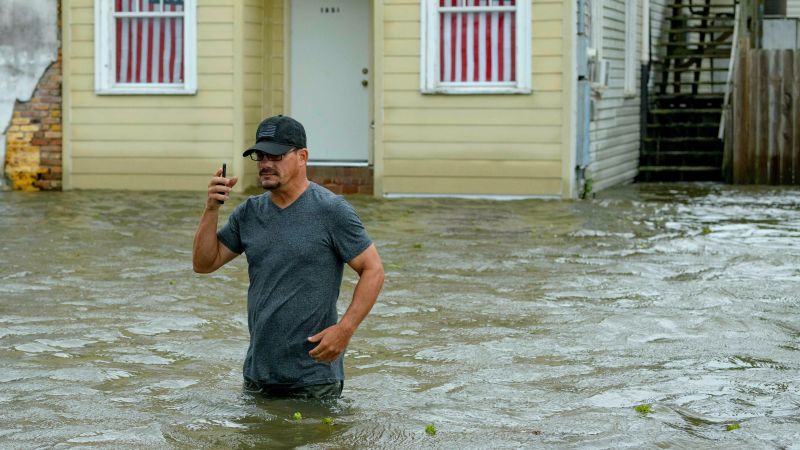
Hurricane season is here – are we ready for another Category 3 like Sandy?
In 2012, America’s East Coast was rocked by Hurricane Sandy. The Category 3 storm left 30 billion dollars in damage in her wake. “Over two million households in the state lost power in the storm, 346,000 homes were damaged or destroyed,[2] and 37 people were killed. Storm surge and flooding affected a large swath of the state. Governor Chris Christie said the losses caused by Sandy were "going to be almost incalculable...The devastation on the Jersey Shore is probably going to be the worst we've ever seen.” Wikipedia Fast forward to today, every season seems to now bring unpredictable weather. Is the Mid-Atlantic region prepared for the worst? What measures have been taken to mitigate mass flooding? Are buildings now better prepared? Have new building codes been implemented and are they effective? And what areas, places or structures are still vulnerable to the fierce winds and massive amounts of water a Category 2 or 3 storm can bring. There are a lot of questions to be answered and if you are a journalist covering this topic – that’s where our experts can help. Rima Taher is an expert in structural technology, stability of structures, architectural cognizance and engineering standards. To get her insights into hurricane preparedness, simply click on the button below to arrange an interview.



Using Less Power at the Same Node
Brian Bailey’s recent article on semiengineering.com examines a number of techniques to make improvements. Circuit Seed designs with their new Complementary Current Injection Field Effect Transistor platform provides additional techniques for low power analog signal processing that generates less heat, less complexity and smaller size - reducing the cost at the same node. In addition, the designs are less sensitive to process variation and temperature beyond military specifications without correction circuitry. Circuit Seed designs are a 100% digital CMOS process and require no changes to manufacturing. For more information, please contact: Lesley Gent Director Client Relations, InventionShare™ lgent@InventionShare.com (613) 225-7236, Ext 131 Or visit our website at www.CircuitSeed.com


The Hazards of Oil Refineries and Other Industries
The Philadelphia Energy Solutions refinery will shut down as a result of its recent explosions and fires. Scott Jackson, PhD, a visiting professor of chemical engineering at Villanova University, says there are two parts to contamination—surface contamination and contamination of the water underground beneath the oil refinery. The surface contamination can be naturally bioremediated to some extent. At the worst, the surface can be removed and taken to a secure landfill or decontaminated by other means. However, organics like benzene, toluene and xylene (commonly known at BTX) that have reached deep into the underground water table beneath parts of the older parts of the plant can be difficult to remediate. An area of contaminated ground water must be pumped out using wells and treated on the surface using standard wastewater treatment technologies. Remediating this pool of contaminated underground water can take years depending on its area and concentration. Looking ahead, contaminated concrete will need to be removed to a secure landfill, and contaminated topsoil will also need to be removed. Equipment can be sold for scrap metal. Depending on the extent of the ground contamination, the company could either encapsulate it with asphalt or concrete or return the land to a more natural condition with plantings. Refineries aren’t the only operations at risk for hazardous incidents. “All manufacturing operations, including processing of food, the manufacturing of electronic chips, plastics, paints, gasoline, and virtually everything that we use in our daily lives use potentially dangerous operations where risks associated with accidents must be managed. Some of the most dangerous industries might surprise you: Large breweries have recurrent incidents where workers die due to suffocation, caused by carbon dioxide, and dust explosions from the processing of sugar have caused terrible damage and loss of life—a fact that few people understand.” The hazards of a refinery are more apparent than in other industries, so consequently many more people believe refineries are dangerous places, but Jackson notes that, due to decision and risk analysis, refineries should be and generally are no more dangerous than someone driving their car to work.


Otterbein’s engineering program focuses on adding diversity to the profession
In April, Otterbein granted degrees to its first class of engineering graduates. While it’s a historic moment for the school, the class is important for another reason: it exceeds the national graduation rate for women in engineering. Otterbein is working in an intentional way to recruit a diverse class of engineers in a field that is increasingly looking for well-trained professionals who bring diverse opinions and ideas to the table. According to the American Society of Engineering Education, the national average for females earning bachelor’s degrees in engineering is 19.9%. The average for minority students graduating with engineering degrees is just 7%. Amongst the 21 students graduating from Otterbein, 29% are female and 29% are minority students. The inaugural class was also the first class to study in The Point at Otterbein University, an experiential learning facility focused on collaboration with businesses, community makers and academics. At The Point, students have opportunities to pursue industry projects and on-campus internships with resident professionals from some of the country’s largest and most respected businesses, like JPMorgan Chase and Nestle, and locally based companies, like Worthington Industries, Nikola Labs and edgeThingZ. Of the 21 graduating students, several are pursuing graduate studies at The Ohio State University and Santa Clara University, while others have already accepted full-time jobs at companies like Honda and Williams-Sonoma. “The students in this class helped us develop a strong program and accomplished a lot during their four years,” said Mike Hudoba, assistant professor of engineering. “Looking back on what they started with, it’s such a neat legacy they get to leave behind. They’re all hardworking students who entered into this new program with us.” Are you covering or would you like to learn more about Otterbein University and its engineering program? Let our experts help. Michael Hudoba is an assistant professor of engineering at Otterbein University and he is available to speak to media regarding this historic time at the school. Simply click on his icon to arrange an interview. To learn more, click on the link below: https://www.otterbein.edu/news/first-engineering-class-a-highlight-of-otterbein-universitys-commencement-weekend/


Fundamental research hailed as new horizon in hypersonic flight
PHOTO Cutline: Mohamed Gad-el-Hak, Ph.D., professor emeritus in Virginia Commonwealth University’s Department of Mechanical and Nuclear Engineering. (Photo courtesy of the VCU College of Engineering) Mohamed Gad-el-Hak, Ph.D., Professor Emeritus in VCU’s Department of Mechanical and Nuclear Engineering, together with investigators at the University of Peking, China, has revealed an aerodynamic heating mechanism that sheds new light on the behavior of ultra-high-speed aircraft. Their discovery comes as news outlets including CBS, CNN and the Washington Post are reporting on the tightening race among China, the U.S. and Russia for dominance in hypersonic systems, aircraft and weapons that travel more than five times the speed of sound. Researchers previously thought sudden heat spikes, which make hypersonic flight impractical for many applications, occur when air flows reach maximum turbulence. However, Gad-el-Hak and his collaborators have demonstrated through theory, experiments and numerical simulations that temperatures actually jump just before turbulence sets in. The National Science Review has called their achievement “a major progression in hypersonic transition.” The American Institute of Physics said this investigation denotes “a new horizon” for future studies of hypersonic heating phenomena. The discovery is expected to accelerate applied military and commercial hypersonic research for the design of future spacecraft, intercontinental ballistic missiles and hypersonic vehicles. Gad-el-Hak emphasizes that such applications result from fundamental research. Unlike applied investigations, which set out to solve practical problems, fundamental research seeks to improve scientific understanding of the natural world. “I have two unflinching scholarly beliefs,” Gad-el-Hak said. “Fundamental science eventually, albeit in fits and starts, leads to a nation’s health, happiness and prosperity, and ‘walls’ between nations hinder that progress.”


Baylor Researchers Awarded Grant to Develop Diabetes Mobile Health App for Use in India
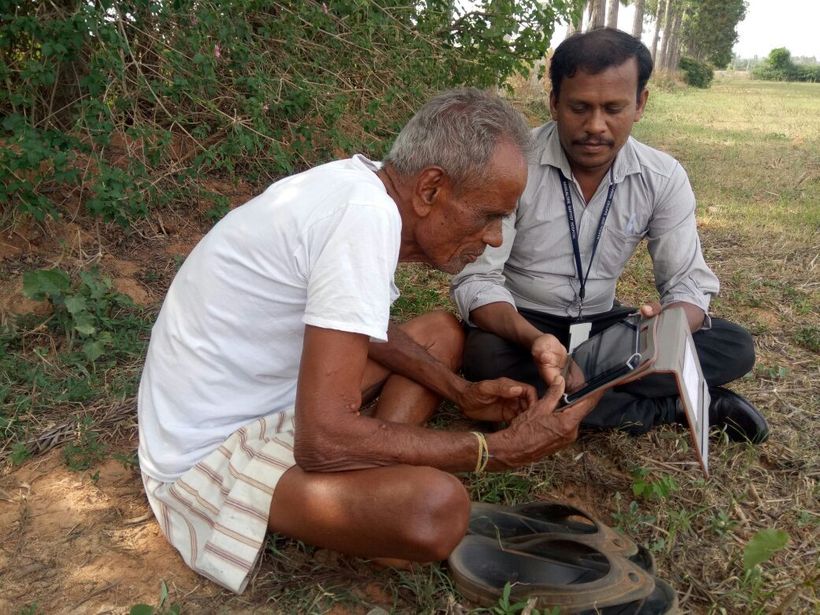
An interdisciplinary team of Baylor University researchers – from nursing and business information systems to art and video game design – and physicians from Bangalore Baptist Hospital in Bengaluru, India, were awarded a 21st Century Knowledge Initiative Grant from the U.S. India Education Foundation (USIEF) to develop a diabetes mobile health app to boost awareness and educate those in India who are most at risk for diabetes. The team is led by Shelby Garner, Ph.D., R.N., assistant professor in Baylor’s Louise Herrington School of Nursing, who has worked in India over the past six years to develop technological health resources. She cited statistics from the World Health Organization that show life expectancy in India is among the lowest in the South East Asian Region and is largely attributed to growing rates of non-communicable diseases, such as diabetes. Contextualized health education is one key to help raise awareness in the country, she said. “There is a need for culturally appropriate health education materials in India,” Garner said. “Our early research showed that technology, such as smartphones and internet accessibility, are widely available in India among health providers, but most technological educational resources were developed in the West and do not effectively translate to the Indian context.” Physicians from Bangalore Baptist Hospital will provide cultural context and help identify important medical content to be included in the app. “Our diabetes app will feature an interactive 3D animated video with gaming features to help educate patients at risk for diabetes,” Garner said. “Answers to questions addressed in the app include: What is diabetes? What happens if I have diabetes? How do I prevent and treat diabetes? What do I do now?” The app also serves as a data collection tool to help researchers determine if the video is improving participants’ knowledge on diabetes. Community health workers employed by Bangalore Baptist Hospital will use the app as they visit with people in rural villages and urban slums during door-to-door health education visits, Garner said. The research team will compare the app’s effectiveness with standard health educational resources previously used. Garner said the USIEF grant was awarded, in large part, due to the success of an earlier project that led to the development of a hypertension app. “Earlier this year, we tested the hypertension app among 346 people in one of the largest slums in Bengaluru, India, and in several rural villages surrounding Bengaluru,” she said. “The app was significantly effective in improving knowledge among participants. We used these results to justify the need to design more resources and applied for funding from the U.S. India Education Foundation.” From previous experience developing and employing the hypertension app, Garner said she knew this new project would require input from a variety of perspectives. “I’ve realized some of the ‘big picture’ challenges in health education, and it will take a team of experts to make this happen,” she said. Team members are: • Shelby Garner, Ph.D., R.N., assistant professor in Baylor’s Louise Herrington School of Nursing • Dr. Carol Elizabeth George, community health physician, Bangalore Baptist Hospital • Dr. Gift Norman, community health physician, Bangalore Baptist Hospital • Dr. Kingsly Victor, internal medicine physician, Bangalore Baptist Hospital • Hope Koch, Ph.D., associate professor of business information systems, Baylor’s Hankamer School of Business • Phil Young, Ph.D., assistant clinical professor of business information systems, Baylor’s Hankamer School of Business • Julia Hitchcock, M.F.A., associate professor of art, Baylor’s College of Arts & Sciences • Matthew Fendt, Ph.D., lecturer in computer science, Baylor’s School of Engineering and Computer Science The grant also will fund exchange teams of researchers and faculty from India to come to the U.S. and for Baylor team members to go to India to collaborate on the research for the next two years. The first team from India is due in late October. “We are really excited about the work we will do together with our Indian partners over the next two years,” Garner said. ABOUT BAYLOR UNIVERSITY Baylor University is a private Christian University and a nationally ranked research institution. The University provides a vibrant campus community for more than 17,000 students by blending interdisciplinary research with an international reputation for educational excellence and a faculty commitment to teaching and scholarship. Chartered in 1845 by the Republic of Texas through the efforts of Baptist pioneers, Baylor is the oldest continually operating University in Texas. Located in Waco, Baylor welcomes students from all 50 states and more than 80 countries to study a broad range of degrees among its 12 nationally recognized academic divisions. ABOUT LOUISE HERRINGTON SCHOOL OF NURSING The Baylor University Louise Herrington School of Nursing (LHSON) located in Dallas was established in 1909 as a diploma program within Baylor Hospital in Dallas, which is now Baylor University Medical Center, and in 1950 became one of the six degree-granting schools of Baylor University. The first Baccalaureate degrees were granted in 1950 establishing the school among the earliest baccalaureate nursing programs in the United States. In 1999, the School was renamed the Baylor University Louise Herrington School of Nursing after Louise Herrington Ornelas, a 1992 Baylor Alumna Honoris Causa, who made an endowment gift to the school. Accredited by the Commission on Collegiate Nursing, LHSON offers Bachelor of Science in Nursing (B.S.N.) degrees through a traditional program and FastBacc (one-year accelerated program). LHSON also offers an online Master of Science in Nursing (M.S.N.) Leadership and Innovation program, as well as Doctor of Nursing Practice (D.N.P.) programs to include Family Nurse Practitioner (F.N.P.), Nurse-Midwife (C.N.M.) and Neonatal Nurse Practitioner (N.N.P.). LHSON was featured in U.S. News & World Reportfor the 2018Best Graduate Schools ranking the D.N.P.program in the top 50 U.S.nursing schools at No. 46. The Baylor M.S.N.program is ranked at No. 56and the Nurse Midwifery Program ranked No. 10. Baylor’s M.S.N. in Nursing Leadership andInnovation Online Program ranked No. 39 in the 2018U.S. News Best Online Graduate Programs. For more information, www.baylor.edu/nursing.

Will an accident investigation sideline Tesla and ground its autopilot technology?
A fatal accident has left one person dead and Tesla in a bit of a freefall. Share prices are dropping, and people are talking about the future of the once untouchable Elon Musk and Tesla. It has been a tough month, especially since days earlier a fatal accident involved Uber Technologies Inc., and this has now raised questions about the self-driving features Tesla has become famous for. So, what will be the future of autonomous driving vehicles? And can a company like Tesla recover not only its reputation but its value? There are a lot of questions and that's where Kevin McFall, assistant professor of mechatronics engineering at Kennesaw State University, can help. His current research involves artificial intelligence and self-driving vehicles. Kevin is available to speak with media regarding this topic -- simply click on his icon to arrange an interview. Source:

Microsoft Working to Close the STEM Gap
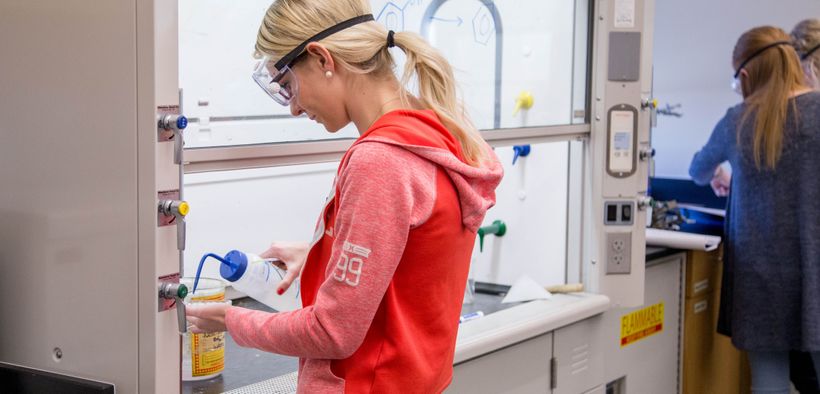
Even with a higher priority placed on science, technology, engineering, and math (STEM) throughout education in the US, only a fraction of girls are likely to pursue a STEM career. According to the National Center for Education Statistics, while more than 57 percent of college undergraduates are women, only 18 percent progress into STEM careers. With a clear gap, Microsoft set out to better understand what causes girls and women to lose interest in STEM subjects and careers, as well as what strategies have the greatest potential to reverse the trend. According to Microsoft, the goal of the study “was to inform our work in this area and to share learnings with schools, government leaders, nonprofits, employers and others. What we learned is that conditions and context can make a significant difference to girls, young women and their interest in STEM. And the solution doesn’t necessarily require a curricula overhaul.” Dr. Shalini Kesar, Associate Professor of Information Systems at Southern Utah University and advocate for women in technology, has known for years that girls and young women are a critical missing part of STEM studies and careers. “The stubborn gender disparity in STEM fields has sparked important debates on the underlying reasons,” said Kesar. “Some attribute the gender disparity to social and infrastructural factors, lack of mentors and role models, and lack of awareness about what these fields offer in terms of educational and career opportunities. Others point to studies that indicate traditional mindsets of computing as ‘boring’ and ‘only for boys’ as a major reason why girls and young women do not consider a degree or career in this field.” The study found that “we may be able to make significant strides just by showing girls and young women how STEM knowledge is applicable outside of the classroom, and how it can power their aspirations to make the world a better place.” “Recently, I was invited to collaborate with Microsoft on research which quantifies many of my observations from over 20 years of working to reduce the gender gap in STEM and computing,” said Kesar. “This work is an essential step forward in helping us learn more about how girls and young women currently perceive STEM.” Dr. Kesar was recently recognized by the Women Tech Council, receiving the Education Excellence Award at the 2016 Women Tech Awards. She is familiar with the media and available for an interview. Simply visit her profile.

