Experts Matter. Find Yours.
Connect for media, speaking, professional opportunities & more.

RPI Hosts Launch Event for New Center for Smart Convergent Manufacturing Systems
Rensselaer Polytechnic Institute (RPI) officially cut the ribbon on its new Center for Smart Convergent Manufacturing Systems (CSCMS) during an all-day launch event on October 23, 2025. A New York State Center for Advanced Technology, CSCMS will redefine the very nature of manufacturing by combining robotics, artificial intelligence, advanced processing, and human ingenuity to create systems that think, adapt, and evolve alongside human operators. “Today we mark the official opening of a center with a bold vision: a future where manufacturing systems are not simply automated, but truly intelligent,” said RPI President Martin A. Schmidt ’81 during the ribbon cutting. CSCMS will bring a wealth of opportunities not only to RPI, but across New York State. The new center will serve as a catalyst for economic growth, empowering innovators, driving new technologies, and strengthening the competitiveness of manufacturers. At RPI, students will gain hands-on experience in labs, real-world projects, and entrepreneurial pathways. Faculty and industry partners will gain the resources to translate cutting-edge research into commercial solutions. “Through simulation, prototyping, and translational research, our faculty and students will work side by side with industry and government to accelerate the development and deployment of smart manufacturing solutions,” said President Schmidt. “This is the RPI model at its very best: turning ideas into impact.” The launch event for CSCMS took place on RPI’s campus and featured keynote remarks, a ribbon cutting, industry panel, poster sessions, lab tours, and demonstrations of robotic manufacturing, human-machine collaboration, smart manufacturing testbeds, intelligent production systems, and data visualization spaces. Industry panel speakers included executives from FuzeHub, Ross Precision Manufacturing, GE Aerospace Research, and The Boeing Company. Interactive student poster sessions covered topics such as robotics, AI, advanced manufacturing, and New York’s future at the convergence of these topics. “The launch of CSCMS comes at a pivotal time for manufacturing,” said Johnson Samuel, Ph.D., director of CSCMS. “Across industries, we are seeing the convergence of AI, robotics, and data-driven design transforming how products are made. RPI’s long-standing strengths in engineering, computing, and innovation make it the perfect home for this next-generation center.” “The energy and collaboration we saw during this event are a reflection of the momentum behind the entire CSCMS initiative,” said Sandipan Mishra, Ph.D., associate director of CSCMS. “This launch is the start of a sustained effort to shape the future of intelligent manufacturing in New York and beyond.” "It's exciting that as students, we get to work with these cutting-edge technologies up close and be a part of something that’s pushing manufacturing forward,” said RPI graduate student Ammar Barbee ‘25, who recently completed his bachelor’s degree in mechanical engineering at RPI. “Perusing this kind of research and having access to such advanced equipment enables unique experiences that will really help accelerate our careers.” With the launch of CSCMS, RPI continues to advance its legacy of innovation and partnership, bringing together academia, industry, and government to drive progress in intelligent manufacturing and strengthen New York’s position as a hub for technological excellence.

RPI Awarded Air Force Grant to Monitor Growing Traffic Between Earth and Moon
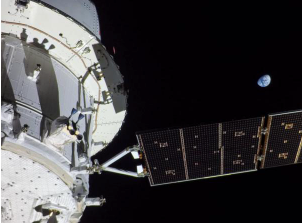
As nations and private companies prepare to ramp up the number of missions to the Moon, researchers at Rensselaer Polytechnic Institute (RPI) and Texas A&M University have secured a $1 million grant from the Air Force Office of Scientific Research to develop a system to track and monitor resident space objects — including spacecraft, satellites and debris — moving through the vast cislunar space between the Earth and the Moon. The initiative, called RCAT-CS (Reconfigurable Constellations for Adaptive Tracking in Cislunar Space), will develop intelligent networks of sensor satellites that can be reconfigured to perform resilient tracking of objects as they maneuver through this complex orbital environment. "Right now, we're seeing an explosive growth in cislunar missions, including everything from commercial lunar landers and orbiters to next-generation spacecraft that secure national interests in this contested domain," said engineering professor Sandeep Singh, Ph.D., RPI’s lead investigator on the project. "But our ability to track what's happening out there hasn't kept pace. Ground-based sensor systems have blind spots and cannot reliably provide measurements. A space-based constellation is the answer, but placing spacecraft in orbit is expensive and solving the resource constraint problem is essential." The cislunar region presents unique challenges for space domain awareness applications. Competing gravitational forces from the Earth and the Moon create complex orbital dynamics, while the sheer distances involved make tracking difficult. When spacecraft and satellites perform maneuvers in this space or behave unexpectedly, current systems can lose track of them entirely. RCAT-CS will tackle these problems by designing constellations of space-based sensors that can dynamically reposition themselves based on what they're observing. Professor Singh and his colleagues will develop novel algorithms to detect maneuvers made by tracked objects, balance fuel costs, track performance of the sensing satellites, and quantify the uncertainties underlying it all. The system addresses critical safety and security needs as cislunar space becomes increasingly congested and contested. The research will also advance fundamental knowledge in orbital dynamics and autonomous space systems, with implications for mission planning, collision avoidance, and safe coordination of a growing cislunar economy. Additionally, the project will train the next generation of space engineers in cutting-edge technologies essential for American leadership in space operations. “Congratulations to Professor Sandeep Singh and his team on securing a research grant in the important area of lunar space exploration,” said Shekhar Garde, Ph.D., the Thomas R. Farino Jr. ’67 and Patricia E. Farino Dean of the School of Engineering. “RPI has always been at the frontier of space exploration, from George Low’s work on the Apollo program to the forthcoming Artemis II mission, led by Commander Reid Wiseman ’97.” “Professor Singh’s work will not only advance research, it will strengthen RPI’s recently launched Aerospace Engineering undergraduate program by bringing the latest research into our classrooms,” Garde added. Looking to know more? Shekhar Garde, Ph.D. is available to discuss this topic. Simply click on his icon now to arrange an interview today.

Aston University’s approach to a global challenge Across industries, companies face mounting pressure to cut carbon, improve resource efficiency, and contribute to the UN Sustainable Development Goals (SDGs). Yet many firms still struggle to move from vision statements to measurable action. At Aston Business School, Dr Breno Nunes, reader in sustainable operations management, is developing practical frameworks that help organisations embed sustainability at their core. His concept of 'sustainability fitness' captures how firms can build the capabilities they need to adapt, compete, and thrive in the transition to a net zero economy. “Many organisations want to be sustainable but struggle to operationalise what that means. My work is about bridging that gap — helping businesses translate strategies into practice.” — Dr Breno Nunes The sustainability fitness concept involves both meeting human needs and respecting environmental limits. While it can also be applied at the societal and individual level, Dr Nunes focuses on organisations, where capability building delivers the fastest, measurable change. Corporate sustainability fitness examines how a firm is able to survive and meet its own needs, while aligning itself to wider essential needs of society and operating within limits imposed by its surrounding natural environment. From research to real-world action Dr Nunes’ research examines how organisations design, implement, and monitor sustainability strategies across operations, supply chains, facilities, and product development. He is the main author of the book Sustainable Operations Management: Key practices and cases, which applies the issues of sustainability to all strategic decisions of operations. His work is already making a tangible difference, including international partnerships in Brazil, Canada, and the US, bringing cross-cultural insights into organisational transformation, as well as for various companies and organisations. In an Innovate UK Knowledge Transfer Partnership (KTP) with automotive supplier Metal Assemblies, Dr Nunes and Professor Alexeis Garcia Perez, professor of digital business and society at Aston University, are working to calculate and report the carbon cost of metal components used in car production, tackling one of the industry’s biggest sustainability challenges. The digitalisation of processes will allow Metal Assemblies to meet customers' requirements and position itself as a trusted and transparent supplier of low-carbon components. In another KTP with Brockhouse Group, a forging manufacturer in the West Midlands, Dr Nunes worked with Aston colleague Dr Muhammad Imran, reader in mechanical, biomedical and design engineering. Together they developed a sustainable manufacturing strategy centred on carbon reduction and process improvement. The work involved the development of an energy dashboard, allowing analysis of data on gas and electricity consumption. The project also included analysis of alternatives for energy recovery systems, and development of routines and procedures to improve the manufacturing process. As a result, Brockhouse group is more competitive to supply in non-captive markets. Dr Nunes has also been involved with a collaboration with Birmingham Botanical Gardens to integrate sustainability into policy and practice, expanding the use of business sustainability theories to nonprofit sectors. Sustainability can be embedded across different areas of organisations while seeking financial stability. As an environmental education charity, it is important to for Birmingham Botanical Gardens to 'practise what it preaches'. It was recently awarded almost £20m from various grants (including Heritage Lottery) in a capital project, thanks to having sustainability at the core of renovation plans. These projects highlight Aston University’s role in bridging academia, industry, and policy — ensuring research findings reach the boardroom as well as the factory floor. Key insights from the research Dr Nunes’ studies highlight several critical factors for turning sustainability from intention into measurable results: • Organisational capabilities are central to embedding sustainability. These include empowering sustainability “champions” (institutional entrepreneurs), supportive structures, superior technologies, and the ability to learn and balance economic, environmental, and social performance. • The tensions in implementing sustainability vary not just by function (supply chains, governance, innovation) but also by an organisation’s maturity level. • Start with the low-hanging fruit: tools like self-assessments, capability diagnostics, and learning games allow firms to act at lower cost before committing to full environmental impact assessments or formal reporting. • Collaboration between academia, industry, and policymakers accelerates real-world impact. Why this matters The stakes are high. Businesses worldwide are expected to reduce carbon emissions, demonstrate social responsibility, and remain competitive in a rapidly changing global economy. Aston University’s research shows that strengthening sustainability capabilities not only improves environmental outcomes but also boosts resilience and cost savings. In pilot projects, teams working with Dr Nunes have achieved up to 30% reductions in both cost and carbon emissions — proof that sustainability can drive operational performance as well as compliance. Looking ahead: expanding the Sustainable Growth Hub The next phase of Dr Nunes’ work centres on Aston’s Sustainable Growth Hub, which is being developed as a reference point for SMEs seeking sustainability solutions. In 2025, the Hub will: • Launch its first industry club cohort and expand its team. • Roll out new self-assessment tools to size sustainability needs and decarbonisation goals. • Introduce new learning formats and follow-up courses to Aston’s Green Advantage programme, alongside sessions to play a new corporate sustainability game. • Host events to bring together businesses, policymakers, and the wider sustainability management community. • Attract new research grants and publish results to share knowledge across both academic and practitioner circles. These initiatives aim to equip organisations not only to meet today’s challenges, but to anticipate tomorrow’s. Get involved Follow Dr Nunes via his profile below, and soon through the Sustainability Fitness website. Businesses can also attend Aston Business School events to explore workshops, tools, and courses first-hand. About Dr Breno Nunes Dr Breno Nunes is reader in sustainable operations management at Aston Business School and president of the International Association for Management of Technology (IAMOT). He serves as associate editor of the IEEE Engineering Management Review and has published widely on sustainability strategy execution and innovation. Aston University’s work in sustainable operations — shaped by researchers like Dr Nunes — is helping organisations worldwide move from ambition to action, building the 'sustainability fitness' needed for a net zero future.


American Nuclear Society names Lane Carasik, Ph.D., as one of its “40 Under 40”
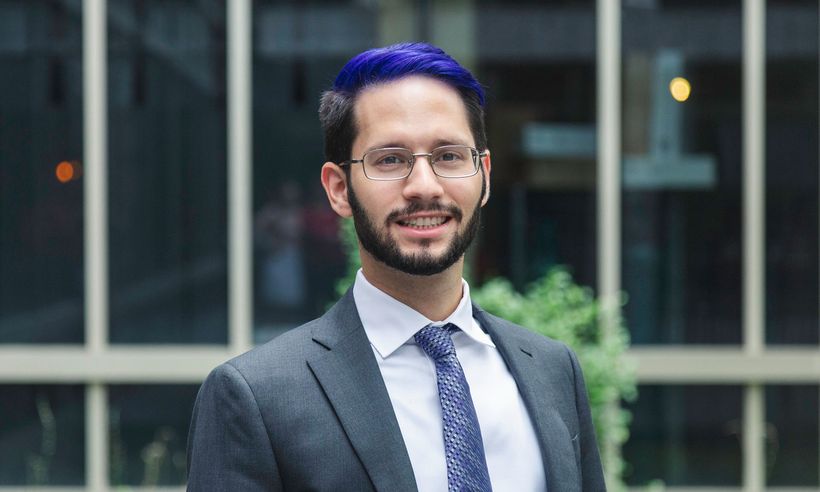
Recognized as an emerging leader in the nuclear science and engineering field, Lane Carasik, Ph.D., assistant professor in the Department of Mechanical and Nuclear Engineering, was recently acknowledged by the American Nuclear Society as one of its top “40 Under 40.” “It is a huge honor to receive this acknowledgement from my professional community,” said Carasik. “I feel it is a reflection of the amazing nuclear engineering activities I’ve gotten the opportunity to pursue before and during my time at the VCU College of Engineering.” The list, featured in the most recent issue of Nuclear News magazine, celebrates young professionals who are driving innovation and shaping the future of nuclear science and technology. Created to spotlight a new generation of nuclear professionals, the “40 Under 40” program highlights those who are advancing technical fields, from advanced reactor deployment to AI applications and national security, while actively engaging the public, mentoring peers and advocating for nuclear’s role to achieve energy independence and security. “Dr. Carasik’s research efforts, together with his support for students and their own research goals, exemplifies the best qualities of the VCU College of Engineering,” said Arvind Agarwal, Ph.D., chair of the Department of Mechanical and Nuclear Engineering, “integrating research and teaching at the core of everything he does, from classroom and lab work to community outreach.” Carasik was selected for the “40 Under 40” from hundreds of candidates across the United States. Mentoring his first three Ph.D. graduates, Arturo Cabral, Connor Donlan and James Vulcanoff, is one of Carasik’s proudest achievements. He was also honored by the American Society of Mechanical Engineers (ASME) as a rising star in mechanical engineering in 2024 This builds off Carasik receiving the highly competitive and prestigious Department of Energy (DOE) Early Career Research Award ($875k split over five years) in 2023 to support his work on molten salt based fusion energy systems similar to Commonwealth Fusion Systems’ ARC technology. Carasik’s Fluids in Advanced Systems and Technology (FAST) research group, is a computational and experimental thermal hydraulics group focused on enabling the development of advanced energy systems and critical isotope production methods. Legendary physicist Enrico Fermi was an early inspiration to Carasik during his undergraduate studies. Fermi’s expertise mirrored Carasik’s interests, and the physicist’s impact on the field of nuclear engineering was motivating. As an established nuclear engineering faculty member, Carasik seeks to make a lasting impact on the field and the people in it. His ’s long-term goal is earning membership in the National Academies of Sciences, Engineering and Medicine.



Motor vehicle crashes remain one of the leading causes of death among teenagers. For the youngest drivers, getting behind the wheel marks freedom but also comes with measurable risk. At the University of California, Irvine, Dr. Federico Vaca, professor and executive vice chair of emergency medicine, is determined to change that trajectory. “Driving licensure among our youngest drivers remains a major life milestone, and it allows for newfound freedom and opportunity for not only youth but their parents as well. At the same time, learning to drive and licensure come at a time when youth are rapidly moving through life with new transitions in school, with friends, and likely exposure to alcohol and drugs,” he says. “Our priority … is to examine the complexities of young driver behavior and to thoroughly understand crash injury risk and crash prevention among this special group of drivers.” Vaca’s work is at the intersection of health, transportation science and policy. A fellow of the Association for the Advancement of Automotive Medicine and a researcher at UC Irvine’s Institute of Transportation Studies, he previously served as a medical fellow at the U.S. Department of Transportation’s National Highway Traffic Safety Administration in Washington, D.C. His long-standing goal is to prevent the injuries he has seen and treated in emergency departments and trauma centers through rigorous research, using the findings to inform and advance evidence-based programs and policies that save lives on the road. Innovating safety science UC Irvine is home to a new hub for understanding and preventing crash injuries among young drivers, the Brain, Body & Behavior Driving Simulation Lab, founded by Vaca and his interdisciplinary team. At the heart of the B3DrivSim Lab is a high-fidelity, half-cab driving simulator capable of replicating real-world conditions with precision. It uses advanced software to design customized driving scenarios – from complex roadway environments to the inclusion of such human elements as distraction and fatigue – all while capturing real-time video and driving behavior as well as vehicle control metrics. This integration of medicine, behavioral science and engineering enables researchers to measure how developmental and socioecological factors shape driver decisions in unique and consequential ways. The B3DrivSim Lab also represents a growing mentorship ecosystem at UC Irvine. In mid-June, the facility welcomed Siwei Hu, a postdoctoral scholar who earned a Ph.D. in civil and environmental engineering, with a focus on transportation studies, at UC Irvine. Hu works closely with Vaca to combine engineering and modeling analytics with behavioral and crash risk insights. The half-cab driving simulator uses advanced software to replicate real-world conditions and design customized driving scenarios – from complex roadway environments to the inclusion of such human elements as distraction and fatigue – all while capturing real-time video and driving behavior as well as vehicle control metrics. Steve Zylius / UC Irvine From the lab to policy Beyond simulation, Vaca’s latest National Institutes of Health-funded study, separate from his lab’s work, takes this philosophy to the national level. His project, “Modeling a National Graduated-BAC Policy for 21- to 24-Year-Old Drivers,” explores whether lowering the legal blood alcohol limit for young adults could reduce alcohol-related crashes and deaths. “When you turn 21, at that very moment, the application of several alcohol-related prevention laws changes in the blink of an eye,” Vaca says. “Before that, the minimum legal drinking age and zero-tolerance laws are in place to protect young drivers from alcohol-impaired driving. Effectively, the second you turn 21, those prevention policies don’t apply, and you’re suddenly allowed to have a much higher blood alcohol concentration in your body that’s intimately tied to serious and fatal crash risk. It’s a very dangerous disconnect.” The study will use national crash data, behavioral surveys and system dynamics modeling to examine how a “graduated BAC policy” might bridge that gap, giving young adult drivers a safer transition into full legal responsibility and saving many more lives. Bridging science, education and prevention Earlier this year, Vaca and his B3DrivSim team joined prevention program educators, policymakers, engineers and law enforcement professionals in Anaheim at a Ford Driving Skills for Life event, part of a Ford Philanthropy-sponsored national effort teaching teens hands-on safe driving techniques – from hazard recognition to impaired-driving awareness. Speaking to more than 130 high school students and their parents from local and distant communities, Vaca emphasized the connection among driving, independence, opportunity and responsibility. That message aligns with his broader initiative, Youth Thriving in Life Transitions with Transportation, which introduces high school students to traffic safety and transportation science and their role in promoting health, education and employment in early adulthood. By linking research and real-world experience, the project empowers youth to see mobility as a foundation for opportunity with safety as its cornerstone. With overall young driver crash fatalities rising 25 percent nationally over the last decade and a 46 percent increase in fatal crashes where a young driver had a BAC of ≥ .01/dL, Vaca’s work represents a crucial step toward reversing that trend. Through a combination of clinical insight and prevention, transportation and data science underscored by community collaboration, he and his team are redefining how researchers and policymakers think about youth driver safety.

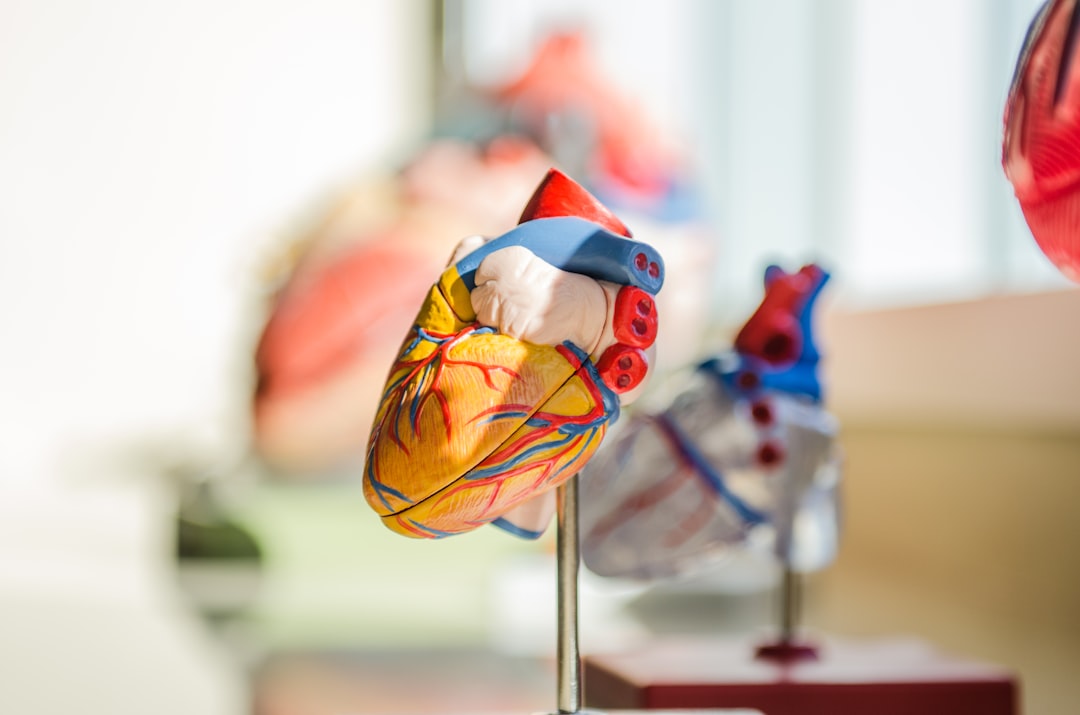
Heart valve developed at UC Irvine shines in early-stage preclinical testing
UC Irvine researchers designed and developed a minimally invasive replacement pulmonary heart valve. Created for pediatric patients, the device can be expanded as children grow, eliminating the need for multiple surgeries. The team successfully conducted laboratory and early-stage animal feasibility testing of the implant, crucial steps toward approval for human use. Irvine, Calif., June 23, 2025 — Researchers at the University of California, Irvine have successfully performed preclinical laboratory testing of a replacement heart valve intended for toddlers and young children with congenital cardiac defects, a key step toward obtaining approval for human use. The results of their study were published recently in the Journal of the American Heart Association. The management of patients with congenital heart disease who require surgical pulmonary valve replacement typically occurs between the ages of 2 and 10. To be eligible for a minimally invasive transcatheter pulmonary valve procedure, patients currently must weigh at least 45 pounds. For children to receive minimally invasive treatment, they must be large enough so that their veins can accommodate the size of a crimped replacement valve. The Iris Valve designed and developed by the UC Irvine team can be implanted in children weighing as little as 17 to 22 pounds and gradually expanded to an adult diameter as they grow. Research and development of the Iris Valve has been supported by the Eunice Kennedy Shriver National Institute of Child Health and Human Development; the National Heart, Lung, and Blood Institute; and the National Science Foundation. This funding has enabled benchtop fracture testing, which demonstrated the valve’s ability to be crimped down to a 3-millimeter diameter for transcatheter delivery and subsequently enlarged to 20 millimeters without damage, as well as six-month animal studies that confirmed successful device integration within the pulmonary valve annulus, showing valve integrity and a favorable tissue response. “We are pleased to see the Iris Valve performing as we expected in laboratory bench tests and as implants in Yucatan mini pigs, a crucial measure of the device’s feasibility,” said lead author Arash Kheradvar, UC Irvine professor of biomedical engineering. “This work represents the result of longstanding collaboration between our team at UC Irvine and Dr. Michael Recto at Children’s Hospital of Orange County built over several years of joint research and development.” Congenital heart defects affect about 1 percent of children born in the United States and Europe, with over 1 million cases in the U.S. alone. These conditions often necessitate surgical interventions early in life, with additional procedures required to address a leaky pulmonary valve and prevent right ventricular failure as children grow. The Iris Valve can be implanted via a minimally invasive catheter through the patient’s femoral vein. The Kheradvar group employed origami folding techniques to compress the device into a 12-French transcatheter system, reducing its diameter to no more than 3 millimeters. Over time, the valve can be balloon-expanded up to its full 20-millimeter diameter. This implantation method, along with the ability to begin treatment earlier in very young patients, helps mitigate the risk of complications from delayed care and reduces the need for multiple surgeries in this vulnerable population. “Once the Iris Valve comes to fruition, it will save hundreds of children at least one operation – if not two – throughout the course of their lives,” said Recto, an interventional pediatric cardiologist at CHOC who’s also a clinical professor of pediatrics at UC Irvine. “It will save them from having to undergo surgical pulmonary valve placement, as the Iris Valve is delivered via a small catheter in the vein and can be serially dilated to an adult diameter and also facilitate the future placement of larger transcatheter pulmonary valves – with sizes greater than 20 millimeters, like the Melody, Harmony and Sapien devices – if needed.” Kheradvar said that the next phase of preclinical testing of the Iris Valve is funded by the Brett Boyer Foundation, which is committed to supporting research into treatments for congenital heart disease. “We are actively engaged with the U.S. Food and Drug Administration to define and carry out the required experiments and documentation for first-in-human authorization of the Iris Valve,” Kheradvar said. “Our team is urgently advancing the Iris Valve through preclinical studies to enable its clearance for first-in-human use. This is a critical step toward providing toddlers – who currently have no viable minimally invasive treatment until they reach the 45-pound threshold – with a much-needed option.” First co-author Nnaoma Agwu, a biomedical engineering Ph.D. candidate at UC Irvine, said: “The development of the Iris Valve required a strong and knowledgeable team that understood the clinical and mechanical design requirements. This accomplishment would not have been possible without the collaboration of talented clinicians, veterinarians and engineers. With this milestone reached, we are rigorously advancing the Iris Valve’s development, setting our sights on human clinical trials.” Joining Kheradvar, Recto and Agwu as co-authors of the article in Journal of the American Heart Association were Daryl Chau, a recent UC Irvine master’s graduate; Gregory Kelley and Tanya Burney, both research specialists at UC Irvine, with Burney also affiliated with the Beckman Laser Institute; Ekaterina Perminov, a clinical veterinarian with UC Irvine’s University Laboratory Animal Resources; and Christopher Alcantara, a radiology technician at CHOC. About UC Irvine’s Brilliant Future campaign: Publicly launched on Oct. 4, 2019, the Brilliant Future campaign aims to raise awareness and support for the university. By engaging 75,000 alumni and garnering $2 billion in philanthropic investment, UC Irvine seeks to reach new heights of excellence in student success, health and wellness, research and more. The Samueli School of Engineering plays a vital role in the success of the campaign. Learn more by visiting https://brilliantfuture.UC Irvine.edu/the-henry-samueli-school-of-engineering About the University of California, Irvine: Founded in 1965, UC Irvine is a member of the prestigious Association of American Universities and is ranked among the nation’s top 10 public universities by U.S. News & World Report. The campus has produced five Nobel laureates and is known for its academic achievement, premier research, innovation and anteater mascot. Led by Chancellor Howard Gillman, UC Irvine has more than 36,000 students and offers 224 degree programs. It’s located in one of the world’s safest and most economically vibrant communities and is Orange County’s second-largest employer, contributing $7 billion annually to the local economy and $8 billion statewide. For more on UC Irvine, visit www.uci.edu. Media access: Radio programs/stations may, for a fee, use an on-campus studio with a Comrex IP audio codec to interview UC Irvine faculty and experts, subject to availability and university approval. For more UC Irvine news, visit news.uci.edu. Additional resources for journalists may be found at https://news.uci.edu/media-resources.
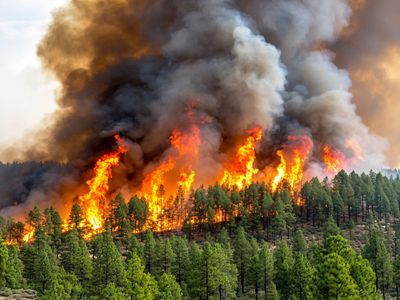
Multi-university AI research may revolutionize wildfire evacuation
As wildfires grow wilder, the University of Florida and two other universities are developing large language models to make evacuations safer and more efficient. Armed with a nearly $1.2 million National Science Foundation grant, UF, Johns Hopkins University and the University of Utah are creating these AI-based models to simulate human behavior during evacuations – information that will help emergency managers shape more effective evacuation plans. “Strengthening wildfire resilience requires accurate modeling and a deep understanding of collective human behavior during evacuations,” said UF project lead Xilei Zhao, Ph.D., an associate professor with the Engineering School of Sustainable Infrastructure and Environment. “There is a critical need for simulation models that can realistically capture how civilians, incident commanders and public safety officials make protective decisions during wildfires.” Xilei Zhao focuses on developing and applying data and computational science methods to tackle problems in transportation and resilience. View her profile here Existing simulation models face limitations, particularly with reliable predictions under various wildfire scenarios. New AI models can simulate how diverse groups of people behave and interact during the hurried scramble to seek safety. Zhao’s team is developing a convergent AI framework for wildfire evacuation simulations powered by psychological theory-informed large language models. The project will produce simulation methods to promote teaching, training and learning, and support wildfire resilience by allowing public safety officials to use open-access tools. “This research seeks to be a transformative step toward improving the behavioral realism, prediction accuracy and decision-support capability of wildfire evacuation simulation models,” Zhao said. Zhao partnered with John Hopkins professor Susu Xu, Ph.D., and University of Utah professors Thomas Cova, Ph.D., and Frank Drews, Ph.D. The preliminary results of the study were recently presented at the 63rd Annual Meeting of the Association for Computational Linguistics. “In that paper, we started to train the model on the survey data we collected to see how we can accurately predict people's evacuation decisions with LLMs,” Zhao said. Research objectives include extending the Protective Action Decision Model for civilians and public safety officials, developing psychological theory-informed large language model agents for protective modeling and generating a realistic synthetic population as input for the simulation platform. The team also plans to develop learning-based simulations and predict human behavior under scenarios such as fire spread, warning and infrastructure damage. This research comes at a critical time, as the number of wildfires has significantly increased globally. About 43% of the 200 most damaging fires occurred in the last decade leading up to 2023, according to a recent study in Science. The intensity, size and volume of wildfires are threatening more urban areas. “If you go into the urban area, many people do not have cars, or they need additional mobility support,” Zhao said. “For example, the LA fires impacted nursing homes with a lot of elderly people, many of whom are immobile or lack the ability to drive. That's a big problem. This would be very relevant to them.” The large language models will provide important context for evacuation planning as well as real-time decision making. “We envision this tool being used during planning,” Zhao said, “so emergency managers can test different kinds of scenarios to determine how to draw the evacuation zones, where to issue the orders first and how to design the communications messaging.” This is important research and critical as wildfires become more common across North America. If you're a reporter looking to connect and learn more - then let us help. Xilei Zhao is available to speak with media - simply click on her icon now to arrange an interview today.


UF scientist studies muscle loss in space to benefit astronauts and patients on Earth
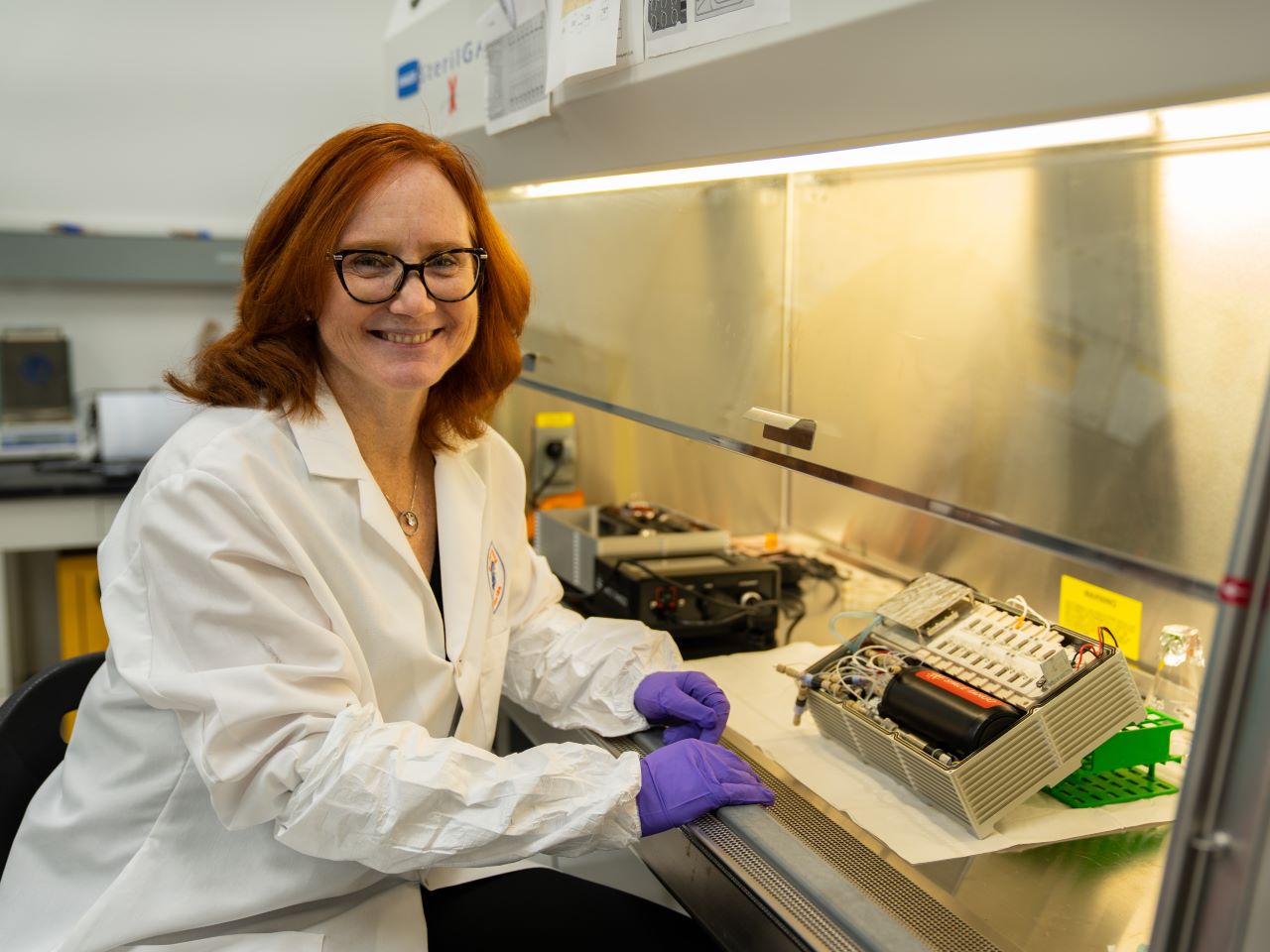
Astronauts traveling to Mars will face many challenges, but one of the most serious is muscle loss during long space missions. A new study led by University of Florida researcher Siobhan Malany, Ph.D., sheds light on how human biology changes in microgravity and could help protect astronaut health while also offering hope for patients with muscle-wasting diseases on Earth. Malany, an associate professor in the College of Pharmacy, a member of UF’s Astraeus Space Institute, and director of the in-space Biomanufacturing Innovation Hub, recently published findings showing how muscle cells adapt in space. Her team studied bioengineered three-dimensional muscle tissues derived from biopsy cells from both younger and older individuals and observed how they responded to electrical stimulation in microgravity. These micro-scale tissues called “tissue chips” were given nutrients and electric pulses autonomously in a miniature laboratory the size of a shoe box called a CubeLab.x. A camera system inside the box recorded the rate of muscle contraction. “This research is about more than just space,” Malany said. “By understanding how muscle tissue deteriorates much faster in microgravity, we can uncover new strategies to address muscle loss that occurs naturally with aging and with age-related diseases here on Earth.” Siobhan Malany studies the effects of microgravity on human muscle biology using an automated tissue chip system. View her profile here The study found that younger muscle tissue showed more pronounced changes in mitochondrial pathways — cellular systems that produce energy — than older tissue did when exposed to microgravity. Researchers also discovered that, on Earth, older muscle tissue responds less to electrical stimulation than younger tissue. But in space, the younger tissue showed a noticeable drop in its ability to contract, suggesting that younger muscle may experience a greater change when exposed to the space environment. These insights may help researchers design new treatments to protect muscles in astronauts during long missions, as well as develop therapies for people experiencing age-related muscle loss on Earth. The project was part of UF’s broader efforts to advance space biology. Through the Astraeus Space Institute, UF brings together experts across disciplines, from medicine and pharmacy to engineering and plant science, to address the unique challenges of space exploration. “UF researchers are helping lay the groundwork for humanity’s next giant leap,” Malany said. “It’s exciting to see our work contribute to both the health of astronauts and the lives of patients back home.” UF’s leadership in space biology is strengthened through collaboration with partners including the Kennedy Space Center Consortium and the Center for Science, Technology and Advanced Research in Space), both initiatives bringing together universities in Florida’s high-tech corridor, government agencies and industry leaders. Malany’s work also builds on long-term collaborations with AdventHealth, using donated tissue samples to model age-related muscle changes in space. Her team also works with SpaceTango, a NASA-certified aerospace company, to design the CubeLab that flew to the International Space Station on multiple SpaceX missions. Looking ahead, Malany and her team are developing new ways to study astronaut-derived cells, including both skeletal and heart muscle, generated from blood samples. These “avatars” could help researchers track changes before, during and after space missions, providing an unprecedented window into how microgravity affects the human body. “Now we can study cells from individual astronauts and see how they respond over time,” Malany said. “This helps us understand the risks of long-term spaceflight and also gives us a platform for testing potential treatments for muscle-wasting conditions on Earth.” By using tissue chips, small, bioengineered devices that mimic the structure and function of human organs, scientists in space can gather data more quickly and accurately than with traditional animal studies, potentially accelerating the discovery of therapies for aging-related muscle loss. Looking to know more about this amazing research or connect with Siobhan Malany - simply click on her icon now to arrange an interview today.

New path to combating global malnutrition found in soil
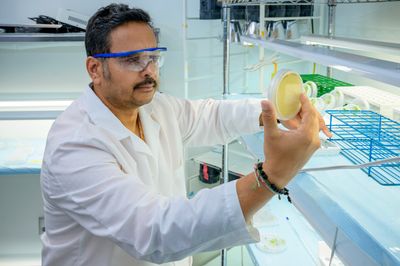
A new University of Delaware study has found that a naturally occurring soil microbe can boost protein-building amino acids in wheat. The finding by UD's Harsh Bais and others could pave the way for nutrient-rich staple crops — helping combat global malnutrition as fluctuations in weather reduce crop quality. In the study, published in the journal Frontiers in Microbiology, Bais and a team of researchers from UD, Stroud Water Research Center and the Rodale Institute investigated how a bacteria naturally found in the soil that is beneficial to human health can enhance the levels of the amino acid and antioxidant ergothioneine in spring wheat. The researchers grew the spring wheat — one of the most widely consumed cereal crops — in a laboratory. After letting the seeds germinate and grow for seven days, they added a strain of bacteria called Streptomyces coelicolor M145 to the spring wheat roots. After combining the bacteria and the plant, they separated the plant’s leaves and roots. Then, they extracted the amino acid ergothioneine from the samples, working to determine how much protein was in the plant’s roots and shoots. They found that 10 days after S. coelicolor had been added to the spring wheat roots, the bacteria was able to inhabit spring wheat’s roots and shoots, producing ergothioneine, bypassing the plant’s innate defense mechanisms, and fortifying the spring wheat. Wheat roots were inoculated with the benign bacteria Streptomyces coelicolor. The image shows the presence of bacteria on the root hairs on day 5. “It’s unusual," Bais said. “Unless there is a mutual advantage for either the plant or the microbe.” The findings suggest that an alternative plant breeding approach could be utilized to associate plants with benign microbes to increase protein content in staple crops. All of our cereal crops are very low in protein. Think rice and breakfast cereals, common foods people eat, derived from these crops. “This approach of harnessing a natural association of microbes with plants may facilitate fortifying our staple crops, enhancing global nutritional security,” Bais said. Bais said he believes using microbes to transport nutrients depends on the microbes’ relationship with plants’ roots. He continues to work to catalyze the colonization of plant roots by beneficial microbes. "Establishing a partnership with the appropriate types of microbes or microbial consortia for plants represents a method of engineering the rhizosphere — the region of the soil near plant roots — to foster a more favorable environment for either microbial associations that stimulate plant growth traits or enhance nutrient availability, which is the path forward,” Bais said. Bais, a professor of plant biology who was named a UD Innovation Ambassador earlier this year, said plants’ “below-ground” traits, such as how nutrient-dense they are, have long been overlooked. “As far as food security, we will have significant challenges by 2050 when the world’s population doubles,” Bais said. “We incentivize our farmers for crop yield; we don’t incentivize them for growing nutrient-dense crops. Growing nutrient-dense plants will enable the population to be fed better and avoid any potential nutrient deficiencies.” The study was funded by the U.S. Department of Agriculture and the Foundation for Food and Agriculture Research. Scientists have become more interested in soil bacteria as a means to solve issues with malnutrition and nutrient deficiencies. Alex Pipinos, the lead author and a UD Class of 2025 graduate with a master’s in microbiology, said environmental conditions are one factor diminishing protein content in plants. “Essentially, crops are becoming less nutrient-dense,” Pipinos said. “The more nutrients in crops, the more healthy humans can be.” Pipinos points to a strong link between soil microbes, plant health and human health. Ergothioneine, she said, has already been shown to lower the risk of cardiovascular disease. It’s also been shown to combat cognitive decline, with a strong link to healthy cognitive aging. “By enhancing ergothioneine in plants, we can improve human health,” Pipinos said. To reach Bais directly and arrange an interview, visit his profile and click on the contact button. Reporters can also contact UD's Media Relations Department.


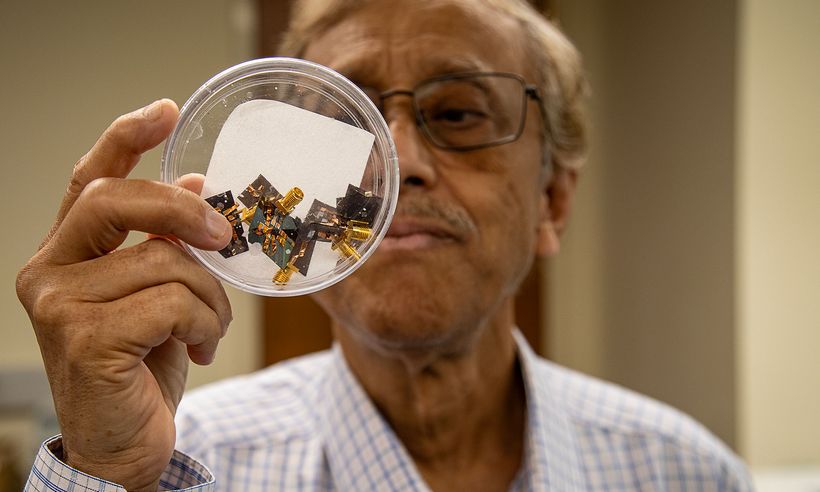
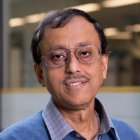
Supporting the development of advanced computing hardware, the National Science Foundation (NSF) awarded Supriyo Bandyopadhyay, Ph.D., Commonwealth Professor in the Department of Electrical and Computer Engineering at the Virginia Commonwealth University (VCU) College of Engineering with more than $300,000 to develop processor-in-memory architecture using quantum materials. “This is one of the first mainstream applications of quantum materials that have unusual and unique quantum mechanical properties,” Bandyopadhyay said. “Quantum materials have been researched for more than a decade and yet there is not a single mainstream product in the market that utilizes them. We want to change that.” The four-year project, titled “Collaborative Research, Foundations of Emerging Technologies: PRocessor In Memory Architecture based on Topological Electronics (PRIMATE),” aims to advance computing hardware and artificial intelligence by integrating topological insulators and magnetic materials. Topological insulators are a special material with an electrically conductive surface and an insulated interior. They have special quantum mechanical properties like “spin-momentum locking,” which ensures the quantum mechanical spin of an electron-conducting current on the surface of the material is always perpendicular to the direction of motion.This marks the first time such quantum materials will be used in a processor-in-memory system. “We place a magnet on top of a topological insulator,” Bandyopadhyay said. “We then change the magnetization of the magnet by applying mechanical strain on it. That changes the electrical properties of the topological insulator via a quantum mechanical interaction known as exchange interaction. This change in the electrical properties can be exploited to perform the functions of a processor-in-memory computer architecture. The advantage is that this process is fast and extremely energy-efficient.” If successful, this approach could reduce energy use and dramatically speed up computing by moving data processing into the memory itself. It addresses the longstanding “memory bottleneck,” the slowdown caused by computers constantly needing to move data back and forth between processor and memory. These efficiencies could make advanced AI more efficient and accessible, paving the way for the first commercially viable applications of quantum materials.. The research is a collaboration with University of Virginia professors Avik Ghosh and Joseph Poon. A VCU Ph.D. student will work on the project and receive training in fabrication, characterization and measurement techniques, preparing them to lead in the rapidly evolving field of computing hardware.