
Experts Matter. Find Yours.
Connect for media, speaking, professional opportunities & more.

Aston University to help power Indonesia with affordable energy made from rice straw
Project to convert unwanted rice straw into cheap energy on a commercial scale Most rice straw in Indonesia is burned causing pollution and health problems Project will almost double affordable energy captured from waste. Scientists at the Energy and Bioproducts Institute at Aston University are to start a project to convert Indonesia’s unwanted rice straw into low-cost energy on a commercial scale. Each year the country produces 100 million tonnes of the rice waste, of which 60% is burned in open fields, causing air pollution and has even been linked to lung cancer. The amount burned is equivalent to approximately 85 Terawatts of electricity, which is enough to power Indonesia’s households 10 times over. A consortium which includes Aston University aims to develop processes to capture more affordable energy from rice straw than ever before - and demonstrate that it can be done on a commercial scale. Part of the process involves a biomass conversion technology called pyrolysis. This involves heating organic waste materials to high temperatures of around 500 °C to break them down, producing vapour and solid products. Some of the vapour may be condensed into a liquid product called pyrolysis oil or pyrolysis bio-oil. Both the pyrolysis vapour and liquid bio-oil can be converted to electricity. Current methods convert just 35% of the thermal energy of rice straw to affordable electricity. However, a newly patented combustion engine designed by consortium member, UK-based Carnot Limited, could see that doubled to 70%. Energy extracted this way could help low and middle-income countries create their own locally generated energy, contribute to net zero by 2050, create new jobs and improve the health of locals. The project will help develop a business model which could support companies and local authorities to produce local, cheap energy in Indonesia, and other countries with biomass capacity. Three academic experts from different disciplines at Aston University are involved in this initial project, which focuses on Indonesia’s Lombok Island. Dr Jude Onwudili, Dr Muhammad Imran and Dr Mirjam Roeder are based at Aston University’s Energy and Bioproducts Research Institute (EBRI). Dr Jude Onwudili who is leading the team said: “This project has huge potential - commercialisation of this combined technology will have significant economic benefits for the people of Indonesia through direct and indirect job creation, including the feedstock supply chain and electricity distribution and sales. “About one million Indonesian homes lack access to energy and Indonesia's 6,000 inhabited islands make sustainable infrastructure development challenging in areas such as Lombok Island. “The new techniques being explored could reduce environmental pollution, contribute to net zero and most importantly, provide access to affordable energy from sustainable local agricultural waste. “Aston University is a global leader in bioenergy and energy systems, and I am delighted we received funding to explore this area.” Over a power plant’s life, the project team have calculated that biomass produces cheaper electricity (approx. $4.3$/kWh) compared to solar (approx. $6.6/kWh), geothermal (approx. $6.9/kWh), coal (approx.$7.1/kWh), wind (approx. $8/kWh) and subsidised gas (approx.$8.4ckWh). The project will start in April 2023 with a total of £1.5 million funding for the four partners from Innovate UK. Alongside Carnot Limited, the Aston University scientists will be working with two other UK-based businesses to deliver the project, PyroGenesys and Straw Innovations. PyroGenesys specialises in PyroChemy technology which will convert 70% of the rice straw into vapour or bio-oil for electricity production, with the remainder converted into nutrient-rich biochar, which can be sold back for use as fertiliser on the rice farms. Straw Innovations will contribute their rice straw harvesting and collection expertise, with their many years of similar operations in Asia.




• Researchers in the School of Biosciences partner with preclinical-stage biotechnology start-up company to develop drugs for fibrotic diseases • Professor Martin Griffin and team develop TG2 inhibitors to help treat a serious chronic lung disease called idiopathic pulmonary fibrosis. • Isterian Biotech is part of Cambrian BioPharma who have been working with Aston University since 2019. Aston University scientists are working with start-up company, Isterian Biotech, part of Cambrian BioPharma, to develop novel drugs to treat fibrotic diseases such as lung disease. The focus of preclinical-stage biotechnology company Isterian Biotech is on developing novel drugs to stop or reverse the pathological accumulation of crosslinked proteins commonly observed in all major organs with age. As we age a chronic increase of crosslinked proteins occurs in the extracellular matrix (ECM), that surround, support, and give structure to the cells and tissues in the body. These crosslinked proteins are difficult for the body to degrade and over time can make organs stiff and dysfunctional, ultimately resulting in fibrosis. Reversing the accumulation of these pathological crosslinks will greatly contribute to reducing fibrosis. The start-up is working to develop small molecule inhibitors of transglutaminase 2 also known as TG2, which is one of the major crosslinking enzymes in the human body, that becomes more active during ageing - thus resulting in fibrotic diseases such as a type of lung disease known as idiopathic pulmonary fibrosis (IPF). Isterian President and Chairman of the Board, Georg C Terstappen, PhD said: "Isterian's strategy of combining rational drug design with efficient multiparametric profiling of synthesized small molecules has been both impressive and highly productive. Notably, for one of our highly potent and selective TG2 inhibitors, we have recently demonstrated efficacy in a mouse model of lung fibrosis for the first time. "Using this state-of-the-art approach to drug discovery combined with an impressive team gives us great confidence in the future of this novel company." IPF is a progressive, irreversible disease that is characterized by pathological crosslinking of extracellular matrix (ECM) proteins (a large network of proteins and other molecules that surround, support, and give structure to the cells and tissues in the body) leading to excessive deposition of collagen. This means that in IPF scar tissue or fibrosis builds up around the air sacs (alveoli) in the lungs and reduces the ability to transfer oxygen that is breathed into the blood, resulting in severe restriction of lung capacity and function. IPF is the most common form of pulmonary fibrosis. The disease affects between 200,000 and 300,000 people globally. Statistics from the charity Action for Pulmonary Fibrosis suggest there are about 30,000 people living with IPF in the UK with an estimated 6,000 new cases of the condition each year. The disease usually develops in people aged 70 and older and is more common in men. But it can occur in younger individuals, particularly if there is a family history of idiopathic pulmonary fibrosis. The company was founded by capitalizing on over 35 years of scientific research from the laboratory of Professor Martin Griffin and his team Dr Dan Rathbone and Dr Vivian Wang at Aston University. Their work with small molecule inhibitors selective for TG2 has demonstrated reduction of fibrosis in multiple organs in a number of animal models. In 2019, Aston University partnered with Cambrian to form Isterian Biotech with a mission to develop safe and effective TG2 inhibitors to treat Idiopathic pulmonary fibrosis (IPF), a devastating fibrotic disease of the lung. Professor Martin Griffin, Biosciences Research Group, Aston University said: “We are delighted to continue our work with Isterian researching how we can further develop TG2 inhibitors to help tackle this awful disease.” CEO of Cambrian BioPharma, James Peyer, commented: "As Cambrian continues on its mission to build medicines that will redefine healthcare in the 21st century, we are very thankful to find brilliant scientists such as Martin and his team that are willing to break the mold. Isterian and its work to reduce fibrosis are a perfect fit alongside the other pipeline companies our team has announced in 2022." The company's current pipeline includes an advanced preclinical-stage TG2 inhibitor for inhaled administration and several structurally unrelated back-up compounds for the treatment of IPF. For more information about the School of Biosciences at Aston University, please visit our website.

Aston University research to support SMEs and mid-sized companies to be ‘future ready’
‘Future readiness’ is defined as a set of capabilities and orientations that enable companies to thrive in the future Researchers say SMEs and mid-sized companies’ leadership should focus on bridging their resilience gap and exploiting their high level of agility The report found circular economy can combat environment and social impact without sacrificing economic performance. A new report from Aston University has highlighted opportunities for small and medium sized enterprises (SMEs) and mid-sized companies to develop strategies and pathways to increase their future readiness. The report defines future readiness as “a set of capabilities and orientations that enable companies to thrive in the future”. For SMEs and mid-sized businesses to be future-ready, they must be successful on the three pillars of long-term growth, societal impact and adaptive capacity. Experts say they must be able to generate lasting financial strength driven by innovative business models, products and/or services, to affect society positively in line with environmental, social and governance (ESG) goals and to develop high levels of resilience and agility, which enables them to bounce back in difficult times and to identify and seize opportunities as they emerge, creating disruption in business models for the future. The report aims to support leadership teams and the wider ecosystem in understanding how they can help increase the capacity for smaller companies to thrive and positively impact the economy and environment, as well as aid the recovery from the pandemic. Experts also say that circular economy adoption, where the ‘make, use and throw away’ supply chain is converted to ‘take, make, distribute, use and recycle’, in SMEs and mid-sized companies creates a win-win situation for every supply chain stakeholder through sustainability measures to achieve economic, environment and social performance. The World Economic Forum will use the insights generated in this report to further support SMEs and mid-sized companies in their future readiness journey. This will be done through the creation of additional resources, including the continuous development of the Forum’s self-assessment and benchmarking tool on future readiness, the creation of a platform for informal peer-to-peer learning between companies and meet ups with key experts. Prasanta Kumar Dey, professor in operations and information management at Aston Business School and lead author of the report, said: “The post-COVID-19 era is significantly more challenging than most people had initially hoped. Heightened geopolitical tensions, the energy crisis, supply chain disruptions, hyperinflation and extreme weather events are just a few of the difficulties that will make the next decade a demanding one. “SMEs and mid-sized companies’ leadership should try to focus on bridging their resilience gap and exploiting their high level of agility, afforded by their smaller size, as a competitive advantage. “Future readiness capability building should not be developed as ad-hoc initiatives but should be embedded into key corporate strategies and decision-making processes, ideally from the beginning, so that it becomes part of the fundamental building blocks of the company. “While smaller companies can go a long way in building their future readiness, it is important to recognise the direct and important impact that their wider policy environment has on their ability to thrive. It is therefore crucial for policymakers, investors and other stakeholders to do what is in their capabilities to contribute to building the future readiness of this segment of the economy. “One of the high-impact areas of intervention at the system levels revolves around digital trade and includes implementing targeted measures to harmonize and drive trade data interoperability across borders and supply chains. This would greatly contribute to making it easier for smaller companies to trade internationally.” You can find out more about the report findings here.


Brexit changes caused 22.9% slump in UK-EU exports into Q1 2022 - research
Researchers at Aston assessed the impact of the Trade and Cooperation Agreement between the EU and the UK UK exports fell by an average of 22.9% in the first 15 months following the deal Variety of UK products exported to EU down by 42% Research by the Centre for Business Prosperity at Aston University has shown that UK exports to the EU fell by an average of 22.9% in the first 15 months after the introduction of the EU-UK Trade and Cooperation Agreement, highlighting the continuing challenges that UK firms are facing. Building on earlier work funded through Aston University’s Enterprise Research Centre, the researchers found that a negative effect on UK exports persisted and deepened from January 2021-March 2022. According to the research, the UK has also experienced a significant contraction in the variety of goods being exported to the EU, with an estimated loss of 42% of product varieties. The researchers say this, combined with an increased concentration of export values to fewer products, has serious implications for the UK’s future exporting and productivity. The authors are calling for an urgent national debate from politicians about the UK’s post-Brexit trade arrangements. The researchers assessed the impact of the TCA, which allows goods to continue to be bought and sold between the UK and EU without tariffs in the wake of Brexit, by creating an ‘alternative UK economy’ model, based on the case that the UK had remained within the European Union. By comparing the model UK’s exports and imports with actual figures for the UK, they could accurately isolate the impact which the new trade rules were having. “What we are seeing is the effect of Brexit on exports; and that is persisting. It’s not diminishing, and exports have yet to show signs of recovering,” says Professor Jun Du of Aston University. “Until this serious problem with exports is openly acknowledged and discussed, we won’t see any necessary actions being taken.” Unlike exports, an initially significant drop on EU imports to Britain has recovered during the same period, suggesting that UK businesses and consumers have quickly adjusted to new rules. This stands in contrast to the persistent decline in UK exports, which the researchers believe is caused by more fundamental factors. Professor Du said: “It seems that the UK can buy, but it can’t sell – and that’s reinforcing the problem of Brexit. A reduction in import bottlenecks might help exports to rebound, but this recovery is likely to be offset by the rising costs of imports.” Researchers found that as many as 42% of the product varieties previously exported to the EU have disappeared during the 15 months after January 2021. This, they say, is principally caused by a large number of exporters simply ceasing to export to the EU, while the remaining exporters are streamlining their product ranges. Co-author, Dr Oleksandr Shepotylo, says: “The product varieties that have disappeared are mostly those with low export value – we know this because the average export value increased as the number of varieties declined. These products are the ones typically exported by small firms or new exporters, or are exported to new markets. And It’s those smaller businesses that would normally export much more in future, as they grow their volumes and products – so that’s the UK’s future export pipeline being affected, which has bleak implications.” Professor Du says: “The evidence we present here shows the real loss of Brexit, the overall competitiveness of the UK as a global trader. The considerable contraction of the UK trade capacity, combined with an increased concentration of export values to fewer products, signify some serious long-term concerns about the UK’s future exporting and productivity. Debate is essential so that the UK can start to address its current challenges. Of course, no one is suggesting going back into the EU, but there are collaborations, conversations and discussions that must be had. If the UK’s political leaders don’t acknowledge the facts, they are setting the course towards even longer-term problems.”


Expert Q & A: Florida Tech faculty experts discuss the Artemis mission and why it matters
Artemis 1 Launch Starts New Lunar Exploration and Research The Artemis 1 mission has hit its halfway point. The uncrewed capsule Orion is orbiting the moon in the first spaceflight of NASA’s Artemis program. Over the entire Artemis program, NASA plans to establish the first long-term lunar presence via a base camp on the moon, then will use what was learned from the moon development for a mission to send the first astronauts to Mars. Founded as a school providing classes for the pioneering space technicians at what would become NASA, Florida Tech has been closely associated with the space program since its inception. The Artemis mission is no different, as over 25 Florida Tech alumni are working on the mission as part of the Exploration Ground Systems crew. We spoke with Florida Tech aerospace, physics and space sciences assistant professor Paula do Vale Pereira, Ph.D., and Don Platt, Ph.D., associate professor of space systems, about the Artemis mission, what it could mean for future missions and more. Q: What makes the Artemis rocket and mission significant? Pereira: The Space Launch System (or SLS for short) is the rocket that is central to the Artemis mission. The SLS will be the third rocket in history to be capable of launching humans to the Moon. Previously, the American Saturn V and Soviet N1 had that capability – none of the four N1 launch attempts were successful, though. Thus, the SLS could become the second rocket to ever fly humans to the Moon. The SLS has been under development for over a decade and one of its key technological differences from Saturn V is the focus on long-term, sustained access to the lunar surface. The SLS will power the Orion capsule to lunar orbit, where it will dock to the Lunar Gateway (currently under development). The Gateway will be a small space station orbiting the Moon and will have docking ports for the Orion capsule and different lander modules, such as SpaceX’s Starship. This coordinated infrastructure means that the SLS needs to carry only the Orion capsule and the crew, instead of having the carry the lander, command and service modules, as the Saturn V did. Because they don’t need to bring all these other modules with them, a larger quantity of useful equipment and extra crew members can be brought along, opening doors for a longer and even more productive human presence on the Moon. The SLS rocket also has other architectures which, instead of carrying humans, can carry large amounts of cargo to the Gateway, which can then be transferred to the lunar surface. This cargo capacity will be fundamental in building the infrastructure necessary for humans to strive on the Moon. Platt: Indeed, the SLS will be the largest launch vehicle ever flown and will put on a spectacular show on the Space Coast. This Artemis I mission will also test out the Orion capsule in deep space for an extended mission. The capability for the capsule to support human life in deep space will be demonstrated. As well, there are mannequins onboard Orion with radiation sensors in them. They will measure the radiation exposure in deep space and around the Moon to help verify how much radiation human astronauts may be exposed to. And I would add, much like the shuttle opened up Low Earth Orbit for all of humanity, Artemis will do the same for lunar exploration. Q: What is the significance of Artemis to NASA-sponsored space exploration? Platt: Artemis is the next major NASA human space program. It is also NASA’s first program to go back to the Moon since Apollo. It is designed to be the first in multiple efforts to expand human presence in space beyond Low Earth Orbit. It is also significant in that it has a goal to land the first woman and first person of color on the Moon. So, this is an inclusive program to hopefully involve all of humanity in future human space exploration and one day settlement. Q: How can moon-orbiting mission of Artemis help future space exploration? Platt: We need to demonstrate modern capabilities to get large spacecraft that can support human exploration to the Moon. The first step is to place them in orbit to test them out and soon to get astronauts experience in that environment as well. Much like Apollo 8 first orbited the Moon before humans landed on the Moon in Apollo 11 we are now testing and demonstrating new technology and capabilities first in lunar orbit. Pereira: I personally think the most important development in the Artemis mission is the coordination between different providers, especially the commercial partnership with companies such as SpaceX, Blue Origin and Lockheed Martin. The commercial partners will provide the lander systems which will take the astronauts from the Lunar Gateway to the lunar surface, a level of dependable trust that has only recently started to be common in NASA’s history. If you're a reporter looking to know more about this topic, let us help. Dr. Platt is available to speak with media regarding this and related topics. Simply click on his icon now to arrange an interview today. Contact Director of Media Communications Adam Lowenstein at adam@fit.edu to schedule an interview with Dr. do Vale Pereira.


#Expert Perspective: The Journey of an Idea
Creativity is the lifeblood of innovation and cutting-edge business. During a Goizueta Effect Podcast, Jill Perry-Smith, senior associate dean of strategic initiatives and professor of Organization & Management, spoke about her decades of work at the intersection of creativity, innovation, and business. Creativity may come naturally for some, but everyone has the capacity to develop a creative skillset. When we think of creativity, we think of artistic expression. In the workplace, we think of breakthroughs in technology, but some of the most important creativity has to do with problem solving. In today’s flexible workspace, creativity is rewarded and encouraged. Each new idea takes a bumpy journey as it evolves, often cycling back and forth as novelty wears, obstacles arise, and risks become clear. Though circumstances may be different, each idea journey shares distinct phases. In the generation phase, innovators need inspiration. Sharing ideas with strangers rather than friends can be beneficial and can facilitate open-mindedness. During the elaboration phase, creators need support and encouragement to develop their ideas. Deeply analyzing the idea with one or two other people as opposed to sharing it with a larger collective is most valuable. While in the promotion phase, influence and reach are critical due to the risk associated with the idea and its lack of precedent. This is the time for resource gathering and professional networking. For the implementation phase, shared vision and trust are needed. At this point, a cohesive team with a shared north star can drive success. So how can a business facilitate workplace creativity? Perry-Smith recommends the following: Encourage creativity and innovation in your workplace. Make simple changes to the way your organization and teams operate, and always ask for more problem-solving alternatives. More alternatives lead to variety and creative solutions. Be collaboratively flexible and reduce conformity. Think of teams as a tool that is helpful when necessary. Always consider novel approaches. Don’t overlook the “creative nuggets” that arise from the idea journey. Listen to “The Journey of an Idea” podcast on Goizueta Effect. Looking to know more or connect with Jill Perry-Smith? Simply click on her icon now to arrange an interview and a time.



New research highlights the economic importance of live music to Birmingham and the West Midlands
It found local authorities need to more explicitly recognise the economic, social and cultural value of live music and live music venues The report calls for dialogue between music stakeholders and government The research is published by Aston University and supported by the AHRC-funded Creative Industries Policy and Evidence Centre. New research by the Birmingham Live Music Project (BLMP) highlights the huge economic value of Birmingham’s live music scene, the vital contribution small independent venues make, the ongoing impact of the pandemic and what is needed to support the recovery of the sector in the city. The research is published by Aston University, with colleagues from Newcastle University and Birmingham City University, and supported by the Arts and Humanities Research Council (AHRC)-funded Creative Industries Policy and Evidence Centre. In 2019, the UK’s live music sector was valued at over £1.3 billion. After almost a decade of strong growth the sector helped push the UK music’s overall GVA from £3.5 billion in 2012 to £5.8 billion in 2019, the outbreak of the global pandemic brought it to a near standstill. This paper explores, through a local lens and a focus on Birmingham, the challenges stakeholders across the live music sector have faced in recent years. The research finds that small live music venues are the lifeblood of this financial, cultural and community asset for the city. In 2019 Birmingham helped bring 877,000 music tourists to the West Midlands, with a total cultural spend in the region of £252,000,000 (UK Music). But during summer 2020, the research published today found, Birmingham’s live music capacity of approx. 98,000 dropped by around 75%. This impacted ticket prices, the availability of events across the city, and the economic viability of shows – while some venues could stay open, they couldn’t make a profit. The report makes clear independent venues need protection and support particularly in the wake of the pandemic. It calls for dialogue between music stakeholders and government in advance of the 2025 review of the EU-UK Trade and Co-Operation Agreement to identify the best means of reducing friction and support for the efforts to improve the Agreement, for example work on border force training, expanding the number of checkpoints where carnets and Music Instrument Certificates can be checked, reducing bureaucracy for live event transport and haulage, examination of further measures to develop the ’dual registration’ system for specialist hauliers to ease pressure on touring. Dr Patrycja Rozbicka, a senior lecturer in politics and international relations at Aston University and one of the report authors, said: “Local authorities need to more explicitly recognise the economic, social and cultural value of live music and live music venues, including grassroots venues, to their region(s). “Environmental, health, culture and city regeneration strategies have to take account of the existing and huge potential contribution of live music to the city and region. “What is needed is a cross-policy approach, implementation of a Night-time Industry Impact Assessment and dialogue between local authorities and the music sector, where the recently launched West Midlands Music Board could play a role. “We would like to see the creation of information hubs to support local venues and audiences with initiatives such those undertaken by the Liverpool City Region including a Music Fund which supports activities of the Liverpool City Region Music Board as well as helping with funding applications and advice. You can read the full report here.


Expertfile Spotlight on National Plan for Health Workforce Well-Being
ChristianaCare Participates in National Academy of Medicine National Plan for Health Workforce Well-Being and Calls for Collective Movement to Address Burnout Crisis The capacity and well-being of the U.S. health workforce has been under threat for years by an epidemic of burnout, and two years of the COVID-19 pandemic has further exacerbated this systems issue. Now at least 40% of nurses, 20% of physicians, and more than 25% of state and local public health department employees are considering leaving their professions. Recognizing that the function of the U.S. health system is at stake due to dangerously mounting health care system pressures, the National Plan for Health Workforce Well-Being by the National Academy of Medicine calls for immediate action to safeguard this precious national resource dedicated to protecting the country’s health. ChristianaCare is proud to have contributed this publication. “The NAM Clinician Well-Being Collaborative’s National Plan for Health Workforce Well-Being will drive urgently needed collective action to strengthen health workforce well-being and reverse existing alarming trends in burnout and turnover,” said ChristianaCare Chief Wellness Officer Heather Farley, M.D., MHCDS, FACEP. “ChristianaCare has served as a strategic network partner with the NAM to design this National Plan, which will coordinate action across several priority areas, including understanding the effects of COVID-19 on the health care workforce, recruiting of the next generation, and increasing access to much-needed mental health resources.” The National Plan calls on multiple actors to work together to drive policy and systems change to better support the health workforce and the health of all communities – including health care and public health leaders, government, payers, industry, educators, and leaders in other sectors. A draft of the National Plan was made available for public feedback and received nearly 2,000 constructive comments. To date the final Plan has received endorsements from over 25 organizations representing the diverse organizational membership of the Clinician Well-Being Collaborative and the various actors needed to collectively advance the practical strategies laid out in the Plan – including ChristianaCare. ChristianaCare has been engaged in all National Plan priority areas, such as: The creation and sustaining of positive work and learning environments and culture. Efforts in this priority area include development of the Center for WorkLife Wellbeing, which utilizes a comprehensive, multimodal approach to foster caregiver work-life meaning, connection, and joy. The Center offers multiple support services and culture change initiatives, including the implementation of resident well-being rounds, OASIS rooms for caregiver restoration, and opportunities for caregivers to develop long-standing mutual support systems. The support of mental health and reduction of mental health stigma, which included the championing of the physician mental health bill that became law this year. It also includes psychological first aid training that ChristianaCare has implemented for health system leaders and managers. Additionally, ChristianaCare offers free comprehensive behavioral health support services and an individual peer and group support program to help caregivers when they experience stress in the workplace. The commitment to well-being as a long-term value, which includes integration of caregiver collective well-being as a systemwide strategic goal. The National Plan visualizes that, when all actors take responsibility, we can create a health system in which care is delivered with joy and with meaning, by a committed care team, in partnership with engaged patients and communities. The National Plan identifies a range of actions for the near-, medium-, and long-term to achieve seven priority areas for health workforce well-being, clearly naming associated goals and responsible actors. Access the full National Plan here to learn more about the priority areas for action. For more information on the Action Collaborative on Clinician Well-Being and Resilience, of which ChristianaCare is a member, visit this site.


Tokyo International Conference on African Development
Aston University co-hosted parts of the eighth Tokyo International Conference on African Development (TICAD8). There was a total of six talks hosted by the University, five of which are available to catch up on below. TICAD8 is the eighth event of TICAD, having been initiated by Japan in 1932. The conference brings together international organisations and business representatives from African countries and Japan to promote the digitalisation of African nations to keep pace with other leading economies. Cyber security and data privacy were two of the main topics up for discussion as well as central bank digital currencies (CBDC). CBDC is a government-issued fiat currency, that is, a currency not backed by a commodity such as gold. The use of an ideal CBDC will eliminate over 100,000 armoured cars carrying cash for ATM machines all over the world, reducing CO² emissions. Experts say transitioning to fiat currency requires the highest level of cyber security. The digitalisation of the healthcare sector in Africa Professor Georg Holländer of Oxford University speaks with Aston University visiting professor - and GVE founder - Koji Fusa. The discussion focuses on the benefits of an electronic health record for both an individual and the health care provider but will also relate these benefits to issues of public health and research. The technical challenges of providing the conventional infrastructure to establish health care records will be touched on with a focus placed on data security. Reasons will be pointed out that impede the uptake of electronic health records, especially in low and middle income countries, and possible solutions are presented to overcome this problem. CBDC and private sector digital currency will facilitate the digitalisation of nations of African countries CBDC will require the highest security and privacy protection. Professor Koji Fusa, Cyber Security Innovation Centre, Aston University, CEO of GVE Ltd discusses the benefits of a comprehensive digitalisation of fiat currency. This will become a powerful digital infrastructure which could expand into other areas like healthcare. The cyber security issue pointed by the US NIST in 2016 could be solved by having a different set of systems which could reduce the risks being presented by international hacking groups having quantum computers in the future. The World Bank's support for digitalisation of Africa Takashi Miyahara, the Executive Director of the World Bank Group, presents this talk in his personal capacity. Mr. Miyahara introduces the World Bank’s contribution to date, and Japan’s collaboration with the Bank, for digital development of Africa. Mr. Miyahara worked for the Ministry of Finance of Japan since 1986 before he took the current position in January 2021. Vaccine and climate transition in Africa René Karsenti, senior adviser and honorary president of the International Capital Market Association (ICMA), former board chair of the International Finance Facility for Immunisation (IFFIm), honorary director general of the European Investment Bank (EIB) and member of the Global Advisory Board of GVE Ltd, talks to Aston University's Koji Fusa about vaccine and climate transition in Africa: two major challenges, lessons from innovative ESG financing and future endeavours. Health and vaccine finance, climate transition and sustainable finance have sparked a revolution in thinking about innovative solutions leading to implementing successfully new humanitarian finance such as IFFIm, financing GAVI, the Vaccine Alliance, as well as other new ESG investments to achieve a positive impact. He says: "Needs remain huge in Africa. "We are now at a decisive moment in such ESG investments. We have evolved in a few years from a situation where investors knew - and cared - little about what their investments were supporting, to one where purpose matters more than ever. "But only by recognizing the urgency for action particularly in Africa and the power of ESG investment, collaboration, technology and innovation would get us there." Cyber security, financial integrity and developments Professor George Feiger is the executive dean of the College of Business and Social Sciences at Aston University. He suggests truly secure data transfer has the capability to transform more than medicine and finance in the efficiency sense and also holds out the promise of helping to clean up the even more consequential problem of looting of the state.
988: What is it and who will it help?
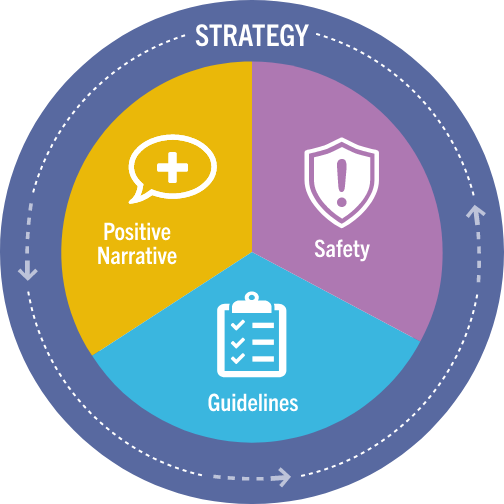
Starting July 16, anyone experiencing substance use issues, a suicidal crisis, or mental health-related distress and seeking support can now simply dial “988” and connect directly with the National Suicide Prevention Lifeline. 988’s implementation will strengthen and expand the current lifeline call-center infrastructure and capacity to ensure that trained crisis counselors are available via call, text, and chat 24 hours a day. CARF proudly joins the National Action Alliance for Suicide Prevention and more than 250 partner organizations collaborating as promoters of the 988 Messaging Framework. About 988 988 is confidential, free, and available 24/7/365, connecting those experiencing a crisis with a network of trained crisis counselors located throughout the U.S. Access is available through every landline, cell phone, and voice-over-internet device in the nation. 988 call services are available in Spanish, along with interpretation services in multiple languages. Text and chat are currently available in English only. A long-term goal of 988 is building a robust nationwide crisis response system that links callers to community-based providers that can deliver a full range of crisis care services (e.g., mobile crisis teams or stabilization centers), if needed. And if you're a reporter looking to know more about the new 988 call services, or the role CARF and other organizations are playing in this nationwide effort, let us help with your questions and coverage. Michael Johnson is Senior Managing Director of Behavioral Health at CARF and is an expert in treatment strategies for mental health and substance use disorders. Michael is available to speak with media regarding this topic; simply click on his expert icon to arrange an interview today.

