
Experts Matter. Find Yours.
Connect for media, speaking, professional opportunities & more.
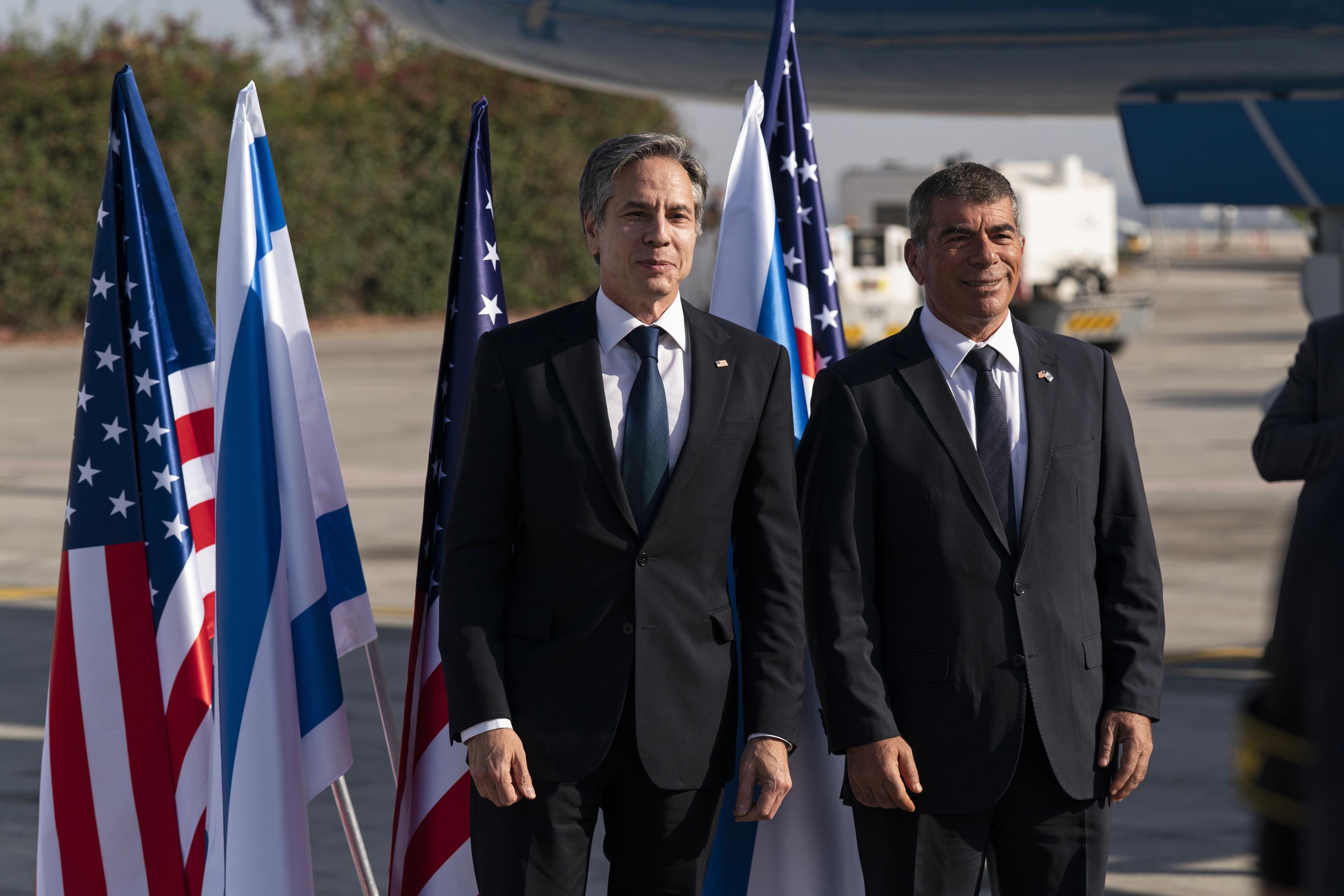
As the eleven-day war between Palestine and Israel sits on a razor-thin ceasefire, it is hoped that American intervention and influence can deliver support, aid and even a lasting truce between two warring factions. For diplomats, it will be like walking a tight rope in an effort to calm both the Israelis and Palestinians while also ensuring Hamas remains on the sidelines. U.S. Secretary of State Antony Blinken is in the region now, leading the cause. The truce that came into effect Friday has so far held, but it did not address any of the underlying issues in the Israeli-Palestinian conflict, something Blinken acknowledged after meeting with Israeli Prime Minister Benjamin Netanyahu. “We know that to prevent a return to violence, we have to use the space created to address a larger set of underlying issues and challenges. And that begins with tackling the grave humanitarian situation in Gaza and starting to rebuild,” he said. “The United States will work to rally international support around that effort while also making our own significant contributions.” He added that the U.S. would work with its partners “to ensure that Hamas does not benefit from the reconstruction assistance.” Blinken will not be meeting with Hamas, which does not recognize Israel’s right to exist and which Israel and the U.S. consider a terrorist organization. May 25 - Associated Press This will be a long and delicate process and there are a lot of questions to consider: Is it possible to negotiate in Gaza and not include Hamas? With Palestinian President Mahmoud Abbas and Israeli Prime Minister Benjamin Netanyahu both facing a political ousting - can a solution even be found? And what are the issues and is there any negotiating the long-sought after two-state solution? If you’re a journalist looking to cover the ongoing tensions between Israel and Palestine – then let us help with your stories and questions. Professor Ralph Carter is an expert in the areas of international politics, U.S. foreign policy, and Mideast conflicts. Dr. Carter is available to speak with media regarding the ongoing developments between Israel and Palestine – simply click on his icon now to arrange an interview today.


New York and Tokyo: Global Cities as Essential Hubs for Our Collective Future
Throughout, cities have faced repeated pronouncements of their demise. Yet, as centers of soft power, cities adapt, persevere, and ultimately, reinvent themselves to thrive. Photo: Orbon Alija / Getty Images On August 24, 2020, in the dog days of the New York summer and at the peak of the COVID-19 pandemic, comedian Jerry Seinfeld wrote an op-ed for The New York Times titled "So You Think New York Is 'Dead' (It's not.)" The king is dead, long live the king! "Real, live, inspiring human energy exists when we coagulate together in crazy places like New York City," wrote Seinfeld. Cities change, "They mutate. They re-form. Because greatness is rare. And the true greatness that is New York City is beyond rare." In fact, megacities around the world have been experiencing similar trends related not just to the novel coronavirus--climate change, natural disasters, population shifts, and transformations in business, infrastructure, and transportation will all shape the contours of the 21st century. New York City's own history--when and why it has been pronounced "dead" during the last century--is instructive in and of itself. Other megacities of consequence should take note and take heart, especially Tokyo, which will be under the microscope in a new way as it prepares to host the Olympic Games in today's unprecedented environment. History repeats itself In the tensions of living in the present time, it's easy to forget New York City's long history of disaster, recovery, growth, and innovation--the 1918-19 influenza epidemic, the seasonal threat of polio, the scourge of HIV-AIDS, and the current pandemic, all define the city's history. In October 1975, New York City, America's largest and wealthiest city, narrowly averted bankruptcy. Refused rescue by the federal government and President Gerald Ford, the city was saved only through the beneficence of the city's own Teacher's Retirement System pension fund, which made up a $150 million shortfall. The next day, the Daily News headline shouted "Ford to City: Drop Dead." We survived, and we thrived! Then there was 9/11, 20 years ago this September, when the U.S. rallied around the city. New Yorkers cheered as heavy equipment driven from across America arrived to help clear the devastation, and were joined by the entire nation in mourning those who were lost. Along came the 2008 financial crisis, sounding another death knell for New York. Today, we know from past history that what has closed will reopen, or be reborn in a different form. And we'll be here to celebrate. Global cities generate soft power Like Tokyo, London, or Paris, New York is a global center for arts and culture, a place where diverse creative arts flourish and inspire people in close proximity, where there is always space for tradition and innovation, and a place, too, for those who come for entertainment. But whether in Japan, Europe, or America, whether in the arts, innovation, or civil society, the soft power of a global city is so much more than the sum of its parts. It is a treasure trove of history, a platform for the future, a home for diversity, and an incubator for social change. What is soft power and why do we need it? The term "soft power" was crafted by Harvard political scientist Joseph Nye in the 1980s, and is now widely used in a foreign policy context. As a 2004 Foreign Affairs review of Nye's book, Soft Power; The Means to Success in World Politics noted: "Nye argues that successful states need both hard and soft power--the ability to coerce others as well as the ability to shape their long-term attitudes and preferences... But overall, Nye's message is that U.S. security hinges as much on winning hearts and minds as it does on winning wars." Almost two decades later, soft power--the cultural, intellectual, and social bonds that bring diverse countries and societies together for mutual understanding--has become a critical component of American foreign policy. This is especially important for the U.S.-Japan alliance, as most recently evidenced by Hideki Matsuyama's thrilling Masters Tournament win and President Biden hosting Prime Minister Yoshihide Suga as the first head of state to visit the White House during his tenure. As I've written before, based on my experience from the State Department, "innovative and entrepreneurial partnerships based on shared objectives--economic growth, stability, and more--will be the engine for increased security and prosperity." In other words, the future of diplomacy will not only be national, but subnational, where megacities like Tokyo and New York will shape their own destinies based on the partnerships that their leaders--political, business, and civil--can forge together in the best interests of their constituents. Japan Society and New York As the President and CEO of Japan Society, my work is to take the Society's mission into its second century, to be the deep connection, or kizuna, that brings the United States and Japan together through its peoples, cultures, businesses, and societies. From our New York headquarters, which opened to the public 50 years ago, we are looking toward the next half century knowing that we will be defined not so much by our now-landmarked building but by our digital and ideational impact. Our future can only be enhanced by continuing to exchange with our friends in Tokyo and beyond. Long before soft power was defined, in the radical days of 1960s New York, Japan Society supported international exchange in the arts between Japan and the U.S. through fellowships and grants to Japanese artists and students, among them Yayoi Kusama, Yutaka Matsuzawa (Radicalism in the Wilderness: Japanese Artists in the Global 1960s), Shiko Munakata (Improvisation in Wood: Kawamata x Munakata, fall/winter 2021), and many others who made history in the arts in both the U.S. and Japan. Now, performing arts commissions and gallery exhibitions at Japan Society build on and evolve U.S.-Japan cultural exchange even as Japanese traditional and contemporary artists have been mainstreamed into New York's major cultural institutions. Our work continues--in arts and culture, education, business, and civil society. Even as the COVID pandemic recedes through continued social distancing practices and increasing vaccinations, the changes it has wrought on the ways we work and communicate are here to stay. Remote work, flexible schedules, and collaboration and connectivity across time zones all predate the pandemic but were scaled up at a rate that was previously unimaginable. While physical borders closed to travelers, virtual ones opened --and technology has allowed us to engage and convene with those near and far like never before. We at Japan Society are committed to finding new connections and building new bridges outside of New York City, starting with Tokyo and then the rest of the world. Our 37 other Japan-America sister societies across the United States have much to offer even as New York remains an essential global stage and financial platform. Partnerships will ultimately define the future of which global hubs thrive and where populations gravitate post-COVID. As we continue our mission for the future of the world, and for the U.S.-Japan alliance, I'm incredibly optimistic for Japan Society and for New York City's long-term evolution. This article was originally published in the Tokyo Metropolitan Government.


UMW Professor Jason Davidson speaks to The Guardian about ‘Costs of War’ in Afghanistan
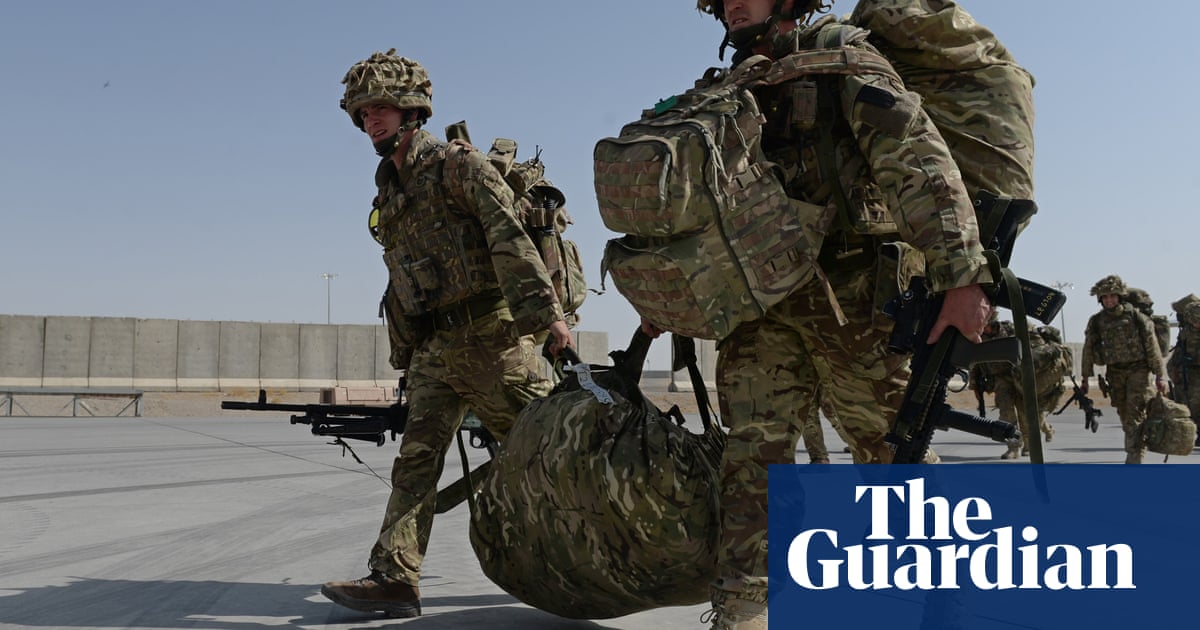
As America readies to end its military presence in Afghanistan, there’s been much reflection and examining of the role America and its NATO allies played in the war-torn country. A report released just this week shed some light and much-needed perspective on the topic. University of Mary Washington Professor of Political Science and International Affairs Jason Davidson, the study's author, was contacted by The Guardian to lend his expert opinion. “British and Canadian troops were more than twice as likely to get killed in Afghanistan as their US counterparts, according to a study that looks at the scale of the sacrifice made by Nato allies over the course of the 20-year war. The UK also gave more to Afghanistan than the US in the form of economic and humanitarian assistance as a percentage of GDP, the study published on Wednesday by the Costs of War project at Brown University in the US found. Although the US suffered by far the greatest number of fatalities in absolute terms compared with other members of the International Security Assistance Force (ISAF) – 2,316 American troops were killed between 2001 and 2017, the period of the study – Canadians and British soldiers sent to Afghanistan were more likely to die. The Costs of War report looks at fatalities as a percentage of national troop levels at peak deployment in Afghanistan. The US losses were 2.3% of its vast military presence. The UK lost 455 lives, which was 4.7% of its peak deployment level, while the 158 Canadians killed represented 5.4% of their total. The study refers to a grim joke told by American soldiers in Afghanistan that ISAF stood for “I Saw Americans Fight”, but points out in the case of the UK and Canada at least it was grossly unfair. “Americans do not fully understand, do not acknowledge, the sacrifices that allies made in Afghanistan,” said Jason Davidson, the author of the report, and professor of political science and international affairs at the University of Mary Washington. “It’s something that not only doesn’t get attention from those who are critics of the allies. It doesn’t even get the attention that it deserves from those who are generally cheerleaders for allies, like the current administration. I would like to see more American policymaker acknowledgment and discussion with the public of the costs that America’s allies have incurred in these wars.” May 12 - The Guardian There will be a lot of coverage in the lead up to America’s exit from Afghanistan, and if you are a reporter looking to cover that topic or the ‘Costs of War’ project, then let us help. Dr. Jason Davidson is a professor of Political Science and International Affairs and is also an expert in American Foreign and Security Policy, and International Security. If you’re looking to arrange an interview with Dr. Davidson, simply click on his icon now to arrange an interview today.



Research Reveals Uptick in Hostility toward Black Americans during Tough Economic Times
Goizueta Experts Encourage Business Leaders to Double Down on Diversity, Equity, and Inclusion Efforts. Do recessions stoke racial tension? When there’s an economic downturn, are White Americans more likely to feel distrust or even animosity towards their Black peers? Researchers have long wondered about the broader societal impact of financial recessions, but until recently their effects on race relations have been unclear. In a recent paper, Emily Bianchi, associate professor of organization and management, Erika Hall, assistant professor of organization and management, and Sarah Lee 19PhD, assistant professor of management, Dominican University of California and visiting professor of organizational behavior, Pepperdine University, find that there is indeed a subtle uptick in hostility towards Black Americans during bad economic times. Their paper, Reexamining the Link Between Economic Downturns and Racial Antipathy, examines publicly available data on attitudes, political trends, and behavioral patterns in the U.S. Sarah Lee 19PhD While businesses tend to cut diversity, equity, and inclusion efforts during economic downturns, Bianchi and Hall underscore that these efforts may be even more critical during these times. To study this phenomenon, the researchers analyzed more than 20 years of data from the American National Election Survey (ANES), a biannual survey capturing political affiliations and perceptions of political candidates from 1964 until 2012. They analyzed how White Americans’ attitudes towards Blacks changed depending on the state of the economy and found that in worse economic times, Whites felt more negatively about Blacks. As Bianchi notes: “we were able to analyze the responses of more than 30,000 individuals who identified as White. And we do find that for decades – between the 1960s and the first part of the 21 century – White Americans feel less warmly about Black Americans during times of financial hardship.” Emily Bianchi, associate professor of organization and management In a second study, Bianchi, Hall, and Lee examined data from Project Implicit, a popular website that allows people to test their own implicit bias and also gauges racial attitudes. Again, the authors found that in worse economic times, White Americans held more negative implicit and explicit attitudes about race. In particular, during the Great Recession, they found that White’s attitudes towards Blacks became substantially more negative in states that were hard hit by the economic crisis compared to states in which the economic downturn was less severe. Having established that economic conditions affected fluctuations in attitudes towards race, the authors then examined whether these emotional shifts translated into actual behavioral outcomes. In other words, if Whites felt more negatively towards Blacks during recessions would this mean that Black professionals were less likely to be successful when the economy floundered? They tested this possibility by looking at two domains of public activity: record sales and voting patterns. First, they examined data from the Billboard Top 10 American songs between 1980 and 2014 and recorded the race of each musician who secured a Billboard hit. They found that in bad economic years, Black musicians were 90% less likely to have a top 10 hit, presumably because White consumers (by far the biggest consumer group during this period) were less likely to support them. Next, they examined the results of more than 8000 elections to the U.S. House of Representatives over the same period. They found that in bad economic times, Black politicians were 21% less likely to win elections. Interestingly, the converse also appears to be true. In good times, Black musicians and politicians fared much better in the polls and the charts – pointing to a certain fluidity in attitudes, says Bianchi. “Across these very different domains, studies, and sample sizes, we find the same consistent pattern: when times are tough, White Americans feel more animosity towards Black Americans and are less likely to support Black musicians or politicians. When things pick up, White Americans have more positive attitudes towards Black Americans and are more likely to endorse Black musicians and Black candidates.” The authors attribute these effects to innate human feelings of fear in the face of threat. Economic threats or shocks tend to evoke uncertainty and fear about what is to come. This translates into greater distrust of others, particularly those perceived as different in some way. And it’s an effect, they argue, that should be very much on the radar of businesses and decision-makers. Erika Hall, assistant professor of organization and management The research cites, “Anecdotally, we know that when times are good, organizations will tend to prioritize their efforts in the area of diversity and inclusion. But while this is critically important at all times, our research suggest that these efforts are probably even more important when times are tough.” All of this points to a need to attend to these issues more acutely when there’s a downturn, says Bianchi. And she cautions that this is likely to be counterintuitive to most leaders, who are likely more inclined to sideline diversity efforts when the economy slides. In terms of the current debate around race relations in the US, however, Bianchi stresses that the economic dimension is just one piece of a “very complicated puzzle.” “What we have seen and are seeing in 2020 and 2021 is a confluence of many major factors: a pandemic that has put a lot of people out of work, and that has put everyone on edge, punctuated by some horrific and well documented instances of violence against Black citizens,” Bianchi says. “So many of these things are in the mixing pot, that it’s hard to pinpoint one specific cause behind the current race crisis in the U.S. So many things coming together at once that have put us in this moment.” Only time will tell how this might play out compared to what we saw in the 80s and 90s, which were economic fluctuations rather than a complete drop off a cliff, she says. It will be more difficult to tease apart the effect of the economy versus the effect of the pandemic versus the effect of police violence on America’s race relations – a situation that Bianchi describes as a “cauldron of mess.” That said, she stresses that for business leaders, now is a good time to double down on efforts to drive diversity and inclusion. “I’d suggest leaders be especially mindful that at times of economic stress such as we are currently experiencing, there is a very real danger of heightened racial animosity.” We’ve attached a full article with even more advice and helpful information from our experts – but if you are looking to learn more or cover this topic, we can help. All of our faculty are available to speak with media, simply click on either expert’s icon now – to book an interview today.




Bridge-Building as a Career Path
Yusuhara Wooden Bridge Museum / Kengo Kuma & Associates. © Takumi Ota For my entire life I’ve imagined myself as a bridge between the U.S. and Japan. I grew up in Japan from ages one to eighteen — my parents are Southern Baptist missionaries who have lived in our heartland now for over 40 years. As an American growing up in Hokkaido, I often found myself in the position of explaining to Japanese why Americans do certain things and act certain ways, and then trying to tell Americans why Japanese or people outside of the U.S. saw the country in a particular way. This dialogue became an extension of who I am. Of course, like many children growing up, I wanted to be like my dad, who is a gifted pastor and long-term missionary. But, along the way, I realized that the role of a missionary is actually very much like that of being an ambassador or bridge-builder who represents their country, alliances, and traditions. As reinforced recently by Prime Minister Suga’s visit to the White House, the first of any international visitor for the Biden administration, the alliance with Japan is our single most strategic international relationship. Walter Russel Meade laid this out eloquently in the Wall Street Journal, “For the foreseeable future, the U.S.-Japan alliance is likely to remain the cornerstone of American foreign policy. Building the social and cultural ties that can support that relationship is an urgent task for both countries.” In my lifetime, and perhaps never before, has there been a moment like the present where the U.S. and Japan are mutually reliant to such a degree. Therefore, my personal commitment to being a bridge-builder, and our mission at Japan Society, have never been more critical. Finding my path After college I went to Turkey as a Fulbright Scholar, where I worked with the State Department through the Ambassador’s Office and the Embassy, enriching my understanding of foreign diplomacy. As I explored my interests in other parts of the world, I didn’t intend to pursue a career in U.S.-Japan relations. However, all that changed on March 11, 2011, when the Great East Japan Earthquake, tsunami, and nuclear disaster devastated the Tohoku region of northeastern Japan. At that moment, I felt a deep personal mission to help bring people from around the world together and realized that I was uniquely situated to build bridges with Japan. I had the opportunity to serve three different times in the State Department along with the Defense Department and on various Commerce Department advisory boards as I completed my academic degrees culminating with a PhD from Princeton. My time in academia and government service taught me the important skill of storytelling. When I left the State Department, I joined the strategic communications company APCO Worldwide, where I helped establish their Japan office and became immersed in Japanese public relations. Next, I had the privilege of running the USA Pavilion at the World Expo in Kazakhstan in 2017, telling America’s story from the ground up. That led me to Eurasia Group, the foremost geopolitical risk consultancy group, where I led the largest geopolitical risk summit in Japan, the GZero Summit, taking my academic, government, and public relations experience and putting it into a practical context. Embracing my ikigai Today I’m the President and CEO of Japan Society, working to take the Society’s mission into its second century, to be the deep connection, or kizuna, that brings the United States and Japan together through its peoples, culture, businesses, and societies. One of the greatest things that I see these days is concepts from Japan that have been adapted into the English lexicon — like ikigai, the idea of life’s purpose, which has become a catchphrase in our pandemic world’s search for meaning. Ikigai resonates deeply with me, because it is about finding your reason for being, your passion and calling. For me, this means being dedicated to promoting global understanding and helping make the world a better place. I don’t think I would have told you two years ago that I would be the President and CEO of Japan Society. It is an opportunity that caught me by surprise in some ways. But in other ways, now that I am here, it feels like the most natural job I’ve ever done, and I cannot think of a better place I would rather be or a better way to live out my ikigai. At Japan Society’s founding luncheon on May 19, 1907, the guest of honor, General Baron Kuroki “wished the new organization a long and successful health.” As The New York Times reported, “The object of the new organization will be the promotion of friendly relations between the United States and Japan.” Now in its second century, our work of bridge-building continues today. Joshua Walker (@drjwalk) is president and CEO of Japan Society. Follow @japansociety. The views expressed in this article are the writer’s own.

New CBS Sitcom "United States of Al" Taps Experience of Social Work Student and Veteran
On April 1, 2021, CBS premiered United States of Al - a new comedy from producer Chuck Lorre (Two and a Half Men, Big Bang Theory) about a Marine combat veteran struggling to readjust to civilian life and the interpreter who served with his unit in Afghanistan and has just arrived to start a new life in America. The show explores the relationship between these two men and how they help each other adjust to their new lives. So, what does a CBS sitcom have to do with the USC Suzanne Dworak-Peck School of Social Work? Enter Master of Social Work (MSW) student Josh Emerson, who landed in the right place at the right time through his field internship at No One Left Behind. No One Left Behind (NOLB) is an all-volunteer, national nonprofit organization that supports recipients of the Special Immigrant Visa (SIVs), and those pursuing an SIV. The founders of No One Left Behind believe the U.S. has a moral obligation to protect these interpreters, and their families, who served side-by-side with American soldiers. Emerson, a veteran of the U.S. Army who deployed to Iraq and Afghanistan, is very familiar with Iraqi and Afghan interpreters. “I went on missions with these interpreters, got to know them, built relationships with them,” he said. “I was so very happy to be able to work with them in this capacity. In addition to providing resources for SIV ambassadors living in the United States, NOLB advocates on behalf of the SIV population to the executive and legislative branches of government provides subject matter expertise to the media, and partners with U.S. businesses to provide opportunities for what they call “this next generation of Americans.” Alea Nadeem, MSW ’15, is a board member of NOLB and reached out to USC with a field internship opportunity for social workers to do macro-level clinical work in a nonprofit setting. Nadeem became Emerson’s field instructor. “What Josh has brought to No One Left Behind has never been brought to the board before,” Nadeem said. “They now see the value in social work.” Bringing the issue to a larger audience Chase Millsap, a consultant and writer on United States of Al, is a former board member of No One Left Behind. “I am still very supportive, impressed and proud of all the work the NOLB team does on a daily basis,” he said. A veteran of the U.S. Marine Corps and U.S. Army Special Forces, he holds a master’s degree from USC Sol Price School of Public Policy. "USC helped me to learn the tools about how to connect entertainment and policy,” Millsap said. “United States of Al is a perfect example of those two worlds coming together in a powerful (and funny) way.” Millsap’s idea was to bring the issues around SIVs into America's living rooms, in a way that would make them relatable. Emerson’s experience as a veteran, his clinical and project management skills obtained through his social work studies and his stellar ability to work one-on-one with SIV recipients and applicants allowed him to inform the show’s stories with a wide breadth of knowledge. Emerson joined James Miervaldis, chairman of the NOLB board, in helping the writers and actors on the show understand the SIV issues, the ways in which NOLB provides assistance and advocacy, and sharing funny stories of cultural differences between Afghans and Americans. Emerson and Miervaldis have also been able to include some of NOLB’s SIV ambassadors in the process, those with an SIV who have already established themselves in the U.S. and are contracted by NOLB to help others assimilate. “They’re talking to the exact people they're portraying,” Emerson said. Nadeem sees Emerson’s contribution to the show as another platform through which to educate. “There are a lot of different tentacles to social work, and it may not seem like the most obvious place in TV and film, but it is,” she said. The show itself touches on everything social workers value ― service, challenging social injustice, dignity and worth of a person, the importance of human relationships and integrity. “This just makes so much sense that a social worker would be involved in this show because that's what we're always trying to communicate to a larger audience,” Nadeem said. “Through this show, you can make a greater impact for these folks to sort of assimilate them to be American citizens, and then also have the whole world appreciate their culture and appreciate what they've done for our nation to keep U.S. service members safe.” A valued member of the team Emerson, a father of five who resides in New Hampshire, knew he wanted to work with veterans after leaving military service. He felt that an MSW was the most versatile degree for this and chose the USC Suzanne Dworak-Peck School of Social Work because of its military social work track. “I think to be a good social worker you need to have experience in life,” Emerson said. “To have seen some things, or been through some things, to understand the population you're dealing with and what they're going through.” When Emerson began his internship at NOLB in 2020, Miervaldis immediately began working with him to focus on SIVs who recently had come to the United States. The first case Miervaldis assigned to Emerson was an SIV family with two young children who needed emergency surgery at a specialty hospital in Washington D.C. “This SIV packed up his family, his pregnant wife and the two kids, used up all his money to take them by bus from Texas to D.C. in the middle of a pandemic and ended up in a bad part of town,” Miervaldis said. As the SIV’s assigned caseworker, Emerson established a relationship and trust with the SIV, helped him obtain safe housing and a job interview, and coordinated details for the children’s surgery with the hospital. “He’s gone and done everything,” Miervaldis said. “We are very proud of Josh’s initiative and empathy for a family in such need. No One Left Behind is the safety net for our allies.” Last year, NOLB helped over 600 families with visas and resettlement. “Josh has exceeded all our expectations and done so while communicating with clients who speak in broken English, Dari and Pashtu, struggling during a pandemic,” Miervaldis said. “His professionalism and empathy are great credits to USC. We would not be where we are today without him. That is not hyperbole.” Miervaldis hopes NOLB will have more social work interns from USC to continue Emerson’s work. For him, Emerson’s project management skills have been the greatest asset, creating a new process for how NOLB provides help for SIV families. “We told Josh, you're a pathfinder, you're a pioneer,” Miervaldis said. “We need to figure out very quickly what works, what doesn't work, and he took it and said, ‘okay, point me in the right direction.’ He’s very much valued as a member of the team.” From advocacy to TV No One Left Behind gets about 20 messages every day from Iraqi or Afghan interpreters who served with U.S. forces in their countries, and who now receive daily death threats from the Taliban. “They're not allowed to live in their homes or their neighborhoods anymore because they helped the U.S.,” Emerson said. “Now the U.S. is withdrawing from all these countries, and the Taliban and terrorist activities in general are picking up, and these people are getting pressured and killed. NOLB has over 300 cases of SIVs who have been killed waiting for their visas.” Emerson hopes that the added exposure from United States of Al will bring awareness particularly to service members about what these interpreters are experiencing and how they can help. One of the requirements for an SIV is a letter of recommendation from the U.S. service member with whom they served, and those have been the most difficult items for SIV applicants to secure. “I have been able to provide some input to what should be addressed in the show,” Emerson said. “It's interesting to see how advocacy on an issue can turn into something this large scale.” See more news from USC Suzanne Dworak-Peck here.

UConn Expert Dr. Wizdom Powell on the mental health impact of Chauvin trial
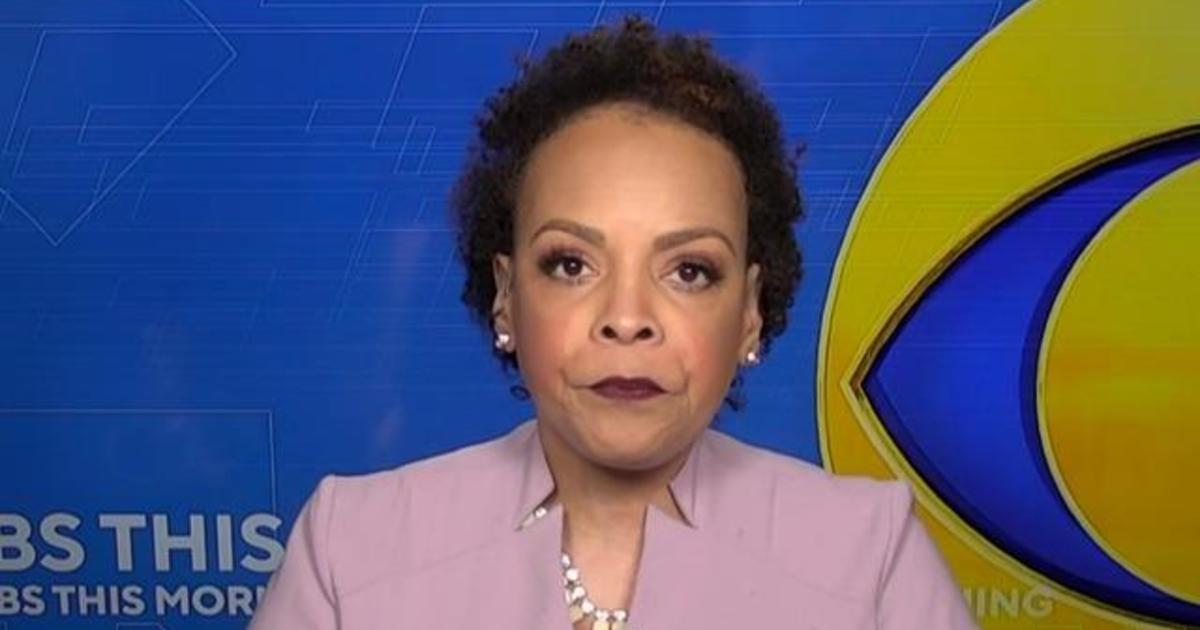
For weeks, Americans closely watched the trial of the police officer charged in the death of George Floyd last May, and as the jury's guilty verdict brings those proceedings to a close, the impact on communities across the country may be lasting. Dr. Wizdom Powell, director of UConn's Health Disparities Institute Director, joined CBS This Morning to discuss the impact of the Chauvin trial on mental health, particularly among members of the Black community. "The thing about racism, in general, is that it is a bio-social stressor. And incidents, like being in a courtroom and repeating the exposure to those eight minutes and forty-six seconds – and, now we know, nine minutes – of George Floyd’s demise can be triggering for everyone who is exposed to it. And so, there is a consequence of having that be replayed in an open court." **** "I think that we all have had our breaths collectively stolen by the incidents of racial violence that we’re all baring witness to virtually and directly, for those who were actually on scene during the tragic event. So, I would say that, what you can do now, if you’re really wanting to rise up and meet Black, Indigenous, and People of Color in this moment, is to act in true allyship. Listen with a third ear. Accept the reality and truths of what people are experiencing, without requiring them to explain away or to offer additional context for what they are feeling. Believe people when they tell you they’re hurting the first time. That kind of response – legitimating the wounds that we are experiencing in this moment – can go a long way in promoting racial healing, unity, and restorative justice." If you are a journalist looking to discuss this issue or cover this very important topic – then let us help. An associate professor of psychiatry at UConn Health, Dr. Powell is an expert on the role of racism and gender norms in African American male health and healthcare inequities. Dr. Powell is available to speak with media about this topic – simply click on her icon now to arrange an interview today.


UMW’s foreign security expert Jason Davidson weighs in on America’s exit from Afghanistan
It is America’s longest war, and after 20 years on the ground, President Biden has announced it’s time to recall the troops and bring them home. As media looked to cover this breaking news, experts from the University of Mary Washington were there to answer the call and help with coverage that has been dominating headlines. “I think the Biden administration is trying to balance the president’s desire to get out and cut U.S. losses, but also the fact that the Taliban has not really complied with their side of the deal so far and they are unlikely to fully comply with a deal, period,” said Jason Davidson, a political scientist at the University of Mary Washington. President Donald Trump’s administration agreed more than a year ago to pull U.S. and NATO troops out of the country by the start of next month. The Taliban has warned of violence if that deadline is not met, but Biden administration officials are hopeful setting a firm withdrawal date a few months down the line will not result in reprisals. Trump’s plan spurred bipartisan objections in Washington when it was announced last year, with Republicans and Democrats denouncing a seemingly arbitrary deadline and predicting chaos if U.S. troops were withdrawn prematurely. Progress toward peace has been sporadic since then, with the Taliban continuing to engage in violence as negotiations stalled. April 13 - ABC News Exiting Afghanistan will be a process that will take time and garner lots of media coverage. And if you are a journalist covering this topic, then let our experts help. Dr. Jason Davidson is a professor of Political Science and International Affairs and is also an expert in American Foreign and Security Policy, and International Security. If you’re looking to arrange an interview with Dr. Davidson, simply click on his icon now to arrange an interview today.
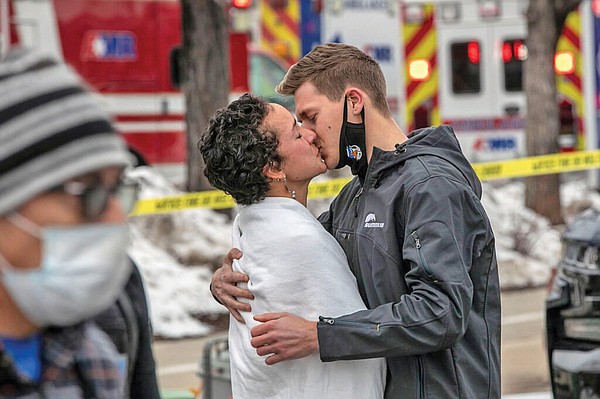
UMW's psychological trauma expert Laura Wilson weighs in on survivors of recent mass shootings
Media have been covering what has been a deadly year in America, with nearly a dozen mass shootings to date. UMW's psychological trauma expert Laura Wilson has been the go-to person to help journalists understand the impact these horrific events have on survivors. Recently, Dr. Wilson was interviewed about the recovery process American Olympic hopeful Maggie Montoya is facing after witnessing first-hand the shooting in Boulder, Colorado, as she prepares to represent America this summer in Tokyo. Laura C. Wilson, associate professor of psychology at the University of Mary Washington in Fredericksburg, Va., has focused on post-trauma functioning from mass trauma. She says most people's exposure and understanding of mass shootings consists of the immediate aftermath. "They see the news coverage of the crime scene and watch the investigators' news briefing," Wilson said. "Within a few days the news trucks leave and people's attention turns to the next major news event. This is when the grief and recovery work starts for the survivors." Wilson said every person will process the events differently. Some will have intense, acute reactions that subside in a few days or weeks. Effects could be chronic for others, and some experience delayed reactions. "Each person is different, and their recovery will look different," she said. Wilson didn't speak specifically about Montoya's running community but said community overall is a powerful strength for survivors in the aftermath of a mass shooting. "It creates a sense of belonging, which can promote psychological recovery," Wilson said. "Having supportive family and friends to validate the feelings and help you process your thoughts is certainly a protective factor." April 18 - The Northwest Arkansas Democrat-Gazette If you are a reporter looking to cover the issues survivors of mass-shooting events will experience, then let us help. Dr. Laura Wilson is a clinical psychologist whose expertise focuses on post-trauma functioning, particularly in survivors of sexual violence or mass trauma (e.g., terrorism, mass shootings, combat). Her research interests extend to predictors of violence and aggression, including psychophysiological and personality factors, as well as indicators of PTSD following mass trauma, long-term functioning among first responders, outcomes among survivors of sexual violence and the influence of media on mental illness stigma. Dr. Wilson is available to speak with media, simply click on her icon to arrange an interview today.

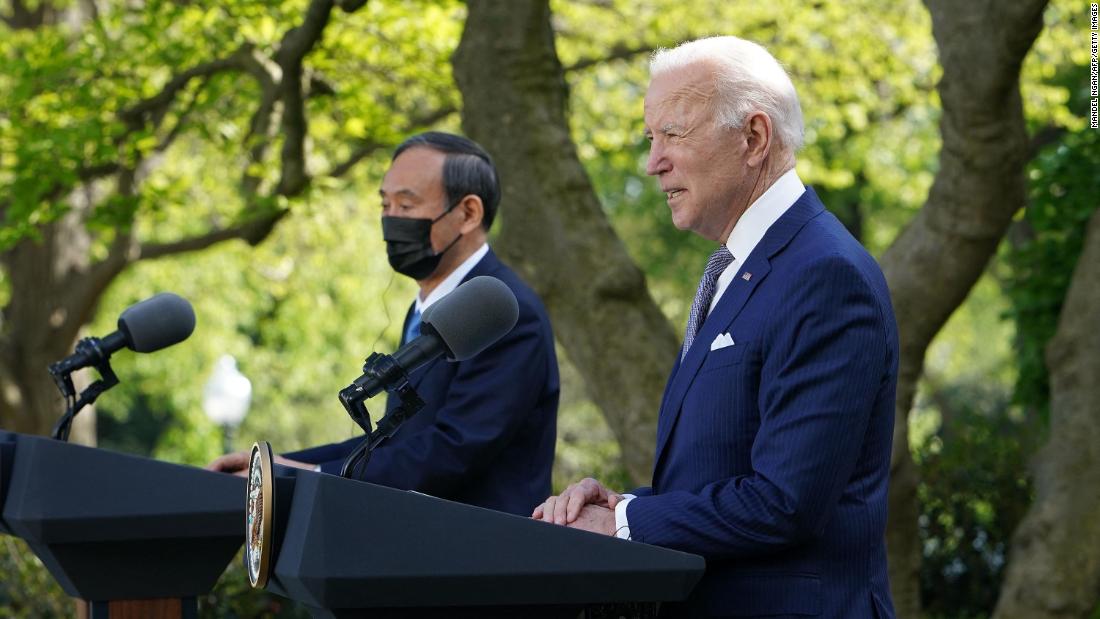
Are America and Japan forming a strong western front when it comes to China?
Friday saw President Joe Biden host a foreign leader for the first time since being elected, with Japan’s Prime Minister Yoshihide Suga coming to the White House to discuss Asian policies, primarily, concerns about China. Biden and Suga said they both aimed to tighten the relationship between the two countries during the daylong visit, and China was one of the biggest focuses of the day's meetings. "We committed to working together to take on the challenges from China and on issues like the East China Sea, the South China Sea, as well as North Korea, to ensure the future of a free and open Indo-Pacific," Biden said during remarks in the Rose Garden of the White House on Friday. Suga said he and Biden had "serious talks on China's influence over the peace and prosperity of the Indo-Pacific, and the world at large." "We agreed to oppose any attempts to change the status quo by force or coercion in the East and South China Seas and intimidation of others in the region," Suga said. "At the same time, we agreed on the necessity for each of us to engage in frank dialogue with China, and in so doing, to pursue stability of international relations, while upholding universal values." China sent 25 warplanes into Taiwan's air defense identification zone on Monday, which was the largest breach of that space since the island began regularly reporting such activity in September, Taiwan's Defense Ministry said. The fact that Suga was the first foreign leader to pay a visit to the White House showed the importance of the relationship between the two countries in promoting democracy in the region, Biden said earlier in the day. April 16 – CNN As China continues to flex its military and economic muscle in the region, the world is watching, and every move may have a global impact. If you are a journalist covering Asia and the political issues that are brewing in the region, then let us help with your coverage. Dr. Elizabeth Larus is an expert in the politics of China. She is available to speak to media, simply click on her icon to arrange an interview today.
