Experts Matter. Find Yours.
Connect for media, speaking, professional opportunities & more.

Vitamin D2 and D3: what’s the difference and which should you take?
Vitamin D is important for maintaining health, as it has many roles in the human body. But there is more than one form of vitamin D, and recent research suggests that these forms may have different effects. So what are the different types of vitamin D, and is one really more beneficial than the other? Although medical conditions later associated with vitamin D deficiency, such as the bone disease rickets, have been known about since the 17th century, vitamin D itself wasn’t identified until the early 20th century. This discovery led to Adolf Windaus winning the Nobel prize for chemistry in 1928. The vitamin D family actually includes five molecules, with the two most important being vitamin D2 and D3. These molecules are also known as ergocalciferol and cholecalciferol, respectively. While both of these types of vitamin D contribute to our health, they differ in how we get them. Dietary vitamin D2 generally comes from plants, particularly mushrooms and yeast, whereas we get vitamin D3 from animal sources, such as oily fish, liver and eggs. Both forms of vitamin D are also available in dietary supplements. What most people probably don’t know is that most of our vitamin D comes from exposing our skin to sunlight. When our skin is exposed to the sun, ultraviolet rays convert a precursor molecule called 7-dehydrocholesterol into vitamin D3. This important effect of exposure to the sun explains why people living at more extreme latitudes, or people who have darker skin, are more prone to vitamin D deficiency. Melanin, a pigment in the skin, blocks ultraviolet rays from activating 7-dehydrocholesterol, thus limiting D3 production. Wearing clothing or sunscreen has a similar effect. Both vitamins D2 and D3 are essentially inactive until they go through two processes in the body. First, the liver changes their chemical structure to form a molecule known as calcidiol. This is the form in which vitamin D is stored in the body. Calcidiol is then further altered in the kidneys to form calcitriol, the active form of the hormone. It is calcitriol that is responsible for the biological actions of vitamin D, including helping bones to form, metabolising calcium and supporting how our immune system works. Technically, vitamin D isn’t a vitamin at all, but a pro-hormone. This means the body converts it into an active hormone. All hormones have receptors (on bone cells, muscle cells, white blood cells) that they bind to and activate, like a key unlocking a lock. Vitamin D2 has the same affinity for the vitamin D receptor as vitamin D3, meaning neither form is better at binding to its receptor. Different effects on the immune system A recent study found that vitamin D2 and D3 supplementation had different effects on genes important for immune function. These findings are significant, as most previous research has failed to find much difference in the effect of supplementation with either vitamin D2 or D3. Most of the research published to date has suggested that the main difference between vitamin D2 and D3 supplementation is the effect on circulating vitamin D levels in the bloodstream. Studies have repeatedly shown that vitamin D3 is superior at raising levels of vitamin D in the body. These findings were supported by a recent review of the evidence which found that vitamin D3 supplementation increased vitamin D levels in the body better than vitamin D2. But not all studies agree. Very few studies support vitamin D2 supplementation being superior to vitamin D3. One trial showed that vitamin D2 was better at treating immune issues in patients who were on steroid therapy. However, other than increasing vitamin D levels in the body, there is not much evidence that vitamin D3 supplements are better than vitamin D2 supplements. One study found that vitamin D3 improved calcium levels more than vitamin D2. But we need more research to provide definitive answers. So which should I take? Vitamin D deficiency is now more prevalent than ever, with around a billion people worldwide being vitamin D deficient. It is important that people at risk of vitamin D deficiency – older adults, people living in less sunny climates and people with darker skin – take vitamin D supplements. Health professionals recommend that most people take 10 micrograms of vitamin D a day, especially in winter. It would appear that vitamin D3 supplements are the superior option for maintaining vitamin D levels, but short exposure of the skin to the sun, even on a cloudy day, will also help you keep healthy vitamin D levels.

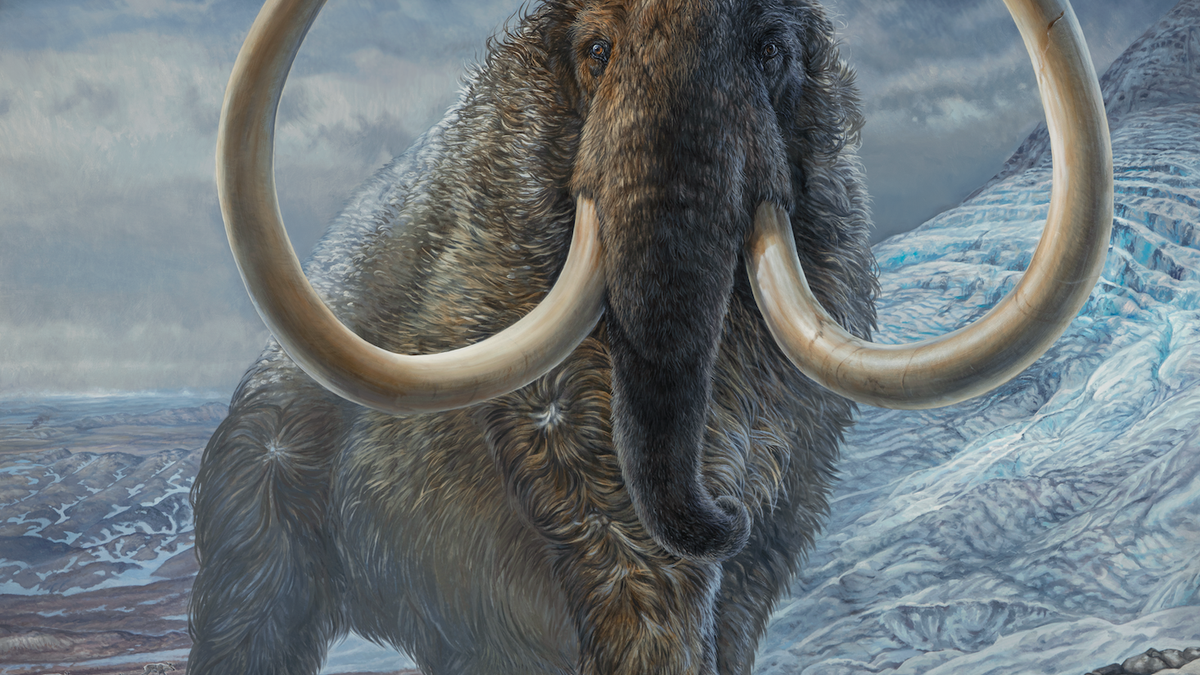
Stepping back in time — Georgia Southern expert helps uncover day-to-day life of the woolly mammoth
It’s been an exciting time for those studying the now extinct animals that used to roam the continent. And recently, Katy Smith, associate professor of geology and curator of paleontology at Georgia Southern University, was asked to lend her expertise to a team of scientists who are piecing together the life and times of the massive wholly mammoth that once roamed the earth. We might not be able to study a walking, breathing woolly mammoth in real life, but what if we could track its movements and get a sense of where it traveled, from its birth to its death? For the first time ever, scientists have done just that. An international team of researchers published a paper this week in the journal Science that reveals the 28-year movement history of a male woolly mammoth. With exciting detail about where it roamed throughout northern Alaska, its seemingly favorite locations—as it returned time and time again—and where it eventually died, this paper offers unparalleled insight into an animal that lived approximately 17,000 years ago. August 12 - GIZMODO A full article is attached and is a captivating read. If you are a reporter looking to learn more or cover this interesting subject – then let our experts help. Contact Georgia Southern Director of Communications Jennifer Wise at jwise@georgiasouthern.edu for an interview with Katy Smith today.


Novel coronavirus discovered in British bats
A coronavirus related to the virus that causes Covid-19 in humans has been found in UK horseshoe bats – according to new collaborative research from the University of East Anglia, ZSL (Zoological Society of London), and Public Health England (PHE). However, there is no evidence that this novel virus has been transmitted to humans, or that it could in future, unless it mutates. UEA researchers collected faecal samples from more than 50 lesser horseshoe bats in Somerset, Gloucestershire and Wales and sent them for viral analysis at Public Health England. Genome sequencing found a novel coronavirus in one of the bat samples, which the team have named ‘RhGB01’. Due to the rapid response nature of this research, it has not yet been peer reviewed. It is the first time that a sarbecovirus (SARS-related coronavirus) has been found in a lesser horseshoe bat and the first to be discovered in the UK. The research team say that these bats will almost certainly have harboured the virus for a very long time. And it has been found now, because this is the first time that they have been tested. Importantly, this novel virus is unlikely to pose a direct risk to humans, unless it mutates. A mutation could happen if a human infected with Covid-19 passes it to an infected bat, so anyone coming into contact with bats or their droppings, for example those engaged in caving or bat protection, should wear appropriate PPE. Prof Diana Bell, an expert in emerging zoonotic diseases from UEA’s School of Biological Sciences, said: “Horseshoe bats are found across Europe, Africa, Asia and Australia and the bats we tested lie at the western extreme of their range. “Similar viruses have been found in other horseshoe bat species in China, South East Asia and Eastern Europe. “Our research extends both the geographic and species ranges of these types of viruses and suggests their more widespread presence across more than 90 species of horseshoe bats. “These bats will almost certainly have harboured this virus for a very long time – probably many thousands of years. We didn’t know about it before because this is the first time that such tests have been carried out in UK bats. “We already know that there are different coronaviruses in many other mammal species too,” she said. “This is a case of ‘seek and you will find’. “Research into the origins of SARS-CoV-2, the virus that causes Covid-19 in humans, has focussed on horseshoe bats - but there are some 1,400 other bat species and they comprise 20 per cent of known mammals. “Our findings highlight the need for robust genotype testing for these types of viruses in bat populations around the world. And it raises an important question about what other animals carry these types of viruses.” Prof Andrew Cunningham, from the Zoological Society of London, said: “Our findings highlight that the natural distribution of sarbecoviruses and opportunities for recombination through intermediate host co-infection have been underestimated. “This UK virus is not a threat to humans because the receptor binding domain (RBD) – the part of the virus that attaches to host cells to infect them - is not compatible with being able to infect human cells. “But the problem is that any bat harbouring a SARS-like coronavirus can act as a melting pot for virus mutation. So if a bat with the RhGB01 infection we found were to become infected with SARS-CoV-2, there is a risk that these viruses would hybridise and a new virus emerge with the RBD of SARS-CoV-2, and so be able to infect people. “Preventing transmission of SARS-CoV-2 from humans to bats, and hence reducing opportunities for virus mutation, is critical with the current global mass vaccination campaign against this virus.” Prof Bell added: “The main risks would be for example a bat rehabilitator looking after a rescued animal and infecting it with SARS-CoV2 - which would provide an opportunity for genetic recombination if it is already carrying another sarbecovirus. “Anyone coming into contact with bats or their droppings, such as bat rescuers or cavers, should wear appropriate PPE – in order to reduce the risk of a mutation occurring. “We need to apply stringent regulations globally for anyone handling bats and other wild animals,” she added. The new virus falls within the subgroup of coronaviruses called sarbecoviruses which contains both SARS-CoV-2 (responsible for the current pandemic) and SARS-CoV (responsible for the initial 2003 SARS outbreak in humans). Further analysis compared the virus with those found in other horseshoe bat species in China, South East Asia and Europe and showed that its closest relative was discovered in a Blasius’s bat from Bulgaria in 2008. Ivana’s story The UK discovery was made by undergraduate ecology student Ivana Murphy, from UEA’s School of Biological Sciences, who collected bat droppings as part of her final year research dissertation. Jack Crook conducted the genetic analyses in partnership with other researchers at PHE. A total of 53 bats were captured, and their faeces collected in sterile bags. The research was conducted under strict Health and Safety protocols. Full PPE was worn and Ivana was regularly tested for Covid-19 to avoid any chance of cross contamination. The bats were released immediately after their droppings had been collected. Ivana said: “I am very fortunate to be surrounded by so many experts in their fields, which has allowed me access to resources that many undergraduates wouldn’t have. I feel extremely lucky to have been able to conduct such an advanced study.” “We weren’t shocked by the results, but I am extremely eager to carry out further research. “I chose to study ecology at UEA as I have a passion for trying to protect and conserve nature. I wanted a better understanding of the global situation and so chose UEA to study ecology and conservation. “The plan after graduation is to do an extended study of viruses in UK bats, very similar to the one I carried out as an undergraduate. There is still a lot more to understand and I am extremely excited to see what else we can find out.” But she says that she doesn’t want her research to turn people against bats. “More than anything, I’m worried that people may suddenly start fearing and persecuting bats, which is the last thing I would want and would be unnecessary. As like all wildlife, if left alone they do not pose any threat.” ‘Metagenomic identification of a new sarbecovirus from horseshoe bats in Europe’ is published on the Research Square pre-print server. Read the full story, including a Q&A with all you need to know.

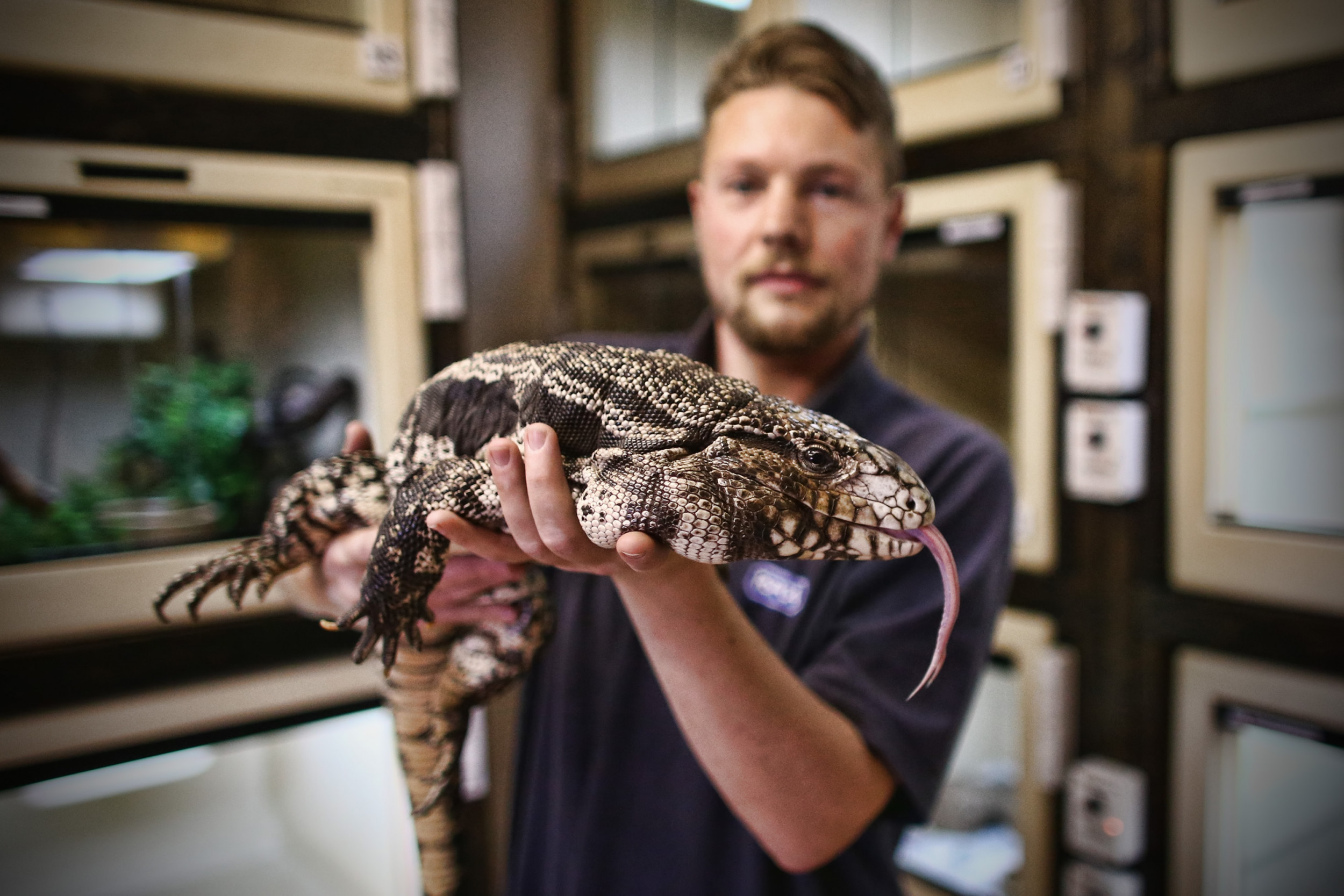
Leaping lizards! Let our experts tell you about the latest invasive species to be found in Georgia
What’s four feet long, weighs ten pounds and is eating its way across two Georgia counties? If you guessed the Argentine black and white tegu – you’d be right. "It has become established as an exotic invasive species in several sites in South Florida and we now believe in the Toombs and Tattnall counties of Georgia," said Georgia Department of Natural Resources biologist John Jenson. "We're trying to remove them from the wild, because they can have a negative impact on our native species." The Argentine black and white tegu can grow to be up to 4 feet long and weigh 10 pounds or more. The species can be identified by its mottled black-and-white coloring, which is arranged in a banded pattern across its back and tail. Hatchlings also display a bright green color on their heads. This tends to disappear around the time they reach a month old. While the species is known to lash out if threatened, it is not considered aggressive toward people. The biggest problem it presents is towards existing wildlife. The species is notorious for stealing burrows. Tegus also possess an indiscriminate and edacious appetite that can include the eggs and young of other species. "They eat just about anything they want, plant and animal matter, and one of their favorite foods are eggs from ground-nesting animals such as gopher tortoises—our protected state reptile—birds, including turkeys and quails," said Jenson. May 14 - Newsweek Invasive species are not new to Georgia or the southern states, but there are a lot of questions still to be asked: What endangered species are threatened by the presence of these lizards? What can be done to remove them? How quickly will they breed and spread? And are there any natural predators that can assist DNR authorities naturally? If you are a journalist covering this subject – then let our experts help. Steve Hein is the director of the Center for Wildlife Education at Georgia Southern University. He’s an expert in Georgia wildlife and is available to speak with media about invasive species in the state – simply click on his icon to arrange an interview.


Ants and plants, a mutually beneficial relationship
Ant-plant interactions are really common in nature, and while people might most often picture ants as carrying pieces of leaves cut from tropical plants, ant behavior in the Midwest is less appreciated. Moni Berg-Binder, Ph.D., associate professor of biology at Saint Mary’s University, finds ant mediated seed dispersal, called myrmecochory, fascinating and says that the temperate deciduous forests here in North America have many examples of plants that engage with the native plant community. “In myrmecochory, these plants, often spring ephemerals, which are early blooming spring plants, produce seeds with a nutritious structure that sticks off the seed called an elaiosome,” she said. “Typically what happens is the seeds fall to the ground which is called primary dispersal. The Ants forage and find the seeds on the ground and then pick up seeds and carry them to their nest. This is secondary dispersal. Then, once they get the seeds into their nests, those seeds are brought to places where developing larvae eat the elaiosome. But the seed is unharmed.” From there, she said the seeds are then deposited in a chamber inside of their nests or they may take the seeds and put them in a refuse pile or a garbage dump just outside the nest. Ants, apparently, keep a very clean nest. And oftentimes the ground soil around ant activity, is elevated in organic matter, nitrogen, phosphorous, possibly moisture — all really good things for plants and essentially the same thing as fertilizer. So the seed flourishes. “It’s a beautiful example of mutualism,” she said. “The seed is taken and has effectively been planted inside this nest with nature’s fertilizer. The win from the ant perspective is that they received food.” Dr. Berg-Binder and her students have focused their research on a plant called bloodroot. Local ants disperse the seeds of bloodroot. Dr. Berg-Binder became interested in plant interactions while in graduate school when she became intrigued by the win-win scenario of mutualism. For her graduate work, she had been interested in conservation and how invasive species are introduced to a natural area where they did not typically belong. These invasive species can engage in mutualism with native species. She said there is much more studying to be done on the relationship native ants have with both native plants and invasive plants. Are ants helping the invasive species become more invasive? “They’re a great study system, and I find them really fascinating,” she said. Are you looking to know more about invasive species or ant and plant interactions? Or, are you a journalist covering this topic and looking to book an interview? That’s where we can help. To book an interview with Dr. Moni Berg-Binder, simply click below to access her contact information. Connect with: Moni Berg-Binder, Ph.D. Associate Professor, Biology Expertise: Invasive plant species and native plants; ecology and animal-plant interactions View profile https://expertfile.com/experts/moni.bergbinderphd/moni-bergbinder-phd


Researchers at Rensselaer Can Now 3D Print Skin With Working Blood Vessels
Researchers at Rensselaer Polytechnic Institute have developed a way to 3D print living skin, complete with blood vessels. The advancement, published online in Tissue Engineering Part A, is a significant step toward creating grafts that are more like the skin our bodies produce naturally. “Right now, whatever is available as a clinical product is more like a fancy Band-Aid,” said Pankaj Karande, an associate professor of chemical and biological engineering and member of the Center for Biotechnology and Interdisciplinary Studies (CBIS), who led this research at Rensselaer. “It provides some accelerated wound healing, but eventually it just falls off; it never really integrates with the host cells.” A significant barrier to that integration has been the absence of a functioning vascular system in the skin grafts. Karande has been working on this challenge for several years, previously publishing one of the first papers showing that researchers could take two types of living human cells, make them into “bio-inks,” and print them into a skin-like structure. Since then, he and his team have been working with researchers from Yale School of Medicine to incorporate vasculature. In this paper, the researchers show that if they add key elements — including human endothelial cells, which line the inside of blood vessels, and human pericyte cells, which wrap around the endothelial cells — with animal collagen and other structural cells typically found in a skin graft, the cells start communicating and forming a biologically relevant vascular structure within the span of a few weeks. “As engineers working to recreate biology, we’ve always appreciated and been aware of the fact that biology is far more complex than the simple systems we make in the lab,” Karande said. “We were pleasantly surprised to find that, once we start approaching that complexity, biology takes over and starts getting closer and closer to what exists in nature.” You can watch Pankaj Karande, associate professor of chemical and biological engineering, explain this research here: Pankaj Karande is an associate professor of chemical and biological engineering and member of the Center for Biotechnology and Interdisciplinary Studies (CBIS) at Rensselaer. He is available to speak with media regarding this latest development – simply click on his icon to arrange an interview.


United Nations Report Warns of Potential Extinction of One Million Plant and Animal Species
The United Nations has issued an assessment sounding the alarm that one million plant and animal species are at risk of extinction due to human-related changes to the Earth’s natural landscapes. This poses a dire threat to ecosystems upon which people all over the world are dependent for survival, according to a New York Times report. The human degradation of the environment has further been exacerbated by global warming, it added. “Biodiversity is caught between the stark, local effects of human action, like deforestation, and the diffuse but steadily worsening global effects like climate change. This report says the combination is more devastating than the sum of its parts,” stated Adam Langley, PhD, an associate professor in Villanova University’s Department of Biology. Consumerism is a driving factor in the rapidly deteriorating situation, Dr. Langley said. “It’s becoming clear that no amount of information can overwhelm the will of the consumer, whether it's the greed of the wealthy or desperation of the poor. Producers and consumers act out of personal interests, not out of their fondness for wildlife.” Government action must lead the way in alleviating the severity of the direction in which biodiversity loss is headed, according to Dr. Langley. “To make the drastic changes we need, the solutions must come from the top. Governments must recognize the enormous subsidy we receive from intact ecosystems in the form of food, fiber, clean water and air. In our world, valuing biodiversity means putting a price on it—and paying the price when we degrade it.” He added, “When I see reports like this, I’m struck that, in the history of Earth, we are the first species that is able for foresee an extinction event. We can predict it in painful detail. Avoiding that demise would be truly unique, but we’ve yet to see if human nature has that capacity.”


These days, it doesn’t take much to turn a civil conversation into a full-blown catastrophe. Just mention the words “climate change” and feathers can start to ruffle. But it doesn’t have to be that way, says Dan Peppe, Ph.D., climate change expert and associate professor of geosciences at Baylor University. His research focuses on understanding how plant and animal communities have responded to changes in climate throughout Earth’s history. “Climate change is a fundamentally important issue to our society and is vital for us to have open and honest discussions about it and its potential impacts,” Peppe said. He said the best place to start such a dialogue is with scientific observation. Have a discussion about increases in temperature, he said. Understand what scientists are saying about those temperature changes and their effects. The trick to keeping this cordial? Keep politics out. “All of this conversation is a scientific one based on observation, and as such, shouldn't be a political one,” he said. “Once that baseline is established, we can then begin a conversation of the many possible ways to address those risks.” Peppe said there is often more than one solution to issues of climate change, but people need to listen to each other. “Hopefully there can be a respectful and civil conversation around those potential solutions,” he said. As part of Earth Science Week, Peppe is taking part in the Earth Science Symposium at The Mayborn Museum in Waco, Texas, where he will moderate a panel discussion on climate change. Panelists will discuss the science of climate change, the risks associated with it, and some of the potential solutions. “We hope that this will be a really productive discussion, and one in which the audience can participate,” Peppe said. Source: