
Experts Matter. Find Yours.
Connect for media, speaking, professional opportunities & more.

Goizueta Faculty Member Uncovers Impact of Remote Learning on Educational Inequality
In 2020, the world went into lockdown. Learning in school became learning from the couch. Rather than listening to teachers in-person behind a desk, high school students had to find a computer to stream their lectures and lessons. What happens to educational inequality in a digital-first, remote-learning environment? Whereas students are traditionally bound by their brick-and-mortar schools and the limitations of funding in those areas, what happens when the walls are removed and students have access to the teachers, knowledge, and peers from other areas? Ruomeng Cui and co-researchers, Zhanzhi Zheng from University of North Carolina at Chapel Hill and Shenyang Jiang from Tongji University, decided to find out. In their 2022 paper, currently under review, Cui and her colleagues looked at the performance of high school students in developing and developed regions of China. We thought that remote learning might reduce the inequality gap in education because when students are learning off-line, they’re restricted by their local resources. “It’s quite obvious that developing regions don’t have good resources, experienced teachers, or competitive peers—they often have inferior educational resources in comparison to developed regions,” explains Cui, associate professor of information systems and operations management. “We thought the accessibility of remote learning could help reduce this knowledge gap and help students in developing regions improve their learning outcomes.” Analyzing Education in Developed and Developing Areas The idea for the paper, “Remote Learning and Educational Inequality,” published earlier this year, stemmed from another of Cui’s papers, which looked at the academic productivity of women as a result of the COVID-19 lockdowns. “We wanted to study whether the switch to remote learning impacts educational inequality. Does it make it better or worse?” says Cui. “We are the first ones to offer empirical evidence on such a granular level about a large-scale data set.” The group analyzed the Chinese college entrance exam from 2018 through 2020, which students take during the last few weeks of high school; the test score is a requirement for undergraduate admission in China. It’s common for high schools to announce the number of students who scored 600 or higher (out of 750 total points). Using 1,458 high school exam results from 20 provinces, the group found that in 2020, when remote learning became the norm, “the number of students scoring above 600 points in developing regions increased by 22.22 percent,” in comparison to developed regions. Remote learning significantly improved learning outcomes of students in developing regions. We should think about encouraging the adoption of remote learning in education However, Cui and her co-researchers wanted to go a step further. Because the entrance exams are summaries of student data, they surveyed 1,198 students to drill down and ensure that these results came from remote learning rather than other factors. Respondents were asked to rate aspects of their remote-learning experience, such as access to digital devices, their proficiency in using software, how reliable their internet was, how they interacted with peers and teachers, and their access to online educational resources. The researchers found that students in developing regions were able to better connect with peers and teachers, and the students believed that “their learning efficiency was greater” because of the remote learning. Education inequality is not only a problem in China. It’s everywhere. It’s across the world. Having access to better educational resources online can be applied anywhere. However, the one caveat to their findings: Remote learning is beneficial, but students need devices and the infrastructure to support online learning, which is often lacking in developing regions or underserved areas. “We need to support, build, and develop the digital technology capability that enables the effectiveness of remote learning,” says Cui. Are you a reporter looking to know more about the impact COVID had on education and how inequality plays a role in how we educate students during a pandemic? Then let us help with your coverage and questions. Ruomeng Cui is an Associate Professor of Information Systems & Operations Management at Emory University's Goizueta School of Business. Ruomeng is available to speak with media regarding this topic - simply click on her icon now to arrange an interview today.



Georgia Southern recognized as top 100 degree producer for diverse students
Georgia Southern University has ranked in the top providers nationally for degrees conferred to diverse students among higher education institutions. For several years, Diverse Issues In Higher Education has produced the Top 100 Degree Producers rankings of the institutions that confer the most degrees to diverse students. The data was reported at the end of 2022 for the previous year of 2020-2021. Georgia Southern ranked highly in the following categories: #2 for international (temporary resident) students receiving doctoral degrees in public health #3 for African American and total minority students receiving doctoral degrees in public health #5 for African American students receiving bachelor’s degrees in the physical sciences #6 for African American students receiving bachelor’s degrees in communications disorder sciences #6 for African American students receiving bachelor’s degrees in parks and recreation “We are proud to be ranked in the top 20 in a variety of disciplines and categories,” said Dominique A. Quarles, Ph.D., associate vice president for inclusive excellence and chief diversity officer. "Along with our designations as a First-gen Forward Institution and Military Friendly School, this highlights the University’s success in providing education to students in our diverse state and region, and it reaffirms the importance of inclusion as a value at Georgia Southern.” The number of combined bachelor’s, master’s and doctoral degrees awarded increased by over 55,000 degrees from 2019-2021 to 2021-2022 for diverse students nationwide. Underrepresented students of color received 35% of the combined degrees. The data comes from the Integrated Postsecondary Education Data system survey known as IPEDS, which are collected by the U.S. Department of Education. Georgia Southern detailed diversity rankings: Rank Category Degree Level Discipline #2 Temporary Resident Doctorate Public Health #3 African American Doctorate Public Health #3 Total Minority Doctorate Public Health #5 African American Bachelor’s Physical Sciences #6 African American Bachelor’s Communication Disorders Sciences #6 African American Bachelor’s Parks, Recreation, Leisure #8 African American Bachelor’s Engineering #9 African American Bachelor’s Marketing #10 African American Bachelor’s Rehabilitation and Therapeutic Sciences #13 African American Bachelor’s Finance #13 African American Master’s Parks, Recreation, Leisure #14 African American Bachelor’s Family And Consumer Sciences #14 Two or More Races Bachelor’s Communication Disorders #15 African American Bachelor’s Education #19 African American Bachelor’s All Disciplines Combined View the Top 100 Diverse Report Here For more information about the Top 100 Diverse Report or to speak with Dominique A. Quarles — simply reach out to Georgia Southern Director of Communications Jennifer Wise at jwise@georgiasouthern.edu to arrange an interview today.


New data shows real value of on-campus student engagement - Georgia Southern
Students celebrate the first week of classes for the Fall 2022 semester at the Welcome to the Nest Block Party, part of programming for The Eagle Experience. Planning and attending student events on a college campus may sound like it’s all fun and games, but new data from Georgia Southern University shows there are real benefits for the students and for the university when students engage in on-campus activities. A recent analysis by Georgia Southern’s Institutional Research office of first-year students who attended at least one event during the 2021-22 school year showed that students who attended at least one event returned this year at a rate of 79.4%. That figure is more than seven percentage points higher than the University’s overall freshman retention rate of 72%. “National data has consistently shown that the more engaged a student is with the university, the greater their chance of succeeding in college. It’s very satisfying to now have data to show the value of student programming and events at Georgia Southern,” said Shay Little, Ph.D., the University’s vice president for student affairs. Student affairs has been collecting student participation data since the university launched “the Eagle Experience” in fall 2020. The following year, the program, a collaborative cross-university effort to ensure new students’ successful transition to the Georgia Southern college experience, won a 2021-22 National Association of Student Personnel Administrators (NASPA) Excellence Bronze Award. Now, data show that students are re-engaging after two COVID-influenced years that impacted many of Georgia Southern’s operations and activities. Total attendees measured at Georgia Southern events on all three campuses rose from 55,124 in fall of 2021 to 79,408 in fall of 2022. That’s a 44% increase in students who checked in during at least one of more than 1,000 events. Fall 2022, the numbers show: 1,162 total events 79,408 total attendees 370 Armstrong Campus events that attracted 13,116 attendees 662 Statesboro Campus Tagged Events that attracted 62,335 attendees 82 different departments or registered student organizations hosted events “It’s clear that we are reaching our Eagle Experience goals of engaging and retaining our students,” Little said. “We intend to foster a transformative student experience where students have fun, find a place to belong, and have opportunities to learn while enhancing their academic experience. These results are very encouraging.” Looking to know more - then let us help. Shay Little, Ph.D., is available to speak to reporters about the importance and success of student engagement. For more information or to arrange an interview - simply reach out to Georgia Southern Director of Communications Jennifer Wise at jwise@georgiasouthern.edu to arrange an interview today.
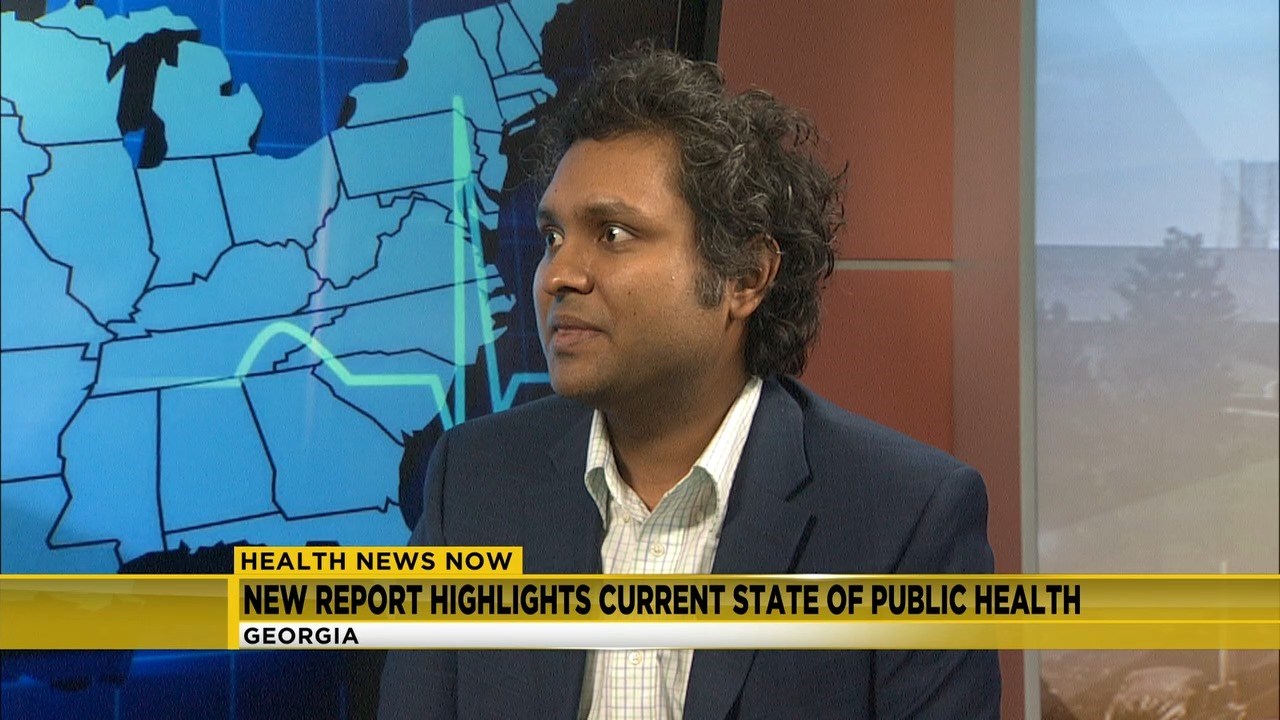
Augusta University’s second annual Healthy Georgia Report has been released, offering a snapshot of health in the Peach State as compared to not only neighboring states, but also the entire country. While Georgia’s population is doing well in some key health factors, researchers also found areas that could benefit from more awareness and public policy action. Biplab Datta, PhD, assistant professor in the Institute of Public and Preventive Health and the Medical College of Georgia’s Department of Population Health Sciences, collaborated with other IPPH faculty and staff to update the report and add new categories this year. The goal of the report is to connect with lawmakers, community leaders and researchers, stimulate conversations about public health needs and promote action, such as greater community engagement, research for informing effective policies and appraisal of required funds. “We need to make lawmakers aware of the public health situation in the state of Georgia,” said Datta. “We hope this report will help identify areas that need policy attention. It can also play an important role in bridging the gap between researchers and policymakers.” Using 2021 data from the Behavioral Risk Factor Surveillance system, the National Survey of Children’s Health, the American Community Survey and the Center for Disease Control and Prevention’s COVID Data Tracker website, the report was compiled on numerous health topics. Some categories studied include high cholesterol, hypertension, obesity, arthritis, asthma, cancer, cardiovascular diseases, alcohol consumption, diabetes and more. It also broke down each category by age, sex, race, income level and other socioeconomic indicators to get a full representation of the data. New to the study this year is an in-depth look at health insurance coverage, COVID-19 vaccinations, breastfeeding, child maltreatment, and unmet healthcare need of children. Georgia ranks 49th in the nation when it comes to health insurance coverage. That was a surprise to Datta. “I didn’t expect the numbers to be that bad, but I think it also indicates the scope of work that we need to undertake to improve insurance coverage in Georgia,” he said. Another surprise was the low rate of flu vaccination in Georgia. “We know there is a difference between whites and Blacks in the U.S. But when we look at and compare Black people in Georgia with Blacks in the rest of the southeastern states, we see the flu vaccination rate was significantly lower among Blacks in Georgia. This is an issue that warrants further research to understand the underlying causes of such disparity,” said Datta. As it was a year ago, hypertension remains a concern. There are several issues involved when talking about hypertension but there are also straightforward ways to improve the condition Datta said. “I think one of the core components of hypertension control is just changing some behavioral stuff. If we just reduced the sodium content in our daily diet, if we do regular physical exercise for a certain amount of time that will significantly improve our hypertension management. Community-level initiatives to make people aware of these things can make a real difference,” said Datta. Residents in Georgia are doing better in several areas such as obesity, cancer rates, asthma prevalence and depressive disorders. Datta said it’s important to recognize these improvements so we can learn from them. “We need to figure out where we are doing well and use that experience in areas where we are not doing so well. It will help us move toward the right direction.” He added it’s important to always be looking for ways to evolve the study, and that includes adding new categories when enough data is available. “We didn’t cover sexually transmitted diseases in this year’s report, which we would like to add when data will become available. We’d also like to add teenage pregnancy, maternal health issues, gun violence and opioid use,” he said. Looking to learn about health in the Peach State? Then let us help. Biplab Datta is available to speak with media regarding this important topic. Simply click on his icon now to arrange an interview today.


Aston University AI expertise helps estimate daily transmission rates of infections such as Covid
Model used antibody data collected at blood donation centres Data obtained allowed academics to estimate the proportion of people who were going undiagnosed Current epidemiological models tend not to be as effective at estimating hidden variables such as daily infection rates. Aston University researchers have helped develop a mathematical model which can estimate daily transmission rates of infections such as Covid by testing for antibodies in blood collected at blood donation centres. Current epidemiological models that are usually used tend not to be as effective at adjusting quickly to changes in infection levels. Working with researchers at the Universidade Federal de Minas Gerais in Brazil they conducted a large longitudinal study applying a compartmental model, which is a general modelling technique often applied to the mathematical modelling of infectious diseases, to results obtained from Brazilian blood donor centres. The testing was done by Fundacao Hemominas, one of the largest blood services in Brazil, which covers an area similar to that of continental France. They used the reported number of SARS-CoV-2 cases along with serology results (diagnostic methods used to identify antibodies and antigens in patients’ samples) from blood donors as inputs and delivered estimates of hidden variables, such as daily values of transmission rates and cumulative incidence rate of reported and unreported cases. The model discussed in the paper SARS-CoV-2 IgG Seroprevalence among Blood Donors as a Monitor of the COVID-19 Epidemic, Brazil gave the experts the ability to have a more refined view of the infection rates and relative rate of immunity compared to official measurements. The testing started at the beginning of the pandemic and involved 7,837 blood donors in seven cities in Minas Gerais, Brazil during March–December 2020. At that point testing wasn’t widely available and there was a high proportion of undetected asymptomatic or light symptomatic cases. The data obtained allowed the experts to estimate the proportion of people who were going undiagnosed. Dr Felipe Campelo, senior lecturer in computer science at Aston University, said: “Public communication about the COVID-19 epidemic was based on officially reported cases in the community, which strongly underestimates the actual spread of the disease in the absence of widespread testing. “This difference underscores the convenience of using a model-based approach such as the one we proposed, because it enables the use of measured data for estimating variables such as the total number of infected persons. “Our model delivers daily estimates of relevant variables that usually stay hidden, including the transmission rate and the cumulative number of reported and unreported cases of infection.” In Brazil in July 2020 there was a sharp increase in the number of people tested as new infrastructure became available, which allowed the experts to further validate their methodology by observing how officially recorded data became closer to the model predictions once testing became more widespread, including for asymptomatic or mildly symptomatic people. They applied the model to antibodies found in blood given by donors and used it to estimate the proportion of undiagnosed cases, and to analyse changes in the infection rate, that is, how many people each case infected on average. Previously this has been viewed as a fixed value or a fixed value over a long duration of time, but the dynamics of the spread of Covid change much faster than that. This aspect was very important in early days of the pandemic and could also be applied to similar diseases. Looking forward, the experts aim to improve the accuracy of the model by introducing changes to account for vaccination effects, waning immunity and the potential emergence of new variants. The paper SARS-CoV-2 IgG Seroprevalence among Blood Donors as a Monitor of the COVID-19 Epidemic, Brazil has been published in Volume 28, Number 4—April 2022 of Emerging Infectious Diseases.

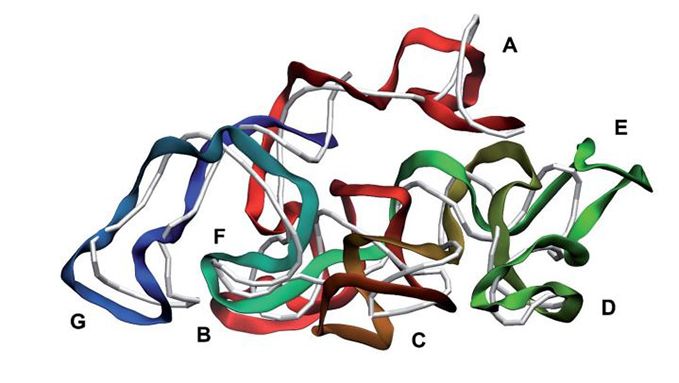
First ever computer reconstruction of a virus, including its complete native genome Will open way for investigating biological processes which can’t currently be fully examined because the genome is missing Could lead the way to research into an alternative to antibiotics. An Aston University researcher has created the first ever computer reconstruction of a virus, including its complete native genome. Although other researchers have created similar reconstructions, this is the first to replicate the exact chemical and 3D structure of a ‘live’ virus. The breakthrough could lead the way to research into an alternative to antibiotics, reducing the threat of anti-bacterial resistance. The research Reconstruction and validation of entire virus model with complete genome from mixed resolution cryo-EM density by Dr Dmitry Nerukh, from the Department of Mathematics in the College of Engineering and Physical Sciences at Aston University is published in the journal Faraday Discussions. The research was conducted using existing data of virus structures measured via cryo-Electron Microscopy (cryo-EM), and computational modelling which took almost three years despite using supercomputers in the UK and Japan. The breakthrough will open the way for biologists to investigate biological processes which can’t currently be fully examined because the genome is missing in the virus model. This includes finding out how a bacteriophage, which is a type of virus that infects bacteria, kills a specific disease-causing bacterium. At the moment it is not known how this happens, but this new method of creating more accurate models will open up further research into using bacteriophage to kill specific life-threatening bacteria. This could lead to more targeted treatment of illnesses which are currently treated by antibiotics, and therefore help to tackle the increasing threat to humans of antibiotic resistance. Dr Nerukh said: “Up till now no one else had been able to build a native genome model of an entire virus at such detailed (atomistic) level. “The ability to study the genome within a virus more clearly is incredibly important. Without the genome it has been impossible to know exactly how a bacteriophage infects a bacterium. “This development will now allow help virologists answer questions which previously they couldn’t answer. “This could lead to targeted treatments to kill bacteria which are dangerous to humans, and to reduce the global problem of antibiotic-resistant bacteria which are over time becoming more and more serious.” The team’s approach to the modelling has many other potential applications. One of these is creating computational reconstructions to assist cryo-Electron Microscopy – a technique used to examine life-forms cooled to an extreme temperature.

Researchers use computer models and simulations to predict satellite resilience
Computational physics is a field of nuance and detail. Using mathematics, researchers build computer models and simulations to test hypotheses within a digital environment. These numerical experiments are often used when practical testing is not feasible like when, for example, you must ascertain the durability of materials in a nuclear explosion. Gennady Miloshevsky, Ph.D., is an associate professor of mechanical and nuclear engineering who specializes in computational physics with an emphasis on plasma, lasers and particle beams. He works to predict the behavior and state of materials when under extreme pressure, temperature and radiation. With funding from the Defense Threat Reduction Agency (DTRA), an agency of the U.S. Department of Defense (DoD), Miloshevsky is studying the effect weapons of mass destruction have on satellites within Earth’s orbit. His work requires a distinct familiarity with our physical world and how different forms of energy interact with and within matter. “Any satellite close to the detonation point would be destroyed,” says Miloshevsky, “However, beyond that initial area, surviving satellites could be subject to X-ray induced blow-off, thermo-mechanical shock and warm dense plasma formation take place on material surfaces. This causes damage to exposed optics, sensors and solar cells on satellites. Particularly dense surface plasmas can couple the solar cells to each other in gaps between unshielded active elements and to dielectric structures causing them to be destroyed. It would all depend on the distance from the detonation point and the orientation of the satellite.” Part of Miloshevsky’s research involves developing methods to computationally simulate temperature, pressure and radiation in order to study the state known as “warm dense plasma,” which occurs between the solid and classical plasma states and exhibits the characteristics of both. A better understanding of this state of matter is a stepping stone to building more resilient materials. “Warm dense plasma is highly transient and short lived,” says Miloshevsky. “The state occurs in several nanoseconds, so isolating it in a laboratory setting in order to characterize it is very complicated. A nuclear burst irradiates materials with high-intensity X-rays, resulting in the transition to warm dense plasma. Our DTRA research seeks to understand the fundamental physics of warm dense plasma, including its physical and electrical properties. It’s currently unclear how this may affect the choice of future materials for satellite components.” A ban on nuclear testing means research into the effects of nuclear weapons is only possible through the use of computer codes to either model or simulate the many physics phenomena generated by a nuclear detonation. Miloshevsky’s first research area includes quantifying and reducing the uncertainty of computer model material properties, such as diamond, under the conditions of a nuclear blast using REODP (Radiative Emissivity and Opacity of Dense Plasmas) computer code he developed. This code is used to investigate the ionization state and ion abundances for equilibrium and transient-dense plasmas. It helps predict the equations of state, transport and optical properties of materials in the category of warm dense plasma. In a second research area, Miloshevsky works to understand and predict the interaction between X-rays and satellite surface materials (like silicon, germanium and other materials used to make solar panels) during a nuclear detonation in space. This uses MIRDIC (Modeling Ionizing Radiation Deep Insulator Charging) code developed in collaboration with NASA’s Marshall Space Flight Center for its Europa Lander project. This code helps anticipate charge production by blackbody X-rays in dielectrics and insulators of DoD space systems. It can also predict electrostatic material breakdown. Also part of the second research area is work to understand X-ray-induced shock generation, material ablation and blow-off (when material is literally “blown off” the satellite in reaction to another force) within the vacuum of space. This is studied using MSM-LAMMPS (Momentum Scaling Model implemented within the Large-scale Atomic/Molecular Massively Parallel Simulator software package) code. It predicts material behavior at an atomic level within extreme environments, the nature and behavior of materials in highly non-equilibrium states, microscopic mechanisms of disintegration, blow-off, melting, ionization and warm dense plasma states. Practical experiments in a lab use lasers to replicate the heat and pressure generated by X-ray radiation, shock and other physical effects of a nuclear detonation. Miloshevsky’s colleagues at the John Hopkins Extreme Materials Institute heat carbide diamond and silica materials typically found in solar panels to temperatures between 11,600 and 1,160,000 Kelvin using lasers at the University of Rochester and Pacific Northwest National Laboratory to observe this momentary transformation into warm dense plasma. Researchers use shadowgraphy, spectroscopy and other visual analytical methods to quantify the result. They can also investigate the depth, size and shape of the crater created by the laser within the material surface. “Experimental and computational research are closely interconnected and complement each other,” says Miloshevsky. “The laser-material interaction is a complicated process that occurs on multiple space (nanometers to millimeters) and time (femtoseconds to milliseconds) scales with evolving and changing physics. Data measured in these experiments usually need physics insights from a computer model to be correctly interpreted and understood. Models can provide fine details of physics processes that cannot be revealed in the practical experiments due to the incredibly minute space and time scales. Conversely, data from physical experimentation can feed into a computer model so it can be further developed and refined to enhance the understanding of the experiment’s measured data.” Miloshevsky’s recent topical review paper, Ultrafast laser matter interactions: modeling approaches, challenges, and prospects, details some of these advances in computational modeling and simulation development for laser-pulse interactions with solids and plasma.


Cancer Program Earns Reaccreditation From the Commission on Cancer
Report cited zero deficiencies and highlights leadership, innovative programs and strong research program The Commission on Cancer, a quality program of the American College of Surgeons, has granted three-year reaccreditation to the cancer program at ChristianaCare’s Helen F. Graham Cancer Center & Research Institute, one of the original National Cancer Institute Community Cancer Centers Program sites in the U.S. ChristianaCare has received accreditation since 1951. To earn accreditation, a cancer program must meet 34 quality care standards, be evaluated every three years through a survey process and maintain levels of excellence in the delivery of comprehensive patient-centered care. The Commission cited zero deficiencies during its site visit and in its final report. “Earning this prestigious accreditation with no deficiencies cited is a testament to the unparalleled expertise and quality of care our entire team at the Graham Cancer Center provides to our patients and community across the continuum of cancer care,” said Nicholas Petrelli, M.D., Bank of America Endowed Medical Director of the Helen F. Graham Cancer Center & Research Institute. “Patients in the communities we are privileged to serve can be assured of groundbreaking cancer treatments, innovative technology, state-of-the-art research, prevention, education and the most caring, dedicated team anywhere.” “Innovative programs that address community need” The Graham Cancer Center was recognized in the reaccreditation report for taking a multidisciplinary approach to treating cancer as a complex group of diseases that requires consultation among surgeons, medical and radiation oncologists, diagnostic radiologists, pathologists and other cancer specialists. This multidisciplinary partnership results in exceptional patient care. In its performance report, the Commission on Cancer praised the Graham Cancer Center’s leadership that has built a “culture of continual process improvement across all areas from prevention, screening, treatment and support for the patient.” It highlighted “innovative programs that address community need,” such as its on-site primary care practice and its Oncology Express Unit, which offers urgent care for patients with advanced disease. The report also stated that the “research trial offerings are a strong point.” Clinical trials test new drugs and combinations of treatments, as well as new techniques using surgery, radiation therapy, gene therapy, immunotherapy and biologics. ChristianaCare is among the national leaders in cancer clinical trials; patient enrollment rates into clinical trials at the Graham Cancer Center are at 29% which is seven times the national average. A national standard for accreditation The Commission on Cancer accreditation program provides the framework for the Graham Cancer Center to improve its quality of patient care through various cancer-related programs that focus on the full spectrum of cancer care including prevention, early diagnosis, cancer staging, optimal treatment, rehabilitation, life-long follow-up for recurrent disease and end-of-life care. When patients receive care at a Commission on Cancer-accredited facility, they also have access to information on clinical trials and new treatments, genetic counseling and patient-centered services including psycho-social support, a patient navigation process and a survivorship care plan that documents the care each patient receives and seeks to improve cancer survivors’ quality of life. Like all Commission on Cancer-accredited facilities, the Graham Cancer Center maintains a cancer registry and contributes data to the National Cancer Database, a joint program of the Commission on Cancer and American Cancer Society. This nationwide oncology outcomes database is the largest clinical disease registry in the world. Data on all types of cancer is tracked and analyzed through the database and used to explore trends in cancer care. Cancer centers, in turn, have access to information derived from this type of data analysis, which is used to create national, regional and state benchmark reports. These reports help facilities with their quality improvement efforts. Established in 1922 by the American College of Surgeons, the Commission on Cancer is a consortium of professional organizations dedicated to improving patient outcomes and quality of life for patients with cancer through standard-setting, prevention, research, education and the monitoring of comprehensive, quality care. There are currently more than 1,500 Commission on Cancer-accredited programs in the U.S. and Puerto Rico that diagnose and treat more than 70% of all patients newly diagnosed with cancer.


The effects of social media on domestic terrorism - Our experts have the answers
There is no question social media has an impact on today’s society. Worldwide there isn’t much research available with empirical evidence showing its effect. Lance Hunter, PhD, associate professor in Pamplin College of Arts, Humanities, and Social Sciences and the Masters of Arts in Intelligence and Security Studies program at Augusta University recently was part of two studies that show evidence linking social media to political violence including domestic terrorism and civil conflict. The studies included over 150 countries and covered the time frame 2000 to 2019. “One of the things we found very interesting is the amount of time that people spend on social media on average within each country per year. It really does matter in affecting the amount of domestic terrorism within countries,” said Hunter. While many are focused on what happens domestically, Hunter found that some countries have more social media usage as compared to the United States and have varying amounts of political violence within their countries. “When social media is dangerous is when it increases polarization. When it’s used to spread disinformation that disinformation can have a polarizing effect on citizens around the world, and that polarization is associated with political violence.” Even socio-economic factors can play a role in social media and its effect on people in a country. “Looking at our research and data and looking across democracies and non-democracies, different income levels of countries most developed, less developed, we see there is a noticeable effect that social media can really influence political violence, especially if it’s used for disinformation purposes.” He went on to add since their data ended in 2019, and there have been instances of violence in the U.S. since then, researchers may continue to speculate on the relationship between social media posts and the acts of domestic terrorism. Here's an excerpt from the journal's abstract in Behavioral Sciences of Terrorism and Political Aggression: Much qualitative research has drawn an association between social media and domestic terrorism, with the studies reaching different conclusions. However, few empirical studies have evaluated whether the surge in social media participation affects domestic terrorist events. Controlling for common explanations in the literature, we conduct a cross-national, time-series analysis of up to 151 countries from 2000 to 2019 to assess the impact of social media penetration on domestic terrorism. We find that greater social media penetration increases the likelihood of domestic terrorism in countries as it supports extremists’ ability to recruit, mobilize, and train terrorists. Using mediation analysis, we also find that greater social media penetration amplifies online and political polarization, increasing the likelihood of domestic terrorism events. Our work indicates the possible mechanisms linking social media and domestic terrorism and the need to develop and apply appropriate counterterrorism strategies to mitigate terrorist operations. “There is a noticeable effect that social media can really influence political violence, especially if it’s used for disinformation purposes. I think maybe it’s just something to think about going forward for governments and citizens regarding how we should approach social media because I think with any type of technology, it can be used for good or for evil.” While there are countries that try to limit certain social media platforms depending on what information is being transmitted, there will likely be ways around any restrictions put in place. “When you’re thinking overall regarding social media, and we’re thinking about communication over social media, is that individuals at times do have certain technologies that they can circumvent those controls at times. So it can be a cat and mouse game between the government and the citizens.” Dr. Lance Hunter is an assistant professor of political science with a background in international relations. His research focuses on how terrorist attacks influence politics in democratic countries and how political decisions within countries affect conflicts worldwide. Hunter is available to speak with media about this important topic - simply click on his icon to arrange an interview today.


Aston University research to support SMEs and mid-sized companies to be ‘future ready’
‘Future readiness’ is defined as a set of capabilities and orientations that enable companies to thrive in the future Researchers say SMEs and mid-sized companies’ leadership should focus on bridging their resilience gap and exploiting their high level of agility The report found circular economy can combat environment and social impact without sacrificing economic performance. A new report from Aston University has highlighted opportunities for small and medium sized enterprises (SMEs) and mid-sized companies to develop strategies and pathways to increase their future readiness. The report defines future readiness as “a set of capabilities and orientations that enable companies to thrive in the future”. For SMEs and mid-sized businesses to be future-ready, they must be successful on the three pillars of long-term growth, societal impact and adaptive capacity. Experts say they must be able to generate lasting financial strength driven by innovative business models, products and/or services, to affect society positively in line with environmental, social and governance (ESG) goals and to develop high levels of resilience and agility, which enables them to bounce back in difficult times and to identify and seize opportunities as they emerge, creating disruption in business models for the future. The report aims to support leadership teams and the wider ecosystem in understanding how they can help increase the capacity for smaller companies to thrive and positively impact the economy and environment, as well as aid the recovery from the pandemic. Experts also say that circular economy adoption, where the ‘make, use and throw away’ supply chain is converted to ‘take, make, distribute, use and recycle’, in SMEs and mid-sized companies creates a win-win situation for every supply chain stakeholder through sustainability measures to achieve economic, environment and social performance. The World Economic Forum will use the insights generated in this report to further support SMEs and mid-sized companies in their future readiness journey. This will be done through the creation of additional resources, including the continuous development of the Forum’s self-assessment and benchmarking tool on future readiness, the creation of a platform for informal peer-to-peer learning between companies and meet ups with key experts. Prasanta Kumar Dey, professor in operations and information management at Aston Business School and lead author of the report, said: “The post-COVID-19 era is significantly more challenging than most people had initially hoped. Heightened geopolitical tensions, the energy crisis, supply chain disruptions, hyperinflation and extreme weather events are just a few of the difficulties that will make the next decade a demanding one. “SMEs and mid-sized companies’ leadership should try to focus on bridging their resilience gap and exploiting their high level of agility, afforded by their smaller size, as a competitive advantage. “Future readiness capability building should not be developed as ad-hoc initiatives but should be embedded into key corporate strategies and decision-making processes, ideally from the beginning, so that it becomes part of the fundamental building blocks of the company. “While smaller companies can go a long way in building their future readiness, it is important to recognise the direct and important impact that their wider policy environment has on their ability to thrive. It is therefore crucial for policymakers, investors and other stakeholders to do what is in their capabilities to contribute to building the future readiness of this segment of the economy. “One of the high-impact areas of intervention at the system levels revolves around digital trade and includes implementing targeted measures to harmonize and drive trade data interoperability across borders and supply chains. This would greatly contribute to making it easier for smaller companies to trade internationally.” You can find out more about the report findings here.
