
Experts Matter. Find Yours.
Connect for media, speaking, professional opportunities & more.

Protein engineer to explore route from DNA blueprint to synthetic antibodies – public lecture
Professor Anna Hine will explore how advances in protein engineering have enabled us to make both synthetic antibodies and their replacements Inaugural lecture will take place at Aston University on Tuesday 28 March 2023 at 6.30pm Members of the public may attend in person or online. Professor Anna Hine, a molecular biologist specialising in protein engineering in the College of Health and Life Sciences at Aston University, is to present her inaugural public lecture on Tuesday 28 March 2023. During her lecture, A route to synthetic antibodies (and their replacements), Professor Hine will take the audience from the basics of molecular biology to explaining her inventions in protein engineering, through to examining the ways in which her research is being applied internationally to develop synthetic antibodies. Professor Hine gained her PhD in molecular biology from The University of Manchester Institute of Science and Technology in 1992 and did her postdoctoral training at Harvard Medical School. She returned to the UK to take up a lectureship in molecular biology at Aston University in 1995. Professor Anna Hine, professor of protein engineering, said: “Antibodies are one of our major lines of defence against infection and we can create them very quickly to help incapacitate a multitude of biological invaders. Humans do this by changing the part of the antibody that recognises the invading pathogen, through a process of rapid, natural mutation. Protein engineers have learned to mimic this process in the laboratory to create synthetic proteins – particularly antibodies - for use in both therapy and fundamental research.” “I am delighted to have the opportunity to present our discoveries in a way that I hope will make just as much sense to non-scientists as to a scientific audience.” Similar to the natural mutation of antibodies, protein engineers can make vast numbers of tiny variations of a protein such as an antibody. Professor Hine added: “We will contemplate the vast numbers involved in protein engineering and present how our Aston University-based inventions have made the creation of DNA (and thus protein) ‘libraries’ as efficient as possible. “We will then examine the ensuing problem of how to find the few proteins that we really want from within a protein library. This includes collaborating with experts who specialise in computer-assisted library design and also working with those who have developed the latest methods to search the libraries that we make.” Professor Hine will also show how her latest collaborative projects are starting to move beyond the antibody itself. The lecture will take place at Aston University at 6.00pm for 6.30pm on Tuesday 28 March 2023. It will be followed by a drinks reception from 7.30 pm to 8.00 pm. The lecture is open to the public and free to attend. Places must be booked in advance via Eventbrite.


AI-powered cruise control system may pave the way to fuel efficiency and traffic relief
The CIRCLES Consortium, consisting of Vanderbilt University, UC Berkeley, Temple University and Rutgers University-Camden, in coordination with Nissan North America and the Tennessee Department of Transportation, concluded a five-day open-track experiment on Nov. 18. Congestion Impacts Reduction via CAV-in-the-loop Lagrangian Energy Smoothing (CIRCLES) Researchers tested an AI-powered cruise control system designed to increase fuel savings and ease traffic using 100 specially equipped Nissan Rogue vehicles. The experiment—which ran from Nov. 14 through Nov. 18 on a sensor-filled portion of Interstate 24—is based on the results from an earlier, closed-track study where a single smart vehicle smoothed human-caused traffic congestion, leading to significant fuel savings. A single AI-equipped vehicle could influence the speed and driving behavior of up to 20 surrounding cars, causing a kind of positive ripple effect in day-to-day traffic. The CIRCLES Consortium will spend the next several months analyzing data collected on the AI-equipped vehicles and their impact on the flow of traffic over the duration of the experiment. The test was conducted on the recently opened I-24 MOTION testbed, the only real-world automotive testing environment of its kind in the world. Stretching for four miles just southeast of downtown Nashville, the smart highway is equipped with 300 4K digital sensors capable of logging 260,000,000 vehicle-miles of data per year. The CIRCLES Consortium research is supported by the National Science Foundation and the U.S. Departments of Transportation and Energy. Support was also provided by Toyota North America and General Motors. The experiment included Toyota RAV4 and Cadillac XT5 vehicles. Preliminary vehicle and traffic flow detection in the I-24 Mobility Technology Interstate Observation Network (MOTION). “On November 16 alone, the system recorded a total of 143,010 miles driven and 3,780 hours of driving. The I-24 MOTION system, combined with vehicle energy models developed in the CIRCLES project, provided an estimation of the fuel consumption of the whole traffic flow during those hours. The concept we are hoping to demonstrate is that by leveraging this new traffic system to collect data and estimate traffic and applying artificial intelligence technology to existing cruise control systems, we can ease traffic jams and improve fuel economy,” the CIRCLES team said in a joint statement. “Nissan has always been a pioneer in automotive innovation, and with our long-term vision, Nissan Ambition 2030, we know our future is autonomous, connected and electric,” said Liam Pedersen, deputy general manager at the Nissan Alliance Innovation Lab in California’s Silicon Valley. “CIRCLES shares our common goal of building a safer, cleaner world by empowering mobility.” “When it comes to transportation and mobility in Tennessee, we are at a critical juncture,” said Deputy Governor and TDOT Commissioner Butch Eley. “Traffic congestion is now becoming more prominent throughout Tennessee, and not just in urban areas. Addressing these challenges will force us to think critically about solutions, as transportation infrastructure projects traditionally are not identified nor completed before traffic congestion more dramatically affects our quality of life. One of these solutions is greater use of technology to enhance mobility. We are confident that this project and others like it will further strengthen Tennessee’s reputation for being a hub of automotive excellence.” “The I-24 MOTION project is a first-of-its-kind testbed, where we’ll be able to study in real time the impact connected and autonomous vehicles have on traffic in an open road setting,” said Meredith Cebelak, adjunct instructor in civil and environmental engineering at Vanderbilt and Tennessee transportation and transportation systems management and operations department leader at Gresham Smith. “The permanent infrastructure has been designed and installed, meaning the testbed will always be ‘on’ and available to researchers. By unlocking a new understanding of how these vehicles influence traffic, vehicle, infrastructure, and traffic management strategies, design can be optimized to reduce traffic concerns in the future to improve safety, air quality and fuel efficiency.” “Partnership across universities, government and the private sector is the key to pioneering projects like this one,” Vice Provost for Research and Innovation Padma Raghavan said. “From its earliest inception, all the partners in this effort have played vital roles. That trusted collaboration continues as the team analyzes results to seek new insights to address pressing challenges in transportation in Tennessee and beyond.”


Aston University professor elected Fellow of Royal Microscopical Society
Professor Igor Meglinski is a physicist, scientist and biomedical engineer He pioneered the application of circularly polarised light for cancer detection His research is at the interface of physics, optics and imaging modalities. Igor Meglinski, professor of mechanical, biomedical and design engineering in the College of Engineering and Physical Sciences at Aston University, has been elected as a Fellow of the Royal Microscopical Society (RMS). Professor Meglinski is a physicist, scientist, and biomedical engineer whose research interests are at the interface between modern physics, optics and imaging modalities, focusing on the exploration of novel photonics-based phenomena and their implementation to practical applications in medicine, biology, life sciences and health care industries. Among other achievements, Professor Meglinski pioneered the application of circularly polarised light for cancer detection. best known for his development of fundamental studies and translation research dedicated to imaging of cells and biological tissues utilising polarised light, dynamic light scattering and computational imitation of light propagation within complex tissue-like scattering medium. His current research projects include the application of coherent polarised light for cancer diagnosis, functional imaging of blood and lymph flows, neuroimaging and brain malformation studies. He is also exploring human visual perception of polarised light and helical wave fronts, the fundamentals of shaped light with orbital angular momentum and quantum entanglements transfer in turbid tissue-like scattering medium, screening of cells, cell’s organelles and cells interaction. He has authored and co-authored more than 400 scientific papers and presented over 800 presentations at major international conferences in the field, including over 200 keynote and plenary talks and invited lectures. The Royal Microscopical Society is a learned society dedicated to the promotion and development of microscopy and imaging. Its members come from a wide range of backgrounds, including undergraduates, research students, users of microscopy in industry and academia, microscopy manufacturers and suppliers and research leaders in their various fields within the biological and physical sciences. Professor Igor Meglinski said: “I was delighted to be invited to become a Fellow of the Royal Microscopical Society. “It is always a pleasure to be recognised for your work, such as my recent research which could provide a more accurate method of blood flow diagnosis in skin to help people with diabetes.”
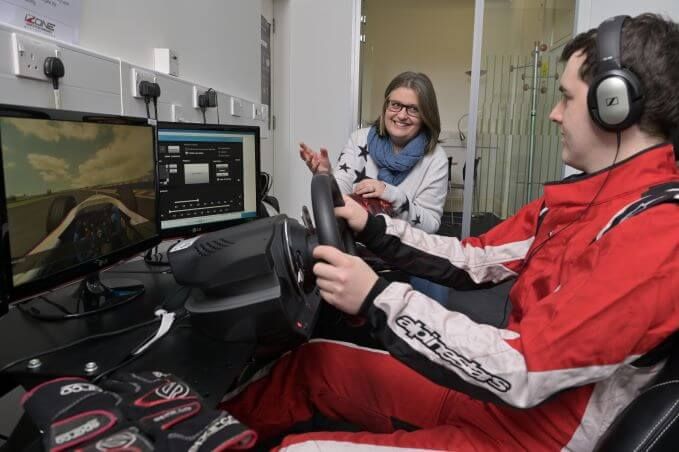
Public lecture: Be kind - effective design of software with and for real people
Public lecture: Be kind - effective design of software with and for real people Professor Jo Lumsden to give inaugural lecture on 9 March Will discuss need to approach software design with basic kindness. How software can be designed with kindness at its core is to be explored in a public lecture at Aston University. Professor Jo Lumsden is to give her inaugural lecture Be kind - effective design of software with and for real people on 9 March, which will be open to the public. Professor Lumsden said: “The approach to software development, however admirable, is often dominated by either the domain expert or the engineer who builds the software. “All too often, the voices of the real people who are destined to use the software are overlooked, or age-old techniques are adopted that do not support inclusive design or evaluation of such technologies.” Professor Lumsden will reflect on a wide range of examples which demonstrate novelty, or innovation. These could be in terms of designing with and interaction for end users, and evaluation to ensure feasibility and usability of technology that will be acceptable to end users. Professor Lumsden added: “Technology should be developed to help solve our problems or to improve our lives. “I am passionate about the fundamental need to approach software design with basic kindness. “I hope that the examples I will share in my lecture will inspire others to embrace empathetic approaches to future software design, so that collectively we can realise an effective and acceptable technological future.” Jo Lumsden is professor of human computer interaction in the College of Engineering & Physical Sciences at Aston University where she is also pro vice-chancellor (research integrity), head of the Computer Science Department and director of the Aston Interactive Media Lab. She has worked in research for more than 25 years and her recent work has centred on design and development of mobile assistive technologies which enhance the quality of life of those with special, typically healthcare-related, needs. Her multidisciplinary research brings together technologists, domain experts, and most importantly end users, to co-design technology, empowering end users to ensure their needs are met via the introduction of technology. The free event will be taking place on 9 March from 6 pm to 8 pm and will be followed by a drinks reception. To sign up for a place visit https://www.eventbrite.co.uk/e/an-inaugural-lecture-by-professor-jo-lumsden-tickets-530625183207

Researchers find mechanical stimulation could be used to help improve balance control The findings provide new information on whole-body vibration applications Paves the way for research on the interaction between the central nervous system and peripheral muscles. Mechanical vibrations could help improve our muscles and our balance control, according to research at Aston University. Researchers in the College of Engineering and Physical Sciences have examined the effect of stimulation on muscle spindles which ‘speak’ to the central nervous system to help keep us upright and walk straight. Their results provide new perspectives on whole-body vibration applications, paving the way for future research on the interaction between the central nervous system and the peripheral muscles. The research could in future be applied to improve balance in older people and help reduce falls, this could be applied through either wearable devices or with a daily session of stimulation. Hip fractures alone account for 1.8 million hospital bed days and £1.1 billion in hospital costs every year, excluding the high cost of social care. Another potential benefit of the research is that this type of stimulation could be applied to athletes to decrease their muscle reaction times. The goal of the study was to find out if mechanical vibrations can improve the way our bodies process and react to small body oscillations. Seventeen young male and female adult volunteers aged between 20 and 28 years old stood individually on platforms, similar to vibrating plates found in gyms, which caused leg muscle contractions. Calf muscles were targeted as the muscles whose action contribute the most to maintaining a stable upright posture. The researchers stimulated their calves with a frequency of 30Hz and recorded four one-minute trials of undisturbed balance to take a baseline measure and compared the readings to measurements taken after the stimulation. After conducting the experiment, they found that their balance seemed to have improved. The research, Sensorimotor recalibration of postural control strategies occurs after whole body vibration, was led by Dr Antonio Fratini, senior lecturer in mechanical, biomedical & design engineering, and PhD student Isotta Rigoni, and has been published in Scientific Reports – Nature. Dr Fratini said: “We’re excited by our results as they could have a beneficial effect on the health and quality of life of a large number of people. “Our results indicate that whole body vibration challenges balance at first, triggering a bigger effort to control the upright stance and shifting muscle modulation toward supraspinal control, resulting in a recalibration of muscle recruitment. The neuromuscular system seems to recover from such disruption and regain control over a longer time interval.” “Indeed, while muscle recruitment and cortical effort appear unaltered over the long term, the balance seems not only restored but also improved, besides the still clearly affected calf muscles.” For more information about our research or studying in the College of Engineering and Physical Sciences please visit our website.


• Researchers in the School of Biosciences partner with preclinical-stage biotechnology start-up company to develop drugs for fibrotic diseases • Professor Martin Griffin and team develop TG2 inhibitors to help treat a serious chronic lung disease called idiopathic pulmonary fibrosis. • Isterian Biotech is part of Cambrian BioPharma who have been working with Aston University since 2019. Aston University scientists are working with start-up company, Isterian Biotech, part of Cambrian BioPharma, to develop novel drugs to treat fibrotic diseases such as lung disease. The focus of preclinical-stage biotechnology company Isterian Biotech is on developing novel drugs to stop or reverse the pathological accumulation of crosslinked proteins commonly observed in all major organs with age. As we age a chronic increase of crosslinked proteins occurs in the extracellular matrix (ECM), that surround, support, and give structure to the cells and tissues in the body. These crosslinked proteins are difficult for the body to degrade and over time can make organs stiff and dysfunctional, ultimately resulting in fibrosis. Reversing the accumulation of these pathological crosslinks will greatly contribute to reducing fibrosis. The start-up is working to develop small molecule inhibitors of transglutaminase 2 also known as TG2, which is one of the major crosslinking enzymes in the human body, that becomes more active during ageing - thus resulting in fibrotic diseases such as a type of lung disease known as idiopathic pulmonary fibrosis (IPF). Isterian President and Chairman of the Board, Georg C Terstappen, PhD said: "Isterian's strategy of combining rational drug design with efficient multiparametric profiling of synthesized small molecules has been both impressive and highly productive. Notably, for one of our highly potent and selective TG2 inhibitors, we have recently demonstrated efficacy in a mouse model of lung fibrosis for the first time. "Using this state-of-the-art approach to drug discovery combined with an impressive team gives us great confidence in the future of this novel company." IPF is a progressive, irreversible disease that is characterized by pathological crosslinking of extracellular matrix (ECM) proteins (a large network of proteins and other molecules that surround, support, and give structure to the cells and tissues in the body) leading to excessive deposition of collagen. This means that in IPF scar tissue or fibrosis builds up around the air sacs (alveoli) in the lungs and reduces the ability to transfer oxygen that is breathed into the blood, resulting in severe restriction of lung capacity and function. IPF is the most common form of pulmonary fibrosis. The disease affects between 200,000 and 300,000 people globally. Statistics from the charity Action for Pulmonary Fibrosis suggest there are about 30,000 people living with IPF in the UK with an estimated 6,000 new cases of the condition each year. The disease usually develops in people aged 70 and older and is more common in men. But it can occur in younger individuals, particularly if there is a family history of idiopathic pulmonary fibrosis. The company was founded by capitalizing on over 35 years of scientific research from the laboratory of Professor Martin Griffin and his team Dr Dan Rathbone and Dr Vivian Wang at Aston University. Their work with small molecule inhibitors selective for TG2 has demonstrated reduction of fibrosis in multiple organs in a number of animal models. In 2019, Aston University partnered with Cambrian to form Isterian Biotech with a mission to develop safe and effective TG2 inhibitors to treat Idiopathic pulmonary fibrosis (IPF), a devastating fibrotic disease of the lung. Professor Martin Griffin, Biosciences Research Group, Aston University said: “We are delighted to continue our work with Isterian researching how we can further develop TG2 inhibitors to help tackle this awful disease.” CEO of Cambrian BioPharma, James Peyer, commented: "As Cambrian continues on its mission to build medicines that will redefine healthcare in the 21st century, we are very thankful to find brilliant scientists such as Martin and his team that are willing to break the mold. Isterian and its work to reduce fibrosis are a perfect fit alongside the other pipeline companies our team has announced in 2022." The company's current pipeline includes an advanced preclinical-stage TG2 inhibitor for inhaled administration and several structurally unrelated back-up compounds for the treatment of IPF. For more information about the School of Biosciences at Aston University, please visit our website.

A.I. and Higher Education: The Rise of ChatGPT
ChatGPT. Maybe you’ve heard of it. Colleges and universities certainly have. It’s the chatbot that uses artificial intelligence (A.I.) technology to generate sentences based only on a brief prompt, writing anything from college-level papers to fanfiction. And as one might expect, the popular chatbot is taking the academic world by storm, raising questions about trust, academic integrity and even the future of college admissions. We turned to Seth Matthew Fishman, PhD, Assistant Dean of Curriculum and Assessment and associate teaching professor in the Department of Education and Counseling at Villanova University, to get his thoughts. Q: What makes ChatGPT different and why is it causing such a stir? Dr. Fishman: The use of chatbots is not a new debate in higher education. But ChatGPT and other similar free software certainly add a complex layer that we are only just now starting to have conversations about. There will be an ongoing debate about trust—Who wrote the material we are reading? To what extent if any, will it impact faculty members? There are also A.I. digital images, graphics, and design—To what extent do these programs impact our creative arts and design programs? I think these fields will mostly embrace A.I., though I can see issues of copyright infringement and artist control/attribution. Q: How are other chatbots being used in academic settings? DF: A.I. use already impacts higher education. If you ask any faculty member teaching a foreign language that requires a translation, they will have tales of work submitted by students who use online translation software. But benefits do exist for students and faculty regardless—we’re able to interact a bit more with others, reducing some language barriers. I expect we will see hundreds of articles about ChatGPT’s impact on education; there are likely several dissertations underway, and I expect to see ChatGPT and similar software cited in papers and likely even in authorship groups. Q: What will the impact of ChatGPT be on the college application and admissions process? DF: I think we’ll see conversations from college admissions professionals on the impact of ChatGPT on higher education admissions. For example, key components of college applications such as essays and writing samples may be impacted. And ChatGPT may also be used to write some rather good letters of recommendation. Q: What does the future hold? Will ChatGPT and similar A.I. programs maintain popularity? DF: I’m curious if A.I. will be used to generate employment cover letters. Additionally, many corporations already use A.I. to sift through candidate applications to narrow down their applicant pools. It may continue to transcend academia. I also expect to hear more from our philosophy and ethics experts to help us better understand the societal and educational implications of using A.I. in these ways. And these kinds of conversations will be had with our students to engage them as partners in the learning experience. We will probably generate new ideas and different perspectives from doing just that.


Students studying medicine, pharmacy, nursing, optometry and audiology to benefit from the investment in a new simulation facility over the next three years The Office for Students has granted Aston University £4.8 million to develop future healthcare professionals The investment in digital clinical equipment and health simulation facility will better prepare students for the future of work. Students in the College of Health and Life Sciences at Aston University are to benefit from a major £4.8 million investment in new facilities funded by the Office for Students to further expand and develop the University’s suite of state-of-the-art healthcare simulation and laboratory facilities. Students studying medicine, pharmacy, nursing, optometry and audiology will benefit from capital funding to support new equipment and facilities over the next three years. This latest funding follows on from an initial £1.5 million investment into healthcare simulation facilities on the University campus which were officially opened in December 2022 by Paulette Hamilton MP. The funds will be used to create and equip a simulated hospital ward facility and a simulated patient home environment for healthcare students. Nursing Studies is now recruiting for its first intake of students in September 2023. Pharmacy students will also gain a new wet lab and asepsis suite. The optometry simulation suite, unique in Europe, will be further enhanced with augmented reality simulation, allowing students to learn and refine their skills in a realistic instrument environment, with simulated patients with a wide range of eye conditions. Investment in other additional optometry equipment, including an additional optomap retinal screening device, will also allow the eye clinic to triage patients for the eye hospital, reducing patient waiting times, particularly in assessing conditions such as macular degeneration. Aston Medical School will be equipped with the creation of an immersive room and an anatomy and physiology teaching facility. Professor Liz Moores, Deputy Dean of the College of Health and Life Sciences, said: “The College of Health and Life Sciences is thrilled with this investment. The enhanced facilities will help to support many of our healthcare students, including those now applying for our new nursing degree. It will also support us with the introduction of the new pharmacy and optometry education standards, providing a step change in our ability to simulate a wide range of clinical scenarios.” Professor Aleks Subic, Vice-Chancellor at Aston University, said: “This strategic investment will ensure that our students are learning in the very best facilities with access to state-of-the-art digital technologies. The new facilities will enable us to prepare students fully for future careers that are strategically important to the healthcare sector and society. This is about bringing Industry 4.0 to healthcare.” Professor James Wolffsohn, Head of the School of Optometry and Audiology at Aston University, said: “With the huge hospital waiting lists, particularly post-COVID, with those in ophthalmology being the highest, it is essential that primary care can take more of the patient load to allow hospitals to focus on surgery and complex cases. This investment will allow us to better train our optometry and audiology students to be able to triage patients and to manage more conditions within community practice.” Jiteen Ahmed, Head of Technical Services in the College of Health and Life Sciences at Aston University, said: “It is fantastic to see such a large investment in our facilities to support many of our healthcare programmes. Technical staff at Aston University will be playing a key role in the design of the facilities, ensuring that we provide the most up to date and innovative technologies to meet the needs of the programmes. “I am very excited to see the involvement of technical staff as they will play a significant role in ensuring our students meet key learning outcomes in our facilities at the University.” For more information about studying in the College of Health and Life Sciences please visit our website.

Researcher to build fuel database to improve nuclear reactor sustainability
Braden Goddard, Ph.D., assistant professor in the Department of Mechanical and Nuclear Engineering, has received a grant from the U.S. Department of Energy’s Nuclear Energy University Program (NEUP) to create a database for use in nuclear material control of pebble bed reactors (PBR). Advances in material science and technology have revitalized the nuclear energy industry, allowing for the design and construction of advanced nuclear reactors. New high-temperature materials developed by researchers allow ideas from as early as 1970, like pebble bed reactors, to be re-explored and make nuclear power more efficient and sustainable. Pebble bed reactors are one of many ideas from as early as 1970 that researchers are once again exploring to make nuclear power more efficient and sustainable now that science has developed new high-temperature materials. “Imagine a gumball machine,” said Goddard, “A pebble bed reactor functions similarly. The pebbles are the gumballs, which are fed into a reservoir. As they make their way through the reactor, heat generated from the radiation is removed by a gas which then spins an electrical turbine to generate electricity. The pebbles then exit from the bottom of the reservoir and those that can be reused are returned to the top of the reservoir.” Each pebble contains thousands of microscopic uranium particles encased in silicon-carbide cladding. As the pebble passes through the PBR, the path it follows affects how much fissioning occurs within the uranium. This means pebbles deplete at different rates based on how they travel through the reactor. Goddard’s database seeks to characterize the state of a pebble after it leaves the PBR by determining precisely how much plutonium and uranium remains in the pebble. This informs PBR operators if the pebble can be reused or if it needs to be sent off as waste. Better characterizing these pebbles improves the sustainability and security of PBRs while reducing the amount of waste generated. Measuring gamma radiation from the radioactive isotope cesium-137 created from the fission of uranium is the traditional method of determining how much nuclear fuel is still viable. However, this system does not work for PBRs because the correlation between the uranium fuel and the gamma radiation it emits is not consistent between pebbles. To remedy this, Goddard will measure both gamma and neutron radiation emitted by all radioactive isotopes in the pebble, which varies depending on the route the pebble takes through the reactor. Partners like Brookhaven National Laboratory and similar institutions within the United States will assist in the research by applying machine learning techniques to the gamma and neutron radiation signature. “Nuclear reactor operators have instruments that tell them what’s going on inside the reactor, but it’s not the same as knowing how much uranium mass you have in fuel going into or coming out of the reactor,” said Goddard. Goddard and his colleague, Zeyun Wu, Ph.D., will use computer modeling to run countless simulations and map every possible course a pebble can take through a PBR. The resulting catalog of data will allow PBR operators to characterize the state of any pebble leaving the PBR and assess if it can be reused or if it is ready to be stored at a nuclear waste facility. The catalog also serves as a material inventory, allowing nuclear facilities to better track waste material.


MEDIA RELEASE: Manitoba’s Worst Road for 2022 is…
Winnipeg, MB, May 24, 2022 – A provincial road that connects Seven Sisters Falls through Manitoba’s Whiteshell Provincial Park is the province’s Worst Road. Provincial Road 307 is the dubious “winner” of CAA Manitoba’s Worst Roads contest for 2022, says Heather Mack, Manager, Government and Community Services. “This is the first time a rural road has made the top of our list,” says Mack. “But it’s not a surprise – more rural roads have been making our Top 10 list as the annual contest goes on.” A resident who lives near Otter Falls, which is in the Whiteshell off of PR 307, tells CAA Manitoba that the road is even worse in the winter – thanks to how much the road heaves in the cold. “It just comes up and if you aren’t careful, you go flying,” he says, noting the province has erected warning signs, but has not fixed the heaving. Last week, the road was closed due to overland flooding, which should be a wake-up call to governments, says Mack. “Climate change affects our infrastructure as much as anything else,” she says. “We need to be pro-active in preparing our roads so these vital community links, especially in rural Manitoba, are not cut off.” Winnipeg’s Saskatchewan Avenue came in second due to its numerous patches and potholes – including one pothole that was so deep, a local man took a photo of himself standing waist-deep inside it. It’s not just potholes that CAA Manitoba asked Manitobans to think about when voting for their worst road. Lack of active transportation paths, lack of safe and accessible access, poor or no signage, bad design or poor maintenance all went into this year’s voting. This year’s Top 10 list for Manitoba: 1. Provincial Road 307 2. Saskatchewan Avenue, Winnipeg 3. Waller Avenue, Winnipeg 4. Provincial Trunk Hwy 34, Pilot Mound/Crystal City 5. 18th Street, Brandon 6. Provincial Trunk Hwy 44, Lockport to Whiteshell 7. Leila Avenue, Winnipeg 8. Kenaston Boulevard, Winnipeg 9. Dawson Road North, Winnipeg 10. Goulet Street, Winnipeg Last year’s winner, Taylor Avenue, dropped off the provincial Top 10 list thanks to recent reconstruction efforts by the City of Winnipeg, but is still in the Top 10 list for Winnipeg. “This contest provides a snapshot of what Manitobans are experiencing out on our roads. We are pleased to see some of the usual roads on our list get moved down or fall off as local governments take action,” says Mack. “We are here to advocate for the safest roads possible for Manitobans – no matter whether they drive, bike, use transit or walk.” Photos and video of Manitoba’s Worst Road: https://bit.ly/3yP1wNl Other Regional “Winners” Winnipeg’s worst: 1. Saskatchewan Avenue 2. Waller Avenue 3. Leila Avenue 4. Kenaston Boulevard 5. Dawson Road North 6. Goulet Street 7. Taylor Avenue 8. Portage Avenue 9. Narin Avenue 10. Empress Street Southern Manitoba’s worst: 1. Provincial Road 307 2. Provincial Trunk Hwy 34 3. 18th Street, Brandon 4. Provincial Trunk Hwy 44 5. Provincial Road 250 6. Main Street, Selkirk 7. Trans-Canada Highway, Brandon 8. Provincial Trunk Hwy 23, Morris 9. Provincial Trunk Hwy 12 10. Provincial Road 450 Portage La Prairie’s Worst: 1. Lorne Avenue West. 2. Saskatchewan Avenue Brandon’s Worst: 1. 18th Street. 2. Trans-Canada Highway Thompson’s Worst: 1. Provincial Trunk Hwy 6. 2. Hayes Road Morden’s Worst: 1. Provincial Road 432. 2. 1st Street Selkirk’s Worst: 1. Main Street 2. Manitoba Avenue Steinbach’s Worst: 1. Loewen Boulevard 2. Park Road West
