
Experts Matter. Find Yours.
Connect for media, speaking, professional opportunities & more.
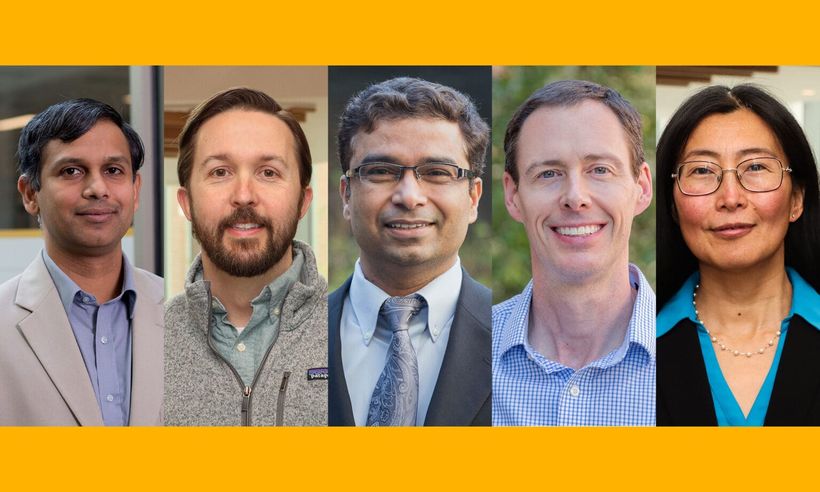
National Academy of Inventors welcomes five VCU College of Engineering researchers
The National Academy of Inventors (NAI) recently inducted five Virginia Commonwealth University (VCU) College of Engineering researchers as senior members. Chosen for their innovative engineering contributions, the honorees are recognized as visionary inventors whose groundbreaking research and patented technologies are driving meaningful societal and economic advancements across the national innovation landscape. “Invention represents the practical application of knowledge and stands as one of the many ways engineers can make a positive impact on their communities and the world,” said Azim Eskandarian, D.Sc, the Alice T. and William H. Goodwin Jr. Dean of the VCU College of Engineering. “This year’s honorees exemplify the interdisciplinary nature of our field, leveraging advanced concepts from mechanical, biomedical, chemical and pharmaceutical engineering to address today’s most pressing challenges. We are immensely proud that our dedicated researchers have earned recognition as members of the esteemed National Academy of Inventors.” The VCU College of Engineering NAI inductees are: Jayasimha Atulasimha, Ph.D. Engineering Foundation Professor Department of Mechanical & Nuclear Engineering An internationally recognized pioneer of straintronics, an approach to electrically control magnetism for ultra-low-energy computing, Atulasimha has made significant research contributions to next-generation memory, neuromorphic hardware and emerging quantum computing technologies. He holds four U.S. patents spanning energy-efficient magnetic memory, nanoscale computing architectures and medical tools. Atulasimha’s commercially viable inventions are funded by organizations like the Virginia Innovation Partnership Corporation and he leads multi-institutional collaborations that drive innovation in computing hardware, AI and quantum technologies with more than $10 million in funded research. Casey Grey, Ph.D. Postdoctoral Research Associate Department of Mechanical & Nuclear Engineering Bridging engineering and medicine, Grey’s work spans life‑saving stroke technologies, breakthrough respiratory and neurological care, and sustainable packaging. As a lead R&D scientist at WestRock, he helped create and commercialize the CanCollar® portfolio, a recyclable paperboard replacement for plastic beverage rings now used on five continents, eliminating thousands of tons of single‑use plastic annually. In medical device innovation, Grey’s patent and development work on a novel cyclic aspiration thrombectomy platform, currently in clinical trials, is advancing stroke treatment by enhancing clot removal efficiency and reducing long‑term disability. At the VCU College of engineering, Grey built a research and commercialization pipeline around neurological and respiratory technologies, securing eight provisional patents and leading multidisciplinary teams in neurology, neurosurgery, surgery, pharmacology and toxicology, internal medicine, and respiratory medicine. His work includes developing dry powder inhaler strategies for delivering life‑saving drugs to patients with acute respiratory distress syndrome (ARDS), a pediatric bubble CPAP system designed to protect brain development in premature infants, and non‑invasive, non‑pharmacological 40 Hz neuromodulation therapies to treat neurodegeneration and conditions with significant central nervous system complications, like sickle cell disease. In collaborations with the VCU Children’s Hospital and VCU Critical Care Hospital, Grey is leading two clinical studies that are translating these innovations to improve patient care. Ravi Hadimani, Ph.D. Associate Professor and Director of Biomagnetics Laboratory Department of Mechanical & Nuclear Engineering Hadimani founded RAM Phantoms LLC, a VCU startup company, commercializing anatomically accurate, MRI-derived brain phantoms for neuromodulation and neuroimaging applications. These brain phantoms help test and tune transcranial magnetic and deep brain stimulation technologies, improving clinical safety and enabling personalized therapy for patients. RAM Phantoms is also developing a highly-skilled workforce for employment in Virginia’s growing biomedical device industry. Beyond commercialization, Hadimani maintains a productive research program with more than $4.5 million in funding resulting in 125 original peer-reviewed publications, 17 current and pending patents, a book, and several book chapters. His biomagnetics lab serves as a training ground for undergraduate, graduate and Ph.D. students to hone their skills in innovation management, intellectual property strategy and startup development. Several students from Hadimani’s lab have engaged in translational research, patent co-authorship and start-up formation, cultivating a new generation of engineer-entrepreneurs equipped to drive future technological advances. Before joining VCU, Hadimani led the development of hybrid piezoelectric–photovoltaic materials that established FiberLec Inc., which commercialized multifunctional energy-harvesting fibers capable of converting solar, wind and vibrational energy into usable electricity. Worth Longest, Ph.D. Alice T. and William H. Goodwin, Jr. Distinguished Chair Department of Mechanical & Nuclear Engineering Uniting aerosol science, biomedical engineering and computational modeling, Longest is revolutionizing inhaled drug delivery. Working with collaborators, his lab has developed novel devices, formulations and delivery platforms that precisely target medications to the lungs, addressing conditions like cystic fibrosis, pneumonia, acute respiratory distress syndrome and neonatal respiratory distress syndrome. These innovations have resulted in multiple patents. Some of them have been licensed through commercial partnerships like Quench Medical, an organization advancing inhaled therapies for applications like lung cancer. Collaborating with the Gates Foundation and the lab of Michael Hindle, Ph.D., from the VCU Department of Pharmaceutics, Longest’s team developed a low-cost, high-efficacy aerosol surfactant therapy for pre-term infants based entirely on technology developed at VCU. The invention eliminates intubation, reduces dosage by a factor of 10, and cuts treatment costs. Over 9 million infant lives are projected to be saved by this technology between 2030 and 2050. Through a long-term collaboration with the U.S. Food and Drug Administration, Longest’s in vitro and computational methods provide federal regulatory guidance for generic inhaled medications. The VCU mouth-throat airway models developed under his leadership are used globally across the pharmaceutical industry and in government laboratories. Hong Zhao, Ph.D. Associate Professor Department of Mechanical & Nuclear Engineering Zhao holds 40 patents with innovations spanning additive manufacturing, stretchable electronics, inkjet printing technologies and superoleophobic materials that repel oils, greases, and low-surface-tension liquids. Her research has applications across health care, sustainable energy and advanced manufacturing. Prior to joining the College of Engineering, Zhao served as a senior research scientist and project leader at the Xerox Research Center, where she developed high-performance materials and printing technologies for commercial deployment. Her industry experience makes Zhao’s lab a hub for innovation and mentorship, with students engaging in innovative research and co-authoring publications. Zhao is an invited reviewer for more than 50 premier journals and grant agencies. “Working with distinguished researchers and innovators like those inducted into the National Academy of Inventors is a great honor for me,” said Arvind Agarwal, Ph.D., chair of the Department of Mechanical & Nuclear Engineering and NAI fellow. “They are an inspiration and showcase the kind of impact engineers can make. Having all five of these innovators as part of our department amplifies the scientific richness of our college and its societal impact. They advance the college’s mission of Engineering for Humanity, with research that brings a positive change to our world.” The 2026 NAI class of senior members, composed of 231 emerging inventors from NAI’s member institutions, is the largest to date. Hailing from 82 NAI member institutions across the globe, they hold over 2,000 U.S. patents.





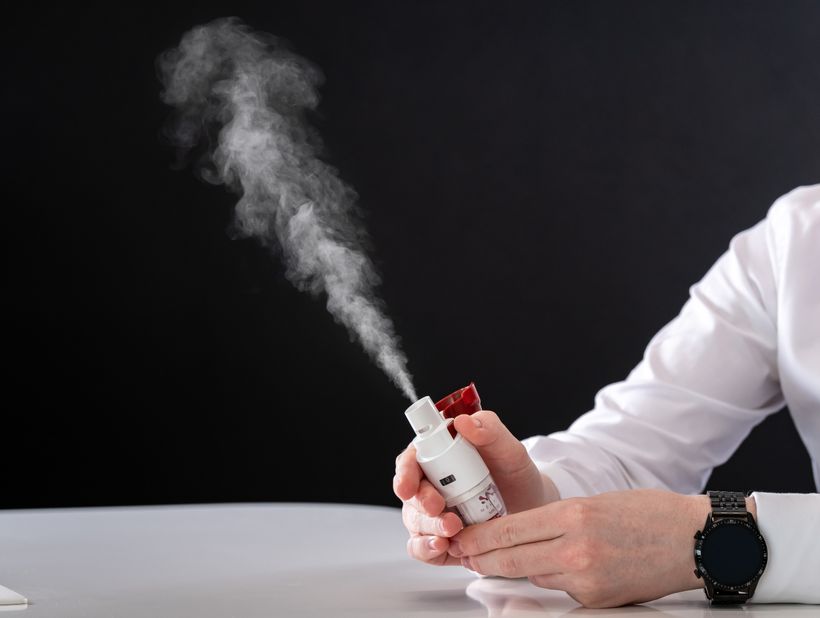
CorriXR Launches Bold Collaboration to Create First Inhaled CRISPR Therapy for Lung Cancer
CorriXR Therapeutics, ChristianaCare’s first commercial biotherapeutics spinout, has launched a major collaboration with InhaTarget Therapeutics and Merxin Ltd to develop an inhaled genetic therapy for lung cancer. The goal is to deliver a CRISPR-based treatment straight to tumors in the lungs to improve effectiveness and cut harmful side effects. A New Way to Treat Lung Cancer Lung cancer remains one of the deadliest cancers worldwide. Squamous cell lung carcinoma, an aggressive form of non-small cell lung cancer, accounts for up to 30% of cases. More than 380,000 people are diagnosed each year, yet the five-year survival rate stays under 15%. Standard chemotherapy and immunotherapy often become less effective, and many patients develop resistance that leaves them with few options and rising toxicity. CorriXR is taking aim at this problem. Its CRISPR gene editing system targets NRF2, a key driver of treatment resistance. By switching off NRF2, the therapy has the potential to make tumors sensitive to chemotherapy again and give patients a chance at better outcomes. As reported in a recent paper in Molecular Therapy Oncology, researchers at ChristianaCare’s Gene Editing Institute showed in preclinical lung cancer models that disabling NRF2 can resensitize tumors to chemotherapy with minimal off-target effects. “This partnership is about more than science. It’s about hope for patients,” said Eric Kmiec, Ph.D., founder and CEO of CorriXR Therapeutics and chief scientific officer at ChristianaCare’s Gene Editing Institute. “Lung cancer patients deserve therapies that work and improve quality of life. By combining our CRISPR-based technology with inhaled delivery, we can target tumors directly and reduce systemic toxicity. Our goal is to make treatment simpler, more effective and less invasive.” How the Inhaled Delivery System Works The treatment will be given through inhalation using InhaTarget’s lipid nanoparticle formulation delivered by Merxin Ltd’s advanced inhaler platform. The goal is a non-invasive therapy that patients could use at home. “Combining our pulmonary drug delivery LNP platform with CorriXR’s groundbreaking science and Merxin Ltd’s device technology has the potential to reshape the landscape of lung cancer treatment. We are eager to advance work on this novel combination,” said Frédéric De Coninck, Ph.D., co-founder and CEO of InhaTarget Therapeutics. Merxin Ltd’s technology is central to the approach. Its inhalers are built to deliver precise, consistent doses straight to the lungs. For this collaboration, Merxin Ltd is adapting its device to handle lipid nanoparticle formulations for the first time in a cancer treatment. “Our advanced inhaler technology is designed to ensure non-invasive, precise, consistent delivery of novel therapeutics,” said Philippe Rogueda, Ph.D., co-founder and chief business officer of Merxin Ltd. “We are excited to contribute to this vital effort and help bring innovative solutions to patients with lung cancer.” Why This Matters Patients with squamous cell lung carcinoma often face a fast-moving disease and few treatment choices. A therapy that can reach tumors directly, reduce toxicity and avoid resistance would mark a major shift. “This collaboration underscores the power of combining innovative science with practical delivery solutions,” said Kmiec. “Our CRISPR-based approach is designed to overcome one of the toughest challenges in oncology: treatment resistance. By partnering with experts in inhalation technology, we are moving closer to a therapy that is not only effective but accessible.” Studies will begin soon, with a substantial set of results on effectiveness and impact expected by spring 2026.



LSU Launches Louisiana’s Most Advanced Microscope at Research Core Facility
LSU’s Advanced Microscopy and Analytical Core (AMAC) facility gives Louisiana researchers access to 16 state-of-the-art instruments, including a new Spectra 300 Scanning Transmission Electron Microscope (S/TEM) for atomic-scale imaging and analysis. The new microscope—the most advanced in Louisiana—was installed with $10 million in support from the U.S. Army. Standing almost 13 feet tall on a platform isolated from vibration, the S/TEM required major renovations, including a raised ceiling, acoustic wall panels, and a magnetic field cancellation system to ensure the instrument’s stability and performance. The microscope offers magnification up to 10 million times, powerful enough to enlarge a single grain of Mississippi River silt to the size of Tiger Stadium. “This is a transformational moment for LSU and for the future of research in Louisiana,” Interim LSU President Matt Lee said. “With the installation of the most advanced microscope in the state, LSU is once again demonstrating how we’re delivering on our promises—leading in research, innovation, and service to the state and nation.” The launch of the AMAC and S/TEM demonstrates LSU’s increased investment in providing its faculty and partners with the best possible equipment for research and discovery, including for national defense, energy, and health. “Winning in research is no different than winning in athletics—the best facilities attract the best talent, and you need the best of both to win,” LSU Vice President of Research and Economic Development Robert Twilley said. “Today’s launch is about a state-of-the-art microscope but also the launch of the AMAC as our first research core facility at LSU—the first of more to come to attract, train, and supply the best research talent for Louisiana and build research teams that win.” Using a finely focused electron beam and techniques such as energy dispersive X-ray spectroscopy (EDS) and electron energy loss spectroscopy (EELS), the S/TEM can reveal both structure and chemistry at atomic resolution. These capabilities drive advances in materials science—improving semiconductors, solar cells, batteries, catalysts, coatings, and alloys—while supporting biomedical research by mapping drug delivery, uncovering the structures of viruses and bacteria, and improving medical implant design. LSU’s AMAC research core facility was recently rebranded, changing its name from the Shared Instruments Facility (SIF). Learn more about how AMAC instruments help unlock millions in federal research funding to Louisiana and deliver solutions.



3D-printed lung model helps researchers study aerosol deposition in the lungs
Treating respiratory diseases is challenging. Inhalable medicines depend on delivering particles to the right lung areas, which is complicated by factors like the drug, delivery method and patient variability, or even exposure to smoke or asbestos particles. University of Delaware researchers have developed an adaptable 3D lung model to address this issue by replicating realistic breathing maneuvers and offering personalized evaluation of aerosol therapeutics. “If it's something environmental and toxic that we're worried about, knowing how far and how deep in the lung it goes is important,” said Catherine Fromen, University of Delaware Centennial Associate Professor for Excellence in Research and Education in the Department of Chemical and Biomolecular Engineering. “If it's designing a better pharmaceutical drug for asthma or a respiratory disease, knowing exactly where the inhaled aerosol lands and how deep the medicine can penetrate will predict how well that works.”that can replicate realistic breathing maneuvers and offer personalized evaluation of aerosol therapeutics under various breathing conditions. Fromen and two UD alumni have submitted a patent application on the 3D lung model invention through UD’s Office of Economic Innovation and Partnerships (OEIP), the unit responsible for managing intellectual property at UD. In a paper published in the journal Device, Fromen and her team demonstrate how their new 3D lung model can advance understanding of how inhalable medications behave in the upper airways and deeper areas of the lung. This can provide a broader picture on how to predict the effectiveness of inhalable medications in models and computer simulations for different people or age groups. The researchers detail in the paper how they built the 3D structure and what they’ve learned so far. Valuable research tool The purpose of the lung is gas exchange. In practice, the lung is often approximated as the size of a tennis court that is exchanging oxygen and carbon dioxide with the bloodstream in our bodies. This is a huge surface area, and that function is critical — if your lungs go down, you're in trouble. Fromen described this branching lung architecture like a tree that starts with a trunk and branches out into smaller and smaller limbs, ranging in size from a few centimeters in the trachea to about 100 microns (roughly the combined width of two hairs on your head) in the lung’s farthest regions. These branches create a complex network that filters aerosols as they travel through the lung. Just as tree branches end in leaves, the lung’s branches culminate in delicate, leaf-like structures called alveoli, where gases are exchanged. “Those alveoli in the deeper airways make the surface area that provides this necessary gas exchange, so you don't want environmental things getting in there where they can damage these sensitive, finer structures,” said Fromen, who has a joint appointment in biomedical engineering. Mimicking the complex structure and function of the lung in a lab setting is inherently challenging. The UD-developed 3D lung model is unique in several ways. First, the model breathes in the same cyclic motion as an actual lung. That’s key, Fromen said. The model also contains lattice structures to represent the entire volume and surface area of a lung. These lattices, made possible through 3D printing, are a critical innovation, enabling precise design to mimic the lung's filtering processes without needing to recreate its full biological complexity. “There's nothing currently out there that has both of these features,” she explained. “This means that we can look at the entire dosage of an inhaled medicine. We can look at exposure over time, and we can capture what happens when you inhale the medication and where the medicine deposits, as well as what gets exhaled as you breathe.” The testing process Testing how far an aerosol or environmental particle travels inside the 3D lung model is a multi-step process. The exposure of the model to the aerosol only takes about five minutes, but the analysis is time-consuming. The researchers add fluorescent molecules to the solution being tested to track where the particles deposit inside the model’s 150 different parts. “We wash each part and rinse away everything that deposits. The fluorescence is just a molecule in the solution. When it deposits, we know the concentration of that, so, when we rinse it out, we can measure how much fluorescence was recovered,” Fromen said. This data allows them to create a heat map of where the aerosols deposit throughout the lung model’s airways, which then can be validated against benchmarked clinical data for where such aerosols would be expected to go in a human under similar conditions. The team’s current model matches a healthy person under sitting/breathing conditions for a single aerosol size, but Fromen’s team is working to ensure the model is versatile across a much broader range of conditions. “An asthma attack, exercise, cystic fibrosis, chronic obstructive pulmonary disorder (COPD) — all those things are going to really affect where aerosols deposit. We want to make sure our model can capture those differences,” Fromen said. The ability to examine disease features like airway narrowing or mucus buildup could lead to more personalized care, such as tailored medication doses or redesigned inhalers. Currently, inhaled medicines follow a one-size-fits-all approach, but the UD-developed model offers a tool to address these issues and understand why many inhaled medicines fail clinical trials.


Aston University collaboration to develop injectable paste which could treat bone cancer
A £110k grant from Orthopaedic Research UK is to help to conduct the work Study is a collaboration with The Royal Orthopaedic Hospital Researchers to use gallium-doped bioglass to produce a substance with anticancer and bone regenerative properties. Professor Richard Martin Aston University is collaborating in research to develop an injectable paste which could treat bone cancer. The Royal Orthopaedic Hospital has secured a £110,000 grant from Orthopaedic Research UK to conduct the work. The project will see researchers at the hospital and the University use gallium-doped bioglass to produce a substance with anticancer and bone regenerative properties. If proved effective it could be used to treat patients with primary and metastatic cancer. Gallium is a metallic element that when combined with bioactive glass can kill cancerous cells that remain when a tumour is removed. It also accelerates the regeneration of the bone and prevents bacterial contamination. A recent study led by Aston University found that bioactive glasses doped with the metal have a 99 percent success rate of eliminating cancerous cells. Dr Lucas Souza, research lab manager at the hospital’s Dubrowsky Lab is leading the project. He said : “Advances in treatment of bone cancer have reached a plateau over the past 40 years, in part due to a lack of research studies into treatments and the complexity and challenges that come with treating bone tumours. Innovative and effective therapeutic approaches are needed, and this grant provides vital funds for us to continue our research into the use of gallium-doped bioglass in the treatment of bone cancer.” Professor Richard Martin who is based in Aston University’s College of Engineering and Physical Sciences added: “The injectable paste will function as a drug delivery system for localised delivery of anticancer gallium ions and bisphosphonates whilst regenerating bone. Our hypothesis is that this will promote rapid bone formation and will prevent cancer recurrence by killing residual cancer cells and regulating local osteoclastic activity.” It is hoped the new approach will be particularly useful in reducing cancer recurrence and implant site infections. It is also thought that it will reduce implant failure rates in cases of bone tumours where large resections for complete tumour removal is either not possible, or not recommended. This could include incidents when growths are located too close to vital organs or when major surgery will inflict more harm than benefit. It could also be used in combination with minimally invasive treatments such as cryoablation or radiofrequency ablation to manage metastatic bone lesions. Dr Souza added: “The proposed biomaterial has the potential to drastically improve treatment outcomes of bone tumour patients by reducing cancer recurrence, implant-site infection rates, and implant failure rates leading to reduced time in hospital beds, less use of antibiotics, and fewer revision surgeries. Taken together, these benefits could improve survival rates, functionality and quality of life of bone cancer patients.” Other members of the team include the hospital’s Professor Adrian Gardner, director of research and development and Mr Jonathan Stevenson, orthopaedic oncology and arthroplasty consultant, Dr Eirini Theodosiou from Aston University and Professor Joao Lopes from the Brazilian Aeronautics Institute of Technology. ENDS About the Royal Orthopaedic Hospital NHS Foundation Trust The Royal Orthopaedic Hospital NHS Foundation Trust is one of the largest specialist orthopaedic units in Europe, offering planned orthopaedic surgery to people locally, nationally, and internationally. The Trust is an accredited Veteran Aware organisation and a Disability Confident Leader. Ranked 8th in the 2024 UK Inclusive Top 50 Employers list, the Royal Orthopaedic Hospital is the highest-ranking NHS organisation for its commitment to diversity and inclusion. The Royal Orthopaedic Hospital has a vibrant research portfolio of clinical trials, observational studies and laboratory studies exploring new treatment options, new approaches in rehabilitation and therapy, and new medical devices. This research is delivered by our researchers and clinicians spread across the Knowledge Hub, our home for education and research, and the Dubrowsky Regenerative Medicine Laboratory, a state-of-the-art lab opened in 2019. About Aston University For over a century, Aston University’s enduring purpose has been to make our world a better place through education, research and innovation, by enabling our students to succeed in work and life, and by supporting our communities to thrive economically, socially and culturally. Aston University’s history has been intertwined with the history of Birmingham, a remarkable city that once was the heartland of the Industrial Revolution and the manufacturing powerhouse of the world. Born out of the First Industrial Revolution, Aston University has a proud and distinct heritage dating back to our formation as the School of Metallurgy in 1875, the first UK College of Technology in 1951, gaining university status by Royal Charter in 1966, and becoming The Guardian University of the Year in 2020. Building on our outstanding past, we are now defining our place and role in the Fourth Industrial Revolution (and beyond) within a rapidly changing world. For media inquiries in relation to this release, contact Nicola Jones, Press & Communications Manager on 07941194168 or email: n.jones6@aston.ac.uk


Higher education, biotech and innovation - will the future be part of the 2024 campaign?
As the RNC brings national attention to Milwaukee, discussions are expected to cover pivotal topics such as biotechnology, innovation, and higher education. And as the Republican National Convention 2024 begins, journalists from across the nation and the world will converge on Milwaukee, not only to cover the political spectacle but also to dig deeper on the key issues that may decide the election. To help visiting journalists navigate and understand these issues and how and where the Republican policies are taking on these topics our MSOE experts are available to offer insights. Dr. Wujie Zhang, Dr. Jung Lee, Dr. Eric Baumgartner, Dr. Candela Marini, and Dr. John Walz are leading voices nationally on these important subjects and are ready to assist with any stories during the convention. Dr. John Walz President Expertise: Thought leadership on higher education, relevancy and value of higher ed View Profile “Engineering is not a very diverse field,” Walz said. “I want to continue to push those boundaries and make our programs open, to see more and more under-represented students come here and succeed here, and do well here.” MSOE president John Walz works to make 'hidden gem' not so hidden. Milwaukee Journal Sentinel May 17, 2023 Dr. Wujie Zhang Professor, Chemical and Biomolecular Engineering Expertise: Biomaterials; Regenerative Medicine and Tissue Engineering; Micro/Nano-technology; Drug Delivery; Stem Cell Research; Cancer Treatment; Cryobiology; Food Science and Engineering (Fluent in Chinese and English) View Profile “We accidentally noticed that we can make the hydrogel particle red blood cell shaped,” he explains. “We started then to make artificial red blood cells to mimic pretty much all aspects of red blood cells.” You're Somebody's Type MKE Lifestyle January 24, 2020 Dr. Jung Lee Professor, Chemical and Biomolecular Engineering Expertise: Bioinformatics, drug design and molecular modeling. View Profile Dr. Eric Baumgartner Executive Vice President of Academics Expertise: Thought leadership on higher education, relevancy and value of higher ed, role of A.I. in future degrees and workforce development. View Profile MSOE serves as an educational resource to Wisconsin companies is building an A.I.-ready workforce. In 2018 MSOE was the first in the nation to launch a B.S. in Computer Science with a sole focus on A.I. and machine learning. Wisconsin Governor’s Task Force on Workforce and Artificial Intelligence December, 2023 Dr. Candela Marini Assistant Professor Expertise: Latin American Studies and Visual Culture View Profile “Contrary to stereotypical images of Native Americans trying to stop ‘progress’ by fighting against mines and pipelines projects, the Menominees’ sustainable forestry stands out as a clear example of resource management that actually thinks about, and works for, the future,” said Marini. The MSOE Mindset visits the Menominee Indian Reservation MSOE Online April 11, 2019 . . . Media Relations Contact To schedule an interview or for more information, please contact: JoEllen Burdue Senior Director of Communications and Media Relations Phone: (414) 839-0906 Email: burdue@msoe.edu . . . About Milwaukee School of Engineering (MSOE) Milwaukee School of Engineering is the university of choice for those seeking an inclusive community of experiential learners driven to solve the complex challenges of today and tomorrow. The independent, non-profit university has about 2,800 students and was founded in 1903. MSOE offers bachelor's and master's degrees in engineering, business and nursing. Faculty are student-focused experts who bring real-world experience into the classroom. This approach to learning makes students ready now as well as prepared for the future. Longstanding partnerships with business and industry leaders enable students to learn alongside professional mentors, and challenge them to go beyond what's possible. MSOE graduates are leaders of character, responsible professionals, passionate learners and value creators.






Milwaukee-Based Experts Available During 2024 Republican National Convention
Journalists attending the Republican National Convention (RNC) are invited to engage with leading Milwaukee School of Engineering (MSOE) experts in a range of fields, including artificial intelligence (AI), machine learning, cybersecurity, urban studies, biotechnology, population health, water resources, and higher education. MSOE media relations are available to identify key experts and assist in setting up interviews (See contact details below). As the RNC brings national attention to Milwaukee, discussions are expected to cover pivotal topics such as national security, technological innovation, urban development, and higher education. MSOE's experts are well-positioned to provide research and insights, as well as local context for your coverage. Artificial Intelligence, Machine Learning, Cybersecurity Dr. Jeremy Kedziora Associate Professor, PieperPower Endowed Chair in Artificial Intelligence Expertise: AI, machine learning, ChatGPT, ethics of AI, global technology revolution, using these tools to solve business problems or advance business objectives, political science. View Profile Dr. Derek Riley Professor, B.S. in Computer Science Program Director Expertise: AI, machine learning, facial recognition, deep learning, high performance computing, mobile computing, artificial intelligence View Profile Dr. Walter Schilling Professor Expertise: Cybersecurity and the latest technological advancements in automobiles and home automation systems; how individuals can protect their business operations and personal networks. View Profile Milwaukee and Wisconsin: Culture, Architecture & Urban Planning, Design Dr. Michael Carriere Professor, Honors Program Director Expertise: an urban historian, with expertise in American history, urban studies and sustainability; growth of Milwaukee's neighborhoods, the challenges many of them are facing, and some of the solutions that are being implemented. Dr. Carriere is an expert in Milwaukee and Wisconsin history and politics, urban agriculture, creative placemaking, and the Milwaukee music scene. View Profile Kurt Zimmerman Assistant Professor Expertise: Architectural history of Milwaukee, architecture, urban planning and sustainable design. View Profile Biotechnology Dr. Wujie Zhang Professor, Chemical and Biomolecular Engineering Expertise: Biomaterials; Regenerative Medicine and Tissue Engineering; Micro/Nano-technology; Drug Delivery; Stem Cell Research; Cancer Treatment; Cryobiology; Food Science and Engineering (Fluent in Chinese and English) View Profile Dr. Jung Lee Professor, Chemical and Biomolecular Engineering Expertise: Bioinformatics, drug design and molecular modeling. View Profile Population Health Robin Gates Assistant Professor, Nursing Expertise: Population health expert: understanding and addressing the diverse factors that influence health outcomes across different populations. View Profile Water Resources Dr. William Gonwa Professor, Civil Engineering Expertise: Water Resources, Sewers, Storm Water, Civil Engineering education View Profile Higher Education Dr. Eric Baumgartner Executive Vice President of Academics Expertise: Thought leadership on higher education, relevancy and value of higher ed, role of A.I. in future degrees and workforce development. View Profile Dr. Candela Marini Assistant Professor Expertise: Latin American Studies and Visual Culture View Profile Dr. John Walz President Expertise: Thought leadership on higher education, relevancy and value of higher ed View Profile Media Relations Contact To schedule an interview or for more information, please contact: JoEllen Burdue Senior Director of Communications and Media Relations Phone: (414) 839-0906 Email: burdue@msoe.edu About Milwaukee School of Engineering (MSOE) Milwaukee School of Engineering is the university of choice for those seeking an inclusive community of experiential learners driven to solve the complex challenges of today and tomorrow. The independent, non-profit university has about 2,800 students and was founded in 1903. MSOE offers bachelor's and master's degrees in engineering, business and nursing. Faculty are student-focused experts who bring real-world experience into the classroom. This approach to learning makes students ready now as well as prepared for the future. Longstanding partnerships with business and industry leaders enable students to learn alongside professional mentors, and challenge them to go beyond what's possible. MSOE graduates are leaders of character, responsible professionals, passionate learners and value creators.

MESOX, a spin-out from the pharmaceutics group at Aston Pharmacy School, develops drug carrier technology to improve medicine formulations The company won the Start-Up prize at the Medilink Midlands Awards 2024 The prize is awarded to a new company that shows a promising future. A spin-out company from Aston University’s pharmaceutics research group has won a medical technology and life sciences industry award. MESOX, which was founded by Aston University pharmaceutics lecturer Dr Ali Al-Khattawi, won the Medilink Midlands Start-Up Award, which is presented to a newly established company that shows a promising future. The Medilink Midlands Business Awards showcase the best collaborations between industry, academia and the NHS across the Midlands. This year’s ceremony was held at the Athena in Leicester on 9 May. The awards were established by Medilink Midlands, which provides specialist business support to boost the region’s economic output from the life sciences industry. Working alongside the Midlands Engine and other strategic alliances, it helps stimulate additional and value-added growth of the Midlands as a prosperous community for life sciences. With in-depth expertise in particle engineering for drug delivery and pharmaceutical spray drying, MESOX uses IP-protected carriers to improve the bioavailability and efficacy of pharmaceuticals, partnering with pharmaceutical and biotechnology companies to bring challenging therapeutics to market. In its citation, Medilink Midlands described MESOX as “transforming pharmaceutical formulation with its game-changing carrier technologies.” As a winner of a Medilink Midlands award, MESOX will now be entered into the UK National Awards, the ceremony of which takes place on 11 July 2024 in London. Dr Al-Khattawi said: “We are delighted to have won this prestigious award, which highlights the outstanding research and development work being done by the MESOX team and the immense potential of our company to transform the medicine formulation development landscape. Through collaboration with other pharmaceutical companies, clinicians, academic researchers, and by engaging directly with patients to understand their needs, we aim to innovate and advance drug delivery science into life-saving therapeutics. “At MESOX, our ambition is to be a global, research-based pharmaceutical company rooted in the Midlands, dedicated to developing life-saving therapeutics at speed and resource-efficiency. Our ultimate goal is to enable healthier lives for patients worldwide and ensure better global access to essential medicines.”


Aston University pharmaceutical spin-out company shortlisted in life sciences industry awards
MESOX is a spin-out from the pharmaceutics group at Aston Pharmacy School The company partners with pharmaceutical and biotechnology companies to bring challenging therapeutics to market It has been shortlisted in the Medilink Midlands Awards 2024. A spin-out company from Aston University’s pharmaceutics research group has been shortlisted for a life sciences industry award. The Medilink Midlands Awards aim to showcase the very best collaborations between industry, academia and the NHS across the Midlands. The company, MESOX, founded by Dr Ali Al-Khattawi, a lecturer in pharmaceutics at Aston Pharmacy School, is competing in the Start-Up category for newly established companies that show a promising future. With in-depth expertise in particle engineering for drug delivery and pharmaceutical spray drying, MESOX uses IP-protected carriers to improve the bioavailability and efficacy of pharmaceuticals, partnering with pharmaceutical and biotechnology companies to bring challenging therapeutics to market. Medilink Midlands provides specialist business support to boost the region’s economic output from the life sciences industry. Working alongside the Midlands Engine and other strategic alliances, it helps stimulate additional and value-added growth of the Midlands as a prosperous community for life sciences. The awards winners will be announced at a ceremony taking place on Thursday 9 May at the Athena in Leicester. To celebrate Medilink Midlands’ 20th year anniversary of delivering business support, one finalist will be announced as the 2024 ‘Winner of all Winners’ and presented with a £5,000 prize for innovation development. Dr Ali Al-Khattawi, founder and CEO of MESOX, said: “We are excited to be nominated as a finalist for this award, which is a testament to the innovative research at Aston University that has led to MESOX and a great way to recognise the efforts of our team. “MESOX is expediting the development of life-saving therapeutics through cutting-edge carrier technologies. Our vision is to be a leading research-based pharmaceutical company in the Midlands one day and we hope this opportunity brings us a step closer to this goal.” Luke Southan, technology transfer manager at Aston University, said: “Aston University’s School of Pharmacy has always been a hotbed of innovation and entrepreneurship. This is most often seen through our many students who end up running their own independent pharmacy stores, but it is also the school that has created the most Aston spinouts. “MESOX is the latest example of this, and it is a company that is on track to be generating significant revenue and region impact over the next five years. This award nomination evidences the potential the company has to offer.”

Aston University and medicine manufacturer Catalent formed a Knowledge Transfer Partnership to identify more effective formulation additives The new selection matrix makes choosing the right additive quicker and the medicine development process shorter The project has been rated as ‘outstanding’ by Innovate UK A partnership between Aston University and contract medicine manufacturer Catalent has led to a faster process to identify the best ingredients for optimal medicine formulations, and has been rated as outstanding by Innovate UK. Catalent is a global leader in enabling pharma, biotechnology and consumer health partners to optimise product development, launch and full life-cycle supply for patients around the world. Its proprietary Zydis orally dissolving tablet (ODT) technology enables the absorption of drugs or active pharmaceutical ingredients (APIs) through the mouth tissues, which is much faster than absorption through the gut. However, many APIs have poor pre-gastric absorption and need to be combined with suitable excipients, or additives, to bind the active ingredients and speed up the process of dissolving and absorbing via the pre-gastric route. Identifying suitable excipients for the formulation is difficult, and so the Knowledge Transfer Partnership (KTP) between Aston University and Catalent was set up to develop a faster, more efficient approach. A KTP is a three-way collaboration between a business, an academic partner and a highly qualified researcher, known as a KTP associate. The UK-wide programme helps businesses to improve their competitiveness and productivity through the better use of knowledge, technology and skills. Aston University is a sector leading KTP provider, with 80% of its completed projects being graded as very good or outstanding by Innovate UK, the national body. The project was led by Aston University’s Afzal Mohammed, professor of pharmaceutics in the School of Pharmacy and associate dean (impact and knowledge exchange) for the College of Health and Life Sciences, who has expertise in the design and optimisation of orally dissolving tablet formulation. He was supported by other colleagues from Aston Pharmacy School including Dr Daniel Kirby, whose main area of research is the formulation of age-appropriate medicines for the extremes of life, Dr Affiong Iyire, who has research expertise in mucosal drug delivery, and Dr Raj Badhan, who is a pharmacokinetics expert with research interests in analytical approaches to predict oral drug absorption. Dr Ruba Bnyan, who has a master’s degree and a PhD in pharmaceutical drug formulation, as well as experience in cell-based models, was the KTP associate for the project. The KTP partners developed a selection matrix, whereby, based on the API properties, Catalent formulation scientists can quickly identify excipients that will improve the absorption of the drug through the mouth. Adopting this novel tool allows for quicker and more efficient drug development and has the potential to increase the number of Zydis ODT candidates in the pipeline for future development. Desmond Wong, product development supervisor at Catalent, said: “This project has exceeded our initial expectations and has the potential to accelerate product development for our clients. Our strong relationship with the Aston University team on this KTP project highlights the transformative potential of collaborative research and its impact on pharmaceutical innovation.” Professor Mohammed said: “This has been a very successful project, which has been rated as ‘outstanding’ by Innovate UK. We plan to put it forward for a KTP award and are looking forward to continuing working with Catalent on our next KTP project.” For more information on the KTP visit the webpage.

