
Experts Matter. Find Yours.
Connect for media, speaking, professional opportunities & more.

#ExpertSpotlight: Who is Vladimir Putin?
In the intricate arena of global politics, the life of Vladimir Putin stands as a pivotal narrative, encapsulating the rise of one of the most influential and controversial leaders of our time. This topic is not only newsworthy because of Putin's significant impact on international relations and global security but also due to the profound influence he wields over Russia’s political landscape and its socioeconomic dynamics. Understanding Putin’s life, leadership style, and strategic decisions offers critical insights into current geopolitical tensions, energy politics, and global governance. The biography of Vladimir Putin presents multiple angles that are of substantial interest to a broad audience, including: Early Life and Rise to Power: Exploring Putin's background, education, and career trajectory that led to his ascendancy in Russian politics. Leadership Style and Governance: Analyzing Putin's approach to leadership, his consolidation of power, and the mechanisms he uses to maintain political control. Domestic Policies and Economic Impact: Assessing the domestic policies implemented during Putin’s tenure, their impact on the Russian economy, and public opinion within Russia. Foreign Policy and Geopolitical Influence: Investigating Putin's foreign policy strategies, his influence on international relations, and key events such as the annexation of Crimea and involvement in Syria. Human Rights and Democratic Challenges: Examining issues related to human rights, freedom of speech, and the state of democracy under Putin’s rule. Energy Politics and Economic Leverage: Understanding Russia’s role in global energy markets, Putin's use of energy resources as a tool of political influence, and the economic implications for Europe and beyond. The life of Vladimir Putin offers journalists a rich tapestry of storylines that delve into the complexities of his leadership and its far-reaching consequences on both national and global stages. Connect with an Expert about Russia and Vladimir Putin: Glen Duerr, Ph.D. Professor of International Studies · Cedarville University Lynne Hartnett, PhD Associate Professor and Chair of History | College of Liberal Arts and Sciences · Villanova University Craig Albert, PhD Professor of Political Science and Graduate Director of the Master of Arts in Intelligence and Security Studies · Augusta University Stephen Dyson, Ph.D. Professor of Political Science · University of Connecticut Erica Frantz Assistant professor of political science · Michigan State University To search our full list of experts visit www.expertfile.com Photo credit: ANTIPOLYGON YOUTUBE


ExpertSpotlight: The iPhone turns 17 years old Saturday!
The iPhone revolutionized the tech industry and transformed how we communicate, work, and interact with the digital world. This topic is not only newsworthy due to its technological innovation but also because of its significant impact on global culture, economics, and societal norms. The iPhone’s evolution over the past decade and a half has shaped consumer expectations and driven the development of the mobile and app economy, affecting everything from entertainment to education. The history of the iPhone offers a wealth of story angles that highlight its enduring influence and ongoing evolution, including: Technological Innovation and Evolution: Exploring how the iPhone has advanced in terms of hardware, software, and design, setting new standards in the tech industry. Economic Impact and Market Dynamics: Analyzing the iPhone's role in shaping the global smartphone market, influencing economic trends, and driving Apple's financial success. Cultural and Social Influence: Investigating how the iPhone has changed social behaviors, communication methods, and media consumption patterns worldwide. Privacy and Security Challenges: Assessing the iPhone's impact on privacy concerns and cybersecurity, including Apple's stance on data protection and encryption. App Economy and Ecosystem Development: Understanding how the introduction of the App Store transformed the software development industry and created a new economic ecosystem. Environmental and Ethical Considerations: Examining the environmental footprint of iPhone production, Apple's sustainability initiatives, and ethical issues related to manufacturing and labor practices. The history of the iPhone offers journalists an opportunity to delve into the multifaceted ways this device has shaped and continues to shape technology, economy, and society. Connect with an Expert about the History of the iPhone: Alex Cequea Editor in Chief · iPhone Life magazine Meredith David, Ph.D. Associate Professor, Marketing · Baylor University Mark Jamison Director/Professor · University of Florida Gokila Dorai, PhD Assistant Professor · Augusta University Liran Ma Professor · Texas Christian University To search our full list of experts visit www.expertfile.com Photo credit: Tron Le
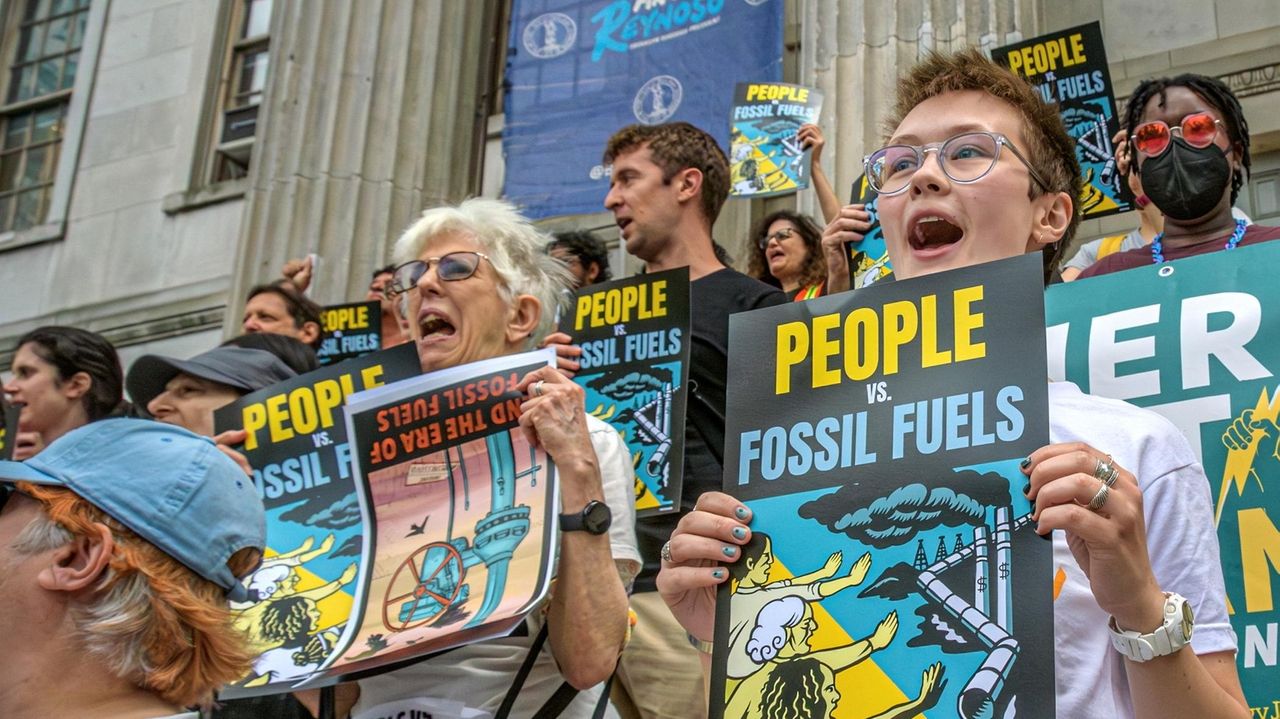
Top Expert Placement: NYS Legislature Fails to Pass Environmental Bills
Lawrence Levy, associate vice president and executive dean of the National Center for Suburban Studies, talked to Newsday about New York state legislators failing to pass environmental measures that would have been transformative. “It’s fair to say that in a state that has passed some of the nation’s most ambitious clean energy and other environmental protections, the failure to support additional initiatives can’t be ascribed to a lack of concern about climate change, congestion and pollution,” Levy said. “It’s primarily about the economy, primarily inflation, and general uncertainty. These are volatile times, economically and even politically.” Lawrence Levy is available to speak with media - simply click on his icon now to arrange an interview today.


Expert Research: Hurricanes and Natural Disasters Linked to “Grocery Tax” for Lower-Income Americans
Research from Goizueta’s William Schmidt uncovers the disproportionate impact of natural disasters on low-income families’ access to essentials. Global warming is accelerating severe weather with cataclysmic outcomes for communities all over the world. In 2023, the hottest year on record, no fewer than 23 weather-related disasters struck the United States. These natural disasters claimed hundreds of lives and caused $57 billion in damage. Recently, the federal government has come under scrutiny for uneven aid response to communities affected by hurricanes, fires, and flooding in America. William Schmidt But might there be other factors at play that see disadvantaged groups more vulnerable to the impact of severe weather events? Weighing into this is award-winning research by Goizueta Business School’s William Schmidt, associate professor of Information Systems and Operations Management. He and Xabier Barriola from INSEAD Business School look at the effect of three major hurricanes in the U.S. in the last 20 years. They find evidence of higher paid prices for basic groceries in the aftermath of each storm that disproportionately impact lower-income communities in affected states. In fact, says Schmidt, when severe weather hits communities, these families end up paying anywhere between one and five percent more relative to high income households for essential food and goods. This puts a major strain on already-strained resources in times of massive disruption. "We see a spike in the prices paid for household groceries of up to five percent hitting low-income groups immediately after a major storm hits." William Schmidt “Then you have to factor in the reality that poorer households spend around eight times more of their disposable income on basic groceries than high-income households,” says Schmidt. “It becomes clear that the aftermath of severe weather is harder for them to bear. And in our research, this is an effect that lasts for months, not weeks or days.” Exposing Hidden Costs on Those Hit Hardest To get to these findings, Schmidt and Barriola worked from a hunch. They figured that in low-income areas, a lack of infrastructure, lower-quality construction, and fewer grocery store outlets could translate into supply shortages in emergencies. Ensuing stockouts might then lead to knock-on price inflation for customers. These are low-income families for whom inflation has serious and significant consequences, Schmidt says. "We know that inflation hurts poorer communities. High-income families have the option of switching between high and low-priced goods according to needs or preference. But families with lower incomes are already purchasing low-priced groceries." William Schmidt “When there are disaster-induced stockouts to their preferred products, those families are forced to substitute to higher priced groceries,” Schmidt continues. Then there’s retailer behavior. Following large environmental disasters, store managers may be unable to keep necessities in stock. Under those circumstances, it is difficult to justify running promotions or implementing planned price decreases. To test these ideas, Schmidt and his colleagues looked at data from the weeks and months following Hurricanes Katarina (2005), Ike (2008), and Sandy (2012). They decided to pinpoint those locations immediately impacted at the county level. To do so, they used major disaster declarations issued by the federal government at the time. Then they integrated this with detailed grocery store sales data provided by Information Resources Inc (IRI) with zip code-level household income and demographic data from the U.S. Census Bureau. With each hurricane, the researchers looked at IRI data covering 30 different product categories and around 200 million transactions over a 12-week period. Schmidt and his colleagues then ran a set of analyses comparing prices paid by communities before and after each hurricane. They also contrasted price increases paid by low-income and high-income households as well as communities outside of the areas affected by the storms. Crunching the Numbers “Doing this triple-difference regression analysis, we find that lower-income communities pay an average 2.9 percent more for their groceries. That’s in the eight weeks following each of these disasters,” says Schmidt. "The effect varies. But it is roughly commensurate with the overall economic damage wrought by each hurricane, with Katrina being the worst. Here low-income families were seeing a 5.1 percent increase in the cost of food and basic goods, relative to richer households." William Schmidt The study points to a variety of mechanisms driving these effects. As Schmidt and his co-authors hypothesize, there is evidence that the same disruptions lead to fewer price promotions. They also see more frequent stockouts of low-priced goods. At the same time, there’s a shift in household purchasing from low to higher-priced products. These effects are long-lasting, says Schmidt. According to the study, post-hurricane inflation in the prices paid by consumers continues to affect poorer families for eight or more weeks. This amounts to months of economic hardship for those least resilient to its effects. Schmidt calls this “permanent inflation.” Pursuing Equity in Crisis Operations managers and policymakers should factor these findings into emergency relief efforts, say Schmidt and his colleague. The goal should be to service communities more equitably. So, there should be more thought to the provision of essential food and household goods. Also, there should be a particular focus on those most vulnerable to natural disasters and their effects. Current disaster nutrition relief programs are typically short. Authorities might do better by vulnerable communities by also extending things like cash and voucher programs, says Schmidt. And they should prioritize the ordering, shipment, and warehousing of essential goods. “Our research shows that hurricanes cost certain groups of Americans more than others in the longer run. The permanent inflation on food stuff and household necessities that we find constitutes an additional burden on part of our national fabric. These are people who are least positioned to afford it.” Hurricanes and the economy are both sought-after topics - and if you're covering, we can help. William Schmidt is an associate professor of Information Systems & Operations Management at Emory University’s Goizueta Business School. His research focuses on understanding and mitigating operational disruptions, and applications of machine learning in operational decision making. To connect with William to arrange an interview - simply click his icon now.



Is Florida becoming more affordable for renters?
Between high interest rates, an influx of newcomers eager for housing and inflation taking a toll on the cost of almost everything - it's been an expensive year for anyone living in Florida. But it appears the tide might be finally turning on high costs and the price to rent a place in the Sunshine State might be going down. It's a trend that has media looking for answers and experts like Florida Atlantic's Ken Johnson getting calls to provide his insight, opinion and expertise on the topic. Florida Atlantic University recently released a new study showing that the state’s rental markets might be stabilizing. In the release, FAU officials announced that rents in areas like Palm Bay and Jacksonville have recently gone below their long-term pricing trends. Meanwhile, the data indicates that other major cities in the state — such as Cape Coral, Orlando and Deltona — saw only slight increases in rent prices, with price increases gradually slowing down. As such, it could be a sign that many renters statewide could soon see lower prices. “While these measures are small, they are a positive sign of where the rental market could be heading in the future,” said Dr. Ken Johnson, a real estate economist with FAU’s College of Business. “These Florida cities are renting at a discount compared to their historical averages, and others appear to be heading in that direction, suggesting that rental markets around the state are stabilizing.” June 06 - Click Orlando.com Florida may be an interesting case study on what lies ahead. Will these rental trends in Florida start to appear nationally? Who will best benefit from lower rents and what will it mean for the economy? Will lower rents attract more people to Florida and could that reverse this trend? There's a lot to know and understand about the rental market. And if you're a journalist covering the topic or looking to know more - then let us help. Ken H. Johnson, Ph.D., an economist and associate dean in FAU’s College of Business, is available to speak to the media. Simply click on his icon to arrange an interview and time.


Changes in college football continue to be driven by dollars (and sense?)
The landscape of college sports, and particularly that of college football, has changed significantly in recent years. First, we have seen an almost constant realignment of collegiate athletic conferences, resulting in a few major mega-conferences, such as the SEC and ACC, Big Ten and Big 12, and the disintegration of a former major conference, the Pac 12. Most of the other changes related to the athletes, such as the ease with which student-athletes could transfer from one school to another and the ability for them to be paid for their name, image and likeness. All of these issues were potentially pointing to new business models in college sports, but within the last week, that landscape was shaken even further. Last week, the NCAA and its five major conferences settled multiple lawsuits to pay past and present student-athletes a total of $2.8 billion. The settlement also laid the foundation for the payments of college athletes starting in fall 2025. “The major unresolved questions are who will get paid and how much,” said Rick Franza, PhD, professor in the Hull College of Business at Augusta University. “If we ‘follow the money,’ we see that football and basketball (particularly men’s basketball) generate almost all of the revenues, and most of the revenues comes from major conferences. Therefore, most of the player payments are going to go to football and basketball, and given the size of the relative rosters, football teams will be much more costly.” Franza added that the settlement will further exasperate the revenue and cost differences between major conferences and their smaller conferences as well as between football and the so-called Olympic sports which generate little, if any revenue. It was always clear that from both a revenue and cost perspective, college football is very different from other sports. Revenues are much higher for the major conferences in football, and there is not the same extent of revenue sharing as there is in basketball due to the NCAA Tournament. On the cost side, with the new realignment of the mega conferences and expanded geographic footprints, there is a significant increase in travel costs for the Olympic sports. “While those expanded conferences were mainly driven by football revenues, they are also making all other sports more costly. Therefore, the time has come to separate football from other sports,” said Franza. One solution was first proposed by Chip Kelly, former Oregon and UCLA head football coach and now Ohio State offensive coordinator. He proposed a 64-school football conference in which the members would share all revenues, including television, which would more easily cover the NIL, and player pay costs. In recent months, similar proposals have been made for a college football “Super League,” which would include up to 80 schools. “This makes too much sense not to happen,” Franza said. “It allows the bigger football schools to share the plentiful available revenues while being able to pay the players what they will demand. At the same time, the other college sports would be able to revert to their traditional, geographical conferences and reduce travel costs driven up by the realigned mega- conferences.” He added that two conferences, the SEC and Big Ten, the most successful under the current alignment, could delay the implementation. Franza also predicts that an agreement taking the first steps toward such a structure will be reached sometime in 2024. “While it makes a lot of sense to go in this direction prior to the player settlement, it makes even more dollars and ‘sense’ now given the settlement,” said Franza. “While the SEC and BigTen currently make more money than any other conference, I think they will see the light for what is best for the future of college football.” Covering the business of sports and looking to know more? Then let us help. Richard Franza, PhD, is available to speak with media about trending issues like inflation, small business and the economy – simply click on his icon now to arrange an interview today.



Veterinary deal would increase UK agrifood exports to EU by more than a fifth, research shows
A veterinary deal would increase agri-food exports from the UK to the EU by at least 22.5%, say researchers Agri-food exports overall are worth £25 billion to the UK economy, but the two years since the new trading rules were put in place have seen a fall of 5% in exports to the EU from 2019 levels, during a period where the sector has otherwise grown. Team from Aston University and University of Bristol have analysed trade deals and export figures worldwide to estimate impact of a new veterinary deal on UK–EU exports A veterinary deal with the European Union could increase UK agricultural and food exports by over a fifth, according to new research. The team, from Aston University’s Centre for Business Prosperity and the University of Bristol, analysed the agricultural and veterinary aspects of trade deals around the world to estimate their impact on exports. They then modelled the potential impact of different types of agreement on UK exports to the EU. Veterinary Agreements specifically focus on regulations and standards related to animal health and welfare, as well as to the safety of animal-derived products such as meat, dairy, and seafood. They aim to align, harmonise, or recognise veterinary requirements and certifications, and reduce the number of inspections between countries to facilitate the safe and efficient trade of live animals and animal products. The EU–UK Trade and Cooperation Agreement (TCA), implemented in January 2021, eliminates tariffs and quotas but does not remove non-tariff barriers to trade. These can be particularly burdensome for agricultural and animal-derived food (agri-food) exports, involving complex rules and requirements, production of extensive documentation and veterinary checks. The UK agri-food sector is a cornerstone of the UK economy, with exports worth £25 billion and employing 4.2million people. Although the sector is growing overall, exports to the EU shrank in 2022 by 5% compared to 2019, in part due to the new trade arrangements. This has led to calls for an EU–UK veterinary agreement from business and agri-food organisations, including the Confederation of British Industry, British Chambers of Commerce, UK Food and Drink Federation, Chartered Institute of Environmental Health and British Veterinary Association. Analysing data from the World Bank on 279 trade agreements and export statistics from over 200 countries, the researchers found that shallow agreements, that went little further than provisions already covered by World Trade Organisation (WTO) rules, had significant negative impacts on agri-food exports. However, where trade agreements went beyond WTO provisions to include more commitments on sanitary and phytosanitary (SPS) measures (which aim to protect countries against risks relating to pests, diseases and food safety) and were legally enforceable, they had a robust, positive impact on exports, particularly exports of animal products and food. Applying this to the UK–EU relationship, the team estimate that a veterinary agreement that went beyond the existing TCA provisions would increase agri-food exports from the UK to the EU by at least 22.5%. Imports from the EU would also increase by 5.6%. In the 203 countries studied for the research, positive effects of deep trade deals that included provisions on agriculture took between 10 and 15 years to manifest. But the UK might not have to wait so long, according to report co-author Professor Jun Du, Director of Aston University’s Centre for Business Prosperity. “There is no blueprint out there that mirrors the UK–EU relationship. Most veterinary agreements are agreed as part of a trade deal between countries that haven’t previously had close alignment and it takes a while for the benefits to take effect. “Until recently, the UK had frictionless agri-food exports to the EU, so it’s possible that a supplementary veterinary agreement to reduce some of the frictions created by Brexit could allow trade that previously existed to pick up again quite quickly.” However clear the economic arguments, the legal and political barriers to a veterinary agreement still remain. The researchers address these in their report, suggesting that the best format for the additional measures would be as a supplementary agreement to the TCA. The key question for the UK government in negotiating such an agreement would be what the EU demanded in return. “The closest model is the EU-Swiss relationship, which sees Switzerland largely follow EU law,” said report co-author from the University of Bristol, Dr Greg Messenger. “That’s unlikely to be an option for the UK. As we wouldn’t expect to eliminate all paperwork, we could both agree that our rules meet each other’s standard for phytosanitary protection. As most of our rules are still essentially the same as the EU, that wouldn’t require any major change, though we’d have to agree a greater level of coordination in relation to the development of new rules.” The report was written jointly by Professor Du, Dr Messenger and Dr Oleksandr Shepotylo, senior lecturer in economics, finance and entrepreneurship at the Centre for Business Prosperity, Aston Business School.


Artificial Intelligence (AI) has emerged as a pivotal force driving innovation and reshaping our societal landscape. Its transformative potential spans across sectors, touching upon crucial global challenges such as ethics, privacy, and the future of employment. As AI continues to permeate various aspects of our lives, its intersection with pressing issues like climate change takes center stage. The upcoming launch of the Corporate Climate Responsibility Monitor by the NewClimate Institute in collaboration with Carbon Market Watch presents an invaluable opportunity to explore the symbiotic relationship between AI and corporate climate responsibility. Why This Matters to the Public: The Corporate Climate Responsibility Monitor 2024 serves as a beacon of insight into the nexus between corporate actions and environmental sustainability. Here are key sub-topics that offer intriguing story angles for a broad audience: Corporate Accountability in Climate Mitigation: Delve into how corporations are leveraging AI technologies to enhance their climate mitigation strategies. Highlight case studies of companies pioneering innovative approaches to reduce carbon emissions and promote sustainable practices. Transparency and Reporting Standards: Investigate the role of AI-driven data analytics in facilitating transparent reporting on corporate carbon footprints and environmental impact. Explore how enhanced transparency fosters accountability and drives corporate responsibility. Emerging Trends in Carbon Markets: Explore the evolving landscape of carbon markets and the role of AI in optimizing carbon trading mechanisms. Examine how AI-powered algorithms are revolutionizing carbon pricing strategies and incentivizing emission reductions. Collaborative Initiatives for Climate Action: Showcase collaborative efforts between corporations, NGOs, and government bodies in tackling climate change. Highlight partnerships forged to develop AI-driven solutions for environmental monitoring, renewable energy adoption, and sustainable supply chain management. The Economics of Climate Responsibility: Analyze the economic implications of corporate climate responsibility initiatives. Investigate how AI technologies are reshaping business models, driving cost savings through energy efficiency measures, and unlocking new revenue streams in the transition to a low-carbon economy. Impacts on Global Sustainability Goals: Assess the contribution of corporate climate responsibility efforts to achieving international sustainability targets such as the Paris Agreement and the United Nations Sustainable Development Goals (SDGs). Highlight success stories and challenges faced in aligning corporate strategies with broader environmental objectives. Connect with an Expert about Corporate Climate Responsibility For journalists with questions or looking to cover the the Corporate Climate Responsibility Monitor here is a select list of experts. To search our full list of experts visit www.expertfile.com Pamela Grothe Assistant Professor · University of Mary Washington Michael Vandenbergh Professor of Law · Vanderbilt University Sara Harris Professor of Teaching, Department of Earth, Ocean and Atmospheric Sciences · University of British Columbia Tom Rand Managing Director at MaRS Cleantech Fund I, L.P. · MaRS Cleantech Michael Rawlins Extension Associate Professor and Associate Director, Climate System Research Center · University of Massachusetts Amherst Photo Credit: Markus Spiske

Ask the Expert: What is the impact of the Francis Scott Key Bridge on the supply chain?
Early in the morning on March 26, 2024 a super freighter lost complete power and struck a support column on the Interstate 695 (I-695) resulting in catastrophic collapse of the bridge. This will limit shipping until salvage and cleanup operations are completed. The shutting down of the port will have a direct impact on the economy of Baltimore at a rate of over $200 million of cargo passing through the port every day. Dr. David Rollins, a supply chain expert and an assistant professor in the Rader School of Business at Milwaukee School of Engineering, provides insight into the industrial, consumer and fiscal impact of the Key Bridge collapse. "The port’s major exports are coal, automobiles, and light trucks, while it imports goods like sugar, cars, light trucks, heavy farm and construction machinery, minerals, and fertilizer. The shipping methods employed by the port of Baltimore include containerized units, break bulking, and roll-on roll-off for automobiles, trucks, and machinery. "The impact on the global supply chains will be negligible from the standpoint that the ports of Philadelphia and Norfolk are poised to accept international shipping vessels and have the capacity for the extra traffic. The supply chain for coal and automobiles will be disrupted in the short term as the traffic of both international cargo ships and railcars will be rerouted to the other ports. Materials loaded on ships scheduled to depart after March 26th will likely be held until the salvage and cleanup are completed. However, if a customer needs expediting services, materials may be shipped through air cargo or rerouted to another port for shipment. "A supply chain requires three elements to be successful: The logistics and transportation of physical goods, which is a short-term issue for Baltimore. An information channel, if executed properly supply chain and logistics managers shipping through the Port of Baltimore have rerouted goods to either Norfolk, VA or Philadelphia, PA, the two closest ports. The transfer of funds for both goods and services, which has a limited impact on the supply chain compared to the potential impact on the city of Baltimore’s economy. "Prior to COVID-19, the information exchange part of supply chains was mostly overlooked. Improved communication will help render the bridge collapse a minor issue in the global supply chain. "One domestic issue will be the time and distance between the seaports and the supplier’s location or the destination of the products. From the Midwest, the largest source of automobile suppliers, rail shipping requires extra lead time but will keep transportation costs low. If producers ship via truck, the increase in mileage to the closest port, Philadelphia, is 56 miles resulting in an increase in fuel cost per shipment of approximately $34.461. "The Key Bridge incident will result in the rerouting of traffic via Interstate 95 (I-95) through Baltimore. I-95, which travels through the Fort McHenry tunnel to downtown Baltimore will be highly congested during commuting times resulting in slower deliveries. Interstate 895 (I-895), traveling through the Harbor tunnel, also provides another. Both routes will only add a couple of miles for goods movement. Hazardous material trucking will not be allowed through the tunnels and will be required to take I-695 around the west and north side of the city. This route is 14 miles longer than the Francis Scott bridge route. "Typically, semis get around 6.5 miles per gallon of diesel fuel2. Increasing the costs for the logistics and trucking companies. Based on the load capacity of a semi-trailer at 48,000 pounds, the increase in fuel expenditures will have a negligible effect on the cost to consumers. "The resilience of the supply chain has improved in the past couple of years due to lessons learned during the COVID-19 pandemic. The extent to which supply chain managers have grown and adopted changes will determine the ultimate effect the Francis Scott Key Bridge had on the supply chain." Dr. Rollis is available to speak with media about the impact the Key Bridge collapse will have on the supply chain. Simply click on his icon below to arrange an interview. ### 1Estimated fuel costs based on mileage from Chicago to the port with an estimated truck mileage of 6.5 per gallon at a price of $4.00 per gallon. 2Motorask.com, supported by the U.S. Bureau of Transportation Statistics. The BTS did not have data after 2021, but the website Motorask.com used the higher mileage which is used in the calculation.



With the Port of Baltimore all but closed, how will the supply chain be impacted?
Following the incident of the container ship crashing into the Francis Scott Key Bridge at the Port of Baltimore and the bridge collapsing, there are now some supply chain concerns. While they may not be felt right away by consumers, there are a number of businesses that will be affected by it. Rick Franza, PhD, professor in Augusta University's James M. Hull College of Business and an expert on operations and supply chain management, said one immediate impact is where container ships will be diverted to for offloading. The Port of Baltimore is a major shipping hub and ranks first among U.S. ports for autos and light trucks. Now those ships will have to find other ports to unload their goods, which becomes a logistical problem as much as anything. “Most ports on the East Coast are at 70% to 80% capacity, which is where you want to be. You don’t want to have much more than that, but they’re going to have to,” said Franza. “It could affect a good bit of the eastern half of the United States.” Ports in Savannah, Charleston and New York, among others, will have to become the destination for those currently sitting outside Baltimore and those en route from around the world. The good news, Franza said, is that most foreign car manufacturers have plants in the United States so it will likely only affect those consumers looking for a certain brand or even a specific model. Baltimore is also one of the furthest inland ports and has the best rail service coming from it. The outbound goods coming off the ships will now face more of a transportation hurdle when they are diverted to another port. “It’s not just the capacity of the port, that’s one thing, but it’s also their capacity of the outbound items,” he said. “It may be more trucks are needed, and new routes are needed to move inventory. It now becomes a whole different set of providers for the trucks because it’s no longer the people in Baltimore.” Franza added companies will also have to decide which distribution centers they may want to use, whether it’s closer to the area they serve or closer to the port. All those factors affect where the items from overseas end up. While it’s not a good scenario, at the end of the day, he feels the consumer likely won’t see much of an impact. “First of all it’s going to take a while before we see any effect on certain things,” Franza said. “The bad news for inflation is that it’s going to raise the cost of transportation for the goods coming off the ships. Will businesses absorb the cost or pass them along to consumers?” Looking to know more? Then let us help. Richard Franza, PhD, is available to speak with media about trending issues like inflation, small business and the economy – simply click on his icon now to arrange an interview today.