
Experts Matter. Find Yours.
Connect for media, speaking, professional opportunities & more.

The Must-Watch Scary Movies for Every Fear Factor
Spooky season has arrived, and there's no better way to get into the spirit than by enjoying some classic horror films. Whether you thrive on the thrill of a good scare or you’re more of a “hide your eyes” type, James Kendrick, Ph.D., a film historian and professor of film and digital media at Baylor University, has got you covered. From spine-tingling classics to not-so-scary flicks, Kendrick is here to help you navigate the perfect lineup of Halloween movies – no matter your fear tolerance. What makes horror movies scary? According to Kendrick, great horror films resonate with audiences by reflecting societal fears. "We are the monster," Kendrick said. Whether it's current social anxieties, cultural challenges or deep psychological fears, horror films have evolved to capture the essence of what we fear most, he said. The genre's core remains rooted in three essential elements: character and story, atmosphere and the monster. Without these, Kendrick said, the fear factor simply doesn’t work. Top 10 Horror Films Everyone Should See For those seeking true horror classics, Kendrick has developed a list of 10 must-watch films that exemplify the genre at its best. From early black-and-white masterpieces to modern independent hits, here are his recommendations: 1. Nosferatu (1922) 2. The Bride of Frankenstein (1935) 3. Cat People (1942) 4. Psycho (1960) 5. Night of the Living Dead (1968) 6. The Exorcist (1973) 7. Suspiria (1977) 8. Halloween (1978) 9. The Shining (1980) 10. The Babadook (2014) These films not only shaped the horror genre but also continue to be influential today, delving into psychological terror, societal anxieties and primal fears, Kendrick said. For the Faint of Heart: Scary Movies Without the Gore For those who want to enjoy the Halloween season without being overwhelmed by gore and violence, Kendrick offers his top 10 list of "terror" films that rely more on atmosphere and suspense than graphic horror. According to Kendrick, these terror films engage the audience emotionally and psychologically, drawing them into the fear without overwhelming them. The Innocents (1961) and A Quiet Place (2018) create tension and fear through the effective use of atmosphere, silence and emotional depth, he said. Kendrick’s top picks for lighter horror films include: 1. Vampyr (1932) 2. The Innocents (1961) 3. Kwaidan (1964) 4. Invasion of the Body Snatchers (1978) 5. The Vanishing (1988) 6. The Blair Witch Project (1999) 7. The Others (2001) 8. Take Shelter (2011) 9. Warm Bodies (2013) 10. A Quiet Place (2018) So, whether you’re a horror aficionado looking for spine-chilling classics, or just want to dip your toes into something a little spooky without the nightmares, Kendrick’s expert recommendations offer a Halloween movie night that’s perfect for everyone, thrill-seekers or scaredy-cats alike. Get your popcorn ready, turn off the lights (if you dare) and settle in for a frightfully good time this spooky season! ABOUT BAYLOR UNIVERSITY Baylor University is a private Christian University and a nationally ranked Research 1 institution. The University provides a vibrant campus community for more than 20,000 students by blending interdisciplinary research with an international reputation for educational excellence and a faculty commitment to teaching and scholarship. Chartered in 1845 by the Republic of Texas through the efforts of Baptist pioneers, Baylor is the oldest continually operating University in Texas. Located in Waco, Baylor welcomes students from all 50 states and more than 100 countries to study a broad range of degrees among its 12 nationally recognized academic divisions. Learn more about Baylor University at www.baylor.edu. ABOUT THE COLLEGE OF ARTS & SCIENCES AT BAYLOR UNIVERSITY The College of Arts & Sciences is Baylor University’s largest academic division, consisting of 25 academic departments in the sciences, humanities, fine arts and social sciences, as well as 11 academic centers and institutes. The more than 5,000 courses taught in the College span topics from art and theatre to religion, philosophy, sociology and the natural sciences. The College’s undergraduate Unified Core Curriculum, which routinely receives top grades in national assessments, emphasizes a liberal education characterized by critical thinking, communication, civic engagement and Christian commitment. Arts & Sciences faculty conduct research around the world, and research on the undergraduate and graduate level is prevalent throughout all disciplines. Visit the College of Arts & Sciences website.


#Expert Q and A: Disinformation and Elections
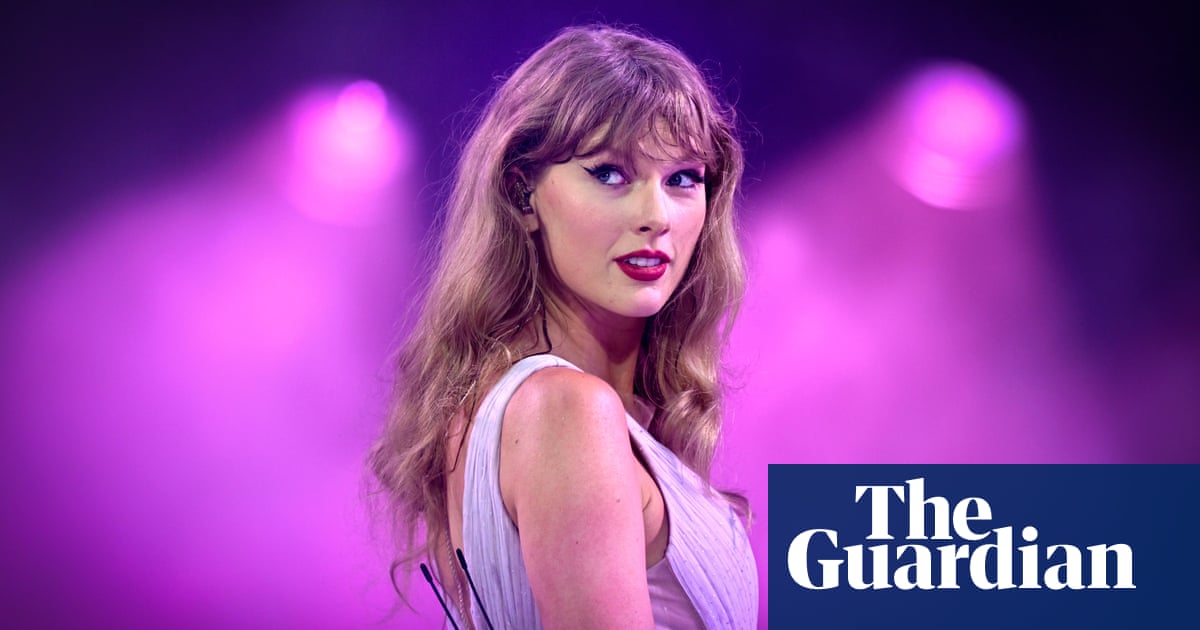
Question: Taylor Swift recently took to her Instagram page to “set the record straight” about an AI version of her that had “endorsed” Former President Donald Trump. What are some of the things people can look for to know if a celebrity has indeed endorsed a candidate? Answer: People can go to the celebrity’s social media page to see their recent social media activity. On the page, people can search for information regarding political endorsements. People should be aware that many fake and parody social media accounts exist for celebrities, so people need to make sure they locate the real social media accounts of the celebrity in question. Also, people can search reputable news sources to see if there is any verifiable information (i.e., the information has been verified by other reputable news sources) regarding celebrity endorsements. Question: In an era where it is too easy for anyone to alter images or video, what are some of the dangers that can be associated with these deep fakes? How can this negatively impact the election, and just life in general with having this kind of misinformation out there? Answer: There can be multiple concerns regarding disinformation and elections. One, if voters make decisions about whether to vote for a candidate based on disinformation/misinformation, this is a concern for elections because in a democracy the hope is that voters can make informed voting decisions based on accurate information. Second, if millions of people are exposed to disinformation/misinformation and only a small percentage of those are not aware that the disinformation/misinformation is false, this could have significant effects for elections. The reason is that in recent presidential elections, and likely in the upcoming election, the margin of victory in some swing states can be less than 1% of the total state vote in some cases. Thus, if only a small percentage of individuals who are exposed to disinformation/misinformation believe the information is true, and the disinformation/misinformation affects their voting decisions, that could have significant effects on the election outcome of a given swing state. Furthermore, we know that the election outcome of each swing state has important implications for the overall presidential election outcome. Question: Do celebrity endorsements still help or hurt candidates? Answer: The empirical evidence linking specific celebrity endorsements to election outcomes is mixed. Based on existing research, we can’t say that a specific celebrity endorsement led to an election victory or loss. However, there has been some interesting research from Harvard (2024) that shows that celebrity endorsements do matter for elections by potentially increasing voter interest, voter engagement and voter registration. One example is in September of 2023 when Taylor Swift made an Instagram post encouraging individuals to vote. Immediately afterward, 35,000 individuals registered to vote on the non-partisan voter registration website Vote.org . So, while we can’t say that a certain celebrity endorsement will directly affect an election outcome, celebrities can move the needle in terms of voter interest, voter registration, and potentially voter turnout, which can influence election outcomes. Interested in learning more - let us help. Lance Hunter, PhD, is a professor of political science with a background in international relations. He is available to speak with media about this important topic - simply click on his icon to arrange an interview today.


Five ways going green can improve your bottom line: A guide for West Midlands SMEs
As sustainability becomes a central focus for businesses across the globe, small and medium-sized enterprises (SMEs) in the West Midlands are uniquely positioned to benefit from going green. Whether you're running a corner shop, a hairdressing salon, a manufacturing operation, or any other type of small business, sustainable practices can significantly enhance your bottom line. Here are five key ways that adopting green strategies can lead to financial gains. Reduced operational costs One of the most immediate and tangible benefits of going green is the reduction in operational costs. Energy efficiency, waste reduction, and resource conservation are all areas where small changes can lead to significant savings. For instance, simply switching to energy-efficient lighting can reduce electricity bills by up to 75 per cent—a substantial saving for any business, particularly for small retailers or service providers where margins can be tight. Additionally, the UK government offers incentives to help businesses transition to more energy-efficient operations, making it easier for SMEs to invest in these changes. Join Aston University’s workshop on 18 September and take advantage of a free energy assessment for your business. Learn practical steps to audit your energy use and uncover cost-saving opportunities tailored to your specific industry needs. Access to new markets and opportunities As the UK government and local authorities push for a greener economy, there are growing opportunities for businesses that align with these goals. SMEs that adopt sustainable practices may qualify for grants, tax reliefs, and other incentives designed to support green initiatives. For example, local councils in the West Midlands have programmes such as ‘BEAS and Decarbonisation Net Zero’ aimed at helping small businesses reduce their carbon footprint, which can be especially beneficial for almost all sectors where environmental impact is a growing concern. At the workshop, we’ll delve into the funding options and partnerships available to West Midlands SMEs committed to sustainability, helping you unlock new growth opportunities. Increased marketability Consumers are increasingly favouring businesses that demonstrate a commitment to sustainability. According to a study by Nielsen, 66 per cent of global consumers are willing to pay more for sustainable goods, and this trend is evident in the UK as well. By adopting green practices, SMEs in the West Midlands can enhance their brand reputation. This can translate to increased sales, customer loyalty, and even the ability to charge premium prices for sustainable products or services. In a competitive market, your environmental credentials can be a powerful differentiator. Attend Aston University’s workshop to learn from real-life success stories and see how businesses are already turning sustainability into a competitive advantage. Long-term resilience and competitiveness Sustainability isn’t just about immediate financial gains; it’s also about future-proofing your business. As regulations around carbon emissions and environmental impact become stricter, businesses that have already integrated green practices will find it easier to comply, avoiding potential fines and disruptions. For SMEs in sectors like manufacturing, where regulatory pressures are particularly high, adopting sustainable practices now can help ensure long-term competitiveness and resilience. A prime example of this shift is the NHS, which is actively working towards a Net Zero supply chain by 2045. The NHS is urging its suppliers to adopt sustainable practices, with a strong focus on reducing carbon emissions. Businesses that fail to align with these expectations risk losing contracts and falling behind competitors who are meeting these sustainability criteria. At the workshop, you'll learn more about sustainability strategy that can keep your business competitive and resilient in an ever-changing market. Enhanced employee engagement and productivity Increasingly, employees are seeking to work for companies that align with their personal values, including a commitment to sustainability. While this trend is more pronounced among larger companies, it’s also becoming relevant for small businesses, particularly those in industries where attracting and retaining talent is competitive. According to research, 74 per cent of employees feel more fulfilled when they work for a company that is making a positive impact on the environment. For small businesses, fostering a sustainable workplace can enhance employee morale, attract top talent, and reduce turnover rates. However, the degree to which this resonates can depend on your specific workforce. In sectors like tech, professional services, or among younger employees, sustainability is often a key consideration. On the other hand, in some more traditional industries, other factors like job security and compensation might be more important, though sustainability still adds value. Sign up for our workshop to discover how your small or medium business—regardless of sector—can implement effective sustainability practices and energy efficiency strategies to drive growth. This event is open to all SMEs across the West Midlands! Click here to register now. You'll also have the opportunity to book a free energy assessment on the spot and apply for match funding of up to £100,000 to make your business more energy efficient.


University of Delaware's Center for Political Communication unveils new vision, goals and leadership
The University of Delaware's Center for Political Communication (CPC) is excited to announce a transformative new chapter with the unveiling of its updated vision, goals and leadership for 2024 and beyond. Since its founding in 2010, the CPC has been at the forefront of innovative public opinion research on politics and media, always with an eye towards protecting and improving American democracy. With this new chapter, the CPC is actively integrating political psychology (the study of how and why people make political judgments and form political beliefs) into the study of public opinion and media effects. “Our vision is responsible democracy-centered journalism informed by our rigorous research on Americans’ thoughts, feelings, knowledge and behaviors,” says Dr. Dannagal Young, incoming Director of the Center for Political Communication. “In a few weeks, will be releasing new data on Americans’ knowledge and beliefs about abortion – an issue on which there are widespread misperceptions. Later this fall we are also launching an interdisciplinary initiative to understand the relationship between Americans’ personal wellbeing and their support for democratic institutions and norms.” By producing high-quality research at the intersection of media, politics and psychology, the CPC strives to elevate public conversations and inform news coverage to improve democratic health. Additionally, the Center seeks to serve as a vital resource for journalists, offering expert commentary and empirical data to encourage democratically responsible journalism. With this new direction comes new leadership, bringing together a team of esteemed scholars from Political Science, Communication and Journalism: Director Dr. Dannagal Young, Professor in the Departments of Communication and Political Science and International Relations, TED speaker, and author of Wrong: How Media, Politics, and Identity Drive our Appetite for Misinformation (Johns Hopkins, 2023) and Irony and Outrage: The Polarized Landscape of Rage, Fear, and Laugher in the U.S. (Oxford, 2020). Areas of Expertise: Misinformation, Political Satire, American Politics, the Psychology of Media Effects. Associate Director Dr. Erin Cassese, Professor in the Departments of Political Science and International Relations, Communication, and Women and Gender Studies, co-author of Abortion Attitudes and Polarization in the American Electorate (Cambridge, 2024). Areas of Expertise: Gender, Abortion, Public Opinion, Campaigns and Elections. Director of Research Dr. Phil Jones, Associate Professor in the Department of Political Science and International Relations, current Editor-in-Chief at Public Opinion Quarterly. Areas of Expertise: Electoral Politics and Public Opinion. Director of Engagement Dr. Lindsay Hoffman, Associate Professor in the Departments of Communication and Political Science and International Relations, and research leader for the American Council of Trustees and Alumni two-year Braver Angels project funded by the John Templeton Foundation. Areas of Expertise: Communication across Difference, Media Technologies, and Political Participation. Delaware Politics Director Dr. Paul Brewer, Professor in the Departments of Communication and Political Science and International Relations, co-author of Science in the Media: Popular Images and Public Perceptions (Routledge, 2021), former editor of the International Journal of Public Opinion Research. Areas of Expertise: Delaware Politics, Media effects, Political and Science Communication, Public Opinion, and Perceptions of Science. Delaware Debate Director: Nancy Karibjanian, Director of the University of Delaware’s Journalism program, faculty member in the Department of Communication, and former Director of the CPC with 30 years of broadcast experience. Areas of Expertise: Broadcast Journalism, and Delaware Debates. The CPC’s goals reflect its commitment to a vibrant and collaborative research environment that engages scholars and students at all levels. The CPC will continue to spearhead interdisciplinary research across the domains of communication, political psychology, public opinion, media effects, and public policy. The Center offers applied research opportunities for both graduate and undergraduate students in communication and political science, as well as an undergraduate minor in political communication, thus mentoring the next generation of scholars and practitioners. The CPC is proud to put its academic research to work in service of American democratic health.


#ExpertSpotlight: The History of DNC Conventions in America
As one of the most significant political events in American history, the Democratic National Convention (DNC) has shaped the political landscape and influenced presidential elections for over a century. Understanding the history of DNC conventions offers a window into the evolution of American politics, party ideologies, and electoral strategies. This topic is newsworthy not only because of its historical significance but also due to its ongoing impact on contemporary political discourse, party unity, and voter mobilization. Furthermore, the DNC conventions reflect broader societal changes, such as shifts in public opinion, the role of media in politics, and the influence of grassroots movements, which include: The evolution of the DNC’s role in shaping party platforms and political agendas Key historical moments from past DNC conventions that defined U.S. politics The impact of DNC conventions on voter engagement and turnout The role of media coverage in shaping public perceptions of the DNC How grassroots movements and protests have influenced DNC outcomes The significance of keynote speeches and how they have launched political careers By covering these angles, journalists can provide their audiences with a comprehensive look at the history of these important conventions and topics readers, listeners and viewers want to know more about. Connect with a political expert about the History of DNC Conventions: To search our full list of experts visit www.expertfile.com Photo Credit: Kelly Sikkema


#ExpertSpotlight: What is a Blue Moon?
The phenomenon of a Blue Moon, though rare, captures the imagination and curiosity of the public, making it a prime topic for media coverage. A Blue Moon typically refers to the occurrence of an additional full moon within a specific time frame, usually two full moons in a single calendar month or an extra full moon in a season. This celestial event is not just an astronomical curiosity but also a cultural and symbolic event that resonates deeply with people around the world. The significance of a Blue Moon extends beyond its scientific rarity, touching on themes of folklore, human understanding of time, and the natural world's rhythms. Journalists can explore several angles to connect this event with broader societal interests, including: Astronomical Significance: Explaining the science behind what causes a Blue Moon, how often they occur, and the different types of Blue Moons. Cultural and Historical Context: Delving into the myths, legends, and folklore associated with the Blue Moon across various cultures and how these stories have shaped human perception of time and nature. Impact on Astrology and Horoscopes: Investigating the Blue Moon's influence in astrology, including predictions and interpretations tied to this rare event. Environmental and Ecological Implications: Exploring how lunar cycles, including Blue Moons, affect wildlife, tides, and natural phenomena, contributing to broader discussions on the environment. Art and Literature: Highlighting references to Blue Moons in art, literature, and music, and how this natural phenomenon has inspired creativity throughout history. Public Engagement and Education: Covering events, public viewings, and educational opportunities that allow people to learn more about the moon and other astronomical phenomena. By covering these angles, journalists can provide their audiences with a comprehensive look at the Blue Moon, connecting this celestial event to a wide range of cultural, scientific, and environmental topics that resonate with the public's interests. Connect with an expert about Blue Moons: To search our full list of experts visit www.expertfile.com Photo Credit: Kym MacKinnon

For the fifth consecutive year, ChristianaCare’s Center for Heart & Vascular Health has earned the premier recognition from The American College of Cardiology (ACC) – the HeartCARE Center National Distinction of Excellence award – for its commitment to comprehensive, high quality cardiovascular care. ChristianaCare was the first hospital system in Delaware and one of only a handful in the U.S. to attain this recognition when it was first awarded in 2020 from the ACC, a nonprofit medical association representing more than 50,000 cardiovascular specialists. “We are proud to be a regional leader for cardiovascular care with the most advanced medical, surgical and minimally invasive specialty care, technology and research,” said Kirk Garratt, M.D., medical director of ChristianaCare’s Center for Heart & Vascular Health. “Congratulations to our entire team and all who collaborate seamlessly to deliver care 24/7. As a result, those living in Delaware and neighboring states can receive the highest quality cardiovascular care from the Center for Heart & Vascular Health.” Hospitals that have earned an ACC HeartCARE Center designation have met a set of criteria, including participating in at least two ACC accreditation services programs, national cardiovascular data registries and targeted quality improvement campaigns designed to close gaps in guideline-based care. In addition to being a current recipient of the HeartCARE Center designation, ChristianaCare participates in the ACC’s chest pain MI with PCI (heart attack with angioplasty) and resuscitation accreditation, cath lab accreditation and the Society of Thoracic Surgeon database. “ChristianaCare has demonstrated its commitment to providing the community with excellent heart care,” said Deepak L. Bhatt, M.D., MPH, FACC, chair of the ACC accreditation management board. “ACC accreditation services is proud to award the Center for Heart & Vascular Health with the HeartCARE Center designation.” Hospitals receiving the HeartCARE Center designation have demonstrated their commitment to consistent, high-quality cardiovascular care through comprehensive process improvement, disease and procedure-specific accreditation, professional excellence and community engagement. ChristianaCare has proven to be a forward-thinking institution with goals to advance the cause of sustainable quality improvement. The Center for Heart & Vascular Health is among the largest, most capable regional heart centers on the East Coast. It is among the few centers in the region that integrates cardiac surgery, vascular surgery, vascular interventional radiology, cardiology and interventional nephrology in a single location. Its expert clinical staff performed nearly 200,000 patient procedures last year.


Expert Insight: NFL Fandom: The Last Cultural Unifier?
In 2024, few cultural touchstones unify America. One of the remaining cultural unifiers is the NFL. It is almost guaranteed that the Super Bowl will be the most watched television program each year. Add Taylor Swift (another rare cultural unifier) attending to watch her boyfriend and an appealing halftime musical guest, and you can have over 120 million people watching the same program at the same time. Nothing else comes close. There is little doubt that the NFL is the undisputed champion of American sports. But how do the various NFL fandoms compare? Which team has the top fandom, and which struggles (struggle is relative here, as the lowest-ranked NFL fandom is still impressive)? This is an interesting question in a couple of ways. First, it reveals something important about the level of connection in different cities. Cities with stronger fan bases tend to have more of a shared identity. Boston residents share more love across their teams (Celtics, Red Sox, Bruins, Patriots) than folks from Tampa Bay. “Sports” cities are fundamentally different. It's also an interesting marketing analysis. Fandoms are people who share passion and love for what are essentially brands. Examining fandom can reveal something critical about how brands that inspire fandom are built. Comparing fan bases can also inflame passions. Sports fans are (often) the ultimate fans as they closely identify with their teams and feel each victory as a personal triumph and each loss as a defeat. Because fans’ identities are tied to their teams, ranking fan bases can feel like an attack. Saying Browns fans aren’t as good of fans as Ravens fans feels like an attack on Cleveland. The deeper perspective motivating this analysis is that fandom is about cultural passion, so what people are fans of largely dictates the tone and content of our societies. A society that loves baseball, country music, and trucks feels very different from one that favors soccer, opera, and Vespas. The fandom rankings are a snapshot in time of how fandom works in the NFL. And remember, the NFL is not just the top sports league in America but also the closest thing we have in 2024 to a shared societal passion. Analyzing Fandoms I have been ranking NFL and other fan bases for more than a decade. These fandom analyses are an example of brand equity analytics, and they use two types of data. The goal is to understand the relationship between market characteristics and fandom outcomes at the league level. We can then evaluate each team based on how it performs relative to league norms. The fandom or market outcome measures include things like data on prices, attendance, and social media following. These are measures of fan engagement. Prices provide a signal of how much market power a team has created. Attendance shows the enthusiasm of fans in the market to pay for tickets and take the time to travel and attend. Social media following reveals how many fans the team has in and out of their home market. Each metric has advantages and limitations. Social media following provides an indication of national fandom, but it also captures casual fans who would never pay for a ticket. The second aspect of the analysis focuses on market potential. NFL markets vary from New York, with a population of 20 million, to Green Bay, with a few hundred thousand. Income levels in San Francisco are far higher than in Jacksonville or Cleveland. I use a range of demographics, but income and population are the major factors. Again, the metrics are good but not perfect. For example, using MSA populations isn’t perfect because teams have different footprints. The Packers are more of a Wisconsin team than a Green Bay team. The teams in New York and LA share a market. Should they each get half of the metro area population? One factor that I do not control for is competition. In the southeast, NFL teams may compete with SEC teams. I have debated this issue (with myself) and have decided to neglect it. This year's analysis includes a significant change from last year. The significant change is that I am not controlling for team performance. Controlling for team performance is helpful because it isolates core or unchanging fandom. This approach has appeal, as we can argue that teams with more passionate fandoms will be more resilient against losing seasons. The downside of controlling for performance is that we get less of a measurement of the fandom's overall value. If a team like Kansas City is on an extended winning streak, then the Chiefs brand is very valuable at the moment. Controlling for winning makes the analysis more about the core, near-permanent passion of a fandom, while not controlling makes the results more relevant to current brand power. The analysis involves three steps. The first step creates measures of each team’s relative fandom outcomes and market potential. The second step develops a statistical model of the relationship between market potential and fandom outcomes. The third step compares each team's fandom outcomes with the statistical model's predictions. The third step is a comparison of actual results versus predicted – the key point is that the prediction is based on leaguewide data. As these analyses are always imperfect, the best way to consider the fandom rankings is as tiers. I like the idea of quadrants. Some brief comments on the members of each quadrant (Elite, Solid, Role Players, Benchwarmers). I will be discussing each fandom on social media. TikTok: @fanalyticspodcast Instagram: @fanalyticsmikelewis YouTube: @fanalyticsmike A bonus figure follow the Quad overviews. The Results Quadrant 1: The Elite The Dallas Cowboys lead the top group of teams, followed by the Packers, Eagles, Chiefs, 49ers, Raiders, Patriots, and Steelers. Sounds a lot like what the man on the street would list as the top NFL brands. The Cowboys and Packers leading the way is no surprise. The Cowboys are second in social following and the leaders in attendance. The Packers are an astonishing fandom story as the team is located in the definitive small market. The Eagles leading the Steelers is going to be troubling in Western Pennsylvania, but the Eagles have more pricing power and more social following. The 49ers are a solid NFL fandom with few weaknesses. The Patriots are in a new era, and it will be fascinating to see if they maintain their top-tier position as Brady and Belichick become memories. The Chiefs' presence in the top group is a change from past years and is due to the shift away from controlling for performance. The Chiefs have a great fandom, but the team’s success currently pumps them up. The Chiefs are in a brand-building phase as the team continues building its dynasty. The question for the Chiefs is where they end up long-term. I don't fully understand the Raiders' ranking. The Raiders are midrange in attendance and social following but do well because are reported to have the highest prices in the league. I suspect this is more an idiosyncrasy of the Las Vegas market than a reflection of significant passionate fandom. Quadrant 2: Solid Performers The Quadrant 2 teams are the Broncos, Giants, Panthers, Seahawks, Saints, Ravens, Texans, and Browns. These are the solid performers of NFL fandoms (brands). These are teams with above expected fandom outcomes for their relative market potentials. The Quadrant 2 clubs are all passionate fanbases (maybe one exception) despite very different histories. For example, the AFC North rival Ravens and Browns differ in both relative history and frequency of winning. Cleveland fandom involves significant character, while the Ravens are a “blue-collar” brand that has been a consistent winner. There are a lot of great stories in Quad 2. The Saints were once the Aints but are now a core part of New Orleans. The Broncos and Giants are great fandoms who are probably angry to be left out of Quad 1. The Panthers' position is unexpected and may be due to some inflated social media numbers. This is the challenge when an analysis is based only on data. When data gets a little weird, like an inflated social media follower count dating back to Cam Newton's days, the results can also get a little weird. This is a teachable moment—do not analyze and interpret data without knowing the context (the data-generating processes). Quadrant 3: Role Players Quadrant 3 fandoms are teams whose fandom outcomes are slightly below average league performance (for similar markets). The Quadrant 3 teams include (in order) the Bills, Falcons, Buccaneers, Jets, Vikings, Bears, Dolphins, and Bengals. There are some interesting teams in Quad 3. The Bills have a great and notorious fandom. Jumping through flaming tables in subzero weather should get you into the top half of the rankings? The big-market Jets and the small-market Bengals have two of the most fascinating QBs in the league. Both clubs could be poised to get to Quad 2 with a Super Bowl or two. Da’Bears may be one of the most disappointing results. A team with an SNL skit devoted to their fandom in a market like Chicago shouldn’t be in Quad 3. Other quick comments: The Falcons need to win a title. Florida is tough for professional teams. The Vikings should play outside. Quadrant 4: Hopium These are the NFL's weakest fandoms, with the key phrase being “the NFL’s.” The Quad 4 teams, in order, are the Lions, Rams, Jaguars, Colts, Titans, Commanders, Chargers, and Cardinals. It’s a lot of teams who have not won regularly and have many moves and name changes. The Lions are poised for a move upward and maybe a sleeping giant of a fandom. They have the most watchable coach in the league and the most surprising celebrity fan. An interesting side story in Quad 4 is the battle for Los Angeles between the Rams (formerly of Saint Louis) and the Chargers (previously San Diego). They play in the same market, but the Rams have won more. But will Herbert lead the Chargers past the Rams? Quad 4 illustrates an important lesson: consistency. The Rams moved from St. Louis and then back to LA. The Chargers went from San Diego to LA. The Colts left Baltimore in the middle of the night. The Titans were the Oilers and moved from Houston to Nashville. The Cardinals were the other NFL team Saint Louis lost. The Commanders should have stopped with their previous name. The Fandom Outcomes / Market Potential Matrix The following figure is a bit of bonus material that may provide some insight into the inner workings of the analysis. The figure below shows the performance of each team on the Fandom Outcome and the Market Potential Indexes. The upper left region features teams with less lucrative markets but above-average fandoms, like the Packers, Steelers, and Chiefs. The lower right region is the teams with below-average fandom outcomes despite high potential markets, like the Commanders, Chargers, and Rams. This pictorial representation is also interesting as it shows teams with similar positions. These similarities can be somewhat surprising. For example, the Lions and Dolphins have very similar profiles despite the differences between Detroit and Miami. Mike Lewis is an expert in the areas of analytics and marketing. This approach makes Professor Lewis a unique expert on fandom as his work addresses the complete process from success on the field to success at the box office and the campaign trail. Michael is available to speak with media - simply click on his icon now to arrange an interview today. Interested in following Future Fandom! Subscribe for free to receive new posts.



Bridging the language gap: How AWE software fosters inclusivity for ELs and Non-ELs alike
When ChatGPT burst onto the scene in November 2022, many educators and parents worried that new writing tools powered by artificial intelligence (AI) would help their students bypass important learning opportunities. Instead, as University of Delaware associate professor Joshua Wilson has shown, AI-powered writing and evaluation tools have actually helped students develop their writing skills and have supported teachers in providing meaningful feedback. Now, in a recent study published in Learning and Instruction, Wilson and his co-authors turn their attention to elementary English learners (EL), investigating how this growing population of students interacts with and benefits from automated writing evaluation (AWE) software. AWE is a class of educational technology tools that use natural language processing and AI to provide students with automated formative feedback that supports improvements in writing quality. They found that AWE technologies are equally beneficial for ELs as they are for non-ELs. Study participants accessed writing feedback to a similar extent, achieved equal gains in writing quality, focused on consistent dimensions of writing when revising and endorsed the AWE system to similar degrees, regardless of their language status. “As AI-based feedback applications become increasingly prevalent, it’s critical that researchers examine the consequences of implementing those tools in authentic educational settings, with a particular focus on equity,” said Wilson. Wilson’s study focuses on MI Write, an AWE system designed to improve the teaching and learning of writing by providing students with automated feedback and writing scores. To investigate interaction with the AWE software, Wilson and his co-authors looked at three dimensions of engagement: behavioral, or the actions students take in response to feedback; cognitive, or the thinking and revision strategies that students use in response to feedback; and affective, or how students feel about and perceive feedback. Across all three dimensions, Wilson and his co-authors found similar levels of engagement across all students. They also found that the overall improvements in student writing over the course of the school year was not related to language status. But, even in light of these positive findings, Wilson emphasizes that it’s important to view AWE as a teaching tool rather than as a replacement for classroom teaching. For more on Wilson's research or to speak to him about AI in the classroom, click on his profile and reach out to him.

#Expert Insight: Political Fandom
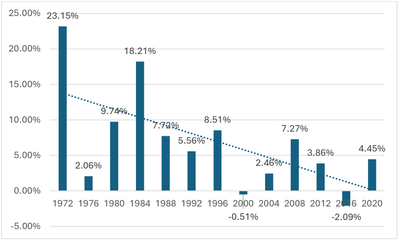
The 2024 Presidential campaign has been a roller coaster ride this summer. The upheavals are so fast and unprecedented that the reaction to each event often seems too muted. An assassination attempt and sudden pre-convention withdrawal? In a past generation, these events would be decisive, but in 2024, they seem like just the latest blip in the news cycle. The polls never seem to move more than a couple of points. In such an oddly volatile but also stable environment, our best bet to understanding what is going to transpire during the last 100 days of the election cycle is to look at data that gets to the heart of how voters view the candidates. My choice of fundamental data or essential metric is candidate fandom. Fandom is an unusual metric in politics, but it should be more common. Fandom is about passion for and loyalty to a cultural entity, be it a team, singer, university, or even politician. In fact, MAGA Trump supporters and Bernie Bros share many characteristics with Swifties and Lakers fans. Fans of all these things show up, spend, wear branded apparel, and fiercely defend the object of their fandom. The politicians who inspire fandom, such as AOC, Donald Trump, Barack Obama, and Marjorie Taylor Green, enjoy many advantages and are the celebrities of the political world. Fandom is critical in politics because fans are loyal, engaged, and resilient. Fans are not casual potential voters who may change preferences and are unlikely to make an effort to stand in line to vote. Fans are the voters who will show up rain or shine and who can’t be swayed. In 2024, a fan will interpret a conviction of their candidate as political “lawfare” rather than evidence of criminality. Also, in 2024, a fan will make excuses for signs of aging that would result in children taking a senior’s car keys. The flip side of fandom, anti-fandom, is also a powerful political force. Indeed, politics may be the cultural context in which anti-fandom has the most impact. Taylor Swift may have haters, but these anti-Swifties are not buying tickets to see Katy Perry in protest. But in politics, hatred of a candidate might be as powerful a tool for generating a vote as fandom. Joe Biden’s 2020 campaign was notoriously bad at drawing crowds, suggesting he inspired little passion. In contrast, Trump’s rallies looked like rabid sports crowds complete with matching hats. However, the hatred and fear of Donald Trump inspired sufficient anti-fandom to make Biden competitive. Of course, fandom doesn’t entirely decide elections. In most elections, there isn’t all that much fandom or passion. Beyond the presidency and senatorial contests, most candidates are barely known, and identity factors (race, gender, party affiliation) and candidate awareness are the determining factors. Even in presidential elections, get-out-the-vote efforts (ballot harvesting) and election regulations (voter suppression) combined with effective marketing to the few percent of swing (low information) voters are often the determining factors. Looking toward the future, fandom may be an increasingly salient political metric for multiple reasons. First, the last two decades have witnessed many candidates raised quickly from obscurity with somehow Hollywood-worthy origin stories (Barack Obama, AOC, JD Vance, etc.). In the modern media environment, candidates’ reputations (brands) are increasingly the product of marketing narratives rather than a lifetime of real-world accomplishments. In this new world of politics, fandom will be a critical metric. Second, with the increasing diversity of the American electorate, voting will be increasingly based on identity rather than ideology. Identity-based voting segments are likely to be driven by fandom (and anti-fandom) rather than policy. We see a form of this in 2024, as high inflation has barely made a dent in voters’ preferences for the two parties. A fragmented electorate comprised of racial and gender segments whose preferences are driven by fandom and anti-fandom will lead to increasingly negative campaigns featuring ads highlighting the threat of the non-preferred party’s candidates. When voters are focused on identity, negative advertising becomes the ideal method to use fear to create anti-fandom (hate) to motivate turnout. Kamala Harris versus Donald Trump Barring further disruptions, the matchup is set for the 2024 presidential contest (as of this writing, we do not know the Democratic VP). We do know the matchup between Donald Trump and Kamala Harris is a contest between polarizing figures. Donald Trump is a movement candidate who has redefined the Republican party. He inspires passionate fandom from his followers and amazing antipathy from major media and cultural outlets. Harris is also polarizing. In the immediate aftermath of Biden’s withdrawal, Harris received massive media and donor support. However, Harris has not demonstrated any significant national voter appeal, and her time as VP has generated ample blooper real material. My approach to assessing the race is to examine each candidate's fandom and anti-fandom. Fandom is the candidate’s core, resilient support, while anti-fandom is about antipathy. Fandom and anti-fandom are especially powerful metrics for a candidate because they are relatively fixed after a candidate gains high awareness. Once an individual identifies with the candidate (e.g., they are on the same team), an attack on the candidate is an attack on the individual. This means attack ads do not work because fans feel they are being attacked. Anti-fans are also important because they constrain a candidate’s support. A Trump anti-fan is unpersuadable by efforts from the Trump campaign because their identity is steeped in opposition to him. Fans and anti-fans are trapped in a cycle of confirmation bias where all information is processed to fit their fandom. I use data from the Next Generation Fandom Survey to assess candidate fandom and anti-fandom. The Next Generation Fandom Survey involves a nationwide sample of the U.S. population regarding fandom for sports and other cultural entities. In the 2024 edition, political figures such as Donald Trump, Joe Biden, Kamala Harris, and RFK Jr were included. The survey captured responses from 2053 subjects split evenly across the four primary generations (Gen Z, Millennials, Gen X, and Baby Boomers), and the sample is representative in terms of racial background. The survey does not focus on likely or registered voters, so the results reflect overall societal sentiments rather than the electorate's opinions. The critical survey question asks subjects to rate how much of a fan they are of a celebrity on a 1 to 7 scale. In the following discussion, individuals who rated their fandom a 6 or 7 on the 7-point scale are categorized as Fans, while those who rate their fandom a 1 or 2 are classified as Anti-Fans. Table 1 shows the Fandom and Anti-Fandom rates for the entire sample. Donald Trump has a 27% fandom rate compared to Harris's 21%. The fandom rate is crucial because it identifies the candidate's core support. It also indicates something important about the candidate’s potential likability. In terms of anti-fandom, Harris has a slightly higher Anti-Fandom rate. Anti-Fandom is also critical as it shows the percentage of people who hate a candidate. The data suggests that Americans find Harris to be more dislikable than Trump. Notably, the anti-fandom rates are significantly higher than the fandom rates. The American public has significant disdain for politicians. The high anti-fandom rates are both the product of past negative advertising and the cause of future negative campaign strategies. Table 1: Candidate Fandom and Anti-Fandom Table 2 reports fandom rates based of the two gender segments. Trump has a 7%-point advantage with men and a surprising 4% advantage with women. This is a stunning result as Trump is generally regarded as having weakness with female voters. However, this weakness shows up in the anti-fandom rates. In the male segment, Trump has a 5%-point advantage in anti-fandom (fewer anti-fans), but a 3% disadvantage in the female segment. This reveals that Trump is polarizing to women, and almost half of women find Trump to be highly dislikable. This finding is why the Harris campaign is likely to use advertising that casts Trump as misogynistic or a threat to women to motivate turnout by female voters. Table 2: Candidate Fandom by Gender Table 3 shows the fandom rates for the two younger demographic segments: Gen Z and Millennials. This Table also shows Trump’s relative performance versus Biden (in parentheses in the last column). Trump enjoys higher fandom and lower anti-fandom than Harris in both the Gen Z and Millennial segments. In terms of fandom, Trump is plus 6% in Gen Z and plus 11% with Millennials. Critically, Harris outperforms Biden. The Gen Z anti-fandom gap between Trump and Biden favored Trump by 6% points. However, this gap shrinks to just 1% point when Harris is the comparison. The data suggests that Harris is stronger with Gen Z than Biden. Table 3: Candidate Fandom in Younger Generations Table 4 reports the fandom rates based on a racial segmentation scheme. Specifically, the sample is divided into White and Non-White categories. This is a crude segmentation, but it illustrates some essential points. Trump enjoys a significant 14% positive fandom advantage in the White demographic. He also enjoys a 10-point edge in (lower) anti-fandom. The pattern essentially reverses in the Non-White segment, as Harris has a 10-point advantage in fandom and a 17-point edge in anti-fandom. Trump’s anti-fandom in the Non-White segment is critical to the campaign. Nearly half of this segment has antipathy or hate for Trump. This high anti-fandom suggests an opportunity for the Harris campaign to emphasize racial angles in their attacks on Trump. Table 4: Candidate Fandom by Race In addition to fandom and anti-fandom rates across demographic categories, insights can be gleaned by looking at segmentation variables that reflect cultural values or personality. Table 5 shows fandom and anti-fandom rates for Trump and Harris for segments defined by fandom for Taylor Swift (Swifties) and Baseball. The Swifties skew towards Harris. The implication is that young women engaged in popular culture have more positive fandom for Harris and more negativity toward Trump. This is unsurprising given the content of the popular culture and Swift’s personal liberalism. The Swiftie segment shows a much stronger skew for Harris than all but the Non-White segment. Examining the data at a cultural level is vital as it indicates that it isn’t necessarily youth or gender where Harris has an advantage but a combination of youth, gender, and a specific type of cultural engagement. The table also includes fandom rates for baseball fans. In the Baseball Fan segment, Trump enjoys an 8% point fandom advantage and a 7% anti-fandom advantage (lower anti-fandom). Like the case of the Swifties, the fandom rates of Baseball Fans reveal something about Trump’s core support. Baseball is a very traditional game with an older fan base, and traditionalism is probably the core value of Trump fans. Trump’s negative advertising is likely to focus on the threats to traditional values (i.e., Harris is a San Francisco liberal). Table 5: Candidate Fandom and Cultural Segments Commentary and Prediction Fandom is a powerful metric for predicting political success, but like most data points, it doesn’t tell the whole story. Fandom is a measure of unwavering core support while anti-fandom measures the group that will never support and is likely to show up to vote against a candidate. Examining fandom rates across multiple segments reveals that Harris’ core support is concentrated in specific cultural and racial segments. The analysis also suggests that Trump's core support is broader than is usually acknowledged and that his main problem is significant anti-fandom with women and minorities. Harris’ problem is a lack of love, while Trump’s is too much hate. Notably, I am not paying too much attention to the current wave of excitement and enthusiasm surrounding Harris. The recent enthusiasm is likely more a manifestation of the Democratic base’s hopes and a relentless media onslaught than an actual increase in passion for Harris. Maybe there will be a permanent shift upward in Harris’s fandom, but I don’t see any logic for why this would occur. Harris isn’t suddenly more likable or aspirational than she was last month. The argument that the American people are becoming more acquainted with her is dubious, given that she has been the Vice President or a major presidential candidate for almost five years. What are the implications for the upcoming election? Voting is not only about fandom or hate, so we must consider some additional factors. For instance, many potential voters lack passion and knowledge and are more prone to vote based on identity rather than ideology. If a region or demographic segment consistently votes for a party 75% of the time, that’s voting more based on fixed identities than current societal conditions. The American electorate has many of these types of fixed-preference voter segments. Furthermore, as the American electorate becomes more diverse, identity-based voting seems to be making presidential contests more predictable. The baseline seems to be that the Democratic candidate will win the popular vote by a few percentage points, and the Electoral College will come down to a few states, such as Michigan, Pennsylvania, and Wisconsin. Examining past electoral maps shows far more shifting of states across elections. Now, all but a handful of states are regarded as non-competitive. The Figure below shows the presidential popular vote margins for the last 50 years. It shows a trend towards smaller margins for the winning candidate, which is at least partly due to growing ethnic diversity and more fixed (at least in the near and medium terms) identity-based voting. Over the last 13 cycles, the margin of victory has dropped by about 1% every four years. Demographic change has also locked in a high baseline level of support for Democratic candidates. The last time a Republican won the popular vote was in 2004, with George Bush as the incumbent. Figure 1: Presidential Vote Margin 1972 to 2020 In addition to shrinking election margins, demographic change promises to change future campaign tones. The increasing relevance of fandom and anti-fandom, combined with the growing diversity of the electorate, will make 2024 an extremely negative campaign. The 2024 election will be determined by identity-based demographic trends and negative (anti-fandom) marketing campaigns. Demographics are destiny, and America is changing rapidly in ways that make it increasingly difficult for the Republicans to win the popular vote. It doesn’t matter if the Democrat is Harris, Newsom, Clinton, or Whitmer while the Republican is Rubio, Haley, Cruz, or Burgum. The baseline is probably 52% to 48%, D to R. Candidate fandom and anti-fandom probably shift the vote 2 or 3 percent in either direction. The correlation of demographic traits with voting behaviors creates incentives for campaign strategies that focus on identity. Republicans are eager to shift some percentage of Black or Hispanic voters to their cause because it simultaneously reduces the Democrats' base and grows Republican totals. In contrast, Democrats need to motivate marginal voters in the female, Black, and Hispanic segments to turn out. Fear-based appeals are the most effective tool for both parties' goals. Negative messaging is also prevalent because of the general view of politicians. Politicians tend to inspire more antipathy (anti-fandom) than admiration (fandom). The fandom data shows this, as both candidates have far more anti-fans than fans (this holds with other politicians) . The modern election calculus is, therefore, focused on aggressive negative ads that inspire marginal voters to take the initiative to vote against a hated candidate. Passion drives behavior, and it's far easier to drive fear and hatred of a candidate than to inspire passion and admiration. Considering the fandom data and the current electorate, I have two predictions. First, we will witness an incredibly nasty race. Harris’s best bet is to demonize Trump to motivate the anti-Trump voters to turn out. The American culture of 2024 includes constant repetition that many Democratic voting constituencies are marginalized and threatened. These segments are best motivated by using messages that cast the Republicans as the danger or oppressor. Women will fear losing reproductive rights, and African Americans will be primed with threats to voting rights. Trump will also employ negative messaging, but Trump’s adoption of a negative campaign comes from a slightly different motivation. Trump’s core support consists of conservatives who are frustrated by a lack of cultural power and representation. This group is looking for someone who will fight for their values. This desire for a “fighting advocate” explains much of Trump’s appeal, as his supporters are enthusiastic about his “mean tweets and nicknames.” There will also be fear-based advertising as Harris will be positioned as wanting to defund police and open the border. Second, Trump wins in a close contest. Comparing Trump’s and Harris’ fandom and anti-fandom suggests the Harris campaign faces an uphill challenge. Despite the current blitz of enthusiasm for Harris as a replacement for a failing Joe Biden, her “brand” has not shown an ability to stimulate passion, and her dislike levels exceed Trump's. It seems unlikely that she will be able to inspire fans. While Trump has a significant fanbase and weaknesses in terms of strong anti-fandom levels in minority and cultural segments, he probably beat Clinton in 2016 because her anti-fandom was equivalent to his. In contrast, he lost to Biden because Biden had less anti-fandom (in 2020). Kamala Harris seems more like Clinton than Biden, so look for a similar outcome as in 2016. The bottom-line prediction: An exceptionally negative campaign, with Trump’s greater baseline fandom and Harris’s charisma deficit leading to a narrow Trump victory. As in 2016,Trump wins the Electoral College while losing the popular vote. Addendum: Future Fandom Lesson The structure of the American electorate and the propensity of people to vote based on identity rather than ideology mean that negative campaigns are the standard in the near future. The essential observation is that demographic trends create an electorate that is more a collection of identity segments than a homogeneous population that varies in ideology. An increasingly diverse electorate likely means increasingly negative presidential campaigns as negative or fear-based appeals are especially effective when elections focus on threats to identity groups. The tragedy of this situation is that the negative messages of campaigns amplify racial division and acrimony. When the next election occurs, the electorate is even more polarized, and negative or fear-based appeals are again the most effective. Mike Lewis is an expert in the areas of analytics and marketing. This approach makes Professor Lewis a unique expert on fandom as his work addresses the complete process from success on the field to success at the box office and the campaign trail. Michael is available to speak with media - simply click on his icon now to arrange an interview today. Interested in following Future Fandom! Subscribe for free to receive new posts.