
Experts Matter. Find Yours.
Connect for media, speaking, professional opportunities & more.
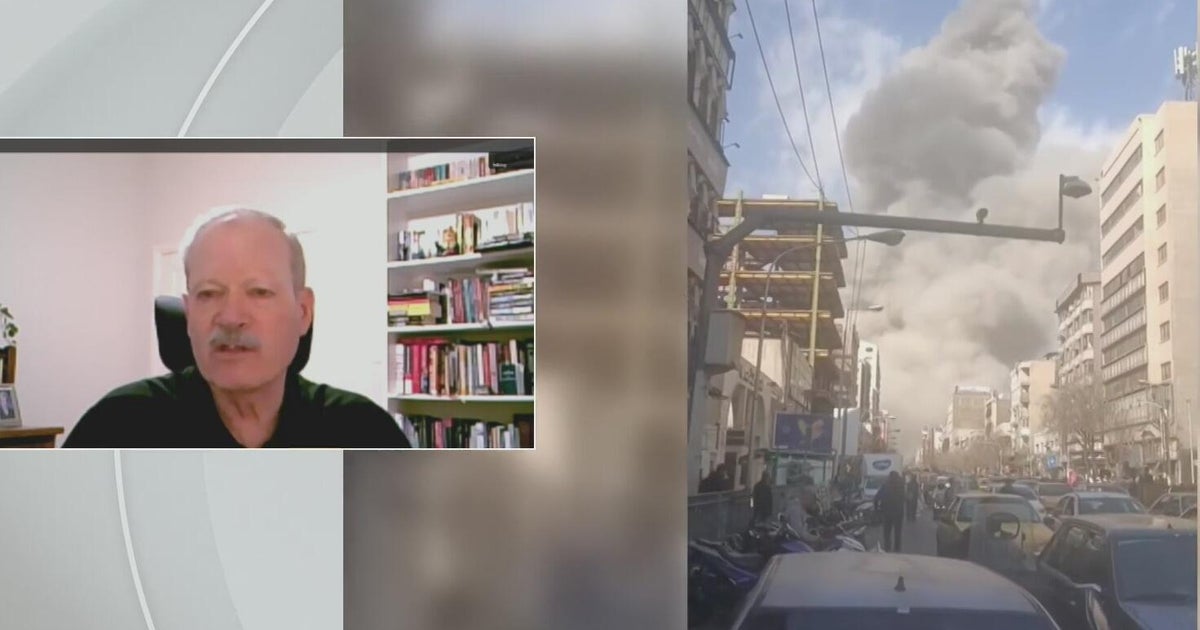
Covering the War in Iran? TCU has Experts that Are Getting National Coverage
As the war against Iran continues to unfold, global media coverage has intensified, with major news organizations providing near-constant reporting on the conflict and its geopolitical implications. From live battlefield updates to analysis of regional alliances, energy markets, and international diplomacy, the story has become one of the most closely followed developments in international affairs. Networks such as CBS News are dedicating significant airtime to helping audiences understand the rapidly evolving situation and the broader implications for global stability. To provide credible context and insight, these outlets often turn to academic experts who specialize in Middle East politics and international relations. Experts like Ralph Carter from Texas Christian University (TCU) are among those providing research-based analysis that helps explain the historical roots of the conflict, the motivations of the key actors involved, and what developments could come next. Their expertise allows journalists to translate complex geopolitical dynamics into clear, accurate information for audiences trying to make sense of a fast-moving global crisis. Professor Ralph Carter teaches introductory courses in political science and international politics as well as advanced courses in Middle East conflicts, U.S. foreign policy and Russian foreign policy. He is the author or editor of eight books and the author or co-author of over 50 journal articles, book chapters, and other professional publications. His research agenda focuses on the making of U.S. foreign, trade, and defense policy, with a particular emphasis on the roles played by members of Congress. Recently, Professor Carter's expertise was sought out by CBS News in Dallas/Fort Worth as journalists were updating Americans on the current situation in the war in Iran. Ralph Carter is available to speak with the media about the ongoing war in Iran - simply click on his icon now to arrange an interview today.
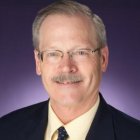

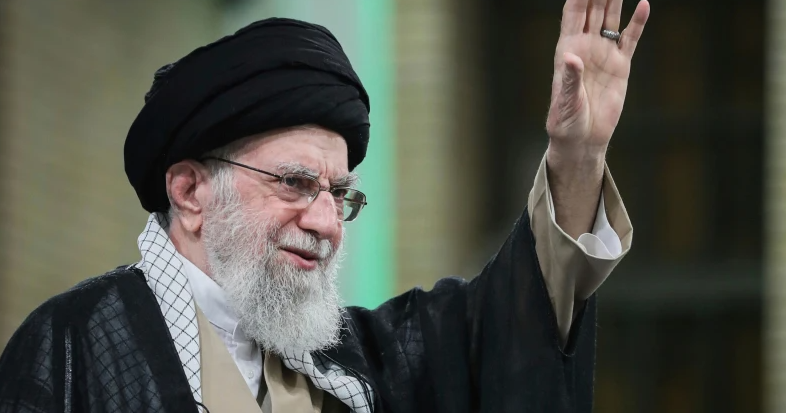
Operation Epic Fury: Florida Atlantic's Expert is Ready for Your Questions and Coverage
As tensions surrounding Operation Epic Fury in the Middle East intensifies and the risk of regional escalation grows, Robert G. Rabil, Ph.D., professor of political science at Florida Atlantic University, stands out as one of the most authoritative voices journalists can turn to for clear, strategic analysis. A nationally recognized scholar of Middle Eastern politics, political Islam, terrorism and U.S. foreign policy, Rabil brings decades of research, regional expertise and media experience to breaking developments. He does not simply react to headline, he explains the historical forces, ideological movements and geopolitical calculations driving them. At a time when the conflict’s implications stretch far beyond Iran’s borders, affecting Israel, Gulf states, global energy markets and U.S. national security, Rabil provides critical context on both state and non-state actors shaping events on the ground. Robert Rabil, Ph.D., professor of political science at Florida Atlantic University, is a leading authority on Middle Eastern politics, security, and U.S.–Middle East relations. View his profile Recent media coverage: WINK: Dr. Robert Rabil, a political science professor at Florida Atlantic University, said the attack marks one of the most significant escalations in regional conflict in years. "I would say now the joint attack today is one of the very few, if not the only, as a matter of fact, attack on a country in the Middle East," said Rabil. "And today, as we have seen, I believe that the President has taken the final decision, and he said, Listen, it's about time, mainly, either to change the regime or produce a change within the regime.” ABC News: “What the president has done recently, what he did with Maduro, and the assassination of Soleimani — all of that changes the regime’s behavior,” Rabil said. Rabil said if Iran’s government were to collapse or dramatically change, cooperation with Western nations, including the United States, could resume, especially if Iranians pursue a democratic alternative. The Jerusalem Post Op-Ed - The writer is a professor of political science at Florida Atlantic University. He served as chief of emergency of the Red Cross in East Beirut during Lebanon’s civil war. CNN Robert G. Rabil, Special to CNN Rabil offers measured, informed analysis rooted in decades of scholarship and policy study and can help with key story angles such as: • Iran’s Regime Stability and Internal Pressures How domestic dissent, economic strain and political factions inside Iran influence wartime decision-making. • U.S.–Iran Strategic Calculus What options Washington realistically has, historical precedents shaping current policy, and risks of escalation or miscalculation. • Israel and Regional Security Dynamics How Israel, Saudi Arabia and Gulf states are responding — and whether a broader regional war is possible. • Proxy Warfare and Militant Networks The role of Hezbollah, Hamas and other non-state actors in expanding or containing the conflict. • Iran’s Nuclear Program How the conflict affects nuclear negotiations, deterrence strategy and global security concerns. • Energy Markets and Global Economic Fallout Implications for oil prices, shipping lanes and international economic stability. • Long-Term Regional Realignment Whether this conflict accelerates a reshaping of alliances in the Middle East.


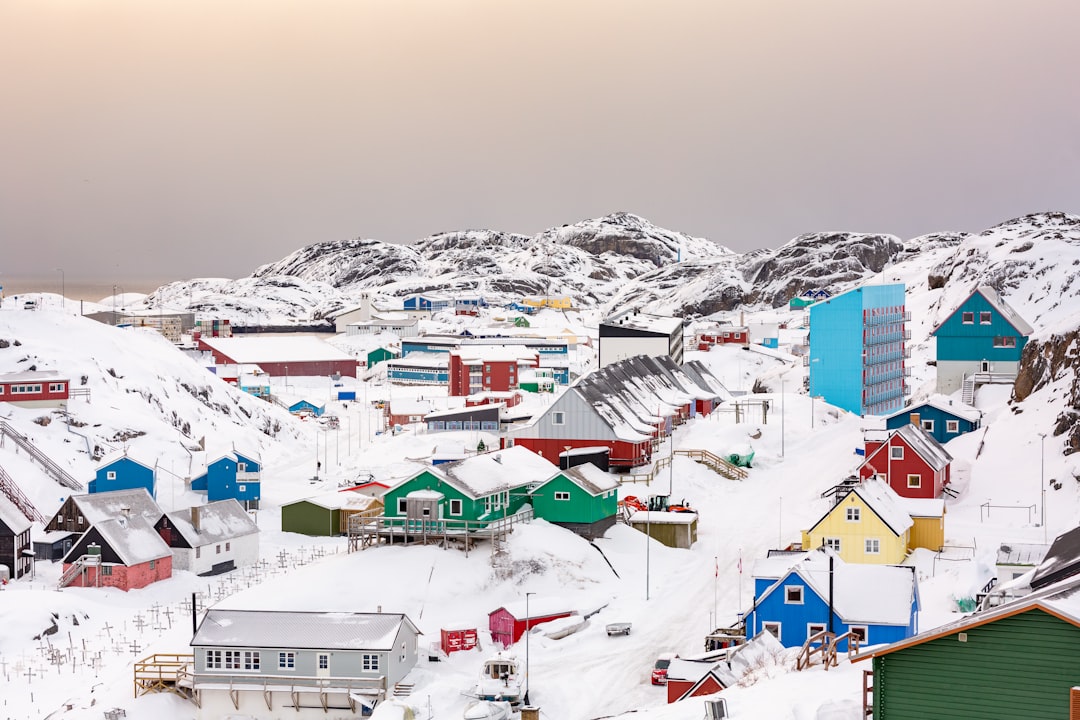
As tensions escalate over the possibility of the United States seeking control of Greenland — including threats of annexation that have drawn international backlash — seasoned international relations expert Glen Duerr, Ph.D. offers critical context for journalists reporting on the diplomatic, legal, and geopolitical dimensions of this unfolding crisis. What's Happening In early 2026, high-level rhetoric from U.S. political figures has revived debates about Greenland’s status as a strategic territory. What began as discussions of acquisition has evolved into broad international concern over sovereignty, alliance cohesion, and Arctic security. Denmark and Greenland have reaffirmed their commitment to autonomy, while NATO allies and the European Union warn that any forceful move by the U.S. could undermine alliance unity and violate international norms — raising profound questions about territorial integrity, international law, and the politics of national interest. Dr. Glen Deurr's teaching and research interests include nationalism and secession, comparative politics, international relations theory, sports and politics, and Christianity and politics. View his profile here How Dr. Glen Duerr Can Help Journalists Cover This Story 1. Understanding Strategic National Interests Dr. Duerr’s expertise in international relations provides journalists with a framework to explain why Greenland has become such a focal point for U.S., European, and Arctic security policy — from its strategic location to its role in broader defense calculations. 2. Explaining Nationalism, Sovereignty & Self-Determination His research on nationalism and secession is especially relevant as Greenlanders and Danish authorities assert self-determination and reject external control, a central narrative in the current debate. 3. Contextualizing International Norms & Legal Constraints As commentators and policymakers discuss potential annexation, treaty obligations, and alliance commitments, Dr. Duerr can unpack how international law, treaties (such as NATO agreements), and norms against territorial conquest shape policy choices and diplomatic responses. 4. Making Sense of Geopolitical Fallout With European leaders labeling aggressive claims as a form of “new colonialism” and threatening economic countermeasures, Dr. Duerr can help journalists interpret how Greenland could become a flashpoint affecting transatlantic relations, alliance politics, and global perceptions of U.S. foreign policy. About Glen Duerr, Ph.D. Dr. Glen Duerr is a Professor of International Studies at Cedarville University with deep expertise in international relations theory, nationalism, secession, and comparative politics. He holds a Ph.D. in Political Science and Government and is widely available to speak with media on geopolitics, sovereignty disputes, and the intersection of national interest and international order. Why This Matters The evolving crisis over Greenland is not merely a diplomatic dispute — it touches on fundamental questions of sovereignty, global strategic balance, alliance credibility, and international legal norms. Dr. Duerr is positioned to help journalists go beyond headlines, offering analysis that clarifies motivations, stakes, and implications for audiences tracking one of the most talked-about international issues of 2026.


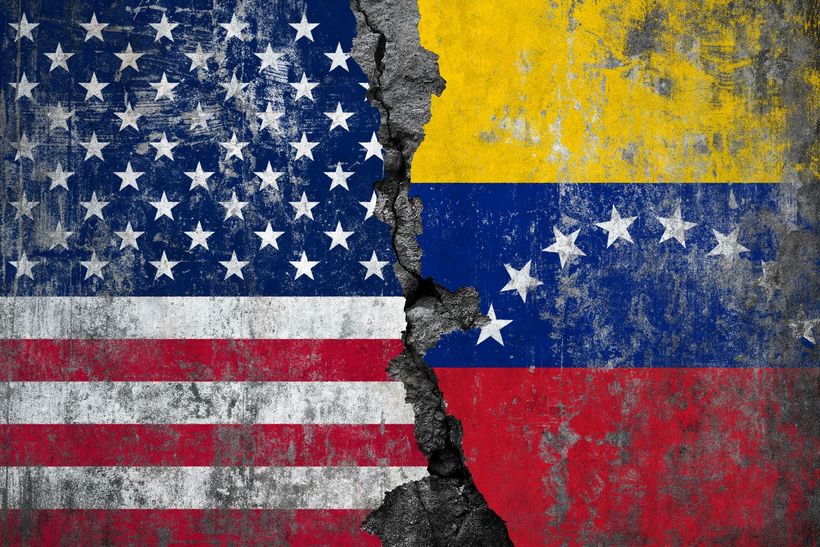
Venezuela: Why Regime Change Is Harder Than Removing A Leader
With global attention on Venezuela following the U.S. removal of Nicolás Maduro, one of the central questions is whether taking out a leader actually changes the political system that put him in power. Two University of Rochester political scientists — Hein Goemans and Gretchen Helmke — study different sides of this issue, and can shed light on why authoritarian regimes often survive even when leaders fall and what the U.S. intervention means for Venezuela and the world order. Goemans specializes in how wars begin and end, regime survival, and why so-called “decapitation strategies” — removing a leader without dismantling the broader power structure — so often fail to produce stable outcomes. His research draws on cases ranging from Iraq and Afghanistan to authoritarian regimes in Latin America. In a recent interview with WXXI Public Media, Goemans warned that removing Maduro does not resolve the underlying system of military and economic control that sustained his rule. Without changes to those institutions, he said, power is likely to remain concentrated among the same elite networks. “The problem isn’t just the leader,” Goemans explained. “It’s the structure that rewards loyalty and punishes defection. If that remains intact, the politics don’t fundamentally change.” Helmke, a leading scholar of democracy and authoritarianism in Latin America, emphasizes that legitimacy, not just force, determines whether democratic transitions take hold. Her research helps explain why democratic breakthroughs so often stall after moments of dramatic change, and why outside interventions can unintentionally weaken domestic opposition movements by shifting power toward regime insiders. “When the institutions and elites remain in place, uncertainty — not democratic transition — often becomes the dominant political reality,” she said. For journalists covering the fast-moving situation, Goemans and Helmke are available to discuss why removing leaders rarely brings the political transformation policymakers expect and what history suggests comes next. They can address: • Why regime-change operations so often backfire, even when dictators are deeply unpopular • What sidelining democratic opposition means for legitimacy • Whether U.S. claims that Maduro is illegitimate hold up under international and U.S. law • How prosecuting a foreign leader in U.S. courts could reshape norms of sovereignty • The risks the U.S. intervention poses to the rules-based international order and NATO • How interventions affect international norms, including sovereignty and the rule of law, and why short-term tactical successes can create long-term strategic risks. • Why treating global politics as a series of “one-off” power plays misunderstands how states actually enforce norms over time • How competing factions inside the U.S. administration may be driving incoherent foreign policy Geomans also brings rare insight into the internal dynamics of U.S. policymaking, having taught and observed Stephen Miller, one of President Donald Trump’s closest aides who is helping shape the administration’s worldview. (Goemans taught Miller at Duke University in 2003.) Click on the profiles for Goemans and Helmke to connect with them.


Is Maduro Ouster In Line with Trump’s “America First” Mantra?
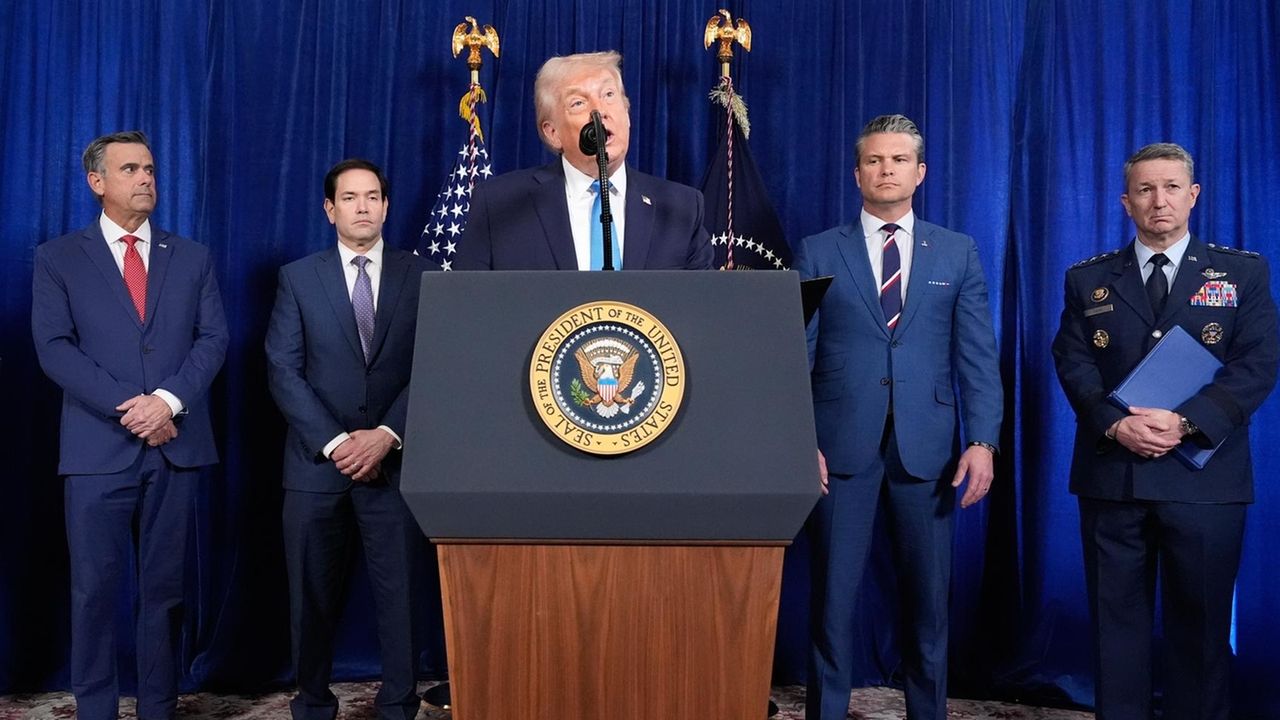
In an article about the U.S.-led ouster of Venezuelan leader Nicolás Maduro, Dr. Meena Bose told Newsday that President Donald Trump’s foreign policy positions have undergone an “evolution” between his first and second terms. “When he first ran for president and started campaigning in 2015, he was very much opposed to U.S. intervention abroad,” said Dr. Bose. “His America First policy was very much against the Iraq War. He called for … economic U.S. primacy in the world, but to also kind of step back from direct engagement. And yet, we’ve seen multiple efforts from the first term and the second where the administration has been engaged in airstrikes and military action abroad.”


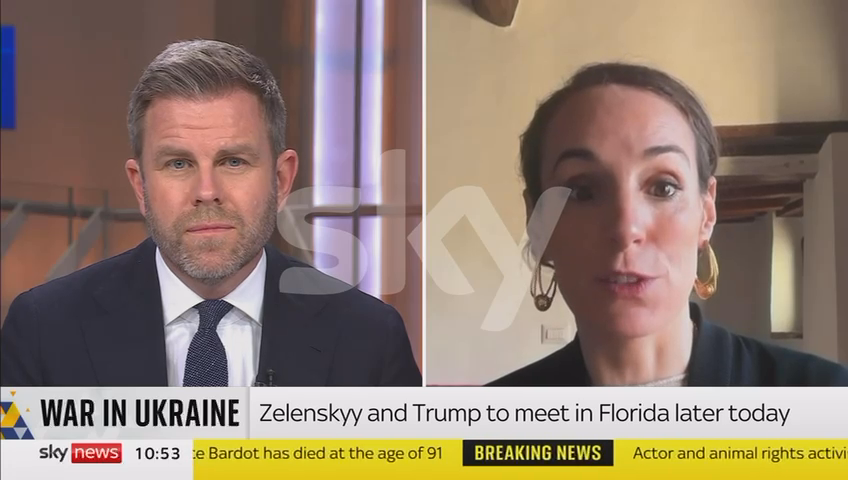
In a recent interview, Livia Paggi of J.S. Held discussed the implications of reported discussions between President Donald Trump and President Volodymyr Zelensky about a potential peace plan aimed at ending the war in Ukraine. The conversation focused on what these talks signal politically, what pressure points may be shaping each leader’s approach, and why the timing and framing of any “peace plan” matters as much as the details themselves. Paggi emphasized that peace-plan conversations at this level often have multiple audiences at once: domestic political constituencies, international allies, and adversaries assessing resolve and leverage. She explored how diplomatic positioning can influence the credibility of negotiations and how public messaging, even before formal agreements exist, can shift perceptions on the battlefield, at the negotiating table, and across NATO-aligned capitals. The interview also examined the risks embedded in any peace-plan narrative. Paggi highlighted that negotiation efforts can introduce uncertainty for markets, governments, and populations when expectations outpace realities. She discussed how the mechanics of ending a war extend beyond a headline announcement, including enforcement, guarantees, verification, and the long-term stability of whatever framework is proposed. When we look at what Trump is likely to do, he's going to try to go back and forth, favor different political actors and see what he can do to unlock the situation. A copy of the full interview is below: For journalists following the Ukraine war, shifting diplomatic strategies, or the real-world consequences of peace negotiations, Livia Paggi offers a clear, practical lens on what these discussions could mean next. Her perspective helps reporters move beyond political theatre and toward the key questions: what’s being signaled, who gains leverage, what conditions would make an agreement durable, and what risks emerge if the process breaks down. Looking to connect with Livia Paggi? Livia is a sought-after speaker and regularly provides commentary on global political trends for the media, including for the BBC, Bloomberg TV, CNN, and the Financial Times. Livia is the recipient of numerous awards for her work. Most recently, she was named by Management Today as one of Britain’s top women in business under 35 and Bloomberg TV named her as one of the top female foreign policy commentators. Click on her profile icon to arrange an interview or get deeper insights into geopolitical risk, government relations, and business impacts.


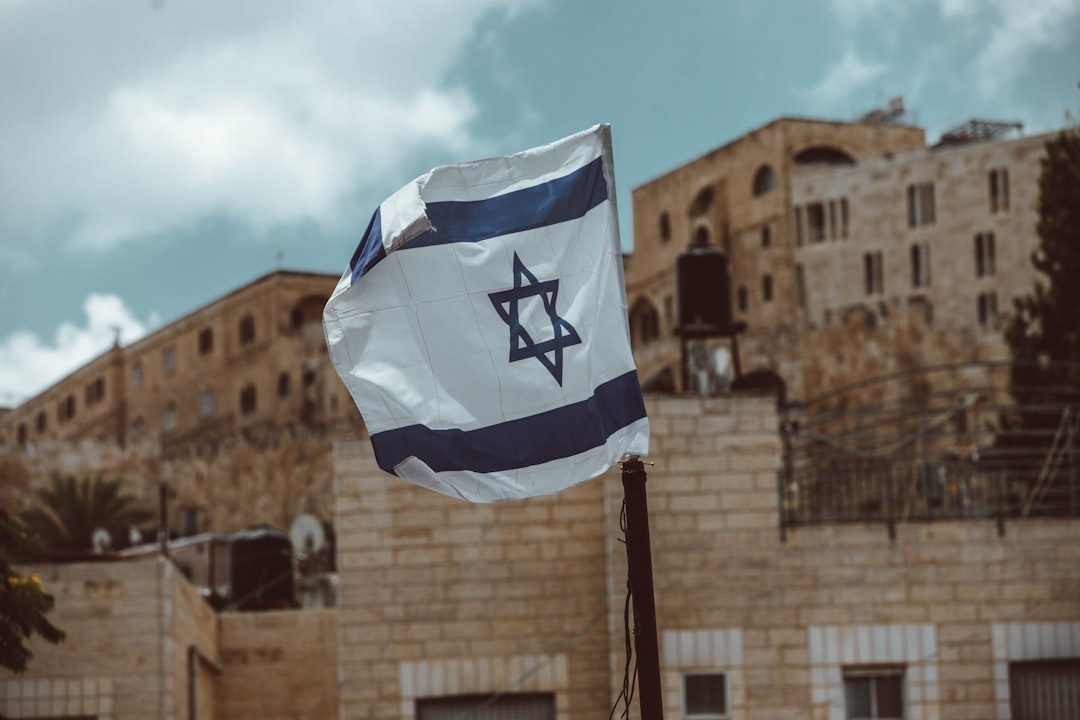
As the Gaza City ground offensive has begun - FAU has a leading expert on the region
Israel has launched a massive ground incursion into Gaza City. Aiming to destroy what the Israeli government has said is one of the last remaining Hamas strongholds. The offensive will escalate further fighting as the Israeli military indicated this current attempt to remove Hamas strongholds could take months. The attack on Gaza City has drawn criticism from allies of Israel who are seeking to see a stop the fighting and see peace in a region. Media are also watching - and looking looking for experts like Florida Atlantic's Robert Rabil who has been commenting and contributing on this topic since the conflict began almost two years ago. Florida Atlantic University's political science professor, Robert Rabil Ph. D. is a star expert in political Islam, terrorism, U.S. foreign policy, and U.S.-Arab relations. His expertise has appeared in major newspapers and academic journals, including the Wall Street Journal, Chicago-Sun Times, Daily Star (Beirut), History News Network, National Interest, CNN, Middle East Journal, Middle East Policy, the Journal of International Security Affairs, Middle East Quarterly, and Middle East Review of International Affairs. He has also contributed several book chapters on political Islam and Middle Eastern politics. Rabil is available to speak with media. Simply click on Rabil’s icon now to arrange an interview today.
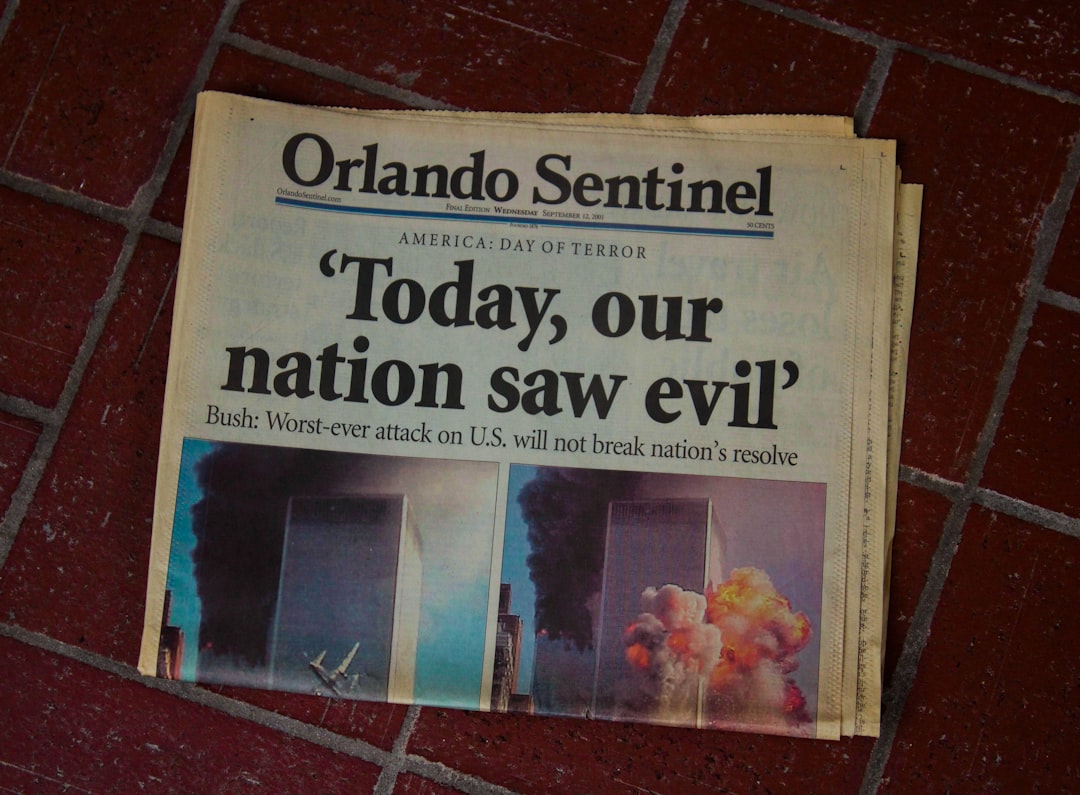
#ExpertSpotlight: The Day That Redefined America: 9/11 and Its Lasting Impact
September 11, 2001 marked a pivot in American history—a day when the nation’s sense of safety was shattered, and its collective identity reshaped. The attacks triggered sweeping changes in security, government authority, social behavior, and even cultural cohesion. Today, the legacy of 9/11 lives on in how we remember, govern, and connect. A Nation in Shock—and Unity On that fall morning, the U.S. witnessed a tragedy that killed nearly 3,000 people and devastated the nation’s psyche. In the immediate aftermath, grief turned into solidarity—as most Americans tuned into televised coverage, felt sadness, anger, and fear, yet paradoxically came together in an extraordinary show of patriotism and trust in institutions. In the months that followed, confidence in government reached levels unseen in decades—fueled by mourning, resolve, and a collective desire to heal. The Rise of “Homeland Security” & Executive Power Almost immediately, the U.S. government unleashed legal and structural transformations. The USA PATRIOT Act, passed just weeks later in October 2001, significantly expanded surveillance and law enforcement powers for domestic security—raising ongoing concerns about civil liberties. Alongside this, the Department of Homeland Security was created in 2002, bringing together 22 agencies to coordinate security against future threats and reinforcing a new era of national vigilance. Economic Shock and Air Travel Overhaul The attacks triggered immediate economic consequences: U.S. stock markets plunged, airlines and insurers suffered heavy losses, and GDP forecasts were revised downward. Meanwhile, the aviation sector underwent a rapid and lasting modernization in security protocols and flight routing. Notably, Canada’s Operation Yellow Ribbon absorbed diverted flights in the chaos, highlighting international cooperation amid crisis. Legal Precedents and Global Conflict Congress quickly approved the broad-ranging Authorization for Use of Military Force (AUMF), enabling the U.S. to pursue adversaries globally—a mandate that has since been interpreted far beyond its original context, shaping nearly two decades of “forever wars.” These legal expansions—and the accompanying conflicts in Afghanistan and Iraq—signaled a new global posture that redefined American foreign policy. Remembering, Serving, and the Legacy Continues In the years since, public memory of 9/11 has evolved—from solemn remembrance to proactive service. Patriot Day, proclaimed a national day of mourning and service, now encourages millions of Americans each year to volunteer in honor of those lost and the unity felt afterward. These acts of service continue to reflect the enduring spirit of resilience and community. Connect with our experts on the history, significance, and lasting impact of 9/11 on American life and policy. Check out our experts here : www.expertfile.com

Covering the new Trump Administration - We can Help
With each day seems to come an new appointee to cabinet or significant role, a new policy twist and even the occasional walk back or withdrawal. The steps leading up to January 20, 2025 when Donald Trump resumes office as President of the United States will be getting a lot of coverage - and UC Irvine has it's own team of experts ready to lend their experience, perspective and expert opinion on what is happening. Louis DeSipio examines how democratic nations incorporate new members, including policymaking in the areas of immigration. Topics of Expertise: Foreign Affairs / NATO Immigration and Deportation Department of Education, EPA, Homeland Security, Department of Interior, NOAA, HHS and FDA Jeffrey Wasserstrom specializes in modern Chinese cultural history & world history, who has written on many contemporary as well as historical issues. Topics of Expertise: Foreign Affairs / NATO Free Speech Department of Education, EPA, Homeland Security, Department of Interior, NOAA, HHS and FDA Eric Swanson is an expert on inflation, recessions and what changes in interest rates mean for the economy. Topics of Expertise: Foreign Affairs / NATO Tariffs Impact of Downsized Government Senior's Health and Social Security Heidi Hardt is an expert on NATO, defense, security, foreign policy, organizations, the EU, UN, operations, gender, climate and change. Topics of Expertise: Foreign Affairs / NATO Climate Change Gender and LGBTQ+ Rights Tony Smith’s knowledge of politics includes Constitutional Law, the U.S. Supreme Court and election law. Topics of Expertise: Free Speech Department of Education, EPA, Homeland Security, Department of Interior, NOAA, HHS and FDA Jon Gould is a distinguished scholar in justice policy, social change and government reform. Topics of Expertise: Deregulation Gender and LGBTQ+ Rights All of these experts are available to speak with media - simply click on a profile now to arrange an interview time today.


NATO, Russia and a New Approach to Foreign Policy
The election of Donald Trump for a second time as the President of the United States may have come as a surprise to many, for world leaders it means an immediate shift when it comes to global issues. Trump campaigned on dealing with the war between Russia and Ukraine and the wars Israel is fighting on multiple fronts himself, and resolving these delicate and complex conflicts with little regard to those at NATO or other leaders around the world. Trump has also indicated that serious changes will be coming to how America handles trade -which will also put how his administration deals with President Xi Jinping in China and the newly elected President of Mexico, Claudia Sheinbaum in the spotlight on center stage. There is already a lot of speculation an even a few glimpses at what lies ahead for US foreign policy, and if you're a reporter covering the lead up to this much hyped event - then let our experts help with your coverage. Louis DeSipio examines how democratic nations incorporate new members, including policymaking in the areas of immigration. Jeffrey Wasserstrom specializes in modern Chinese cultural history & world history, who has written on many contemporary as well as historical issues. Eric Swanson is an expert on inflation, recessions and what changes in interest rates mean for the economy. Heidi Hardt is an expert on NATO, defense, security, foreign policy, organizations, the EU, UN, operations, gender, climate and change. Tony, Jeffrey, Eric and Heidi are available to speak with media - simply click on either expert's icon now to arrange an interview today.