
Experts Matter. Find Yours.
Connect for media, speaking, professional opportunities & more.

Are You an Expert? Here’s How to Tell
Have you ever wondered whether or not you are an expert? When asked this question about what defines expertise, you will hear a variety of answers. Many will reference key requirements such as an expert must have extensive knowledge in their field. Others will see education, published work, or years of experience as key qualifiers. Yet there are so many other dimensions of expertise that contribute to how visible, influential and authoritative they are within their community of practice or with the general public. Who Qualifies as an Expert? I started looking closer at this topic for two reasons. The first is my personal work with experts. Having worked with thousands of them across a variety of sectors I've observed that many are driven to develop themselves professionally as an expert to meet a variety of objectives. Often these are focused on raising one's profile and reputation among peers or with the broader market to inform the public. Some see media coverage being an essential part of their strategy while others are more interested in developing a larger audience for their research or client work, by speaking at conferences or on podcasts. Others have a focus on improving their PageRank on search engines. All these activities can enable important objectives such as attracting new clients, research funding or talent. The second reason for this deeper dive into expertise is a need to better organize how we look at experts within organizations. My work with communications departments in knowledge-based sectors reveals that they are keen to learn more about how they can better engage their experts to build reputation, relationships and revenue. However, better engagement starts with a better understanding of what qualifies someone as an expert - what attributes can we objectively look at that define expertise? With that knowledge, we can first better appreciate the amount of work experts have put into establishing themselves in their field. Then organizations can nurture this expertise in a more collaborative way to accomplish shared goals. My observation is that with a little more insight, empathy, and alignment, both experts and their organizations can accomplish incredible things together. And there has never been a more important time for experts to "show their smarts." By definition, an expert is someone with comprehensive or authoritative knowledge in a particular area of study. While formal education and certifications are a starting point for expertise, many disciplines don’t have a set list of criteria to measure expertise against. It’s also important to recognize other dimensions of expertise that relate not just to the working proficiency in a field but also to the degree of influence and authority they have earned within their profession or community of practice. Because of this, expertise is often looked at as a person’s cumulative training, skills, research and experience. What are the Key Attributes of Expertise? In evaluating your accomplishments and the various ways you can contribute as an expert to both your community of practice and the public, here are some key questions that can help you assess how you are developing your expertise: Have you completed any formal education or gained relevant experience to achieve proficiency in your chosen field? Are you actively building knowledge in a specific discipline or practice area by providing your services as an expert? Are you generating unique insights through your research or fieldwork? Are you publishing your work to establish your reputation and reach a broader audience such as publications or books? Are you teaching in the classroom or educating and inspiring audiences through speaking at conferences? Do you demonstrate a commitment to impact your community of practice and help advance your field and generate an impact on society by informing the public? Have you established a reputation as a go-to source for well-informed, unique perspectives? Some Additional Tips to Help you Develop Your Expertise To further the discussion, I’ve also shared further thoughts about the meaning of “expertise”. As you think about developing your own personal skills, or if you are a communicator who is responsible for engaging with your organizations experts, here are a few additional principles to keep in mind. Experts Aren't Focused on Some“Magic Number” Related to Hours of Experience Malcolm Gladwell’s book “Outliers” (2008), outlined the now famous “10,000-hour rule” as the magic number of greatness for the time it takes to master a given field. As the rule goes, you could become a genuine expert in a field with approximately 10,000 hours of practice — roughly 3 hours a day, every day for a consecutive decade. But is that what it really takes to become an expert? But is that what it really takes to become an expert? Or did Gladwell oversimplify the concept of expertise? Some of his assumptions for “Outliers” (which became a major bestseller) relied on research from Dr. Anders Ericsson at Florida State University who made expertise the focus of his research career. Contrary to how Gladwell outlined it, Ericsson argued that the way a person practised mattered just as much, if not more, than the amount of time they committed to their discipline. It also depends on the field of research or practice one is involved in. Some disciplines take decades to achieve expertise and many experts will admit they are just scratching the surface of what they are studying, well after they have passed the 10,000-hour mark. That might be just the first stage of proficiency for some disciplines. Experts are Continuously Learning It’s difficult to claim proficiency as an expert if you are not staying current in your field. The best experts are constantly scouring new research and best practices. Dr. Anders Ericsson observed in his work that "deliberate practice" is an essential element of expertise. His reasoning was that one simply won’t progress as an expert unless they push their limits. Many experts aren’t satisfied unless they are going beyond their comfort zone, opening up new pathways of research, focusing on their weaknesses, and broadening their knowledge and skills through avenues such as peer review, speaking, and teaching. The deliberate practice occurred “at the edge of one’s comfort zone” and involved setting specific goals, focusing on technique, and obtaining immediate feedback from a teacher or mentor. Experts Apply their Knowledge to Share Unique Perspectives While many experts conduct research, simply reciting facts isn't enough. Those who can provide evidence-based perspectives, that objectively accommodate and adapt to new information will have more impact. Expertise is also about developing unique, informed perspectives that challenge the status quo, which can at times be controversial. Experts know that things change. But they don’t get caught up in every small detail in ways that prevent them from seeing the whole picture. They don't immediately rush toward new ideas. They consider historical perspectives and patterns learned from their research that provide more context for what's happening today. And these experts have the patience and wisdom to validate their perspectives with real evidence. That's why expert sources are so valuable for journalists when they research stories. The perspectives they offer are critical to countering the misinformation and uninformed opinions found on social media. Experts Connect with a Broader Audience Many experts are pushing past traditional communication formats, using more creative and visual ways to translate their research into a wider audience. We conducted research with academics in North America and in Europe who are trying to balance their research (seen in traditional peer-reviewed journals) with other work such as blogs, social media, podcasts and conferences such as TEDx - all with the goal to bring their work to a wider audience. While that's an essential part of public service, it pays dividends for the expert and the organization they represent. Experts Are Transparent More than ever, credible experts are in demand. The reason for this is simple. They inspire trust. And the overnight success some have seemingly achieved has come from decades of work in the trenches. They have a proven record that is on display and they make it easy to understand how they got there. They don't mask their credentials or their affiliations as they didn't take shortcuts. They understand that transparency is a critical part of being seen as credible. Experts Don’t Take “Fake It Till You Make It” Shortcuts The phrase “fake it till you make it,” is a personal development mantra that speaks to how one can imitate confidence, competence, and an optimistic mindset, and realize those qualities in real life. While this pop psychology construct can be helpful for inspiring personal development, it gets problematic when it becomes a strategy for garnering trust with a broader audience to establish some degree of authority - especially when this inexperience causes harm to others who may be influenced by what they see. When self-appointed experts take shortcuts, promoting themselves as authorities on social media without the requisite research or experience, this blurs the lines of expertise and erodes the public trust. Experts Are Generous The best experts are excited about the future of their field, and that translates to helping others become experts too. That's why many openly share their valuable time, through speaking, teaching and mentorship. In the end, they understand that these activities are essential to developing the scale and momentum necessary to tackle the important issues of the day. How Do You Show your Smarts? How do you personally score on this framework? Or if you are in a corporate communications or academic affairs role in an institution how does this help you better understand your experts so you can better develop your internal talent and build your organization’s reputation? As always we welcome your comments as we further refine this and other models related to expertise. Let us know what you think. Helpful Resources Download our Academic Experts and the Media (PDF) This report, based on detailed interviews with some of the most media-experienced academics across the UK and United States draws on their experiences to identify lessons they can share in encouraging other academics to follow in their path. Download the UK Report Here Download the US Report Here The Complete Guide to Expertise Marketing for Higher Education (PDF) Expertise Marketing is the next evolution of content marketing. Build value by mobilizing the hidden people, knowledge and content you already have at your fingertips. This win-win solution not only gives audiences better quality content, but it also lets higher ed organizations show off their smarts. Download Your Copy



Up in smoke? With vaping on the edge of banishment, let our experts help with your coverage
The U.S. Food and Drug Administration (FDA) has paused a ban on the sale of Juul Labs' e-cigarettes, saying an additional review of the company's marketing application is required. The once thriving company won a temporary reprieve a couple of weeks ago after a federal appeals court stayed the FDA's ban, following an appeal from Juul for an emergency review of the regulator's order. Juul has always been in the spotlight, in part because of its prominent placement atop the e-cigarette chain, but with the company facing a potential demise, it could be the first casualty, with the rest of the vaping industry in the government's sights. Dr. Zubair Karim, assistant professor in the Department of Interdisciplinary Health Sciences at Augusta University, fields a few questions and lends his expert perspective on this topic. With the ban on Juul products, could this result in a ban on other companies’ e-cigarette products as well, or was there something specifically about Juul that caused their ban? This is the first steps toward the banning of the e-cigarette, i.e., Juul, where the FDA took a significant and bold step. Gradually, this will open the path for banning of the other e-cigarette products. There are no differences in the Juul and other products but Juul became more popular in our young generation. Many local and state jurisdictions have recently begun enacting laws that prohibit e-cigarette usage that smoking is banned, although some state laws with comprehensive smoke-free laws will still allow for vaping to be permitted in bars and restaurants while prohibiting e-cigarettes in other indoor places. On a more basic level, what are platelets (where are they, and what do they do) and do we know what has caused them to react more negatively compared to traditional smoking? Platelets are small and colorless stem cell fragments present in our blood. They are disk-shaped and don’t have a nucleus. It plays an important role in maintaining vascular integrity based on their ability to respond to lesions in a vessel wall. Hyperactivity of platelets is known to cause spurious clot formation and occlusive loss of blood flow, leading to strokes and heart attacks, whereas hypoactivity causes bleeding diathesis with life-threatening consequences. Several studies have been reported that smoking induces oxidative stress, leading to increased platelet activation, whereas nicotine causes the damage of endothelial lining of the arterial and venous system and ultimately leads to the severe life-threatening consequences. What are thrombotic events and why should someone be worried about them? Thrombosis is the formation of a blood clot (partial or complete blockage) within blood vessels, whether venous or arterial, limiting the natural flow of blood. There are several complications depending on where the thrombosis is located. The most serious problems include stroke, heart attack and serious breathing problems, which is called pulmonary embolism. If the patients are not treated in a timely manner, it will lead to life-threatening conditions. However, progression of the disease can be prevented by following changes in our lifestyle such as increasing physical activity, quitting smoking, losing weight, eating a balanced diet, quitting junk food and managing other health conditions. How do nicotine and other harmful chemical levels compare in vaping vs. traditional cigarettes? Both smoking and vaping have similar side effects and cause serious health risks in the long run. Scientists do not fully understand the long-term health effects of electronic cigarettes (e-cigarettes), yet science indicates that they are not a safe alternative to smoking. In the last several years it has been observed that vaping is growing in popularity among teenagers. Moreover, e-cigarettes contain a large dose of nicotine, a substance known to slow the development of brains in fetuses, children and teens. Furthermore, vaping involves breathing in aerosol that contains several chemicals, including nicotine and flavoring through an e-cigarette or other devices. Also, the liquid present in the e-cigarettes which creates the vapor is dangerous to adults and children if they swallow, inhale, or get it on the skin. Nonetheless, vaping also delivers dangerous chemicals, including diacetyl, cancer-causing chemicals, heavy metals, volatile organic compounds (VOCs), and such toxic chemicals that are not generated in traditional cigarettes. In summary, long-term vaping causes similar toxic impact to overall health compared to traditional cigarettes. This court case will be getting a lot of attention and could determine the future of the e-cigarette industry. If you're a journalist looking to know - then let Augusta University's expert help. Karim is available to speak with reporters about vaping and e-cigarettes. Simply click on his icon now to arrange an interview today.


Unattainably Perfect: Idealized Images of Influencers Negatively Affect Users’ Mental Health
Filters, Adobe Photoshop, and other digital tools are commonly used by social media “influencers.” These celebrities or individuals have a large follower base and “influence” or hold sway over online audiences. This digital enhancement of images is well-documented anecdotally. Instagram, in particular, has come under growing scrutiny by the media in recent years for promoting and popularizing unattainably perfect or unrealistic representations of its influencers. What’s less understood is the appeal and the actual effect that these digitally enhanced images have on followers–particularly in terms of people’s feelings of self-worth and their mental wellbeing. A ground-breaking study by Goizueta Business School’s David Schweidel and Morgan Ward sheds new light on the real-world impact of digital enhancement, and what they find should be cause for significant concern. Downstream Consequences: Impressions Have Lasting Impact Across a series of five studies with a broad sample of participants and using AI-powered deep learning data analysis to parse individuals’ responses, Schweidel and Ward have unearthed a series of insights around the lure of these kinds of idealized images, and the negative “downstream consequences” that they have on other users’ self-esteem. “Going into the research, we hypothesized that micro-influencers who digitally manipulate their images, offering unrealistic versions of themselves, would be more successful at engaging with other users–getting more follows, likes, and comments from them. And we do find this to be the case, but that’s not all,” says Schweidel. He and Ward also discover that when users are exposed to these kinds of images, they make comparisons between themselves and the enhanced influencers; comparisons that leave them feeling lacking, envious, and often inadequate in some way. In terms of mental health and wellbeing, this is alarming, says Ward. Our research shows unequivocally that when followers consume idealized versions of popular figures on social media there is a social comparison process that results in these users experiencing negative feelings and a substantial decline in their state of self-esteem. On the basis of these insights, is Meta–the owner of Facebook and Instagram–likely to take action to limit the use of digital enhancement on its platforms and apps any time soon? Unlikely, say Schweidel and Ward. “Meta seems to be fully aware of the deleterious effects that Instagram has on its users. However, the success of Instagram–and that of the brands and influencers that appear on the app–is fueled by increased consumer engagement: the very engagement that this kind of digital enhancement of images drives. So the incentive is there to maintain the practices that keep users engaged, even if there’s a trade-off in their emotional and mental health.” This is a fascinating and important topic - and if you're a reporter looking to know, then let us help. David A. Schweidel is professor of marketing at Emory University’s Goizueta Business School. He is an expert in the areas of customer relationship management and social media analytics. Morgan Ward is an assistant professor of marketing at Emory University’s Goizueta Business School and is an expert in consumer behavior. Both experts are available to speak with media - simply click on an icon to arrange a discussion today.


Experts in the Media: How to keep loyal customers in post-pandemic world
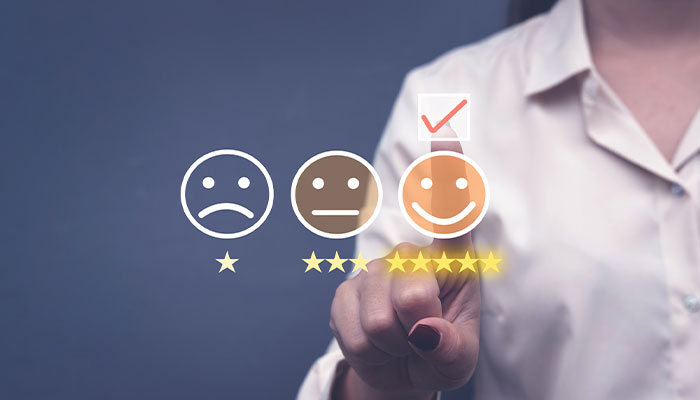
The COVID-19 pandemic forced many firms to revisit how they look after loyal customers. Enforced border restrictions impacting many countries meant millions of people have been unable to redeem points or enjoy the privileges associated with customer loyalty programs. But with the world opening back up two years later - how those loyalty programs need to adapt has become a hot topic for journalists covering business and travel. Recently, the work of Hyunju Shin, Ph.D., associate professor of marketing at Georgia Southern University, was featured in Mirage, an article that detailed how big players like Singapore Airlines and Marriot managed to keep key customers still incentivized and loyal even though they were stuck at home. If you're a reporter looking to know more - then let us help. Hyunju Shin, Ph.D, is available to speak with media - simply reach out to Georgia Southern Director of Communications Jennifer Wise at jwise@georgiasouthern.edu to arrange an interview today.


Will out of this world ideas be the next big thing for Florida's tourism industry?
Look up. That's where you may find the next billion-dollar tourism idea in America. Space tourism seems to be the next frontier for the industry to conquer. With a price tag of at least $50,000 per customer, the potential is huge. With companies like World View test launching in Florida and Space Perspective already headquartered in the Sunshine State, Florida is on the verge of being a destination for tourists looking to go out of this world. The concept sounds impressive, but there still are questions: • Will customers line up for a $50,000 price-point? • How big (or small) is the market for potential customers? • Is it safe and what are the liabilities? • And, if it takes off, what will the ripple effect be for Florida with an influx of high-end tourists? If you are a journalist covering the potential impact of space tourism in Florida, let us help. Peter Ricci, Ph.D., is a clinical associate professor and director of the Hospitality and Tourism Management program in Florida Atlantic University’s College of Business. He is a hospitality industry veteran with more than 20 years of managerial experience in segments including food service, lodging, incentive travel and destination marketing. Peter is available to speak with the media about space-travel tourism as well as other topics such as the labor shortage in hospitality and tourism. Simply click on his icon to arrange an interview.



MEDIA RELEASE: Driven by Good™: CAA South Central Ontario announces brand platform, new tagline
It’s a brand platform and tagline that tells the story of who we are and what we stand for as an organization. CAA South Central Ontario (CAA SCO) today announced a new tagline – Driven by Good™. Accompanied by a new brand platform, this will create a sustained and consistent approach for marketing the CAA club brand moving forward. It will also help to express CAA values and a commitment to always doing the right thing as an organization. The new brand platform was created in partnership with BIMM and reinforces why CAA was named the most trusted brand in Canada for the third year in a row in the annual Gustavson Brand Trust Index, released last week. “This new marketing approach will help CAA Members create a deeper, more emotional connection to our brand,” said Rhonda English, chief marketing officer, CAA Club Group of Companies. “For over 115 years, we have been helping people through advocacy and roadside assistance and for decades with travel and insurance. CAA has been approaching business in a positive and impactful way since its inception and it is time to align our marketing and communications accordingly.” Driven by Good™ was inspired by the people who work at CAA SCO and how they strive to do the right thing for Members and customers every day. It was inspired by a vision of a world where people who, when faced with a choice to do the easy thing, the reactionary thing, the thing that best serves them, pause, and make a choice to do good. As the platform and tagline were developed, CAA collected more than 250 stories of Associates going above and beyond to do the right thing in their day-to-day lives. Stories like the colleague who cleared all the vehicles of snow in her apartment parking lot after a nasty snowfall. Or the Associate, an amateur photographer, who set up his garage like a photo studio so he could take photos of his neighbour's ill child and her father. Or the co-worker who scrambled to find a coat and warm clothing to help someone in distress. “All of these stories, big and small, show how CAA is made up of Associates who are truly driven by doing good in the world. We are proud that our Associates bring this same approach to their work, showing that as an organization we aren’t driven by profit, we are focused on keeping Members safe and adding value to their day-to-day lives,” continued English. “We are inspired by these kind and courageous acts, which represent a world that we want to be a part of and contribute to.” The first campaign that is part of the new brand platform launches today, to begin to tell CAA's story in this new way. It is focused on inviting our audience into the ‘World of Good’ that we all want to live in. It showcases the good choices that people make that we at CAA are inspired by every day. It also draws on stories and experiences from Associates across the organization focused on how we are Driven by Good™. For more information and to see CAA’s newest brand spot, go to https://www.caasco.com/campaigns/brand/driven-by-good.


Will tourism bounce back as the Sunshine State gets ready for a post-COVID return?
The COVID-19 pandemic wreaked havoc on the globe, leaving few industries untouched in its wake. Florida’s tourism industry was hit particularly hard, with resorts shuttered and millions of visitors to the Sunshine State canceling their vacation plans. In fact, it’s estimated Walt Disney World lost more than $7 billion in 2020, all because of COVID. But with Florida back open and visitors returning, what's next for hospitality and tourism? And how will organizations handle staffing, pricing, inflation and other issues? If you are a journalist looking to cover the tourism sector in Florida, let us help. Peter Ricci is a clinical associate professor and director of the Hospitality and Tourism Management program in FAU’s College of Business. He is a hospitality industry veteran with more than 20 years of managerial experience in segments including food service, lodging, incentive travel and destination marketing. Peter is available to speak with the media. Simply click on his icon to arrange an interview.

With an estimated 1.5-million faculty in the US and a near 50,000 growth in UK-based academics in the last decade (to 225,000), universities and colleges have a whole range of interests and expertise on offer. In fact, despite rumours to the contrary, academia is a large and growing global ‘industry’. If you’re responsible for external relations, communications, marketing, civic engagement, knowledge exchange - or any other aspect of external engagement or “connectedness” in a university or college - then the ability to choose which faculty experts you selectively promote and publicise can be a very tough assignment. I’ve had first-hand experience with this. I was once in that very position - trying to keep up with the opportunities and the expectations afforded by 800 academics at just the one mid-sized UK institution where I worked. With the benefit of that firsthand experience and having since worked with more than 100 higher education institutions in the UK, Europe and North America, here are a few observations and also a few tips on how to organize your expertise: Approach #1: The Focus on Expertise Clusters An approach taken by some universities nowadays is to promote their expertise as a group of “grand challenges” or “beacons of excellence” - drawing together as many areas of research expertise under (usually) three or four headings. While identifying “token clusters” of expertise for focus and prioritisation may seem logical, this approach doesn’t really work. It may help with internal politics but it fails to generate enough precision to be relevant to various communities such as the media and industry. Approach #2: Selectively Promoting Key Experts One trap that universities can also fall into is to focus on a small group of academics who appear to be more suitable to promote. The reasoning for this approach is often driven by the need to have a manageable number for internal communications/press office staff to work with. The easy route to take is to just work with academics who are more keen to work with comms staff in promoting their work and who are already at ease in speaking to the media. Selection of experts on these factors, while important, isn’t the optimal way to build up the profile for the institution with key audiences. First off, this approach often doesn’t yield the diversity that audiences such as journalists and potential student and faculty recruits want to see represented. This approach will also miss the mark if it just plays to popular disciplines or hot topics. Being more inclusive to promote a wider range of disciplines and specialized topics is better value all round. Approach #3: The Faculty “Expertise Audit” I’ve seen institutions make many mistakes in positioning their faculty as experts, given it’s a proven way to differentiate brand, build profile and reputation. That’s why I’ve started to work with several universities on what I refer to as a “faculty expertise audit”. This brings a more structured process that helps prioritize key areas of research expertise and identify specialist experts. The audit also looks at the resources and overall capacity that universities have available to support an “expertise marketing” program that optimizes all these elements to significantly boost performance. Start with The Business Case for Expertise At the heart of this more structured, targeted audit approach is ensuring you are generating “return-on-investment” and “value-for-effort.” A good starting point is to ask: Where is the budget coming from? Where is current and expected demand for your programs? When starting this assessment, you have to think longer than a year out. Instead, look very hard and in detail at the next three to five years (the typical cycle of research investment and university strategies) and identify which expertise is most likely to solve the problems and consequential explorations that governments, industry, benefactors/donors, and funding agencies will want to support. I’m not saying that research areas without such sizable levels of predicted investment should be ignored - far from it - but we are in a competitive climate and universities now have to secure ‘orders’ (for applied and contracted expertise) that will ensure institutional sustainability and success. In turn, that success will allow investment in other areas that are socially vital but financially a weaker bet as regarded by funding sources. Having proven where research funding is most available, pressing and externally directed, then the audit is designed to identify and match the institution’s research talent to these requirements. These audits involve shortlisting, enlisting and then coaching the appropriate academic experts. The best results come from one-to-one sessions with academics which create buy-in and yield a more detailed marketing plan to leverage your experts. While more inclusive, this is an efficient process designed to create a “shared roadmap” for where the university and the academic both want to take their expertise. A large part of this roadmap then covers off other important activities such as creating a more discoverable and engaging online presence with enriched academic profiles that perform far better than the traditional “faculty directory.” Keeping online academic profiles fresh, content-rich, jargon-free, and compelling makes the job of expert ‘mining’ so much easier. Developing a sustained program of content with an organized lead generation process is also necessary. These extra steps are where many universities miss the mark. The result is a significant loss of inbound opportunities for research grants, consulting revenues, academic collaborations as well as local and global media coverage. I recently spoke with a Vice Chancellor of a prominent UK University who admitted that they as an institution deserved a failing grade when it came to promoting their faculty research achievements, saying that he “doubted any of their academics would be happy with the way their work was being promoted online.” This is an important aspect of the faculty audit. As a consultative process, it is non-threatening and we’re listening to staff and academics. That not only enriches the information the University has to promote its brand better, it also helps to enlist the support of the academic community who see that the university cares and that it is getting their input to put together a plan – both for the university and for individual academics. The academic is happy (they understand the value for them personally and for their institution); the University is happy (it is able to focus and prioritise its expertise in an evidence-based manner), and Communications and press office staff are happy (they have so more to work with in connecting the work of the University to a variety of local and global communities). The Benefits of A Faculty Audit Having completed many of these, I’ve seen very clearly, the results of a well run Faculty Audit process that without exception yield an excellent return on investment. Here are just some of the benefits to consider: Greater Insights: Gain a deeper understanding of the hidden strengths and opportunities within your academic ranks. Better Planning: A detailed report from a Faculty Audit enables a more strategic approach to planning where faculty research and expertise can support various programs within the University - such as industry engagement, media coverage and recruitment. Building Trust: When conducted by a third-party, a Faculty Audit is seen as more credible and less prone to perceptions of internal bias. More Engaged Faculty: Increased collaboration with faculty is gained through a more consultative process that builds “shared awareness” and enables more proactive support of their research. Increased Capacity: Producing more proactive content with faculty yields better results in terms of media coverage, research engagements, etc. Demonstrate Diversity: A better understanding of expertise that goes beyond the “usual suspects” to engaging a more diverse set of faculty to promote the University. News Coverage: Positioning your faculty and their research in a more relevant way aligns with the interests of the outside world and what's on the mind of outsiders. Less Stress: A more proactive, well structured plan helps everyone to synchronise activities better versus scrambling too much to meet deadlines in the “here and now.” Is a Faculty Audit Right for Your Institution? Here are some key considerations when evaluating the value of a Faculty Audit for your institution. You are ideally suited to undertake a faculty expertise audit if: You have a stretched workload where there's little capacity for proactive comms. You're tending to turn to the same academics for expert commentary in the media or elsewhere. You tend to get complaints (or mild mutterings) about not supporting academics enough. You don't have time to get to know the range of academic experts in your institution - especially new arrivals or eager early career academics. You've adopted an 'inside out approach' rather than one that engages with the interests of the outside world and what's on the mind of outsiders. There's weak management of expectations with the academic community - and a need for clarity and shared pathways for publicity. You're operating too much in the here and now and don't have the time to plan for future events, milestones and opportunities. You want to be more strategic in your comms and engagement - and make a real difference via attracting interest, income and investment. You don't have an integrated approach to comms (where content can be repurposed and recycled). You want more global reach and presence and can exploit digital tools to enable this. Additional Resources Academic Experts and the Media (PDF) This report, based on detailed interviews with some of the most media-experienced academics across the UK and United States draws on their experiences to identify lessons they can share in encouraging other academics to follow in their path. Download the UK Report Here Download the US Report Here The Complete Guide to Expertise Marketing for Higher Education (PDF) Expertise Marketing is the next evolution of content marketing. Build value by mobilizing the hidden people, knowledge and content you already have at your fingertips. This win-win solution not only gives audiences better quality content, but it also lets higher ed organizations show off their smarts. Download Your Copy Click Here for Additional Resources


Advertising has evolved. Let our expert explain the power of innovative marketing
Late last month, Nike once again shook up the marketing landscape with a jaw-dropping new 3D billboard in Japan. It's a concept that has turned the traditional billboard into something almost out of this world. The move has once again elevated Nike as a leader in marketing. Augusta University's Dr. Christopher McKinney, associate vice president for innovation commercialization, answers a few questions for anyone looking to know more about this marketing innovation. Are you surprised how fast the landscape is changing when it comes to emerging media? Not at all. The increases both in computing power and graphics processing unit power are transforming what we can do. Now that the door of opportunity is more widely open, we’re seeing great new ways to use that power in marketing. The new Nike 3D billboard seems to be a game changer when it comes to advertising. Do you see this gaining traction as a trend that will continue? Do you see them going even further with this and how so? I do see this as a trend that will continue and even accelerate. Nike has thrown down the gauntlet; others will be trying to “one-up” Nike. Beyond the graphic elements, we’ll see ever more clever uses of 3D sound in some marketing applications. In more traditional billboard settings, the brightness, clarity and realism will improve to the point where it will be increasingly difficult to differentiate animation from what looks like a real-life image. The advent of CG in general is always changing. What's next in that realm? With the growth of virtual reality and augmented reality, we’ll see increasing applications in the home and workplace that take advantage of the VR/AR technologies. This will be especially important in areas such as education, accommodation of disabilities and entertainment. What does the future hold? In the next decade, we likely will see more tailored marketing using these CG-mediated technologies. Marketing is an ever-evolving tool used by businesses of every size and in every community. If you are a reporter looking to learn more about what's next in marketing, then let us help. McKinney specializes in marketing and commercializing innovative new technologies. He is available to speak with media; simply click on his icon to arrange an interview today.


Aston Business School to host information session on government’s flagship programme for SMEs
Businesses can find out how to boost performance, productivity and growth with the national government-backed Help to Grow: Management course The information session will be delivered face-to-face at Aston Business School on 4 April Business leaders will be able to ask questions about the course, which is delivered by leading business schools across the UK. Aston University is set to host an information session on the government’s flagship Help to Grow: Management programme, launched by Chancellor of the Exchequer Rishi Sunak at Aston Business School in August 2021. The 12-week management training programme is 90% funded by the Government and participants can complete it alongside full-time work, giving 30,000 SMEs access to world-class business expertise on everything from financial management to marketing. The information session, in collaboration with NatWest Group, will be delivered face-to-face at Aston Business School on 4 April from 09:30 to 11:00. Businesses will be able to find out how to boost performance, productivity and growth as well as ask questions about the course. Laura Barratt, managing director of The Malted Waffle Company and previous participant of the program, will share her experience of taking part and the benefit it has had on her company. Kate Angel, head of business support operations, Aston Centre for Growth, said: “The information session will provide a great opportunity for business leaders to hear about the value of the course from past participants, network with fellow company leaders and find out how Help to Grow: Management can help drive growth in their organisation.” This event is free and open to all, not just NatWest customers. You can register for the information session here. Find out more about the Help to Grow: Management course here.
