
Experts Matter. Find Yours.
Connect for media, speaking, professional opportunities & more.

Could This Be the Ultimate Way to Showcase Your Experts?
Getting more media coverage is all about helping journalists find everything they need to get their stories out on deadline. Simple right? Well, that depends. Our research shows that most media relations and comms departments are significantly resource-constrained when it comes to pitching experts. And even when you are pitching it’s a challenge. Industry research shows that 97% of pitches fail to generate coverage. The secret is to publish content that draws in journalists in a way that helps them immediately understand (within seconds) how you can help them enhance their stories with your experts. What if there was a way to get all this done in minutes? Not days. Welcome to our latest Spotlight release, designed to help you organize your expert content in the most engaging ways possible. We’ve made enhancements in 5 key areas: Create a More Engaging Design that is Optimized for Mobile Your brand’s identity matters. Our new design ensures your Spotlight Posts reflect your unique style and voice. With bolder headers, enhanced logo placements, customizable fonts, and color schemes, you can create more visually stunning posts. And unlike a lot of other websites, your pages will be beautifully optimized for mobile—which is how most journalists will see your content. Tell a More Visual Story with Images Research from HubSpot indicates that content with relevant images gets 94% more views than content without. It’s time to get more visual. With our higher image resolution plus new editing tools like text wrap and captions, you can really make your images stand out. Plus we’ve helped solve the problem of sourcing images. We’ve now added access to thousands of royalty-free stock images for your posts - it’s all covered as part of your ExpertFile subscription. Make Your Experts Really Stand Out We’ve now made it even easier to display your experts more prominently with enhanced “expert callouts,” which are specially designed to engage journalists with the key information they are looking for. And our pagination features allow you to add content that sets your experts apart. Within seconds you can add videos and images or even stylized quotes from your previous media coverage. Leverage the Latest AI Tools for Faster Content Creation We’ve turbocharged our AI writing tools using OpenAI’s latest release. Enhance your content by generating innovative story ideas and draft posts with AI. This power is all conveniently built right into our editor to save you time. Save Time with Content Repurposing Creating high-quality content takes time and effort, and we want to help you get the most out of it. With our new publishing date feature, along with our current scheduling capabilities, it is easier than ever to make use of existing content effectively. This gives it a second life as part of your expertise marketing efforts while allowing you to better connect it to your experts to drive inquiries. Clone Your Posts for Even Faster Creation. Being able to leverage that perfectly crafted post going forward quickly and easily can help you jump on opportunities as they present themselves. With cloning you can take the layout elements and simply updated the content to highlight new experts or areas of expertise that you wish to showcase. And that's not all… You’ll still enjoy all the current benefits of "Spotlight Posts," including distribution through expertfile.com, integration into expert profiles, full SEO compliance with advanced meta and schema data, and various options for adding this valuable content to your website. Ready to elevate your expertise marketing game? Dive into these new features and watch your content—and your experts—shine brighter than ever. Want to see it in action? Check out the sample we’ve shown here, which we generated with Milwaukee School of Engineering (MSOE) to feature their experts during the Republican National Convention. We can also set you up with a customized demo showing how all this can make your experts stand out. Let us know what you think! About ExpertFile ExpertFile is changing the way organizations tap into the power of their experts to drive valuable inquiries, accelerate revenue growth, and enhance their brand reputation. Used by leading corporate, higher education and healthcare clients worldwide, our award-winning platform helps teams structure, manage and promote their expert content while our search engine features experts on over 50,000+ topics. Download our "Guide to Expertise Marketing", book a demo and more here.



Gold medal-worthy experts for Olympic Summer Games coverage
The University of Delaware boasts several experts who can comment on health-related topics such as injuries and training and business-focused areas like marketing and team behavior as they relate to the 2024 Olympic Games in Paris. Matt Robinson Professor, sport management Relevant expertise: Will be in Paris and can discuss the Olympics from an onsite perspective; can give the backstory on The International Coaching Enrichment Certificate Program (ICECP) and what’s new in the Paris Olympics. Link to profile and contact Tom Kaminski Professor, kinesiology and applied physiology Relevant expertise: Can comment on the impact of heading in Olympic soccer and has studied the risks of concussions in sports for nearly three decades. Link to profile and contact Karin Silbernagel Professor, physical therapy Relevant expertise: Research aims to advance the understanding of tendon and ligament injuries and repair. Can also discuss sailing. Link to profile and contact Tim DeSchriver Associate professor, sport management Relevant expertise: Sport finance, economics and marketing Link to profile and contact Other experts: INJURIES: Tom Buckley Associate professor, kinesiology and applied physiology Relevant expertise: Head impacts from boxing. Stephanie Cone Assistant professor, biomedical engineering Relevant expertise: Studies the structure-function relationship that exists in tendons and ligaments with a special interest in changes in this relationship during growth and following injury. Mike Eckrich Clinical instructor, physical therapy Relevant expertise: Weightlifting; can talk about the difference between men’s and women’s injuries and form in the sport. Donald Ford Physical therapy Relevant expertise: Shoulder injuries/rehab expert Jeffrey Schneider Senior instructor, kinesiology and applied physiology Relevant expertise: Athletic training and injury prevention, with a particular interest in ice skating injuries. Worked with athletes competing in Winter Olympics (2002, 2006) as a strength and conditioning coach and athletic trainer. EVENTS: Jocelyn Hafer Assistant professor, kinesiology and applied physiology Relevant expertise: Race Walk events and how biomarkers are used in walking studies. Airelle Giordano Associate professor, physical therapy Relevant expertise: Gymnastics; she was a collegiate gymnast Kiersten McCartney Doctoral student Relevant expertise: Can chat about Paralympic Triathlon (running, hand cycling, swimming). Steve Goodwin Associate professor, health behavior and nutrition sciences Relevant expertise: He is also in Paris leading a study abroad cohort. He has been to multiple Olympics, and can also speak to on-site experience, differences in games, etc. George Edelman Adjunct professor, physical therapy Relevant expertise: How the "underwaters” technique gives Olympians an edge. BUSINESS: John Allgood II Instructor, sport management Relevant expertise: Sport business management, event management SCIENCE: Joshua Cashaback Assistant professor, biomedical engineering Relevant expertise: Specializes in neuromechanics and control of human movement. His research falls under two major themes: The neuroplasticity and adaptation research line tests how reinforcement feedback can subserve our ability to acquire new motor skills.


Can the Olympics Help Americans Forget Politics (at Least for 16 Days)?
Americans are divided on a multitude of different issues, but could the Olympic Games unite the country – at least for the duration of an Olympiad? A Baylor University sports marketing and branding expert says yes, the Olympics can help bring people together even when it’s hard for them to agree about anything else. In his latest Forbes Sports Money column, Baylor University sports marketing and branding expert Kirk Wakefield, Ph.D., executive director of the Curb Center for Sales Strategy in Sports and Entertainment (S3E) program at Baylor’s Hankamer School of Business, analyzed a July 8 national population poll that asked Americans questions about politics but also included the Steen Happiness Index (SHI). The 20-item happiness index provides a series of statements for participants to read and choose the one from each group that describes their state at that moment. Happiness items focus on three types of happy lives: the pleasant life (experiencing and savoring pleasures), the engaged life (losing the self in engaging activities) and the meaningful life (participating in meaningful activities). Are people happier when watching the Olympics? “Happy people follow the Olympics and people who follow the Olympics are happy people,” Wakefield wrote. The higher people scored on the happiness index, the more likely they are to: Watch at least some of the Olympics (49.75%) Root for the U.S. to win (31.8%) Follow the results of the Olympics (28.1%) Read stories about athletes in the Olympics (19.6%) Will talk with others about the Olympics events (18.7%) “Controlling for age, gender, income, education, race and marital status, Americans who follow the Olympics in one, two, or three of these ways are somewhat more happy people (+4% on the SHI). But those who follow the Olympics in four or all five of these ways are significantly happier people (+10% on the SHI),” Wakefield wrote. Who is happiest when the Olympics are on? The happiest? Those would be the Americans who love to talk about the Olympics with others while also cheering for U.S. athletes to win. In fact, they are about 14% happier than those who don’t follow the Olympics, according to the SHI. “Perhaps best of all, people of all political leaning and presidential preferences are equally likely to follow the Olympics. No matter the party, people can party together in unity following the Olympics,” Wakefield wrote. “Maybe we can’t forget politics. But we can give it a break to watch the Olympics.” ABOUT KIRK WAKEFIELD, PH.D. Kirk Wakefield, Ph.D., is The Edwin W. Streetman Professor of Retail Marketing at Baylor University, where he is the Executive Director of the Curb Center for Sales Strategy in Sports and Entertainment (S3E) program in the Hankamer School of Business. The author of Team Sports Marketing and founder of Wakefield Research Partners, Wakefield has conducted fan research on partnerships, pricing, promotions, sportscape, service, and anything else that explains why fans do what they do in nearly every venue in sports, including the NBA, NFL, MLB, MLS, NHL and NASCAR. His scholarly works appear in a breadth of journals: Journal of Marketing, Journal of Consumer Research, Journal of the Academy of Marketing Science, Journal of Service Research, Journal of Retailing, Journal of Advertising, Journal of Advertising Research and Journal of Sport Management, among others. Wakefield is a regular contributor to Sports Money on Forbes.com. ABOUT THE CURB CENTER FOR SALES STRATEGY IN SPORTS AND ENTERTAINMENT (S3E) The Center for Sales Strategy in Sports and Entertainment (S3E) at Baylor University is the only program in the U.S. focused on generating revenue for sports. S3E graduates have career opportunities in sales, digital marketing or business analytics for major league teams, university athletics, corporations and agencies. Baylor is the only university combining learning with practice in partnership with the Athletics Department to prepare graduates for careers in the business of sports. The S3E program is unique in vision, values, mission and culture to transform the business of sports and entertainment. Consistent with the Christian mission and purpose of Baylor University, we prepare passionate servant leaders to positively influence lives in places people go to play or watch others play.


It Has to Matter Who Wins: Futurecasting the MLB All-Star Game
Globe Life Field in Arlington, home of the 2023 World Series champion Texas Rangers, will play host to the 94th edition of the Major League Baseball All-Star Game on July 16, marking the second time in franchise history the Rangers will host the Midsummer Classic. MLB’s All-Star game – which matches up the best players from the American League and National League as selected by fans, managers and players – is considered one of best all-star contests among professional sports, said Kirk Wakefield, Ph.D., executive director of the Curb Center for Sales Strategy in Sports and Entertainment (S3E) program at Baylor University’s Hankamer School of Business. However, the game faces continued headwinds, Wakefield said, ranging from lagging viewership to fan voting to a game that is more an exhibition than a meaningful game. Wakefield Weighs In: Five Thoughts on MLB's All-Star Game Is the MLB All-Star game the best All-Star contest of all major leagues? Wakefield: Yes, it’s the only one where players seem to try their best. The NBA and NFL – who have practically given up – have declining viewership since 2011. Unfortunately, MLB All-Star game is on the same downhill skid. (According to Statista, viewership has declined from 22 million in 1993 to seven million in 2023.) The reason why is it doesn’t really matter who wins. If the players don’t care who wins, neither will fans. Further, fans aren’t particularly a fan of only one league so that it really matters if one league has bragging rights. That was less the case years ago before interleague play. How could viewership improve in any of the All-Star games? Wakefield: It has to matter who wins. MLB tried this with home field advantage for the World Series. They gave that up. The current approach in baseball is truly an exhibition because every player gets to play, so it’s like three players at every position playing three innings. That’s not how a manager would play it if trying to win. And it’s not like it used to be when the starters (who were more likely to be the best at their positions) played longer. One suggestion I’ve heard is to make the payoff big enough for the winners so that the players gave it their best. Get a sponsor to put up the money so the winners each make seven figures and could be the players and managers will play more like a team trying to win. Does Monday’s prelude, the hugely popular Homerun Derby, enhance Tuesday’s game? Wakefield: The Homerun Derby is popular because fans do follow individual players. It matters more who wins. That said, the HR derby’s viewership has still lagged. Bottom line: Fans are loyal to teams more than to leagues or individual players. Fan voting… Need we say more? Wakefield: Major market teams with huge fan bases will dominate, but what about the Kansas City Royals, who at one point in the season were on pace for the biggest year-over-year improvement in wins and losses? Given the way fan voting has become essentially a promotion game to get more fans to vote more often, it’s hardly representative of anything other than largest markets with the best promoters. The good news is that the MLB All-Star game will be quite the occasion in Arlington, Texas, with a bevy of game-related activities and events July 13-16. Wakefield: Arlington is an optimal location central to the U.S. with plenty of space to blow out the occasion. It’s like the Texas State Fair came to baseball, where all the rides and attractions are baseball-happy. ABOUT KIRK WAKEFIELD, PH.D. Kirk Wakefield, Ph.D., is The Edwin W. Streetman Professor of Retail Marketing at Baylor University, where he is the Executive Director of the Curb Center for Sales Strategy in Sports and Entertainment (S3E) program in the Hankamer School of Business at Baylor University. The author of Team Sports Marketing and founder of Wakefield Research Partners, Wakefield has conducted fan research on partnerships, pricing, promotions, sportscape, service, and anything else that explains why fans do what they do in nearly every venue in sports, including the NBA, NFL, MLB, MLS, NHL and NASCAR. His scholarly works appear in a breadth of journals: Journal of Marketing, Journal of Consumer Research, Journal of the Academy of Marketing Science, Journal of Service Research, Journal of Retailing, Journal of Advertising, Journal of Advertising Research and Journal of Sport Management, among others. Wakefield is a regular contributor to Sports Money on Forbes.com. ABOUT THE CURB CENTER FOR SALES STRATEGY IN SPORTS AND ENTERTAINMENT (S3E) The Center for Sales Strategy in Sports and Entertainment (S3E) at Baylor University is the only program in the U.S. focused on generating revenue for sports. S3E graduates have career opportunities in sales, digital marketing or business analytics for major league teams, university athletics, corporations and agencies. Baylor is the only university combining learning with practice in partnership with the Athletics Department to prepare graduates for careers in the business of sports. The S3E program is unique in vision, values, mission and culture to transform the business of sports and entertainment. Consistent with the Christian mission and purpose of Baylor University, we prepare passionate servant leaders to positively influence lives in places people go to play or watch others play.

ExpertSpotlight: The iPhone turns 17 years old Saturday!
The iPhone revolutionized the tech industry and transformed how we communicate, work, and interact with the digital world. This topic is not only newsworthy due to its technological innovation but also because of its significant impact on global culture, economics, and societal norms. The iPhone’s evolution over the past decade and a half has shaped consumer expectations and driven the development of the mobile and app economy, affecting everything from entertainment to education. The history of the iPhone offers a wealth of story angles that highlight its enduring influence and ongoing evolution, including: Technological Innovation and Evolution: Exploring how the iPhone has advanced in terms of hardware, software, and design, setting new standards in the tech industry. Economic Impact and Market Dynamics: Analyzing the iPhone's role in shaping the global smartphone market, influencing economic trends, and driving Apple's financial success. Cultural and Social Influence: Investigating how the iPhone has changed social behaviors, communication methods, and media consumption patterns worldwide. Privacy and Security Challenges: Assessing the iPhone's impact on privacy concerns and cybersecurity, including Apple's stance on data protection and encryption. App Economy and Ecosystem Development: Understanding how the introduction of the App Store transformed the software development industry and created a new economic ecosystem. Environmental and Ethical Considerations: Examining the environmental footprint of iPhone production, Apple's sustainability initiatives, and ethical issues related to manufacturing and labor practices. The history of the iPhone offers journalists an opportunity to delve into the multifaceted ways this device has shaped and continues to shape technology, economy, and society. Connect with an Expert about the History of the iPhone: Alex Cequea Editor in Chief · iPhone Life magazine Meredith David, Ph.D. Associate Professor, Marketing · Baylor University Mark Jamison Director/Professor · University of Florida Gokila Dorai, PhD Assistant Professor · Augusta University Liran Ma Professor · Texas Christian University To search our full list of experts visit www.expertfile.com Photo credit: Tron Le

AI Art: What Should Fair Compensation Look Like?
New research from Goizueta’s David Schweidel looks at questions of compensation to human artists when images based on their work are generated via artificial intelligence. Artificial intelligence is making art. That is to say, compelling artistic creations based on thousands of years of art production may now be just a few text prompts away. And it’s all thanks to generative AI trained on internet images. You don’t need Picasso’s skillset to create something in his style. You just need an AI-powered image generator like DALL-E 3 (created by OpenAI), Midjourney, or Stable Diffusion. If you haven’t tried one of these programs yet, you really should (free or beta versions make this a low-risk proposal). For example, you might use your phone to snap a photo of your child’s latest masterpiece from school. Then, you might ask DALL-E to render it in the swirling style of Vincent Van Gogh. A color printout of that might jazz up your refrigerator door for the better. Intellectual Property in the Age of AI Now, what if you wanted to sell your AI-generated art on a t-shirt or poster? Or what if you wanted to create a surefire logo for your business? What are the intellectual property (IP) implications at work? Take the case of a 35-year-old Polish artist named Greg Rutkowski. Rutkowski has reportedly been included in more AI-image prompts than Pablo Picasso, Leonardo da Vinci, or Van Gogh. As a professional digital artist, Rutkowski makes his living creating striking images of dragons and battles in his signature fantasy style. That is, unless they are generated by AI, in which case he doesn’t. “They say imitation is the sincerest form of flattery. But what about the case of a working artist? What if someone is potentially not receiving payment because people can easily copy his style with generative AI?” That’s the question David Schweidel, Rebecca Cheney McGreevy Endowed Chair and professor of marketing at Goizueta Business School is asking. Flattery won’t pay the bills. “We realized early on that IP is a huge issue when it comes to all forms of generative AI,” Schweidel says. “We have to resolve such issues to unlock AI’s potential.” Schweidel’s latest working paper is titled “Generative AI and Artists: Consumer Preferences for Style and Fair Compensation.” It is coauthored with professors Jason Bell, Jeff Dotson, and Wen Wang (of University of Oxford, Brigham Young University, and University of Maryland, respectively). In this paper, the four researchers analyze a series of experiments with consumers’ prompts and preferences using Midjourney and Stable Diffusion. The results lead to some practical advice and insights that could benefit artists and AI’s business users alike. Real Compensation for AI Work? In their research, to see if compensating artists for AI creations was a viable option, the coauthors wanted to see if three basic conditions were met: – Are artists’ names frequently used in generative AI prompts? – Do consumers prefer the results of prompts that cite artists’ names? – Are consumers willing to pay more for an AI-generated product that was created citing some artists’ names? Crunching the data, they found the same answer to all three questions: yes. More specifically, the coauthors turned to a dataset that contains millions of “text-to-image” prompts from Stable Diffusion. In this large dataset, the researchers found that living and deceased artists were frequently mentioned by name. (For the curious, the top three mentioned in this database were: Rutkowski, artgerm [another contemporary artist, born in Hong Kong, residing in Singapore] and Alphonse Mucha [a popular Czech Art Nouveau artist who died in 1939].) Given that AI users are likely to use artists’ names in their text prompts, the team also conducted experiments to gauge how the results were perceived. Using deep learning models, they found that including an artist’s name in a prompt systematically improves the output’s aesthetic quality and likeability. The Impact of Artist Compensation on Perceived Worth Next, the researchers studied consumers’ willingness to pay in various circumstances. The researchers used Midjourney with the following dynamic prompt: “Create a picture of ⟨subject⟩ in the style of ⟨artist⟩”. The subjects chosen were the advertising creation known as the Most Interesting Man in the World, the fictional candy tycoon Willy Wonka, and the deceased TV painting instructor Bob Ross (Why not?). The artists cited were Ansel Adams, Frida Kahlo, Alphonse Mucha and Sinichiro Wantabe. The team repeated the experiment with and without artists in various configurations of subjects and styles to find statistically significant patterns. In some, consumers were asked to consider buying t-shirts or wall art. In short, the series of experiments revealed that consumers saw more value in an image when they understood that the artist associated with it would be compensated. Here’s a sample of imagery AI generated using three subjects names “in the style of Alphonse Mucha.” Source: Midjourney cited in http://dx.doi.org/10.2139/ssrn.4428509 “I was honestly a bit surprised that people were willing to pay more for a product if they knew the artist would get compensated,” Schweidel explains. “In short, the pay-per-use model really resonates with consumers.” In fact, consumers preferred pay-per-use over a model in which artists received a flat fee in return for being included in AI training data. That is to say, royalties seem like a fairer way to reward the most popular artists in AI. Of course, there’s still much more work to be done to figure out the right amount to pay in each possible case. What Can We Draw From This? We’re still in the early days of generative AI, and IP issues abound. Notably, the New York Times announced in December that it is suing OpenAI (the creator of ChatGPT) and Microsoft for copyright infringement. Millions of New York Times articles have been used to train generative AI to inform and improve it. “The lawsuit by the New York Times could feasibly result in a ruling that these models were built on tainted data. Where would that leave us?” asks Schweidel. "One thing is clear: we must work to resolve compensation and IP issues. Our research shows that consumers respond positively to fair compensation models. That’s a path for companies to legally leverage these technologies while benefiting creators." David Schweidel To adopt generative AI responsibly in the future, businesses should consider three things. First, they should communicate to consumers when artists’ styles are used. Second, they should compensate contributing artists. And third, they should convey these practices to consumers. “And our research indicates that consumers will feel better about that: it’s ethical.” AI is quickly becoming a topic of regulators, lawmakers and journalists and if you're looking to know more - let us help. David A. Schweidel, Professor of Marketing, Goizueta Business School at Emory University To connect with David to arrange an interview - simply click his icon now.



The Fast Food Wars are on! Let our experts explain the history behind the industry
In the contemporary culinary landscape, fast food stands as a pervasive and influential force, shaping not only our eating habits but also broader societal trends. This topic is newsworthy due to its significant impact on public health, economic structures, and cultural dynamics. The history of fast food offers a rich narrative that intersects with various pressing issues such as nutrition, labor practices, and globalization. Furthermore, the evolution of fast food reflects changes in consumer behavior, technological advancements in food production, and shifts in marketing strategies. Key areas for exploration include: The Rise of Fast Food Chains: Examining the origins and growth of iconic fast food brands and their role in transforming the food industry. Health Implications and Nutritional Debates: Analyzing the impact of fast food on public health, including discussions around obesity, dietary choices, and nutritional content. Economic Influence and Labor Practices: Investigating the economic contributions of the fast food industry, its employment practices, and the ongoing debates around wages and working conditions. Cultural Impact and Globalization: Exploring how fast food has influenced cultural identities, consumer behaviors, and the spread of Western food culture globally. Technological Innovations in Food Production: Looking at advancements in food technology that have enabled the mass production and distribution of fast food, from kitchen automation to supply chain logistics. Marketing and Consumer Psychology: Assessing the strategies used by fast food companies to attract and retain customers, including advertising techniques and menu innovations. The history of fast food offers journalists a multifaceted topic with numerous angles to explore, each revealing important insights into how this ubiquitous industry has shaped—and continues to shape—various aspects of modern life. Connect with an Expert about the history of Fast Food: Aidin Namin, Ph.D. Associate Professor of Marketing Analytics, College of Business Administration · Loyola Marymount University Melissa Melough Assistant Professor, Department of Health Behavior and Nutrition Sciences · University of Delaware Matthew McGranaghan Assistant Professor, Marketing · University of Delaware Anna McAlister Assistant Professor of Advertising and Public Relations · Michigan State University David Julian McClements Distinguished Professor of Food Science · University of Massachusetts Amherst To search our full list of experts visit www.expertfile.com Photo credit: Jonathan Borba

The 2024 Cision State of the Media Report is jam-packed with all sorts of detailed PR info which can be somewhat overwhelming. But there's an important theme to be found in the data. Kudos to the team at Cision for running this survey that polled over 3,000 staff journalists and freelancers, which is now in its 15th year. The big takeaway for me? Give journalists what they want. Sounds simple enough. Yet, with so many organizations competing for media attention amidst a sea of new AI-enabled platform hacks, many need to focus on the fundamentals of media relations, which this report nicely captures. The media is inundated with pitches. So, the secret to success lies in understanding what jobs journalists have to do and giving them what they need to file their stories…fast. According to the Cision 2024 survey, at the top of the journalists' wish list are: Topical Relevance (68%): Understanding the target audience and what they find relevant. Access to Experts (52%): Connecting journalists with experts and setting up interviews. Credible Data and Research (48%): Providing data and key research. Speed of Response (47%): Responding quickly to inquiries and respecting journalists’ deadlines. In short, journalists want relevant pitches, expert connections, and credible data, and they want it ASAP so they can meet their deadlines. While the Cision report outlines many other best practices that will undoubtedly improve your coverage rate (such as helping journalists quickly source multimedia assets like images), I want to focus on the importance of nailing these first four rules. Rule #1: Pitch Relevant Topics to Journalists Irrelevant pitches not only waste a journalist's time but also damage your credibility. In fact, 77% of journalists in the Cision study cited being spammed with irrelevant pitches as a reason to block a PR professional or put them on the "do not call" list. The study also reported that journalists are "fed up" with follow-ups to unsolicited pitches. Now, only 8% of journalists think it's okay to follow up more than once to check on a story they have pitched. Rule #2: Get Your Experts in Front of Journalists Connecting with credible expert sources is time-consuming. Joint research conducted by ExpertFile and the Associated Press revealed it takes on average, over 2 hours for journalists to secure an expert source for an interview. We can do better than that. As a PR/Media Relations pro, one of your "superpowers" needs to be the ability to spot a story opportunity and get your subject matter experts lined up for the media interview. This is an area where journalists see comms and media pros playing a vital role inside the organization. But if your pitch "sounds like a marketing brochure" the Cision survey shows that 55% of journalists would add you to their naughty list. One of the best ways to avoid this trap and enrich your story is to bring experts and their unique, specialized knowledge to the interview. That means ensuring you are attributing the source of your blog posts to experts in your organization and including links to their expert profile in your pitch. Enclosing a link to an outdated, boring biography on your website or a LinkedIn profile that hasn't been updated since the Yankees last won the World Series (2009), won't score points with journalists. Rule 3: Provide Journalists with Credible Data and Key Research Providing this information not only supports your story but also builds trust. Ensure that your pitches include the latest research findings, statistics, and data from reputable sources within your institution. This evidence-based approach enhances the credibility of your pitches and increases the likelihood of them being picked up by the media. While primary data is best, if you are curating data from other sources, it's critical to cite sources and, ideally, create derivative insights that help the journalist look at the information in a fresh way. For example we have many economists on our ExpertFile network that provide insights regularly on data they didn't gather. But their ability to critically analyze economic data from trusted sources such as the US Census Bureau or the European Union and generate unique, often counterintuitive or provocative insights is what sets them apart from other experts. Rule #4: Help Meet the Journalist's Deadline Journalists often work under tight deadlines and timely responses from PR professionals. Our software has helped organizations handle thousands of media requests every year and if there is one thing we've learned, media is all about speed. If you are a "serious player" you need protocols and processes to quickly respond to media inquiries and get your expert sources lined up to provide the necessary information and insights to meet same-day deadlines. This shows journalists you respect their time and are a reliable source and you will be on speed dial for future stories. Are You Pitching Effectively? Here’s a few tough questions. Answer truthfully. Are You Personally Wasting Time Pitching? How much time do you spend pitching the media vs. responding to inbound media opportunities? Data from Propel Media shows 97% of media pitches fail. While journalists open approximately half of the pitches they receive they only respond to an average of 2.99% of the pitches. Yet the Cision data shows that it's not always your fault. Why? Well, unless you're a gifted psychic, you simply can't know for sure how a journalist is going to react to your pitch. That's why more media departments and their PR agencies are cutting back on spammy pitch activities and moving to more strategic activities that get more traction. With the extra time they save, they can focus on promoting their experts online where journalists are actively searching for credible sources. The result is more qualified inbound inquiries from journalists genuinely interested in interviewing your experts. And that means a lot less anxiety about meeting your media coverage targets. Are You Wasting Journalists' Time? Is your newsroom or media relations page set up to allow journalists to quickly serve themselves 24x7? Can they easily search by specific topics to find an expert within seconds to help meet their deadlines? Or are you expecting them to email or call you for help. (hint: journalists don't have time for that kind of friction). Here's a nice example of how US-based health system, ChristianaCare makes their medical experts available to journalists round the clock while saving hundreds of hours a year for their Comms and Digital team. I'd love to hear more about how you are helping journalists and how that's paying off with increased media coverage. Let me know in the comments below or connect/follow me on LinkedIn or on ExpertFile.

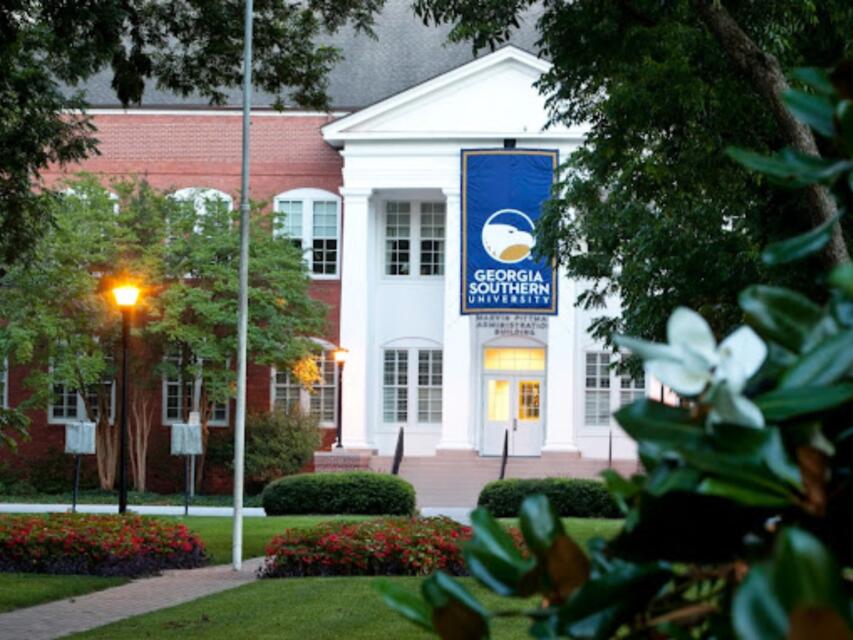
Students at Georgia Southern University now have even more opportunities to excel with the help of two new grants from the National Institute for Student Success (NISS) at Georgia State University totaling up to $600,000. The first is a $500,000 Acceleration Grant that will be distributed to Georgia Southern over the next two years to cover start-up costs for critical implementation steps of an ambitious program that further catalyzes Georgia Southern’s student success outcomes. “As Georgia Southern’s Fall 2024 enrollment continues to increase at record levels through freshman applications and admits, we are pleased to partner with the National Institute for Student Success to reinforce our commitment to providing exceptional student experiences and support that nurtures future leaders and global citizens,” stated Alejandra C. Sosa Pieroni, Ed.D., executive vice president, Division of Enrollment, Marketing and Student Success. “We are steadfast in our commitment to providing comprehensive, coordinated and differentiated student care to ensure every one of our students achieves their educational goals.” Funding through the Acceleration Grant will contribute to Georgia Southern’s existing initiatives to improve graduation rates and student success outcomes through the adoption of a suite of innovative, evidence-based programs. These programs, which deploy tools such as predictive analytics, AI technology, CRM platform, and big data to deliver personalized support to students, have been shown to help universities increase their graduation rates by 50% or more and to reduce discrepancies in graduation rates significantly. The second NISS award to Georgia Southern is the Keep HOPE Alive grant, which offers $100,000 across one year to support students who have lost the HOPE Scholarship as they work to regain eligibility. “We are enthusiastic about our partnership with Georgia Southern and working to deploy strategies that will contribute to substantive improvement in student outcomes,” said Timothy M. Renick, Ph.D., NISS executive director. Housed at Georgia State University, the NISS Acceleration Grants have been awarded to partner institutions that have completed a rigorous diagnostic analysis and have demonstrated a commitment to addressing structural and institutional barriers to the success of their students. Georgia Southern is a member of the second cohort to receive support from the NISS Accelerator Grant program, which launched in 2022. Unique to the Accelerator Grant program is up to three years of implementation coaching, webinars, meetings with expert practitioners and online resources provided by the NISS to support each awardee in implementing the new programs. The NISS coaching model is built on more than a decade of experience at Georgia State University developing and disseminating new approaches to student success that include predictive-analytics-based advising, AI-enhanced chatbots, and data-informed models for distributing financial aid. “These programs have helped Georgia State University increase its graduation rates for its bachelor’s students by 70% and its associate’s students by 300%,” according to Renick. “Black, Hispanic and low-income students now graduate from Georgia State at or above the rate of the student body overall.” The Acceleration Grant program will advance the NISS goal of producing 500,000 additional college graduates across its partner institutions over the next decade. Interested in learning more about this programming at Georgia Southern University or to arrange an interview with Alejandra Sosa Pieroni simply contact Georgia Southern's Director of Communications Jennifer Wise at jwise@georgiasouthern.edu to arrange an interview today.


Spotlighting Success: How ExpertFile Amplifies Organizational Expertise
Whether you are an industry leader looking to maintain your reputational advantage or smaller organization looking to enhance your reputation, a structured expertise marketing program should be a critical component of your marketing strategy. Traditional thought leadership programs that often focus on a few key executives are now being broadened by a more strategic approach that leverages the hidden expertise within your entire team. Global research conducted by Ogilvy in its recent report “The Global Rise of B2B Influencer Marketing” shows that many organizations are now setting up programs with their employees as Brand Ambassadors to demonstrate thought leadership in specific niches where they have skills and insights that appeal to their audiences. These employees have expertise that is often more relatable and authentic. Using social media platforms like LinkedIn, and networks such as ExpertFile, they can further amplify expert content to cut through the content marketing noise and drive more targeted engagement with media, sales prospects and other audiences. “Your employees are typically your most valuable resource. Identifying your employees that can be influencers themselves is a huge missed opportunity for one of the biggest ROI’s of all time.” James Baldwin Global B2B Influence Lead, Ogilvy To capitalize on this trend, many organizations are turning to more advanced solutions that deliver new digital publishing, distribution and workflow capabilities that extend the capabilities of their CMS (Content Marketing Systems). This also empowers clients and their agencies to achieve more efficiency and scale by better managing of employee content and audience interactions. The results include improved SEO PageRank and improved generative search results, increased site traffic and more qualified media inquiries and sales leads. Here are a few examples: With the ExpertFile platform, Vanderbilt University has streamlined its media interactions and presented more comprehensive information on their faculty enabling journalists to discover the depth of research and expertise that Vanderbilt has to offer for their stories. This provides a valuable boost of inbound inquires that help Vanderbilt stay top of mind, going beyond outbound media pitches. View Expert Center About Vanderbilt University is a distinguished private research institution known for academic excellence and innovation. With a rich history spanning over a century, it cultivates leaders, conducts pioneering research, and contributes significantly to society. Seeking to enhance its reputation and broaden its influence, ChristianaCare completely revamped its approach to showcasing their medical experts. Their Media Expert Center powered by ExpertFile doubled national media coverage,, earning the esteemed IABC Silver and Gold Awards for this exceptional communications strategy. ChristianaCare later established a Speakers Bureau to expand its program with ExpertFile, saving hundreds of operational hours and surpassing engagement targets by 400%. This innovative approach reinforced ChristianaCare's brand visibility, reputation while demonstrating its commitment to community service. View Experts Center View Speakers Bureau About ChristianaCare is a leading healthcare institution committed to delivering exceptional patient care and advancing medical research. With a focus on innovation and compassion, they strive to empower healthier lives and transform healthcare experiences for individuals and families across the region. With a goal of driving market visibility and increasing media coverage, University of Delaware leveraged the ExpertFile platform to regularly published research and insights related to topical news events, while also making it easy for journalists to connect with their faculty as media sources. Within the first 90 days, the university garnered 80 inquiries, capturing the interest of prestigious media outlets such as CNN, NBC, Newsweek, AP, Bloomberg, among others. This activity was made possible with ExpertFile’s automation, distribution and workflow features and seamless no-code integration with the client website. It all added up to massive results with no need to add internal resources to the University of Delaware team. View Expert Center About The University of Delaware is a renowned institution committed to academic excellence, innovation and community engagement. With a rich history and dedication to student success, it strives to advance knowledge and foster global citizenship through transformative education and research. Amidst a competitive educational market in the US Northeast, the University of Connecticut (UCONN) chose ExpertFile to help it amplify its faculty expertise and boost inbound inquiries from media, conferences, researchers and student prospects. The result is a more intuitive way to discover expertise and research across the UCONN campus that helps drive valuable connections that are vital to building institutional reputation and communicating the UCONN mission. View Expert Center About Amidst a competitive educational market in the US Northeast, the University of Connecticut (UCONN) chose ExpertFile to help it amplify its faculty expertise and boost inbound inquiries from media, conferences, researchers and student prospects. The result is a more intuitive way to discover expertise and research across the UCONN campus that helps drive valuable connections that are vital to building institutional reputation and communicating the UCONN mission. The Canadian Automobile Association (CAA) has consistently been rated as one of the most valued brands in the country. It’s focus on thought leadership by sharing its unique expertise on topics including “Canada’s Worst Roads” and “Cannabis at the Wheel” have helped them educate their membership, boost media visibility and advocate for important policy changes with government. The ExpertFile platform provides a central content platform enabling CAA to cost-effectively publish news releases and publish stories and expert profiles to multiple regional websites, all from a intuitive, centralized dashboard. View Expert Center About The Canadian Automobile Association (CAA) advocates for motorists and offers essential services to members nationwide, ensuring safer and more convenient travel. With a trusted legacy, CAA remains committed to enhancing drivers' experiences across Canada. ExpertFile has streamlined the presentation and management of faculty directories with integration into over 20 sections of the Loyola Marymount University LMU website. With a robust collection of over 1,000 faculty profiles, this integration has not only provided a better way to present faculty directories but also delivered over 1 million expert views and generated thousands of media, academic collaboration and student prospect inquiries while enhancing engagement and accessibility to expertise across the university community. Faculty Directories About Loyola Marymount University (LMU) is a private university located in Los Angeles, California. Known for its rigorous academic programs, diverse community, and commitment to social justice. With a goal to attaining R1 research institution status, Villanova University aimed to boost the visibility of its faculty experts and showcase its commitment to academic excellence and knowledge advancement. It needed a way to better manage and leverage a lot of expert faculty research and information. With ExpertFile, the Villanova communications team now has a much easier way to publish and update faculty content that seamlessly integrates with the University website and also appears on the ExpertFile network searched by thousands of journalists looking for credible media sources. It all adds up to more market visibility and brand reputation with valuable audiences connecting with Villanova experts. View Expert Center About Villanova University, founded on Catholic principles, is a renowned research institution committed to academic excellence and ethical leadership. Grounded in its rich heritage, Villanova fosters a community of learning that embraces diversity and promotes the pursuit of truth and social justice. Carnegie Mellon University needed a better way to profile their expert faculty in the best possible way to meet the highest standards and researchers by launching a new Experts Center within 30 days. Their objective was to enhance both the appearance and functionality of underperforming faculty expert content areas, thereby better aligning them with the institution's prominence. Through use of the ExpertFile platform and collaboration with ExpertFile team, profiles were developed and integrated, meeting tight deadlines and resulting in a more polished and easily discoverable experience for those seeking expertise. Expert Center About Carnegie Mellon University is a prestigious institution celebrated for its pioneering research and interdisciplinary education. With a legacy of innovation, it remains at the forefront of shaping global education and technology. As a leading public research institution, the University of Florida aimed to enhance its capacity to connect experts with media opportunities. Faced with a challenging and proprietary content platform , the institution needed to provide a more user-friendly way for journalists to engage with faculty and research experts. Aligned with its mission of fostering academic collaboration and knowledge dissemination, University of Florida communications and digital team completely transformed its online presence using the ExpertFile platform. By prioritizing discovery, accessibility and user experience, their team has elevated the visibility and impact of their faculty research and expertise. View Expert Center About The University of Florida, a Top 10 public research institution in the US, fosters excellence in research, education, and service within a diverse community of scholars. Through collaboration and interdisciplinary initiatives, UF empowers students to drive positive change. Aston University in the UK aimed to elevate its online presence and showcase its faculty expertise effectively across various communities. Seeking to enhance SEO, generate valuable inquiries, humanize research and ultimately improve reputation and ranking, they turned to ExpertFile. Aston University now has a more intuitive, efficient way to profile its faculty and research and increase the awareness of its research with a more diverse global audience through ExpertFile. View Research Experts About Aston University is a prestigious institution renowned for its dedication to innovation and academic excellence. With a rich history of shaping future leaders and conducting cutting-edge research, Aston University continues to inspire and empower students to thrive in a globalized world To build more market visibility and engagement with its target audience, Western Carolina University (WCU) needed a more intuitive way to present its expertise. ExpertFile enabled them to quickly deploy a searchable directory of faculty experts and then focus on creating shareable expert content on their website and on the broader ExpertFile network to boost visibility. To further boost engagement, WCU has published regular posts complete with faculty interviews and vertical video clips for social media. These programs have helped raise the profile of WCU. boosted internal and external engagement and has been very well received by faculty. . View Expert Center About Western Carolina University (WCU) is dedicated to delivering outstanding higher education, fostering innovation, and inspiring students to realize their full potential through academic excellence and community engagement. In California's competitive academic environment, UC Irvine needed to boost the visibility of its strong expert faculty while leverage the resources of a small communications team. ExpertFile’s user-friendly platform including customizable workflows and automated tools for adding expert content to their website made showcasing experts easy. Being able to create detailed media-rich profiles and quickly share expert insights allowed UC Irvine to stand out among larger rivals and increase their media coverage. All without straining their resources. View Expert Center About UC Irvine is a leading public research institution known for its top-ranked academic programs and cutting-edge research initiatives. With a focus on innovation and diversity, UC Irvine is committed to advancing knowledge and addressing society's most pressing challenges. Multiple integrations across research and newsroom sections have significantly streamlined the presentation and management of expert content at Goizueta Business School at Emory University. A more efficient system with delegated permissions has increased internal collaboration, and custom training resources for faculty and staff boost engagement on the platform. The ExpertFile team also provides a range of services such as content updates to save Goizueta valuable time while ensuring its website remains current and engaging, for students, faculty, and visitors alike. View Expert Center About Emory University's Goizueta Business School is a prestigious institution renowned for its innovative curriculum and exceptional faculty. With a focus on experiential learning and global perspective, Goizueta prepares students to become transformative business. Showcasing the expertise at Southern Utah University has been a key strategy for its marketing team. While not having the advantage of being in a major media market, SUU understood they needed to be more innovative in developing thought leadership and positioning their expertise to build their brand. The ExpertFile platform with its advanced content features allows the SUU team to present a more engaging view of their faculty and their research. It’s helped them boost search rank and garner national media attention, plus it has also helped them engage student prospects. View Expert Center About Southern Utah University fosters student success and personal development through diverse academic programs and resources. Emphasizing innovation, inclusivity, and community engagement, SUU creates a dynamic learning environment for student achievement and societal contributions. As a top ranked institution, The Virginia Commonwealth University (VCU) School of Engineering wanted to make its faculty research and insights stand out. Just designing a standard faculty directory didn’t meet the mark. ExpertFile enabled VCU to optimize its content resulting in a major improvement in SEO PageRank and website engagement. This improved experience has also boosted inbound inquiries for media sources, academic collaborations and student prospects looking for information on the VCU’s programs. View Expert Center About Virginia Commonwealth University (VCU) is a premier urban, public research university committed to advancing knowledge and improving the human experience. With a diverse community of students, faculty, and staff, VCU fosters innovation, creativity and collaboration. As a recognized R1 research university, the communications team at Michigan State had the goal to better convey the strength of its faculty research in an effort to boost regional and national media coverage. With the ExpertFile platform their team was able to design a custom implementation fully integrated into the MSU website and streamline the content management and updates to hundreds of faculty profiles - all managed from an intuitive centralized dashboard that saves time for the MSU team. View Expert Center About Michigan State University, a leading public research institution, top in graduate school rankings, is dedicated to advancing knowledge and transforming lives through its commitment to excellence in education, research, and outreach. As a relatively new institution, Augusta University, the fourth largest university in the state of Georgia had a goal stand out by showcasing the expertise of its faculty and the medical staff within Augusta Healthcare - one of the state’s largest integrated health systems. The communications team at Augusta leveraged the ExpertFile platform, publishing more comprehensive expert profiles. Plus they released regular expert updates that demonstrated the relevance of their experts on topical news stories. The result was a huge boost in SEO PageRank plus regional and national media coverage. All without the need to add resources to their communications team. View Expert Center About Augusta University, a leading academic institution, combines excellence in education, research, and healthcare. With an integrated health system, it fosters innovation, advances knowledge, and improves the well-being of communities locally and globally. As an R1 institution based in New Orleans, Tulane University has many specialized programs led by their world-class researchers and faculty. The Tulane marketing team wanted to better showcase this faculty expertise to drive media coverage while designing a system that worked best for their faculty. Leveraging the ExpertFile Platform, they created a searchable online hub showcasing participating faculty experts offering more engaging faculty profiles complete with multimedia features and a more intuitive way for journalists to connect to Tulane media sources. View Expert Center About Tulane University, a renowned institution in New Orleans, fosters innovative research, academic excellence, and community engagement. With a rich history of interdisciplinary collaboration, it prepares students to lead and serve in a complex global society. Are you looking to join the many organizations that are leveraging their employee subject-matter experts as part of a thought leadership and content marketing program? Then consider how you will manage and scale this effort with solutions designed specifically for expertise marketing. ExpertFile has advanced content creation and management tools, customizable workflows, powerful search capabilities, AI features, and flexible integration options, all connected to a broad network of media and speaking opportunities. By streamlining the management and promotion of online expert profiles, we ensure each organization connects with their key audiences like journalists, potential clients, event organizers and many others. Tailored for various industries, ExpertFile addresses each client's unique needs, driving meaningful engagement and visibility for the organization. The spotlights above are just a small sample of how ExpertFile works with leading organizations every day to enhance expertise and broaden their market reach. Explore industry-specific benefits to learn how ExpertFile can help your organization enhance its market presence and thought leadership. Want to learn more? Visit expertfile.com/getstarted.