
Experts Matter. Find Yours.
Connect for media, speaking, professional opportunities & more.

Have you ever dreamed of being an Olympic athlete? Perhaps you have wondered what it would feel like to stand on that podium in front of the world as your national anthem plays. For most Olympic athletes, the journey begins very early in life. But imagine what it would be like if you started training for this event in your 60s? Read on if you want an edge to discover how to win the Retirement Games and still pass the drug test (let’s face it, peeing is not an issue for many at that age)! Here is your chance to get on the podium at the most crucial game of your life. On Your Marks, Get Set, Ready, Go! Retirement was more like a coffee break five decades ago—brief, predictable, and over before your muffin cooled. In 1975, the average Canadian could expect to live about 73.53 years. Fast forward to 2025; we're clocking in at nearly 83.26 years. Even juicier? The lastest research shows half of today's 20-year-olds in Canada are expected to live past 90. That’s why we need to think of retirement these days, not as a sprint; instead, it’s an ultramarathon with hills, potholes, and the occasional pulled hamstring. Most of us never expected to be training for it in our sixties, but here we are—so pull up your compression socks and move. The starter's pistol is about to fire, whether you're ready or not! Surprise! You're Retired While you may dream of selecting your retirement date like a fine wine, many face the reality of a boxed kind instead. Approximately 6 in 10 Americans retire earlier than they planned. Research from the Transamerica Center for Retirement Studies shows that many individuals experience unexpected early retirement due to personal health issues, employer discretion, or family-related circumstances. https://www.cbsnews.com/news/retirement-age-in-america-62-claiming-social-security-early/ Sometimes, it's a health scare, a loved one’s illness, or a harsh employer downsizing. Nobody whispers the term "ageism," but when companies replace senior employees with younger, more affordable talent (or AI bots), it’s not subtle—it’s math.As Morgan Housel reminds us in his bestseller, The Psychology of Money, "The most important part of every plan is planning for your plan, not going according to plan." Expect the unexpected. Train as if retirement could sneak up on you—because it just might. Get Fit, Stay Sharp: Health is the First Leg of the Race Physical and mental health are the fuel for your retirement. The rest doesn’t matter without them; we’re not just talking about lifting weights. (Though, yes, lift some weights.) Regular physical activity provides numerous benefits for older adults, including a reduced risk of dementia and enhanced cognitive function. Exercise can help maintain brain health, reduce mental decline, and even reverse some age-related brain shrinkage. Additionally, physical activity can improve mood, reduce anxiety, and enhance balance and coordination, leading to a better quality of life. • Strength training enhances bone density, metabolism, and mental health. (Source: Mayo Clinic) • Flexibility and balance? Try yoga or tai chi. Harvard Health says they reduce pain and stiffness. • Mental fitness? Cue up Wordle, Canuckle (the Canadian cousin), or Sudoku. • Dancing? It's beneficial for your brain and your swagger • Listening to music or playing an instrument can reduce stress and boost memory. Gold Medal Tip: Motivation is overrated; action is everything. Don’t be a couch potato. A new study conducted at the University of Pittsburgh School of Medicine shows that older adults who spend more time sedentary — such as sitting or lying down — may be at a higher risk for lower cognition and in areas linked to the development of Alzheimer’s disease, no matter how much they exercise! So make sure you show up, move, and the motivation will catch up. Wealth Training: Stop Hoping, Start Budgeting Here's a shocker: Retirement doesn't mean your expenses magically disappear. According to Steve Willems' podcast “10 Retirement Myths You May Not Want to Believe,” most retirees don’t spend less. Aside from the mortgage, spending remains surprisingly consistent, especially during the Go-Go years (ages 55-75)”. We like what we like: groceries, entertainment, travel, and stylish or comfortable clothes are still on our shopping lists. That’s why many of us in retirement will need to pay more attention to spending and budgeting. Check Obligation Spending Retirement is the perfect time to reevaluate expenses from obligation rather than genuine need or joy. Here's a thoughtful way to frame that idea: Retirement is the season of freedom, so why are you still paying for things that feel like a burden? Now that you’re no longer earning a regular paycheck, every dollar matters more than ever. This means it’s time to take a closer look at obligatory expenses. These might include: • Helping adult children financially (even when it stretches your budget) • Donating to every fundraiser or cause just because someone asked • Hosting large family gatherings that leave you exhausted and over budget • Maintaining memberships, subscriptions, or traditions that no longer bring you joy. (We talk a lot more about this in a previous post What’s your Retirement Plan B While generosity is admirable, it shouldn’t jeopardize your financial security or peace of mind. Retirement should focus on investing in what truly matters to you now, rather than keeping up appearances or adhering to outdated expectations. Here’s a gentle mantra to adopt: “I’ve earned the right to say no with love and confidence.” Freeing yourself from obligation spending doesn’t mean becoming stingy; it means becoming intentional. Give where your heart feels full, not where your guilt feels heavy. After all, you didn’t work all those years to keep writing checks out of habit. Balance Beam- Budget What’s your plan when overtime isn’t an option and the budget doesn’t balance? Start with a good old-fashioned reality check: • Write down ALL expenses. • Tally up your income. • Look for a surplus (yay, trip!) or a shortfall (boo, time to pivot). Look at Canadian Government Pensions • Here's the math. Old Age Security (OAS): Max is about $713/month or $8,556/year. And don’t forget the dreaded government clawback (formally known as the Old Age Security Pension Recovery Tax which starts at ~$90,997. • Canada Pension Plan (CPP): The average monthly payment is $758, while the maximum is $1,364 per month or $16,368 per year. So with these two programs combined, provided you meet requirements, as a senior, you're looking at somewhere between $17,000–$25,000/year before tax. If your lifestyle needs a bit more jazz hands, here’s how to bridge the gap: DIY Income Builders: • Slash debt. Every dollar you don't spend is one you keep. • Downsize and bank the equity. • Buy or build an ADU and rent it. I have written more about ADU's here. • HELOC or Reverse mortgage (borrow strategically). • Withdraw from investments (4% rule). • Monetize your skills: consulting, tutoring, or writing that novel you started in 1993. Gold Medal Tip: Track your joy per dollar. If you’re going to spend, make it worth it. Rewire, Don’t Retire: Finding Purpose The biggest myth of retirement? That doing nothing feels good forever. (Spoiler alert: it doesn’t.) Passion is your GPS. It guides you towards what fills your heart. Whether you write poetry, walk dogs, or paint birds wearing tiny hats, your joy matters. And legacy? That’s just purpose with staying power. There’s science to support the benefits of this lesson. A study in JAMA Psychiatry found that people with a sense of purpose had a lower risk of mortality and disability Purpose-Driven Paths: • Volunteer: Look for a cause that fires you up. • Get a part-time job: Perhaps you can fill in at a local bookstore, garden center or be a barista? • Hobbies: Take up painting, pottery, or poetry. • Go Back to School: Many Universities such as The University of Toronto offer free, non-credit courses through programs as part of their community outreach. Seniors (over 60) enrolled at York University may have all or part of their academic fees waived at the domestic fee rate for York University degree credit courses as part of their mature student program. • Spend real time with people you love, maybe your grandkids or elderly parents. • Reconnect with old friends – not just on Facebook, but in person • Get out of your backyard and see the world Gold Medal Tip: You're never too young (or too old) to chase what lights you up. Start a business, get that degree you always wanted, and write that book. Go. For. It. Support: No One Trains Alone Retirement can be lonely. As we age, friends pass, routines fade, and isolation creeps in. That’s why your squad matters more than ever. Find Your Pod: • Family & Friends: Set expectations. Ask for help. Host Sunday dinners. Stay connected. • Fitness & Social Clubs: Join a walking group or participate in a gym class, followed by regular post-sweat coffee. • Faith Communities: Spirituality and structure in one. Sing in the choir. Serve at events. • Third Places: As sociologist Ray Oldenburg says, these are neutral hangouts like libraries, community centers, or your local café. They’re tied to lower loneliness and better mental health. Think of Cheers: “Where everyone knows your name!” Gold Medal Tip: Your local pickleball court or knitting circle might just be your new training ground. Attitude Training: Stop Acting Your Age Here’s a radical thought: Maybe we feel old because we act old. Want to stay young? Stay curious, try new things. Try line dancing, pickleball, bird watching, improv, or learning to code. Yes, code. What was the worst advice our mothers gave us? “Act your age.” Nonsense! Whoever said, “You’re only as old as you feel” was on to something – but let’s take it up a notch: How about you’re only as old as your playlist! The Power of a Youthful Attitude in Retirement A successful retirement isn’t just about savings accounts and spreadsheets — it’s about mindset. A positive, youthful attitude is one of the most powerful (and overlooked) assets you can carry into retirement. Even if you don’t feel youthful or optimistic, “fake it ‘til you make it” is more than just a catchy phrase—it’s a strategy. The goal isn't to accurately describe your aches, fears, or fatigue but to set yourself up for success! Science backs it up: a positive outlook boosts health, sharpens cognition, and increases longevity. From a practical perspective, optimism makes it easier to try new things, adapt to change, and enjoy the present—all essential in retirement. So, if the voice in your head says, “I’m too old for that,” try responding with, “This is my time.” You begin to build because what you tell yourself matters, as does what you believe. Retirement is your reward. Approach it like the vibrant, capable, unstoppable human you are because attitude, not age, sets the tone. Gold Medal Tip: You’re only as old as the last thing you tried for the first time. Try something ridiculous, I double dare you! Final Stretch The Retirement Games are here, and let me be crystal clear: this isn’t amateur hour. This is your Olympic moment, with medals awarded for stamina, strategy, and a solid sense of humour. Whether you're rounding the first turn at 45 or doing your victory lap at 75, now is the time to train. You’ve built strength, stretched your budget, flexed your purpose muscle, assembled your dream team, and rebooted your mindset. Now it’s time to lace up, lean in, and live life to the fullest. This isn’t about perfection; it’s about preparation. You won’t achieve a podium finish through wishful thinking; you’ll attain it through action, adaptation, and a great deal of repetition. So, put on your metaphorical tracksuit (or actual tracksuit if it's laundry day) and begin training with determination. The gold medal retirement isn’t just possible—it’s within reach. Cue the confetti cannon. You’re not just aging—you’re advancing. And champions, as we know, don’t retire… they rewire, recharge, and rewrite the playbook. On Your Marks, Get Set, THRIVE! Don’t Retire … Re-Wire! Sue



Hiring More Nurses Generates Revenue for Hospitals
Underfunding is driving an acute shortage of trained nurses in hospitals and care facilities in the United States. It is the worst such shortage in more than four decades. One estimate from the American Hospital Association puts the deficit north of one million. Meanwhile, a recent survey by recruitment specialist AMN Healthcare suggests that 900,000 more nurses will drop out of the workforce by 2027. American nurses are quitting in droves, thanks to low pay and burnout as understaffing increases individual workload. This is bad news for patient outcomes. Nurses are estimated to have eight times more routine contact with patients than physicians. They shoulder the bulk of all responsibility in terms of diagnostic data collection, treatment plans, and clinical reporting. As a result, understaffing is linked to a slew of serious problems, among them increased wait times for patients in care, post-operative infections, readmission rates, and patient mortality—all of which are on the rise across the U.S. Tackling this crisis is challenging because of how nursing services are reimbursed. Most hospitals operate a payment system where services are paid for separately. Physician services are billed as separate line items, making them a revenue generator for the hospitals that employ them. But under Medicare, nursing services are charged as part of a fixed room and board fee, meaning that hospitals charge the same fee regardless of how many nurses are employed in the patient’s care. In this model, nurses end up on the other side of hospitals’ balance sheets: a labor expense rather than a source of income. For beleaguered administrators looking to sustain quality of care while minimizing costs (and maximizing profits), hiring and retaining nursing staff has arguably become something of a zero-sum game in the U.S. The Hidden Costs of Nurse Understaffing But might the balance sheet in fact be skewed in some way? Could there be potential financial losses attached to nurse understaffing that administrators should factor into their hiring and remuneration decisions? Research by Goizueta Professors Diwas KC and Donald Lee, as well as recent Goizueta PhD graduates Hao Ding 24PhD (Auburn University) and Sokol Tushe 23PhD (Muma College of Business), would suggest there are. Their new peer-reviewed publication* finds that increasing a single nurse’s workload by just one patient creates a 17% service slowdown for all other patients under that nurse’s care. Looking at the data another way, having one additional nurse on duty during the busiest shift (typically between 7am and 7pm) speeds up emergency department work and frees up capacity to treat more patients such that hospitals could be looking at a major increase in revenue. The researchers calculate that this productivity gain could equate to a net increase of $470,000 per 10,000 patient visits—and savings to the tune of $160,000 in lost earnings for the same number of patients as wait times are reduced. “A lot of the debate around nursing in the U.S. has focused on the loss of quality in care, which is hugely important,” says Diwas KC. But looking at the crisis through a productivity lens means we’re also able to understand the very real economic value that nurses bring too: the revenue increases that come with capacity gains. Diwas KC, Goizueta Foundation Term Professor of Information Systems & Operations Management “Our findings challenge the predominant thinking around nursing as a cost,” adds Lee. “What we see is that investing in nursing staff more than pays for itself in downstream financial benefits for hospitals. It is effectively a win-win-win for patients, nurses, and healthcare providers.” Nurse Load: the Biggest Impact on Productivity To get to these findings, the researchers analyzed a high-resolution dataset on patient flow through a large U.S. teaching hospital. They looked at the real-time workloads of physicians and nurses working in the emergency department between April 2018 and March 2019, factoring in variables such as patient demographics and severity of complaint or illness. Tracking patients from admission to triage and on to treatment, the researchers were able to tease out the impact that the number of nurses and physicians on duty had on patient throughput. Using a novel machine learning technique developed at Goizueta by Lee, they were able to identify the effect of increasing or reducing the workforce. The contrast between physicians and nursing staff is stark, says Tushe. “When you have fewer nurses on duty, capacity and patient throughput drops by an order of magnitude—far, far more than when reducing the number of doctors. Our results show that for every additional patient the nurse is responsible for, service speed falls by 17%. That compares to just 1.4% if you add one patient to the workload of an attending physician. In other words, nurses’ impact on productivity in the emergency department is more than eight times greater.” Boosting Revenue Through Reduced Wait Times Adding an additional nurse to the workforce, on the other hand, increases capacity appreciably. And as more patients are treated faster, hospitals can expect a concomitant uptick in revenue, says KC. “It’s well documented that cutting down wait time equates to more patients treated and more income. Previous research shows that reducing service time by 15 minutes per 30,000 patient visits translates to $1.4 million in extra revenue for a hospital.” In our study, we calculate that staffing one additional nurse in the 7am to 7pm emergency department shift reduces wait time by 23 minutes, so hospitals could be looking at an increase of $2.33 million per year. Diwas KC This far eclipses the costs associated with hiring one additional nurse, says Lee. “According to 2022 U.S. Bureau of Labor Statistics, the average nursing salary in the U.S. is $83,000. Fringe benefits account for an additional 50% of the base salary. The total cost of adding one nurse during the 7am to 7pm shift is $310,000 (for 2.5 full-time employees). When you do the math, it is clear. The net hospital gain is $2 million for the hospital in our study. Or $470,000 per 10,000 patient visits.” Incontrovertible Benefits to Hiring More Nurses These findings should provide compelling food for thought both to healthcare administrators and U.S. policymakers. For too long, the latter have fixated on the upstream costs, without exploring the downstream benefits of nursing services, say the researchers. Their study, the first to quantify the economic value of nurses in the U.S., asks “better questions,” argues Tushe; exploiting newly available data and analytics to reveal incontrovertible financial benefits that attach to hiring—and compensating—more nurses in American hospitals. We know that a lot of nurses are leaving the profession not just because of cuts and burnout, but also because of lower pay. We would say to administrators struggling to hire talented nurses to review current wage offers, because our analysis suggests that the economic surplus from hiring more nurses could be readily applied to retention pay rises also. Sokol Tushe 23PhD, Muma College of Business The Case for Mandated Ratios For state-level decision makers, Lee has additional words of advice. “In 2004, California mandated minimum nurse-to-patient ratios in hospitals. Since then, six more states have added some form of minimum ratio requirement. The evidence is that this has been beneficial to patient outcomes and nurse job satisfaction. Our research now adds an economic dimension to the list of benefits as well. Ipso facto, policymakers ought to consider wider adoption of minimum nurse-to-patient ratios.” However, decision makers go about tackling the shortage of nurses in the U.S., they should go about it fast and soon, says KC. “This is a healthcare crisis that is only set to become more acute in the near future. As our demographics shift and our population starts again out, demand for quality will increase. So too must the supply of care capacity. But what we are seeing is the nursing staffing situation in the U.S. moving in the opposite direction. All of this is manifesting in the emergency department. That’s where wait times are getting longer, mistakes are being made, and overworked nurses are quitting. It is creating a vicious cycle that needs to be broken.” Diwas Diwas KC is a professor of information systems & operations management and Donald Lee is an associate professor of information systems & operations management. Both experts are available to speak about this important topic - simply click on either icon now to arrange an interview today.




Could China Beat America in the Race to Get Boots Back on the Moon?
Call it a matter of pride, national security or a desire for astronomical dominance; there's a sense of urgency within the U.S. government to return to the moon, sparked by China's team of taikonauts, who could land there before American astronauts get back to the lunar surface. The latest space race is a topic that is making national news. Florida Tech's experts are lending their opinions and insights about the likelihood of a lunar return, and what it might mean. NASA, with the urging of many politicians, has been racing to get astronauts back to the moon — before the Chinese land taikonauts on the lunar surface. But what’s the rush to return to a place the United States has already been and left 53 years ago? Especially when Mars looms as an enticing option for interplanetary travel. Space experts say there’s plenty of reasons for the urgency: national pride and national security. But also returning to the moon and building habitats would mean long term dominance in space and ensure access to resources that NASA didn’t know where there when the Apollo missions flew. Now with the Chinese making significant progress in human space exploration, the clock is ticking. “The Chinese in the last 20 years have made amazing strides in all aspects of space. They’re sending robots to the moon on a very regular basis. Now they’re doing some pretty amazing activities even on the far side of the moon, and they have a Chinese space station now in Earth orbit,” said Don Platt, associate professor of space systems at Florida Tech. Can China beat NASA to the moon? “The Chinese have really caught up,” said Platt. “I do believe that the Chinese are definitely advancing their efforts on the moon, and are identifying it as a critical aspect of their strategic future in space." When asked about the prospect of Chinese astronauts making it to the moon before NASA's planned Artemis III mission, Platt said he believes it’s a possibility and he cited the efforts China is making to highlight the importance of the nation's space efforts to its own populace. “They have some amazing videos. They’re really engaging the Chinese public, and really using it to do what what we’ve always done in space, and that is to inspire the next generation and to show the world the technical abilities of the Chinese,” said Platt. May 21 - USA Today The race is on, and it's getting a lot of attention. If you're a journalist following this ongoing story, let us help with your coverage. Dr. Don Platt's work has involved developing, testing and flying different types of avionics, communications and rocket propulsion systems. He also studies astrobiology and biotechnology systems and human deep space exploration tools. Don is available to speak with media anytime. Simply click on the icon below to arrange an interview today.


How college graduates can find success in a tough job market
Commencement season is an exciting time for soon-to-be college graduates – at least for those who will jump into a job once the caps are tossed. For others, it's a time of stress and uncertainty. Jill Gugino Panté, director of the Lerner Career Services Center at the University of Delaware, identified three areas where concerned graduates should focus to boost their chances of scoring interviews and potentially securing employment this summer. • Stay industry-informed: Keeping up with skills, trends and news in your field to stay current and competitive. • Network with purpose: Because many jobs are landed through connections, use LinkedIn to engage with others and grow your brand. • Leverage AI Smartly. Use tools like ChatGPT, Microsoft Copilot or Google Gemini to refine your resume, prep for interviews or analyze job descriptions. One key: Remember to maintain your authentic self. To arrange an interview with Panté visit her profile and click on the "contact" button.


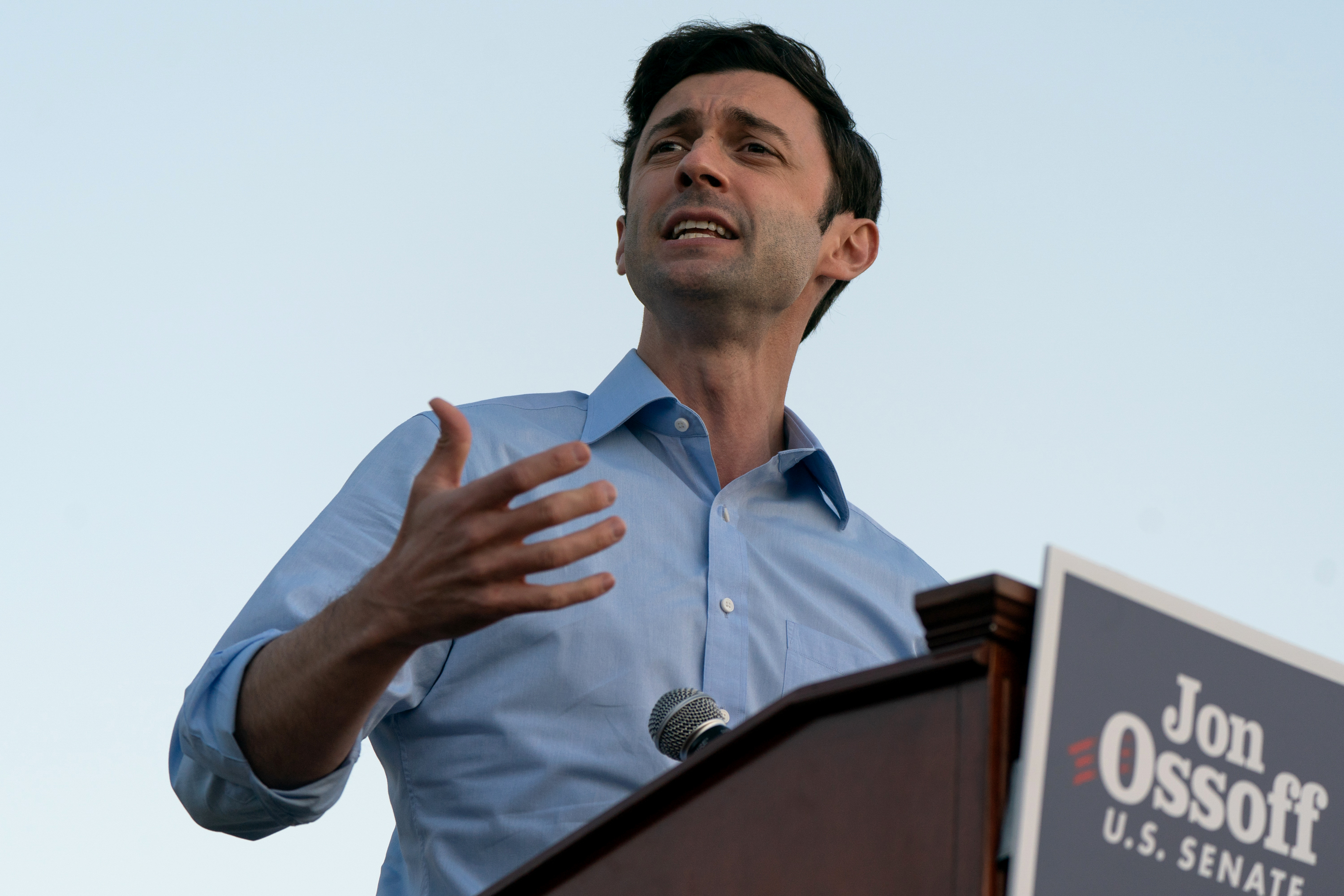
Experts in the Media: With Kemp bowing out of mid-terms is Georgia staying blue?
Control of the Senate is key for most administrations, and with a razor-thin edge favoring the Republicans, any pickup to keep control of the Senate after the mid-term elections is a priority. However, with a heavy favorite in Gov. Brian Kemp stepping away from the chance to run for the GOP, many are speculating the once traditionally Republican stronghold could stay blue under the Democrats with the re-election of Sen. Jon Ossoff. It's a topic that has political watchers and media trying to cover and figure out as parties get ready to get back on the campaign trail for next year. It's also why journalists and news outlets like Newsweek are connecting with experts like William Hatcher, PhD, for expert opinion and perspective. An award-winning scholar, Hatcher is the chair of the Department of Social Sciences and a professor of political science. His research focuses on the connection between public administration and the development of local communities. Kemp's decision not to challenge Ossoff in the state's 2026 Senate race could be a boon to Democrats' chances of holding the seat in the battleground state, according to recent polls... Kemp's announcement follows months of speculation about whether he would challenge Ossoff, a Democrat first elected in 2020. Polls suggest Kemp would have been the strongest candidate against Ossoff and that other potential Republicans trail the incumbent senator in a hypothetical matchup. "Given that Kemp was perhaps the strongest candidate to face Ossoff, his decision to not run will make it difficult to find another candidate that would be as competitive. However, the election is over a year away, and in politics, a lot can happen in that amount of time," William Hatcher, chair and professor of social sciences at Augusta University, told Newsweek on Tuesday. A poll from the Atlanta Journal-Constitution found that Kemp led Ossoff by 3.3 points (49% to 45.7%), Ossoff led three other prospective challengers. That poll surveyed 1,426 respondents from April 24 to April 27, 2025, and had a margin of error of plus or minus 2.9 percentage points. Hatcher said the state Republicans face a "limited" bench to challenge Ossoff, but whoever prevails will eventually have to defend Trump's "unpopular economic policies that will most likely adversely affect states like Georgia, particularly his recent commentary on leveling tariffs on the film industry – a industry that has a significant presence in Georgia." May 06 - Newsweek The race is obviously already on for the mid-term elections in November of 2026, and if you're a journalist looking to cover Georgia politics, let us help. William Hatcher, PhD, is available to speak with media - simply click on his icon now to arrange an interview today.


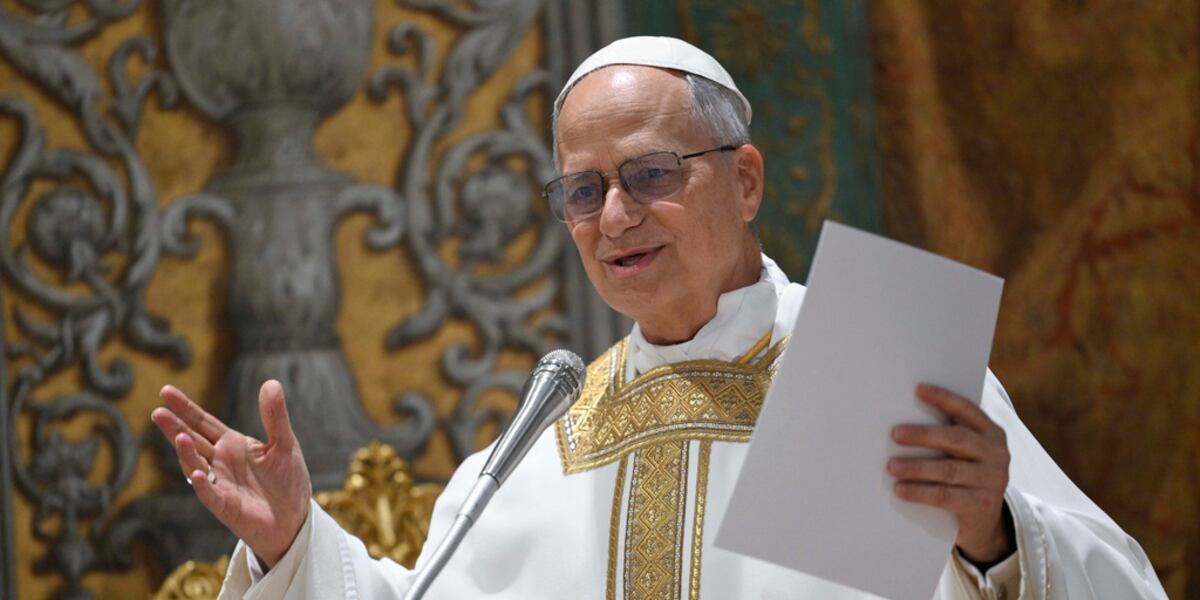
Expert Q& A: ‘The Pope is also a monarch’
Kathleen Comerford, Ph.D., professor of history at Georgia Southern University, specializes in Catholic history in the 16th and 17th centuries. She is also an associate editor for the Journal of Jesuit Studies, which focuses on the work of the Society of Jesus (Jesuits), a religious order within the Catholic Church. Pope Francis was the church’s first Jesuit pope. With the global significance and rarity of the conclave, Comerford answered frequently asked questions about how the conclave works, how the conclave process has evolved over time, and what the passing of a pope means for the Catholic Church and the world. Question: What does the passing of a pope mean for the world? Comerford: Multiple things! First of all, there are 1.4 billion Catholics in the world scattered in many different countries. The pope is a unifying figure for all of the Catholics. He represents something immediate in the sense that he’s the head of the church and is a recognizable figure. The pope is also a monarch. I was just talking with my classes about this. He is the head of the government of the Vatican City State, which is the smallest independent state in the world. It has a very long history itself. Pretty much everybody who lives in Vatican City works for the Vatican. The pope is one of the few elected monarchs in history. He is responsible for financial and political decisions, and he has ambassadors around the world as a result of his role in global policy. Question: How is a new pope selected? Comerford: The College of Cardinals will meet for an election called a conclave, and they actually stay in a dormitory-like place in Vatican City for it. They are sequestered from the public, and they take some time to meet, pray and vote. The cardinals aren’t supposed to be sitting around talking about who would be a really good pope, but we don’t know whether they do because they’re sequestered and nobody is supposed to talk about it. They will likely take a vote on the first day, but that’s not required. Every subsequent day, they can take a maximum of four votes; two in the morning and two in the afternoon until a candidate gets a two-thirds majority. Question: What does the voting look like? Comerford: There are ballots, and the cardinals write their preferred candidate on the ballot, and then they put their vote in a chalice. To count the votes, there’s a group of three people who are in charge of counting and then announcing the results to the fellow cardinals. There are 252 cardinals, but only 135 of them are eligible to vote because anyone over the age of 80 is ineligible. The procedure where only cardinals can elect the pope dates from 1059. The secret ballot and the two-thirds majority requirement is from 1621. The sequestration for the process dates from 1271 because they argued about who the new pope would be for two years and nine months; a total of 33 months. And so, they decided that the only way to make sure that this didn’t happen again would be to create this scenario with the cardinals locked in a room with a key. Question: When one of the candidates receives a two-thirds majority and becomes the next pope, how will it be announced? Comerford: Well, this is kind of fun, because they have four votes every day until one of the candidates receives a two-thirds majority. After they take the votes, the papers used to vote are burned. How the news is shared to the crowds outside is based on the color of smoke. If the smoke is black, that means no one received the majority and there’s no new pope yet. If there’s white smoke, it means there’s a new pope. This practice really only dates to the early 19th century. At first, it was just if there was smoke, there was no pope; if there was no smoke, then there was a pope. In 1914, they changed this aspect of the election so that black smoke means “no pope” and white smoke means “new pope.” Question: It’s expected that the next pope will be one of the cardinals in the room when they vote, yes? Comerford: Yes, but it doesn’t have to be. There have been a lot of popes, but in the last 200-300 years, there hasn’t been somebody who wasn’t in the conclave that was elected. Theoretically, they could nominate somebody who’s not a cardinal and the whole room could say, “yes, that’s the person we want as pope.” However, they don’t vote by acclamation anymore. They stopped doing that in the 19th century. Question: Pope Francis appointed 108 of the cardinals, so that’s a total of 80% of those eligible to vote for the next pope. How likely is it that we see a pope similar to the late Francis, considering he provided the electorate for his successor? Comerford: First of all, he deliberately went out and created cardinals in places where there had never been cardinals before. And he didn’t do that by saying, “I’m going to find somebody who’s like-minded to me.” He just said, “There are a lot of Catholics in Myanmar and they’ve never had a cardinal. So I’m going to make sure that there’s a cardinal now.” Most of these new cardinals are in places like Rwanda, Cape Verde, Tonga, Myanmar, Mongolia and so on. So these are non-European cardinals. Now, less than 40% of the voting cardinals are European. So to speculate on how similar they are to Francis, you have to break down what Francis was. There has been his entire pontificate about how he’s the first American pope, but his parents were born in Italy. He didn’t grow up speaking Italian, but it was a dialect of Italian as well as Spanish, because he grew up in Argentina. He was the most European you can get and still be an American. Another part of the question is, will the new pope be somebody who is of a similar mind to Francis in terms of his governance, which was very devolved. He introduced this idea of “synodality,” which is about fairly consistent communication with groups of people. Pope Francis was not particularly monarchical or hierarchical. There is also the aspect of his thinking that leans more to the left than the right on a number of social issues like immigration, women’s rights, the rights of minorities and immigration. He opened a lot of conversations, which the very right leaning portions of the church have been very uncomfortable with. If you're interested in learning more about this topic and want to book time to talk or interview with Kathleen Comerford then let us help - simply contact Georgia Southern's Director of Communications Jennifer Wise at jwise@georgiasouthern.edu to arrange an interview today.


Research Matters: Ultra-conductive molecule sets stage for post-silicon computing era
A research team has uncovered what it believes is “the world’s most electrically conductive organic molecule,” a discovery that opens new possibilities for building smaller, more powerful, and more energy-efficient computers. It could also allow computer chip manufacturers to eliminate their reliance on silicon and metal as conductors. “Molecules are nature’s tiniest, mightiest, and most configurable building blocks and can be engineered to build ultra-compact, ultra-efficient technology for everything from computers to quantum devices,” said Ignacio Franco, who was part of the research team that was led by scientists at the University of Miami. Their research was detailed in a paper published in the Journal of the American Chemical Society. The molecule, which is composed of chemical elements found in nature, including carbon, sulfur, and nitrogen, can carry electrical current over record-breaking distances without losing efficiency. Using molecular materials in electronic chips offers several advantages. They consume less power. They can be more easily customized than silicon. They are more environmentally friendly. And, perhaps most importantly to manufacturers, they are potentially cheaper to produce. “This molecular design overcomes many of the big issues that for decades have prevented the use of molecules in electronics,” Franco said. To learn more about this ground-breaking research, read about it at the University of Rochester News Center, and contact Franco at ignacio.franco@rochester.edu.


Historical Significance of the Papal Name
In the wake of the historic election of Pope Leo XIV, the first American to ascend to the papacy, scholars and observers alike are reflecting on the global, historical and theological implications of his early statements and symbolic choices. His decision to take the name Leo – a name not used for over a century – immediately evokes comparisons to both Leo XIII and Leo I (Leo the Great), popes known for their firm leadership and dynamic engagement with the world. Baylor University’s Elisabeth Rain Kincaid, J.D., Ph.D., director of the Institute for Faith and Learning and an expert on early modern theology and Catholic Social Thought, said choosing the name Leo is significant, especially in today’s world. Through his choice of name, rhetorical style and theological references, the new pope is signaling a clear vision for a Church that is simultaneously grounded in tradition and open to global dialogue, Kincaid said. Kincaid is currently at work on a monograph – “Business Ethics for a Flourishing Life: Catholic Social Thought in the Modern Workplace” – in which she argues for the continued importance of Leo XIII’s thought for modern life. If you're covering the news about Pope Leo XIV and are looking to know why Cardinal Robert Prevost chose that name - we can help. Elisabeth Rain Kincaid is an author, speaker, teacher, and theologian. She has published broadly in peer-reviewed journals and popular publications. She is a frequent speaker at conferences, churches, and professional events on topics including business ethics, virtue and character, Christian engagement with law and politics, and work and vocation. She is currently the Director for the Institute for Faith and Learning at Baylor University. In her teaching, she draws upon her years of experience as a white-collar criminal defense attorney and a private equity professional, along with her ministry experience. Elisabeth is available to speak with media about this topic - simply contact Shelby Cefaratti-Bertin, M.A., Assistant Director of Media and Public Relations at Baylor University, Shelby_Cefaratti@baylor.edu or 254-327-8012 to arrange an interview today.


How to create an engaging online presence for your experts at scale.
Tasked with creating or expanding how you promote your organization's experts? Delivering an engaging online presence is vital, yet scaling from a handful of experts to hundreds takes planning. While interesting content, modern layouts, and intuitive navigation are essential, the real test lies in managing and presenting the extensive knowledge each expert brings. What works for a few can become a complex, time-consuming, and costly endeavor as you attempt to scale to dozens or hundreds of experts and their content, leading to an underwhelming user experience and missed opportunities. These challenges are magnified as small marketing and digital teams face greater demands such as: How do I create and maintain up-to-date content for all my experts? How can I efficiently roll out this content across my website, beyond just the About Us/Team or Newsroom sections? How can I best facilitate audience interaction with my content, leading to valuable opportunities for both my experts and my organization? And perhaps most importantly… How can I minimize the use of marketing and digital resources, as well as costs, in building and maintaining all this content? Addressing these challenges requires a plan. The following highlights 4 areas to focus on when scaling your expert content to ensure an engaging user experience for your audience. 1. Create versatile content that’s engaging, timely, and relevant. The foundational importance of the quality and versatility of your expert content in designing an optimal user experience cannot be overstated. According to a recent report from the Content Marketing Institute, the majority 52% of B2B marketers plan to increase their marketing spend in 2025 on “thought leadership content”. This underscores the necessity of making relevant, high-quality expert content the backbone of delivering engaging and intuitive interactions with your visitors. Without this focus on content, it doesn’t matter how visually appealing your layouts are or how well structured your navigation, it won’t meet the needs of your audience. Expertly crafted content builds trust and credibility, as users perceive well-organized, comprehensive and authoritative information as a sign of a reputable organization with interesting and credible experts. "Content precedes design. Design in the absence of content is not design, it’s decoration". Jeffrey Zeldman - Renowned designer, author & speaker on web design. Ultimately, the integration of high-quality, versatile content into UX design is essential for creating meaningful and effective digital experiences that meet and exceed your visitor’s expectations. Keys to Scaling Share the Workload: Make content creation and management easier by using a purpose-built system that streamlines content creation and updates, vs custom designed page or need to provide access to the core CMS. Ensure the system allows multiple team members, including the experts themselves, to easily access and manage their content, making the process quick and efficient. Repurpose Existing Content Assets: According to the Content Marketing Institute, the failure to utilize pre-existing content is significant challenge (37%) impacting marketers' ability to scale. Leverage existing content assets, such as blog copy & imagery, and previously created videos, to enhance your expert content. This approach allows you to enrich your content without the need for expensive production, making the most of the resources you already have. Leverage Your Content Elements Together or Individually: Each content element should enable visitors to explore deeper insights from experts. Linking profiles to embedded videos and insightful posts or showcasing other experts within your organization can offer new and diverse perspectives. This approach enhances user engagement and provides a richer, more interactive experience. 2. Start with a home base, then grow your footprint. Creating a home base for your expert content, such as an "Expert Center" or "Speakers Bureau," within your website's newsroom or media section, or enhancing your "About Us" pages, can significantly elevate your organization's profile and improve user experience. This hub could also be tailored to highlight specific areas like "Research Expertise," depending on your primary audience—be it media, event organizers, or prospective clients. Establishing this destination for your expertise using a flexible integration option, not only provides a focal point for your owned content but also lays the groundwork for expanding your reach across your website. By categorizing and featuring your expert content strategically, you can engage a broader audience across various sections of your site. "Your website’s content should act as a doorway. Land new visitors with compelling stories, then expand their engagement by guiding them to explore more relevant content tailored to their interests." Ann Handley, Chief Content Officer, MarketingProfs Keys to Scaling Establish & State Clear Objectives - Ensure you prominently state the goals of your initiative—whether it’s combating fake news, serving the community, or showcasing your organization's breadth of expertise. Clearly outline the types of inquiries you’re seeking to attract. This transparency not only sets expectations but also aligns visitors with your mission, fostering trust and engagement. Invest in Fresh Content - To keep your expert content hub dynamic and engaging, continually invest in new content. Regularly feature new experts and insights to encourage visitors to bookmark and frequently visit your site. Implementing a centralized, multi-access platform for content updates will streamline this process, making it scalable and sustainable. Link to Related Content - Utilize your expert content hub as a gateway to other areas of your website. Create links to related content, such as research initiatives, to help visitors explore and engage with your broader expertise. This not only enhances the user experience but also maximizes the value and reach of your content across your site. 3. Always be thinking about Discoverability Creating expert content—from compelling profiles to thought leadership—is only valuable if it’s easy to find. If visitors can’t quickly locate the expertise they need, frustration sets in and user experience suffers. To make expert content truly effective, it must be optimized for search engines, clearly organized, and internally linked. This is especially important for audiences like media, event organizers, and potential clients who rely on quick access to credible information. Prominently featuring and properly tagging expert content boosts visibility, builds authority, and drives meaningful engagement. Keys to Scaling Homepage/Top-Level Navigation: Don’t rely solely on a menu option or link buried in a subsection like your Newsroom. Featuring menu items, graphics, and other call-outs on your homepage and main section pages will increase interaction and inquiries. Leverage Distribution Networks: Drive traffic to your expert content by promoting your experts and their insights on platforms like LinkedIn, Twitter, and expert-specific search engines like expertfile.com or mobile expert directory apps. Add Free-Form Google-Like Search: Provide visitors with a free-form search experience that encompasses all elements of your expert content, rather than just a series of tags, titles, and names. Ensure All Metadata is Available: Let Google do the heavy lifting by ensuring you have properly structured metadata and schema data for each piece of expert content. While most digital teams remember standard title and description metadata, powerful schema data that helps Google understand the context and authority of the content is often overlooked. Add Links to Common Recurring Communications: Leverage all your communication channels, including adding links to your About Us section in press releases and individual experts’ email footers. 4. Plan for your Success It is important to plan for the success of your Expertise Marketing program. A successful program will not only deliver valuable opportunities, helping drive reputation and revenue, but can also place increased demands on your marketing and digital teams, as well as your experts themselves. Your success will likely inspire interest from other experts or departments for inclusion in your program, necessitating tools and defined processes for efficient onboarding of new experts and integrations across your website. Equally important is managing the influx of inquiries from key audiences such as the media, event organizers, and prospective clients in a way that provides a seamless user experience and encourages repeat engagement. Addressing these challenges with a strategic approach will lay a solid foundation for a robust and scalable expertise marketing initiative. Keys to Scaling Inquiry Workflow: Putting a general email or phone # as a contact does not scale. Implementing an efficient inquiry workflow is essential for the success of your expertise marketing. This process starts by ensuring that inquiries from key audiences—such as media, event organizers, and potential clients—are promptly and accurately directed to the appropriate experts within your organization. An automated system can streamline this process by categorizing inquiries based on specific topics and routing them to the relevant experts, even filtering out unnecessary or harmful inquiries. This approach not only saves time but also ensures swift and professional responses, enhancing your organization's reputation and effectiveness. Capture and Act on Analytics: Continually monitoring your analytics is crucial for refining your content strategy. By analyzing which types of content and which experts resonate most with your audience, you can better plan future content creation and decide who to feature prominently. This data-driven approach allows you to tailor your expertise marketing efforts more effectively, ensuring that you consistently engage your audience and meet their needs. Share Your Success - By sharing your experts' achievements both within and outside your organization, you create a culture of recognition and aspiration. This not only encourages additional departments and experts to join your program but also enhances the overall value of your expert center. Expanding your program to include more experts and additional expert content transforms your website into a valuable destination for key audiences such as media, event organizers, and potential clients. Effective dissemination of success stories amplifies your reach, reinforces your organization’s credibility, and drives sustained engagement and growth. Successfully scaling your Expertise Marketing program while maintaining an optimal user experience presents unique challenges. It requires producing versatile, high-quality content that is consistently engaging and relevant. Establishing a centralized home base for this content, such as an "Expert Center," helps streamline navigation and enhance user interaction. Improving discoverability through effective SEO and internal linking ensures that your expert content is easily accessible to key audiences like media and event organizers. Finally, meticulous planning for content updates and inquiry workflows is essential to manage resources efficiently and sustain growth. By addressing these areas strategically, you can build a robust and scalable Expertise Marketing initiative that drives engagement and reinforces your organization's reputation. About ExpertFile ExpertFile is changing the way organizations tap into the power of their experts to drive valuable inquiries, accelerate revenue growth, and enhance their brand reputation. Used by leading corporate, higher education and healthcare clients worldwide, our award-winning platform helps teams structure, manage and promote their expert content while our search engine features experts on over 50,000+ topics. Download our "Guide to Expertise Marketing", book a demo and more here.



Retirement: For Better, For Worse, and for Much More Time Together
Retirement is supposed to be your golden reward—freedom from alarm clocks, endless Zoom meetings, and performance reviews. But no one warned you about the relationship performance review that arises when you and your partner suddenly find yourselves spending over 100 hours a week together. For some, it’s bliss; for others, it feels like a full-time job without an HR department. While grey divorce (divorce after age 50) is on the rise in Canada, separation isn’t inevitable. However, marital harmony is also not guaranteed. The truth lies somewhere in between—and that’s where things become interesting. Retirement isn't merely a lifestyle change—it’s a complete identity shake-up, which can create stress even in the strongest relationships. Grey Divorce: An Increasing Trend Though Canada’s overall divorce rate reached a 50-year low in 2020, divorce among people over 50 is increasing—this trend is dubbed grey divorce. According to Statistics Canada, this demographic is increasingly re-evaluating their relationships as they retire (CBC News, 2024). The same pattern is unfolding south of the border, with the AARP reporting a steady rise in senior divorces in the U.S. Grey divorce isn’t just emotionally taxing—it can be financially devastating. Women, in particular, bear the brunt. A study by the National Center for Family & Marriage Research found that divorced women over 50 have 45% less wealth than their married peers. In Canada, the Canadian Institute of Actuaries has warned that divorce later in life can significantly erode retirement savings and delay or derail financial plans. Role Confusion One retired executive shared that after decades of being chauffeured to work, he assumed retirement meant his wife would now be his driver. “I thought she’d just take over that role, as he climbed into the back seat,” he said, genuinely confused. She had other plans that did not involve sitting behind a wheel, taking coffee orders, or navigating roundabouts. He had not yet made the emotional or physical shift from being served to becoming equal. That transition is more complicated than it sounds—and more common than you'd think. When one partner’s identity is career-driven and the other manages the home, retirement necessitates a complete recalibration. Power dynamics shift, control issues surface, and resentment simmers if left unacknowledged. Housework ≠ Heartwork If you're home full-time now, guess what? You’re not a guest anymore. The dishes, the vacuuming, the grocery runs—these are now shared responsibilities. Nothing breeds resentment faster than an unequal workload. Retirement doesn’t mean “relax”; rather, it signifies redistributing the work of life. Unspoken truths will find their voice. Let’s face it—decades of unexpressed frustrations don’t remain buried. They begin to comment on how someone folds laundry, stacks the dishwasher, or leaves the cap off the toothpaste. Retirement magnifies everything: the quirks you used to laugh off? Mansplaining! What habits did you ignore because life was busy? Now they’re front and center. And what bad habits did you have before? They don’t improve with age—they get worse. Emotional and Mental Health Insights Relationship difficulties can trigger anxiety, depression, and loneliness, especially among men who may have smaller support networks outside their marriages. A 2020 study in the Journal of Gerontology found that post-divorce social isolation is closely linked to declining physical and mental health in later life. Not all couples want to—or need to—divorce to find peace. Increasingly, older Canadians are exploring “Living Apart Together” (LAT) arrangements, where partners maintain separate residences while remaining in a committed relationship. Research by the Vanier Institute and AARP suggests that LAT relationships allow for autonomy while maintaining emotional connection—a potential middle ground for couples who struggle with full-time togetherness in retirement. For many, retirement means the loss of structure, identity, and purpose, particularly for those who have closely tied their sense of self to their professional roles. This loss can create irritability, aimlessness, and tension in a partnership. As Harvard Business Review put it, retirement can be especially tough for men because “so many men are bad at retirement” (HBR, 2021). This emotional void often spills over into the relationship, testing its resilience. Retirement often brings a sudden reshuffling of roles at home. Many men who may have spent decades focused on their careers struggle to adjust to a more balanced domestic lifestyle. The Canadian Centre for Policy Alternatives notes that retirement can expose long-standing gendered inequalities in household labour, leading to friction, resentment, and, at times, relationship breakdown. How to Thrive—Together or Apart The goal isn’t perfection; it’s peace, fulfillment, and ample personal space to breathe. Here’s how to get there: creatively, practically, and honestly. 1. Have the Real Conversations Ask the questions you avoided when life was too busy: • “Are we happy?” • “What do you want out of the next ten years?” • “Are there things we’ve never talked about that matter now?” Unspoken expectations are relationship landmines. Bring them to light—gently and often. 2. Separate Bedrooms, United Front Don’t frown; they are more common than you might think and less scandalous than it sounds. Separate sleep equals better rest, less irritation, and sometimes a more intentional intimate life. Please don’t consider it a breakup; position it as a better mattress strategy. 3. The Basement Suite or In-Law Apartment Plan This represents the sweet spot between staying together and going entirely separate. Living in the same house with clearly defined zones provides each partner with breathing room and independence, especially when you’ve grown apart but don’t want to disrupt finances or family. Ground rules are essential: • Who is responsible for what costs? • Shared meals or separate? • New partners—yay or nay? It’s not perfect, but it can be practical. 4. A Second Space: Cottage, Trailer, or Tiny Cabin A humble trailer or rustic cabin might save your marriage. It’s not about luxury—it’s about space, autonomy, and silence when needed. Whether alternating weekends or solo sabbaticals, having a backup place to go can restore harmony at home. 5. Travel Separately (Sometimes) One of you wants to hike Machu Picchu, while the other prefers to nap in Muskoka. You don’t have to compromise; you can take turns. Alternate between solo trips, friend getaways, or short solo retreats. You’ll both return refreshed—and more engaged. 6. Discover New Purpose (or Income) A restless, lost, or bored partner can quietly sabotage the household. Encourage: • Volunteering • Consulting or part-time work • Mentoring • Taking courses or teaching others • Rediscovering old passions If Divorce Is the Best Option At times, the most honest act is to end a marriage with kindness. If this is the only option, there are important factors to consider: Financial Reality Check • Assets will be divided, including the house, pensions, RRSPs, etc. • Expenses double: two homes, two insurance policies, and two fridges to stock. • Retirement income may not be sufficient for both lives. • Legal costs and timing matter more than ever now—because the time to recover financially is limited. There are no pensions in tears. Therefore, if you choose this route, plan ahead. Family Impact • Adult children might feel shocked—or even angry. • Grandchildren can pose challenging questions. • Long-term friendships may weaken. • Shared traditions may require reinvention. This process can be amicable. A new term has emerged among women caring for their ill or aging ex-husbands: “Wasbands.” These women step up with empathy rather than obligation. Vows no longer bind them; instead, they are guided by compassion. Honestly, humanity wins in these situations. There is still love, respect, and history—even if it’s no longer romantic. That is not failure; it is growth. Rewrite the Rules Retirement is not a dead end; it’s a creative reawakening—if you approach it that way. Retirement is a significant life transition—not just financially, but relationally. Like any other chapter in life, it requires renegotiation, mutual respect, and a willingness to evolve. Some couples find deeper intimacy, while others redefine their relationships entirely. The good news? Whether it's under one roof or two, retirement can still be a time of connection, discovery, and, yes, romance. But it also requires some good, old-fashioned adulting. Yes, *adulting*—that modern word we usually reserve for paying bills, booking dental appointments, and reading the fine print. It turns out it’s equally essential in retirement. Emotional maturity, communication, boundary-setting, and a shared approach to evolving roles are all keys. Think of it like the Sonnet Insurance commercials that cheekily remind us adulting is hard but worth it. Retirement is also a factor, especially when approached with intention and a sense of humour. This is your last chapter. Make it a good one. Whether you stay together, sleep apart, live separately under one roof, or consciously uncouple, do it with clarity, kindness, and courage. The goal isn’t a perfect love story; it’s a fulfilling life for both of you. When in doubt, take a walk (alone if necessary). Share a joke. Communicate like adults. And for the love of long-term care insurance, remember: resentment compounds faster than interest. If you enjoyed this article or thought, “Oh wow, this is exactly what my friend/parent/relative needs to read,” please share it. You can also subscribe to the Retirement Literacy newsletter for more smart, candid, and occasionally cheeky insights on navigating life after full-time work. Let’s make retirement not just the end of work, but the start of something meaningful, fulfilling, and a little fabulous. Don’t Retire…Rewire! p.s. Know someone who’s about to retire?— Why not share this worksheet? It’s the best pre-retirement checklist they never knew they needed. 6 Questions to Ask Before Retiring Together Retirement reshapes your schedule, your identity—and your relationship. Before you hand in your keycard, ask these candid questions with your partner. Because the toughest part of retirement isn’t money—it’s time. And you’ll be spending a lot more of it together. 1. What Do You Want This Chapter of Life to Look Like? Dreams misaligned can lead to daily friction. Do you crave adventure while your partner seeks peace and quiet? Map it out—together. 2. How Much Time Do We Really Want to Spend Together? “Always together” sounds sweet—until it feels stifling. Define your ideal balance between shared time and personal space. 3. What Roles Are We Playing Now—And Do They Need to Change? Retirement often means rebalancing housework, caregiving, and emotional labor. What’s fair now that you’re both at home? 4. Are There Any Long-Standing Frustrations We’ve Avoided Talking About? Retirement shines a spotlight on old resentments. It's better to talk than to silently stew over how the dishwasher is loaded. 5. How Will We Handle Money Decisions as a Team? With changing income and more shared expenses, financial transparency and joint planning are more crucial than ever. 6. What Will Give Each of Us a Sense of Purpose—Individually? A restless or bored partner can bring tension into the home. Talk about passions, volunteer work, or part-time pursuits that bring meaning. Want more smart, candid insights? Visit www.retirementliteracy.com to start rewriting your next chapter with clarity and confidence.