
Experts Matter. Find Yours.
Connect for media, speaking, professional opportunities & more.

Need a tourism expert? Connect with Florida Atlantic today
Tourism is a cornerstone of both Florida’s and America’s economy. In Florida alone, visitor spending exceeds $100 billion annually and supports roughly one in every ten jobs statewide, making it one of the state’s largest industries. The ripple effect extends far beyond hotels and attractions, fueling restaurants, retail, transportation, construction, real estate, and public tax revenues that help fund infrastructure and services. Nationally, tourism contributes hundreds of billions to U.S. GDP each year and serves as a key indicator of consumer confidence and economic momentum. When travel demand rises or falls, it signals broader shifts in spending behavior, business investment, and workforce stability , which is why tourism remains a critical economic beat for journalists. Peter Ricci is Clinical Associate Professor & Director, Hospitality Management Programs at Florida Atlantic University. He is a hospitality industry veteran with over 20 years of managerial experience in segments including: food service, lodging, incentive travel, and destination marketing and is considered an expert in food service, lodging, incentive travel, and destination marketing. View his profile Peter offers research-based insight into visitor trends, workforce dynamics, and destination strategy. His expertise helps media connect travel patterns to economic impact, providing clear analysis of how tourism shapes Florida’s economy and influences broader industry trends across the United States. Recent media coverage: South Florida Sun Sentinel Peter Ricci, director of the hospitality and tourism management program at Florida Atlantic University’s College of Business, cited the openings of the 801-room Omni Hotel next to the county convention center in Fort Lauderdale, the revamped Pier Sixty-Six Resort nearby and a variety of high-profile events as reasons for promising visitor traffic this year. “South Florida should expect to have a relatively strong 2026 with major events in the area [PGA Tournament, Formula 1, et al] and the Southern White House of Mar-a-Lago enhancing higher average daily rates in The Palm Beaches,” he said by email. “Broward is perfectly positioned to capture demand both to its south and north and I expect that hotels and restaurants will have a good year ahead,” he added. Newsweek "The tariffs, staffing shortage, perception of it being difficult to emigrate to the USA, and any possible anti-USA sentiment all go into the 'ingredients of the soup' as I call it," Peter Ricci, Director of Florida Atlantic University's Hospitality and Tourism program, told Newsweek. South Florida Sun Sentinel This is actually a complicated process behind the scenes, said Peter Ricci, director of the hospitality and tourism management program at Florida Atlantic University in Boca Raton. “Restaurant profit margins are slim, so training and development are often not a part of the process,” he said. “Also, one must recognize that restaurant front-of-house roles are somewhat high-turnover compared to other industries. With higher turnover, there is less likelihood for development of training, knowledge of all the systems (which can lead to dissatisfaction among guests), and a ‘new face’ every time regular guests return to the venue.” The Daytona Beach News-Journal When asked if Florida is experiencing a "restaurant apocalypse," Ricci said, "I don't see that as the case. I don't see it like a disaster, but I have seen more (restaurant) closures the past six months. The reasons include operating costs that are higher than ever in an industry with low (profit) margins to begin with." "Closures are being driven by rising rent, rising costs of labor, rising costs of goods (food, glassware, supplies, cleaning services, deep cleaning surcharges, et al.), and changing consumer habits." Orlando Sentinel Peter Ricci, director of the hospitality and management program at Florida Atlantic University’s College of Business, said he has not heard of hoteliers suddenly losing foreign nationals from their staff. But it’s the confusion that is perplexing many. “I hear frustration and confusion of what changes will occur on a regular basis for owners, operators and managers,” Ricci said. “It’s more of the unknown that’s disconcerting than, ‘I’m now worried about losing workers in my hotel or restaurant.’”



Aston University economists say Prime Minister can reduce UK trade vulnerability with China visit
Greenland episode exposed UK’s lack of effective response to economic coercion from allies Research shows tariff retaliation would have cost the average UK household up to £324 per year Economists say China visit is “portfolio risk management” – diversification reduces vulnerability. The Prime Minister’s visit to China – the first by a British PM since 2018 – is an opportunity to reduce the UK’s vulnerability to economic coercion, according to new research from Aston University. A policy paper from Aston Business School’s Centre for Business Prosperity analyses the January 2026 Greenland tariff episode, when President Trump threatened and then withdrew tariffs on eight European countries. The researchers found that the UK had no good options: retaliation would have made Britain worse off, while absorbing the tariffs left Europe without credible deterrence. Director of the centre for business prosperity, Professor Jun Du, said: “The Greenland episode was a wake-up call. When your principal security ally threatens economic coercion, the old assumptions about who is safe and who is dangerous no longer hold. “The PM’s China visit should be framed as portfolio risk management – building diversified trading relationships that reduce the UK’s exposure to any single partner. Just as investors don’t put all their money in one stock, countries shouldn’t put all their trade into one basket. A UK with multiple strong partnerships is harder to pressure, whether the pressure comes from Washington or Beijing.” The research found that coordinated UK–EU tariff retaliation would have cost British households up to £324 per year – the worst outcome modelled. But the authors argue that Europe has untapped leverage elsewhere: the US runs a €148 billion annual services surplus with the EU, and mutual investment exceeds €5.3 trillion. Associate professor of economics and co-author, Dr Oleksandr Shepotylo, said: “Tariff retaliation fails because it hurts consumers and distorts the economy – the retaliator suffers similarly to the target. But Europe has cards it isn’t playing. Services, investment screening, and regulatory access are pressure points where Europe can respond effectively.” UK exports to China fell by 10.4% in the year to Q2 2025, with goods exports down 23.1% – the sharpest decline among major trading partners. The researchers argue that this closes off the UK’s largest alternative market at precisely the moment US reliability is in question. The paper identifies three priorities for UK policy: Recognise the permanent incentives behind US tariffs. US tariff revenue hit $264 billion in 2025. Trade negotiations alone cannot resolve revenue-driven policy. Build UK–EU coordination on non-tariff instruments. Services, investment, procurement, and regulation offer leverage that tariffs do not. Treat China engagement as portfolio risk management. Concentration in any single market creates vulnerability. Diversification is not about picking sides – it’s about resilience. Professor Du added: “The question for the Prime Minister is whether to use this breathing space to build resilience – or wait for the next Greenland.” To read the policy paper in full, click on this link:


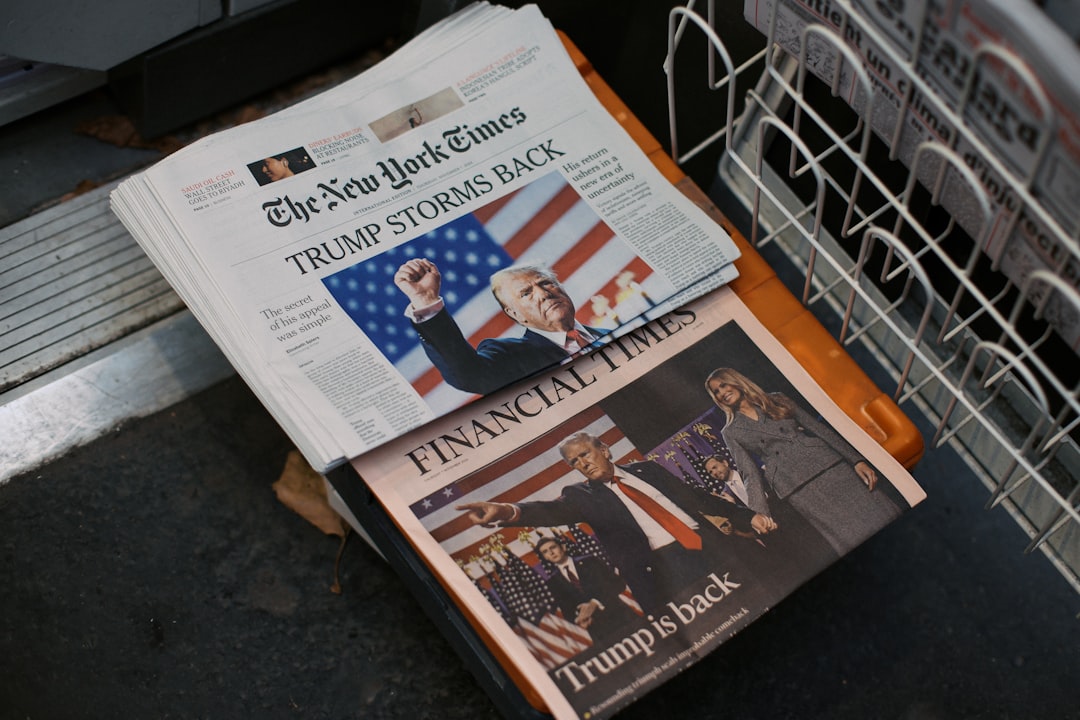
Trump’s Threat is His Destruction of the Republican Party
In All the King’s Men, Robert Penn Warren describes Willie Stark’s final victory. “And there wasn’t any Democratic party. There was just Willie, with his hair in his eyes and his shirt sticking to his stomach with sweat. And he had a meat ax in his hand and was screaming for blood.” Warren’s description is darkly poetic and metaphorical. Stark, the populist governor of a fictional state, did not murder his rivals, but he did destroy them, along with the political party he rode to power. Like Stark, Donald Trump has carved up the Republican Party of old, and in its place, there is just Trump. This is not the first time a politician has remade a political party, but the death of the G.O.P. threatens to unbalance our political system. We are defined by close elections, tight legislative majorities, and polarized preferences. Neither side in the cultural conflict can achieve core objectives, so the temptation to put more hope and power into the Executive, to skew the system, is mounting. We can argue about the degree to which past Republicans were truly restrained, especially in government spending, but at least the G.O.P. used to advocate for two seatbelts to keep the body politic safe from accidents: character to govern the self and constitutionalism to limit what government can do to others. As the G.O.P. grew to rival Democratic power, in the 1980s and 1990s, the New Deal coalition fractured, along with the assumption that simply more power, expertly applied, could solve our problems. Democrat Bill Clinton conceded “the era of big government is over.” Justice Elena Kagan recognized, “we’re all textualists now.” The tug of war between an evolving progressivism and a robust conservatism may not have made for an ideal way to solve problems, but it did encourage humility, born of the recognition that radical actions, even if successful, would be punished. Dr. Mark Caleb Smith serves as Professor of Political Science and the Director of the Center for Political Studies at Cedarville University. He teaches courses in American Politics, Constitutional Law, and Research Methodology/Data Analysis. His primary research interest is in the field of religion and American politics. View his profile Those days are over. Donald Trump’s Republicans are no longer a restraint of any kind. The seatbelts of the past have been snipped by the same leaders who claimed to buckle them in place. The Epstein Files are the exception of congressional pushback that proves the rule of the party’s degradation. But what of the appointment of unqualified and incompetent leaders in the F.B.I., H.H.S., Homeland Security, and the Department of Defense? Illegal and extra-judicial killings in the Caribbean? An unexplained and unauthorized military buildup in the same region? Shakedowns of universities and media outlets? Crypto corruption? Tariffs? Strong-arming law firms and firing career civil servants for seeking justice in our courts? The Republican response has mostly been crickets. There is no longer a major party that pretends to restrain the president through the law out of principle. The real disagreement between Trump Republicans and Biden Democrats is not about should the president abuse his power, but how. Unless something dramatic happens, the politics of the meat ax will come for us all. Mark is available to speak with the media regarding the state of politics in America. Simply click on his icon now to arrange an interview.



Black Friday 2025: Earlier, Bigger and More Digital Than Ever
Black Friday is no longer just a day – it’s becoming an entire season. In 2025, shoppers are starting earlier, spending more and relying heavily on technology to find the best deals. With online shopping now the dominant force, an estimated 71% of consumers plan to browse and buy from their screens rather than stand in long lines. Baylor University consumer behavior expert James A. Roberts, Ph.D., said this year’s sales stretch well beyond Thanksgiving weekend. Top 5 Black Friday Trends from Dr. James A. Roberts Retailers have pushed promotions into early November – and in some cases, late October – creating what many now call “Black November.” And for the true procrastinators, “Desperate in December” is the new reality, with next-day delivery extending holiday shopping right up to the last minute. Even as shoppers plan to spend up to 10% more, they’re extremely price sensitive, Roberts said. Inflation, rising living costs and ongoing economic uncertainty – including concerns over tariffs – are prompting consumers to hunt for deeper discounts and compare prices more closely than ever. That caution is also fueling another trend: increased use of buy-now-pay-later plans. While convenient, Roberts urges shoppers to approach them carefully to avoid overspending. Technology also is accelerating the shift. AI tools and retail chatbots are helping customers track deals and make purchases, while influencers and social media ads continue to shape buying habits. Cost-conscious platforms like Temu and Shein are poised for another strong season. Clothing, electronics and home goods remain top categories, Roberts said, with gift cards still the go-to for last-minute buyers. Walmart, Target and Kohl’s are expected to be the most popular in-store destinations, while Amazon – unsurprisingly – continues to dominate Cyber Monday. Overall spending remains robust. Shoppers are expected to spend roughly $20 billion across online and in-store purchases, split almost evenly between the two. The best bargains will be toys discounted about 25 percent, phones and computers discounted around 30 percent and TVs discounted an average of 23 percent. The typical shopper will spend about $650 this holiday weekend. How to navigate the shopping frenzy Roberts offers some simple advice for navigating the frenzy: Set a budget, stick to it, choose thoughtful gifts and keep the season in perspective. After all, the most meaningful gifts are the ones that show how well you know the people you love. ABOUT JAMES A. ROBERTS, PH.D. James A. Roberts, Ph.D., is The Ben H. Williams Professor of Marketing at Baylor University’s Hankamer School of Business. A noted consumer behavior expert, he is among the Top 2% Most-Cited Researchers in a database compiled by Stanford University. In addition to journal citations, Roberts has often been called upon by national media outlets for his consumer expertise and latest research. He has appeared on the CBS Early Show, ABC World News Tonight, ABC Good Morning America, NBC’s TODAY Show and NPR’s Morning Edition, as well as in articles in The New York Times, USA TODAY, The Wall Street Journal, TIME and many others. Roberts’ research has focused on how individual consumer attitudes and behavior impact personal and collective well-being, including investigating the factors that drive ecologically and socially conscious consumer behavior, the impact of materialism and compulsive buying on well-being and the effect of smartphone and social media use on personal well-being. He is the author of “Shiny Objects: Why We Spend Money We Don’t Have in Search of Happiness We Can’t Buy” and “Too Much of a Good Thing: Are You Addicted to Your Smartphone?”



12 Days of Holiday Experts - Goizueta Business School Sources for the Season
It's that time of the year again! And as Americans get ready for another journey into the festive season, there are always opportunities for stories to be told about shopping, travelling, buying, returning, and making sure you don't get ripped off or scammed during all the hustle and bustle, Here's a stocking full of topics and expert sources who are here to help with your coverage this holiday! Gifts, Giving, and all the Costs That Come With It Economics of the Holiday Season A successful Q4 makes the difference between annual profitability and loss for many businesses. Professor Tom Smith is available to discuss seasonal hiring, retail expectations, the impact of tariffs, and the importance of the holiday season to retailers. View his profile here Black Friday & Using AI to find the Perfect Gift Professor Doug Bowman expects to see more Shoppers (esp. Gen Z) experimenting with GenAI for personalization, inspiration, product discovery, summarizing reviews, generating lists, and finding deals. Results may be mixed, depending on the data the AI was trained on. He also expects more purposeful and complex shopping, with fewer impulse purchases and more searching (both online and in brick-and-mortar stores), due to lower inventory levels/assortments at some retailers. View his profile here Food and Travel Pricing Professor Saloni Firasta Vastani can discuss the cost of this year’s holiday dinners. What’s gone up and what’s gone down? She can also discuss the cost of travel this holiday season and offer tips on how consumers can secure a better deal. View her profile here Avoiding Holiday Overspend Professor Usha Rackliffe can discuss how holiday shopping can expose consumers to credit products, such as store credit cards, that offer various incentives and often result in overspending. She can discuss the pros and cons of the buy now, pay later offers and how interest rates will play into this year’s holiday shopping and spending. View her profile here Gift Giving Professor Ira Bedzow says there are three ways gift-giving can promote both personal growth and professional development. View his profile here Gifts Express Relationship, Not Reciprocity. Contracts and transactions are about keeping score—I give, you give back. Gifts are about connection. A thoughtful gift doesn’t close a deal; it opens a door. Personally, it reframes love and friendship as ongoing commitments rather than conditional exchanges. Professionally, treating interactions as opportunities to build trust creates loyalty, sparks creativity, and builds a culture no contract can guarantee. The Art of Perspective-Taking in Choosing Gifts: The best gifts come from stepping outside yourself and asking: What would this person really want? This act of empathy is a skill worth practicing. Personally, it pulls us beyond ego; professionally, it sharpens our ability to anticipate needs, see through others’ eyes, and make decisions aligned with their values—a foundation for real leadership. Gifts as Lessons in Friendship and Human Connection: True friendship isn’t built on ideology, convenience, or self-interest. It’s rooted in caring for someone simply for who they are. Gift-giving is a rehearsal for that kind of connection. Personally, it reminds us that what we truly want typically comes through relationships, not rivalry. Professionally, it shows that lasting success rests less on shared advantage and more on genuine respect and human connection. Shopping for Sustainability Consumers are increasingly seeking eco-friendly products, and brands that emphasize sustainability are likely to see higher sales. Nearly 69% of shoppers prefer to buy from companies committed to ethical practices, such as those that use carbon-neutral shipping and offer recyclable packaging. Professor Dionne Nickerson focuses on how companies can integrate sustainability in their products and why it matters to consumers. View her profile here Pressure Purchasing As the days inch closer to the holidays, shoppers feel the pressure to find a gift. Professor Max Gaerth can discuss how stress, scarcity, and time pressure shape purchasing decisions. View his profile here Online Shopping and Influencing AI Changing How We Shop Professor David Schweidel examines how new AI tools are transforming the shopping experience and the ways brands utilize AI to engage with prospective customers and personalize product recommendations. He can also discuss OpenAI’s Atlas and how it puts ChatGPT directly into your browser. View his profile here Influencers Influencing Our Purchases How are creators impacting the economy, and are influencers impacting our purchasing decisions? Professor Marina Cooley looks at the creator economy and how TikTok and Instagram are impacting our holiday wish lists, and what it takes for a product to go from unknown to trending. She can also discuss TikTok Shop (something Instagram has struggled to execute). View her profile here How to Attract Customers to the Store this Holiday: Shopping looks different, and it is up to retailers to stand out not just in the brick-and-mortar world but also online. The success of a business can balance on the customer experience. Professor Reshma Shah can discuss the policies that brick-and-mortar retailers need to have in place to successfully merge online shopping and the in-person shopping experience. View her profile here Holiday Scams Tis The Season for Scams Bad actors are using AI to scam consumers. From phone calls to emails, Professor Tucker Balch can tell us how to spot a scam and what we can do to protect ourselves. View his profile here Holiday Returns Product Returns Professor Doug Bowman can discuss the retail strategy and the impact of holiday gift returns, comparing online returns to those in brick-and-mortar stores. View his profile here He can also weigh in on: Why are returns so expensive for retailers? Online returns vs. brick and mortar returns Predicting online returns - helping retailers understand how likely it is that a product will be returned. As well: Are retailers still offering free returns? What’s this costing them? Is this likely to continue? What will they do differently? If you’re a journalist covering the holiday season, our experts can help shape your story. Use the “Connect” button on any expert’s profile to send an inquiry — all inquiries are monitored by our media team to ensure a quick, timely response.


Federal Budget 2025: What's In It for Canadian Seniors?
Let's be honest: the word "budget" probably makes you want to take a nap. Or pour a stiff drink. Maybe both. We spent decades pinching pennies, brown-bagging lunches, and watching every dollar so we could finally retire and stop thinking about money every waking minute. Now here I am, telling you to read about a government budget. I know. I'm sorry. But stick with me—I promise to make this as painless (and possibly entertaining) as possible. Why You Should Care About the 2025 Federal Budget (Even If You Really Don't Want To) Some of you hate talking about money. I get it. But here's the thing: information is power, and denial isn't just a river in Africa (give it a second to land)—it creates unnecessary ignorance and real missed opportunities to regain some control over your financial life. Plus, this budget affects your kids and grandkids too. So even if you're sitting pretty, the people you love might not be. The Economy Right Now: A Very Quick Explainer You've probably noticed everything costs more. A lot more. Welcome to inflation, courtesy of today's tariff-happy trade wars. (And if you want a deeper dive into how inflation affects more than just your wallet, check out my earlier piece: "Inflation: It's not just for prices anymore".) Here's the short version: When governments slap tariffs on imported goods (think: "You want to sell your stuff here? Pay up!"), Companies pass those costs directly to you at checkout. Your grocery bill goes up. Your heating costs rise. Even that new garden hose costs more because, apparently, everything comes from somewhere else now. So when you're living on a fixed income—CPP, OAS, maybe some RRIF withdrawals—and prices keep climbing while your income stays flat, that's a problem. A big one. Enter: the federal budget. It's basically Ottawa's financial to-do list: where they'll spend money, what they'll cut, and (theoretically) how they plan to make your life easier. Or at least less expensive. What's Actually In This Federal Budget Thing (The Good Parts Only) I've waded through the charts, jargon, and multi-billion-dollar announcements so you don't have to. Here's what matters to you: 1. Your House: Now it's a Potential ATM Remember when turning your basement into a rental suite sounded expensive and complicated? Ottawa heard you. The Secondary Suite Loan Program is expanded: Borrow up to $80,000 at 2% interest (15-year term) to build a basement apartment, garden suite, or in-law unit. The refinancing rules are also relaxed: You can now refinance up to 90% of your home's post-renovation value to fund these projects. Translation: You can turn unused space into monthly rental income, house a caregiver, or create a spot for family—all while boosting your property value. It's like your house went to entrepreneurship school. For more on Additional Dwelling Units (ADUs), check out this post. 2. Slightly Less Painful Tax Season Ottawa is cutting the base federal tax rate for modest-income earners and cancelling the consumer carbon price on heating fuels. Translation: If you're still working part-time or living on CPP + OAS + RRIF withdrawals, expect slightly lower deductions and cheaper heating bills starting this winter. We're talking maybe $30–$50 more per month—not a windfall, but enough to buy groceries without wincing at the checkout. 3. Health Care: Maybe, Possibly, Getting Better The budget includes more money for provinces to spend on health care and long-term care reform. The goal? Shorter wait times and expanded home-care programs. Translation: The government says they're helping seniors age at home with dignity. Whether that actually happens depends on your province not blowing the money on consultants and photo ops. Keep your eyes on provincial announcements for new or expanded home-care subsidies. 4. Your Savings: Slightly Less Likely to Evaporate Budget 2025 confirmed Canada has the lowest debt-to-GDP ratio in the G7. They're also cracking down on bank fraud and scams targeting seniors. Translation: Lower national debt helps keep interest rates and inflation under control, protecting the real value of your fixed income. And Ottawa is finally recognizing that scammers love targeting retirees. (If you haven't already, read my piece on The Rise in Grandparent Scams—it's eye-opening.) About time. Watch for my upcoming article on a recent senior scam making the rounds—and my assessment of how banks can do much more to protect seniors. 5. $60 Billion in "Savings" (Don't Panic) You'll hear politicians bragging about cutting $60 billion. Before you worry they're gutting CPP or OAS, relax. They're trimming their own bureaucracy—less middle management, more digital tools, fewer wasteful meetings about meetings. Translation: They're supposedly spending less on themselves so they can spend more on things that matter—like housing, health care, and infrastructure. Whether they actually pull this off remains to be seen, but at least they're talking about it. So What Does All This Actually Mean? Look, I won't pretend this budget is a game-changer. It's not. But it does offer a few smart moves if you're willing to act. And let's remember: this is Carney's first budget. Changing financial policy and spending priorities takes time—and some patience on our part. Rome wasn't built in a day, and neither is a functional federal budget that actually helps everyday Canadians. Review your home equity. Could an ADU loan help you age in place and generate income? Audit your expenses annually. Cutting $100/month in spending equals roughly $1,500 in pre-tax income. That's real money. Stay vigilant against scams. Government protection is nice, but it starts with you not clicking sketchy emails and text messages. Ask about tax credits. Low-income seniors may qualify for increased refundable credits under provincial top-ups this year. This isn't a flashy budget. There are no big checks in the mail. But it does signal a shift toward pragmatism: help Canadians stay housed, healthy, and financially secure while Ottawa tightens its own belt. For Canadians 55+, that means: Slightly lower everyday costs More options to create income from your home Continued investment in health and home care A more stable economy to protect your savings Progress? Maybe. One cautious, bureaucratic step at a time. Your Next Move Take 30 minutes this week to think through how these programs could fit into your life. Could an ADU loan make aging in place possible? Could refinancing free up cash flow? Small adjustments now = big peace of mind later. And that's what being hit, fit, and financially free is all about. And hey—you just read an entire article about a government budget. Voluntarily. That deserves recognition. Go ahead, brag about it. You've earned it. Now go enjoy your retirement. You've definitely earned that too. Sue Don’t Retire…Re-Wire!!!


Everyone from farmers to Fortune 500 companies are now feeling the impact of Trump administration tariffs aimed primarily at reducing the trade deficit and reviving domestic manufacturing. University of Delaware experts offer insight into the economic, political and social impacts of these tariffs and what the future of U.S. trade policy may hold. Experts available: Alice Ba, associate professor, International Relations and Comparative Politics – Topic: Economic implications of tariffs on domestic industries and global supply chains. Dan Green, associate professor, International Relations and Political Theory – Topic: Political dynamics of U.S. trade policy and congressional responses. Dan Kinderman, professor, Comparative Politics and International Relations – Topic: Impacts on international business relationships and corporate strategy. Robert Denemark, professor, International Relations – Global geopolitical implications and international relations perspectives. Stuart Kaufman, professor, Political Science and International Relations – Historical context and comparative analysis of past U.S. trade policies. Journalists who would like to speak with these experts can click on their profiles or email mediarelations@udel.edu.



New National UMass Amherst Poll Finds President Trump’s Job Approval Gap Slides 6 Points Since April
Topline results and crosstabs for the poll can be found at www.umass.edu/poll Public approval of Donald Trump’s presidency has dropped by 6 percentage points since April and his approval rating is now 20 points underwater, 38-58, according to a new national University of Massachusetts Amherst Poll of 1,000 respondents conducted July 25-30. “Six months into his second term as president, Donald Trump looks to be on the ropes with the American public,” says Tatishe Nteta, provost professor of political science at UMass Amherst and director of the poll. “Trump’s approval ratings, already historically low for a newly elected president, continue to sink with close to 6-in-10 Americans (58%) expressing disapproval of the job that Trump is doing in office. While Trump remains a popular figure among Republicans and conservatives, Trump’s time in office is viewed more negatively across genders, generations, classes and races, with majorities of each of these groups disapproving of Trump’s performance. With over three years left in the Trump administration, there is still time for him to right the ship and fulfil the promises that catapulted him to the presidency, but the president is not off to the start he or his supporters envisioned.” In the previous UMass Poll, conducted as Trump approached the three-month anniversary of his return to the White House, Trump held a 44-51 approval rating, buoyed by a positive overall approval on his handling of immigration. The new poll, however, has found a significant shift in views on this issue. “Immigration has been central Trump’s political campaigns and his strongest issue in his first few months in office, but the percentage of people who say he is handling it well has dropped substantially from 50% four months ago to just 41% today, a 9-point drop,” explains Raymond La Raja, professor of political science at UMass Amherst and co-director of the poll. “Trump came into the presidency promising change, and he’s made significant alterations in many areas of federal policy,” says Jesse Rhodes, professor of political science at UMass Amherst and co-director of the poll. “He came into office believing that he had limited time to make the changes he promised his most ardent supporters, and moved with unparalleled speed to enact these changes, including sometimes by legally questionable means. Now, it seems, he’s reaping the consequences as a large majority of Americans don’t like these changes. Clear majorities say that Trump has handled his key issues – immigration (54%), inflation (63%), jobs (55%) and tariffs (63%) – not very well or not well at all. With so many Americans grading his handling of public policy poorly, it’s no wonder they disapprove of his presidency.” Rhodes also notes that the president is seeing an erosion in support from one of his most reliable groups of supporters: men. “Trump has cultivated a ‘masculine’ reputation and sought to build support among American men but, strikingly, we find that support for Trump has deteriorated most substantially among members of this group,” says Rhodes. “In April, Trump enjoyed approval from 48% of men, compared with 39% of women. Now, only 39% of men express approval of Trump, compared with 35% of women. “In addition to losing support among men, Trump has seen approval for his presidency crumble among political independents, a critical swing constituency,” Rhodes adds. “While 31% of independents approved of his presidency in April, that number is now down 10 percentage points to 21%. This is really bad news for Trump, and for Republicans who depend on support from independents in close elections.” “Polarization has changed the interpretation of presidential approval ratings,” says Alexander Theodoridis, associate professor of political science at UMass Amherst and co-director of the poll. “Partisans just aren’t willing to evaluate presidents from the other side positively and are reluctant to say negative things about presidents from their own party. So, approval numbers fluctuate within a narrower range. Gone are the days when George H. W. Bush and George W. Bush both achieved approval numbers over 90%. This is certainly true for Trump, who is likely the most polarizing figure in modern American politics. Even in this polarized environment, though, Trump’s approval ratings are low by any standard – he is very close to the practical floor. Especially noteworthy is that nearly half of Americans say they strongly disapprove of Trump and the percentage of Americans who say they strongly approve of Trump has decreased substantially. Even among Republican respondents, only half strongly approve of the president. The GOP should be concerned about these numbers heading into the odd-year elections in 2025 and, especially, the midterm elections in 2026. It is very difficult for a party to win when its leader is this unpopular.” Americans’ views on Epstein and Trump Of all issues surveyed in the latest University of Massachusetts Amherst Poll, one appears to be the greatest drag on Trump’s presidency: Jeffrey Epstein and Trump’s handling of the evidence gathered in the federal investigation of the accused sex-trafficker and his long-time friend. “The Epstein scandal remains a serious vulnerability – indeed, quite possibly, the most serious vulnerability – for Trump right now,” Rhodes says. “Fully 70% of Americans believe he has handled this issue ‘not too well’ or ‘not well at all,’ and nearly two-thirds (63%) believe his administration is hiding information about Epstein. The Epstein scandal is also likely undermining public confidence in Trump more broadly. Indeed, we find that nearly two-thirds of Americans believe that Trump is corrupt and nearly 70% believe he is dishonest. Critically, these numbers mean that many Republicans and conservatives are disappointed with Trump’s handling of the Epstein situation. Republican frustration with Trump’s handling of the Epstein case could erode enthusiasm for his presidency and for Republicans in 2026.” “If Trump and those around him have been wishing the Jeffrey Epstein story would disappear, their wishes have not been granted,” Theodoridis says. “Most Americans (77%) tell us they have heard a lot or some about the Epstein case. In addition to believing that the Trump administration is hiding important Epstein case information, the vast majority of respondents say that a special prosecutor should be appointed to investigate the Trump DOJ’s handling of the Epstein case (59%), that Donald Trump was good friends with Epstein (67%), and that a list of Epstein’s clients exists (70%). Even substantial numbers of Trump voters believe these things. And, when it comes to an Epstein ‘cover-up,’ it seems the buck stops with Trump himself. While a lot of Americans blame Attorney General Pam Bondi (59%), FBI Director Kash Patel (49%), and House Speaker Mike Johnson (47%) for hiding information about the Epstein case, a whopping 81% blame President Trump.” “The controversy over the handling of the Epstein files by the Trump administration has – interestingly – brought Americans together,” Nteta adds. “While on most issues, we see clear and persistent generational, class and racial divisions; on Epstein, Americans across these divides speak with one voice. This controversy has even resulted in agreement across partisan lines as majorities of Democrats and Republicans support a special prosecutor and believe a list of clients exists, and disapproval of Trump’s handling of the whole matter is surprisingly seen among members of Trump’s base, as 43% of Republicans and conservatives indicate that Trump has not handled this issue well.” “Where Trump faces his poorest rating in our poll is on perceived corruption and dishonesty,” adds La Raja. “A clear plurality (49%) sees Trump as ‘very dishonest,’ with an additional 20% saying that he is ‘somewhat dishonest.’ And 45% see him as ‘very corrupt,’ with an additional 20% as ‘somewhat corrupt.’ Only about one-third reject those labels entirely. Trump also gets low ratings on transparency – a majority (52%) say Trump is not at all transparent, his weakest score after dishonesty. Only 23% believe that he’s very transparent. For a candidate who brands himself as a truth-teller and disruptor, this appears to be a credibility gap.” “Strength is Trump’s strongest attribute,” La Raja explains. “Fifty-eight percent see him as very or somewhat strong, indicating appeal among his base and possibly swing voters who value ‘toughness.’ However, views on his competence are split evenly, with 52% saying he’s competent to some degree, while 48% say not at all.” Voter Regret? “Since President Trump took office, a number of reports of regretful Trump voters have been covered in the nation’s leading media outlets,” Nteta says. “From voters upset with Trump’s immigration policies to supporters who take issue with the president’s unwillingness to release the files associated with the Epstein case, there seemed to be a wellspring of regret among Trump’s once loyal base. Our results suggest that while there are, in fact, areas where the president is weak, most notably on his handling of the economy and the Epstein controversy. When asked directly, close to 9-in-10 (86%) would vote for Trump again if given the opportunity to revisit their 2024 presidential vote choice. These results indicate that the number of regretful voters covered in the mainstream press may be overblown, as the overwhelming majority of Trump voters remain in the president’s camp.” “Only 1% of Trump voters say they regret their vote and would choose differently, 2% say they ‘might’ choose differently and 3% say they wish they hadn’t voted at all,” Theodoridis says. “When we simply ask voters how they would vote if they could go back and recast their ballot, 6% of Trump voters tell us they would vote for Harris, while only 2% of Harris voters say they would switch to Trump. There is clearly more erosion in support among Trump voters than among Harris voters and, in what is likely small consolation to Harris and her campaign team, significantly more 2024 non-voters who say they wish they had voted indicate they would now cast a vote for the former vice president. In a relatively close election, shifts of these magnitudes might have been decisive, but there are no ‘take-backs’ in electoral politics, so these numbers are best used to inform choices going forward.” “Our results are not wholly positive for President Trump, and there exist areas of concern for his team moving forward,” Nteta warns. “Since April, the number of Trump voters expressing strong confidence in their vote for Trump has declined by 5 percentage points. Additionally, we find small increases in the number of Trump supporters who have mixed feelings about their vote and who indicate that they would ‘rather not have voted.’ Finally, 14% of Trump voters indicate that they would not vote for Trump if given the chance to revisit, while only 8% of Harris voters express a similar sentiment. Time will tell whether the growing number of disaffected Trump voters are the canaries in the coal mine, indicating a larger problem among the Trump coalition and the MAGA movement more generally.” “We do find a meaningful percentage – 31% – of Trump voters unwilling to say they feel very confident they made the right choice,” Theodoridis adds. “Nineteen percent of Trump voters tell us they are still confident but have concerns, and 6% tell us they have mixed feelings about their vote. Given what we know about the psychological predispositions against admitting to having been wrong, these numbers suggest some softening in support for Trump among the very voters who returned him to the White House last November. This should certainly be alarming for Republican politicians. However, for Democrats or journalists looking for a mass mea culpa from Trump voters, our numbers are, perhaps, sobering.” Methodology This University of Massachusetts Amherst Poll of 1,000 respondents nationally was conducted by YouGov July 25-30. YouGov interviewed 1,057 total respondents who were then matched down to a sample of 1,000 to produce the final dataset. The frame was constructed by stratified sampling from the full 2023 American Community Survey (ACS) one-year sample with selection within strata by weighted sampling with replacements (using the person weights on the public use file). The matched cases were weighted to the sampling frame using propensity scores. The matched cases and the frame were combined, and a logistic regression was estimated for inclusion in the frame. The propensity score function included age, gender, race/ethnicity, years of education, region, and home ownership. The propensity scores were grouped into deciles of the estimated propensity score in the frame and post-stratified according to these deciles. The weights were then post-stratified on 2020 and 2024 presidential vote choice as ranked on gender, age (4-categories), race (4-categories) and education (4-categories), to produce the final weight. The demographic marginals and their interlockings were based on the sample frame. The marginal distribution of 2020 presidential vote choice and its demographic interlockings were based on a politically representative “modeled frame” of US adults, using the 2019 American Community Survey (ACS) public use microdata file, public voter file records, the 2020 Current Population Survey (CPS) Voting and Registration supplements, the 2020 National Election Pool (NEP) exit poll, and the 2020 CES surveys, including demographics and 2020 presidential vote. The marginal distribution of 2024 vote choice was based on official ballot counts compiled by the University of Florida Election Labs and CNN. Demographic interlockings for 2024 vote choice were based on CNN’s 2024 Exit Polls. The margin of error of this poll is 3.5%. Topline results and crosstabs for the poll can be found at www.umass.edu/poll






Tariffs fuel global sourcing shakeup for fashion in the U.S.
Be prepared to see more Made in Vietnam or Made in Bangladesh labels on clothing in the coming years. That’s because U.S. fashion companies are rethinking their global sourcing strategies and operations in response to the Trump administration’s trade policies and tariffs, according to new research by the University of Delaware's Sheng Lu. Lu, professor and graduate director in the Department of Fashion and Apparel Studies, partners with the United States Fashion Industry Association (USFIA), on an annual survey of executives at the top 25 U.S. fashion brands, retailers, importers and wholesalers doing business globally. Members include well-known names like Levi’s, Macy’s, Ralph Lauren and Under Armour, among others. The report covers business challenges and outlook, sourcing practices and views on trade policy. “We wear more than just clothes; we wear the global economy, the supply chain and the public policies that jointly make fashion and affordable clothing available to American families,” Lu said. “We want to know where these companies source their products and what factors matter to them the most. It’s a classic question and it evolves each year.” This year’s report, released on July 31, shows tariffs and protectionist policies are the top business challenge for companies, with nearly half reporting declining sales and more than 20% saying they have had to lay off employees. This was followed closely by uncertainty around inflation and the economy, increasing sourcing and production costs, and changes in trade policies from other countries. In response, more than 80% of companies said they will diversify the countries from which they source their products, focusing on vendors in Asian countries such as Vietnam, Bangladesh, Cambodia and Indonesia. Despite the push for “Made in USA” garments, only 17% of respondents plan to increase sourcing from the U.S. Lu shared his findings in the following Q&A: What surprised you about the survey results? Two things surprised me. First, contrary to common perception, the results do not indicate that the tariff policy so far has effectively supported or encouraged more textile and apparel production in the U.S. This actually makes sense. U.S. mills are as uncertain about the tariff rates as our trading partners are. A U.S. company may manufacture the clothes here, but use yarns, fabrics and zippers from other countries. When tariffs drive up the cost of these raw materials, it reduces the price competitiveness of apparel “Made in the USA.” Many domestic factories are in a “wait and see” mode, holding back on making critical investments to expand production due to the lack of a clear policy signal. Second, I was struck by the wide-ranging impact of the tariffs, which has gone far beyond what I originally imagined. Tariffs have not only increased U.S. fashion companies’ sourcing costs but have also affected their product development, shipping and overall supply chain management. Nearly 70% of the survey respondents said they have delayed or canceled some sourcing orders due to tariff hikes. Should consumers be prepared for less variety in clothing or shortages? Later this year, we may see fewer clothing items from our favorite brands on store shelves — especially during the holiday shopping season — and many of those items may come with a higher price tag. That said, fashion companies are doing what they can to avoid passing on tariff costs across the board, as they recognize that consumers are price sensitive. Many surveyed U.S. fashion companies say they intend to strengthen relationships with key vendors as a strategic move, and there is a growing public call for U.S. companies to provide more support and resources to their suppliers in developing countries. Sustainability is a huge issue in the fashion industry, as millions of tons of textiles end up in landfills every year. Companies say they are spending less on sustainability efforts. What would you tell companies about their sustainability efforts? Our survey suggests that sustainability can open up new business opportunities for U.S. fashion companies. Respondents said that when sourcing clothing made from sustainable fibers — like recycled, organic, biodegradable and regenerative materials — they are more likely to rely on a U.S. sourcing base or suppliers in the Western Hemisphere. In other words, even if apparel “Made in the USA” or nearby cannot always compete on price with lower-cost Asian suppliers, there is a better chance to compete on sustainability. Based on what I’ve learned from our Gen Z students — who expect better quality and more sustainable products if they have to pay more, and are critical consumers for many brands and retailers — it is unwise to hold back on investments in sustainability. What do you see as the biggest takeaway from the survey? One key takeaway is that the $4 trillion fashion and apparel business today is truly “made anywhere in the world and sold anywhere in the world.” In such a highly global and interconnected industry, everyone is a stakeholder — meaning there are no real winners in a tariff war. The study is also a powerful reminder that fashion is far more than just creating stylish clothing. Today’s fashion industry is deeply intertwined with sustainability, international relations, trade policy and technology. I hope the findings will be timely, informative and useful to fashion companies, policymakers, suppliers and fellow researchers. I plan to incorporate the insights, as well as the valuable industry connections developed through my long term partnership with USFIA, in my classroom, giving UD students fresh, real-world perspectives on the often “unfashionable” but essential side of the industry. Reporters interested in speaking with Lu can contact him directly by visiting his profile and clicking on the contact button. UD's media relations team can be reached via email.


Inflation: It’s Not Just for Prices Anymore
Lately, headlines are full of talk about inflation — a response to the economy and the looming tariffs. I’ve experienced many inflationary periods, but it feels different in retirement. When I was earning a paycheque, inflation was just an annoyance, something I needed to pay attention to and maybe buy a cheaper cut of steak. Now, as someone on a “fixed income,” it feels like a real threat. Recently, Ben McCabe, CEO of Bloom Financial, appeared on Breakfast Television and delivered a truth bomb: “We’re approaching a perfect storm. Longer life expectancy, fewer defined benefit pensions, and rising inflation.” Well, that storm has arrived — and it’s inflating more than just prices. It’s also expanding our waistlines, prescription lists, and emotional baggage. Inflation, at its core, means “the condition of being inflated.” And it turns out that definition applies to more than the grocery bill. So, grab a cup of green tea (or a celery stick if you’re feeling virtuous). Let’s explore the three sneaky forms of inflation threatening your retirement — and what you can do about them. This blog will appeal to individuals who have retired or aspire to retire in the future. Let’s light this candle! 1. Financial Inflation: The Usual Suspect Let’s start with the obvious: inflation means your money won’t stretch as far as it used to. In 2022, Canada’s Consumer Price Index increased by 6.8% — the highest rise in 40 years. Although it slowed down a bit in 2023, essentials such as food, rent, and fuel continue to grow. Your retirement income might be fixed, but prices definitely aren’t. Retirement Risks from Financial Inflation: • Longer lives mean longer bills. A 65-year-old woman today has a 50% chance of living past 90 years old. That’s over 25 years of expenses. • Vanishing pensions. Defined benefit pensions are disappearing faster than good manners on Twitter. • Healthcare creep. Public healthcare doesn’t cover everything, especially if you want care that wasn’t designed in 1978. As Ben McCabe aptly put it: “We need to stay healthy so our health span matches our lifespan,” huh?— “otherwise, inflation will affect us through the cost of medications, home care, and long-term care facilities.” What You Can Do: • Review your income sources. Prioritize indexed income sources, such as CPP, OAS, and annuities with COLA (Cost of Living Adjustment) riders. • Use home equity sensibly. If you’re house-rich but cash-poor, consider a reverse mortgage or other equity release products. • Adjust your spending habits. Host themed nights, like “Tuna Tuesdays” — a nostalgic, fun, and budget-friendly option. How to Support Others: • Discuss money matters with kindness. Many retirees feel ashamed of their finances. Show compassion, listen more, talk less. • Bring food, not judgment. A regular Saturday brunch with Sadie can make a significant difference, not just financially. • Foster social connections. Financial stress can cause isolation. Encourage hosting potlucks, card nights, or joining a community group. 2. Physical Inflation: The Expanding Middle Retirement brings more free time… and more room. Waistlines, cholesterol, and prescriptions all seem to rise in tandem. Signs you’re experiencing physical inflation: • Pants that used to be snug are now aspirational • Your Fitbit died months ago — and so did your motivation • Your pharmacy knows you by name... and birthday The bad news? Poor physical health is expensive. Chronic illness can deplete savings faster than a grandchild with your credit card. What You Can Do: • Keep moving. Walk, garden, spin — whatever gets you vertical and vibrant. • Lift weights. Muscle mass starts declining at 40. Resistance training isn’t just for 20-somethings. Strong is the new sexy, pass it on! • Meal plan smart. Grocery inflation peaked at 8.9% — eat better, waste less, save more. Consider shopping daily and buying only the amount of food needed for that day. Your health span should align with your lifespan. Stay strong, stay mobile, and yes, stretching counts — but not if you’re reaching for the TV remote. Inflammation — The Silent Saboteur If inflation is bad, inflammation is worse. Chronic inflammation contributes to: • Heart disease and stroke • Type 2 diabetes • Alzheimer’s disease and brain fog • Arthritis, osteoporosis, and varicose veins • Mood disorders such as anxiety and depression • Certain Cancers Even CNN and Al Jazeera recently reported that Donald Trump was diagnosed with chronic venous insufficiency (CVI) — a common, often overlooked condition among those over 55. Small veins, big problem. (Insert your own “tiny vein, tiny…” joke — I’m staying classy.) Inflammation is the unwelcome guest that never departs. If inflammation had a personality, it would be the dinner guest who drinks all your wine, insults your cat, and brings up politics at dessert. Whether it's fueling joint pain, causing swelling in your ankles, or messing with your metabolism, chronic inflammation is one of the biggest saboteurs of aging gracefully. It often hides in plain sight, presenting itself as: • Low-grade fatigue • Weight gain (especially belly fat) • Mood swings or brain fog • Increased pain and stiffness • Slow healing. What You Can Do: • Eat anti-inflammatory foods, such as leafy greens, whole grains, and healthy fats. Cut out the sugar. • Move each day. Yes, again. It’s that important. • Lower stress to improve sleep. Stress and poor sleep fuel inflammation. • Maintain social and emotional bonds. Loneliness and inflammation are frequently connected — break the link. De-Inflation — The Great Slowdown • So, we’ve discussed inflation... but what about its quieter, sneakier cousin: deflation? • No, not the economic kind. We’re talking about the physical “poof” that occurs when we reach our late 70s and 80s — when the padding diminishes, posture declines, and everything else… well, just seems a little less buoyant. • Suddenly, you’re shrinking. Your weight drops — but not in a sexy, "I’ve been intermittent fasting" kind of way. More like "my pants are falling down and my doctor says I’m 2 inches shorter" sort of vibe. Welcome to the gravitational pull of aging. Signs of De-Inflation: • Pants fit strangely, but not in a bragging way • You’re hunched over as if you’re forever bowing to the Queen • Your arms and legs have that crepey, crinkly look — like tissue paper with a gym membership • And let’s not forget the wrinkles on your face — a stunning topographical map of your life Let’s be honest: gravity always wins. Biology always wins. And yes, our skin thins — insert your own joke about being “thin-skinned” here. But we are not entirely powerless. Here’s How to Push Back (Gently — you don’t want to break a hip): • Check your posture monthly. Have a friend take a quick side photo. Are you upright and confident — or resembling a question mark? • Stretch regularly. Yoga, fascia stretching, and massage can help combat the hunch. • Move intentionally. Gentle strength training and balance exercises can maintain muscle and stability. • Moisturize and hydrate. For your skin, your joints, and your soul. • Celebrate your lines. They’re not “flaws” — they’re proof you’ve felt joy, sorrow, surprise, and a few good martinis. They’re not signs of aging; they’re signs you’ve been living. Remember: frowning only causes more wrinkles. So, smile — or better yet, laugh. Loudly. Often. Preferably at inappropriate moments. Oh — and take my advice on this: never (and I mean never) open your eyes during downward-facing dog. Some things just can’t be unseen. 3. Emotional Inflation: When Grudges Accumulate Like Interest Here’s the sneaky one. Emotional inflation appears as: • Bitterness over who got what in Mom’s will • Inflated egos and “right-titis” (a chronic need to be right) • Replaying 1983 arguments in your head like they’re Oscar contenders. • Giving not-so-nice nicknames to your former coworkers (and using them… publicly) • Keeping a mental spreadsheet of injustices — now colour-coded for quick reference (who says seniors are not tech-savvy?) Here’s the thing: emotional inflation isn’t just about what others have done. It’s also about how we interpret our role in those stories. Ready for a bold idea that can free you from decades of emotional baggage? What if we stopped keeping score and instead focused on how we want to show up in our relationships? What if you chose, intentionally, to be a generous sister, a supportive friend, a gracious parent, or a collaborative co-worker — not because they "deserve it," but because that's who you want to be? It’s not easy. It may require deep breathing and the occasional muttering in the car. However, for those willing, this mental reframe can be a total game-changer. What to do: • Let go. You can’t carry joy and a grudge at the same time — and joy is lighter. Lighten the emotional load. You don’t need to wait for someone to say sorry to feel free. • Choose your character. Think of it as casting yourself in the movie of your life. Be the wise one, the peacemaker, the person who breaks the cycle, not the one still angry about a forgotten birthday in 1996. • Write your own story. Present yourself as the person you want to be, even if others haven’t read the same script. You can’t control other people, but you can control how much space they occupy in your mind (especially if they’re not even paying for snacks). • Reframe your perspective. Instead of keeping score, focus on who you want to be: a generous sibling, a gracious friend, or a person at peace. Let go of the scorekeeping. It rarely results in a tie, and even if you win… You still feel empty. • Define your role. Be the big-hearted sibling, the calm presence, the one who lets go, not the person who stores bitterness in Tupperware containers. • Invest in joy. Dance classes, martinis, laughter — choose your remedy. • Talk it out. Therapy is more affordable than wine-fuelled Facebook rants and far more effective. Take the high road. There’s less traffic and better scenery. You can’t always avoid emotional hurt, but you can avoid living in a constant state of emotional inflation. And trust me, nothing deflates retirement faster than a bloated list of resentments. And if you’re feeling weighed down by the bloat of what life has thrown at you, remember: you can’t control inflation, but you can choose your response. Choose grace over grudges. Choose strength over stagnation. Choose the version of yourself that makes you proud. Because guess what? You’re still becoming who you are. Trust me — it’s better than a juice cleanse and more affordable than therapy. Some people age like fine wine; others age like vinegar. Emotional inflation is the burden you carry that doesn't show on the scale, but it weighs everything down. You can’t rewrite someone else’s story, but you can decide how to present yourself in your own. Taking the high road is less crowded and provides better perspectives. Inflation May Be Inevitable — But Misery? That’s Optional. Inflation has seeped into our lives like glitter at a craft table — impossible to contain and popping up in the most unexpected spots. It’s not just your budget that’s swollen (thanks to blueberries and Botox), but also your belly, your prescription drawer, and — if you’re not careful — your resentment list. But here’s the good news: While you can’t control how high prices go, how slow your metabolism becomes, or how long Uncle Jerry holds a grudge… You can control your response. So, here’s your call to calm, intentional, fabulous action: 1. Reclaim your power — in your spending, your body, and your mindset. 2. Choose curiosity instead of crankiness. Move more instead of staying still. Salad rather than salt (well… sometimes). 3. Be the kind of person who ages like disco — a little dramatic, slightly sparkly, and always ready to dance. And if you absolutely must inflate something… make it your sense of humour. Because in the grand game of Retirement Inflation Nation, laughter is your best hedge — and it’s fully indexed to joy. Oh — and if you're wondering whether I practice what I preach: I'm a certified fitness instructor and teach 5 jam-packed fitness classes a week at Canada’s largest gym. Movement isn’t just medicine — it’s music, community, and yes, a fabulous way to earn the right to your next martini. So, take it from someone still riding the rhythm of life — gravity is real, but so is joy. And we’re still dancing under the stars. (Here’s proof from the Coldplay concert — yes, I was the one yelling “Fix You” with both hands in the air and not a single regret.) Keep inflating the things that matter: your laugh lines, your playlist, and your purpose. With love, lunges, and a little glitter, Sue Don’t Retire... Rewire!