
Experts Matter. Find Yours.
Connect for media, speaking, professional opportunities & more.

How Blockchain Can Help Medical Facilities Control the Spread of Coronavirus
In the United States at least 12,000 people have tested positive for COVID-19, and 194 people have died as of Friday, March 20. Villanova College of Engineering professor Hasshi Sudler explains there are two critical areas where blockchain can help control the spread of coronavirus. "As individuals travel across borders, medical facilities need immutable, trustworthy medical data quickly and electronically. A critical requirement to contain coronavirus is to track any individual having tested positive and to track the health of anyone who has come in contact with that individual, even if those encounters were across borders," says Prof. Sudler, an expert on electrical and computer engineering. "The blockchain can be a common source of data that allows medical facilities to share immutable information internationally." Sudler cautions that, with the potential for people to provide false information about symptoms and travel history, medical facilities need a method to share trustworthy data with one another in real-time about individuals tested, their test results and test kits used (as some kits have proven faulty). Another requirement for controlling the spread of the virus is to validate quality medical advice while also identifying misinformation that could be circulating in society. "In the event of a pandemic, misinformation can be extremely dangerous. The public needs a way to confirm official statements made by reputable sources," says Prof. Sudler. While social media may be a popular source of information, it can also be a means of spreading myths, conspiracies and opinions often presented as facts. "The blockchain can serve as a means to verify quality advice the public should follow versus false claims the public should disregard," says Prof. Sudler.


Baylor Expert Shares Tips to Help Kids Maintain, Improve Fitness During Time Out of School
Millions of children and teens throughout the United States are relegated to their homes in attempt to help “flatten the curve” and spread of COVID-19. As parents struggle to carve out a new normal for themselves and their children, a Baylor University professor says physical fitness should still be a priority. Paul Gordon, Ph.D., professor and chair of Baylor University’s department of health, human performance and recreation, is recognized nationally as a top expert in muscular fitness and health outcomes. His areas of expertise include physical activity and lifestyle-based research related to obesity. “Beyond improving your health, physical activity will also improve your mental state,” Gordon said. “A sense of accomplishment and satisfaction is often felt after exercise. Consequently, when you need a mood lift either from ‘cabin fever’ as a result of being shut in or the stress of our current health crisis, take an exercise break. It will help you keep your spirits up.” In the following Q&A, Gordon shares tips to help parents and children stay fit during the coronavirus pandemic. Q: With millions of kids now out of school due to coronavirus – and without the benefits of a gym class – what advice would you give parents and guardians about helping those kids maintain or improve fitness? A: With the onset of school closures and recommendations to limit groups, parents do find themselves challenged to figure out a new routine that encourages healthy living such as opportunities for exercise. Given the current challenges we are facing to prevent the spread of this dangerous disease, parents need to step up and actively oversee their children’s activities. The following points are important considerations: Engage in Active Parenting. Many children/adolescents will be engaging in remote learning formats through much, if not all, of the remaining school year. Consequently, parents will need to assist their kids, particularly the younger children, with access and supervise their work. We cannot expect teachers to have the same control as when they are in class. Similarly, opportunities for engaging in physical activity need to be planned and encouraged and where possible supervised. Some exercise is better than none. This concept is true for adults and kids alike. Don’t give up on getting exercise completely if you can’t plan a full workout. A little is good, and more is better. Remember, exercise is helpful for more than weight control. It improves cardiovascular and skeletal health as well. It can even bolster your immunity response. Q: Are there exercises that kids from kindergarten on up can do? What would you recommend in terms of time and style of exercise? A: Younger children are more likely to engage in activity if they have someone to play with. Parents should engage in active games with their children. If the parent is working from home, take short breaks and play with your child. Active games that involve running, skipping, jumping and climbing are perfect types of activities. Take them for walks in the park or neighborhood. Once children hit adolescence, they are more inclined to perform limited stationary exercises such as on a stationary bicycle or cross trainer. Throwing the ball and playing controlled games (tag, kickball, etc.) can be effective. Playing with your child is an excellent way to spend time and build memories that last a lifetime. Older children can also engage in regular calisthenics such as push-ups, jumping jacks, wall sits, etc. Make it a game or contest and you’ll likely get their involvement. Q: Do you recommend any online plans or resources for parents to follow? A: There are a number of online resources available. A few examples are listed below: GoNoodle KidsHealth.org BeActiveKids.org Q: What are the negatives associated with being sedentary – whether it’s in front of a television or sitting and spending too much time in front of a screen? A: A sedentary lifestyle has numerous untoward effects on health. In fact, even individuals who are meeting basic activity levels can be at increased risk for diseases if they are overly sedentary. Increased risk for cancer, cardiovascular disease and metabolic abnormalities (i.e., diabetes) occur from sedentary living. Obesity has reached epidemic levels in our society, and a primary factor is sedentariness. It’s important to take breaks from sitting and get up and walk around. ABOUT BAYLOR UNIVERSITY Baylor University is a private Christian University and a nationally ranked research institution. The University provides a vibrant campus community for more than 18,000 students by blending interdisciplinary research with an international reputation for educational excellence and a faculty commitment to teaching and scholarship. Chartered in 1845 by the Republic of Texas through the efforts of Baptist pioneers, Baylor is the oldest continually operating University in Texas. Located in Waco, Baylor welcomes students from all 50 states and more than 90 countries to study a broad range of degrees among its 12 nationally recognized academic divisions. ABOUT ROBBINS COLLEGE OF HEALTH AND HUMAN SCIENCES AT BAYLOR UNIVERSITY The Robbins College of Health and Human Sciences at Baylor University was established in 2014, a result of identified priorities for strengthening the health sciences through Baylor’s strategic vision, Pro Futuris, and the University’s Illuminate strategic plan. The anchor academic units that form Robbins College – Communication Sciences and Disorders; Family and Consumer Sciences; Health, Human Performance and Recreation; Public Health; and Division of Health Professions – share a common purpose: improving health and quality of life. The College’s curricula promotes a team-based approach to transformational education and research that has established interdisciplinary research collaborations to advance solutions for improving quality of life for individuals, families and communities. For more information, visit www.baylor.edu/chhs.

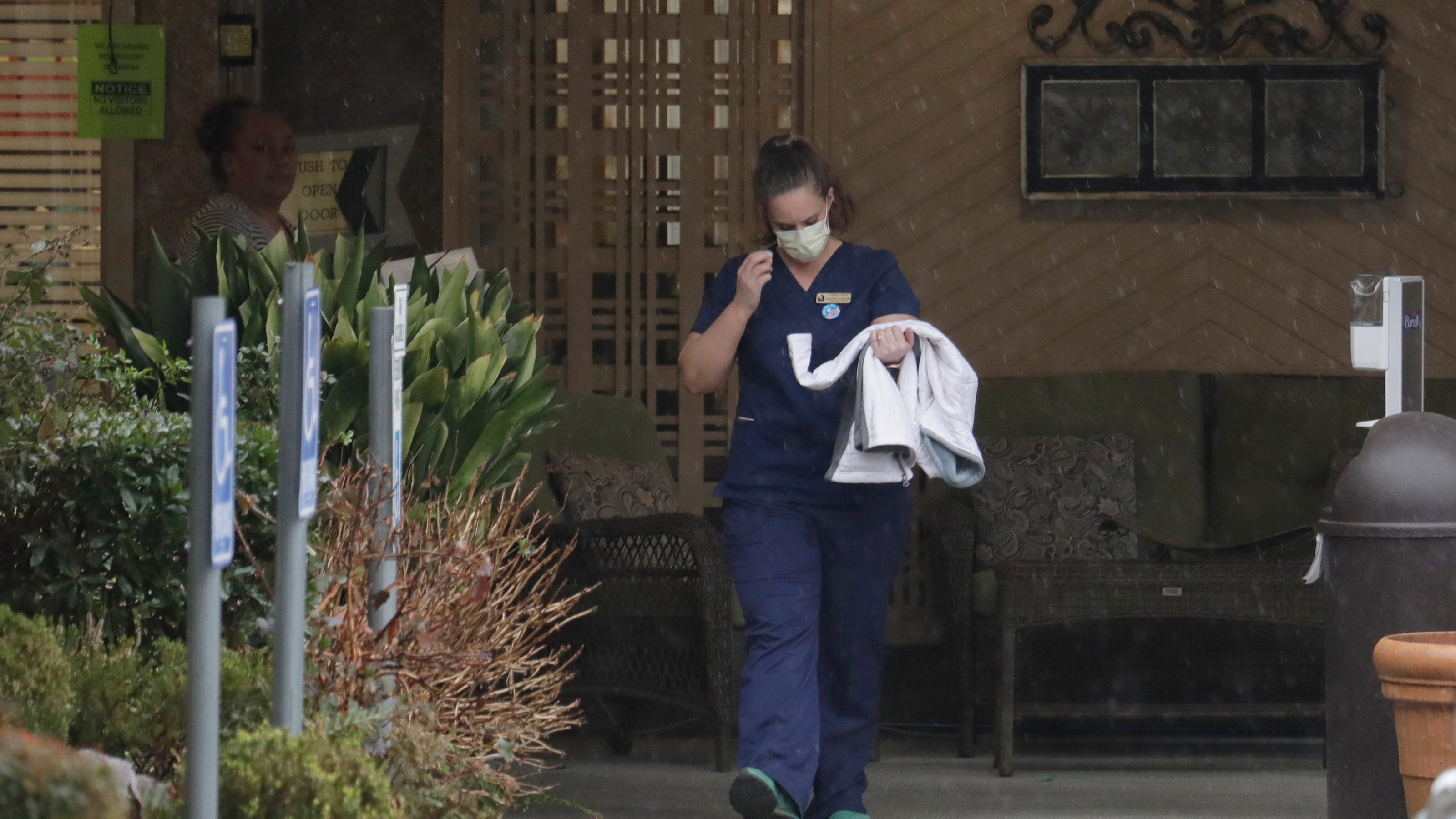
What started in China with the world watching, now has the globe’s full attention as some countries are locking down borders and advising residents to prepare for the worst. In America, leaders are urging caution and hoping to ease anxiety among the population. The number of coronavirus cases across the nation surged to more than 100 on Tuesday with six deaths blamed on the outbreak. That doesn't mean it's time to panic, said Surgeon General Jerome Adams. “Caution, preparedness, but not panic,” he said. That message was echoed at the White House, where Vice President Mike Pence confirmed "four additional fatalities" in Washington state Monday but stressed again that the risk "remains low" according to experts who are working with the Trump administration's newly formed coronavirus task force. There are more than 40 "domestic cases," mostly in California and Washington state, Pence said, and even more cases of people who came from other countries. However, as Covid-19 creeps closer to pandemic levels, there’s a lot of information out there, and not all of it is accurate. So, if you’re a journalist covering the progressing story – let Manhattanville College help ensure you get the right information and facts for your stories. Manhattanville College Professor Anna Yeung-Cheung is a biologist, virologist and infectious disease expert and has a lot of insight and experience with infectious diseases and Covid-19. When asked recently by Slate.com how Coronavirus can kill a young doctor if the risks are primarily to older people and small children, Professor Yeung Cheung said it was due to the repeated exposure because of his profession. “It’s a dosage thing,” explained Anna Yeung-Cheung to Slate.com. “Health care workers are exposed to far more people, often pretty sick people, than the average person, and therefore stand to come in contact with higher levels of the virus. A lot of virus can still overwhelm a healthy immune system.” Originally from Hong Kong, Professor Anna Yeung-Cheung received her B.S. from National Taiwan University and her M.S. and Ph.D. degrees from the University of Georgia. Dr. Yeung-Cheung is available to comment on global pandemics and where we are now with Covid-19. Simply click on her icon to arrange an interview today.


It’s here and it’s time America got serious about Covid-19, known as coronavirus. The CDC is working overtime, and leading government health officials are scrambling to ensure hospitals are equipped, front-line health providers are ready and the public is informed. But with any emergency, there comes the risk of misinformation and unnecessary worry. As the new coronavirus outbreak becomes an ever-looming threat in the United States, state infectious disease specialists say the first step to staying safe is this: Remain calm. Also, don’t worry about buying a mask. “You really have to make sure you get the accurate information and not … ‘Lock your doors, close the windows, buy a generator and hope for the best,’” said Dr. Peter Gulick, an infectious disease expert at the Michigan State University's College of Osteopathic Medicine and director of the MSU Internal Medicine Osteopathic Residency program. That’s not only alarmist and bad advice, he said, it’s a waste of energy. The best advice — like these tips from the U.S. Centers for Disease Control and Prevention — is tried-and-true, Gulick said: Wash hands often with soap and water for at least 20 seconds. It’s especially important after using the bathroom, before eating, and after blowing your nose, coughing or sneezing. No soap and water? Use an alcohol-based hand sanitizer with at least 60 percent alcohol. Avoid touching your eyes, nose and mouth with unwashed hands. Avoid close contact with people who are sick. If you’re sick, stay home. Cover your cough or sneeze with a tissue, then throw the tissue in the trash. Clean and disinfect frequently touched objects and surfaces using a regular household cleaning spray or wipe. If you think you’ve come in contact with someone with the virus (there have been no confirmed cases yet in Michigan) contact your health provider immediately. February 26 – The Bridge Regrettably, that too can often lead to financial reactions that can ripple across the economy. Lately, the surging stock market has plunged with worries from investors and Wall Street about how America’s workforce will be impacted if the virus spreads. Friday ended the worst week the stock market has had since 2008. NBC News 6 sat down with the Dean of the Broad College of Business at Michigan State University, Sanjay Gupta, to talk more about the stocks and what to expect after this week. “The stock market is clearly spooked, and it has become nervous with whatever is going on in the business world,” said Gupta. What has ‘spooked’ the business world, is COVID-19. “The coronavirus is quarantined lots of factories, in fact the whole country,” said Gutpa. Gutpa says the halt in Chinese manufacturing also limits businesses and goods here in the United States. “In our day to day lives, either there will be some things that we count on that may not be available. It might be that the priciest of those things that we count on change, or go up dramatically because we are so dependent on a foreign source,” said Gutpa. February 29 – WLNS TV Covering an outbreak like Covid-19 isn’t easy, there are multiple angles to explore and it is vital that only the correct facts are shared by media to the millions of viewers, readers and listeners that are waiting for the latest information – and that’s where our experts can help. Sanjay Gupta is the Eli and Edythe L. Broad Dean of the Eli Broad College of Business. He is an expert in the areas of corporate and individual tax policy issues and finance. Peter Gulick is currently an associate professor of medicine at Michigan State University, College of Osteopathic Medicine, and serves as adjunct faculty in the College of Human Medicine and the College of Nursing. Both experts have already been sought out by the media for their expert insight on this issue – if you are interested in arranging an interview, simply click on either expert’s profile to arrange a time today.


Entrepreneurship expert: New Americans vital to U.S. economy
In the United States, there is a long history of marginalized communities being extremely entrepreneurial. These communities were driven, in large part, by the desire to meet their own ethnic, religious, and cultural needs, according to Christine Beech, D.M., the Dr. Jon and Betty Kabara Endowed Chair in Entrepreneurship and Innovation at Saint Mary’s University of Minnesota. In the mid-19th century, more than 100 hospitals were founded by the Jewish community to fight anti-Semitism in medical school appointments and meet patient needs of having kosher options during the hospital stay.These opportunities were not available in the existing network of mainstream hospitals. Similarly, in the beginning of the 20th century, Irish Catholic immigrants began establishing a network of parochial elementary schools as a way to preserve their faith and culture and allow children to learn about their faith in school, Dr. Beech said. These two initiatives, led by immigrant groups, helped establish networks of schools and healthcare institutions that served a social good in their communities while generating jobs and stimulating the economy. In addition, there is a long line of entrepreneurs in the African-American community who combatted racial discrimination through new businesses because they were marginalized from the mainstream economy, Dr. Beech said. Examples of these entrepreneurs include Madam C.J. Walker, who invented a line of hair care products to serve the needs of her community, and Charles Clinton Spaulding, who developed the largest African-American business in the early 20th century specifically serving the insurance needs of the African-American community. In modern times, one of the largest marginalized communities in the U.S. is comprised of new Americans, many of whom are immigrants and have developed culturally responsive businesses. Although current policies are set in place to curtail U.S. immigrants, it is important to remember that the country could potentially lose an entire segment of the population that has been vital to the economy, Dr. Beech said. Beech pointed to a 2015 study from the Kauffman Foundation which mentioned that 40% of the Fortune 500 in 2010 were companies founded by an immigrant or the child of an immigrant. Nearly 30% of all new businesses started in 2014 were started by immigrants, Dr. Beech said, according to a related study from the same foundation. “We've been able to see constant growth and diversity within our economy that's been very healthy for us,” said Dr. Beech, who also serves as the executive director of the Kabara Institute for Entrepreneurial Studies at Saint Mary’s. “There's a narrative that says that the immigrant community is coming here to find work. But in fact, when we look at the data, a significant portion of them are actually creating jobs and starting businesses.” Dr. Beech added three primary reasons for these continued statistics indicating significant immigrant entrepreneurship: The drive to be independent A desire to meet their communities culturally specific needs A response to societal biases that hinder success within the mainstream workforce “Those migrant communities often develop their own businesses, almost like a subset of the economy, where they can't be marginalized, where they're actually taking charge of their own economic well-being,” said Dr. Beech. When it comes to knowing the overall impact of the immigration policies on the economy, there will be a natural lag in the data — possibly as long as five years — given how much time it typically takes for immigrants to establish businesses after arriving in a new country, Dr. Beech said. Are you a journalist covering this topic and interested in an interview? That’s where we can help. Christine Beech, D.M., has had a career that encompasses academics, entrepreneurship, military service, and consulting. She has been a faculty member in the business department at Saint Mary’s University since 2017 and is the executive director of the Kabara Institute for Entrepreneurial Studies. Before joining Saint Mary’s University, Dr. Beech owned her own consulting business in the Washington, D.C., area for many years. Before that, she worked as a corporate entrepreneur where she led the development of a multimillion-dollar business line for a global consulting firm. Dr. Beech is an expert in entrepreneurship, social entrepreneurship, and women entrepreneurs. She is available to speak with the media. To arrange an interview with her, simply click on her photo below to access her contact information.


Proposed Fracking Ban Sent to U.S. Congress
If passed, bills introduced to the United States Congress could prevent federal agencies from issuing permits for expanded and new fracking in the country. Fracking is the use of a high-pressure fluid, being forced into a well to fracture or pulverize the rock next to a wellbore, to provide a pathway for oil and natural gas to flow and collect. "It's important for people to understand what fracking is and what it is not, and having an informed public is paramount in a democratic society," says the College of Engineering’s Scott Jackson, PhD, visiting assistant professor of chemical engineering. "There is a way to assure that oil and gas wells can be safely drilled and fracked with minimal impact on the environment." Fracking—a step in completing the installation of a gas or oil well—was first done in the 1940s as part of well stimulation in "tight" rock formations. Initially, it was done only in sandstone, not the shale that most people have heard about. "It has been used for more than 70 years prior to the shale revolution without controversy," Dr. Jackson says. Fracking and directional drilling are key technologies that have made the shale revolution possible; the ability to economically extract it has only come to fruition because of fracking and directional drilling. "The U.S. is now the world's largest producer of oil and natural gas. The shale revolution has driven the switch of electricity production from coal to a more environmentally friendly natural gas," says Dr. Jackson. Fracking has been controversial, and contentions concerning cariogenic chemicals being injected into "our fresh water" have been voiced by environmentalists, activists and the general public. Dr. Jackson says there is some basis for these statements, such as that water used in fracking has mostly undisclosed chemicals in it and that some of those chemicals may be carcinogenic. Because of this, Dr. Jackson says relaxing government oversight cannot be allowed. "Enforcing existing regulations and implementing and enforcing new regulations can only assure that oil and gas wells can be drilled and fracked safely with minimal impact on the environment."
Experts in the media: Two Mary Washington Professors study selfies and self-objectification
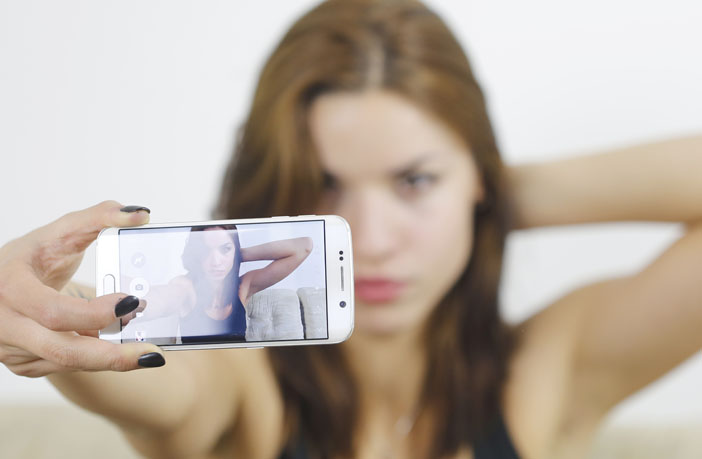
Psychological Science Professors Miriam Liss and Mindy Erchull’s research on selfie behaviors, self-objectification and depressive behaviors in women was recently published in the psychology journal, Sex Roles. Women are given the message that they are valued for their physical attractiveness above other qualities, and the study examines how self-objectification interplays with online behaviors. A study recently published in the journal Sex Roles sheds new light on the relationship between selfie behaviors, self-objectification, and depressive symptoms in women. Since women often receive the message that they are valued primarily for their physical attractiveness, the researchers were interested in exploring how self-objectification was related to online behaviors. “I have been collaborating with Mindy Erchull on issues related to objectification theory for several years. I had also begun to be interested in the effects of social media on people’s experiences and had recently taught a senior seminar on the topic,” explained the study’s lead author, Miriam Liss, a professor of psychological science at University of Mary Washington. “Mindy and I became interested in how objectification relates to experiences with social media — particularly Instagram, which is a platform that is based on posting visual images. Other studies on the topic had largely looked at how feelings of self-objectification can be a consequence of social media. We wanted to look at how self-objectification can change how one behaves when taking and posting selfies.” For their study, the researchers surveyed 164 female students from a public liberal arts university in the Southeastern United States. The survey assessed photo manipulation, average number of selfies, body surveillance, perceived social media deception, and depressive symptoms. Most of the participants reported taking 2-5 selfies before posting one to Instagram, while approximately 5 percent reported taking more than 20 on average. The researchers found that women who took a larger number of selfies before choosing one to post to Instagram tended to have higher levels of body surveillance and more symptoms of depression. PsyPost, January 12 The article and details of the study are below. If you are a journalist looking to learn more about this topic or if you are interested in speaking with Professor Miriam Liss or Professor Mindy Erchull – simply click on either expert’s icon to arrange an interview today.



Containing the coronavirus – Can it be done?
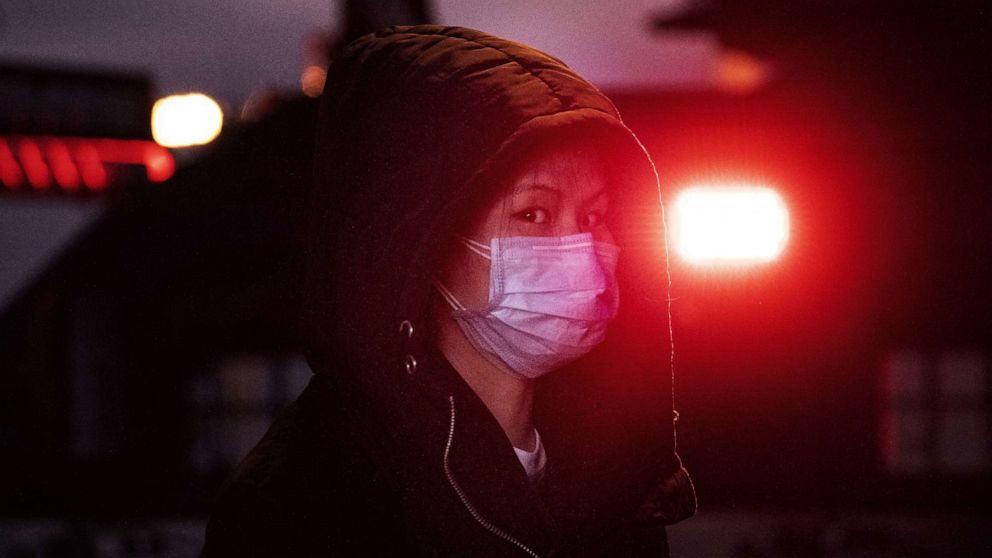
As of January 21, America had its first confirmed case of coronavirus. The virus that presents with flu like symptoms and is slowly making its way around Asia has finally found a host on American soil. The news of this has health officials scurrying and the world on edge with concerns of another SARS-like epidemic on the way. "As it stands, nearly 440 cases of the new coronavirus have been reported in China, Thailand, Japan, South Korea, Taiwan and the United States, with the overwhelming majority in China. All cases reported internationally were exported from Wuhan. Nine deaths have been reported in Wuhan. What should I know about the cornonavirus case in the U.S.? The first case of coronavirus reported in the U.S. is in a patient in his 30s from Washington state, the CDC said Tuesday. Laboratory testing at the CDC in Atlanta confirmed the patient was infected with it. He's currently hospitalized, in good condition, health officials in Washington said. Although the patient had traveled to Wuhan, he said did not visit the market at the center of the outbreak." January 21 - ABC News As this story develops, there remains a lot of questions to be asked getting the right information and facts will be essential given this is a matter of public health and concern. How is the virus transmitted? Can we expect more cases to appear on U.S. soil? Is there a vaccine and are there any preventable actions people can take? And, can health authorities stop the spread of Coronavirus before it becomes an epidemic? If you are a journalist covering this topic – that’s where our experts can help. Dr. Jose Vazquez is an expert in the realm of infectious diseases. He studies and treats infectious diseases, including antibiotic-resistant superbugs and fungal infections. A leader in his field and a go-to expert for media regarding this topic, Dr. Vasquez is available to speak with media regarding Immunization Awareness Month. Click on his icon to arrange an interview.



By early afternoon Friday, the Centers for Disease Control and Prevention had confirmed a second case of the new coronavirus on American soil. With cases now being detected in Europe and across Asia, the world is watching and worrying about the potential spread of this dangerous virus. There are 63 cases being monitored in the U.S. that stretch across 22 states, including the first patient in Washington state and the new case in Illinois, said Dr. Nancy Messonnier, director of the National Center for Immunization and Respiratory Diseases. Officials said the new patient, a woman in her 60s, is doing well and is in stable condition. She remains isolated in a hospital as a precaution, U.S. health officials said on a conference call with reporters. The Illinois patient traveled to China in late December and began experiencing symptoms when she returned to the U.S. last week, officials said. She did not have symptoms while flying, they said. “She was not symptomatic when flying. And based on what we know now about this virus, our concern for transmission before symptoms develop is low, so that is reassuring,” Dr. Allison Arwady, Chicago’s public health commissioner, said on the call. January 24 – CNBC As this story progresses – there are a lot of questions journalists are asking. How is this virus spread? How worried do Americans need to be about the coronavirus? Are there warning signs or methods to prevent the spread? And how far away are we from a vaccination? If you are a journalist covering this developing issue – let our experts help. Dr. Jian Zhang has worked with the Chinese Centers for Disease Control and Prevention, and the World Health Organization prior to moving to the United States. He obtained a Doctorate in Public Health from the Arnold School of Public Health, University of South Carolina before he joined the faculty of Jiann-Ping Hsu College of Public Health at Georgia Southern University. He is available to speak with journalists regarding the coronavirus and its origins and its potential to spread across America – simply click on his icon to arrange an interview.



The three-way tug-of war between China, Canada and the United States
It’s a court trial in coastal Vancouver Canada that has gathered the attention of international media and plunged trade talks and international relations between America, China and America into tension, tariffs and a tug-of-war over one Chinese executive accused of fraud in in the United States. Here’s brief background courtesy of BBC: The Story in 100 Words Why is the US targeting Huawei, one of the world's largest smartphone makers, and executive Meng Wanzhou? Authorities claim they misled the US government about the company's business in Iran, which is under US economic sanctions. The US is also pursuing Huawei and Ms Meng in criminal charges including bank fraud and theft of technology. Both reject the claims. US officials want Ms Meng extradited from Canada to face the charges. Her arrest caused a diplomatic dispute between China and the US and Canada. The case against Huawei also comes as Western nations grow increasingly concerned about a possible spying risk related to the widespread adoption of the company's technology. So, is there any diplomatic resolution? What will happen if Meng Wanzhou is extradited to the United States? What will happen if she can return to China? Is Canada in a no - win situation? There are a lot of questions – and that’s where our experts can help. Dr. Glen Duerr's research interests include comparative politics, and international relations theory. Glen is available to speak to media regarding this topic– simply click on his icon to arrange an interview.

