
Experts Matter. Find Yours.
Connect for media, speaking, professional opportunities & more.

Researchers seek to apply nanoparticle drug delivery to coral wound healing
Coral reefs are the foundation of many aquatic ecosystems and are among the ocean’s most vulnerable inhabitants. While natural processes, like animal predation and storms, frequently damage coral, man-made causes, like ship collisions and global warming, destabilize these environments beyond their ability to recover. Researchers like Nastassja Lewinski, Ph.D., associate professor of chemical and life science engineering, are working to understand how corals heal in order to aid the restoration of these fragile ecosystems. They also seek partnerships with stakeholders that can support coral preservation by applying this research to industry practices and providing funding for continued research. “Coral ecosystems are vital to human life,” Lewinski said, “When there’s a high-intensity storm, reefs can absorb the impact and reduce the damage we see on land. They’re also important to the aquatic food web and serve as the foundation to many foods we eat.” Discovering the limits of coral healing is part of Lewinski’s work. Ideal water temperature for coral is 25 degrees Celsius, so research is conducted at the ideal temperature and elevated temperatures of 28 to 31 degrees Celsius, the projected water temperatures influenced by global warming. Successive imaging of wound closure in these conditions builds an understanding of the rate of closure during healing. “We’re looking to understand the mechanics of healing,” Lewinski said, “Some of what we’ve found suggests a process similar to human healing. We want to understand the actors in this process at a cellular level and what their role is in repairing tissue.” These observations inform the mathematical, cell-based wound healing model developed by Lewinski’s collaborators, Angela Reynolds, Ph.D. and Rebecca Segal, Ph.D., both professors in the Department of Mathematics and Applied Mathematics in VCU’s College of Humanities and Sciences. Similar to humans, corals have been documented as following the same four stages of the healing process. These stages include: 1) coagulation to close the site of injury, 2) infiltration with immune cells to ward off infection, 3) cell migration and proliferation and 4) scar remodeling. “With our observations and a mathematical model, the next step is to collect data on the cellular dynamics of the healing process,” Lewinski said, “We want to observe what kinds of cells enter the wound area and what functions they perform during healing.” Fluorescent tagging is used to mark specific cells so they may be observed entering the wound area when healing occurs. Because corals are naturally fluorescent, the selection of the fluorescent tags must take this into account. Phagocytic properties allow immune cells to engulf and absorb bacteria and other small cells, in this case the fluorescent particles being used to tag immune cells. Nutritional variables are also being considered within the experiment. Corals derive energy from consuming small organisms and their symbiotic relationship with algae colonies. Modifying nutritional balance in the lab emulates the coral’s participation in the food web, where accessibility to vital nutrients could impact healing. Developing a nanoparticle drug-delivery system designed to deliver molecules to speed wound healing is the culmination of this research. Lewinski hypothesizes the delivery system would promote an energy-burning state within the corals that could result in increased healing. This is among a few examples of harnessing nanotechnology for safeguarding coral reefs, which are discussed in a recently published comment in Nature Nanotechnology. “The research we’re doing on wound healing in corals is the start of something bigger,” Lewinski said. “Our goal is to create a center dedicated to engineering new technologies for corals. We want to find partners who can translate our research findings to practice, helping preserve coral reefs and the vital resources they provide.” Through this consortium, newly-developed science can be disseminated more effectively within each partner’s respective industry. The result: a renewed commitment to aquatic sustainability and the protection of vital coral ecosystems.


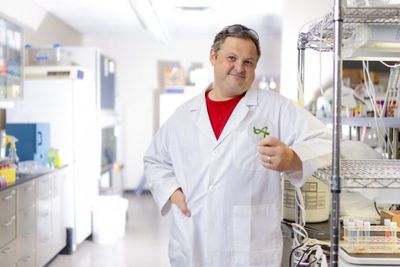
Florida Tech Scientist to Study Deep-Space Agriculture After Planetary Society Grant Award
No matter where humans travel, sustenance remains a necessity. Finding a bite to eat during a visit to New York, for example, is no problem. When the destination is a bit farther away, such as Mars, the options are not as plentiful there or on the long journey to get there. That’s where Florida Tech’s Andrew Palmer comes in. He and other scientists are exploring ways to feed our explorers, and a new competitive grant from the Planetary Society will fund work that examines the two most likely ways to produce food during travel to these far-flung spots: in soil or something like soil, or in water. Palmer and his team were awarded a $50,000 Science and Technology Empowered by the Public (STEP) grant, the Planetary Society recently announced. Their project: “Evaluation of food production systems for lunar and Martian agriculture.” For the next year, they will grow radish microgreens, lettuce and tomatoes in identical environmental conditions with one major exception: one batch will be grown hydroponically, and another will be grown in regolith – like lunar or Martian soil. The aim of the experiment is to characterize and compare the two methods, both of which have merits and shortcomings. “It may be that a combination of these approaches, tailored to the diverse needs of different crops, is the best way to provide sustainable and productive agriculture,” Palmer said. “Until now, there have been no direct comparison studies between hydroponic and regolith-based systems for any crop targeted for space applications. We are excited to address this knowledge gap.” The team, which includes experts in plant physiology and biochemistry as well as space agriculture and systems efficiency analysis, will test their hypothesis that faster growing crops like microgreens will be better suited for hydroponic systems even in the long term, while slower-growing crops like tomatoes may favor a regolith-based production system. Palmer and his co-investigator, Rafael Loureiro from Winston-Salem University, are joined by collaborators J. Travis Hunsucker and Thiara Bento from Florida Tech, Laura E. Fackrell at the Jet Propulsion Laboratory and Jéssica Carneiro Oliveira at Universidade Federal do Estado do Rio de Janeiro, Brazil. Care to delve a little deeper? Palmer and a second STEP grant recipient, Dartmouth College professor Jacob Buffo, spoke to the Planetary Society senior communications advisor Mat Kaplan about their respective projects. The segment with Palmer begins at the 23:57 mark and the piece is linked above. Looking to know more about what it will take to feed our deep-space explorers? Then let us help with your questions and coverage. Dr. Andrew Palmer is an associate professor of biological sciences at Florida Tech and a go-to expert in the field of Martian farming. He is available to speak with media regarding this and related topics. Simply click on his icon now to arrange an interview.


UF astrobiologist partakes in her second NASA mission to Mars
By Halle Burton NASA’s Mars Perseverance rover mission is no easy task, yet its distinguished team has discovered signs of organic molecules, containing chemicals known for making life possible on Earth. One of these long-term planners is University of Florida astrobiologist, Amy Williams. “Organics make up life as we know it,” Williams said. “Seeing organic carbon on Mars sets us up to understand if the building blocks for life were present on the planet in the past through the lens of how life evolved on Earth.” Williams and the Perseverance team were published in November’s Science magazine for their organic molecules analysis, after finding numerous organic carbons on the Jerezo crater floor. Through NASA’s Jet Propulsion Laboratory, Perseverance is studying the crater with collected rock samples planned to be sent to Earth during the Mars Sample Return mission. Upon further research and testing on Earth, these rocks could determine compelling evidence of past life on Mars. Several of the rock samples indicate altercations by water, making scientists propose that a water-infused Mars could have supported ancient life. The Jerezo crater itself serves as an intriguing site to study past life on the terrestrial planet. The creation of the crater implies Mars contained a primitive river streaming into a lake billions of years ago. Now, Williams is no stranger to working with the detection of organic molecules on Mars. In 2015, she worked with the Curiosity rover which also found organic carbon on the inner planet. With her work diversified on the Perseverance team, evidence is closer than ever to proving the omnipresence of organic carbon on Mars. “Seeing a consistent story is always reassuring as a scientist,” Williams said.


/cloudfront-us-east-1.images.arcpublishing.com/tgam/D42Y2GTGHREBRIZEWNRMJB5Y3U.jpg)
Going green: Solar and wind power remain the best alternatives to fossil fuels
Find video for use here. In the U.S., more and more individuals, and even corporations, are making it a priority to go green in an effort to reduce the nation's dependence on fossil fuels. Studies have proven carbon dioxide is a main contributor to human-caused climate change, so we're tapping into natural elements more often to reduce the use of fossil fuels. From solar farms to solar panels on houses and wind turbines, it’s tough not to find efforts to go green, and that’s a move in the right direction, according to Jessica Reichmuth, PhD, professor in the Department of Biological Sciences in the College of Science and Mathematics at Augusta University. She said we’re heading in the right direction, but more can be done. “We are taking the right steps, but I’m not sure if we will be entirely able to be green energy, but we definitely need to be more green than we are today,” said Reichmuth. “Fossil fuels will eventually run out and are a non-renewable resource.” Homeowners and municipalities are tapping into solar panels most often as a green resource. Some concerns include the costs involved and the fact that in most cases, the panels are permanently attached to a house. Reichmuth points to California as an example of a state trying to ease that burden. Some people who are moving into rental houses and know they aren’t going to be there for a long period of time can have a company attach removable panels. There are other companies jumping into the business of leasing solar panels as well. Even small panels the size of a binder located in a backyard can make a big difference in producing a noticeable amount of electricity. These are great steps, said Reichmuth, but more progress can still be made. “We are at a point within society with green technology that we know and understand how to make solar panels, the infrastructure is there to support them, we just need a movement to get them so they’re used everywhere,” Reichmuth said. Wind turbines remain a big source of discussion. Yes, they provide an alternative electric source, but at what cost? A big negative is the possibility of bird strikes. “Birds will learn to navigate around wind turbines. They are not built in a way that they are impervious to long-distance migration.” Hydroelectricity and geothermal energy are two other green sources of energy. There are not a lot of areas in the U.S. that offer geothermal resources, and as far as hydroelectricity goes, there’s still concern in Reichmuth’s eyes. “I think it would be great to see if dams are going to be used for hydroelectricity, but not as a water containment system. There are portions of the U.S., especially in the southwest, that are dealing with water issues because we have dammed them. Hydroelectricity is good if the dam is used specifically for that purpose and not water containment.” Renewable energy, cost savings and ESG are top of mind for corporations, governments and populations as we look to the future, and if you're a journalist covering this topic, then let us help. Jessica Reichmuth is available to speak with media. Simply click on her icon now to arrange an interview today.


Aston University and asbestos consultancy to use AI to improve social housing maintenance
• Aston University and Thames Laboratories enter 30-month Knowledge Transfer Partnership • Will use machine-learning and AI to create a maintenance prioritisation system • Collaboration will reduce costs, emissions, enhance productivity and improve residents' satisfaction. Aston University is teaming up with asbestos consultancy, Thames Laboratories (TL) to improve efficiency of social housing repairs. There are over 1,600 registered social housing providers in England, managing in excess of 4.4 million homes. Each of these properties requires statutory inspections to check gas, asbestos and water hygiene, in addition to general upkeep. However, there is not currently a scheduling system available that offers integration between key maintenance and safety contractors, resulting in additional site visits and increased travel costs and re-work. Aston University computer scientists will use machine-learning and AI to create a maintenance prioritisation system that will centralise job requests and automatically allocate them to the relevant contractors. The collaboration is through a Knowledge Transfer Partnership (KTP) - a collaboration between a business, an academic partner and a highly-qualified researcher, known as a KTP associate. This partnership builds on the outcomes of TL’s first collaboration with Aston University, by expanding the system developed for the company’s in-house use - which directs its field staff to jobs. The project team will improve the system developed during the current KTP to enable it to interact with client and contractor systems, by combining an input data processing unit, enhanced optimisation algorithms, customer enhancements and third-party add-ons into a single dynamic system. The Aston University team will be led by Aniko Ekart, professor of artificial intelligence. She said: “It is a privilege to be involved in the creation of this system, which will select the best contractor for each job based on their skill set, availability and location and be reactive to changing priorities of jobs." TL, based in Fenstanton, just outside Cambridge, provides asbestos consultancy, project management and training to businesses, local authorities, social housing and education facilities, using a fleet of mobile engineers across the UK. John Richards, managing director at Thames Laboratories, said: “This partnership will allow us to adopt the latest research and expertise from a world-leading academic institute to develop an original solution to improving the efficiency of social housing repairs, maintenance and improvements to better meet the needs of social housing residents.” Professor Ekart will be joined by Dr Alina Patelli as academic supervisor. Dr Patelli brings experience of software development in the commercial sector as well as expertise in applying optimisation techniques with focus on urban systems. She said: “This is a great opportunity to enhance state-of-the-art optimisation and machine learning in order to fit the needs of the commercial sector and deliver meaningful impact to Thames Laboratories.”

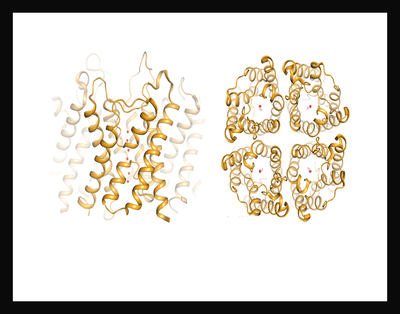
• Leading scientist wins €2.2 million ERC Advanced Grant • The five-year project will explore early dementia interventions through understanding how an aquaporin water channel regulates glymphatic clearance • ERC Advanced Grant funding is amongst the most prestigious and competitive of the EU funding schemes. A world leading scientist in the College of Health and Life Sciences at Aston University has been awarded a €2.2 million ERC Advanced Grant to understand how the movement of a protein known as aquaporin-4 in the brain can help slow cognitive decline. The FORTIFY project, which will run for five years, is led by Professor Roslyn Bill in the School of Biosciences. She will apply her discovery of the movement of aquaporin-4 to understand how the cleaning mechanism in the brain works during sleep. The research will focus on how aquaporin-4 controls the glymphatic system, which is the mechanism that allows us to clear waste products from our brains while we sleep. Her hypothesis is that the movement of aquaporin-4 in the brain changes the effectiveness of this cleansing mechanism - which lessens as people age. A greater understanding of this process could lead to an early intervention treatment that could slow the onset of dementia, such as Alzheimer’s and Parkinson’s Diseases. ERC Advanced Grant funding is amongst the most prestigious and competitive of the EU funding schemes, providing researchers with the opportunity to pursue ambitious, curiosity-driven projects that could lead to major scientific breakthroughs. Professor Bill said: “Every three seconds someone in the world develops dementia and there is no cure. I want to stop that from happening. By understanding the molecular mechanisms of brain waste clearance, we have an opportunity to develop medicines that can slow the onset of dementia, very much in the same way that statins are prescribed to control heart disease”. Roslyn Bill discovered that the water channel protein aquaporin-4 increases the permeability of brain cells to water after a brain or spinal cord injury. Around 60 million people a year suffer such injuries following falls or accidents. For example, after a skiing accident in the French Alps in 2013, Michael Schumacher suffered a severe head injury. He was placed in a medically induced coma and underwent several surgeries to treat his injuries. Until now doctors have only been able to manage the symptoms of brain injury (swelling on the brain) through interventions that may require surgery. Professor Bill and her team are due to start clinical trials in summer 2023, to test a method to stop the swelling from happening in its tracks, building on her discoveries. Roslyn’s new ERC-funded project, FORTIFY, will focus on how aquaporin-4 controls fluid flow in the healthy, uninjured brain. In this round of Advanced Grants, the European Research Council (ERC) is awarding €544 million to 218 outstanding research leaders across Europe, as part of the Horizon Europe programme. The grants will support cutting edge research in a wide range of fields, from medicine and physics to social sciences and humanities. The grant is awarded to established, leading researchers with a proven track-record of significant research achievements over the past decade. The funding will enable the researchers to explore their most innovative and ambitious ideas. Mariya Gabriel, European Commissioner for Innovation, Research, Culture, Education and Youth, said: “ERC grants are a top recognition and a significant commitment from our best researchers. The €544 million funding puts our 218 research leaders, together with their teams of postdoctoral fellows, PhD students and research staff, in pole position to push back the boundaries of our knowledge, break new ground and build foundations for future growth and prosperity in Europe” Maria Leptin, ERC President, added: "These new ERC Advanced Grantees are a testament to the outstanding quality of research carried out across Europe. I am especially pleased to see such a high number of female researchers in this competition and that they are increasingly successful in securing funding. “We look forward to seeing the results of the new projects in the years to come, with many likely to lead to breakthroughs and new advances.”

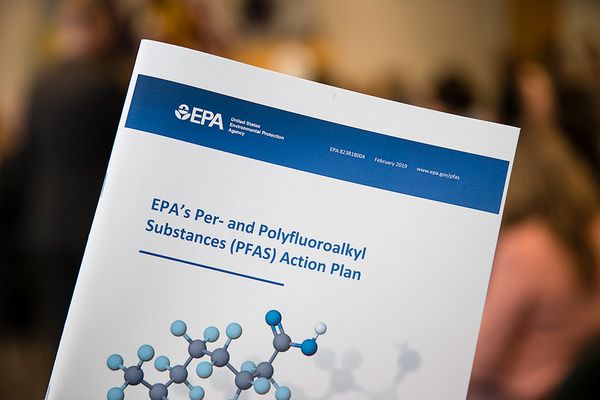
UCI expert: federal standards of chemicals in country's waterways
The Biden Administration announced today that they are prepared to finally set federal standards on the amount of PFAS chemicals in the country’s waterways. This is long overdue oversight into regulating chemicals, specifically perfluoroalkyl and polyfluoroalkyl substances, which when exposed to can cause debilitating, deadly diseases, and conditions such as cancer, liver damage, fertility and thyroid problems, asthma and more. For an expert source on this breaking news, Scott Bartell, MS, PhD, UC Irvine professor of environmental and occupational health, is available for interviews. For the past 25 years, Bartell has dedicated his research to quantifying human exposures and health effects caused by environmental contaminants such as PFAS – specifically the presence and epidemiology of PFAS in U.S. water sources. He is also the lead researcher on a study surveying Orange County, Calif. residents to find a link between PFAS and adverse health effects. To reach Prof. Bartell, reach out to Brianna Aldrich at brianna.aldrich@uci.edu or 760-809-5193.


#Expert Research: New National Science Foundation and NASA-Funded Research Investigates Martian Soil
Studies have shown crops can grow in simulated Martian regolith. But that faux material, which is similar to soil, lacks the toxic perchlorates that makes plant growth in real Red Planet regolith virtually impossible. New research involving Florida Tech is examining how to make the soil on Mars useful for farming. Andrew Palmer, co-investigator and ocean engineering and marine sciences associate professor, along with Anca Delgado, principal investigator and faculty member at Arizona State University’s Biodesign Swette Center for Environmental Biotechnology, and researchers from the University of Arizona and Arizona State University, are participating in the study, “EFRI ELiS: Bioweathering Dynamics and Ecophysiology of Microbially Catalyzed Soil Genesis of Martian Regolith.” This National Science Foundation and NASA-funded project will use microorganisms from bacteria to remove perchlorates from Martian soil simulants and produce soil organic matter containing organic carbon and inorganic nutrients. Martian regolith contains high concentrations of toxic perchlorate salts that will impede plant cultivation in soil, jeopardizing food security and potentially causing health problems for humans, including cancer. Researchers will look at different bacterial populations and how well they are able to process and break down the perchlorates, as well as what kind of materials they produce when they do. They’ll also look at different temperatures and moisture conditions, as well as in the presence or absence of oxygen. Students in the Palmer Lab will receive the simulants after this process, try to replicate it, and then test how well the perchlorate-free regolith is able to grow plants. A challenge the researchers face is how they remove the toxic salts, as well as if they can remove all of them. Palmer cautioned that the possibility that removing the perchlorates does not necessarily mean the regolith is ready for farming. “You can’t make the cure worse than the disease, so we have to be ending up with regolith on the other side that’s better than when we started,” Palmer said. “We can’t trade perchlorates for some other toxic accumulating compound. Just because we’re removing the perchlorates doesn’t necessarily mean that we’re going to make the regolith better for plants. We might just make it not toxic anymore. How much does it improve is really what we’re trying to figure out.” Even without perchlorates, there are significant challenges to growing crops in Martian soil. While researchers have grown plants in simulated regolith, the regolith is not good for plant growth, as in addition to a lot of salts, it has a high pH and is very fine, which means it can ‘cement’ when wet, suffocating plant roots. Being able to grow in the soil instead of using hydroponics could also provide a more efficient, cost-effective solution. “There is always the option of hydroponic growth of food crops, but with a significant distance to Mars and the lack of readily available water, we need a different kind of plan,” said ASU’s Delgado. “If there is a possibility to grow plants directly in the soil, there are benefits in terms of water utilization and resources to get supplies to Mars.” Some of the microbial solutions the team is proposing could also help with studies of soils on Earth. “The best soils for agriculture on earth, they were taken up decades ago, and so now we’re trying to farm on new land that’s not really meant for agriculture, if you think about it,” Palmer said. “So, as we think about ways to convert it into better soil, I think this research helps teach us how to do that, but it also inspires.” The research will also allow Florida Tech students to get hands-on space agriculture experience. “We’re going to be training the grad students and the undergraduates who are going to be the researchers who take on those new challenges, so I think one of our most important products are going to be the students we train,” Palmer said. “We’ll deliver Mars soil, but we also deliver, I think, a future group of researchers.” If you're a reporter looking to know more about this topic - then let us help with your coverage. Dr. Andrew Palmer is an associate professor of biological sciences at Florida Tech and a go-to expert in the field of Martian farming. Andrew is available to speak with media regarding this and related topics. Simply click on his icon now to arrange an interview today.

Are butter boards bad for you? An expert view on the latest food trend
In an unexpected twist, butter seems to be back on the menu. After years of being a maligned ingredient that many people shied away from, butter has now become the latest food trend on social media, thanks to the recent popularity of “butter boards”. These are sort of the meat-free equivalent of a charcuterie board. Butter is whipped then spread onto a chopping board, sprinkled with a variety of toppings – from sweet to savoury – and served with an accompaniment of choice (such as bread or a toasted baguette). But although they may be delicious, butter is still full of saturated fat – which many of us know can be harmful to our health. Here’s what you may want to consider before whipping up a butter board of your own. Is butter really that bad? Butter is made from cream, the fat-rich part of milk. While it’s usually made from cow’s milk, it can also be made from other milks such as goat milk. The reason that butter has been seen as a no-go for so many years is because it’s one of the ultimate sources of saturated fat. Butter contains around 80% fat, of which about two-thirds is saturated fat. It contains little else nutrient-wise. Saturated fats should be avoided in large amounts as they’re linked with many health problems, including heart disease and shorter life expectancy. Clinical trials have also shown that saturated fats can have an negative effects on blood cholesterol levels. When it comes to butter on its own, it appears that eating it has a relatively small or neutral effect on the risk of heart disease. But research that compared butter to olive oil (another source of saturated fat) found that butter can increase levels of LDL cholesterol, which is sometimes called “bad” cholesterol as it’s linked to greater risk of heart disease. But the majority of the butter many of us consume in our diets comes from other foods such as biscuits, cakes and pastries. Alongside butter, these foods tend also to contain high amounts of sugar, while being low in other nutrients. High intakes of these types of foods is also linked with greater risk of heart disease. Overall, sharing a butter board with friends every now and then is unlikely to cause much harm to your health. But doing it often, or eating very large quantities, could raise cholesterol levels and increase your risk of cardiovascular disease somewhat. It’s also worth bearing in mind what toppings you serve your butter board with. Certain foods (such as processed or cured meats) also contain saturated fats, and should only be enjoyed occasionally. Butter alternatives Since butter is very calorific and fat-rich, some people may want to look at using butter alternatives for the base of their butter board. The first substitute many people might look to is margarine. Margarine is chemically very similar to butter. Depending on the product though, it only contains around 40%-70% fat, making it a lighter alternative with a possibly similar taste. In the past, the processes needed to make margarine solid resulted in the production of trans fats, which have been linked to increased risk of heart disease. But these processes have since been improved so margarine no longer contain trans fat. So it may be a good option for people wary of the amount of fat they consume. Another alternative people may look at using is ghee, also sometimes known as clarified butter. A staple of Indian cooking, this is still made from milk, but the fat is much more concentrated as most of the water has been simmered away. This means it won’t have the same creamy texture as butter. Grass-fed ghee is as rich in saturated fats as butter. It also contains naturally produced trans fats. However, these trans fats are different to the industrially produced types which are bad for our health. But since ghee contains more calories than butter, it may not be the best choice for a butter board, especially if you’re looking for the best flavour. Cultured butter may also be a choice for your butter board. This is made from cream which has been fermented like yoghurt. However, no research to date has looked at whether the probiotics in cultured butter provide the same health benefits as those in yoghurt and other fermented foods. Nutrition-wise, it contains the same amount of fat and calories as regular butter. All in all, butter is not bad. But since it’s very high in calories and cholesterol, you may want to try not to have too much. Sharing a butter board with some friends or loved ones every now and again is unlikely to have any long-term negative impact on your health.


Expert Perspective: UC Irvine's David Feldman on 'How to address the American megadrought?'
With the American West suffering from its worst megadrought in 1,200 years, and the Mississippi River as its lowest levels in recent history, water resource management is key to the America’s future. It’s a political challenge as much as a climate change mitigation one. UCI Water’s director David Feldman studies how water is allocated and distributed, and the difficulties in achieving institutional reform to promote equity in water management in the U.S. and elsewhere. He specializes in water resources management and policy, global climate change policy, ethics and environmental decisions, adaptive management, and sustainable development. Recently, David was featured on the UCI podcast to talk about this issue. If you're a journalist looking to cover this important topic - then let our experts help with your stories. David Feldman is a professor of Urban Planning & Public Policy and Political Science, Director of Water UCI. He is an expert in the areas of water resources management and policy, global climate change policy, ethics and environmental decisions, adaptive management, and sustainable development. David is available to speak with media - simply click on his icon now to arrange an interview today or call Tom Vasich with UCI media relations at 949-285-6455.
