
Experts Matter. Find Yours.
Connect for media, speaking, professional opportunities & more.

Stress Awareness Month | Media Advisory
In today's fast-paced world, stress has become a ubiquitous companion, impacting individuals across all walks of life. Stress Awareness Month serves as a crucial reminder of the importance of mental well-being and the need to address stress-related issues in our society. This event matters to the public as it sheds light on the prevalence of stress, its detrimental effects on health and productivity, and the strategies available to cope with it effectively. Key story angles that may interest a broad audience include: The science behind stress: Exploring the physiological and psychological mechanisms of stress and its effects on the body and mind. Coping strategies and resilience: Highlighting various techniques individuals can employ to manage stress, including mindfulness, exercise, and seeking social support. Stress in the workplace: Investigating the impact of work-related stress on employee well-being and productivity, along with initiatives by companies to create healthier work environments. Stress among different demographics: Examining how stress manifests differently across age groups, genders, socioeconomic backgrounds, and cultures. Innovations in stress management: Covering emerging technologies and therapies aimed at reducing stress levels and improving mental health outcomes. Policy and advocacy: Discussing the role of governments and organizations in implementing policies and programs to alleviate stress and promote mental wellness. Connect with an Expert on Stress For journalists with questions or looking to cover Stress, its causes and how it impacts people, here is a select list of experts on stress. To search our full list of experts visit www.expertfile.com Claire Wheeler Instructor · Portland State University David Creswell Professor · Carnegie Mellon University Julian Ford, Ph.D. Professor, Department of Psychiatry · University of Connecticut Annie T. Ginty, Ph.D. Assistant Professor, Psychology & Neuroscience · Baylor University Rosalie Moscoe Owner, Spleaker, Registered Nutritional Consultant · Health in Harmony Photo Credit: Luis Villasmil


MEDIA RELEASE: Voting for the CAA Worst Roads campaign is now open
Tired of swerving around potholes? Are you worried about your safety as a cyclist or pedestrian? Voting is now open in Ontario for the annual CAA Worst Roads campaign, and CAA South Central Ontario (CAA SCO) is giving citizens the opportunity to voice their concerns about the bad roads in their communities. "Our research shows that 65 per cent of members don't feel enough is being done to fix the roads," says Teresa Di Felice, assistant vice president government and community relations, CAA SCO. "This is causing a variety of concerning driving behaviours, including swerving to avoid potholes, slowing down for bad spots, and some even changing their route altogether to avoid a bad road. We encourage all Ontarians to vote for their Worst Roads and join the community of drivers, cyclists, transit riders and pedestrians committed to improving and actively working to help make our roads safer for all." Those surveyed say they spent $852 on average to repair their vehicle. According to a survey conducted by CAA SCO, 84 per cent of members worry about the state of our roads, with 42 per cent experiencing vehicle damage due to poor roads. Despite this, 82 per cent pay out of pocket to repair their vehicles, while only four per cent file a claim with insurance, and nine per cent forgo repairs altogether. "Either because of affordability or availability, many people are holding on to their cars a little longer these days; the last thing they want is expensive repair bills on an already stretched household budget. While inflation rates are cooling, many of us are dealing with a higher cost of living, making the investment in roads and supporting infrastructure more important than ever," adds Di Felice. Vehicle damage caused by potholes can range from $500 to over $2,000, with the average repair by those surveyed costing $852. "We know that the campaign works and that decision-makers are listening. Since its inception in 2003, we have seen road repairs move up and budgets prioritized. The CAA Worst Roads campaign has been a vital platform for Ontarians to nominate and vote for roads they believe need urgent attention. It covers issues like congestion, potholes, road signs, and traffic light timing for pedestrian and cycling safety." Ontario's top 10 list is verified by the Residential and Civil Construction Alliance of Ontario (RCCAO) and their members, including the Greater Toronto Sewer and Watermain Contractors Association (GTSWCA), Heavy Construction Association of Toronto (HCAT), and the Toronto and Area Road Builders Association (TARBA). "RCCAO is a proud partner and supporter of this year's CAA Worst Roads advocacy campaign, giving Ontarians a platform to raise awareness about the state of vital road infrastructure in their communities," said Nadia Todorova, executive director of RCCAO. Nominations for the Worst Roads campaign can be submitted online at www.caaworstroads.com from March 27 to April 19. Once the nominations are collected, CAA will reveal the top 10 worst roads in the province to the public. CAA conducted an online survey with 2,753 CAA SCO Members between January 10 to 19, 2023. Based on the sample size and the confidence level (95 per cent), the margin of error for this study was +/- 2 per cent.



Cancer Diagnosis and Prevention Breakthroughs | Media Advisory
With two cancer diagnoses in the Royal family - cancer is regrettably a trending topic but also a vitally important one for everyone. In the ongoing battle against cancer, recent advancements in diagnosis and prevention offer promising avenues for both medical practitioners and the general public. With cancer being one of the leading causes of death globally, developments in this field not only hold significant importance for healthcare but also for individuals and families impacted by the disease. Here's why this matters and potential story angles: Why it Matters: Health Impact: Improved diagnostic tools and preventive measures can lead to earlier detection and more effective treatment options, potentially saving lives. Economic Implications: The economic burden of cancer treatment on individuals, families, and healthcare systems underscores the importance of preventative measures and early detection. Public Health: Addressing cancer at the diagnostic and prevention stages contributes to broader public health initiatives, reducing the overall incidence and mortality rates. Story Angles: Breakthrough Technologies: Explore innovative diagnostic technologies such as liquid biopsies or AI-driven imaging systems transforming cancer detection. Lifestyle and Prevention: Investigate lifestyle factors, from diet and exercise to environmental exposures, and their role in cancer prevention. Genetic Research: Cover advancements in genetic testing and personalized medicine, offering insights into individual risk factors and tailored prevention strategies. Access to Care: Examine disparities in access to cancer screening and prevention measures, particularly among underserved communities. Survivor Stories: Highlight stories of individuals who have benefited from early detection or preventive interventions, offering hope and inspiration. Policy and Advocacy: Discuss the role of policy initiatives and advocacy efforts in promoting cancer prevention strategies and ensuring equitable access to screening and diagnostic services. Connect with an Expert about Cancer Diagnosis and Prevention Breakthroughs For journalists seeking research or insights for their coverage about Cancer Diagnosis and Prevention Breakthroughs here is a select list of experts from our database. To search our full list of experts, visit www.expertfile.com Anna McDaniel Dean of the College of Nursing – University of Florida Jorge Cortes Director, Georgia Cancer Center – Augusta University Nicholas J. Petrelli Bank of America endowed medical director of the Helen F. Graham Cancer Center and Research Institute – ChristianaCare Katherine Reeves Professor of Epidemiology and Associate Dean of Graduate and Professional Studies, School of Public Health and Health Sciences – University of Massachusetts Amherst Nicole Onetto Deputy Director and Chief Scientific Officer – Ontario Institute for Cancer Research Photo Credit: National Cancer Institute

National Puppy Day | Media Advisory
National Puppy Day celebrates the joy and companionship that puppies bring into our lives, while also raising awareness about the importance of adoption and the welfare of our canine friends. This day is an opportunity to advocate for responsible pet ownership, highlight the plight of dogs in shelters, and encourage adoption over purchasing from breeders. With millions of homeless dogs worldwide, National Puppy Day also serves as a reminder of the human-animal bond and our responsibility to protect and care for pets. Key sub-topics include: Adoption and Rescue Stories: Heartwarming tales of puppies finding their forever homes. The Importance of Spaying and Neutering: How these practices help reduce the number of homeless pets. Puppy Care and Training Tips: Expert advice on raising a healthy, well-behaved dog. The Role of Pets in Mental Health: Exploring how pets contribute to emotional and psychological well-being. Advocacy and Animal Welfare Legislation: Updates on laws and policies promoting the protection of dogs. Celebrating the Bond Between Humans and Dogs: The myriad ways puppies enrich our lives and communities. Connect with an Expert about Puppies and Pets For journalists seeking research or insights for their coverage about National Puppy Day, here is a select list of experts from our database. To search our full list of experts, visit www.expertfile.com Jennifer Applebaum Assistant Professor · University of Florida Meghan Herron Clinical Associate Professor I College of Veterinary Medicine · The Ohio State University Julie Levy Distinguished Professor · University of Florida Nicole Dorey Lecturer · University of Florida To search our full list of experts visit www.expertfile.com Photo by Jametlene Reskp

ChristianaCare Earns National Recognition for Support of Life-Saving Organ and Tissue Donation
ChristianaCare has earned the highest level of national recognition from the U.S. Health Resources and Services Administration (HRSA) for its outstanding support of organ and tissue donation. HRSA grants the Platinum Award, its top honor, to health systems that promote donation in their workplace and community through a national campaign known as DoNation. This campaign focuses on raising awareness of the critical need for organ and tissue donors. “This recognition belongs to all the ChristianaCare caregivers, especially the critical care nurses and physicians who help with compassion and generosity in supporting the gift of life to those in need of a transplant,” said Jason Rolls, M.D., FACS, chief and surgical director of the Kidney Transplant Program at ChristianaCare. “This recognition also is a testament to the generosity of our communities, who have said ‘yes’ to organ donation.” Delaware’s Only Kidney Transplant Program Based at Christiana Hospital, ChristianaCare’s Kidney Transplant Program is the only adult transplant center in Delaware and the only one between Philadelphia and Baltimore. Since opening in 2006, the program has performed more than 400 transplants. The program also helps more than 1,000 patients each year by providing services for kidney transplant, living donation evaluation and waitlist management, as well as post-donation and post-transplant care. The program is approved by Medicare and the Organ Procurement and Transplantation Network. “The sooner we can provide kidney transplants to patients on dialysis, the better the chances to improve both the extent and the quality of their lives,” Rolls said. “Along with our clinical teams at ChristianaCare, we also are grateful to HRSA and the Gift of Life Donor Program in Philadelphia for their commitment to healing lives through the support of organ transplantation.” ChristianaCare works closely with Gift of Life Donor Program, the region’s nonprofit organ procurement organization, to support donation. ChristianaCare’s engagement and advocacy includes monthly donation council meetings, tabling events and educational sessions for its health care team. In addition, ChristianaCare holds an annual flag-raising ceremony each April as part of National Donate Life Month. “ChristianaCare and our hospital partners are vital to our life-saving mission,” said Rick Hasz, president and CEO of Gift of Life Donor Program. “In fact, ChristianaCare is one of the leading hospitals for donation in our region; its Newark and Wilmington campuses have combined to provide compassionate care and support for 50 donor heroes and their families, resulting in 120 life-saving organs for transplant for waiting patients during the first eleven months of 2023. We thank the ChristianaCare team for its outstanding commitment to saving lives through donation and caring for the health of our community.” In the United States, more than 90% of adults support organ donation, but only 60% have signed up to become donors. With a new person added to the national transplant waiting list every 10 minutes, more organ and tissue donors are needed to help save lives. Visit www.organdonor.gov to learn more about organ and tissue donation, and sign up as a donor at www.donors1.org/register.


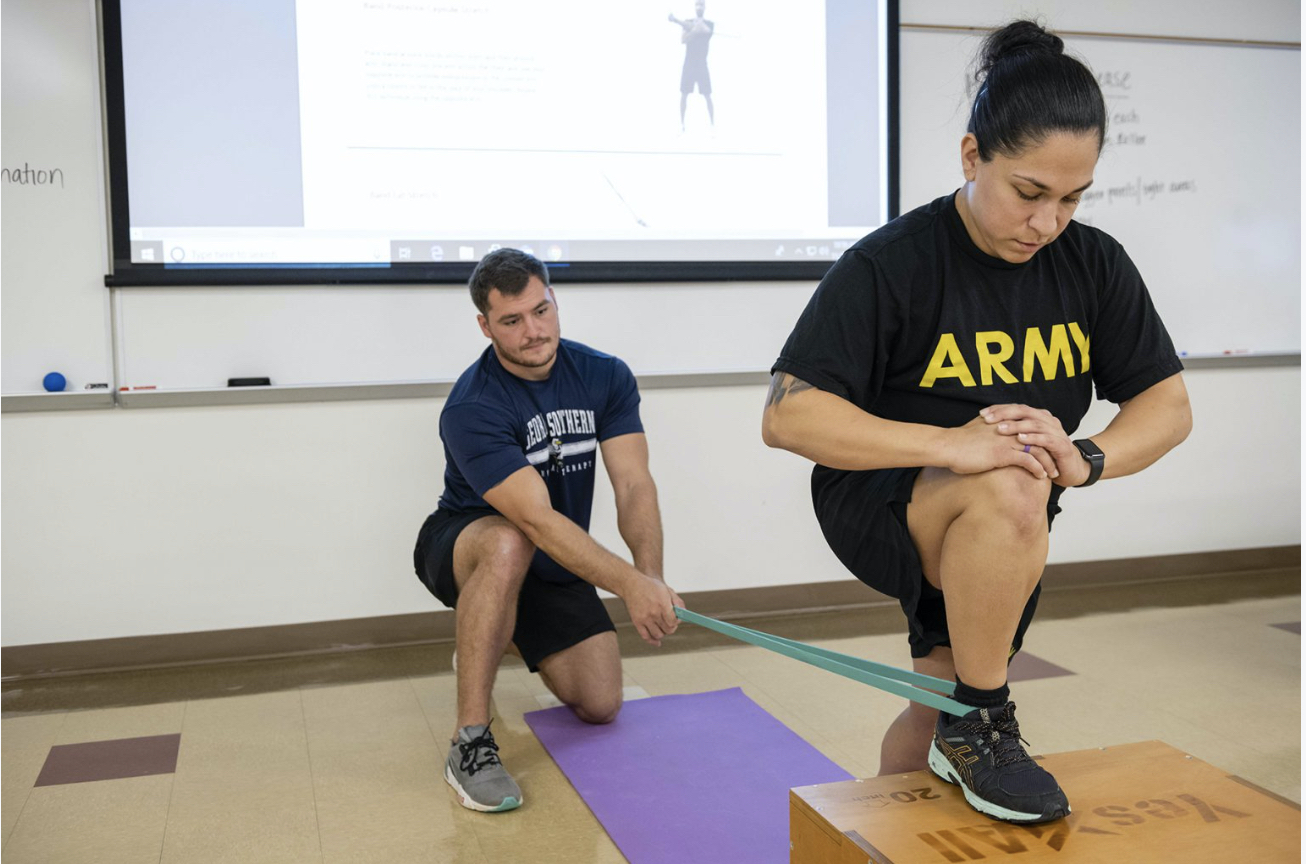
The Georgia Southern University Soldier Performance and Readiness (SPAR) program received a $1.5 million, two-year grant from the Department of Defense’s U.S. Army Medical Research and Development Command (USAMRDC). The grant will expand Georgia’s Southern research and programming capacity in injury prevention techniques that ensure force readiness for the Army. “Through this large-scale research study, Georgia Southern doctoral students have opportunities to be involved in the research process and work directly with soldiers,” said Nancy Henderson, Ph.D., assistant professor in the Doctor of Physical Therapy (DPT) program. “Additionally, the grant will fund graduate assistant positions in the Doctor of Physical Therapy program.” USAMRDC’s mission is to provide solutions to medical problems for American service members at home and abroad, as well as to the public at large. The scope of this effort and the priorities attached to specific projects are influenced by changes in military and civilian medical science and technology, operational requirements, military threat assessments and national defense strategies. Extramural research and development programs play a vital role in the fulfillment of the objectives established by the organization. Research and development funded through this are intended to benefit both military and civilian medical practices. “The grant investigates different physical training programs to identify those practices that best prevent non-combat injuries,” said Henderson. “Faculty on the research team will seek to advance the body of literature by determining the best educational models to educate soldiers on injury-prevention topics.” This is the first time that Georgia Southern will act as lead investigator on a collaborative research project with an Army research institute. However, SPAR has long been involved in multiple branches of research with community impact. “Georgia Southern has several initiatives underway to help improve the health, fitness and performance of military service members, law enforcement personnel and firefighting and rescue personnel,” said Joseph Kardouni, Ph.D., director of the Tactical Performance Group. “The Tactical Athlete Certificate (TAC) program is one of these initiatives that teaches service members exercise fundamentals to help mitigate training-related injuries. The funding coming through Medical Research and Development Command will improve evidence-based teaching methods and inform similar efforts to teach service members within this field. Leaders from health and human performance programs within the Army understand the importance of leveraging partnerships with academic institutions to work toward improving the quality of life, health and occupational performance of soldiers.” Faculty and students in the DPT program have educated soldiers on injury prevention topics since 2016 and this grant further provides students with the opportunity to assess effectiveness while learning how to improve educational methods with military service members. “This research is an important next step in delivering on the promise of the SPAR program and Georgia Southern’s close working relationship with Army research partners,” said Interim Vice President for Research and Economic Development Christopher Curtis, Ph.D. Curtis also noted that funding was made possible by the advocacy of U.S. Rep. Buddy Carter and the strong support of Georgia’s legislative delegation in Washington D.C. Interested in learning more or looking to talk with Nancy Henderson? Simply click on her icon now or Contact Georgia Southern's Director of Communications Jennifer Wise at jwise@georgiasouthern.edu to arrange an interview today.


Wilmington Hospital Emergency Department Earns Lantern Award for World-Class Excellence
ChristianaCare’s Wilmington Hospital Emergency Department is one of 53 emergency departments around the world to receive the Emergency Nurses Association (ENA) Lantern Award for 2023, recognizing the excellence of its caregivers in incorporating evidence-based practice and innovation. The ENA Lantern Award celebrates emergency departments that demonstrate exceptional leadership, practice, education, advocacy and research performance. It honors the late Florence Nightingale, who is credited as the founder of modern nursing and is referred to as the “Lady With the Lamp” for her round-the-clock care given to wounded soldiers during the Crimean War. “Every day, our caregivers bring to life the ChristianaCare values of love and excellence through the ways they care for our neighbors who come to the Wilmington Hospital Emergency Department,” said Danielle Weber, MSN, MSM, RN-BC, NEA-BC, chief nurse executive and chief nursing officer of Wilmington Hospital. “By putting the patient first and rethinking outdated models of care, we have created a better experience for patients at a time when they are often most in need. This recognition signifies the transformative effect of our commitment to being exceptional today and even better tomorrow.” Rooted in history, focused on the future Wilmington Hospital has served the community for nearly 125 years, meeting diverse medical needs and providing a safety net for people in underrepresented communities. The Wilmington Hospital Emergency Department is the second-busiest ED in the state, with 58,744 visits in fiscal year 2023. Combined, ChristianaCare’s emergency departments are ranked 12th in the United States and 7th on the East Coast in number of patient visits, according to the American Hospital Association. A highly engaged staff supports the high volume of work in the department, where nurses serve in collaborative decision-making, shared governance and nurse autonomy, “practicing in an environment of empowerment,” said ED nurse Christina Hoddinott, MSN, RN, FNP-BC, CEN, CPE, who helped work on the Lantern application for Wilmington ED. “The staff who perform the work participate in decision-making that directly affects their practice,” Hoddinott said. “When our patients walk through our emergency department doors in their unexpected and stressful moments of need, we do everything we can to see that they receive the highest level of care.” Doreen Nord, MSN, RN, CEN, NPD-BC, nurse manager for Wilmington Hospital ED, said the Lantern award reflects the greatness seen every day among its nursing caregivers. “Their commitment and compassion shine, and there is never a doubt about who is most important — our patients,” Nord said. “We are honored by this recognition, the highest available in emergency nursing.” A collaborative effort Wilmington Hospital ED and the other Lantern recipients were recognized in the Hall of Honor at Emergency Nursing 2023, ENA’s annual conference, Sept. 21-23, in San Diego, California. See the list of other award recipients here. “Each and every emergency department on this list has worked extremely hard implementing innovations to better their emergency department for staff and patients alike,” said ENA President Terry Foster, MSN, RN, CEN, CPEN, CCRN, TCRN, FAEN. “Hearing the excitement these EDs had when notified that they were a recipient was so heart-warming and reminded me of the commitment that ED nurses have to continuous improvement.” In Wilmington, the spirit of collaboration and support among caregivers creates an environment that ensures patients receive the highest level of care. Hoddinott likens her fellow caregivers to puzzle pieces — each one is dynamic and unique. “When the pieces come together, we have one big complete puzzle. We are a team that supports each other during stressful moments, happy occasions and all the in between,” she said. “Our team does not take for granted the ‘specialness’ we have here, and our patients can truly feel that when they come through our doors.”


Jacqueline Ortiz Honored for Increasing Patient Access to Interpreter Services
Fifty-eight years ago, a young man from Argentina wound up in surgery at a California hospital after stomach pains turned out to be peritonitis, a potentially life-threatening inflammation of the membrane lining the abdominal wall. He was discharged to his wife’s care, with one problem — neither the man nor his wife had any idea how to care for the open wound in his abdomen. Jacqueline Ortiz The couple did not understand the lengthy instructions delivered in English, and there was no interpreter to explain to them in their native Spanish what to expect. So, when the man tried to take a bath and discovered the gauze was stuck to his wound, he didn’t know what to do. Fear and uncertainty compounded an already stressful time. Jacqueline Ortiz wasn’t yet born when her father’s health care emergency took place, but growing up she heard the story over and over. It was more than family lore for Ortiz — it was a lesson. Ortiz said she wanted her mother, pictured with her at the DVTA event, to see the growing number of people working as interpreters to ensure people get the information they need in the language they understand. Ortiz, now the vice president for Health Equity and Cultural Competence at ChristianaCare, saw firsthand how the experience left her parents terrified of the medical environment. Removing barriers to good health Years later, Ortiz is a leader in advocating for patients to have access to qualified, culturally responsive medical interpreting services to remove communication barriers with providers and ensure the best possible care and outcomes. “Language access is what fills my heart and soul,” Ortiz said. Her pioneering efforts and enthusiasm for promoting the use of trained interpreters in health care earned Ortiz the inaugural Making an Impact Award from the Delaware Valley Translators Association (DVTA) during an event Sept. 9 at Widener University. In her role at ChristianaCare, she builds the organization’s capacity to reduce the incidence of disease and improve health outcomes, advance equitable health care services, and reduce health disparities for identified conditions and target populations through culturally competent care, including providing health care in patients’ native languages. She has over 20 years of experience researching, teaching and working in cultural competence and health equity, social networks, and economic sociology. “Language access is what fills my heart and soul,” Ortiz said. A vision for serving everyone Eliane Sfeir-Markus, CHI, president of the DVTA, said the award recognizes the efforts of those working to make interpreting and translation more available to people with limited English proficiency, and those who are deaf or hard of hearing. Ortiz’s pioneering work to expand language services for patients and implement comprehensive cultural competence training at ChristianaCare have set a standard for caring for patients in their native languages. “Jaki’s vision for a health care system that truly serves everyone, regardless of their cultural or linguistic background, is inspiring,” Sfeir-Markus said. “We as patients deserve someone who knows our culture to take care of us.” ChristianaCare has more than 20 health care interpreters and over 100 caregivers who have undergone additional training to provide interpreting services when needed. ChristianaCare has more than 20 health care interpreters — who wear eggplant-colored uniforms — and over 100 bilingual caregivers who have undergone special training to serve as interpreters in some settings. “Jaki is a well-known name in the field of interpreting and translation because she has advocated for education and professionalization of interpreters in health care,” said Claudia Reyes-Hull, MArch, CMI, CHI, manager of Cultural and Linguistic Programs at ChristianaCare. “Thanks to her advocacy, more health care systems are recognizing the need to have trained interpreters for their patients.” In accepting the award, Ortiz said interpreters play a critical role in health care by making it possible for patients — and their families — to take an active role in their own care and decrease the anxiety over visiting a health care provider. She credited the success of ChristianaCare’s interpreting and translations services and its continued growth to the collaborative spirit and camaraderie among its team of caregivers, particularly Reyes-Hull. Ortiz said her family’s personal experience with a lack of interpreting services during a hospital stay made them anxious about health care for years. “Probably all of us in this room have walked into a courtroom or a lawyer’s office or a hospital room or a clinic and introduced ourselves and seen that immediate response and relaxation in the person we were speaking with,” Ortiz said to the translators at the DVTA event. “You make those interactions within our legal, educational and health care systems so much better.”


#Expert Insight: US Firms 20 Years Out of Date on Customer Diversity
Diversity, equity, and inclusion have steadfastly risen to the top of corporate agendas in the U.S. and elsewhere over the course of the last few years. From 2022, all 100 of the Fortune 100 companies had clearly-defined diversity, equity, and inclusion (DEI) initiatives outlined on their websites—good news for their workforce, suppliers, and distributors. But what about their customers? A landmark new study by Goizueta Business School’s Omar Rodriguez-Vila finds that while intra-organizational DEI efforts are robust, many U.S. firms are lagging behind societal reality when it comes to fully representing diversity in their marketplace actions. Rodriguez-Vila finds that in terms of skin type, body type, and physical (dis)ability, actions by the top 50 American brands are a good 20 years behind the current demographic makeup of the country. Rodriguez-Vila, who is a professor in the practice of marketing at Goizueta, has teamed with Dionne Nickerson of the University of Indiana’s Kelley School of Business, and Sundar Bharadwaj of The University of Georgia’s Terry College of Business, to measure brand inclusivity; a term that he and his colleagues have coined to describe how well brands serve underrepresented consumer communities. Inclusive brands, he says, are those that “enhance consumers’ perceptions of acceptance, belonging, equity, and respect through their actions and market offerings.” To assess how well some of the biggest firms are doing in terms of this kind of marketplace inclusivity, Rodriguez-Vila worked with a team of full-time MBA and undergraduate students[1] to assess the 50 most valuable brands across 10 consumer-facing industries. Using machine learning and human coders they analyzed these brands’ social media posts on Facebook, Instagram, and TikTok, looking for patterns of representational diversity across four measures: skin type; body type; hair type; and physical ability. Altogether, they processed just short of 11,000 social media posts made between June 2021 and July 2022. What they find is stunning. “We used our data to apply the Simpson’s Diversity Index (SDI) to the population of social media posts by the largest brands in the United States. The SDI is a commonly used equation to measure the diversity of a population,” says Rodriguez-Vila. According to the 2020 U.S. Census, the racial diversity index of the country is 61 percent, and has been consistently increasing over the past 20 years. Applying the SDI calculation to measure the diversity in social media messages is a novel idea and one that provides clarity on the state of inclusion in brand communications, he adds. We found that the racial diversity index of social media messages by the top U.S. brands was just 41%. The last time the racial diversity index was in that range was in the year 2000. Omar Rodriguez-Vila In other words, the racial diversity these brands are collectively representing in their messages is 20 years behind the reality of the country. Interestingly, this lag between representation and demographic reality is common to brands in virtually all of the industries studied—from airlines to fashion, consumer packaged goods to financial services, hospitality to retail. The only sector that bucks the trend in any substantive way, he says, is beauty; even then this is likely only because beauty firms have come under fire for underrepresenting Black and non-white customers in the recent past. “Brands’ social media is typically more nuanced and comprehensive than advertising, so it’s more telling as a measure of what they prioritize. And by this measure, we’re seeing systemic bias across a majority of industries,” says Rodriguez-Vila. “Some, like beauty, fare better than others, but then beauty arguably has the strongest business case for diversity.” That being said, there is a robust business case for organizations across all industries to do better in marketplace inclusion. Not only does representational diversity have the potential to open up new markets, new customer bases, and areas for expansion, but “Feeling represented and included matters to everyone,” says Rodriguez-Vila. “To understand the importance of inclusion to customers we used a discrete choice model where people made trade-offs between price and a collection of product features in order to understand the factors that motivated them to make a purchase,” he explains. “We tested a sample of consumers looking to buy sportswear, and we added representation of diversity and inclusion as a characteristic, to see if it had any impact on their choices.” Again, the results are stunning. On average, 51 percent of customers took inclusion into account as a primary driver of athletic apparel choices. Inclusion was a priority driver of choice among 38 percent of consumers in historically well-represented communities—slim, white, able-bodied people. When Rodriguez-Vila and his colleagues expanded the analysis to other historically under-represented groups they found a significantly greater impact. Here, inclusion was a primary driver among 61 percent of plus-size, Black consumers and for 87 percent of consumers that identified as non-binary. In other words, inclusion can be a critically important factor to a majority of customers who are making decisions about whether to purchase products and services, or not. The marketplace is changing, says Rodriguez-Vila, and brands need new ways of understanding their customer base if they are to avoid missing out on opportunities. To this end, he, Nickerson and Bharadwaj are working with three of the firms in their study, piloting a range of interventions designed to accelerate marketplace inclusion. They have partnered with Sephora, Conde Nast, and Campbells to roll out specific practices both in the workplace and the marketplace—from advocacy to communication and commercial practices to things like greater diversity in marketing operations, and in talent recruitment practices. Early indicators are promising, says Rodriquez-Vila. “Our work is set to deliver tools that will help firms normalize and institutionalize marketplace inclusion as a function of their day-to-day operations. And it’s exciting to see a shift in thinking about DEI—from an exclusive focus on the workplace and how you eliminate bias within the organization, to practices that are geared also to eliminating bias in the way you serve markets.” Looking to know more? Connect with Omar Rodriguez-Vila today. Comply click on his icon now to arrange a time to talk.



Potholes and Cracked Pavement Keep Barton Street East in the Top Spot on the provincial CAA Worst Roads List. The votes are in, and the CAA Worst Road for 2023 is Barton Street East in Hamilton. Barton Street's persistent issues with potholes and severe alligator cracking in the pavement have led to its dubious distinction. The road first appeared on the top 10 list in 2019 and has steadily climbed its way to the top now for the second year in a row. Taking the second and third place spots are roads that at one point have also crowned the top of the list, Eglinton Avenue West in Toronto and County Road 49 in Prince Edward County. "The 2023 CAA Worst Roads campaign provides a valuable snapshot of the roads that the public perceives as pain points," said Teresa Di Felice, assistant vice president for CAA South Central Ontario. "For 20 years, this campaign has served as a powerful advocacy tool, initiating dialogues with decision-makers and driving positive change for safer roads across Ontario." Four new roads have debuted this year on the provincial top 10 list. Laclie Street, Orillia, Steeles Avenue East, Toronto, Aberdeen Avenue, Hamilton and Hurontario Street, Mississauga. Many of the roads nominated have undergone or are undergoing significant improvements. The success stories of the campaign are primarily attributed to the government's prioritization of infrastructure through multi-year capital investments. These investments demonstrate the impact of proactive measures on enhancing road conditions and addressing public concerns. The CAA Worst Road list is verified this year by the Residential and Civil Construction Alliance of Ontario (RCCAO). “RCCAO is proud to support and partner with this year’s CAA Worst Roads advocacy campaign to give Ontarians a platform to raise awareness about the state of vital road infrastructure in their communities,” said Nadia Todorova, Executive Director of RCCAO. “The campaign highlights once again the need for dedicated funding to address the state-of-good-repair and maintenance of critical infrastructure needed to support our growing province. I want to thank RCCAO members for their initiative to offer their technical expertise to this campaign, including the Greater Toronto Sewer and Watermain Contractors Association (GTSWCA), Heavy Construction Association of Toronto (HCAT), and the Toronto and Area Road Builders Association (TARBA).” Ontario's Top 10 Worst Roads for 2023 Barton Street East, Hamilton Eglinton Avenue West, Toronto County Road 49, Prince Edward County Carling Avenue, Ottawa Finch Avenue West, Toronto Laclie Street, Orillia Steeles Avenue East, Toronto Aberdeen Avenue, Hamilton Lake Shore Boulevard East, Toronto Hurontario Street, Mississauga Worst Roads by Region Central— Laclie Street, Orillia Eastern— County Road 49, Prince Edward County Halton-Peel-York-Durham— Hurontario Street, Mississauga Niagara— Portage Road, Niagara Falls North— Algonquin Boulevard East, Timmins Southwest— Lauzon Parkway, Windsor Western— York Road, Guelph Ottawa— Carling Avenue, Ottawa For regional lists and historical results please visit: https://www.caasco.com/advocacy/worst-roads