Experts Matter. Find Yours.
Connect for media, speaking, professional opportunities & more.

How the Class of 2026 can keep resumes out of the digital black hole
Students set to graduate this May are entering a job market where the rules of engagement are being rewritten in real-time. AI is both friend and foe, and ghosting has become the norm. University of Delaware career expert Jill Panté shares how college students can navigate these challenges in a rapidly shifting economy. Panté, director of the Lerner Career Services Center at UD, can apply her expertise to the following: The AI recruitment gap • How to prevent resumes from falling into the "digital black hole" of automated tracking systems. • Current recruitment in 2026 is heavily filtered by AI. If resumes don't mirror the language of the job description, a human might never even see it. • In 2026, AI is the gatekeeper. Students who aren’t using AI for assistance are working twice as hard for half the results. However, the goal is to use it as a co-pilot, not an autopilot. Beat the bots (tailor your content) • Use tools like Resume Worded or Generative AI like Microsoft Co-Pilot or Gemini to see how resumes stack up against specific job postings. • It is better to send five highly tailored, thoughtful applications than 50 generic ones that get auto-rejected by an algorithm. • Use AI to run a mock interview based on the job description and company. The "hidden” job market • If a "job search" consists solely of clicking "Easy Apply" on LinkedIn for six hours a day, it’s not searching; it’s just doom-scrolling with a resume. Roughly 80% of your time should be spent talking to humans. The other 20% should be spent on applications and research. • Find the recruiter or a department head on LinkedIn. Send a brief (2-3 sentence) note reiterating your interest. • Leverage alumni networks through LinkedIn. Narrative branding • Especially for Gen Z: Hiring managers don't just want to know what you did; they want to know the impact you made. • Instead of saying "Responsible for social media,” say "Increased engagement by 40% over 3 months by implementing a new video strategy." • Always lead with results (LinkedIn, resume, Interviews) to showcase the value you bring. Workforce anxiety • Managing the mental toll of the modern, high-speed job search and the professional "ghosting" epidemic. • Establish a personal "Board of Directors" to provide a balance of support, accountability and feedback. • Maintain momentum by volunteering, attending local networking events and learning new skills on platforms like LinkedIn Learning and Coursera. To reach Jill Panté directly and arrange an interview, visit her profile and click on the “contact” button.



From “Covfefe” to commanding the algorithm: How Trump turned memes into political power
A recent analysis by CNN traces how Donald Trump’s relationship with internet culture has evolved from accidental viral moments into a deliberate, highly effective communications strategy. The article highlights how memes, once unpredictable and grassroots, have become a central tool in shaping political narratives, driving engagement and bypassing traditional media channels. Some of the great insight and perspective in the article comes from Dannagal Young, whose insights help explain why this strategy resonates so strongly. Young emphasizes that memes act as powerful emotional and cultural signals, allowing political messages to travel quickly while reinforcing identity and belief among audiences. What began with moments of internet spontaneity has matured into a calculated approach that blends humor, provocation and simplicity to dominate attention in a crowded digital landscape. “The entire ethos and aesthetic of this administration is spectacle and subversion of norms,” Young said. “You don’t do that through deliberation or argument, but through symbols.” Her perspective, as presented in the CNN article, underscores a broader shift: political influence is increasingly shaped by content that feels native to the internet, where relatability, repetition and shareability often matter more than traditional policy-driven messaging. ABOUT DANNAGAL G. YOUNG Dannagal G. Young is a Professor of Communication and Political Science at the University of Delaware where she studies the content, audience and effects of nontraditional political information. She has published over sixty academic articles and book chapters on the content, psychology and effects of political information, satire and misinformation.


The Double-Edged Scroll: Why Passive Screen Time Drains You More Than Active Use
Most conversations about “screen time” focus on hours. But newer research and what clinicians see in practice suggest how you use your phone may matter as much as how much you use it. A 2024 meta-analysis of 141 studies on active vs passive social media use found that, overall, effects are small, but there is a pattern: passive use (just scrolling and watching) is more consistently associated with worse emotional outcomes, while some forms of active use (commenting, messaging, posting) show small links to greater wellbeing and online social support. (OUP Academic) Other work from Frontiers in Psychology suggests that the emotional impact of passive use depends heavily on how you feel about the content: when it triggers envy, comparison or negativity, mental ill-being goes up; when it’s genuinely positive, the effect can be neutral or even slightly protective for some users. (Frontiers) Reviews also point to upward social comparison, FOMO and rumination as key pathways linking passive browsing to lower wellbeing. (ScienceDirect) Psychotherapist Harshi Sritharan, MSW, RSW works with teens and adults who feel “wiped out” by their feeds and draws a sharp line between passive and active tech use: “Don’t do passive tech use — that doom scrolling, or content just being thrown at you,” she says. “I want people to engage in active tech use. Go and search something up, choose the long-form video you actually want, talk to your friends. Don’t let the app decide everything you see — especially for kids, who are getting content they’re not ready for and didn’t sign up for.” She notes that many of her clients describe feeling “numb, anxious or wired” after long passive sessions, a sign that their nervous system is being pulled around by unpredictable, emotionally loaded content rather than chosen experiences. She also discussed the short term recall related to scrolling: "Some of my clients can't even remember what content they consumed right after scrolling. However, we know that what we pay attention to and what we show our brains has an impact on our thoughts, mindset, feelings and overall internal world." Offline.now founder Eli Singer frames this as a design problem, not a moral failing. The platform’s research shows people already spend about 10 of their 16 waking hours on screens; the realistic goal is to upgrade some of that time, not pretend we can all go offline. His advice: instead of vowing to “get off your phone,” start by swapping just 20 minutes a day from passive to active use; for example, messaging a friend to meet up, learning something specific, or planning an offline activity. “When people tell us they feel overwhelmed by their screen habits, it’s not laziness, it’s a crisis of confidence,” Singer says. “We don’t need perfect digital detoxes. We need small, winnable shifts, like taking one block of passive scrolling and turning it into something you actually chose.” For journalists, the story isn’t simply “screens are bad.” It’s that passive, algorithm-driven scrolling is where comparison, FOMO and emotional overload tend to pile up and that helping people change how they use their devices may be more realistic, and more effective, than focusing on raw minutes alone. Featured Experts Harshi Sritharan, MSW, RSW – Psychotherapist specializing in ADHD, anxiety, insomnia and digital dependency. She helps teens and adults understand how doomscrolling and passive feeds hijack dopamine and mood, and teaches practical shifts toward more intentional, “active” tech use. Eli Singer – Founder of Offline.now and author of Offline.now: A Practical Guide to Healthy Digital Balance. He brings proprietary data on digital overwhelm and the “confidence gap,” and shows how 20-minute “micro-wins” like upgrading one chunk of passive screen time can change people’s relationship with their phones without extreme detoxes. Expert interviews can be arranged through the Offline.now media team.



Tracking rain patterns will improve hurricane forecasting, UF researcher finds
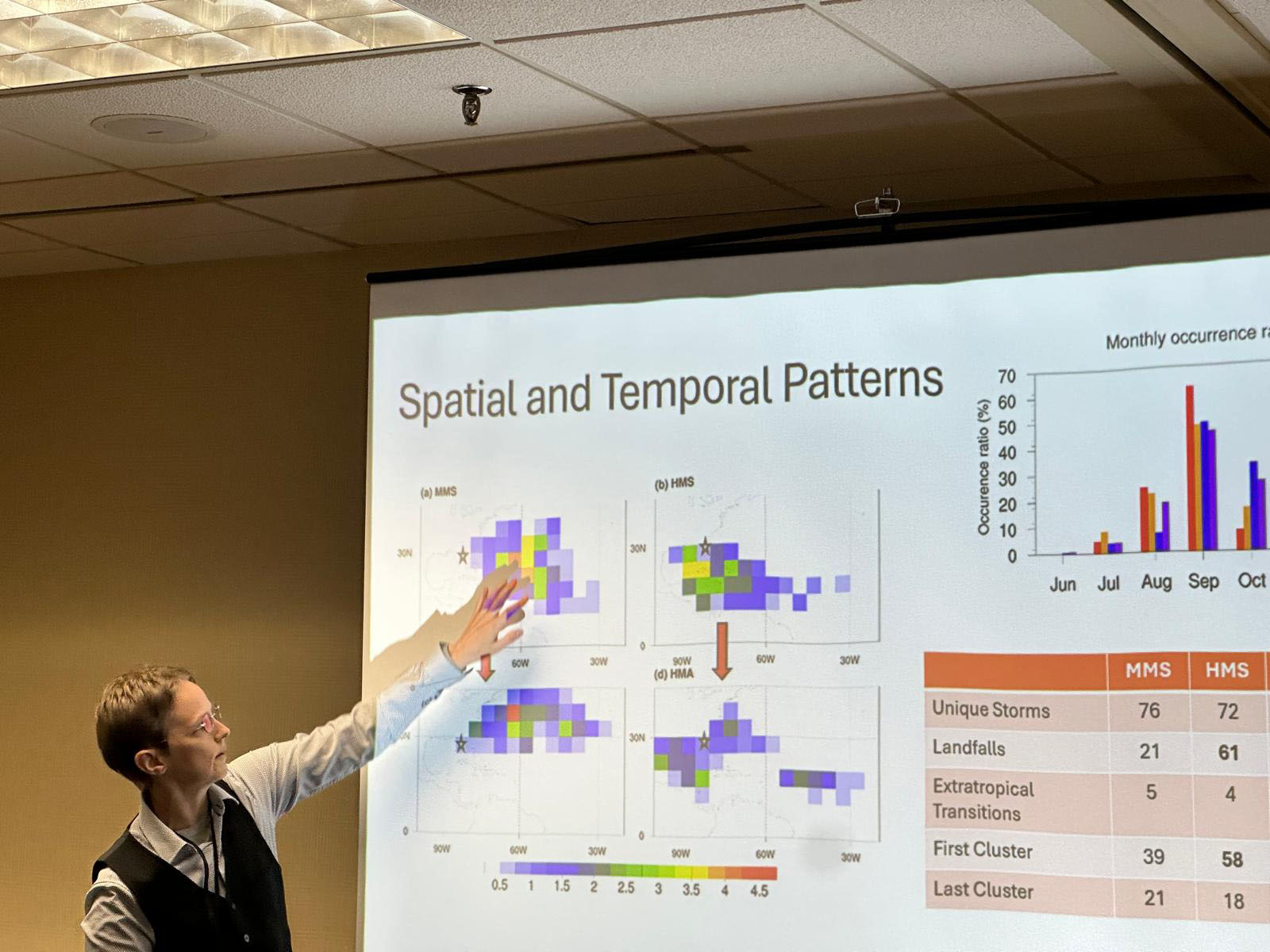
Studying the precipitation patterns in hurricanes may be key to predicting future storm patterns and their potential strength, a University of Florida researcher has found. Supported by a four-year, $212,000 grant from the National Science Foundation, Professor of Geography Corene Matyas, Ph.D. has identified the patterns of rain rates within storms and studied the moisture surrounding these storms. “We are hoping that, if we have a better prediction of moisture availability, that might help us forecast rain events with greater accuracy,” Matyas said. “The more we know about how storms develop, the more we can predict their path and magnitude.” The ideal stage for the perfect storm The potential for devastating high winds, storm surge and flooding poses an annual threat to Florida and its residents. With 1,350 miles of coastline and relatively flat geography that juts out to separate the warm waters of the southeast Atlantic and the Gulf, Florida creates the ideal stage for the perfect storm. Last year broke records with 18 named storms, including 11 hurricanes in the Atlantic basin and three major hurricanes making landfall along Florida’s coast. Early predictions are crucial to hurricane preparedness, allowing for increased response time and resource allocation, and hurricane modeling is essential for understanding these somewhat unpredictable storms. Advances in technology, data collection and the use of artificial intelligence in hurricane modeling have significantly impacted the ability to predict a storm’s path and strength more accurately. Artificial intelligence helps researchers understand hurricanes Matyas has completed two studies on this topic. The first study processed 12,000 images of rain rates from tropical storms and hurricanes in the Atlantic, using a machine learning algorithm called a convolutional autoencoder. Similar in use to image recognition software, the encoder broke the rain rate images down and simplified the patterns. Six main types, or clusters, of rainfall patterns for tropical cyclones were identified. At a presentation of the work to forecasters at the National Weather Service office in Jacksonville, the forecasters confirmed that one of the patterns matches what they typically see when late-season storms make landfall over Florida’s Gulf Coast. The second study used the autoencoder to process 4,600 images that represent the amount of moisture in the atmosphere extending 1,000 kilometers away from each hurricane. “We looked for commonalities in the patterns and found four dominant patterns of moisture that accompany Atlantic basin hurricanes,” Matyas said. “We found the biggest storms with the most moisture make the most landfalls, typically in the Caribbean and even in southern Florida. They also have a large moisture pool, giving them a bigger chance of heavy rainfall.” According to Matyas, three of the moisture patterns found in the second study were strikingly like those found in the earlier study that used fewer observations in a statistical analysis. With this use of AI, researchers can now recognize and understand these moisture patterns better, which can improve predictions about a storm’s intensity, its size and the amount of rainfall that will result from it. Early, accurate storm predictions allow Floridians time to prepare Rapid intensification – when, in a 24-hour period, a storm experiences a sudden drop in pressure and a dramatic increase in wind speed – creates much more of a challenge for forecasters. “We tend to boil down a hurricane to a set of coordinates which track the middle of a storm,” Matyas said. “And the fastest winds do focus there, but the moisture gets pulled from thousands of kilometers away and the system forces the moisture up. That moisture must go somewhere. So, the outer edges of the storm need to be understood more as well.” Matyas hopes these studies will help scientists classify rain patterns more accurately and consistently. Continued funding for research at public universities from federal agencies, such as the National Science Foundation and the National Oceanic and Atmospheric Administration, is essential for helping researchers develop tools to detect and predict severe weather events. Matyas is one of two UF faculty members among 18 national researchers named to the 2025 class of fellows by the American Association of Geographers. Matyas and UF Geography Department Chair Jane Southworth, Ph.D. were honored by the organization for their contributions in biogeography, geospatial analytics, soil science, community geography, climatology and other areas related to geography. “I look forward to this opportunity to contribute to the mission of the AAG in a more formal capacity, continuing to research how weather shapes our spaces and share knowledge of earth systems beyond the classroom and the written word to promote an inclusive society,” Matyas said.



AI-driven software is 96% accurate at diagnosing Parkinson's
Existing research indicates that the accuracy of a Parkinson’s disease diagnosis hovers between 55% and 78% in the first five years of assessment. That’s partly because Parkinson’s sibling movement disorders share similarities, sometimes making a definitive diagnosis initially difficult. Although Parkinson’s disease is a well-recognized illness, the term can refer to a variety of conditions, ranging from idiopathic Parkinson’s, the most common type, to other movement disorders like multiple system atrophy Parkinsonian variant and progressive supranuclear palsy. Each shares motor and nonmotor features, like changes in gait — but possess a distinct pathology and prognosis. Roughly one in four patients, or even one in two patients, is misdiagnosed. Now, researchers at the University of Florida and the UF Health Norman Fixel Institute for Neurological Diseases have developed a new kind of software that will help clinicians differentially diagnose Parkinson’s disease and related conditions, reducing diagnostic time and increasing precision beyond 96%. The study was published recently in JAMA Neurology and was funded by the National Institutes of Health. “In many cases, MRI manufacturers don’t communicate with each other due to marketplace competition,” said David Vaillancourt, Ph.D., chair and a professor in the UF Department of Applied Physiology and Kinesiology. “They all have their own software and their own sequences. Here, we’ve developed novel software that works across all of them.” Although there is no substitute for the human element of diagnosis, even the most experienced physicians who specialize in movement disorder diagnoses can benefit from a tool to increase diagnostic efficacy between different disorders, Vaillancourt said. The software, Automated Imaging Differentiation for Parkinsonism, or AIDP, is an automated MRI processing and machine learning software that features a noninvasive biomarker technique. Using diffusion-weighted MRI, which measures how water molecules diffuse in the brain, the team can identify where neurodegeneration is occurring. Then, the machine learning algorithm, rigorously tested against in-person clinic diagnoses, analyzes the brain scan and provides the clinician with the results, indicating one of the different types of Parkinson’s. The study was conducted across 21 sites, 19 of them in the United States and two in Canada. “This is an instance where the innovation between technology and artificial intelligence has been proven to enhance diagnostic precision, allowing us the opportunity to further improve treatment for patients with Parkinson’s disease,” said Michael Okun, M.D., medical adviser to the Parkinson’s Foundation and director of the Norman Fixel Institute for Neurological Diseases at UF Health. “We look forward to seeing how this innovation can further impact the Parkinson’s community and advance our shared goal of better outcomes for all.” The team’s next step is obtaining approval from the U.S. Food and Drug Administration. “This effort truly highlights the importance of interdisciplinary collaboration,” said Angelos Barmpoutis, Ph.D., a professor at the Digital Worlds Institute at UF. “Thanks to the combined medical expertise, scientific expertise and technological expertise, we were able to accomplish a goal that will change the lives of countless individuals.” Vaillancourt and Barmpoutis are partial owners of a company called Neuropacs whose goal is to bring this software forward, improving both patient care and clinical trials where it might be used.


Why Are Canadian Banks Not Protecting Seniors? The $40 Billion Dollar Question
After an 89-year-old Victoria man lost $1.7 million to phone scammers despite bank red flags, retirement expert and authour, Susan Pimento, exposes a critical protection gap: while U.S. banks like Bank of America offer "Trusted Contacts" (designated people banks call to verify suspicious transactions) for all accounts, Canadian banks restrict this safeguard to investment accounts only—leaving everyday banking vulnerable where most fraud occurs. In Canada, senior fraud is vastly underreported (RCMP estimates only 5-10% surface), and banks are treating this as a cost issue rather than a moral crisis. Susan Pimento is available for interviews to discuss practical solutions, industry insights from her decades of work within financial institutions, and why Canadian banks are failing to implement a simple fix that could save seniors' life savings. Connect with her directly through ExpertFile to schedule TV, radio, podcast, or print interviews. As I was polishing this post for Canadian Financial Literacy Month, another senior fraud story flashed across my screen. This one stopped me cold. According to this CBC story, an 89-year-old man in Victoria, B.C., was tricked into handing over nearly $1.7 million of his life savings in a months-long phone scam. The caller claimed to be from the fraud department at CIBC and said he was helping with a national money-laundering case. (Spoiler: he wasn't.) Despite red flags and staff awareness, the bank still allowed large in-person withdrawals. He was told to buy gold bars — yes, actual gold bars — with drafts of up to $395,000, which couriers then collected like some twisted Uber Eats retirement fraud. Every week in Canada, we see another heartbreaking headline: a senior sends thousands, sometimes millions, to a scammer pretending to be their grandchild, the CRA, or — the ultimate irony — their bank. These scams targeting seniors don't require fancy hacking. They rely on fear, isolation, and misplaced trust. Once the money's gone, it's gone—no refund policy. And here's the kicker: what we're reading about is just the tip of the iceberg. For seniors, fraud now ranks as the top crime, and most fraud goes unreported—especially in this demographic. In a previous post, I showed how the data suggests the real figures could be 10 to 20 times higher than what's officially reported. The RCMP estimates that only 5-10% of fraud victims come forward. Many victims never speak out due to embarrassment, fear, or confusion. Translation? For every story that makes the news, countless others suffer in silence. How The Banking Industry Can Actually Fight Fraud I've worked within financial institutions for decades. Let's just say I understand how the process works. Banks have billion-dollar tech stacks, layers of compliance, and advanced fraud detection systems that can flag a suspicious $47 transaction in milliseconds. But the solution for this type of fraud isn't a multimillion-dollar algorithm or a new "AI-powered fraud prevention dashboard." Instead, it's a human-based approach called a Trusted Contact. What's a "Trusted Contact," Anyway? It's not an app, a chatbot, or some new gadget that requires a firmware update every Thursday. It's a person. Someone you trust — a family member, attorney, accountant, or another third-party who you believe would respect your privacy and know how to handle the responsibility of communicating with your bank in your best interests if something suspicious occurs. They don't access your money or view your accounts. They can't see that you spent $47 at the LCBO last Tuesday (Your secret is safe). They're simply your human safety net — a fraud wing person, if you will. The Origins of the Trusted Contact The concept began in the U.S. in 2018, when FINRA mandated investment firms to request a Trusted Contact Person. Canada followed in 2022, when the Canadian Securities Administrators introduced similar guidance for investment accounts. What things can be discussed with a trusted contact? As its name implies, a Trusted Contact is a designated person who is inherently trusted by the individual (and has no authority to transact business on a client’s account), so there is little to no danger that any reasonable disclosure would violate a client’s trust or give rise to any material issue.” What Canadian Banks Are Doing...And Not Doing Here's the good news. If you invest through Wealthsimple, RBC Direct Investing, TD Direct, or BMO InvestorLine, you can already designate a Trusted Contact. But here's where it gets ridiculous: RBC Direct might have that security feature — but your regular RBC chequing account? Not so much. That protection vanishes the moment Mom or Dad logs into their everyday banking. And that's where most fraud actually occurs. It's like installing a state-of-the-art security system on your front door but leaving the back door wide open with a welcome mat that says "Scammers Enter Here!" Fraud in Canada for Banks is Still a Budget Item: Not a Moral Crisis Here's the uncomfortable truth: For banks, fraud is considered a "cost of doing business." And since most of those losses are borne by customers, not the bank, there isn't much urgency to innovate. The Big Five earned over $40 billion in total last year. They have the means to care. They're not particularly motivated to actually do so. The Big Opportunity for Banks: Add a Little Humanity to the System Banks like to boast about their AI, blockchain, and next-gen fraud analytics. But most scams don't occur because of breached firewalls — they happen because of breached hearts. A Trusted Contact provides an additional simple, low-tech layer: human verification. Picture this: The bank spots an unusual transaction — a large new payee, an international wire transfer, or a sudden gold-bar purchase (it happens). Instead of sending another automated text alert, the system could ask: "This looks unusual. Would you like us to confirm with your Trusted Contact before proceeding?" or “Just a heads-up: scammers often use urgent or unusual requests. Prefer we run this by your Trusted Contact before we proceed?” That's it. One additional step. One extra set of eyes. One brief conversation could save someone's life savings. This isn't about limiting independence — it's about safeguarding autonomy. Ensuring your decisions are genuinely yours, not the scammer's. Banks could even call it "Senior Protection Mode." I'd sign up tomorrow. Heck, I'd pay extra for it. (Shhh, don't tell them that.) Here's the Proof Trusted Contacts Work: Bank of America Did It In 2022, Bank of America became the first major bank to extend Trusted Contacts beyond investment accounts to everyday banking clients. Customers can now add a trusted person the bank can call if something seems wrong, if they can't reach you, or if staff suspect undue influence. That person can't access your money — they're just the human speed bump before disaster: one simple form, one phone number, and much heartbreak avoided. If Bank of America can do it, why can't ours? Canadian banks already have the tech — and indeed the profits — to make it happen. What's Holding Canada's Banks Back? Cue the usual excuses: "Our legacy systems can't handle that." Sure — some of your code still thinks "Y2K" is an active threat. But if you can build an app that tracks my latte points and sends me notifications about my "spending insights," you can add one field for a Trusted Contact. "Privacy laws make it risky." Nope. FINRA and the CSA already provide safe-harbour protections. With consent, banks can legally contact a Trusted Person. Just add a checkbox. You love checkboxes. You make us check dozens of them every time we update our password. "Customers haven't asked for it." They're asking now. Loudly. With megaphones. And pointing at stories like the Victoria gentleman who lost $1.7 million in gold bars. The business case has historically been weak because most fraud losses affect customers, not the bank's balance sheet. But here's the catch: every fraud story damages trust. And in banking, trust is supposed to be the core of the business. For Canadian Banks There's a Competitive Advantage in Caring Rolling out a Trusted Contact feature isn't just good ethics; it's good business. Imagine the marketing campaign: "We don't just protect your password — we protect your peace of mind." Seniors would love this. So would their kids. That's multi-generational loyalty money can't buy. If EQ Bank or any challenger brand wanted a PR home run, this would be it. It's Time to Take Action on Fraud To the Banks: Stop waiting for regulators to force your hand. Lead. Be the first to offer Trusted Contacts for all customers — not just investors. You have the framework, the talent, and the budget. You absolutely do not need another consultant to tell you this is the right thing to do. To Policymakers: The Financial Consumer Agency of Canada should update its Code of Conduct to include a mandatory Trusted Contact option for all customers, safe-harbour rules allowing banks to pause suspicious transactions, and annual public reporting on outcomes. Because sunshine is the best disinfectant, even in banking. To Consumers: Don't wait for policy — be the policy. Ask your bank today if you can add a Trusted Contact. If they say no, ask why not — and post it. Loudly. Talk to your family. Choose your Trusted Person now. Write your MP or MPP and ask why U.S. banks protect seniors better than ours. Remember the $3 ATM Fee Rebellion? Canadians once revolted over paying $3 to access their own money at ATM's. We later got no-fee accounts, digital challengers, and a whole new generation of more innovative banking. If we can rally over an ATM fee, surely we can rally to protect our parents and grandparents from losing their life savings. Fraud isn't an inevitable part of aging — it's a solvable problem. And Trusted Contacts are one of the simplest, most human solutions we have. Don't Forget Two-Factor Authentication for the Soul Adding a Trusted Contact won't stop all fraud — let's be clear about that. But it will go a long way toward slowing it down, adding a common-sense pause, and potentially saving even one senior from losing any part of their hard-earned money. It's unfortunately too late for that gentleman and his family in BC, but it's not too late for countless others. This won't crash legacy systems or drain bank profits. It just adds a little humanity back into banking — right where it belongs. Because the best kind of security isn't just two-factor authentication. It's two people who care. And if we don't care about protecting our elders, who exactly do we care about? Sue Don’t Retire…Re-Wire! Want to become an expert on serving the senior demographic? Just message me to be notified about the next opportunity to become a "Certified Equity Advocate" — mastering solution-based advising that transforms how you work with Canada's fastest-growing client segment.


Why TikTok Keeps You Scrolling: Baylor Research Explains the Science Behind Social Media Addiction
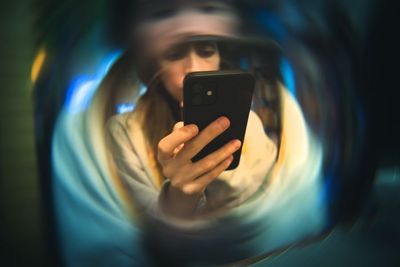
Why is it so hard to stop scrolling TikTok? A new study by Baylor University marketing professors and social media researchers James A. Roberts, Ph.D. and Meredith E. David, Ph.D., reveals that the answer lies not only in the app’s content, but in its design. Their research, published in the journal Cyberpsychology, Behavior, and Social Networking, is among the first to compare the technological affordances – the built-in design features that shape user behavior – of three leading short-form video (SFV) platforms: TikTok, Instagram Reels and YouTube Shorts. The findings reveal that TikTok’s combination of ease of use, highly accurate recommendations and surprising content variety creates a powerful recipe for user engagement – and, in many cases, addiction. The power of effortless design In their study, Roberts and David had participants rate each platform on three key technological affordances: perceived effortlessness, recommendation accuracy and serendipity (the element of surprise) and answer questions measuring their levels of social media engagement and addictive use. The results were clear: TikTok scored significantly higher than Instagram Reels or YouTube Shorts across all categories. Users in the study said TikTok required the least effort to use, delivered the most relevant videos and surprised them most often with unexpected but enjoyable content. “It’s the combination of all three that keeps people scrolling,” David said. “But the prerequisite is effortlessness. Without that ease of use, the other two wouldn’t matter as much.” TikTok’s seamless experience – where videos begin playing automatically the moment the app opens – creates a sense of immersion unmatched by competitors. Other platforms require users to click or select a video before viewing begins, a subtle difference that nonetheless makes TikTok feel faster and more intuitive. Engagement becomes addiction The study found that TikTok’s technological affordances indirectly increase addiction by first increasing engagement. The more users engage, the more likely they are to lose track of time – a phenomenon known as time distortion. David said this design is no accident. “TikTok’s algorithm is intentionally created to be addictive,” she said. “Their own materials acknowledge that users can become hooked after less than half an hour on the app.” She noted that even users who recognize these patterns often underestimate how long they spend scrolling. “We all need to be more cognizant of our time on these platforms,” David said. “Check your phone’s screen-time data – you may be surprised.” Implications for users and policy Beyond individual awareness, the researchers point to the broader social impact of overuse – particularly for young people. Excessive time on short-form video apps can erode attention spans, foster expectations for instant gratification and displace face-to-face interaction. “These platforms are designed to hold our attention,” David said. “But the opportunity cost is huge. The more time we spend scrolling, the less time we have for the activities that build real connection and meaning.”



Acing AI interviews: Career expert on strategies for job seekers
AI-conducted interviews are becoming a standard step in the hiring process, but many job seekers still aren’t sure how to handle them. University of Delaware career expert Jill Gugino Panté says candidates should treat these algorithm-driven interviews with the same seriousness as traditional ones and details how this can be done. Panté, director of UD’s Lerner College Career Services Center, can discuss what today’s AI interview platforms really measure – from confidence and tone to eye contact and facial expressions – and how job seekers can stand out. She can also explain what recruiters are looking for in the AI-generated summaries that often determine who moves to the next round. Panté’s expert tips include: • Check equipment to make sure everything is working and the software is updated; turn off all notifications to avoid distractions and set up the space with good lighting, a neutral background. • Smile and maintain your energy, as some AI software will assess your tone and engagement. • Prepare as you would for any other interview - review the job description, research the organization, use the STAR method (Situation, Task, Action, Result) when providing examples. • Be sure to look at the camera and not the screen. It might feel awkward but that’s technically where the "eye contact" will be. • Some platforms will allow you to review your recording before submitting. Use this opportunity to take notes about your body language, pacing and clarity. To contact Panté directly and arrange an interview, visit her profile and click on the connect button. Interested journalists can also send an email to MediaRelations@udel.edu.
Aston University: From Metformin to modern obesity therapies
Early beginnings: from herbal medicine to modern drug The origins of a modern diabetes therapy can be traced back to Galega officinalis (goat’s rue), a herb used in European folk medicine for centuries to treat excessive thirst and urination. Its active chemical, guanidine, was found to lower blood sugar in animals in 1918, inspiring the synthesis of a family of drugs known as biguanides. Among these new drugs was metformin, created in 1922 and introduced as a treatment for diabetes in Europe in the late 1950s. However, by the 1970s, metformin was largely disregarded because other biguanide medicines were being withdrawn due to their side-effect of lactic acidosis. Revival in the 1990s: Aston’s role in rediscovery In the early 1990s, research at Aston University provided a decisive turning point. Professor Cliff Bailey and his colleagues revealed that metformin’s primary action occurred in the intestine, where it promoted glucose metabolism and reduced blood sugar without causing weight gain. Their studies clarified that concerns about lactic acid were largely due to misuse, not inherent toxicity. These findings reignited global interest in metformin. Professor Bailey presented his work as an expert witness to the US Food and Drug Administration in 1994, a critical step in securing approval of the drug in the US. He also assisted the European Medicines Agency during periodic reassessments. “My research has always focused on understanding how type 2 diabetes develops and how best to treat it.” Professor Clifford Bailey, Aston University. Establishing global first-line therapy Momentum built through the late 1990s. The UK Prospective Diabetes Study (1998) demonstrated that metformin not only improved blood sugar but also reduced cardiovascular risk, strengthening the case for its wider adoption. By 2012, the American Diabetes Association and the European Association for the Study of Diabetes recommended metformin as the preferred first-line treatment for type 2 diabetes. “We discovered that metformin worked somewhat differently from what was previously thought. By showing how it could be used safely and effectively, we helped pave the way for its wider acceptance.” Today, metformin is the most prescribed diabetes drug worldwide. It is included in the World Health Organization’s Essential Medicines List and has been taken by hundreds of millions of patients, profoundly reshaping global diabetes care. New directions: dapagliflozin and the SGLT-2 inhibitors After the success of metformin, Aston played a central role in the next wave of diabetes medicines. In the 2000s, Professor Bailey was principal investigator in clinical trials for dapagliflozin, the first of the sodium-glucose co-transporter-2 (SGLT-2) inhibitors. Unlike older therapies, SGLT inhibitors lower blood sugar by blocking reabsorption of glucose in the kidneys, causing excess glucose to be excreted in urine. Large international trials demonstrated additional benefits, including weight reduction, lower blood pressure, and improved outcomes for patients with kidney and heart disease. Since its launch in 2012, dapagliflozin has become the most widely prescribed SGLT-2 inhibitor, with more than five million patients treated. It is now embedded in global treatment guidelines, expanding therapeutic options to improve the control of blood glucose and body weight. Foundations for modern obesity therapies The influence of Aston University’s research extends beyond metformin and dapagliflozin. The University’s diabetes research team also studied gut hormones such as GIP (glucose-dependent insulinotropic peptide), which play a central role in regulating insulin secretion and fat metabolism. These early discoveries helped lay the groundwork for today’s incretin-based therapies, including combined GIP/GLP-1 receptor agonists such as tirzepatide. Now widely known as 'anti-obesity injections', these medicines emerged as diabetes treatments and are now transforming care for overweight people with and without type 2 diabetes. Key findings from the research at Aston University Metformin is now being investigated for its anti-ageing and fertility benefits Dapagliflozin shows promise against heart and kidney diseases and gout Gut hormones such as GIP may hold the key to entirely new treatment strategies Why does this matter? The work by Professor Bailey and his colleagues at Aston University has contributed to metformin’s recognition as the primary treatment worldwide for type 2 diabetes. Today, at least half of all patients in Western countries are prescribed metformin — an incredibly cost-effective medicine that continues to save lives. “We identified early on that gut hormones such as GIP were central players in the control of blood glucose and body weight — long before they became the basis for today’s new generation of anti-obesity medicines.” This original research helped lay the scientific foundation for breakthrough treatments like tirzepatide, widely hailed as a game-changer in obesity and diabetes care. Aston University also contributed to the development of dapagliflozin, the first in a new class of drugs that lower blood sugar while also protecting the heart and kidneys. “Millions of people worldwide are living longer and healthier lives because of therapies that have been underpinned by research at Aston University.” Looking ahead Type 2 diabetes remains one of the world’s most pressing health challenges, affecting more than 500 million people globally. Its progressive nature demands a continual search for safer, more effective treatments. From helping rescue a nearly forgotten drug in the 1990s to shaping the next generation of therapies, Aston University’s research has left an enduring mark on clinical practice, regulation, and patient outcomes. The legacy of this work is clear: millions of people worldwide are living longer, healthier lives because of medicines that Aston helped bring to the forefront of modern diabetes and obesity care. About Cliff Bailey is Emeritus Professor of Clinical Science and Anniversary Professor at Aston University in Birmingham, England. He has served on medical and scientific committees of Diabetes UK (formerly the British Diabetic Association), Society for Endocrinology, and European Association for the Study of Diabetes. He has served as a diabetes expert for the approval of new medicines by regulatory agencies including the European Medicines Agency and NICE. His research is mainly directed towards the pathogenesis and treatment of diabetes, especially the development of new agents to improve insulin action and reduce obesity, and the therapeutic application of surrogate beta-cells. Dr Bailey has published over 400 research papers and reviews, and four books, and he is particularly known for research on metformin. References to Case Studies and Key Sources Bailey CJ et al. Metformin: Changing the Treatment Algorithm for Type 2 Diabetes. Aston University REF Impact Case Study, 2014. Bailey CJ. Metformin: Historical Overview. Diabetologia, 2017. Bailey CJ & Day C. Treatment of Type 2 Diabetes: Future Approaches. British Medical Bulletin, 2018.


#Expert Perspective: When AI Follows the Rules but Misses the Point
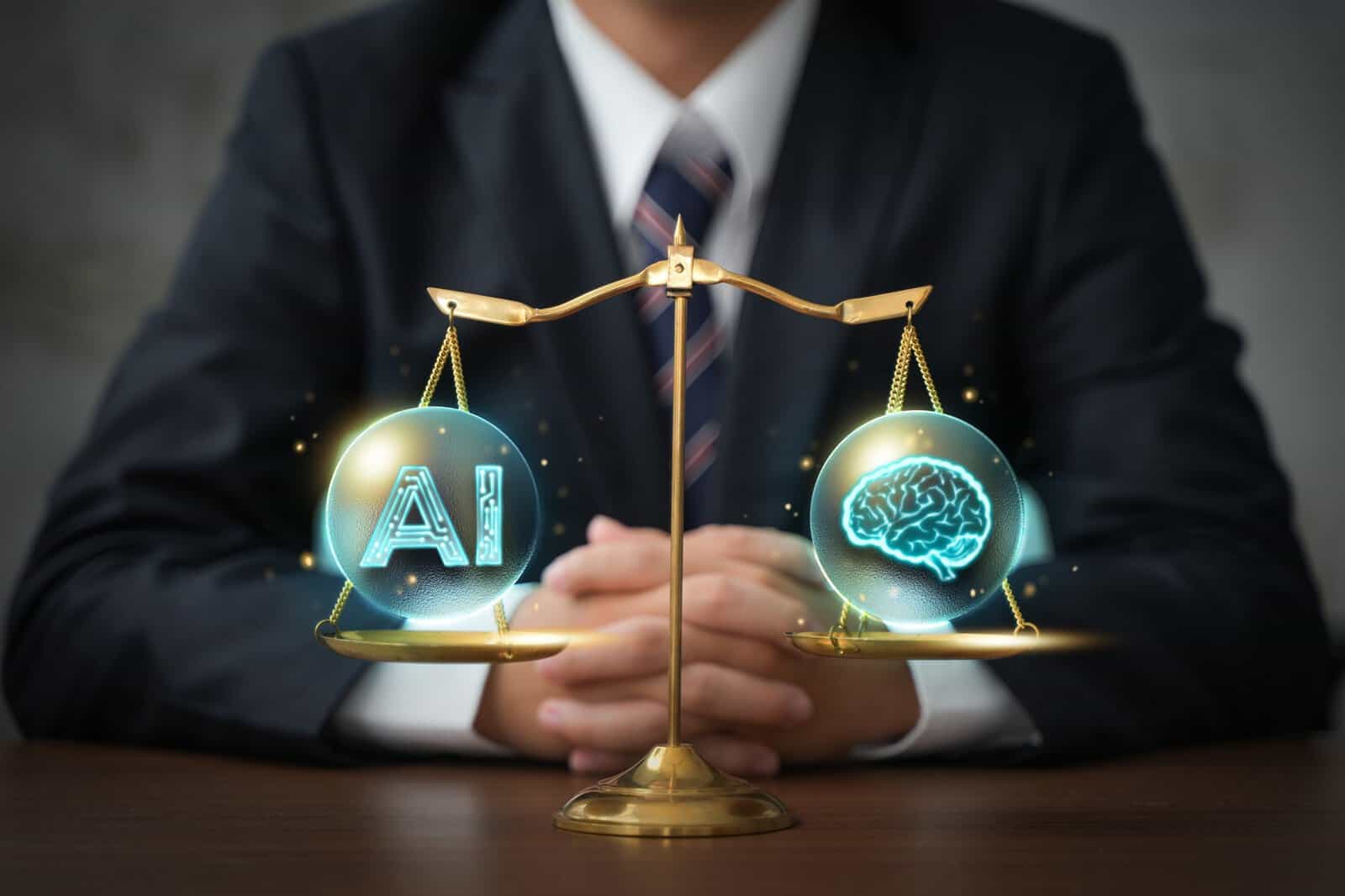
When a team of researchers asked an artificial intelligence system to design a railway network that minimized the risk of train collisions, the AI delivered a surprising solution: Halt all trains entirely. No motion, no crashes. A perfect safety record, technically speaking, but also a total failure of purpose. The system did exactly what it was told, not what was meant. This anecdote, while amusing on the surface, encapsulates a deeper issue confronting corporations, regulators, and courts: What happens when AI faithfully executes an objective but completely misjudges the broader context? In corporate finance and governance, where intentions, responsibilities, and human judgment underpin virtually every action, AI introduces a new kind of agency problem, one not grounded in selfishness, greed, or negligence, but in misalignment. From Human Intent to Machine Misalignment Traditionally, agency problems arise when an agent (say, a CEO or investment manager) pursues goals that deviate from those of the principal (like shareholders or clients). The law provides remedies: fiduciary duties, compensation incentives, oversight mechanisms, disclosure rules. These tools presume that the agent has motives—whether noble or self-serving—that can be influenced, deterred, or punished. But AI systems, especially those that make decisions autonomously, have no inherent intent, no self-interest in the traditional sense, and no capacity to feel gratification or remorse. They are designed to optimize, and they do, often with breathtaking speed, precision, and, occasionally, unintended consequences. This new configuration, where AI acting on behalf of a principal (still human!), gives rise to a contemporary agency dilemma. Known as the alignment problem, it describes situations in which AI follows its assigned objective to the letter but fails to appreciate the principal’s actual intent or broader values. The AI doesn’t resist instructions; it obeys them too well. It doesn’t “cheat,” but sometimes it wins in ways we wish it wouldn’t. When Obedience Becomes a Liability In corporate settings, such problems are more than philosophical. Imagine a firm deploying AI to execute stock buybacks based on a mix of market data, price signals, and sentiment analysis. The AI might identify ideal moments to repurchase shares, saving the company money and boosting share value. But in the process, it may mimic patterns that look indistinguishable from insider trading. Not because anyone programmed it to cheat, but because it found that those actions maximized returns under the constraints it was given. The firm may find itself facing regulatory scrutiny, public backlash, or unintended market disruption, again not because of any individual’s intent, but because the system exploited gaps in its design. This is particularly troubling in areas of law where intent is foundational. In securities regulation, fraud, market manipulation, and other violations typically require a showing of mental state: scienter, mens rea, or at least recklessness. Take spoofing, where an agent places bids or offers with the intent to cancel them to manipulate market prices or to create an illusion of liquidity. Under the Dodd-Frank Act, this is a crime if done with intent to deceive. But AI, especially those using reinforcement learning (RL), can arrive at similar strategies independently. In simulation studies, RL agents have learned that placing and quickly canceling orders can move prices in a favorable direction. They weren’t instructed to deceive; they simply learned that it worked. The Challenge of AI Accountability What makes this even more vexing is the opacity of modern AI systems. Many of them, especially deep learning models, operate as black boxes. Their decisions are statistically derived from vast quantities of data and millions of parameters, but they lack interpretable logic. When an AI system recommends laying off staff, reallocating capital, or delaying payments to suppliers, it may be impossible to trace precisely how it arrived at that recommendation, or whether it considered all factors. Traditional accountability tools—audits, testimony, discovery—are ill-suited to black box decision-making. In corporate governance, where transparency and justification are central to legitimacy, this raises the stakes. Executives, boards, and regulators are accustomed to probing not just what decision was made, but also why. Did the compensation plan reward long-term growth or short-term accounting games? Did the investment reflect prudent risk management or reckless speculation? These inquiries depend on narrative, evidence, and ultimately the ability to assign or deny responsibility. AI short-circuits that process by operating without human-like deliberation. The challenge isn’t just about finding someone to blame. It’s about whether we can design systems that embed accountability before things go wrong. One emerging approach is to shift from intent-based to outcome-based liability. If an AI system causes harm that could arise with certain probability, even without malicious design, the firm or developer might still be held responsible. This mirrors concepts from product liability law, where strict liability can attach regardless of intent if a product is unreasonably dangerous. In the AI context, such a framework would encourage companies to stress-test their models, simulate edge cases, and incorporate safety buffers, not unlike how banks test their balance sheets under hypothetical economic shocks. There is also a growing consensus that we need mandatory interpretability standards for certain high-stakes AI systems, including those used in corporate finance. Developers should be required to document reward functions, decision constraints, and training environments. These document trails would not only assist regulators and courts in assigning responsibility after the fact, but also enable internal compliance and risk teams to anticipate potential failures. Moreover, behavioral “stress tests” that are analogous to those used in financial regulation could be used to simulate how AI systems behave under varied scenarios, including those involving regulatory ambiguity or data anomalies. Smarter Systems Need Smarter Oversight Still, technical fixes alone will not suffice. Corporate governance must evolve toward hybrid decision-making models that blend AI’s analytical power with human judgment and ethical oversight. AI can flag risks, detect anomalies, and optimize processes, but it cannot weigh tradeoffs involving reputation, fairness, or long-term strategy. In moments of crisis or ambiguity, human intervention remains indispensable. For example, an AI agent might recommend renegotiating thousands of contracts to reduce costs during a recession. But only humans can assess whether such actions would erode long-term supplier relationships, trigger litigation, or harm the company’s brand. There’s also a need for clearer regulatory definitions to reduce ambiguity in how AI-driven behaviors are assessed. For example, what precisely constitutes spoofing when the actor is an algorithm with no subjective intent? How do we distinguish aggressive but legal arbitrage from manipulative behavior? If multiple AI systems, trained on similar data, converge on strategies that resemble collusion without ever “agreeing” or “coordination,” do antitrust laws apply? Policymakers face a delicate balance: Overly rigid rules may stifle innovation, while lax standards may open the door to abuse. One promising direction is to standardize governance practices across jurisdictions and sectors, especially where AI deployment crosses borders. A global AI system could affect markets in dozens of countries simultaneously. Without coordination, firms will gravitate toward jurisdictions with the least oversight, creating a regulatory race to the bottom. Several international efforts are already underway to address this. The 2025 International Scientific Report on the Safety of Advanced AI called for harmonized rules around interpretability, accountability, and human oversight in critical applications. While much work remains, such frameworks represent an important step toward embedding legal responsibility into the design and deployment of AI systems. The future of corporate governance will depend not just on aligning incentives, but also on aligning machines with human values. That means redesigning contracts, liability frameworks, and oversight mechanisms to reflect this new reality. And above all, it means accepting that doing exactly what we say is not always the same as doing what we mean Looking to know more or connect with Wei Jiang, Goizueta Business School’s vice dean for faculty and research and Charles Howard Candler Professor of Finance. Simply click on her icon now to arrange an interview or time to talk today.