
Experts Matter. Find Yours.
Connect for media, speaking, professional opportunities & more.

University of Delaware experts share insights and strategies for navigating the upcoming school year
The College of Education and Human Development in the University of Delaware has a number of stories and experts for the upcoming school year. Stories Bridging the language gap: How AWE software fosters inclusivity for English Language Learners and Non-English Language Learners alike Creating a mindful classroom: Tips for teachers on how to have a peaceful transition into the 2024-2025 school year Empowering Black and Latinx Boys in Their Postsecondary Journeys: The Role of School Communities UD assistant professor Eric Layland shares new research on LGBTQ+ developmental milestones and supporting LGBTQ+ youth University of Delaware assistant professor explores the tensions between hopes and expectations in vocational planning for autistic young adults Experts Allison Karpyn – an associate professor who can speak to topics related to hunger, obesity, school food, supermarket access, and food insecurity. She has spoken extensively about food in schools and can offer context to those subjects. Roderick Carey – an assistant professor whose current interdisciplinary research serves to make sense of the school experiences of black and Latino adolescent boys and young men in urban contexts. He can also talk about teacher education as it relates to men in the field/the impact of male teachers. To contact Karpyn or Carey, click their profiles. More experts... If you would like to pursue any of these stories or speak to any of the following experts, they are all willing and excited to chat. Contact mediarelations@udel.edu to speak to them. Eric Layland – an assistant professor who can speak about LGBTQ+ student experiences from a research perspective. His work bridges LGBTQ+ developmental research to community impact through developmentally-informed, affirmative interventions. Sarah Mallory – an assistant professor who specializes in special education with a special focus on autism and other intellectual and developmental disabilities. She also works within the Center for Disabilities Studies. Sarah Curtiss – an assistant professor who specializes in special education with a special focus on autistic youth. Brittany Zakszeski – an assistant professor and nationally certified school psychologist, licensed psychologist and behavior analyst. She focuses on student and teacher mental health and can comment on what concealed weapons carried by teachers can do for the mental wellbeing of both students and teachers. Lauren Bailes – an associate professor who focuses on the ways in which organizational, social-cognitive, and leadership theory unite to promote the success of school leaders and K-12 students. Bryan VanGronigen – an assistant professor who specializes in organizational resilience and change management in K-12 schools with specific interest areas in efforts to improve schools, the preparation and professional development of educational leaders and educational policy analyses. Lynsey Gibbons – an associate professor specializing in mathematics education, in teacher professional learning and school partnerships across content areas. Contact mediarelations@udel.edu to speak to these experts or for more information on the stories above.



Research finds video games improve mobility for children with autism
University of Delaware professor Anjana Bhat has a long history of finding creative ways to keep autistic children engaged with the added benefit of improving their flexibility and gross motor skills. She’s used dance and play in the past but is now testing video games to see if they’re a viable intervention to promote movement in this population. Bhat and her team in the Move to 2 Learn Innovation Lab at UD's STAR Campus have been using Ring Fit on Nintendo Switch to help children with autism get their daily dose of exercise. “Children love video games, and they’re fun,” said Bhat, professor of physical therapy in UD's College of Health Sciences. “But there’s also a lot of evidence that video games with an exercise component have positive effects on cognition, social interactions and general physical activity levels.” She added that children with autism have a predilection for technology with a love of computers and robots, but exergaming hasn’t been studied in this population. “Technologies that have been tested and studied in children with autism mainly target sedentary functions that look at improvement in executive function and decision-making, but not necessarily exergaming,” Bhat said. “Exergaming has been studied in older populations and healthy children, but not so much in children with autism, so this study is unique.” After testing the intervention on a dozen children with autism over eight weeks, the consensus is that it works. “I’ve never seen anything grab their attention so much. Across the board, this tool is far more engaging than any other tool we’ve used before, including music and movement, yoga, general exercise, and outdoor play, which do not always work for every child,” Bhat said. “With exergaming and the variety of content that exists, most children remain engaged, and that’s what’s so unusual about this intervention compared to past interventions.” Games like tennis, volleyball, badminton, golf, sword fighting and bowling focus on the upper extremities, while soccer focuses on the lower extremities. Bhat receives accurate measures of improvement in a child’s ability through accelerometers in the video game controllers. “This is one place where children with autism shine,” Bhat said. “Their visual learning and sensory enhancements help them excel. This gives them a sense of self-efficacy and self-assurance that — they’re good at this,” she said. “It also gives them a sense of connection to the community because they can make friends and feel empowered. Video games are a great equalizer.” Bhat’s innovative pilot study was funded through a $50,000 award from the donor-created Maggie E. Neumann Health Sciences Research Fund, which targets research and innovation that aims to improve the lives of people with disabilities. Equipped with data from this study, Bhat hopes to expand access to the intervention and test it in the community. It’s already available at D-Fit Plus, an inclusive fitness center in New Castle that aims to help those with special needs explore fitness to build social skills and confidence, grow cognition, and manage stress. “It’s relatively low cost,” Bhat said. “Another advantage of this intervention is that you don’t need a highly skilled person present to work the intervention because the game leads the activity, making it accessible if embedded in the community.” This also provides a social outlet for the child’s parents. “Community settings bring a sense of connection for the child’s parents, who are always looking for community-based activities, and many environments aren’t suitable for children with autism,” Bhat said. “Many environments are too noisy or distracting. Exergaming removes those barriers and allows the child to engage with the game and maybe another partner.” Bhat’s previously published research has shown that 80% of people with autism face motor challenges. Her research is so compelling that she’s made a case to change the definition of autism to include motor impairments so those on the spectrum can get the proper physical therapy or gross motor interventions that could dramatically improve their quality of life.

Aston University AI project aims to make international health data sharing easier
Project to improve sharing data while complying with general data protection regulation (GDPR) guidelines Aston Institute of Photonic Technologies awarded almost £300k to work on European-wide project Will develop secure data sharing system to allow access to large sets of multi-source health data via tailor-made AI tools. Aston University is to explore the use of AI to improve sharing health data internationally. Dr Sergei Sokolovski of the University’s Aston Institute of Photonic Technologies has been awarded €317,500 to work on a European-wide project. Called BETTER (Better real-world health data distributed analytics research platform) the spans16 academic, medical and industrial partners. Although data-driven medicine is currently used to improve diagnosis, treatment and medical research ethical, legal and privacy issues can prevent sharing and centralising data for analysis. The research at Aston University’s involvement in the BETTER project aims to overcome these challenges so health data can be shared across national borders while fully complying with the general data protection regulation (GDPR) guidelines. Dr Sergei Sokolovski will lead the development of a secure data sharing system which will allow access to large sets of multi-source health data via tailor-made AI tools. Scientists and healthcare professionals will be able to compare, integrate and analyse data securely at a lower cost than current methods to improve people’s health. The BETTER project will focus on three health conditions; childhood learning disabilities, inherited degenerative retina diseases and autism, involving seven medical centres across the European Union and beyond. Dr Sergei Sokolovski said: “Data protection regulations prohibit data centralisation for analysis purposes because of privacy risks like the accidental disclosure of personal data to third parties. “Therefore, to enable health data sharing across national borders and to fully comply with GDPR guidelines this project proposes a robust decentralised infrastructure which will empower researchers, innovators and healthcare professionals to exploit the full potential of larger sets of multi-source health data. “As healthcare continues to evolve in an increasingly data-driven world projects like BETTER offer promising solutions to the challenges of health data sharing, research collaboration, and ultimately, improving the well-being of citizens worldwide. “The collaboration between multiple stakeholders, including medical centres, researchers, and innovators, highlights the importance of interdisciplinary efforts in addressing these complex issues.” The research will last 42 months. ENDS Better Real-World Health-Data Distributed Analytics Research Platform, Grant agreement 101136262 https://www.better-health-project.eu/ Research Universities taking part are: Aston University, Klinikum der Universitaet zu Koeln, Universiteit Maastricht, Universitat Politecnica de Valencia, Universitetet i Tromsoe, About Aston University Founded in 1895 and a university since 1966, Aston University is a long-established university led by its three main beneficiary groups – students, business and the professions, and the West Midlands region and wider society. Located in Birmingham at the heart of a vibrant city, the campus houses all the University’s academic, social and accommodation facilities for our students. Professor Aleks Subic is the Vice-Chancellor & Chief Executive. In 2022 Aston University was ranked in the top 25 of the Guardian University Guide, based on measures including entry standards, student satisfaction, research quality and graduate prospects. The Aston Business School MBA programme was ranked in the top 100 in the world in the Economist MBA 2021 ranking. For media inquiries in relation to this release, contact Nicola Jones, Press and Communications Manager, on (+44) 7825 342091 or email: n.jones6@aston.ac.uk


Researchers find an association between autistic traits and young children with ear, nose and throat problems The study used data from the Children of the 90s study which found 177 children were identified with a probable diagnosis of autism – 139 boys and 38 girls The study looked at data from over 10,000 children from birth to four years old. Ear, nose and throat (ENT) problems, relating to the ears, hearing and the upper respiratory system, are more common in young children with a subsequent diagnosis of autism, or who have demonstrated high levels of autism traits - finds new research published in BMJ Open. The study, which was led by researchers from the University of Bristol and Aston University, looked at data from over 10,000 young children from birth to four years old, who were part of the Bristol’s Children of the 90s study. The team investigated whether early ear and upper respiratory signs are associated with the development of autistic traits. Previous studies have found increased prevalence of ENT and related hearing conditions in children with autism compared with typically developing children, but much of this research has been carried out using health records, which can be biased. In the new study, researchers used data from Children of the 90s study, a general population cohort which recruited over 14,000 pregnant women from the Bristol area between 1991 and 1992 and has followed the lives of their offspring ever since. Within Children of the 90s, 177 children were identified with a probable diagnosis of autism – 139 boys and 38 girls. Those with autism traits were defined as the 10% of the sample with the highest trait scores. The team analysed responses to three questionnaires in which mothers recorded the frequency of nine different signs and symptoms relating to the ears, hearing problems and upper respiratory system when their child was aged 18 to 42 months. These included signs such as mouth breathing, snoring, pulling/poking of the ears, ears going red, worse hearing during a cold, ear discharge and rarely listening. The results found that the frequency of these symptoms was associated with high scores on each of the autism traits: social communication, coherent speech, sociability and repetitive behaviours, plus those with a clinical diagnosis of autism. Pus or sticky mucus discharge from the ears was especially associated with autism (an increased risk of 3.29) and for impaired hearing during a cold (an increased risk of 2.18). Dr Amanda Hall, senior lecturer in audiology, at Aston University, said: “Thanks to the data available from Children of the 90s, we were able to analyse results from a large number of children. We found that common ear and upper respiratory signs and symptoms appear to be more prevalent in those with a subsequent diagnosis of autism or demonstrated high levels of autism traits. “However it is also important to note that these ENT symptoms are very common in childhood and most children who experience these signs and symptoms do not go on to be diagnosed with autism. “For example, of the group of around 1,700 children who snored at age 30 months, most of those 1,660 children did not get a later diagnosis of autism. Our results suggest the need for increased awareness of possible ENT conditions.”


ChristianaCare Named one of Mogul’s Top 100 Companies with Inclusive Benefits
Recognition affirms ChristianaCare’s deep commitment to inclusion and diversity ChristianaCare has been recognized as one of the Top 100 Companies with Inclusive Benefits by Mogul, a diversity recruitment platform that partners with the world’s fastest-growing companies to attract and advance top diverse talent. ChristianaCare was recognized for both its “diverse hiring practices” and “progressive workplace resources.” “At ChristianaCare, we embrace diversity and show respect to everyone, and we reinforce these behaviors through purposeful actions that enable all our caregivers to serve our neighbors with love and excellence,” said Neil Jasani, M.D., MBA, FACEP, chief people officer at ChristianaCare. “By offering a wide array of inclusive benefits, we more fully support our caregivers in their commitment to being exceptional today and even better tomorrow.” The honor by Mogul is the latest recognition for ChristianaCare’s commitment to inclusion and diversity. ChristianaCare, Delaware’s largest private employer, has committed to being an anti-racism organization and works to ensure that this commitment is reflected through the organization’s policies, programs and practices. (Read more about ChristianaCare’s anti-racism commitment here.) ChristianaCare President and CEO Janice E. Nevin, M.D., MPH, has signed the CEO Action for Diversity & Inclusion Pledge. This pledge outlines a specific set of actions the signatory CEOs will take to cultivate a trusting environment where all ideas are welcomed and employees are empowered to have discussions about diversity and inclusion. More than 3,100 of ChristianaCare’s caregivers also have signed the pledge. ChristianaCare’s inclusion and diversity efforts feature 11 employee resource groups, which connect caregivers who have a common identity or bond with one another. Formed by employees across all demographics – including disability, race, military status, national origin and gender identity – these voluntary, grassroots groups work to improve inclusion and diversity at ChristianaCare. More than 1,350 caregivers participate. ChristianaCare has developed LeadershipDNA, a leadership development program that is specifically targeted to underrepresented caregivers early in their careers. ChristianaCare’s deep commitment to inclusion and diversity also includes: Providing $500,000 in scholarships to 10 high school students in Delaware who plan to pursue degrees in health care. Supporting Project Search, which is a nationally recognized program dedicated to providing education and training to young adults with intellectual and developmental disabilities. Participation in Project Hope, a partnership with external agencies that provides support to individuals who were involved with the criminal justice system. This program creates pathways to meaningful and sustainable employment within ChristianaCare. Participation in Project Veteran through career fairs that target veterans. Elimination of bias in hiring through biannual education for all hiring managers, along with leader demographic scorecards to support building a diverse workforce. Parental leave of 12 weeks for the bonding, care and wellbeing of a newborn, adopted children or foster care children. This policy applies to both birthing and non-birthing caregivers. Behavioral health services for employees that include access to professionals who specialize in mental health care and substance use disorder. A work life employee assistance program that provides free and confidential resources designed specifically for caregivers and their families. Coverage in employee health plans for gender affirmation surgery, which consists of medical and surgical treatments that change primary sex characteristics for individuals diagnosed with gender dysphoria. Autism spectrum disorders benefits – such as diagnostic assessment and treatment – to the children of caregivers who are under 21 years of age. “Our commitment to inclusion and diversity touches all areas of our organization – including our benefits packages,” said Natalie Torres, director of Inclusion & Diversity at ChristianaCare. “We know that when we offer an inclusive benefits package that anticipates the needs of our caregivers, they can better support their families and provide better care to our community.”


Researchers reveal CBD can counter epileptic seizures in children
• Aston University epilepsy model used to illustrate the mechanisms of seizure activity • Results suggest how CBD can be useful in the treatment of childhood epilepsy • New insight into potential future interventions for hard-to-treat epilepsy. Researchers at Aston University have contributed to the discovery of a previously unknown way in which cannabidiol (CBD), a non-psychoactive component of cannabis, can reduce seizures in many treatment-resistant forms of childhood epilepsy. A group of international collaborators, led by scientists at NYU Grossman School of Medicine, including a team from the Aston Institute of Health and Neurodevelopment at Aston University, found that CBD blocked signals carried by a molecule called lysophosphatidylinositol (LPI). LPI is found in our brain’s neurons and is thought to amplify nerve signals as part of normal function but can be hijacked by some epilepsies to promote seizures. The study, published in the journal Neuron, expanded on previous findings showing that CBD blocks the ability of the molecule LPI to amplify nerve signals in a brain region called the hippocampus. The current study argues that, for the first time, the molecule also weakens signals that counter seizures, further explaining the value of CBD treatment and the generation of seizure activity in epileptic people. As part of the research group, the Aston University team used a leading model of epilepsy, developed by Professor Gavin Woodhall, to perform recordings of electrical signals in brain cells taken from epileptic rodents, some of which had been treated with CBD. By doing this, they were able to pinpoint the molecular mechanisms by which CBD acts to prevent seizure activity in epileptic brains. Professor Woodhall, co-director of Aston Institute for Health and Neurodevelopment, said: “These new insights into epilepsy and the mechanism by which CBD works to stop seizures is the fruit of years of collaboration between neuroscientists in the UK and USA and our industry partner, GW Pharma. We are hopeful that it will lead to even better treatments in future”. Dr Stuart Greenhill, senior lecturer in neuroscience, Aston Institute for Health and Neurodevelopment added: "We are delighted that our epilepsy model is being used to make such meaningful breakthroughs in the mechanisms of epilepsy and is paving the way for a wider range of future treatments". Corresponding author Richard W Tsien, chair of the Department of Physiology and Neuroscience at NYU Langone Health, said: “Our results deepen the field’s understanding of a central seizure-inducing mechanism, with many implications for the pursuit of new treatment approaches. “The study also clarified, not just how CBD counters seizures, but more broadly how circuits are balanced in the brain. Related imbalances are present in autism and schizophrenia, so the paper may have a broader impact.” The results build on how each neuron “fires” to send an electrical pulse down an extension of itself until it reaches a synapse, the gap that connects it to the next cell in a neuronal pathway, and how this activity can change in a network which is likely to generate epileptic seizures. For more information about Aston Institute of Health and Neurodevelopment (IHN) please visit our website.


Expert commentary on ADA anniversary and neurodiversity in the workplace
Keivan Stassun, Stevenson Professor of Physics and Astronomy and director of the Frist Center for Autism and Innovation, is available for media commentary on the anniversary of the Americans with Disabilities Act. Specifically, Keivan can speak to the angel of acceptance and inclusiveness in the workplace for people on the autism spectrum. Keivan is the parent of an autistic son, which inspired his work in this area. The work includes: Developing a strengths-based - rather than deficit-based - understanding of neurodiverse capabilities Inventing technologies that enable autistic and other neurodiverse individuals to succeed in employment and achieve their full potential Deploying an all-hands community-based approach, including educators, researchers, employers, philanthropists and community organizers to enhance the quality of life for autistic individuals through meaningful employment


Rare and complex syndromes in children to be investigated by new research network
New and improved ways of supporting children with rare and complex syndromes are to be investigated by Cerebra’s pioneering collaborative research network – a unique academic team that integrates knowledge, expertise and resources across universities in the Midlands and Surrey; including Aston University, University of Surrey, University of Birmingham and University of Warwick. Cerebra Network Co-Director Dr Jo Moss, University of Surrey said: “The Network is a true collaboration that is integrated from the ground up to deliver a higher impact from its work and its funding than any individual approach could offer.” Funded by the charity Cerebra, the Cerebra Network continues and expands upon the work of the Cerebra Centre for Neurodevelopmental Disorders and aims to improve the lives of individuals with rare genetic syndromes and other neurodevelopmental conditions associated with intellectual disability and their families. A cornerstone of the Network’s approach is the collaboration between researchers at the four different universities, which can better reflect the multifaceted presentation of children with rare and complex disorders such as fragile X syndrome, Smith-Magenis syndrome, Tuberous Sclerosis Complex, Prader-Willi syndrome, Down syndrome, and Cornelia de Lange syndrome. Cerebra Network Co-Director Dr Caroline Richards, University of Birmingham, said: “Our aim is to improve the evidence that underpins better assessment and interventions and leads to improved outcomes for these children and their families. This area of research is underrepresented in modern academic circles.” Cerebra Network Co-Director Dr Hayley Crawford, University of Warwick said: “A Network that can work with families and children across a number of characteristics within a single team will yield better, more accurate assessments, evidence and ultimately therefore intervention guidance and solutions for clinicians and families.” The Cerebra Network for Neurodevelopmental Disorders will be launched at a public event on Thursday 3 June by academics and clinicians from the University of Warwick (Dr Hayley Crawford), University of Surrey (Dr Jo Moss), University of Birmingham (Dr Caroline Richards) and Aston University (Dr Jane Waite). The virtual event will showcase its upcoming research into the challenges faced by children with rare genetic syndromes associated with intellectual disability in everyday settings, as well as the close work the team does with their families. Cerebra Network Co-Director Dr Jane Waite, Aston University said: “The launch event will be an opportunity to hear about the work that is being conducted by the Network and how this sits in the wider field of intellectual disability research.” The day will be split into a Family Focus Session from 10am – 12.15pm and a Research Focus Session from 1pm – 3.45pm, both open to members of the public. The Family Focus Session will be of particular interest to parents and carers of people with neurodevelopmental disorders and their families, and will cover the research the network aims to do, family experiences of that research, and question and answer sessions. The Research Focus Session will focus on the research behind the Network’s three key themes: Autism, Sleep and behaviour, and Mental health. Of particular interest to academics and professionals working with people with neurodevelopmental disorders, it will include talks by researchers and clinicians in the field with the opportunity for a live Q&A session. Tracy Elliot, Head of Research and Information at Cerebra, said: “We are investing in this collaborative and vibrant network of researchers with the combined aim of improving the lives of individuals with multiple and complex needs. This is an exciting new development in the way we fund research, one we believe will yield impactful and lasting outcomes for families.”

Big Data Offers New Insights Into Biological Components of Autism Spectrum Disorder
In recently published research, blood sample analysis showed that mothers of children with autism spectrum disorder (ASD) had several significantly different metabolite levels two to five years after they gave birth when compared to mothers of typically developing children. The research team behind this finding was Juergen Hahn, the head of the Department of Biomedical Engineering at Rensselaer Polytechnic Institute, a pioneer in the use of big data to investigate biological components of ASD. Hahn is available to discuss the findings of his recent research, as well as his overall approach to studying autism. Previously, Hahn discovered patterns with certain metabolites in the blood of children with autism that can be used to successfully predict diagnosis. He has since successfully applied his big data approach to evaluating potential ASD treatments. For the recent paper, which Hahn co-authored, his team analyzed blood samples from 30 mothers whose young children had been diagnosed with ASD and 29 mothers of typically developing children. They found differences in several metabolite levels between the two groups of mothers. While the samples analyzed were taken two to five years after pregnancy, these research findings raise the question of whether or not the differences in metabolites may have been present during pregnancy as well. In addition to his specific findings, Hahn is available to discuss the use of big data in improving society's understanding of the biological mechanisms at work in ASD.


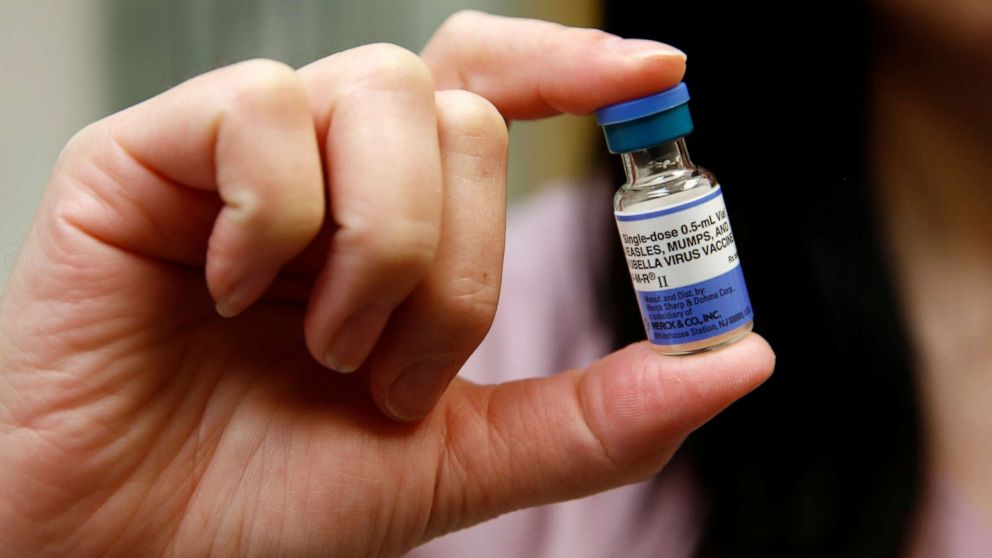
Measles is back…and our experts want people to leave the facts about vaccinations to the experts
Last week, America hit a record. Confirmed cases of measles eclipsed 700 cases. The disease that was once considered eradicated is now back and it has public health officials concerned. Dr. Todd Reinhart is the Dean of Sciences and Health Professions at Saint Mary’s University of Minnesota, and he has more than two decades of experience in infectious disease research. He’s a strong proponent of vaccinations and weighed in with his thoughts and perspective. “I’m not shocked,” says Reinhart. “I know there’s been a strong anti-vaccination movement and there’s a lot of misinformation out there.” He believes social media has been largely responsible for this movement to not vaccinate. The publication of the “Wakefield” paper, which suggested that the measles-mumps-rubella (MMR) vaccine might be linked to autism — even though retracted — got a lot of attention. However, that research that vaccinations cause autism has been debunked and even most recently there’s a study out of Denmark that covered 5,000,000 person years and there was no association with immunization and developing autism. Reinhart wants the public to look at the bigger picture and consequences. “It’s important to protect that child but also the broader society. Vaccines have been the strongest public health success story over the last few centuries. Measles is one of the most highly contagious viruses that we know. The odds of your getting it, if you’re exposed to it and you haven’t been immunized, is 90 percent. Part of the concern is for infants who aren’t immunized, the elderly because their immune systems are weaker, and those who are immunocompromised.” But there is also the matter of rights to be considered and that is playing a big part in all of this. “The problem is that individuals’ rights intersect with medicine, public health practice, and collective rights. If my infant, who couldn’t be immunized, contracts it through a carrier who could have been immunized, who has the higher ground because of rights? The problem is that even with clear data and clear information, people have been allowed the right, for the most part, to make the decisions they want,” Reinhart reiterates. If you are looking for answers and facts when it comes to vaccinations – it’s best to visit credible sources like the Centers for Disease Control and Prevention or local public health websites. If you need to speak with an expert about this topic for your news coverage – let us help. Dr. Todd Reinhart is Dean of Sciences and Health Professions, Professor, Biology and Health Professions at Saint Mary’s University of Minnesota. He has a degree in cancer biology from Harvard University’s School of Public Health and is an expert in the areas of infectious diseases. Simply click on his icon to arrange an interview.
