
Experts Matter. Find Yours.
Connect for media, speaking, professional opportunities & more.

Consumer Behavior Has Shifted Significantly During Pandemic, Survey Reveals
The COVID-19 pandemic has brought about significant shifts in people’s behaviors, from a sharp increase in telework and online commerce, to a significant decrease in the number of personal trips people make. Understanding the effects of these rapid changes on the economy, supply chains, and the environment is essential, as some of these behaviors will continue even after the pandemic has ended. José Holguín-Veras, the director of the Center for Infrastructure, Transportation, and the Environment at Rensselaer Polytechnic Institute, is part of a research team conducting a series of surveys in an effort to quantify and understand these unprecedented shifts. For instance, according to the team’s surveys, the number of monthly work trips people made during the start of the pandemic decreased by 60%. Post-pandemic, respondents believe they will still be making fewer work trips than before, down by 8.2%. Monthly grocery store trips decreased by 41.6% when the pandemic happened, with some people shopping less frequently and others shifting to grocery purchases online. Post-pandemic, survey respondents expect to return to the grocery store more often, but still less than before the pandemic began, by about 8.2%. In contrast, monthly delivery of groceries increased by 132.2% during the pandemic, a trend that may not disappear once the pandemic is over. Respondents expect that post-pandemic, their monthly grocery deliveries will still be 63.8% higher than before COVID-19. While all package deliveries increased during this pandemic period, the grocery delivery increase was the largest. The researchers hope their findings help policymakers develop future policies to offset not just the effects of COVID-19, but also the lasting changes that may result even after the pandemic has ended. Holguín-Veras is available to talk about the research team’s findings, and the importance of understanding these significant shifts.



It’s as if there’s an all-out war on the world’s insects – and experts from across the country are all buzzing with some very bad news. Recently, University of Connecticut’s Professor of Ecology and Evolutionary Behavior, David Wagner was featured on CBS National News in an in-depth story about the potential apocalypse the world’s insect kingdom faces. “The world's vital insect kingdom is undergoing "death by a thousand cuts," the world's top bug experts said. Climate change, insecticides, herbicides, light pollution, invasive species and changes in agriculture and land use are causing Earth to lose probably 1% to 2% of its insects each year, said University of Connecticut entomologist David Wagner, lead author in the special package of 12 studies in Monday's Proceedings of the National Academies of Sciences written by 56 scientists from around the globe. The problem, sometimes called the insect apocalypse, is like a jigsaw puzzle. And scientists say they still don't have all the pieces, so they have trouble grasping its enormity and complexity and getting the world to notice and do something. Wagner said scientists need to figure out if the rate of the insect loss is bigger than with other species. "There is some reason to worry more," he added, "because they are the target of attack" with insecticides, herbicides and light pollution… Insects "are absolutely the fabric by which Mother Nature and the tree of life are built," Wagner said. January 12 - CBS News The story is attached above – and must-read material for anyone concerned about insects and the vital role they play in just about every aspect of our world. If you’re a journalist looking to know more about this topic and would like to contact Dr. Wagner – simply click on his icon now to arrange an interview today.


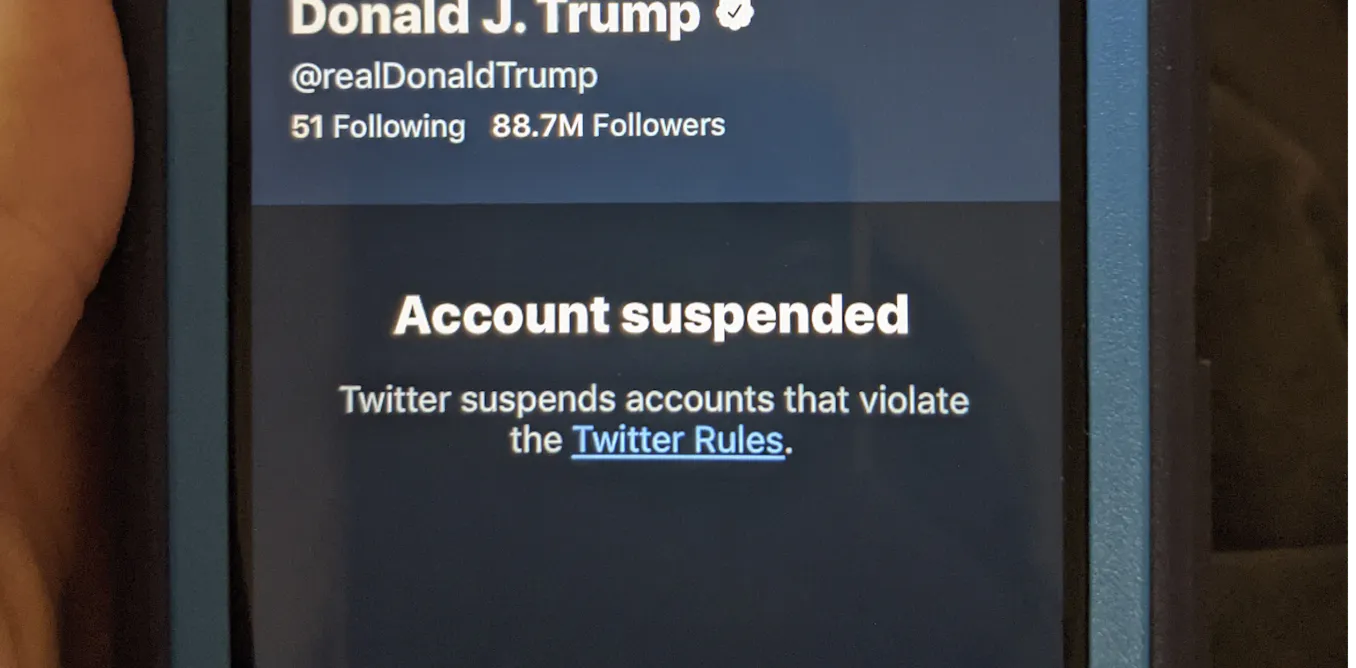
After an incited and encouraged crowd of Trump supporters stormed the Capitol buildings last earlier this month – social media, or at least the executives that run companies like Twitter and Facebook had had enough and opted to oust President Donald Trump from their platforms. Donald Trump has been ‘deplatformed’ and no longer has easy access to an audience of millions of followers. The concept of deplatforming is being widely debated. And recently, University of Connecticut’s Ugochukwu Etudo was asked to lend his expert perspective on the idea. Does the deplatforming of prominent figures and movement leaders who command large followings online work? That depends on the criteria for the success of the policy intervention. If it means punishing the target of the deplatforming so they pay some price, then without a doubt it works. For example, right-wing provocateur Milo Yiannopoulos was banned from Twitter in 2016 and Facebook in 2019, and subsequently complained about financial hardship. If it means dampening the odds of undesirable social outcomes and unrest, then in the short term, yes. But it is not at all certain in the long term. In the short term, deplatforming serves as a shock or disorienting perturbation to a network of people who are being influenced by the target of the deplatforming. This disorientation can weaken the movement, at least initially. However, there is a risk that deplatforming can delegitimize authoritative sources of information in the eyes of a movement’s followers, and remaining adherents can become even more ardent. Movement leaders can reframe deplatforming as censorship and further proof of a mainstream bias. There is reason to be concerned about the possibility that driving people who engage in harmful online behavior into the shadows further entrenches them in online environments that affirm their biases. Far-right groups and personalities have established a considerable presence on privacy-focused online platforms, including the messaging platform Telegram. This migration is concerning because researchers have known for some time that complete online anonymity is associated with increased harmful behavior online. In deplatforming policymaking, among other considerations, there should be an emphasis on justice, harm reduction and rehabilitation. Policy objectives should be defined transparently and with reasonable expectations in order to avoid some of these negative unintended consequences. January 15 – The Conversation If you’re a journalist covering deplatforming and would like to talk with Ugochukwu Etudo – simply click on his icon today and we’ll arrange an interview today.
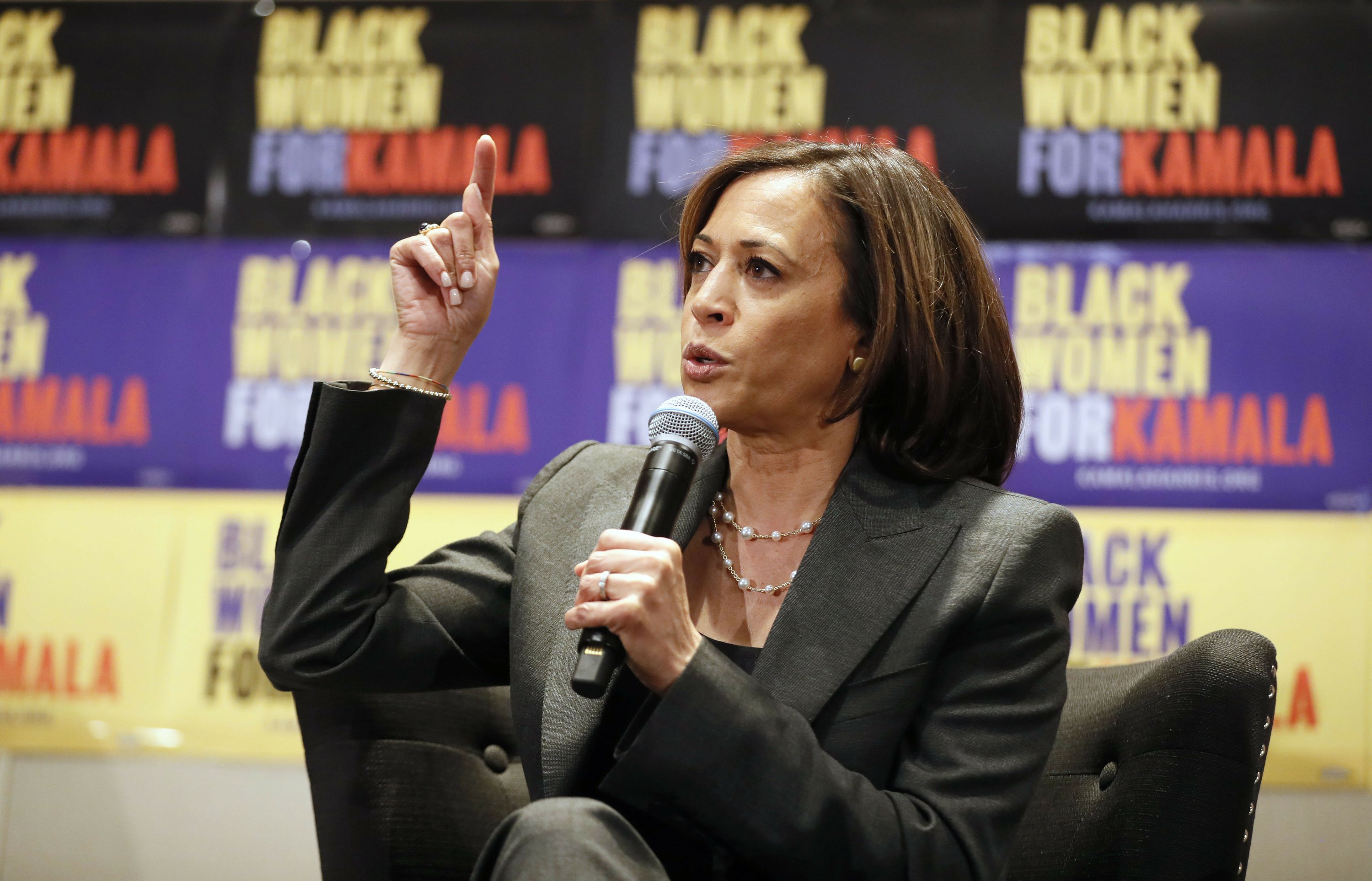
The 'XX' factor: Women voters and what candidates need to know for future elections
As unique as the 2020 election was, it was still similar to every other election, where winning comes down to isolating key demographics, swaying them to lend support and getting those voters out to the ballot box. There are many different blocks of voters in America based on income, education, race, geography and gender. Gender among them is key, and on Nov. 3, women ensured their votes were counted. Ask Virginia voter Mary Hayes why Joe Biden defeated Donald Trump, and she does not hesitate. “Women won this election!” says Hayes, 56, a mother of three and Biden supporter from Leesburg, Virginia. In particular, she credits two categories of voters that she herself is part of: Black women and suburban women. Trump had begged the latter group — some of whom he’d alienated by referring to them as “housewives” — to “please, please” like him. But that plea rang hollow, she says. “We showed America that suburban women are diverse, and are a beautiful collection of ethnicity, race, marital status, occupations and many other categories,” Hayes says. “Suburban women mobilized, determined to remove Trump from office.” And, she says, they succeeded. Nov. 16, Associated Press Women did play a key role in the vote as it rolled across the country. But now, the balance of power in Washington will rely on two key Senate races in Georgia. And no doubt, both sides are strongly courting female voters. If you are a journalist looking to know how important a role gender will play in the January runoffs and what all four of the candidates need to do to secure those votes, then let an expert from Augusta University help with your story. Dr. Mary-Kate Lizotte is an expert in political behavior and the implications of gender differences in public opinion. She is available to talk about the 2020 election and the upcoming Senate runoffs in Georgia. Click on her name to schedule an interview.


The Alexa Effect: How the internet of things (IoT) is increasing retail sales
Imagine this scenario. You’re out of coffee but with the click of a button or a simple voice command, you reorder a two months’ supply that will arrive the same day. And that almond milk you like? Well, imagine your fridge already knew you were running low on supplies and independently sent the order to restock before you ran out. The stuff of science-fiction until only recently, internet of things (IoT) technology is beginning to change the way we live and work. Simply put, IoT is a system of interrelated devices—things that can include gadgets, digital objects, or machines, wearables and so on—which have the capacity to send and receive data over a network without human agency or human interaction. As a technology, IoT is novel, and it’s poised to reconfigure a range of sectors and industries—among them, the world of retail. Amazon is a leader in the consumer-facing space with an ecosystem of apps like Alexa, Fire TV, and the now-defunct Dash Button. Meanwhile, tech-savvy retailers are using IoT to facilitate operations. Smart shelves in stores can detect the status of perishable goods or inventory requirements; radio frequency identification (RFID) sensors can actively track the progress of produce through the supply chain. Retailers can even use IoT to send customers personalized digital coupons when they walk into the store. As IoT continues to gain traction around the globe, the potential for efficiency-boosting innovation in retail is clear. Less clear, however, is its actual impact on consumer choices and behaviors. Sure, IoT can save time and mental effort, but how does that translate into real-world business outcomes? This is the question that underscores new research by Vilma Todri and Panagiotis Adamopoulos, both assistant professors of information systems and operations management at Emory’s Goizueta Business School. They were keen to understand whether consumer behavior is significantly changed under the regime of this new technology as it continues its roll out across the world. Specifically, they wanted to know if IoT technology actually increases demand for products. And it turns out that it does. “IoT technology in retail is really in its infancy, so understanding its impact on users and business is key,” Adamopoulos said. “We wanted to shed light on these dynamics at this early point to spark interest and generate more debate around how retailers can leverage this technology.” Together with Stern’s Anindya Ghose, he and Todri put together a large data-set with information about sales of certain products in countries with existing IoT retail markets and in others where the technology has not yet been introduced. “We needed to take into account these sorts of variables to really understand the effect,” Todri said. “So, we had our control group of non-IoT retail markets, and we were able to compare sales data for the same products in countries where the technology has been adopted.” The researchers also controlled for time trends, looking at the impact on sale prior to and post IoT adoption. “Looking at the data over time and pinpointing the exact moment when a product has been made available for sale via IoT sales channels across different countries and at different moments, we were able to infer the effect of the technology on product sales,” Todri said. In total, they looked at sales for the same or similar products in six countries between 2015 and 2017. They also compared sales across different retailers. “By analyzing the same sales information for different products in different markets using different channels across the world, we can see differences in the data that can only be attributable to this new technological feature,” Adamopoulos said. And the differences are significant. The concept is fascinating, and if you are interested in learning more, a complete article about this topic is attached: If you are a journalist or looking to learn more about IoT, our experts can help. Vilma Todri and Panagiotis Adamopoulos, both assistant professors of information systems and operations management at Emory’s Goizueta Business School. Both experts are available to speak with media; simply click on either expert's icon to arrange an interview today.




Exploring the direct link between drug abuse and the internet
Drug overdoses account for a staggering number of deaths in the United States. In 2017 alone, more than 70,000 U.S. citizens died from opioid overdoses, a number that eclipses the death toll due to traffic accidents, gun violence, or HIV in the same year. Among the academic community, media and national organizations such as the Drug Enforcement Agency (DEA) and the Food and Drug Administration (FDA), there is a growing consensus that the internet plays a key role in enabling access to illicit drugs in America. As far back as 2005, the DEA referred to the internet as an “open medicine cabinet; a help-yourself pill bazaar to help you feel good.” But until now, the jury has been out about whether online platforms actually drive substance abuse among internet users. Research by Anandhi Bharadwaj, vice dean for faculty and research and Roberto C. Goizueta Endowed Chair in Electronic Commerce, along with doctoral candidate Jiayi Liu 22PhD, casts compelling new light on this issue. Their paper, Drug Abuse and the Internet: Evidence from Craigslist, was published in March 2020. By using data from Craigslist, one of the largest online platforms for classified advertisements, the researchers found a significant uptick in drug abuse in areas where Craigslist had become active in the last decade or so. Launched in San Francisco in 1995, Craigslist is a location-specific site that has been spreading to different U.S. cities in a staggered fashion since 2000. As the site has grown, so too have the number of illicit, user behaviors that exist in tandem with the many positive services it offers. Among these are prostitution and the sale of controlled or illicit drugs. The internet: a pipeline for narcotics Historically the sale and purchase of illegal drugs has happened in physical spaces—streets and urban areas prone to certain boundaries and limitations, not to mention the risk of arrest or potential violence. The internet has changed the game in two key ways. First, there is the simple mechanism of buyer-seller matching. Dealers and buyers transact online, which is more straightforward, faster and cuts through many of the risks associated with physical interaction. Simply put, it’s easy to buy drugs online. Second, there is the issue of anonymity. Research has documented how human beings behave differently when we believe our identity is shielded from others. We are prone to take more risks under the cloak of anonymity. Working off these two premises, Bharadwaj and Liu hypothesized that the internet not only facilitates the sale and purchase of drugs—it must also proactively spur supply and demand. To put this to the test, they documented the U.S. cities and counties where Craigslist has become operational since 2000 and then analyzed three other key variables: total number of people admitted into drug treatment facilities in different counties between 1997 and 2008, county-level drug abuse violations, and number of deaths caused by overdose per county. Eager to understand how this new access to drugs online might also be impacting people at a demographic and socioeconomic level, the researchers merged this data with statistics on age, ethnicity and poverty from the U.S. Census Bureau. Additionally, the authors compiled information about income and unemployment, crime and arrests from the Bureau of Labor Statistics and the FBI respectively. What they found was stunning. Not only is there a marked increase in drug-related treatments (14.9 percent), violations (5.7 percent) and deaths (6.0 percent) wherever Craigslist becomes operational in a city or county; the momentum of increasing drug abuse also continues to grow over time in that area. And that’s not all. Economic disadvantages—poverty, unemployment and lower standards of education—are typically associated with a higher risk of substance abuse. But the findings suggest that in fact it’s the wealthier, higher-educated groups—especially among whites, Asians, and women—that are more likely than others to engage in drug abuse once Craigslist starts operating in an area. In fact, they conclusively found an uptick in this kind of behavior where crime and drug abuse had been less prevalent previously. In other words, where drugs are becoming readily available online, there is a dramatic increase in new and first-time users. If you are interested in learning more or if you are a journalist looking to cover this research – then let our experts help. Professor Anandhi Bharadwaj is the Vice Dean for Faculty and Research and the Goizueta Endowed Chair in Electronic Commerce and Professor of Information Systems, Operations Management. To arrange an interview with – simply click on her icon today.

Is Georgia really seeing a 'blue wave'? Not necessarily, expert says
Though the ballots are currently being recounted, Georgia’s 16 electoral votes are expected to go to Joe Biden. The Peach State turned out to be ripe for the picking for Democratic votes, playing a pivotal role in Biden's road to winning the White House. Georgia was a lock for President Donald Trump in 2016 and has been voting Republican since 1996. However, it's a little too soon to say the state has done a complete political about-face, especially as the nation watches the upcoming runoff races for Georgia's two Senate seats. “There's no ‘blue wave’ in Georgia, or really in the nation,” says Augusta University’s Dr. Gregg Murray. “Donald Trump lost by a very small percent. Georgia's U.S. House delegation didn't change from red to blue (or even the Democrat versus Republican count, for that matter). There may be small Democratic gains in the Georgia House and Senate, but the Republicans still dominate. “It's also highly unlikely, a less than 25 percent chance, that Democrats will gain control of the U.S. Senate, as it's unlikely both of Georgia's Democratic Senate candidates will win the runoff." With the balance of power in Washington essentially resting on the outcome of the Georgia runoffs, all eyes will be on the state. Murray is a go-to expert on state politics and a regular in the media, appearing on major outlets like CNN. If you are covering this topic, then let our expert help with your story. Dr. Gregg R. Murray, professor of political science at Augusta University, is available to talk about the presidential race and election results. Murray’s research focuses on political behavior and psychology with specific interests in voter mobilization and turnout. He is also executive director of the Association for Politics and the Life Sciences. Simply click on Murray's icon now to arrange an interview today.


Best-selling author Peter Singer talks with the Brunswick Review about winning the increasingly crowded and contentious war for attention What do Isis and Taylor Swift have in common? According to author and digital-security strategist Peter Singer, both the terrorist organization and pop star are fighting for your attention online and employing similar tactics to try and win it. ISIS kicked off its 2014 invasion of Mosul with the hashtag, “#AllEyesonISIS.” More recently, the terror group posted photos of its members holding cute cats in an effort to make them more relatable – tactics familiar to most celebrities and online marketers around the world. These online battles, the rules governing them, and their real-world impact are the focus of Mr. Singer’s latest book, LikeWar, which he coauthored with Emerson T. Brooking, at the time a research fellow with the Council of Foreign Relations. “A generation ago people talked about the emergence of cyber war, the hacking of networks. A ‘LikeWar’ is the flip side: the hacking of people and ideas on those networks. Power in this conflict is the command of attention,” says Mr. Singer, who in addition to his writing is also a strategist and Senior Fellow at the New America Foundation. Pretty much everyone who posts online – from governments to marketers to reality TV stars – is a combatant in this fight for virality, according to Mr. Singer. Triumph in a “LikeWar” and you command attention to your product or propaganda or personality. Lose and you cede control of the spotlight and the agenda. Mr. Singer recently spoke with Brunswick’s Siobhan Gorman about the trends he’s seeing in LikeWars around the world, and what companies can do to avoid being on the losing end. What were you most surprised by in researching LikeWar? One of the more interesting characters in the book was at one time voted TV’s greatest villain: Spencer Pratt, a reality TV star on MTV’s “The Hills.” He’s basically one of these people who became famous almost for nothing. But what Pratt figured out really early was the power of narrative, which allowed him to become famous through, as he put it, “manipulating the media.” In the same week, I interviewed both Pratt and the person at the US State Department who’s in charge of the US government’s efforts to battle ISIS online. And Pratt, this California bro who’s talking about how to manipulate the media to get attention, understood more of what was playing out online than the person at the State Department. Spencer Pratt, a reality TV star… understood more of what was playing out online than the person at the State Department.” How much have online conflicts changed the rules in the last few years? First, the internet has left adolescence. It’s only just now starting to flex its muscles and deal with some of its responsibilities. The structure of the network changes how these battles play out. So, it’s this contest of both psychological but also algorithmic manipulation. What you see go across your screen on social media is not always decided by you. The rule makers of this global fight are a handful of Silicon Valley engineers. Another aspect of it is that social media has effectively rendered secrets of any consequence almost impossible to keep. As one CIA person put it to us, “secrets now come with a half-life.” Virality matters more than veracity; the truth doesn’t always win out. In fact, the truth can be buried underneath a sea of lies and likes. And the last part is that we’re all part of it. All of our decisions as individuals shape which side gets attention, and therefore which side wins out. But you highlight that this is playing out differently in China. Exactly. There are two different models shaping the internet, and shaping people’s behavior through the internet, playing out in the West and in China. Essentially, internet activity in China is all combined. Look at WeChat, which is used for everything from social media to mobile payment; it’s Amazon meets Facebook meets Pizza Hut delivery. And you combine that with an authoritarian government that’s had a multi-decade plan for building out surveillance, and you get the social credit system, which is like Orwellian surveillance crossed with marketing. The social credit system allows both companies and the government to mine and combine all the different points of information that an online citizen in China reveals of themselves, and then use that to create a single score – think of it as your financial credit score of your “trustworthiness.” For example, if you buy diapers your score goes up, because that indicates you’re a parent and a good parent. If you play video games for longer than an hour your score goes down because you’re wasting time online. And it’s all networked. Your friends and family know your score. It creates a soft form of collective censorship; if your brother posts something that’s critical of the government, you’re the one who goes to him and says, “Knock it off ’cause you’re hurting my score.” And you do that because the score has real consequences. Already it’s being used for everything from seating on trains and job applications to online dating. Your score literally shapes your romantic prospects. So, you have this massive global competition between Chinese tech companies and other global tech companies not only for access to markets, but also for whose vision of the internet is going to win out. How can companies win a “LikeWar”? Everyone’s wondering: What are the best ways to drive your message out there and have it triumph over others? The best companies I’ve seen create a narrative, have a story and have emotion – in particular, they have emotion that provokes a reaction of some kind. It’s all about planned authenticity. That sounds like a contradiction, but it’s about acting in ways that are genuine, but are also tailored because you’re aware that the world is watching you. A good comparison here is Wendy’s versus Hillary Clinton. Wendy’s is a hamburger chain – not a real person – but it acts and comes across as “authentic” online and has developed a massive following. They’re funny, irreverent. Yet Hillary Clinton – a very real person – never felt very authentic in her online messaging. And that’s because it involved a large number of people – by one account, 11 different people – all weighing in on what should be tweeted out. Inundation and experimentation are also key. Throwing not just one message out there, but massive amounts of them. Treating each message as both a kind of weapon, but also an experiment that allows you to then learn, refine, do it again, do it again, do it again. How do you measure and gauge battles online now? Is it just volume? It all depends on what your battle is, what your end goal is. Is it driving sales? Is it getting people to vote for you, to show up to your conference? This is what the US gets wrong about Russian propaganda and its disinformation campaigns. We think they’re designed to make people love or trust a government. From its very start back in the 1920s, the goal of propaganda coming from the Soviet Union, and today Russia, has been instead to make you distrust – distrust everything, disbelieve everything. And we can see it’s been incredibly effective for them. First, we need to recognize that we’re a part of the battle. In fact, we’re a target of most of the battles. How effective have disinformation campaigns actually been in the US? What can be done? One of the scariest and maybe saddest things we discovered is that the US is now the story that other nations point to as the example of what you don’t want to have happen. There’s no silver bullet, of course. But one example was something called the Active Measures Working Group, a Cold War organization that brought together the intelligence community, diplomats and communicators to identify incoming KGB disinformation campaigns and then develop responses to them. We’re dealing with the modern, way more effective online version of something similar, and we haven’t got anything like that. There are also digital literacy programs. I find it stunning that the US supports education programs to help citizens and kids in Ukraine learn about what to do and how to think about online disinformation, but we don’t do that for our own students. What can people like you or me do? First, we need to recognize that we’re a part of the battle. In fact, we’re a target of most of the battles. And we need to better understand how the platforms work that we use all the time. A majority of people actually still don’t understand how social media companies make money. The other is to seek out the truth. How do we do that? And the best way is to remember the ancient parable of the blind man and the elephant – don’t just rely on one source, pull from multiple different sources. That’s been proven in a series of academic studies as the best way to find the facts online. It’s not exactly new, but it’s effective. Where will the next online war be fought? The cell phone in your pocket, or if we’re being futuristic, the augmented reality glasses that you wear as you walk down the street. It’ll come from the keepsake videos that you play on them. If you want to know what comes next in the internet there have always been two places to go: university research labs and the porn industry. That’s been the case with webcams, chat rooms and so on. What we’re seeing playing out now are called “deep fakes,” which use artificial intelligence to create hyper-realistic videos and images. There’s also “madcoms,” which are hyper-realistic chat bots that make it seem like you’re talking to another person online. Combine the two, and the voices, the images, the information that we’ll increasingly see online might be fake, but hyper-realistic. The tools that militaries and tech companies are using to fight back against the AI-created deep fakes are other AI. So, the future of online conflict looks like it’ll be two AIs battling back and forth. Let me give you a historic parallel, because we’ve been dealing with these issues for a very long time. The first newspaper came when a German printer figured out a way to monetize his press’s downtime by publishing a weekly collection of news and advice. And in publishing the first newspaper, he created an entire industry, a new profession that sold information itself. And it created a market for something that had never before existed – but in creating that market, truth has often fallen by the wayside. One of the very first newspapers in America about a century later was called the New England Courant. It published a series of letters by a woman named Mrs. Silence Do-good. The actual writer of the letters was a 16-year-old apprentice at the newspaper named Benjamin Franklin, making him the founding father of fake news in America. In some sense it’s always been there, using deception and marketing to persuade people to your view.


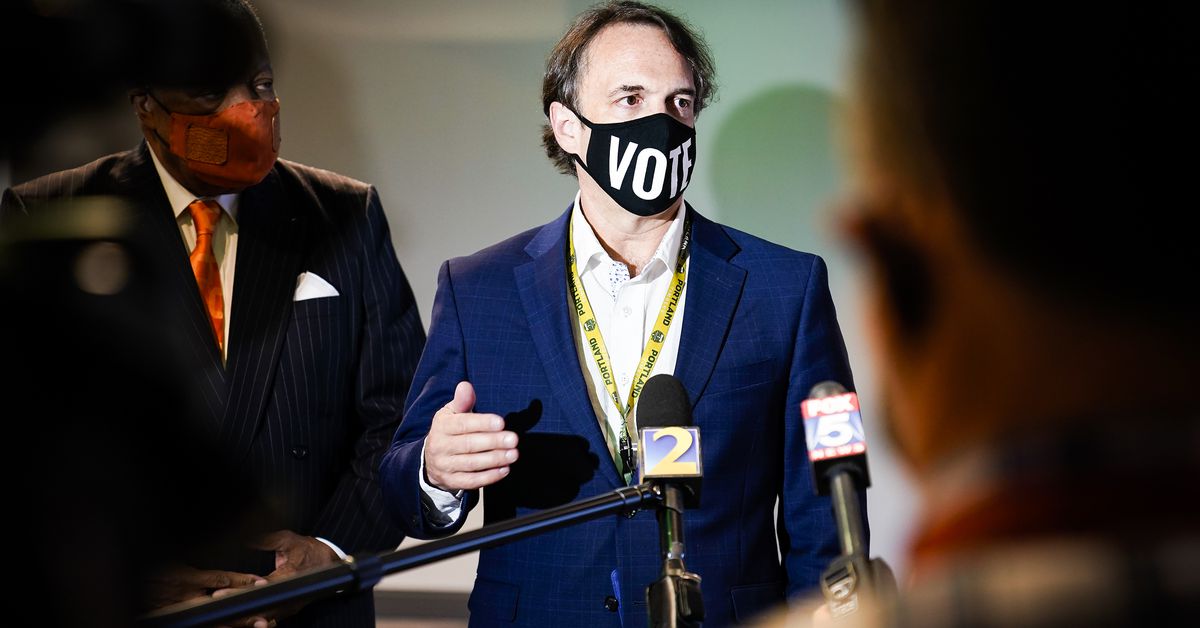
Is it time to stop taking Georgia for granted? The state voted blue – let our experts explain why
As the final few votes still remain to be counted, the state of Georgia has taken a political turn it has not seen in more than two decades. After a long stretch as a presumptively Republican stronghold, in 2020, voters in Georgia made their voices heard and likely shifted the balance of power in Washington. What has changed? Are more voters engaged and showing up to vote? Have demographics shifted? Has the population changed? Have Peach State citizens changed their outlook on issues and politics? Moving forward, few will take the state’s 16 electoral college votes for granted. Is Georgia now one of the battleground states that will shape presidential elections in the future? If you are covering this topic, then let our experts help with your story. Dr. Gregg R. Murray, professor of political science at Augusta University, is available to talk about the presidential race and election results. Murray’s research focuses on political behavior and psychology with specific interests in voter mobilization and turnout. He is also executive director of the Association for Politics and the Life Sciences. Simply click on Murray's icon now to arrange an interview today.
The tug between protecting privacy and building brand loyalty
The coronavirus pandemic has put much of normal life on hold, but it hasn’t stopped hackers. According to Securityboulevard.com, in the first quarter of 2020, more than 8.4 billion records from healthcare institutions, technology, software, social media, and meal delivery companies were exposed — a 273 percent increase from Q1 2019. While data breaches are costly to companies — a recent Ponemon Institute data breach report found that data breaches cost organizations an average of $7 million in the U.S. — their frequency is enough to cause some consumers to wonder if their private information is safe with their favorite brands. The increase in data breaches is concerning, noted Jesse Bockstedt, associate professor of information systems & operations management, but several studies have found that the out-of-pocket expense to consumers due to identity theft is less than $1,000. “Which isn’t zero, but it’s not like a few years ago when [identity theft] ruined your life and destroyed your credit,” Bockstedt said. As for the companies, he added, “It’s not a brand killer anymore.” Yet despite consumers’ growing unease, Goizueta faculty say the relationship between privacy and brand loyalty is a bit more intricate. While a data breach can nick a firm’s reputation, it’s the data that is purposely collected beyond the name and vital statistics that worry consumers more. Our experts found the following key points were necessary when it comes to finding the safe ground between privacy and brand loyalty. In fact, we have an expert from Goizueta who can explain each one: Building digital trust “Companies are increasingly worried that people will buy less from their brand if they’re perceived to be fast and loose with customer data,” said Daniel McCarthy, assistant professor of marketing. For instance, after political data-analytics firm Cambridge Analytica secretly collected data on roughly 87 million Facebook users, back-lash followed. In an effort to regain users’ trust, Facebook founder and CEO Mark Zuckerberg laid out a “privacy-focused vision” for Facebook, but those efforts were widely criticized as not going far enough. Advertising boycotts followed. Trust: the key to customer loyalty Minus regulatory guardrails, the differentiating factor is trust, explained Jagdish Sheth, the Charles H. Kellstadt Chair in Marketing. “Trust is built over time by doing what you promise to do and by company behavior that is considered appropriate or right,” Sheth said. Loyalty programs such as those with airlines, hospitality companies and grocery stores are founded on a relationship between a consumer and a brand. “Loyalty programs mean relationships, and in all relationships, trust and commitment are key,” he added. Let’s make a deal “Brands that are able to deliver a personalized experience in a privacy-friendly manner will have a competitive advantage,” explained David Schweidel, professor of marketing, in a recent “Goizueta Effect” podcast. “Putting a premium on privacy means forgoing the benefits that come from allowing organizations to collect data they use to deliver a better experience. From a commercial standpoint, the onus is on the marketers to make the case that the benefits outweigh privacy concerns.” We’ve attached a full article with even more advice and helpful information from our experts – but if you are looking to learn more or cover this topic, we can help. All of our faculty are available to speak with media, simply click on either expert’s icon now – to book an interview today.

